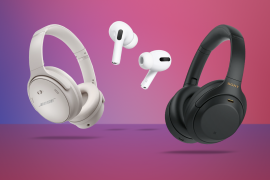
Every Apple iPhone ranked in order of greatness
What is the best iPhone ever and how do the rest of the iPhone generations rank? We check out everything from the original to the iPhone 17 Pro Max and iPhone Air


Apple makes fantastic phones, but which is Apple’s best phone of all time? And how do you compare different generations of Apple’s cellphones? That’s where this list ranking every Apple iPhone in order of greatness comes in.
This list isn’t just about technical excellence, though. If it were, we’d mostly count forward from 2007 and call it a day. Instead, we’re digging into context. Which iPhones had real impact? What new hardware seemed properly bonkers at the time? And which iPhones made us grin like we’d unboxed the future?
The original iPhone is still an icon. The latest iPhone 17, iPhone 17e iPhone Air and iPhone 17 Pro/Pro Max models are all impressive in their own ways. But how do they stack up against the trailblazers and the “oh wow, Apple really did that” models from years past? Read on to find out.
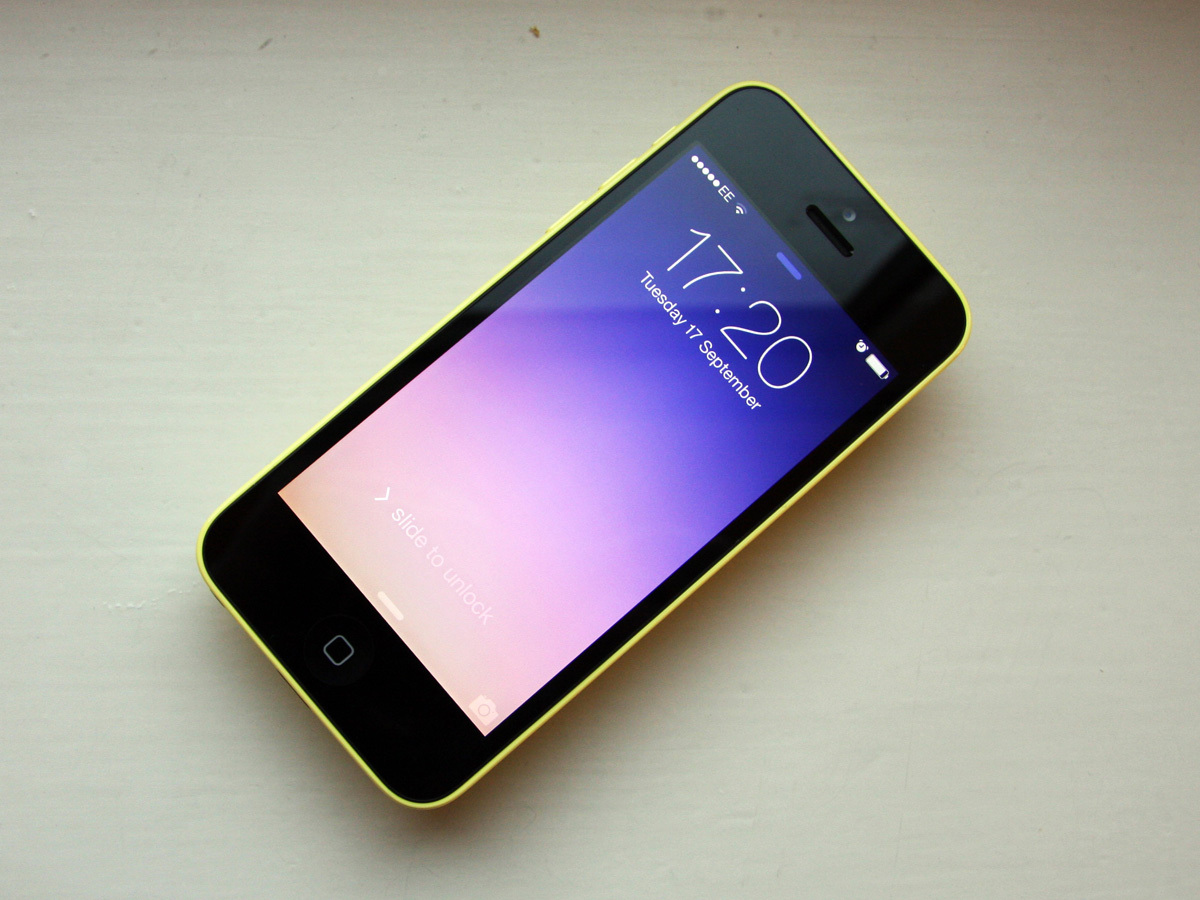
44. iPhone 5c
- Year: 2013
- Screen: 4.0in (1136x640px @326ppi)
- Rear camera(s): 8MP main
- Dimensions: 124.4×59.2×8.97mm, 132g
- Chip (SoC): Apple A6
- Charging port: Lightning
The iPhone 5 was a brilliant phone when it was released in 2012, and it was still pretty great when Apple dressed it up in plastic and knocked a chunk off the price in 2013. And those colours! Whether or not you liked them, you have to admit they were daring (or utterly mad) picks by Apple.
But as an iPhone clearly created to be a ‘lesser than’ model, it was hard to drum up too much enthusiasm at the time. Even less now. It was a year-old iPhone housed in cheaper materials to save a chunk of change, and yet it was still a pricey Apple device. If the 5c was your first iPhone, it was probably still one heck of an introduction. Today, it just can’t clamber further up our list.
Also read › Apple iPhone 5c review
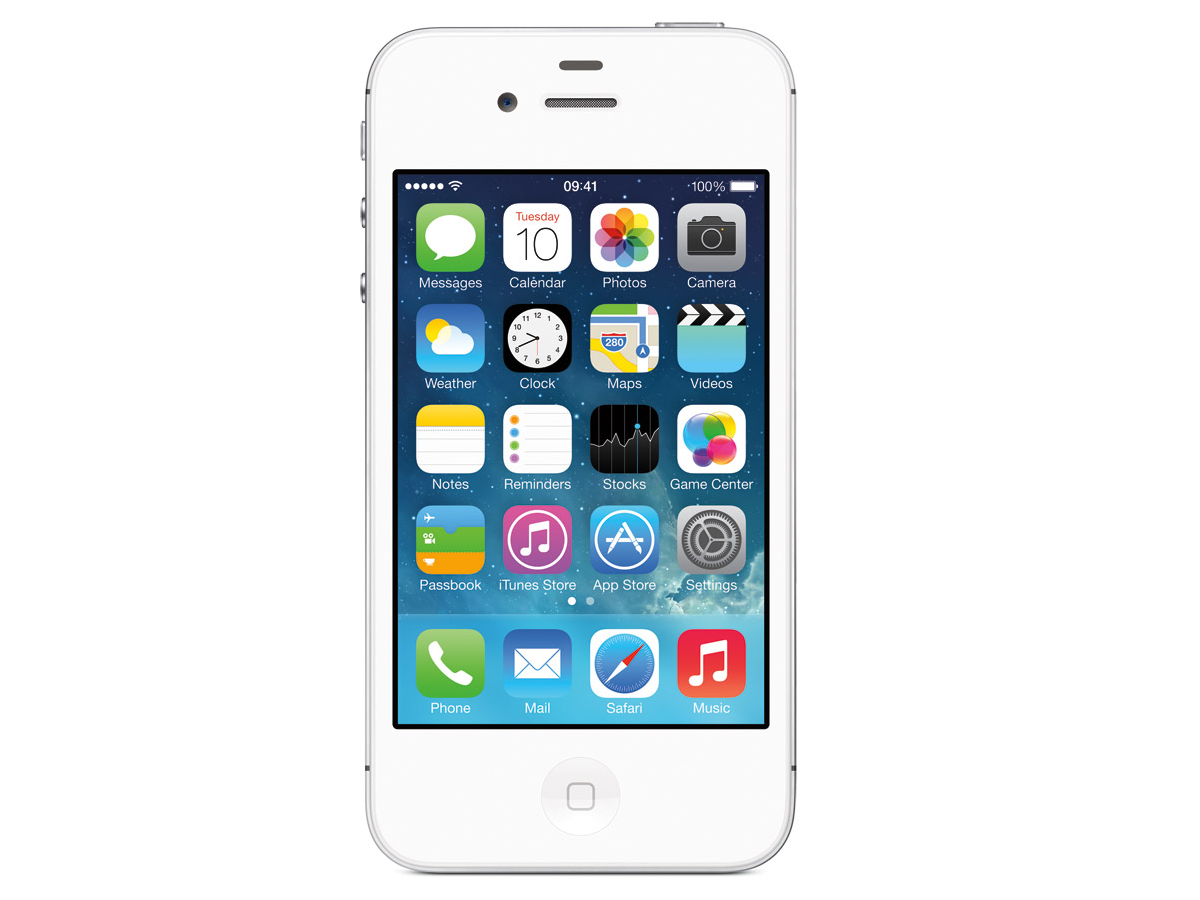
43. iPhone 4s
- Year: 2011
- Screen: 3.5in (960x640px @326ppi)
- Rear camera(s): 8MP main
- Dimensions: 115.2×58.6×9.3mm, 140g
- Chip (SoC): Apple A5
- Charging port: 30-pin
Here’s an ‘S’ upgrade that was nice enough at the time but ultimately not critical in the grand scheme of things. The iPhone 4s built upon the revolutionary design and Retina display of the original iPhone 4, with enhancements to the camera and graphics capabilities. And the revised antenna design avoided the issues some encountered with the iPhone 4.
But the biggest feature addition was that of voice assistant Siri, which, let’s face it, didn’t end up being as useful as it initially seemed. Still, we have to give the 4s props for one thing: longevity. It even received the iOS 9 upgrade in 2015, four years after the phone’s initial release, making it the first iPhone to get major updates for that long.
Also read › Apple iPhone 4S review
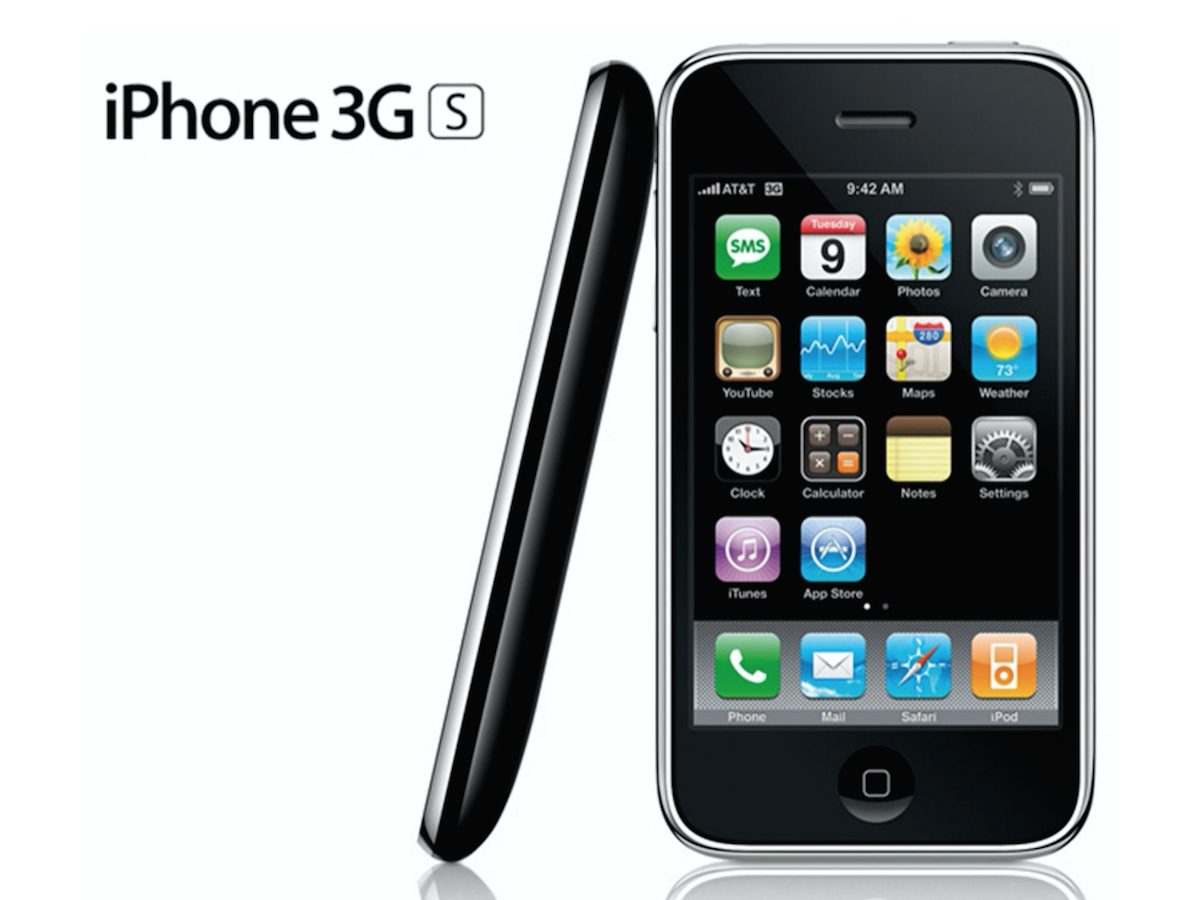
42. iPhone 3GS
- Year: 2009
- Screen: 3.5in (480x320px @163ppi)
- Rear camera(s): 3MP main
- Dimensions: 115.5×62.1×12.3mm, 135g
- Chip (SoC): Samsung S5L8920 (‘APL0298C05’)
- Charging port: 30-pin
When the iPhone 3GS launched in 2009, it was a notable enhancement over the prior iPhone 3G. The ‘S’ stood for speed, which was surely felt: the 3GS ran upwards of twice as fast as its sluggish predecessor, plus it added a better camera – with video capabilities – along with voice control.
But in the historical context of core iPhone upgrades, it feels like one of the least consequential. It doesn’t help that it’s sandwiched between the upgrade to 3G data on one end and the iPhone 4’s beautiful design and Retina display on the other. If you got the 3GS, you surely appreciated the new bits. If you didn’t… well, you didn’t miss that much.
Also read › Apple iPhone 3GS review
41. iPhone 8
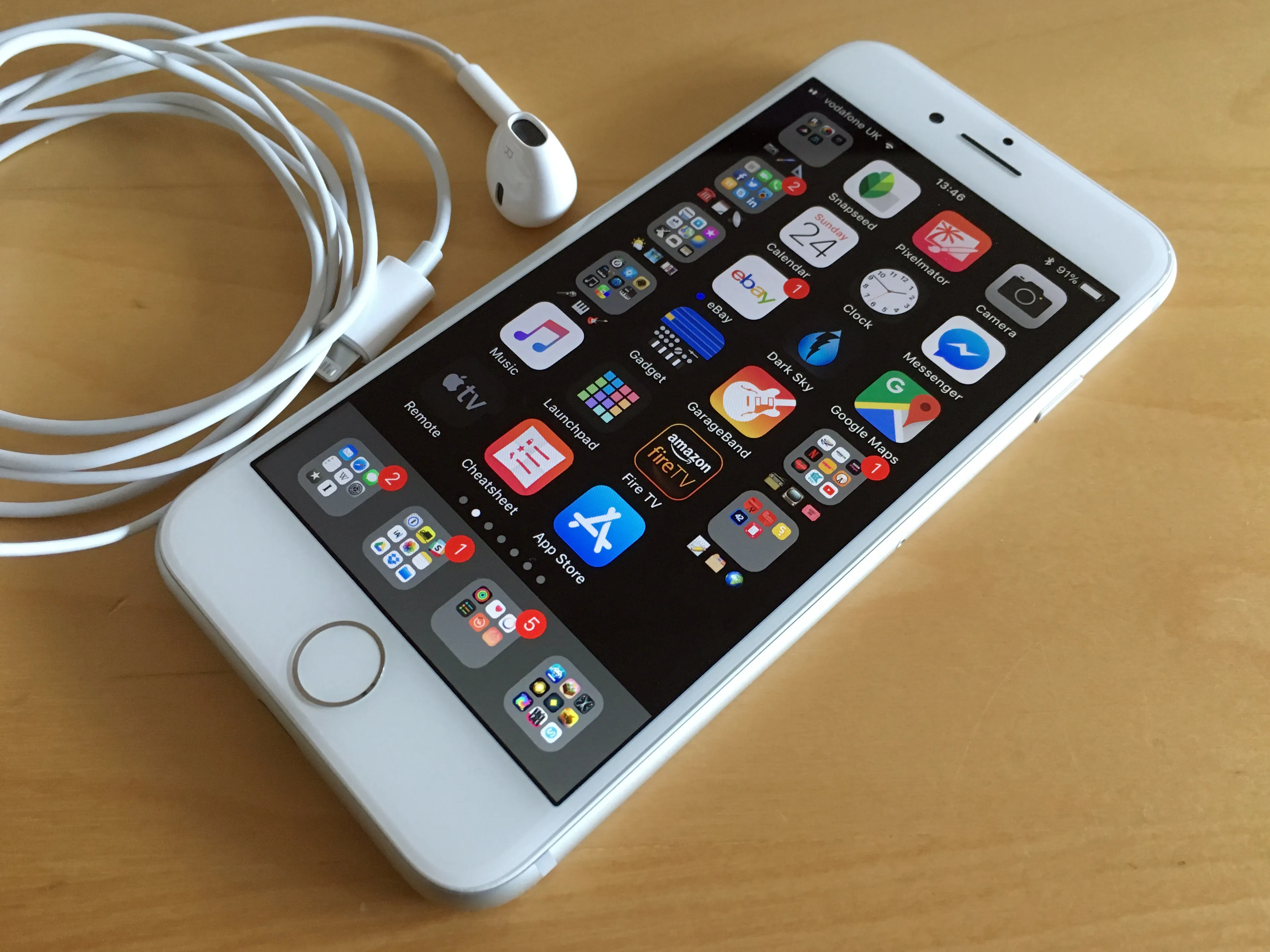
- Year: 2017
- Screen: 4.7in (1334x750px @326ppi)
- Rear camera(s): 12MP main
- Dimensions: 138.4×67.3×7.3mm, 148g
- Chip (SoC): Apple A11 Bionic
- Charging port: Lightning
For the fourth iteration in a row, Apple’s core 4.7in iPhone opted for incremental changes, making the iPhone 8 yet another great everyday phone but also one that felt more dated than ever.
The just-better-than-720p display seemed lacking on such an expensive phone. The back camera was very good but not as impressive as that of the Plus model. And the addition of glass backing and wireless charging were nice-to-haves, but they hardly ushered in the great design overhaul that we’d been longing for after a few mostly identical entries.
Apple still sold a pile of iPhone 8 phones and satisfied a lot of users, but the company clearly set its ambitions higher with even pricier handsets – the iPhone 8 Plus and the iPhone X. So this take on the core iPhone can’t help but feel like an underwhelming entry today.
Also read › Apple iPhone 8 review
40. iPhone 5s
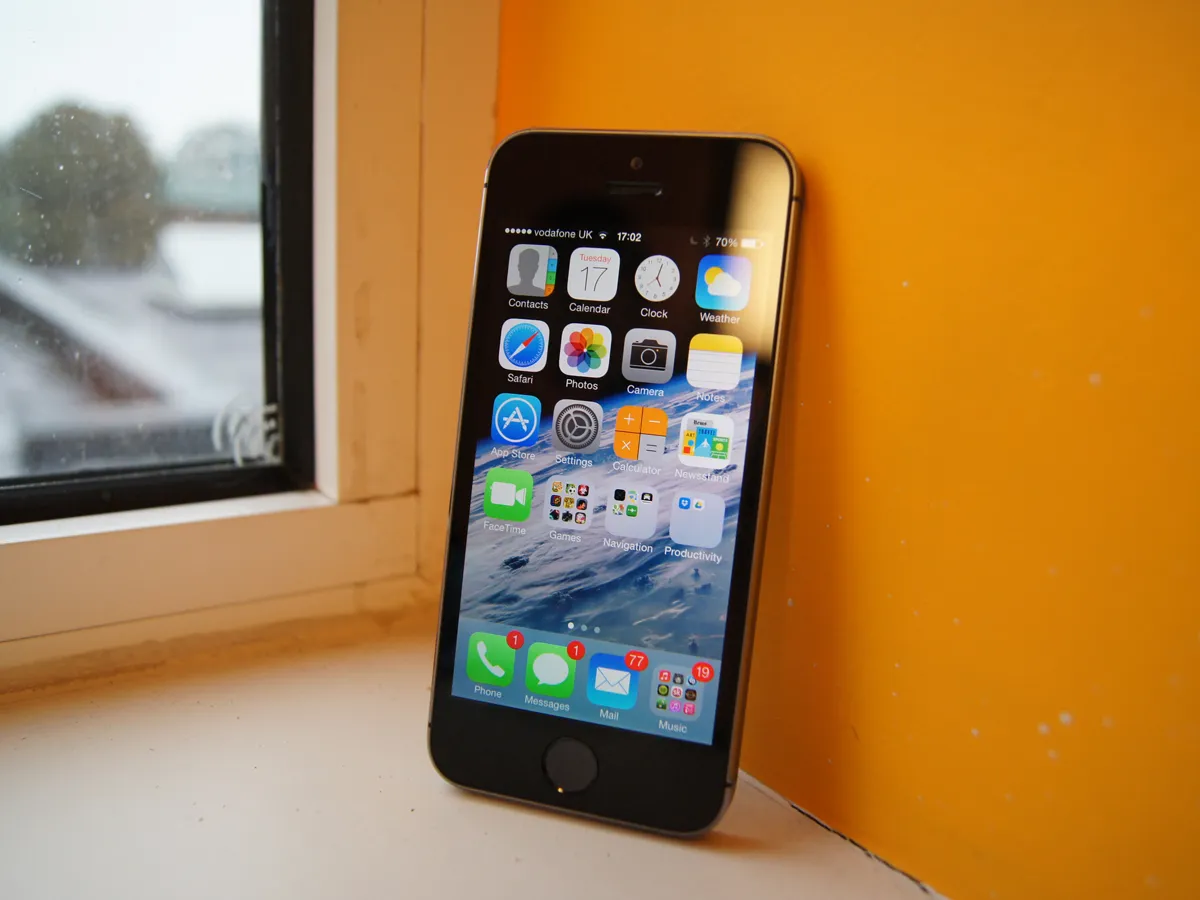
- Year: 2013
- Screen: 4.0in (1136x640px @326ppi)
- Rear camera(s): 8MP main
- Dimensions: 123.8×58.6×7.6mm, 112g
- Chip (SoC): Apple A7
- Charging port: Lightning
Whereas the iPhone 5c took the iPhone 5 and made it feel cheaper, the iPhone 5s started from that same device and made it markedly better. The Touch ID sensor was the most obvious perk, offering innovative security functionality that worked startlingly well, but the upgrade to a 64-bit processor also allowed for glossier game and app experiences.
That said, the iPhone 5s launched at a time when Android makers were pushing into phones with much larger, sharper screens, and Apple’s phone couldn’t help but seem a little dinky by comparison. It was still a great device. But after the brilliant iPhone 5, the 5s couldn’t help but feel a little too familiar.
Also read › Apple iPhone 5s review
39. iPhone 6s Plus
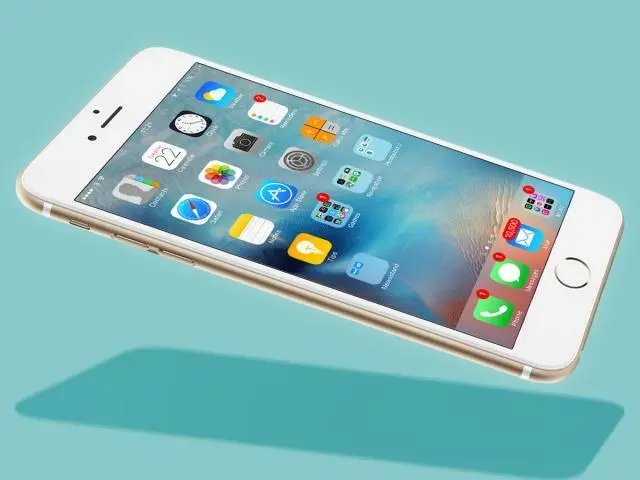
- Year: 2015
- Screen: 5.5in (1920x1080px @401ppi)
- Rear camera(s):12MP main
- Dimensions: 158.2×77.9×7.3mm, 192g
- Chip (SoC): Apple A9
- Charging port: Lightning
Like the iPhone 6s elsewhere in this list, the 6s Plus didn’t bring massive changes over its predecessor. Still, it offered the complete iPhone experience, including a 3D touchscreen and super-fast fingerprint scanner.
It also had the bonus of optical image stabilisation for its camera, which resulted in better low light shots and more stable video recording – something that the iPhone 6s lacked. Its battery life was also impressive and had us reaching for the charger less often than any other iPhone before it. It was still bloomin’ massive though, and didn’t yet bring a game-changing upgrade like the iPhone 7 Plus would ultimately provide…
Also read › iPhone 6s Plus review
38. iPhone 7
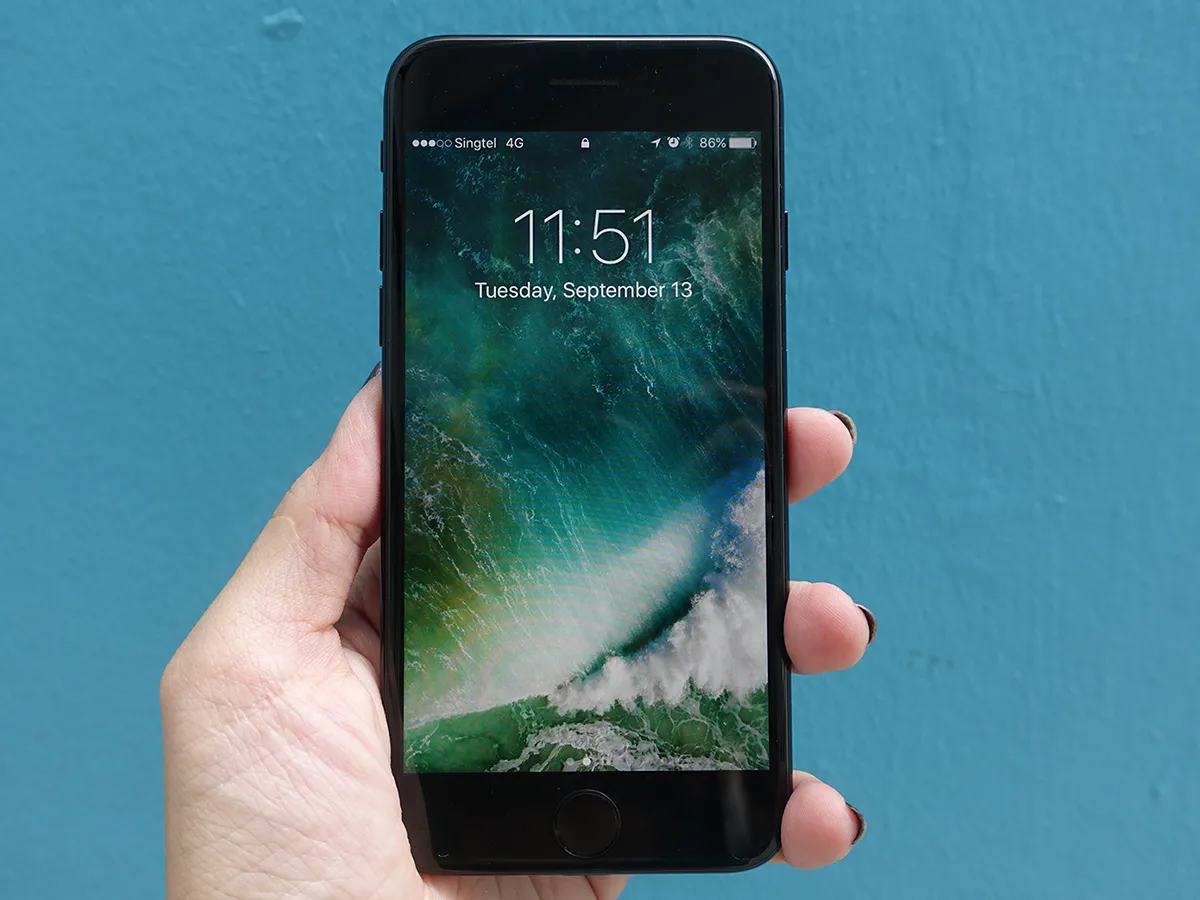
- Year: 2016
- Screen: 4.7in (1334x750px @326ppi)
- Rear camera(s): 12MP
- Dimensions: 138.3×67.1×7.1mm, 138g
- Chip (SoC): Apple A10 Fusion
- Charging port: Lightning
Before its release, rumours abounded that Apple was going to wave goodbye to the humble headphone port on the iPhone 7 – and that’s exactly what happened. Besides a few heckling headlines, though, did it make much difference? Well, apart from needing a pesky dongle to use standard jack-equipped headphones, the rest was business as usual.
Sure, the iPhone 7 saw a raft of upgrades but much of that was about building on what had gone before. The screen was improved, the Home button was refined and the range of finishes was expanded. We also got a more powerful chip and longer battery life. But it was definitely a case of refinement over revolution.
Also read › iPhone 7 review
37. iPhone 6s
- Year: 2015
- Screen: 4.7in (1334x750px @326ppi)
- Rear camera(s): 12MP main
- Dimensions: 138.3×67.1×7.1mm, 143g
- Chip (SoC): Apple A9
- Charging port: Lightning
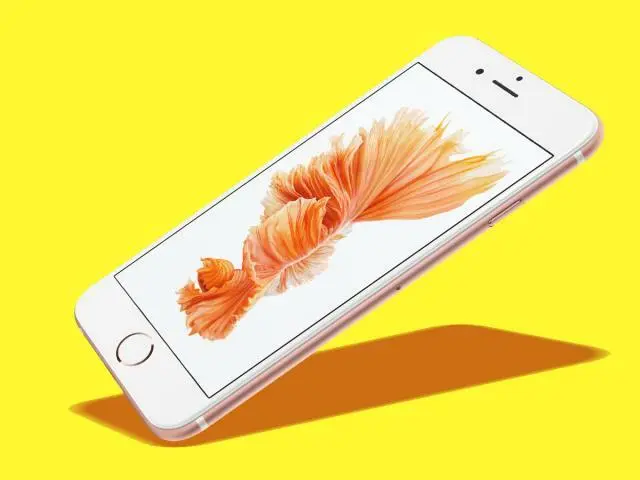
The term ‘evolution not revolution’ is thrown around almost as often as the over-used ‘Keep calm and…’ message. However, as with the 7, it applied well to the iPhone 6s (and its larger 6s Plus sibling). Apple’s 2015 flagship looked almost identical to its predecessors, which, granted, was no bad thing, given how sleek and handsome it was. The main changes were hidden beneath the iPhone 6s’s aluminium body, the most notable of which was Apple’s 3D touch display.
The new screen responded to pressure as well as touch, letting users play Live Photos, bringing an added dimension to precious memories. Pressing harder also served up extra menu options, or opened links in a mini window instead of a proper browser. Fancy stuff, but arguably nothing that would force you to upgrade from the iPhone 6.
Also read › iPhone 6s review
36. iPhone 8 Plus
- Year: 2017
- Screen: 5.5in (1920x1080px @401ppi)
- Rear camera(s): 12MP main + 12MP telephoto / max 2x optical zoom
- Dimensions: 158.4×78.1×7.5mm, 202g
- Chip (SoC): Apple A11 Bionic
- Charging port: Lightning
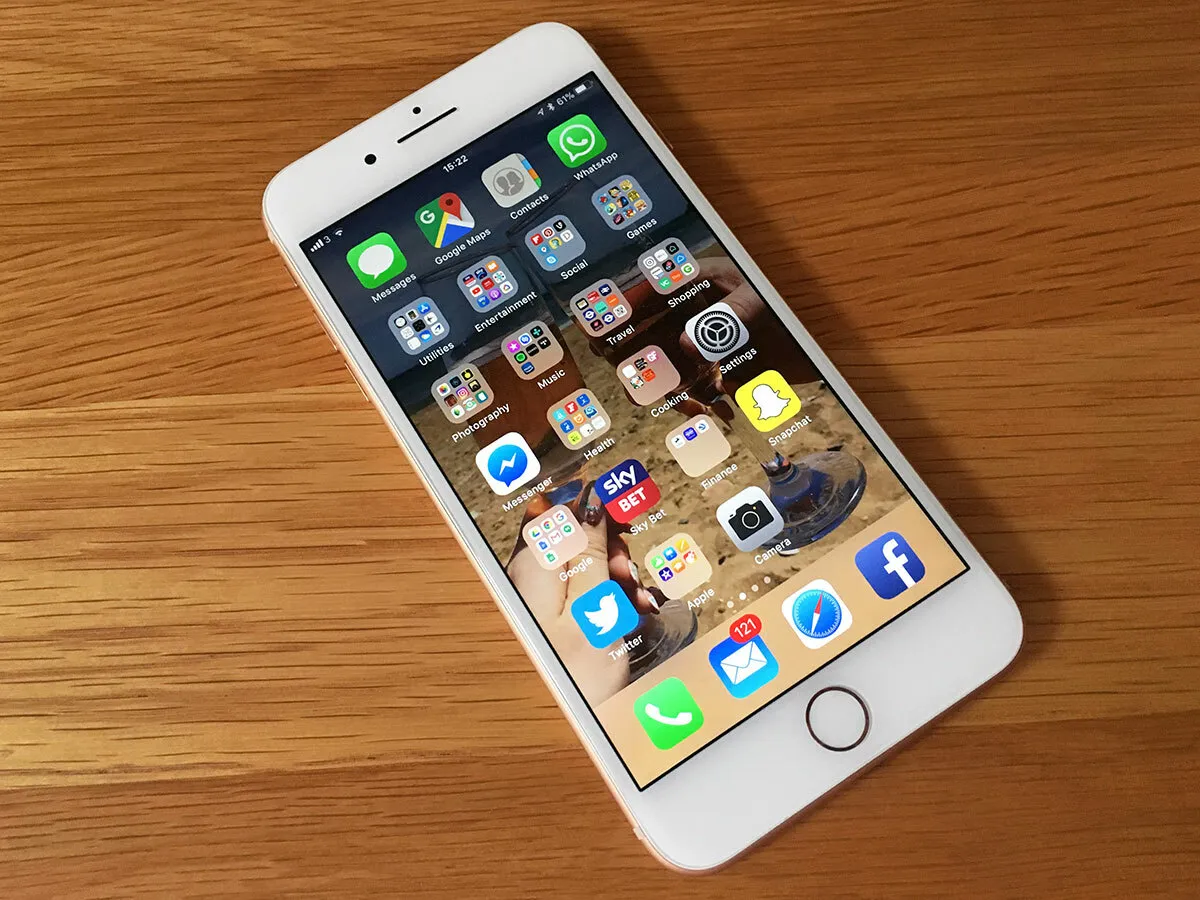
The iPhone 7 Plus was the first of Apple’s extra-large phones to make the Plus-sized model feel like a must-have, thanks to its dual-camera upgrade. The iPhone 8 Plus continued that trend, but lacked an exciting hook.
Sure, the dual-camera setup was improved with Portrait mode and the addition of Portrait Lighting tweaks. Also, it was faster than ever and had a slightly better screen. The new glass backing and the wireless charging that came with it were welcome. But all that felt a bit muted, doubly so when the iPhone X rocked up mere weeks later.
Also read › Apple iPhone 8 Plus review
35. iPhone SE (2nd gen)
- Year: 2020
- Screen: 4.7in (1334x750px @326ppi)
- Rear camera(s): 12MP main
- Dimensions: 138.4×67.3×7.3mm, 148g
- Chip (SoC): Apple A13 Bionic
- Charging port: Lightning
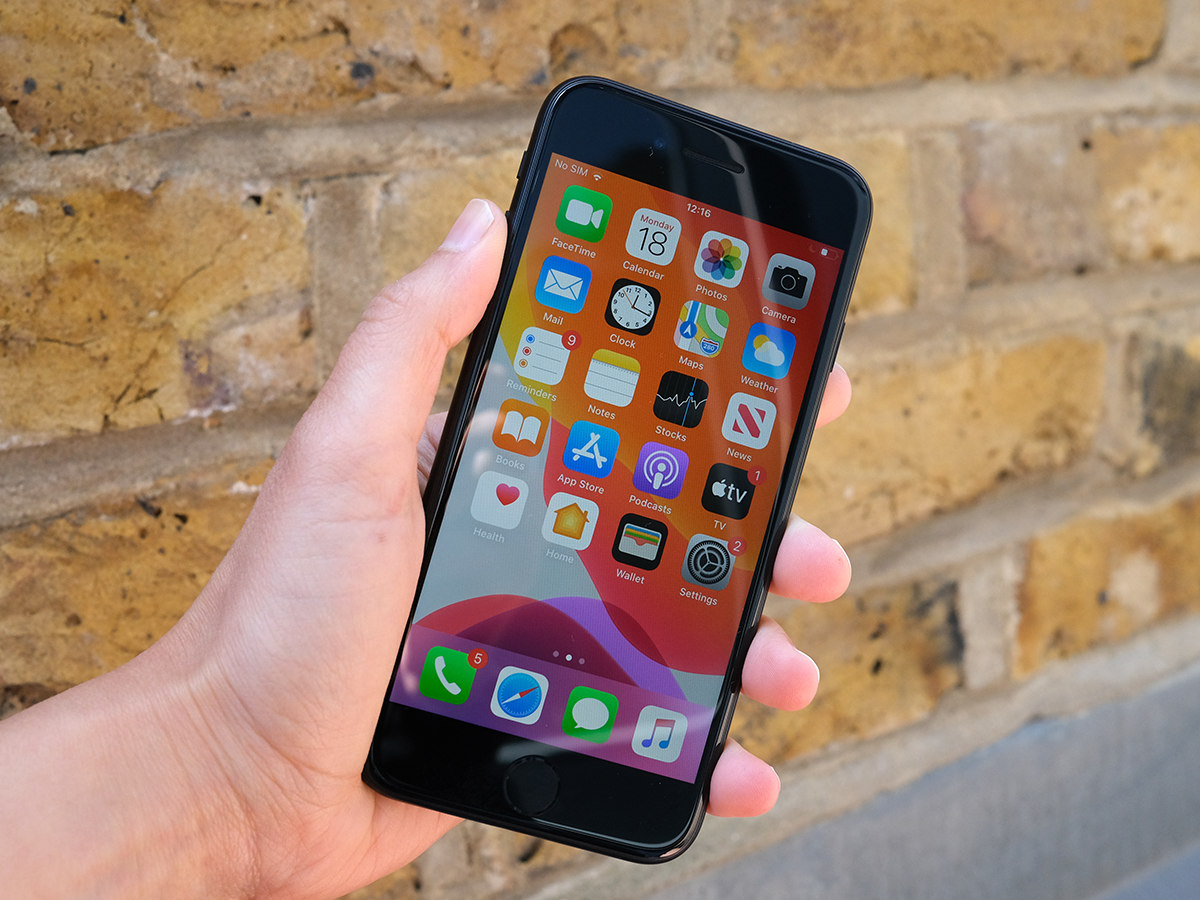
While the second-gen iPhone SE model didn’t feel nearly as impactful as the first, the immense price difference between it and other iPhone models of the time meant it still had a reason to exist.
However, by 2020, the SE2 looked like a throwback. In effectively being an iPhone 8 with newer tech crammed inside, you got massive bezels and a Home button in an era of all-screen iPhones. Still, the A13 chip matched the previous year’s iPhone 11 line. And the single back camera was a cracker for the time.
So this one was a dinosaur on the outside and a mammal on the inside. Or something. But in the scheme of things, it’s not really an iPhone we get terribly excited about today. Sorry, SE2 fans.
Also read › Apple iPhone SE (2020) review
34. iPhone 14 and iPhone 14 Plus
- Year: 2022
- Screen: 6.1in (2532x1170px @460ppi) / 6.7in (2778x1284px @458ppi)
- Rear camera(s): 12MP main + 12MP ultra wide
- Dimensions: 146.7×71.5×7.8mm, 172g / 160.8×78.1×7.8mm, 203g
- Chip (SoC): Apple A15 Bionic
- Charging port: Lightning
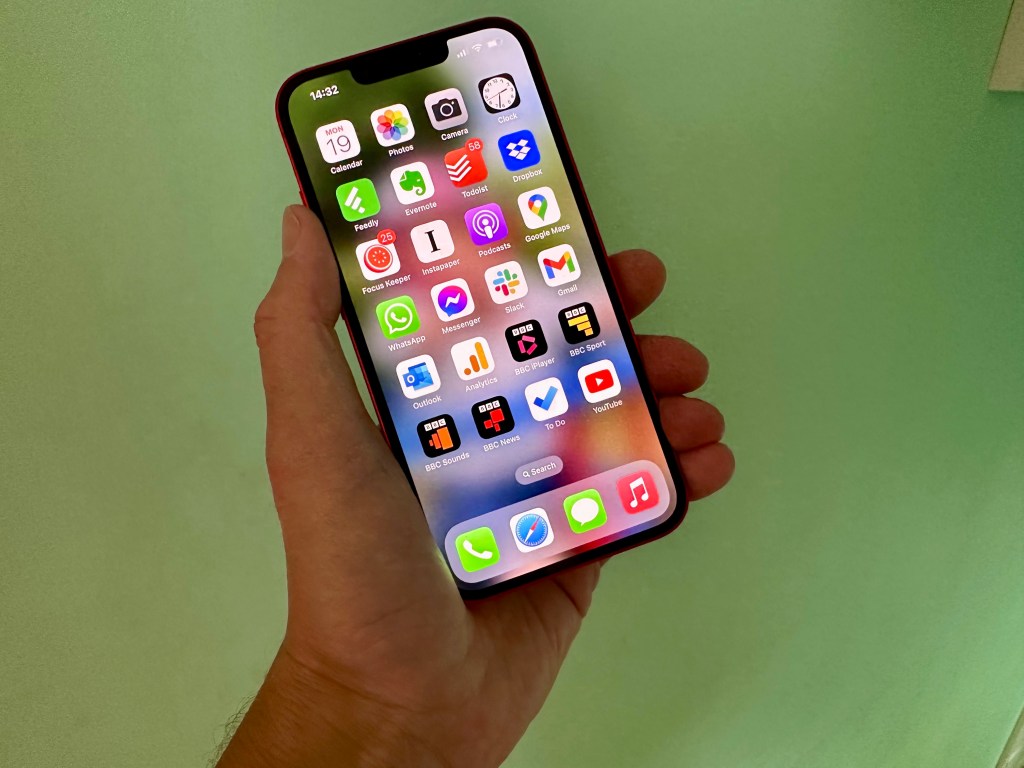
The problem with some iPhones is that they can be objectively great but subjectively make you go hmmm. And so it was with the iPhone 14, which in our review we called “an iPhone 13S in all but name”. Harsh? Maybe, but it wasn’t exactly brimming with innovation. Their lagging a chip generation behind was especially galling – and something Apple didn’t really address until Apple Intelligence forced its hand years later.
This was also the year Apple swapped out the iPhone Mini for the iPhone Plus. The idea made sense: people preferred surfboard-sized iPhones to ones that could actually fit in a pocket. And the Pro Max was insanely expensive, which made a cheaper big-o-phone a nice idea. The snag was what we got didn’t exactly set the blood pumping. Tsk.
Also read › Apple iPhone 14 review
33. iPhone XR
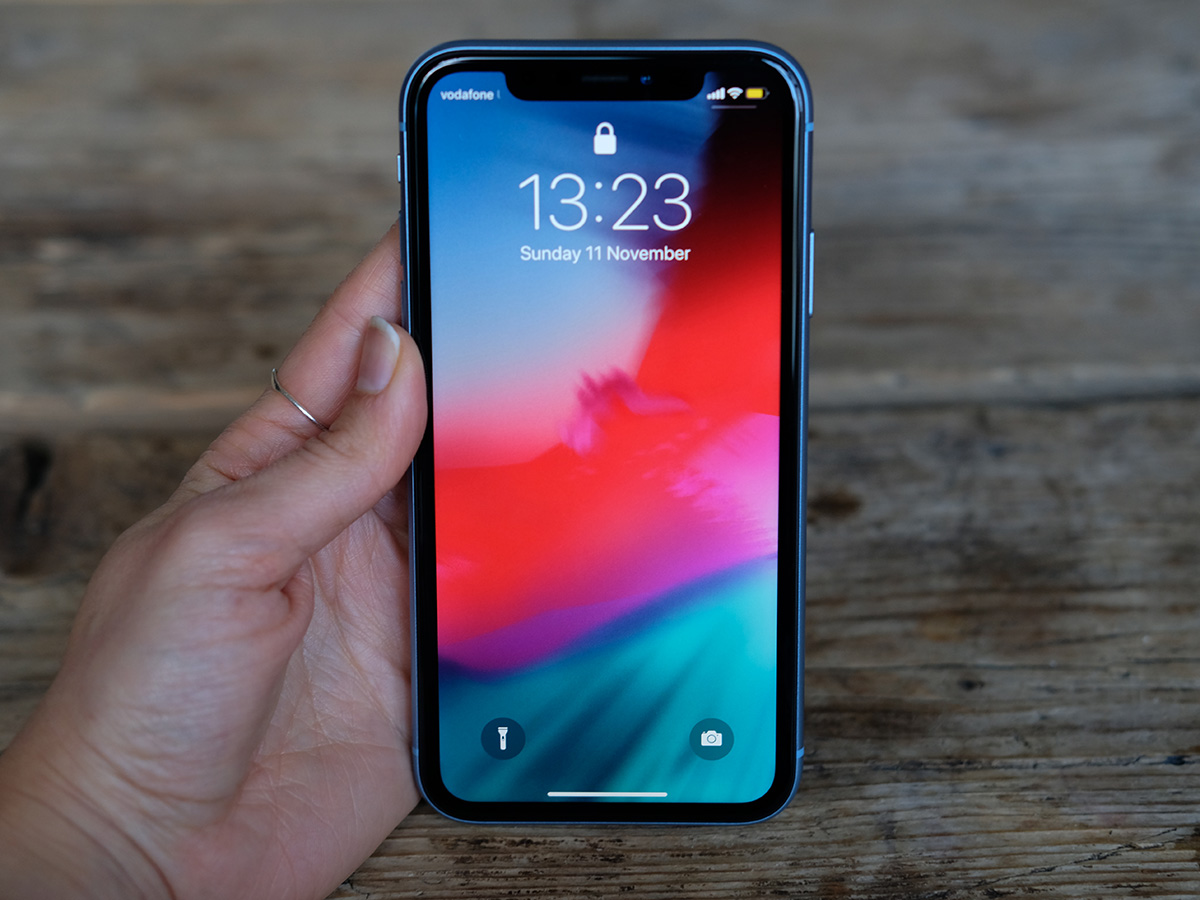
- Year: 2018
- Screen: 6.1in (1792x828px @326ppi)
- Rear camera(s): 12MP main
- Dimensions: 150.9×75.7×8.3mm, 194g
- Chip (SoC): Apple A12 Bionic
- Charging port: Lightning
When announced, the iPhone XR had more than a whiff of the iPhone 5C about it. Like the 5C, our lowest-ranked iPhone on this list, the XR was cheaper and more colourful. But it also missed some of the higher-end perks of the principal model, the iPhone XS. Would it be another misfire?
Not at all. In fact, the iPhone XR was Apple’s best ‘budget’ alternative until the iPhone SE started getting ramped up. The XR boasted incredible speed, a strong single main camera, wonderful colour options and the best battery life of any iPhone of its day.
Sure, the lower-resolution screen and thicker bezels lost this iPhone some high-end allure and one camera isn’t as versatile as two. But you still got a slick, modern iPhone for a whole lot less than the iPhone XS it sat under.
Also read › Apple iPhone XR review
32. iPhone 6 Plus
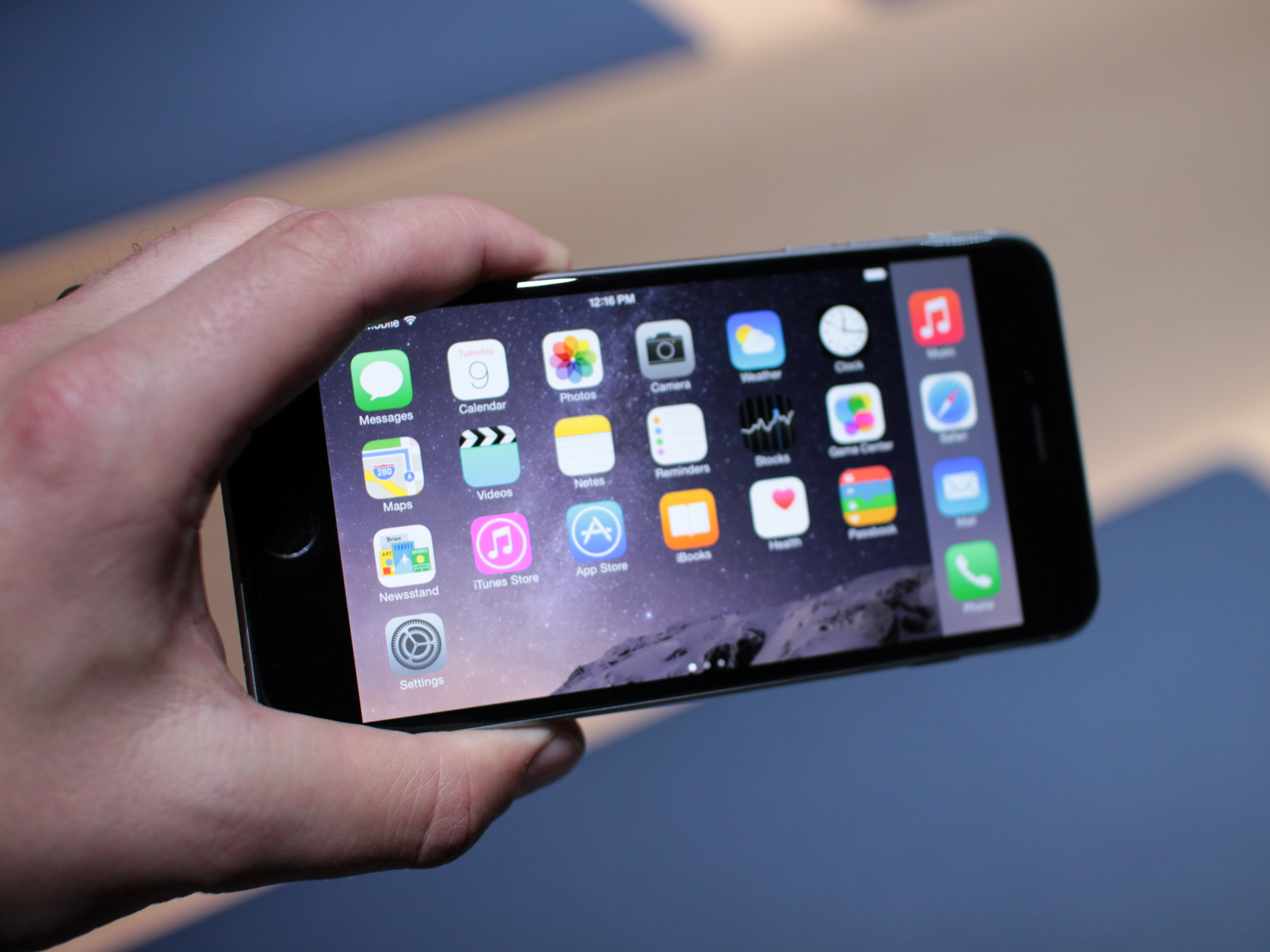
- Year: 2014
- Screen: 5.5in (1920x1080px @401ppi)
- Rear camera(s): 8MP main
- Dimensions: 158.1×77.8×7.1mm, 172g
- Chip (SoC): Apple A8
- Charging port: Lightning
Steve Jobs might not have approved in his time, but Apple finally entered the phablet market when it revealed the iPhone 6 Plus. With a 5.5in display, it was a massive leap over the iPhones of yesteryear – and even a significant bump over the 4.7in screen of the standard iPhone 6.
But it was huge – even larger than some Android phones with screens of similar dimensions. For some, it was the giant iPhone they’d always dreamed of. For others, it was too unwieldy to handle. And in the cold, harsh light of history, is a full HD screen enough to propel this one waaaaay up our list? Nope.
Also read › Apple iPhone 6 Plus review
31. iPhone XS
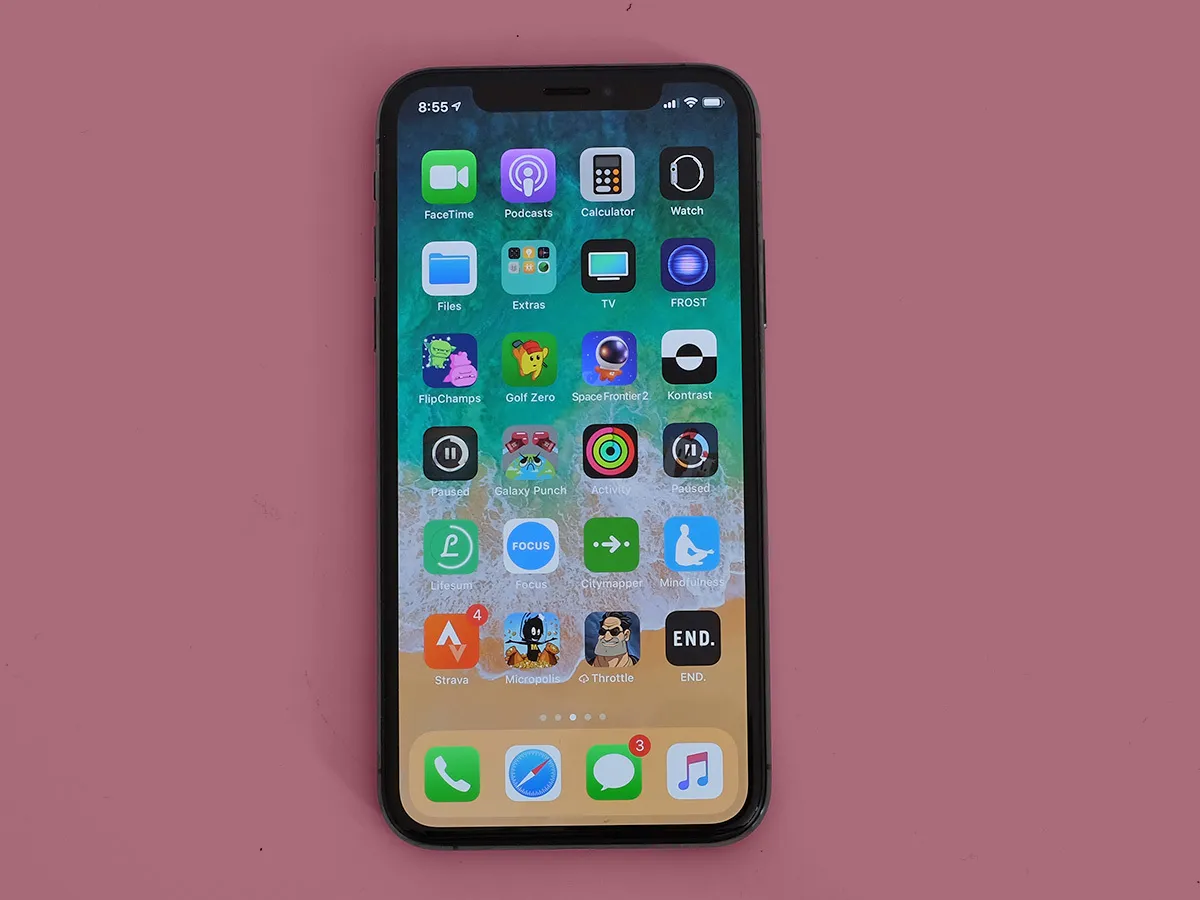
- Year: 2018
- Screen: 5.8in (2436x1125px @458ppi)
- Rear camera(s): 12MP main + 12MP telephoto / max 2x optical zoom
- Dimensions: 143.6×70.9×7.7mm, 177g
- Chip (SoC): Apple A12 Bionic
- Charging port: Lightning
The iPhone X brought a mind-blowing reinvention we’d waited years for, delivering a dazzling edge-to-edge screen that made Apple seem like a true smartphone innovator again. The iPhone XS… well, it was more of the same, wasn’t it?
To be fair, the iPhone X was a hard act to follow. Aside from the eye-popping price, it was a phone without significant issues. The iPhone XS lacked revolutionary additions but brought enhancements all the same.
The dual-camera module got a sizeable upgrade thanks to the larger sensor and Smart HDR functionality, which could capture multiple shots and merge them together to deliver more dynamic range. Take into account a wider colour gamut on the 5.8in OLED display and the immensely powerful A12 Bionic chip and you might agree Apple did improve upon greatness. The XS just lacked a glob of innovation. But, hey, you can’t have that every year, right?
Also read › Apple iPhone XS review
30. iPhone XS Max
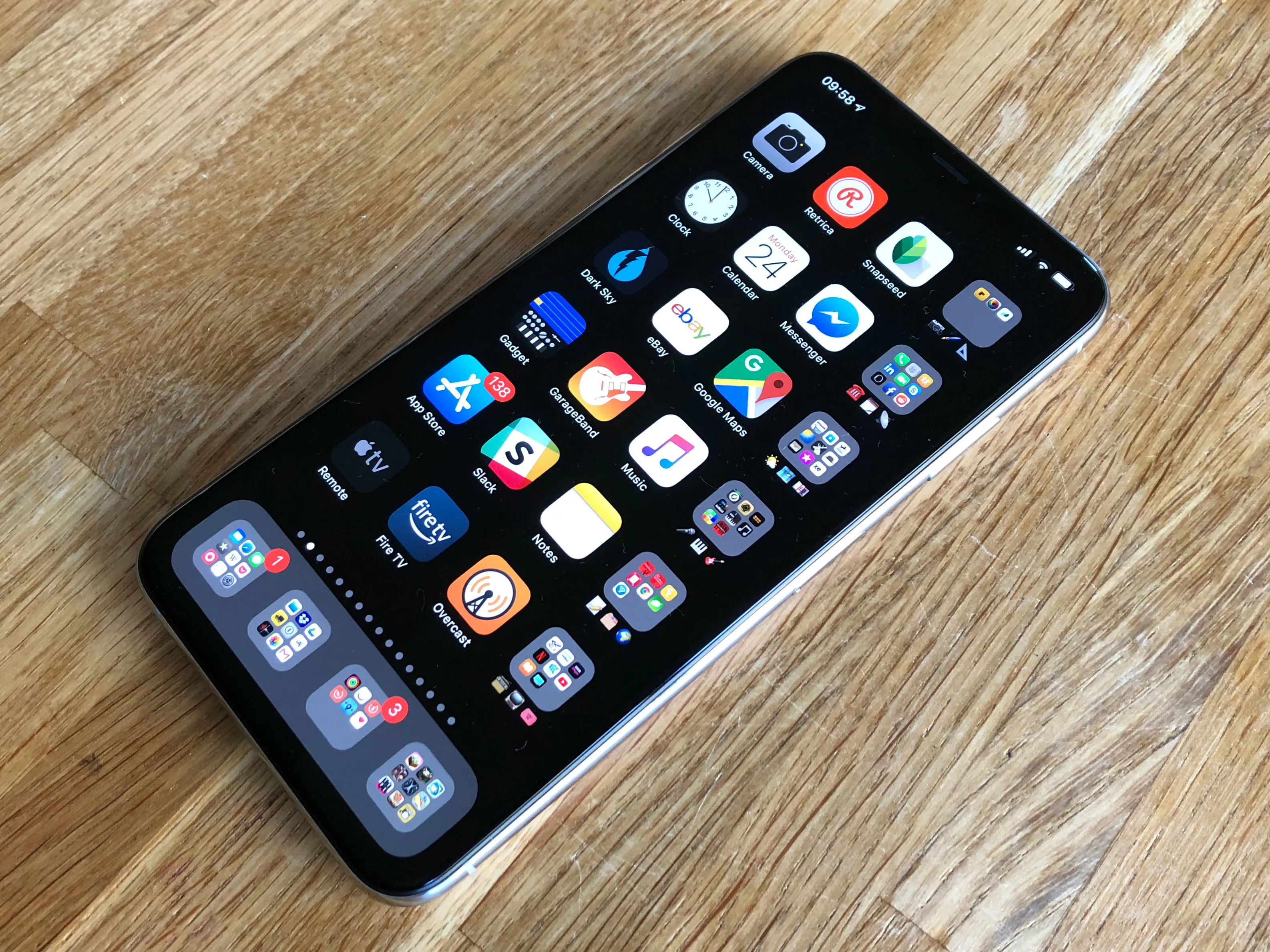
- Year: 2018
- Screen: 6.5in (2688x1242px @458ppi)
- Rear camera(s): 12MP main + 12MP telephoto / max 2x optical zoom
- Dimensions: 157.5×77.4×7.7mm, 208g
- Chip (SoC): Apple A12 Bionic
- Charging port: Lightning
Unlike the iPhone 8 and iPhone 8 Plus, along with the three numbered editions before that, the iPhone XS and iPhone XS Max mostly lacked significant differentiators beyond size and price. Both had the same hardware within, the same camera setups, and the same pixels-per-inch count, despite the different resolution specs to accommodate for size.
But if you could handle losing some of the one-handed ease of use, that stunning 6.5in OLED screen was well worth the extra heft and cash. It was fabulous at the time, with an edge-to-edge design that only made the effect even greater. However, what made for our favourite iPhone in 2018 doesn’t feel quite so exciting now, because of, well, what we said in the previous paragraph.
Also read › Apple iPhone XS Max review
29. iPhone 11
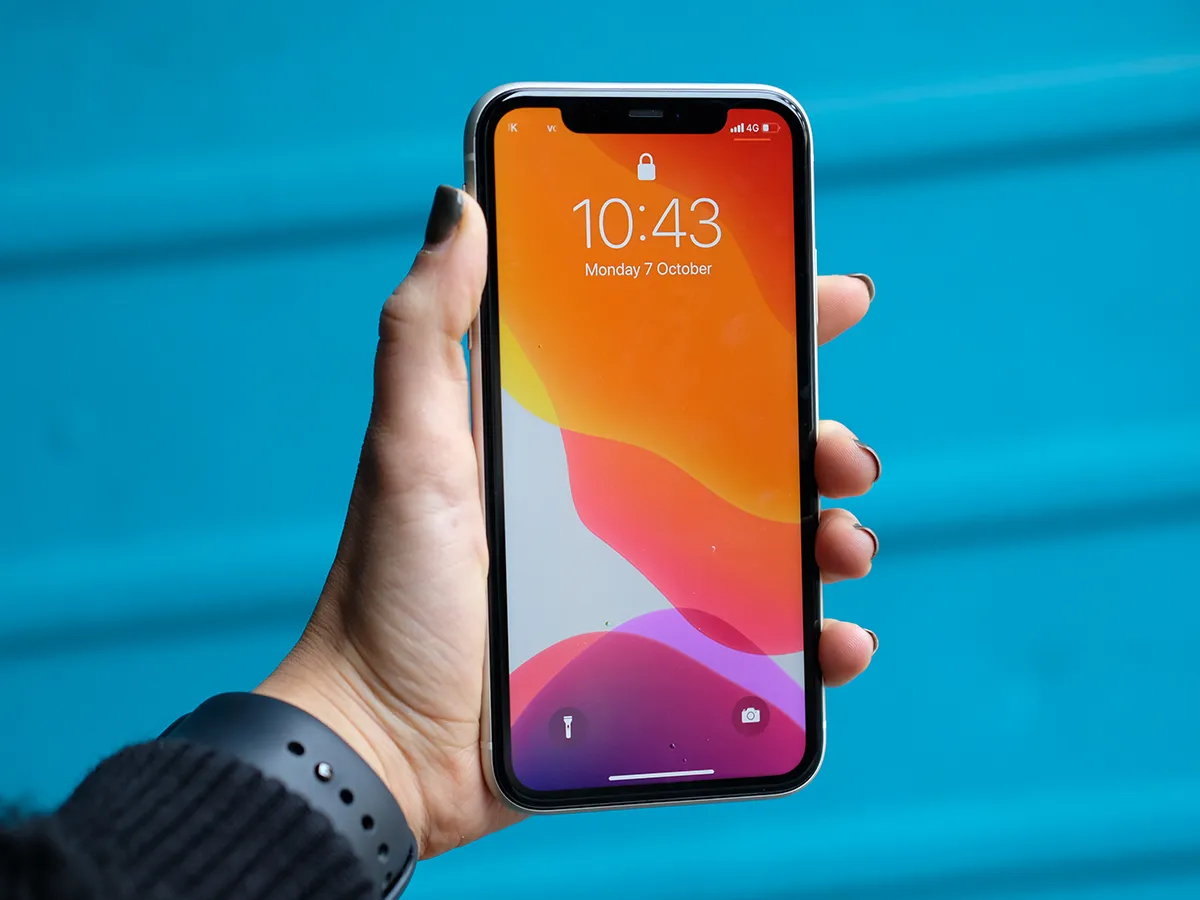
- Year: 2019
- Screen: 6.1in (1792x828px @326ppi)
- Rear camera(s): 12MP main + 12MP ultra wide
- Dimensions: 150.9×75.7×8.3mm, 194g
- Chip (SoC): Apple A13 Bionic
- Charging port: Lightning
The iPhone 11 was essentially an enhanced iPhone XR, with refreshed branding that made it come across as a default rather than the ‘lesser than’ edition. A smart move. Also smart: Apple lobbing in some upgrades, adding a second rear camera with ultra-wide shooting skills, software enhancements, extra grunt and lovely colours.
No doubt, the iPhone 11 Pro and Pro Max were more desirable and the 11’s lower-res screen still felt like a compromise. But when you considered the cold, hard cash you needed to hand over, the savings over the Pro made the iPhone 11 an ideal pick for most people.
Also read › Apple iPhone 11 review
28. iPhone 7 Plus
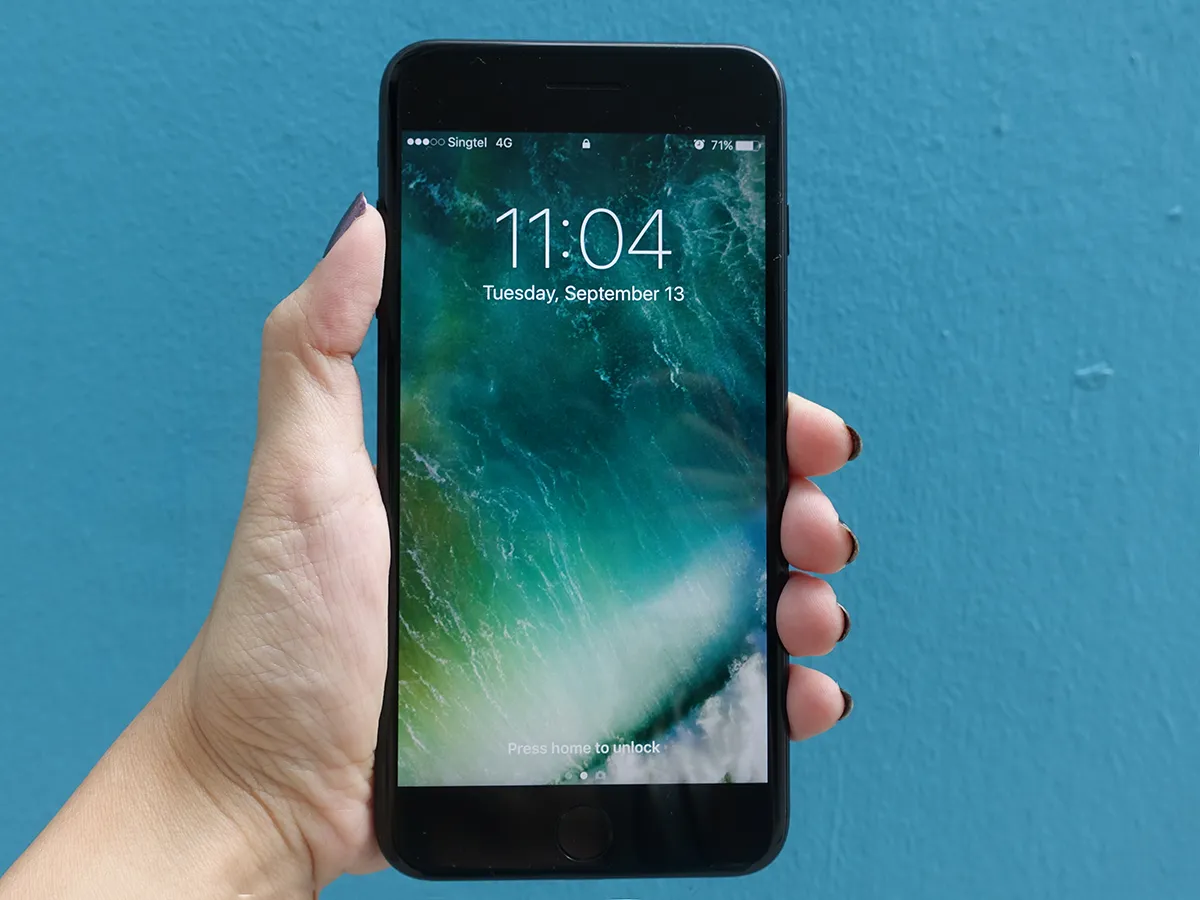
- Year: 2016
- Screen: 5.5in (1920x1080px @401ppi)
- Rear camera(s): 12MP main + 12MP telephoto / max 2x optical zoom
- Dimensions: 158.2×77.9×7.3mm, 188g
- Chip (SoC): Apple A10 Fusion
- Charging port: Lightning
If the iPhone 7 was simply an upgraded iPhone 6s – albeit a good-looking one – the iPhone 7 Plus packed in substantive new features to keep us interested, some even being series firsts.
Two lenses on the 7 Plus – a telephoto and a wide-angle – made it a photographer’s dream, showing just how far things had come from the original iPhone with its 2MP afterthought. Better still, the 5.5in display handled a wide colour gamut, while the four-core A10 Fusion chip made every action feel instantly responsive.
There was even a 256GB model for media hoarders. Love phablets or hate them, the iPhone 7 Plus was the pinnacle of big Apple phones at the time.
Also read › Apple iPhone 7 Plus review
27. iPhone 6
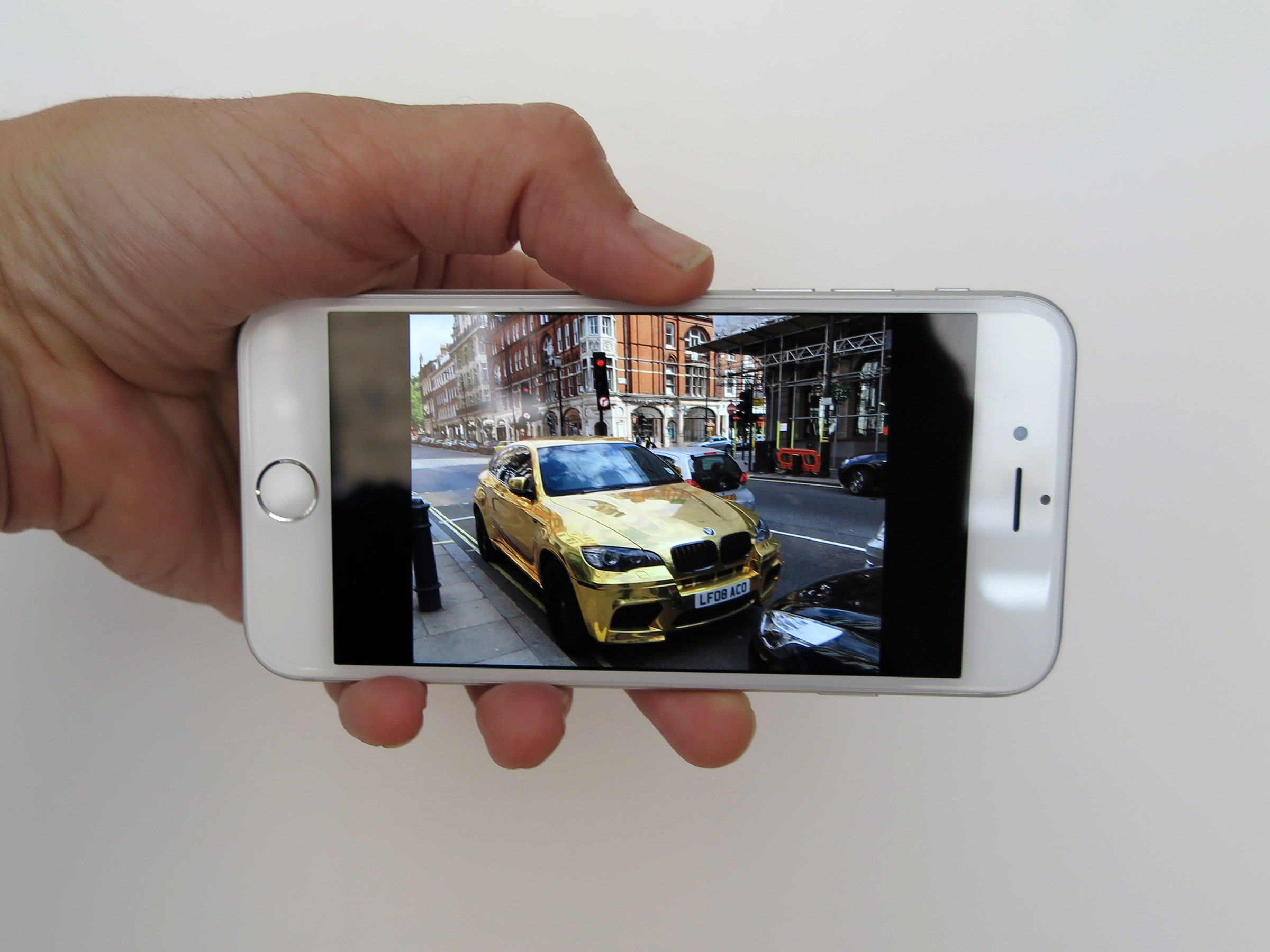
- Year: 2014
- Screen: 4.7in (1334x750px @326ppi)
- Rear camera(s): 8MP main
- Dimensions: 138.1x67x6.9mm, 129g
- Chip (SoC): Apple A8
- Charging port: Lightning
Given that the build and user experience were by and large identical, the choice between the iPhone 6 and iPhone 6 Plus came down to personal preference. We liked this 4.7in model, which provided a larger screen than past iPhones while still being comfortable in the hand.
The biggest knock against the iPhone 6 was that the competition was better than ever at the time. Android phones – like the Moto X and HTC One (M8) – put up a strong fight and the Samsung Galaxy S6, LG G4 and OnePlus 2 were even more impressive. Apple still sold the iPhone 6 in droves, mind.
Both the iPhone 6 and 6 Plus were the first Apple handsets to have NFC powers too, which opened up the convenience of Apple Pay at retailers and for dashing around public transport. Sure you could just as easily whip out your wallet but that didn’t look anywhere near as cool.
Also read › Apple iPhone 6 review
26. iPhone 11 Pro
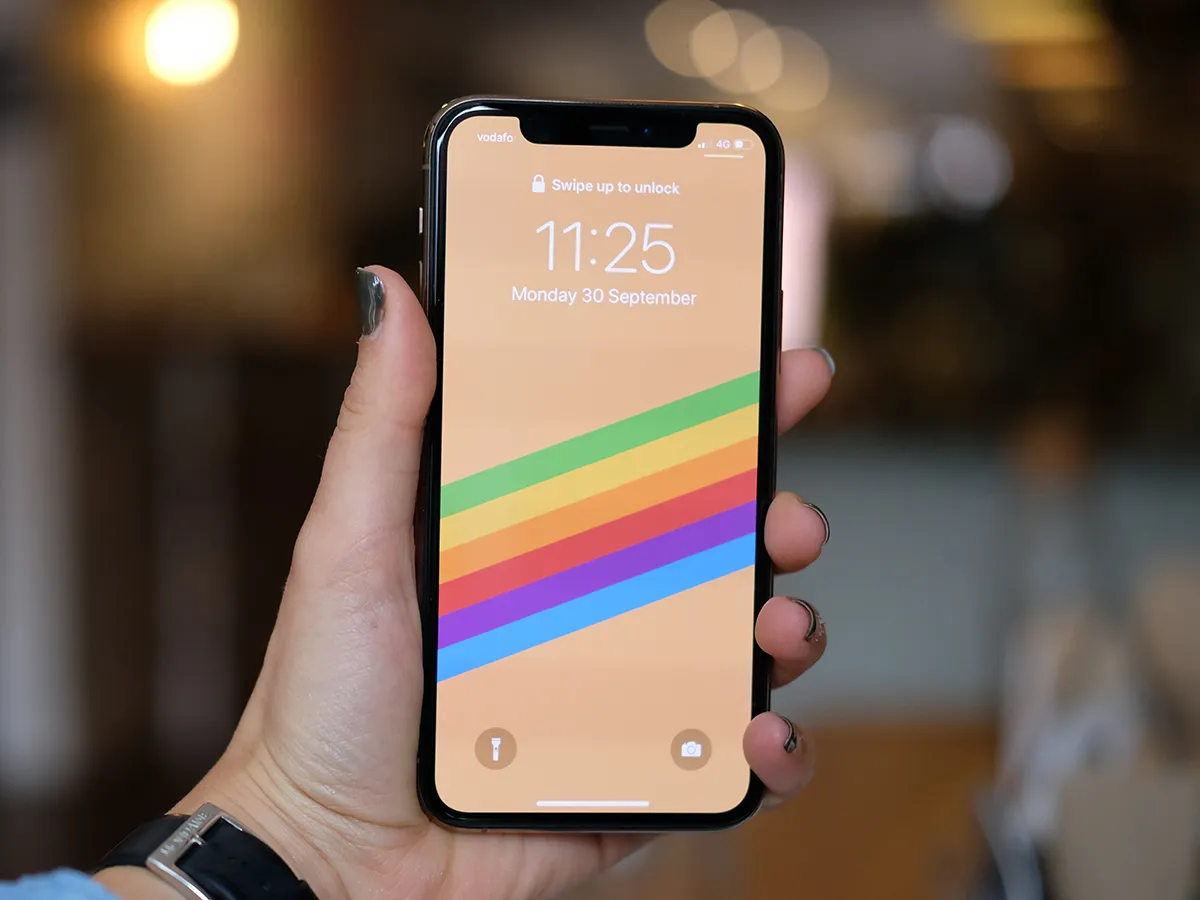
- Year: 2019
- Screen: 5.8in (2436x1125px @458ppi)
- Rear camera(s): 12MP main + 12MP ultra wide + 12MP telephoto / max 2x optical zoom
- Dimensions: 144×71.4×8.1mm, 188g
- Chip (SoC): Apple A13 Bionic
- Charging port: Lightning
If you were willing to spend more than $1000/£1000 on a smartphone in 2019, you wouldn’t find anything better than the iPhone 11 Pro. This was also the first Apple blower to get the Pro name welded to it. But what did a Pro phone actually mean?
Ultimately, it was about branding. Whereas a MacBook Pro is clearly aimed at professionals, the iPhone Pro was aimed at people who just wanted more iPhone. Also, it was really an iPhone XS with a name less prone to people using it as a pun (iPhone EXCESS –oho!), with an extra camera, a brighter display, a faster processor and more battery life.
Still, as the first iPhone to give us that three-camera setup, it deserves a massive tick in the plus column. Although the dreadful colour options – silver, space grey, ‘gold’ (scare quotes very much needed) and murk green (sorry, midnight green) – could have been a mite more exciting.
Also read › Apple iPhone 11 Pro review
25. iPhone 13
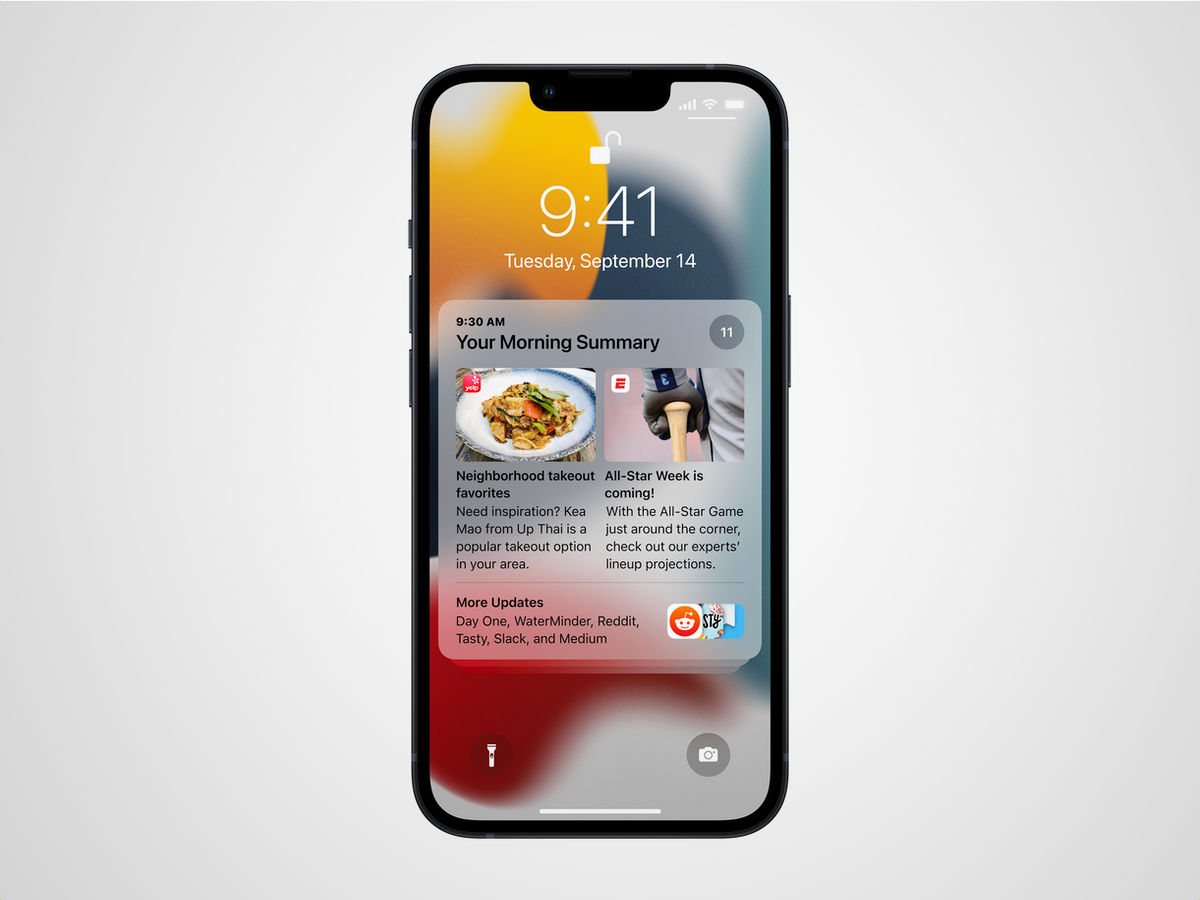
- Year: 2021
- Screen: 6.1in (2532x1170px @460ppi)
- Rear camera(s): 12MP main + 12MP ultra wide
- Dimensions: 146.7×71.5×7.65mm, 174g
- Chip (SoC): Apple A15 Bionic
- Charging port: Lightning
The iPhone 13 was a classic Apple handset. It took everything good about the previous generation and tweaked it just enough to keep things interesting. It cost a little bit less than the iPhone 12 , lasted a little longer and ran a bit faster, thanks to Apple’s A15 Bionic chip. It also took better photos and offered twice as much storage. Oh, and the screen was slightly brighter.
So why isn’t it higher up in this list? For all the reasons you’d expect. It was a very competent device but, in the wider iPhone story, offered incremental improvements. From the familiar flat-panel aluminium design to the identical dimensions, it didn’t do enough to set your world on fire. That’s not to say it wasn’t an excellent smartphone when taken in isolation. It just wasn’t compelling enough to rank higher.
Also read › Apple iPhone 13 review
24. iPhone 11 Pro Max
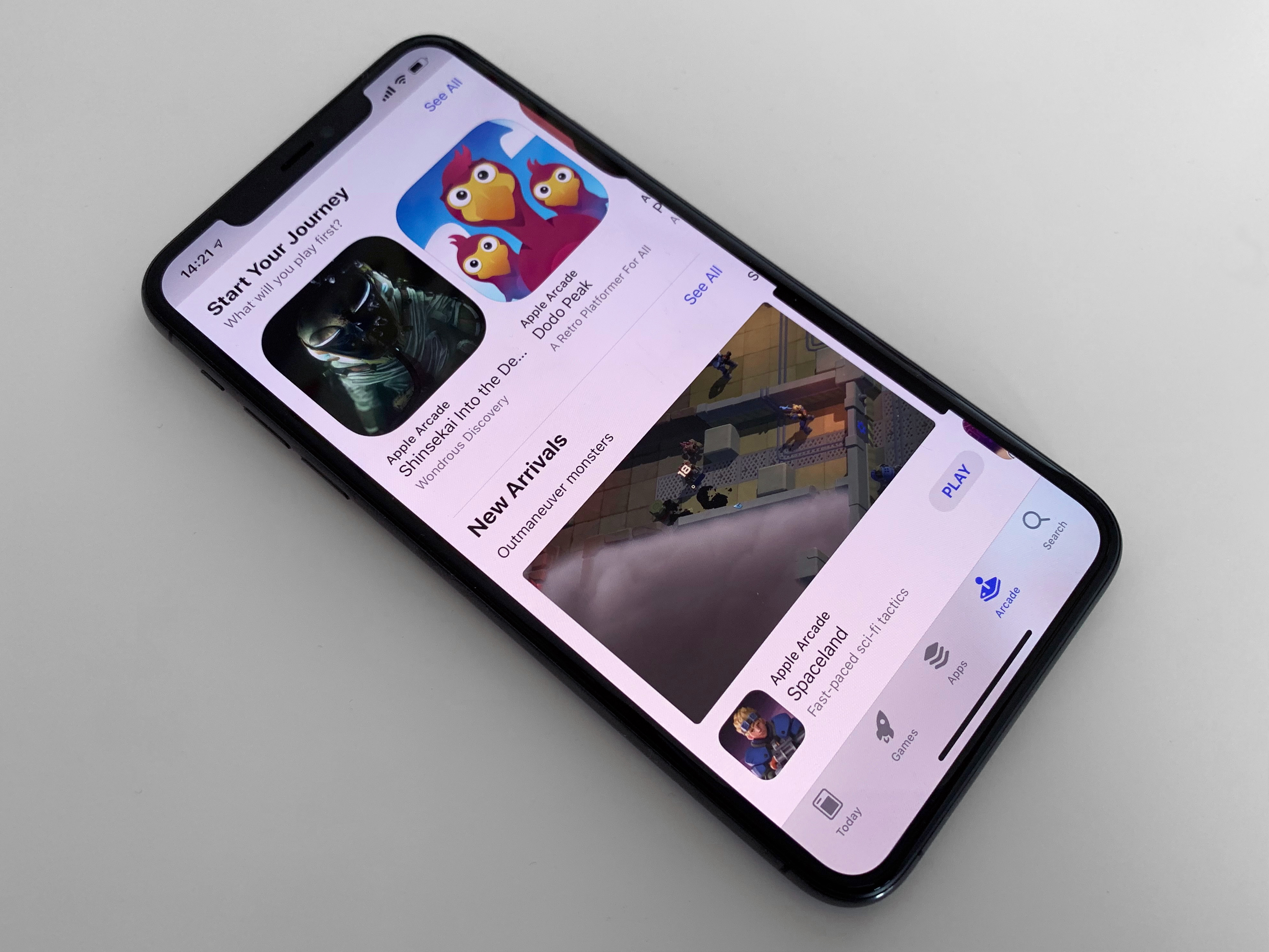
- Year: 2019
- Screen: 6.5in (2688x1242px @458ppi)
- Rear camera(s): 12MP main + 12MP ultra wide + 12MP telephoto / max 2x optical zoom
- Dimensions: 158×77.8×8.1mm, 226g
- Chip (SoC): Apple A13 Bionic
- Charging port: Lightning
The iPhone 11 reached its ultimate form with the iPhone 11 Pro Max, which was both the biggest and also technically the best iPhone back in 2019. It packed in all of the same upgrades as the smaller iPhone 11 Pro – a third camera, a brighter screen and more power – but did so alongside a huge 6.5in OLED display and even more battery life.
It was a beast of a phone – and priced like one too. However, for large-handed big spenders who wanted the best of the best in Apple land, this was the phone of choice at the time.
Also read › Apple iPhone 11 Pro Max review
23. iPhone 12 Pro
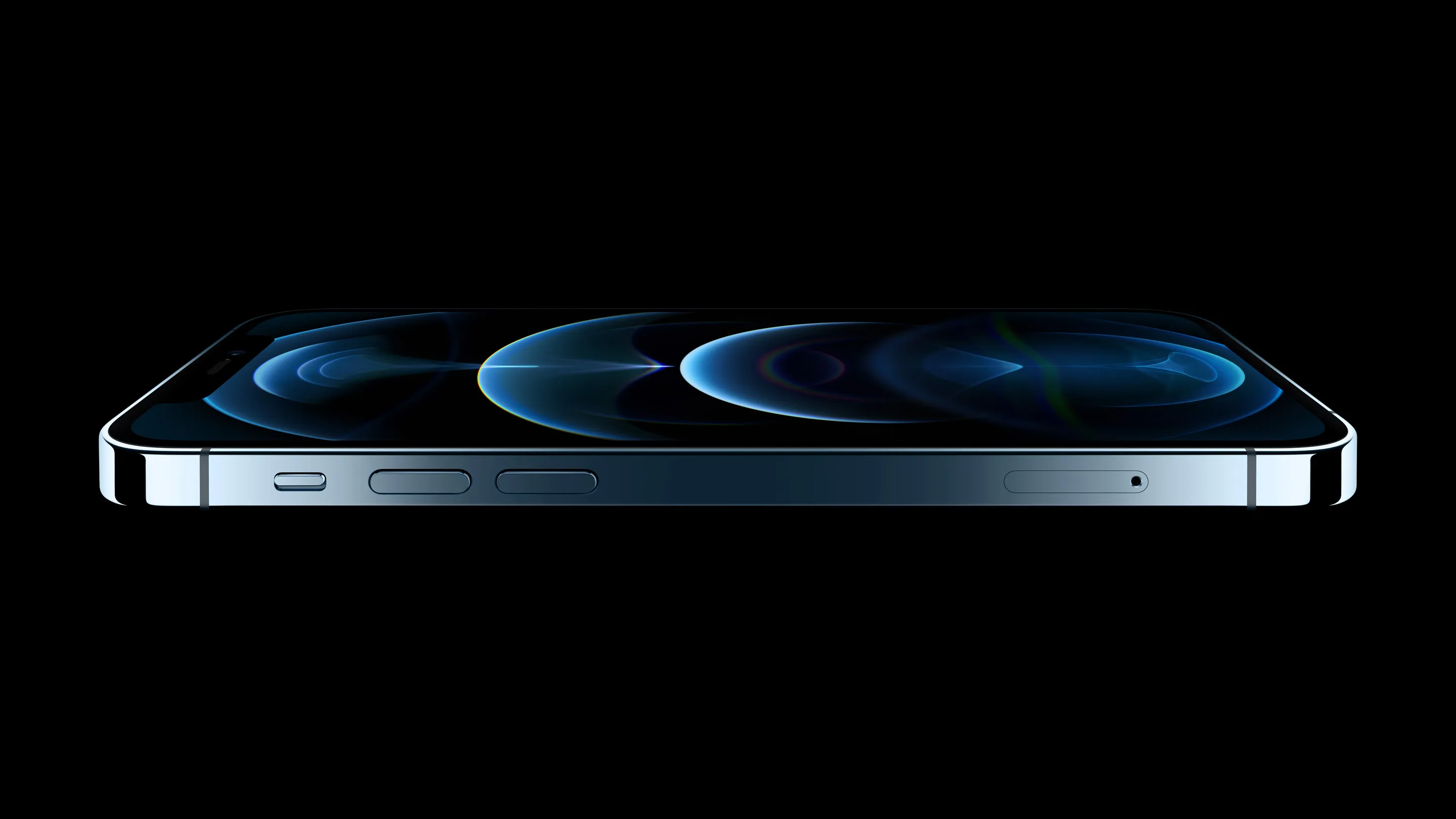
- Year: 2020
- Screen: 6.1in (2532x1170px @460ppi)
- Rear camera(s): 12MP main + 12MP ultra wide + 12MP telephoto / max 2x optical zoom
- Dimensions: 146.7×71.5×7.4mm, 189g
- Chip (SoC): Apple A14 Bionic
- Charging port: Lightning
Truth be told, we didn’t expect the Pro model to be arguably the least enticing of the iPhone 12 lineup, but that’s because of a couple of different factors. First, while the base iPhone 12 model turned out to be much-improved compared to the iPhone 11, it didn’t feel notably less capable than the iPhone 12 Pro. It also had the same size screen and similar battery life.
At the other end of the line, the iPhone 12 Pro Max had perks that the iPhone 12 Pro lacked, including the larger main camera sensor and an even beefier battery. Still, if you wanted a very premium-feeling iPhone that wasn’t utterly enormous, the Pro was pretty great. It just wasn’t our pick of the year’s litter and that leaves it kind of mid-table today.
Also read › Apple iPhone 12 Pro review
22. iPhone 17e
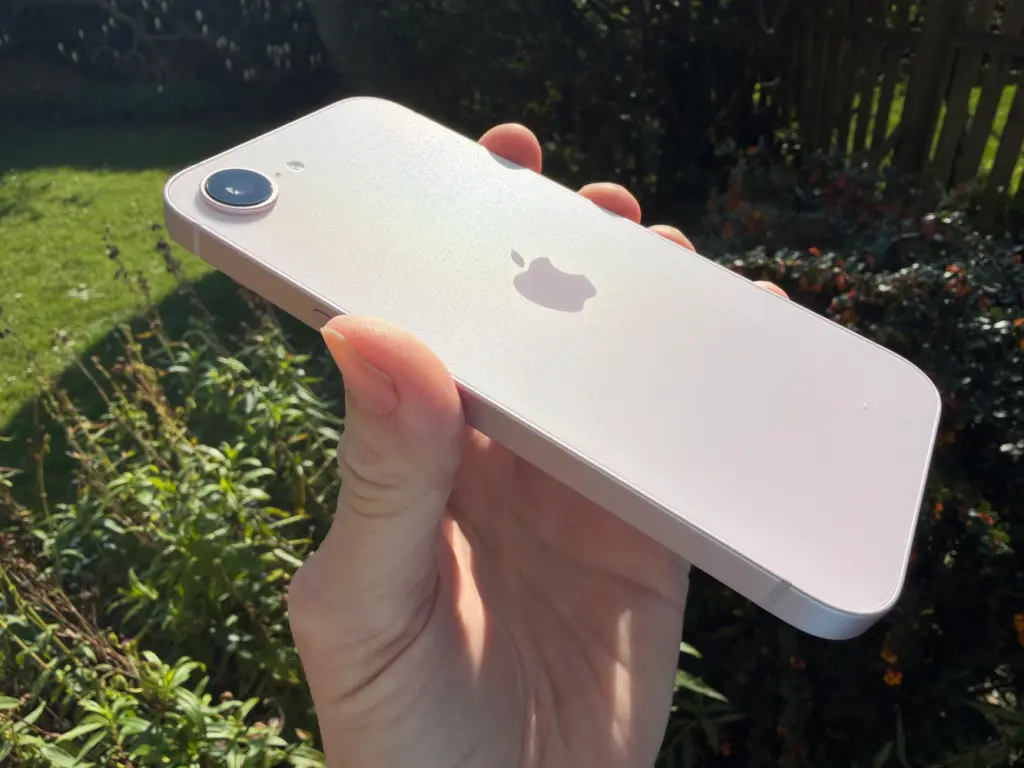
- Year: 2026
- Screen: 6.1in (2532x1170px @460ppi)
- Rear camera(s): 48MP fusion main / max 2x optical zoom
- Dimensions: 146.7×71.5×7.8mm, 167g
- Chip (SoC): Apple A19
- Charging port: USB-C (USB 2)
This is a very good iPhone… but it’s hardly an advance over the 16e below. The iPhone 14 shell remains – with its surprisingly angular finish – and so do many of the specs. The chipset was upgraded to A19 and there was wireless charging on board too, while there’s also more storage to start with – 256GB is the starting amount rather than 128GB.
The display also has the Ceramic Shield 2 coating used in other iPhone 17 devices. Some nice advances then, but it’s hardly phone-a-friend stuff. Once again the bezels around the display are thicker on 17e than on the standard iPhone 17, but it’s a small distinction between the two models in addition to the notched display. No Dynamic Island here.
Read more › Apple iPhone 17e review
21. iPhone 16e
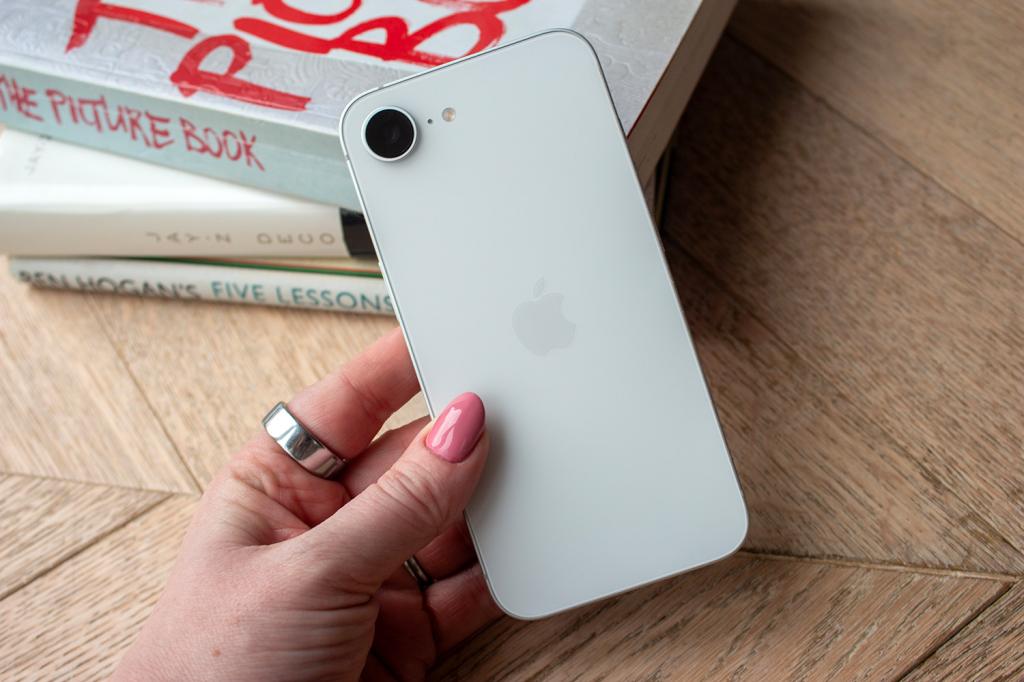
- Year: 2025
- Screen: 6.1in (2532x1170px @460ppi)
- Rear camera(s): 48MP fusion main / max 2x optical zoom
- Dimensions: 146.7×71.5×7.8mm, 167g
- Chip (SoC): Apple A18
- Charging port: USB-C (USB 2)
Welcome to another edition of Marketing Spin. And here is your host, Apple! That’s how it felt when the company tried to convince everyone that the iPhone 16e was part of the iPhone 16 line, honest, rather than the 4th-gen iPhone SE. To be fair, it did have the same chip – an A18 – as the other iPhone 16 devices, meaning it could support Apple Intelligence. The single camera was 48MP too – solid for an iPhone at its price.
Ultimately, though, this was Apple shoving some iPhone 16 parts inside an iPhone 14. That meant a notch rather than Dynamic Island. No Camera Control. Max brightness lower than what you got on the 16. And, most bafflingly, no MagSafe – which felt very 2019, but in 2024. On balance, still a good iPhone, not least for an entry-level effort. But not a great one.
Read more › Apple iPhone 16e review
20. iPhone SE
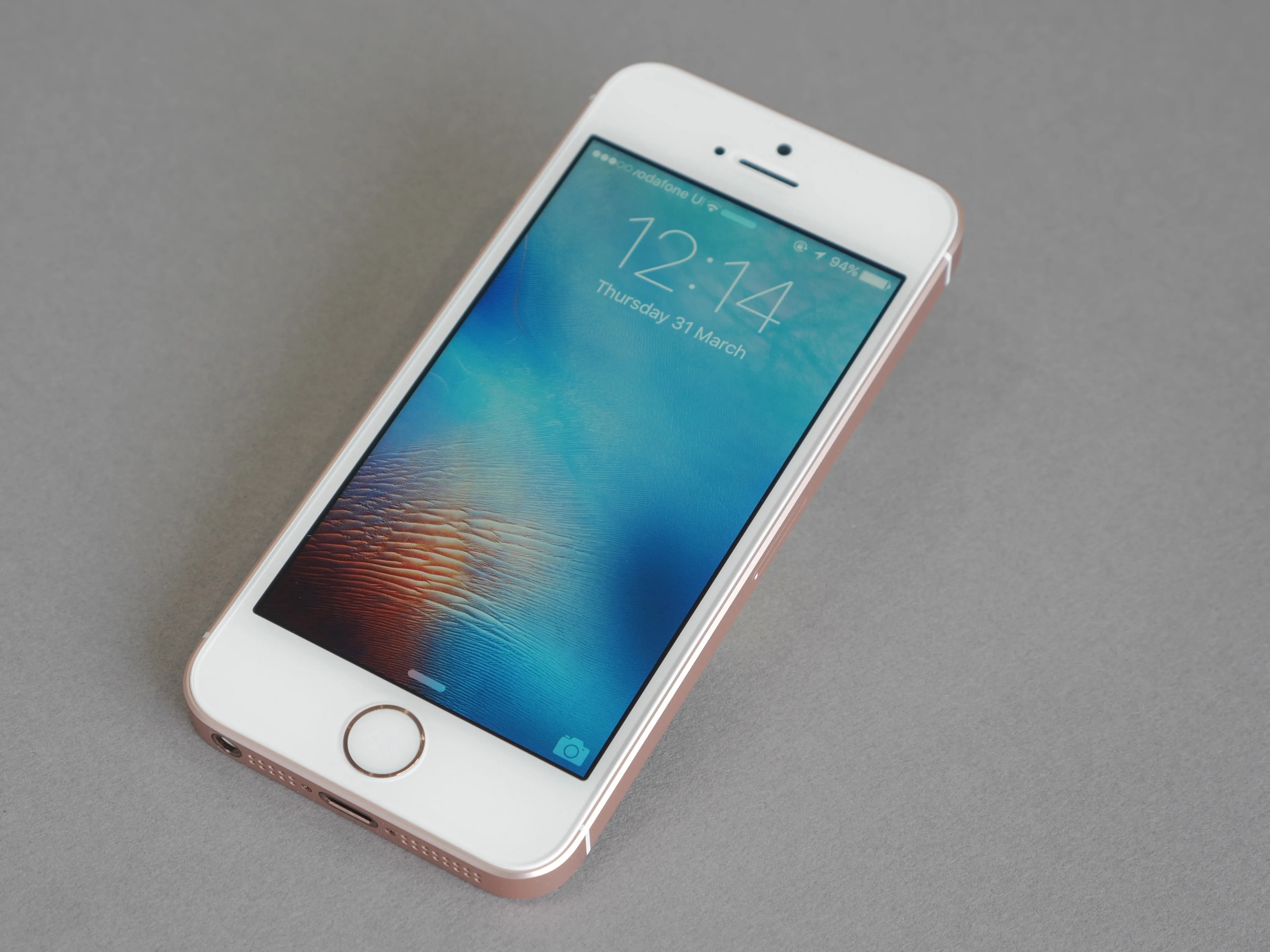
- Year: 2016
- Screen: 4.0in (1136x640px @326ppi)
- Rear camera(s): 12MP main
- Dimensions: 123.8×58.6×7.6mm, 113g
- Chip (SoC): Apple A9
- Charging port: Lightning
With a stellar return to a form factor that many feel Apple should never have abandoned in the first place, the iPhone SE gloriously celebrated the 4in screen.
The combination of a palm-friendly design with up-to-date innards and a very decent (for Apple) price together served to rejuvenate the compact iPhone concept. It looked as pretty as the iPhone 5 ever did and proved – in the face of the 5C – that Apple did know how to develop its brand beyond a ‘one big, one small’ approach.
Sure, the SE lacked the 3D Touch that was introduced with the iPhone 6s, while its design barely differed from that of the iPhone 5. But as an affordable option for those looking to balance high specs with pocket space, it was unbeatable.
Read more › Apple iPhone SE review
19. iPhone 13 Mini
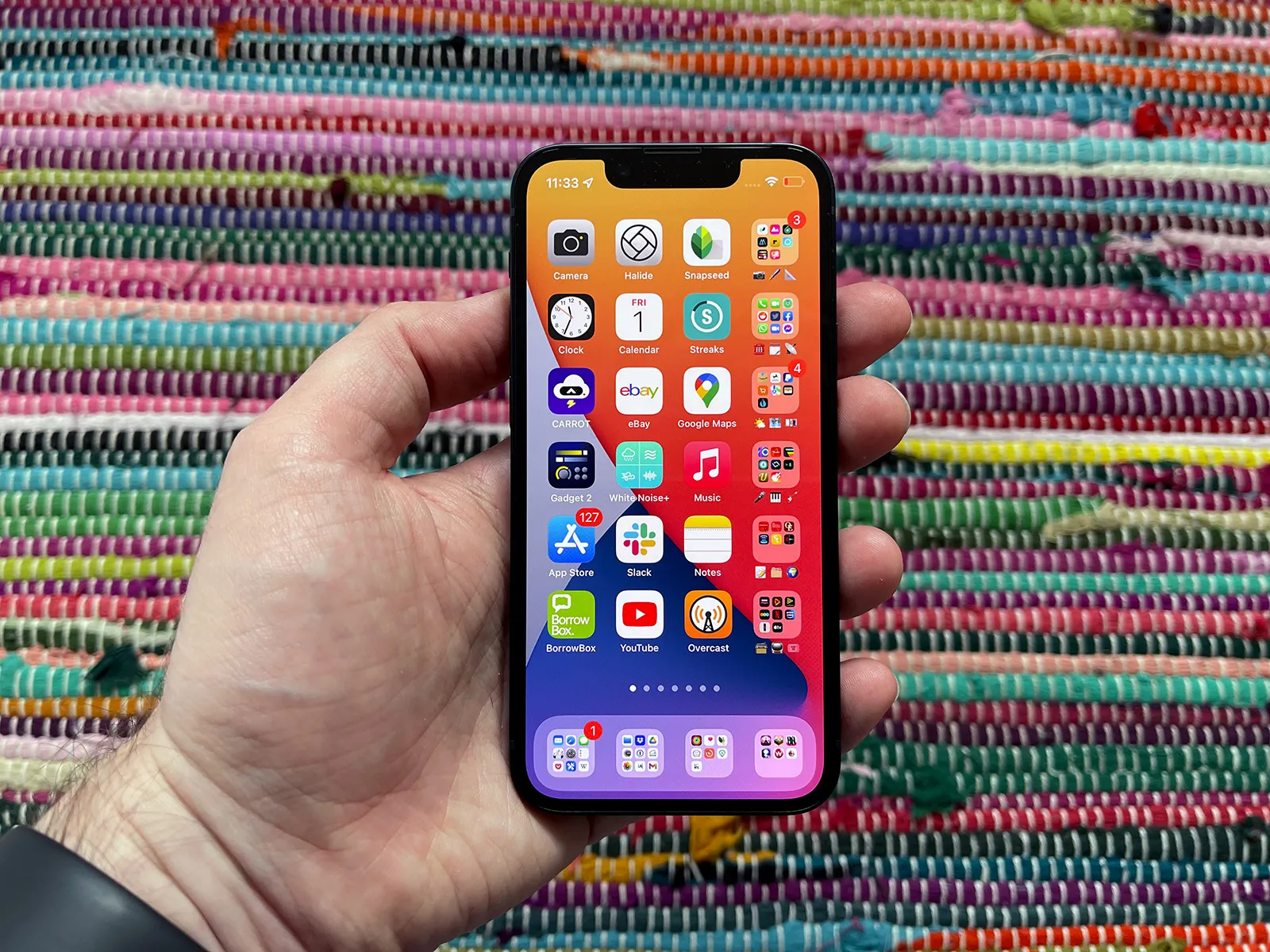
- Year: 2021
- Screen: 5.4in (2340x1080px @476ppi)
- Rear camera(s): 12MP main + 12MP ultra wide
- Dimensions: 131.5×64.2×7.65mm, 141g
- Chip (SoC): Apple A15 Bionic
- Charging port: Lightning
This second – and final – iteration of the tiniest of all-screen iPhones aimed to improve on a device designed for people with smaller paws and pockets. All without sacrificing the power offered by its more sizeable sibling. And although it was outwardly almost identical to the iPhone 12 Mini, it meaningfully improved both the camera and battery life, while the A15 Bionic chip provided additional performance grunt.
It wasn’t revolutionary but it was welcome – and there was nothing else like it in Apple’s range at the time. Alas, there’s also nothing like it today, because the Mini didn’t sell well and was unceremoniously booted in favour of the unremarkable Plus. A pity. We always loved the option to buy a device that was compact yet relatively compromise-free, giving us a full-fat iPhone experience without, well, the fat.
Read more › Apple iPhone 13 Mini review
18. iPhone 14 Pro and Pro Max
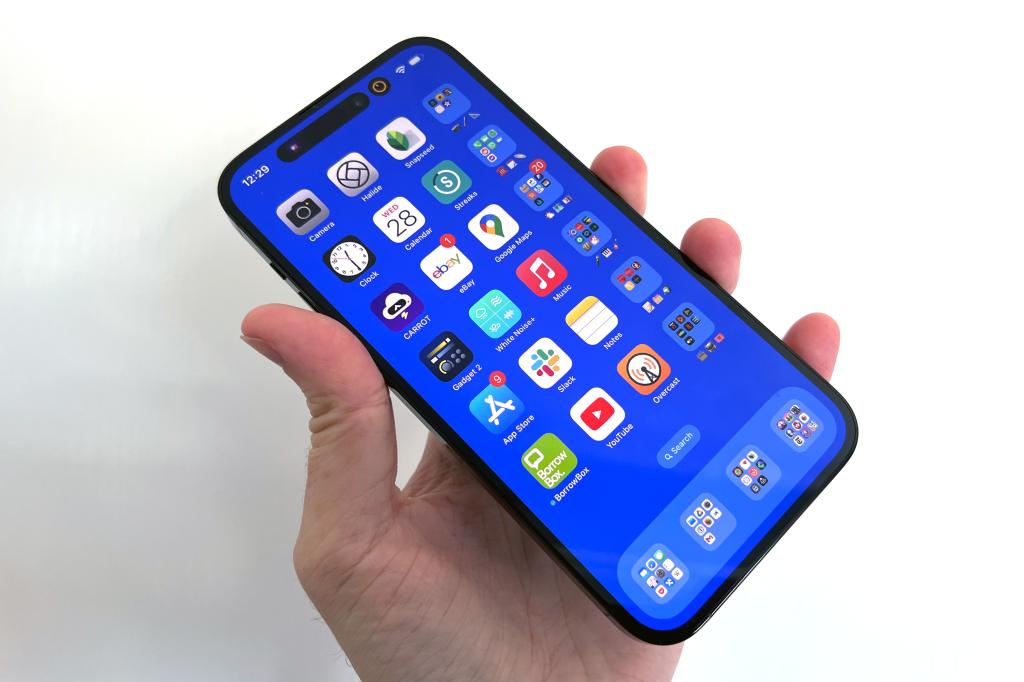
- Year: 2022
- Screen: 6.1in (2556x1179px @460ppi) / 6.7in (2796x1290px @460ppi)
- Rear camera(s): 48MP main + 12MP ultra wide + 12MP telephoto / max 3x optical zoom
- Dimensions: 147.5×71.5×7.85mm, 206g / 160.7×77.6×7.85mm, 240g
- Chip (SoC): Apple A16 Bionic
- Charging port: Lightning
Whereas the iPhone 14 came down with a nasty case of copy and paste, the iPhone 14 Pro and Pro Max received some meaningful improvements. So this became a year in which there was more clear water than usual between the Pro models and standard iPhone. Which, given how much the Pro models cost, was probably not the worst thing.
The most obvious change with the Pros was the introduction of Dynamic Island, which began to move us on from the era of the notch – or at least made it smaller and detached it from the bezel. Surprisingly, this animated mix of hardware and software really worked – it made a notch… fun. Good work, Apple. We also rather liked the main camera getting a bump to 48MP and the always-on display that meant the Pro could do something useful while sitting idle.
It wasn’t all sunshine and roses, mind. Apple’s stubborn resistance to drop the Lightning connector was frustrating. These phones were wallet-thumpy. 3x optical zoom was starting to feel a bit old compared to what you got on some Android flagships. But on the whole, this was a pair of Pro phones Apple moved meaningfully on.
Read more › Apple iPhone 14 Pro Max
17. iPhone 15 and 15 Plus
- Year: 2023
- Screen: 6.1in (2556x1179px @460ppi) / 6.7in (2796x1290px @460ppi)
- Rear camera(s): 48MP main + 12MP ultra wide / max 2x optical zoom
- Dimensions: 147.6×71.6×7.8mm, 171g / 160.9×77.8×7.8mm, 201g
- Chip (SoC): Apple A16 Bionic
- Charging port: USB-C (USB 2)
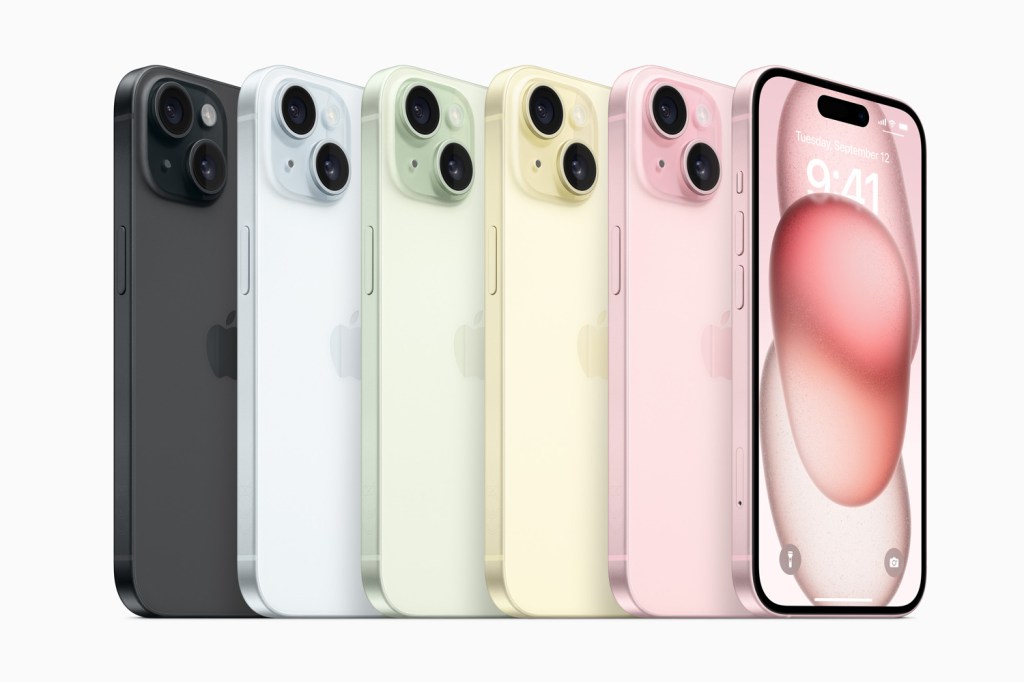
2023’s mainstream iPhone models were a streamlining of previous efforts, inheriting several hardware features from the previous year’s Pro models. That included the A16 Bionic CPU and Dynamic Island. The iPhone 15 and 15 Plus also brought USB-C to standard iPhones for the first time, kissing Lightning goodbye in order to play nicely with European rulings on universal chargers.
Otherwise, it was a familiar tale, with the same screen sizes as before. Both phones stuck with two cameras, instead of the iPhone 15 Pro’s three, but did increase the main sensor’s pixel count to 48MP (up from 12MP). Some new color options helped them stand out from the outgoing iPhone 14 range, but most of the software improvements introduced in iOS 17 could be had on the older generation too. A welcome upgrade, then, but not as seismic as some of the models to come in this list.
16. iPhone 12 Mini

- Year: 2020
- Screen: 5.4in (2340x1080px @476ppi)
- Rear camera(s): 12MP main + 12MP ultra wide
- Dimensions: 131.5×64.2×7.4mm, 135g
- Chip (SoC): Apple A14 Bionic
- Charging port: Lightning
Good on Apple for listening to those folks desperately begging for a return to one-hand-capable phones – but who didn’t want to settle for an ancient design or downgraded specs. The iPhone 12 Mini was almost every bit as capable as the main iPhone 12. It was just smaller.
So, yes, it had a dinky 5.4in screen and a positively pint-sized case. Yet the A14 Bionic was the same one stuffed inside the Pro. Also, the cameras were solid, 5G was present and the price was a hundred bucks lower than the vanilla 12.
Bad bits? Inevitably, a smaller phone means a smaller battery. And if you had sausage fingers, grappling with the iPhone 12 Mini might have felt like you’d abruptly become a giant in a land of tiny people. But for everyone who’d been waiting for a smaller iPhone with the smallest number of compromises, the iPhone 12 Mini was bliss.
Read more › Apple iPhone 12 Mini review
15. iPhone 16 Pro and Pro Max

- Year: 2024
- Screen: 6.3in (2622x1206px @460ppi) / 6.9in (2868x1320px @460ppi)
- Rear camera(s): 48MP fusion main + 48MP ultra wide + 12MP telephoto / max 5x optical zoom
- Dimensions: 149.6×71.5×8.25mm, 199g / 163×77.6×8.25mm, 227g
- Chip (SoC): Apple A18 Pro
- Charging port: USB-C (USB 3)
The problem with 2024’s Pro iPhones was that, well, the standard ones were just so good. The key change with the Pros was larger 6.3in and 6.9in displays – the latter now feeling meaningfully bigger than before.
As our reviewer put it, the 16 Pro Max was “not an update that makes you want to throw a party, but the power, camera and battery life are so good it’s hard to imagine anyone not being quietly impressed”.
In fact, the worst we could really say about that phone was that the colours were boring. However, with the standard iPhone 16 and 16 Plus having a 2x optical zoom and other tricks such as the new Camera Control button, the Pro models were ultimately left for folks who needed ProMotion or a 5x telephoto zoom. Still excellent phones, then, but not top-ten material here.
Read more › Apple iPhone 16 Pro Max review
14. iPhone Air
- Year: 2025
- Screen: 6.5in (2736x1260px @460ppi)
- Rear camera(s): 48MP fusion main / max 2x optical zoom
- Dimensions: 156.2×74.7×5.64mm, 165g
- Chip (SoC): Apple A19 Pro
- Charging port: USB-C (USB 2)
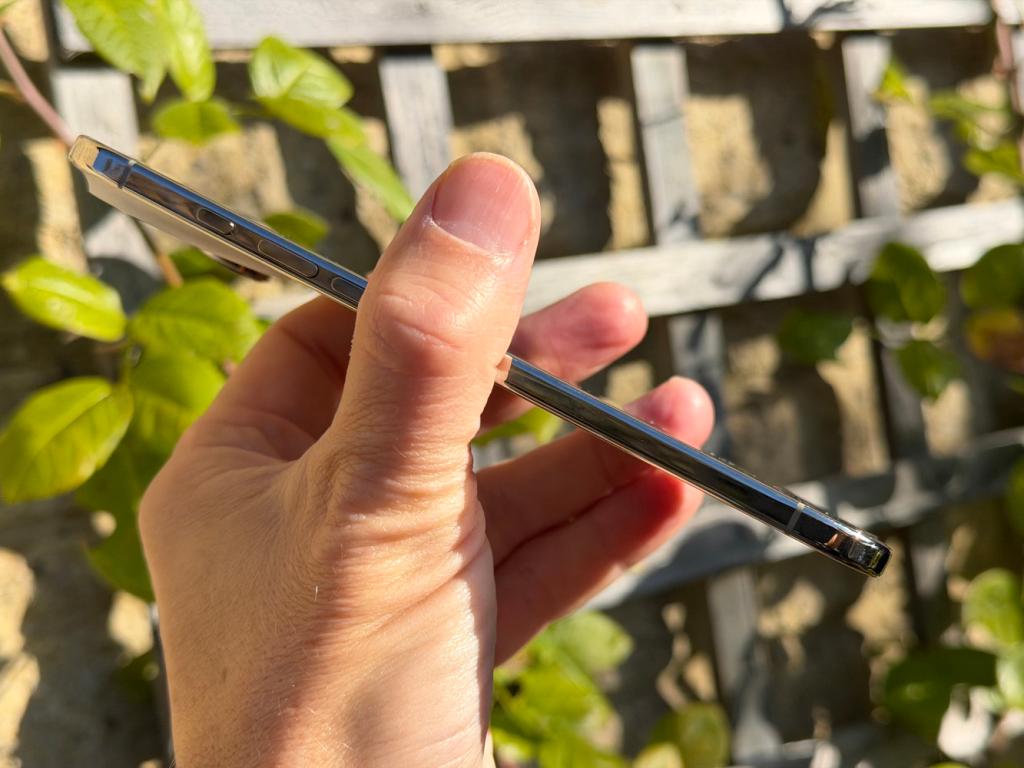
Apple’s third crack at a phone to sit alongside the vanilla iPhone and the Pros proved far more divisive than the short-lived Plus and even-shorter-lived Mini. The iPhone Air arrived in a blaze of hype around its super-skinny body. If you ignored the camera bump, which stuck out almost as much as the Pro’s.
Our editor loved its design and made happy noises about its display, power and pocketability. But then reality landed with a thump when the phone’s shortcomings became clear. The single camera. A single speaker – for a premium smartphone in 2025. Not-amazing battery life. A high price. It’s toasty nature.
Rumours suggested demand was low and Apple quickly cut orders. But the Air was worth doing, not only to try something different but also to lay the groundwork for Apple foldable gadgets.
Read more › Apple iPhone Air review
13. iPhone 3G
- Year: 2008
- Screen: 3.5in (480x320px @163ppi)
- Rear camera(s): 2MP main
- Dimensions: 115.5×62.1×12.3mm, 133g
- Chip (SoC): Samsung S5L8900 (‘APL0098’)
- Charging port: 30-pin
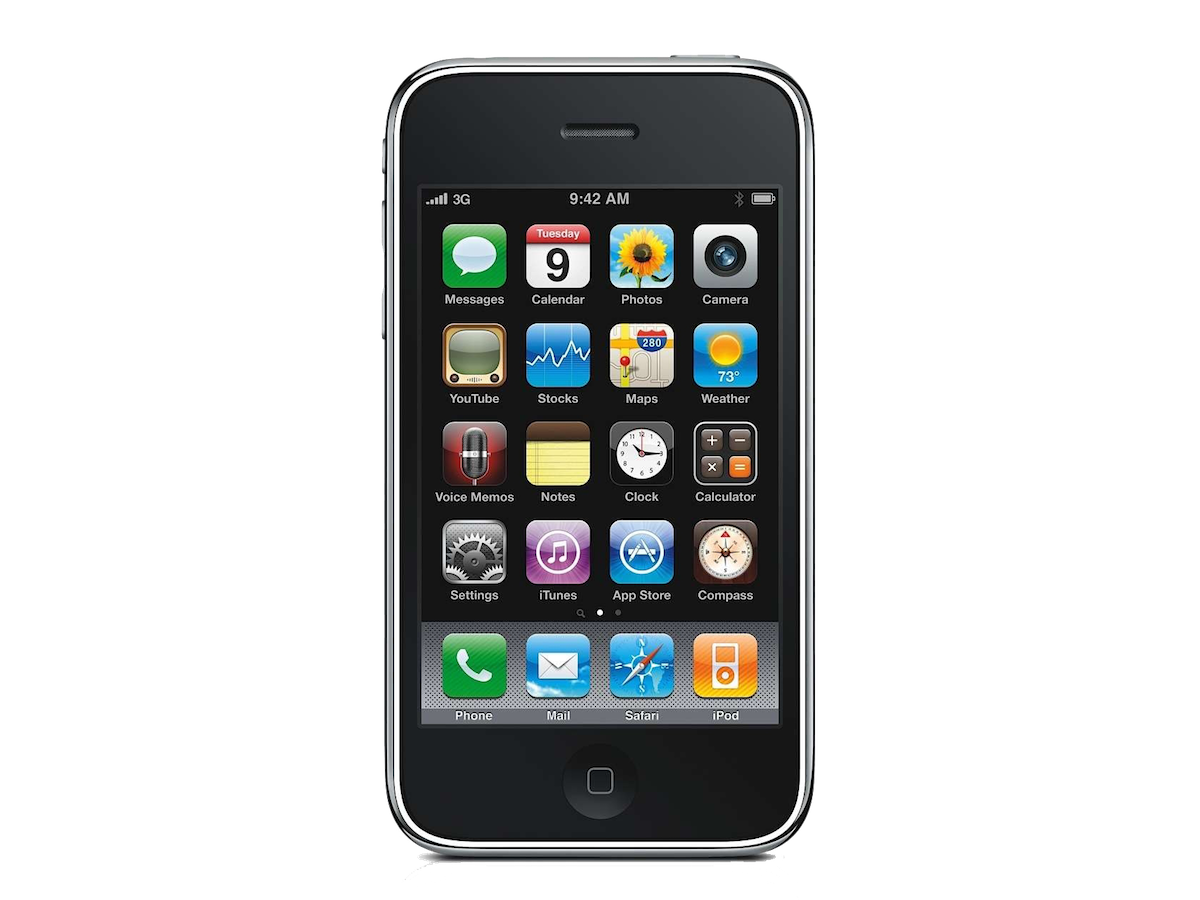
The positively ancient iPhone 3G might not seem like much now. The best it can run is iOS 4 and it’s dated in terms of features, functionality and connectivity. But this phone arrived in 2008. And back then, it was remarkable – a major evolution of the original iPhone’s design while adding the crucial feature of 3G data support. For a phone that was so focused on web usage, that was a dramatic and vital upgrade.
The iPhone 3G also ushered in the release of the App Store, arguably the most important feature addition in iPhone history. So, sure, you’d rightly argue the 3G was nowhere near as important or influential as the original iPhone. But as Apple enthusiasts know, the second-gen model is where refinement really takes hold and that was definitely the case here.
Also read › Apple iPhone 3G review (YouTube)
12. iPhone 4
- Year: 2010
- Screen: 3.5in (960x640px @326ppi)
- Rear camera(s): 5MP main
- Dimensions: 115.2×58.6×9.3mm, 137g
- Chip (SoC): Apple A4
- Charging port: 30-pin
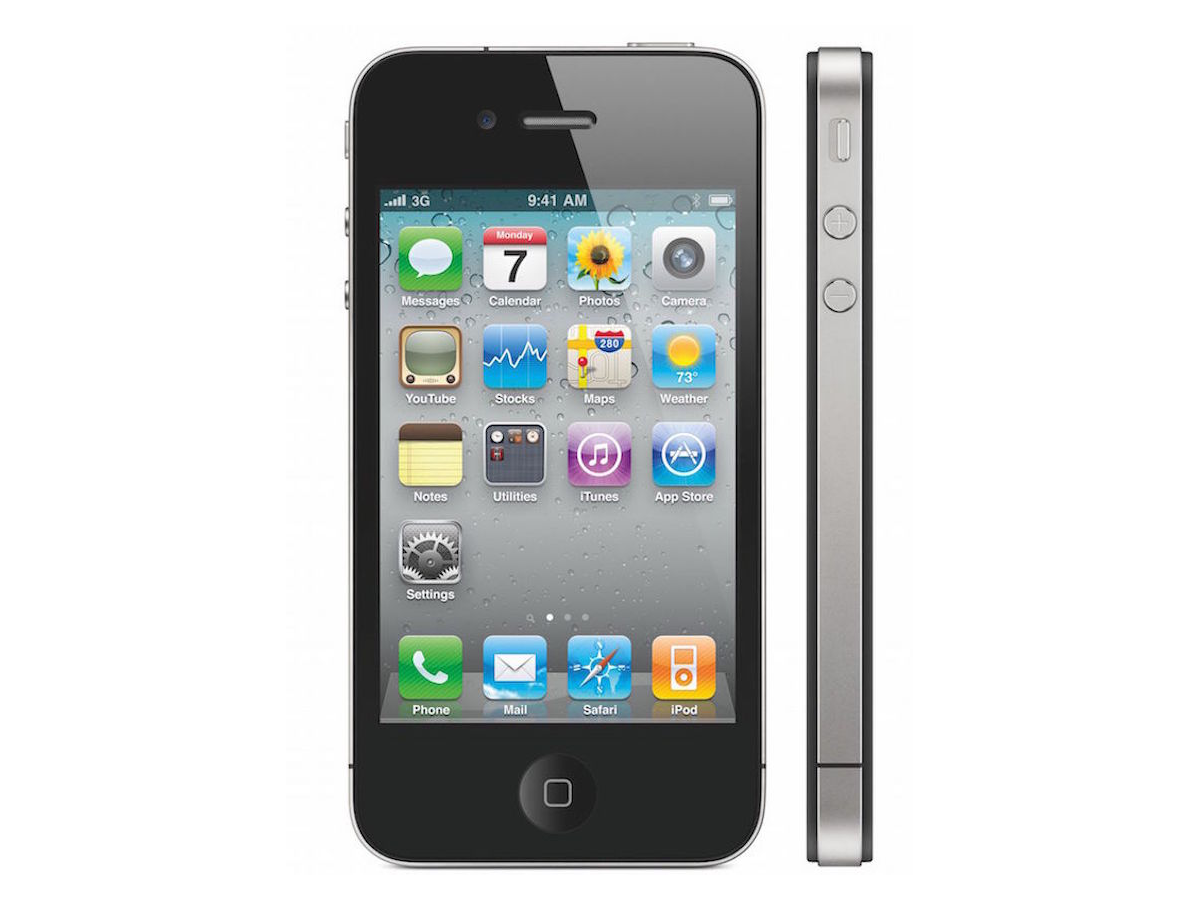
The iPhone 4 was beautiful, not only in comparison to iPhones that came before it but also to every other phone on the market. Swapping to an ultra-thin design with a flat glass back and a metal antenna all along the edges was an aesthetic masterstroke. But that’s not all: the iPhone 4 also introduced the gorgeous Retina display to the line.
Granted, that innovative body design came with a big caveat: the antenna had a tendency to misbehave if the phone was held in a certain way, prompting the ‘Antennagate’ controversy, a “you’re holding it wrong” joke that will never die, and Apple deciding to give everyone free Bumper cases to avoid the issue. That alone knocks this iPhone’s place on the list, but we’ll remember the iPhone 4 most for that pin-sharp display and gorgeous design.
Read more › Apple iPhone 4 review
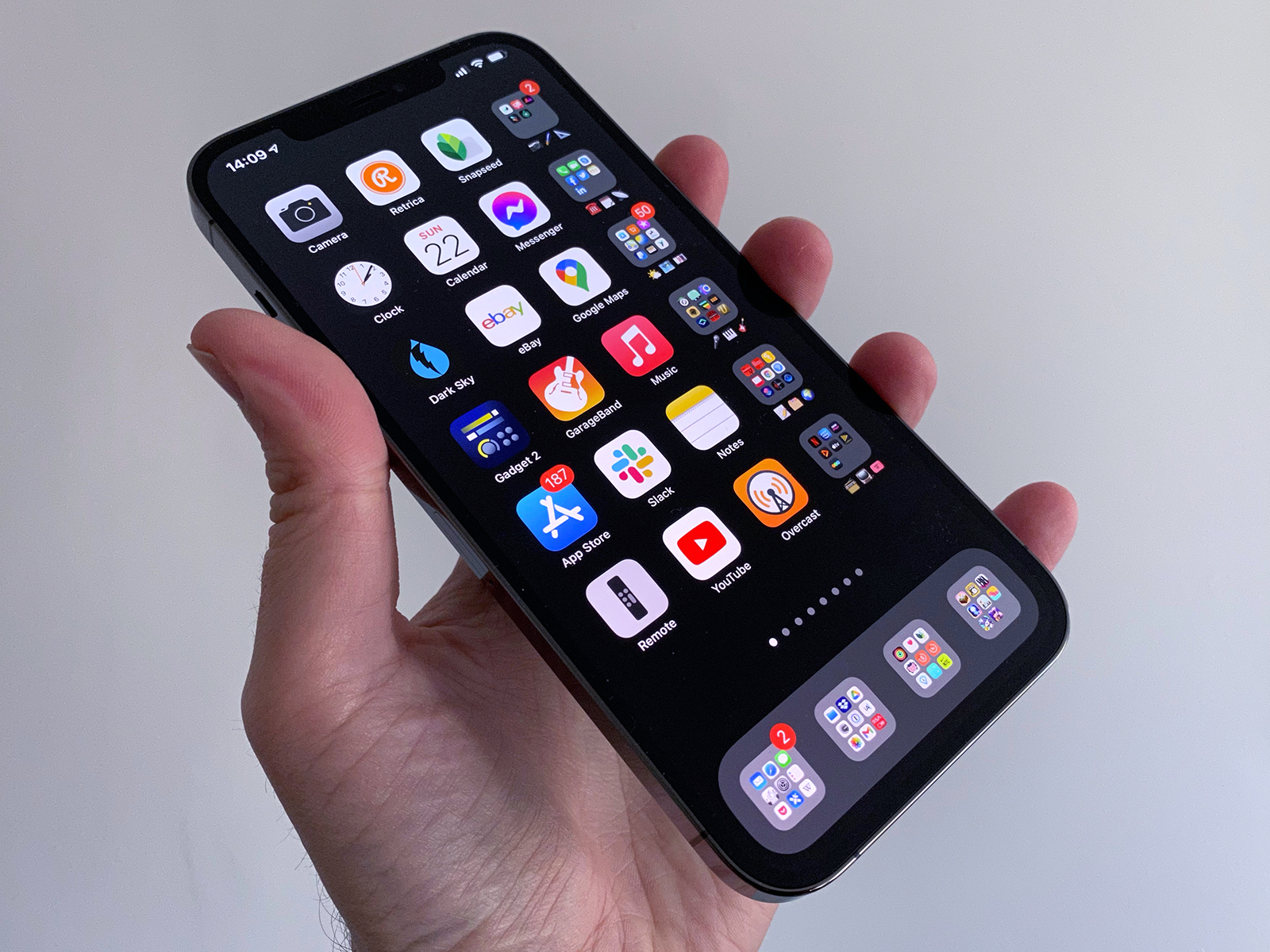
11. iPhone 12 Pro Max
- Year: 2020
- Screen: 6.7in (2778x1284px @458ppi)
- Rear camera(s): 12MP main + 12MP ultra wide + 12MP telephoto / max 2.5x optical zoom
- Dimensions: 160.8×78.1×7.4mm, 228g
- Chip (SoC): Apple A14 Bionic
- Charging port: Lightning
While the standard iPhone 12 delivered the best balance of price and features, the seriously sizeable iPhone 12 Pro Max provided a welcome array of enhancements – if you could stomach the extra outlay.
In 2020, the guts of the new phones were all the same, powered by a zippy A14 Bionic. But the Pro Max’s display was comparatively gargantuan, as was its battery life. The spec that made the Pro Max really sing, though, was the camera. The 2.5x zoom telephoto sensor one-upped even the iPhone 12 Pro. Stabilisation was superior and the sensor was larger too, making for better low-light and night-time photography.
The iPhone 12 Pro Max was a heck of a phone, albeit at a heck of a price.
Read more › Apple iPhone 12 Pro Max
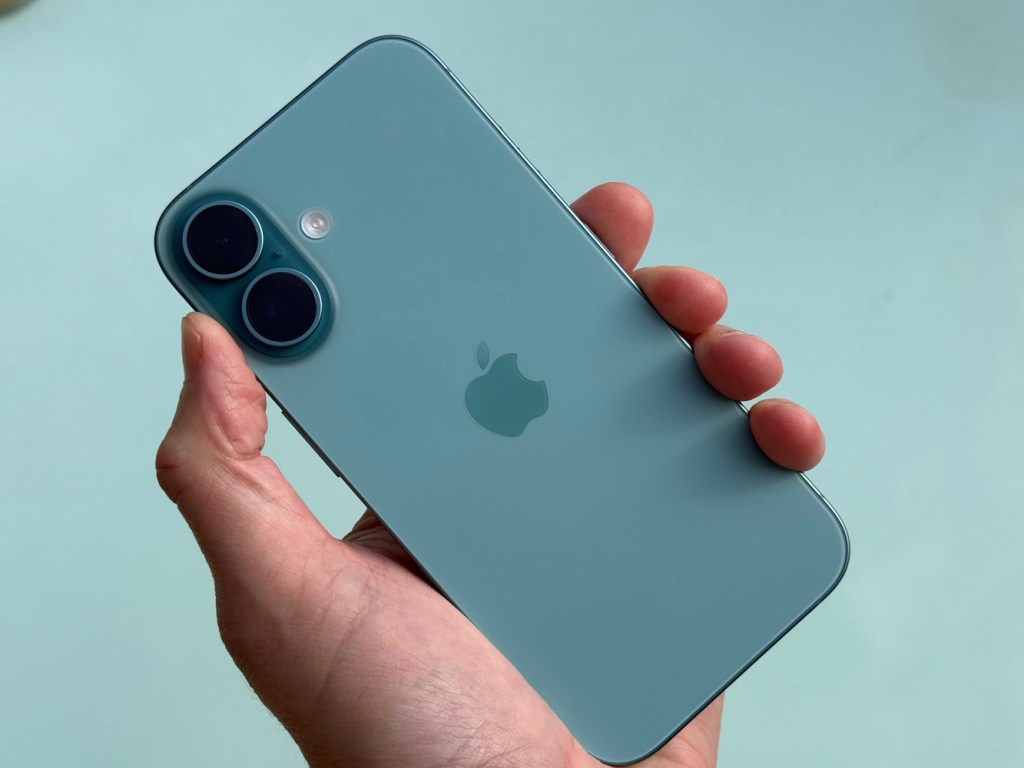
10. iPhone 16 and 16 Plus
- Year: 2024
- Screen: 6.1in (2556x1179px @460ppi) / 6.7in (2796x1290px @460ppi)
- Rear camera(s): 48MP main + 12MP ultra wide / max 2x optical zoom
- Dimensions: 147.6×71.6×7.8mm, 170g / 160.9×77.8×7.8mm, 199g
- Chip (SoC): Apple A18
- Charging port: USB-C (USB 2)
2024 was the first year in a long time that the Pro iPhones looked like overkill. And that’s because the standard iPhone 16 was so good. Apple Intelligence may have been the headline (and later shown to be a damp squib), but elsewhere you got a powerful phone with a 48MP main snapper, 2x optical zoom, cracking battery life and the same Camera Control button as found on the Pro. Plus, the blue and pink finishes were gorgeous.
There were drawbacks. The screen stubbornly remained stuck on 60Hz and, as impressive as the Plus model was, we struggled to think who’d actually want one. At the time, though, the baseline iPhone 16 proved itself to be more than enough smartphone for most people. And the only reason it’s not further up our list is because Apple surprised everyone in 2025 by positioning the iPhone 17 even closer to the Pro.
Also read › Apple iPhone 16 review and iPhone 16 Plus review
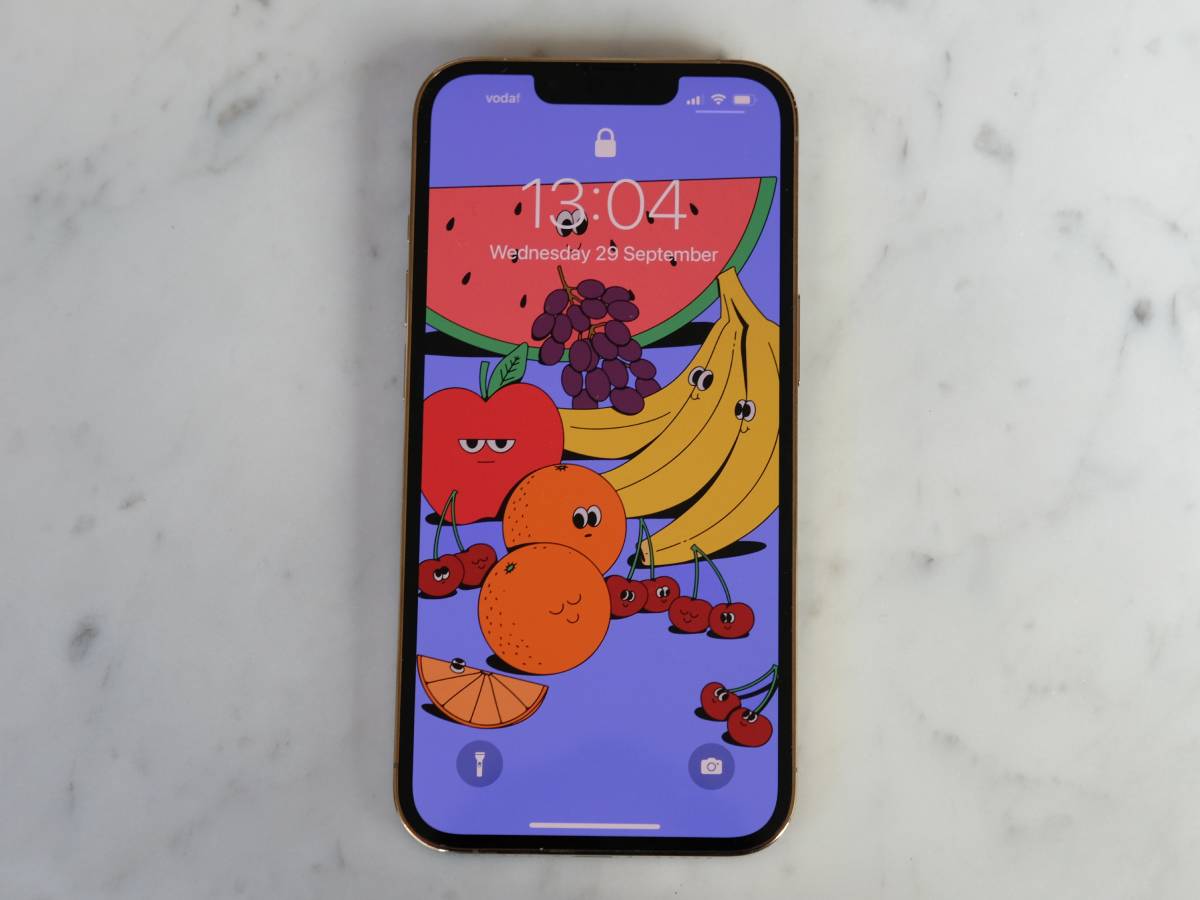
9. iPhone 13 Pro and Pro Max
- Year: 2021
- Screen: 6.1in (2532x1170px @460ppi) / 6.7in (2778x1284px @458ppi)
- Rear camera(s): 12MP main + 12MP ultra wide + 12MP telephoto / max 3x optical zoom
- Dimensions: 146.7×71.5×7.65mm, 204g / 160.8×78.1×7.65mm, 240g
- Chip (SoC): Apple A15 Bionic
- Charging port: Lightning
The gap had never been narrower between the Pro and Pro Max than it was with their iPhone 13 iterations. Both had the same slick 120Hz ProMotion display, beefier battery life, outstanding performance from the A15 Bionic chip and telephoto photography skills.
On balance, the models came out about even, hence their grouping here. The Pro’s smaller form factor meant it was the more manageable device for most people, without sacrificing performance. The Pro Max was bulkier, but those extra screen acres and the larger battery were tempting. Neither were revolutionary, mind; but both were a fantastic steady evolution of what went before.
Also read › iPhone 13 Pro review and iPhone 13 Pro Max review
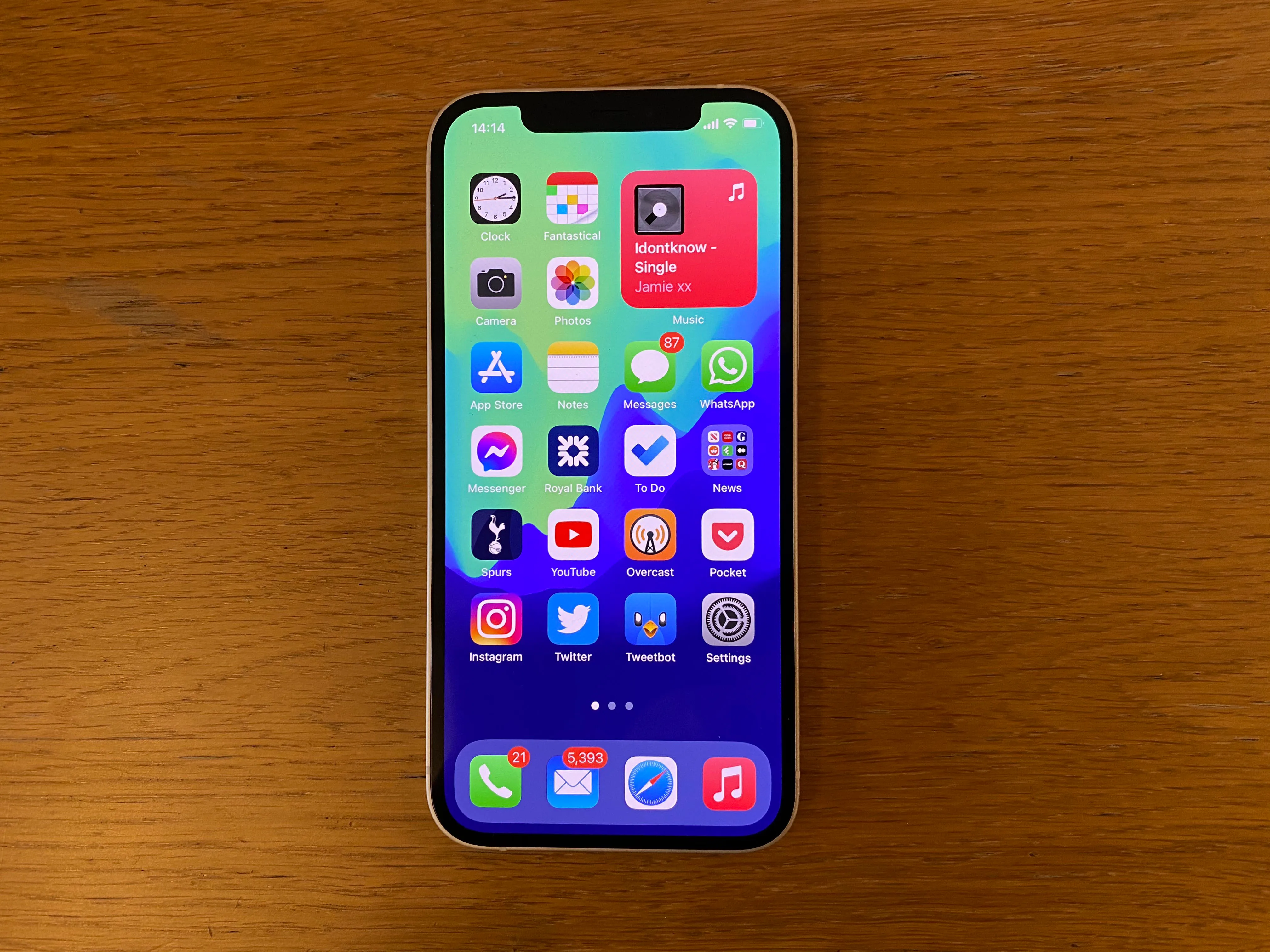
8. iPhone 12
- Year: 2020
- Screen: 6.1in (2532x1170px @460ppi)
- Rear camera(s): 12MP main + 12MP ultra wide
- Dimensions: 146.7×71.5×7.4mm, 164g
- Chip (SoC): Apple A14 Bionic
- Charging port: Lightning
When it launched in 2020, the iPhone 12 was the most exciting new iPhone since the revolutionary iPhone X. It was also a properly top-of-the-line, uncompromised core model after the iPhone 11 and iPhone XR skimped on screen quality. And for all but the serious die-hards, it was the version worth buying, with the Pro model perks seeming less critical.
From the beautifully boxy shape to the crisp and bright screen, fastest processor in the industry, excellent cameras and speedy 5G support, this was one of the absolute best phones you could buy – and our clear pick from the wider iPhone 12 line.
Also read › Apple iPhone 12 review
7. iPhone 15 Pro and 15 Pro Max
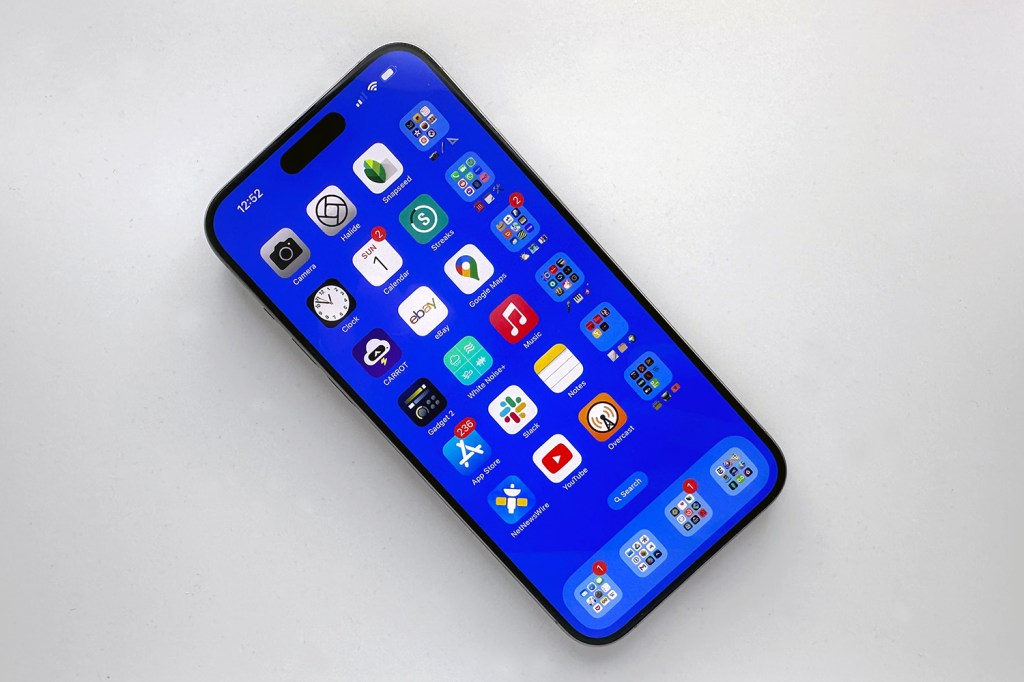
- Year: 2023
- Screen: 6.1in (2556x1179px @460ppi) / 6.7in (2796x1290px @460ppi)
- Rear camera(s): 48MP main + 12MP ultra wide + 12MP telephoto / max 3x optical zoom (5x on Pro Max)
- Dimensions: 146.6×70.6×8.25mm, 187g / 159.9×76.7×8.25mm, 221g
- Chip (SoC): Apple A17 Pro
- Charging port: USB-C (USB 3)
Previously, the differences between the regular and Pro iPhones weren’t massive but things were a little more clear cut for the iPhone 15 series. The Pro models gained a body built from titanium, keeping weight in check, and stepped up on the camera front with a dedicated zoom lens (3x for the 15 Pro, 5x for the 15 Pro Max). Image quality for both stills and videos was top notch, with recording abilities going above and beyond.
The swap from Lightning to USB-C was huge too and the customisable Action button was another vital upgrade. Being able to use a button as a camera shutter, Focus mode switcher or app launcher transformed how we used our iPhones pretty much overnight. Add in phenomenal performance that could run console-grade games in the palm of your hand and this was the best Pro iPhone to that date – one that still impresses today.
Also read › Apple iPhone 15 Pro Max review
6. iPhone SE 3rd Gen
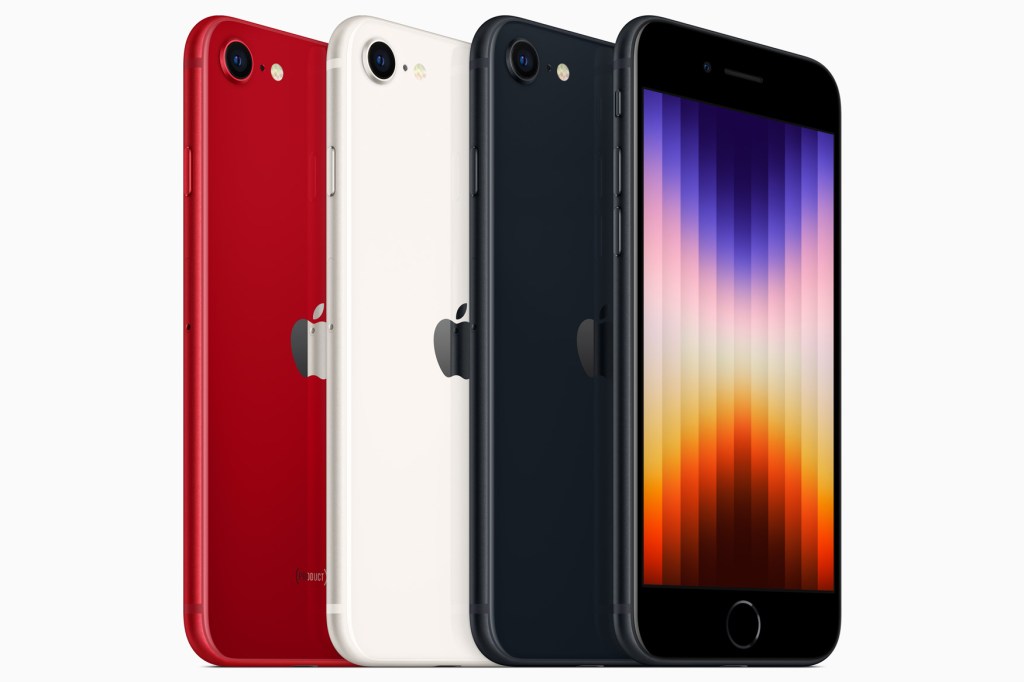
- Year: 2022
- Screen: 4.7in (1334x750px @326ppi)
- Rear camera(s): 12MP main
- Dimensions: 138.4×67.3×7.3mm, 144g
- Chip (SoC): Apple A15 Bionic
- Charging port: Lightning
This might seem an odd entry to feature this far up our list. But the SE was always the phone that democratised the iPhone. All through this list, we’ve moaned about how much iPhones cost. The SE fixed that. And this was the SE in its ultimate form.
It may not have had the features of the Pro, the screen of the Plus, or the USB-C port of the 15, but with its 4.7in display and old-fashioned home button, you got a heavy dose of iPhone DNA in a compact package. The A15 Bionic processor was the same one used in the iPhone 14 too, so there were no problems with performance, and while the 12MP camera and limited range of colours could disappoint when compared to other models, you got an awful lot for your money.
5. iPhone 17
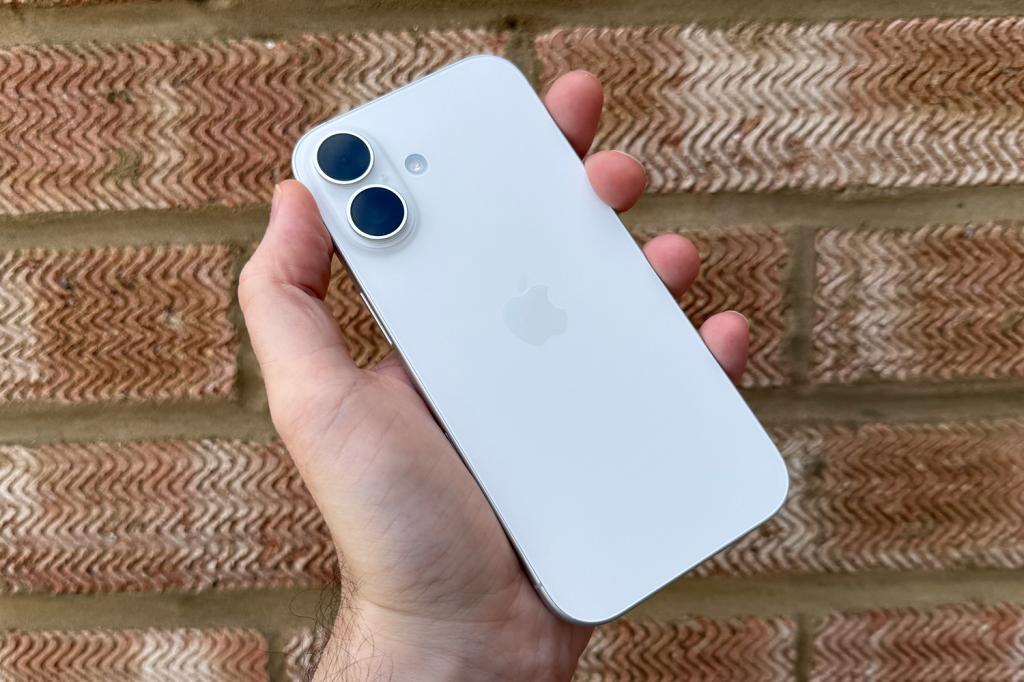
- Year: 2025
- Screen: 6.3in (2622x1206px @460ppi)
- Rear camera(s): 48MP fusion main + 48MP ultrawide / max 2x optical zoom
- Dimensions: 149.6×71.5×7.95mm, 177g
- Chip (SoC): Apple A19
- Charging port: USB-C (USB 2)
In 2024, we said the iPhone 16 was as ‘pro’ as the standard iPhone had ever got – and suggested that gap would increase with the 17. Nope. Apple made us look stupid by doing the precise opposite. Good. Because that made 2025’s vanilla iPhone superb value.
The main big change was it getting the same screen as the Pro. This iPhone would not be mocked by Android rivals for juddery scrolling. But it was more than that: the device was cheaper than the 17 Pro and the Air, yet almost as powerful.
In fact, had Apple slapped a telephoto lens on the 17, there’d have been little reason to buy an iPhone 17 Pro. Which probably explains why Apple didn’t. Still, beyond that omission and an overly familiar design, the 17 was a properly cracking iPhone.
Also read › Apple iPhone 17 review
4. iPhone 17 Pro and Pro Max
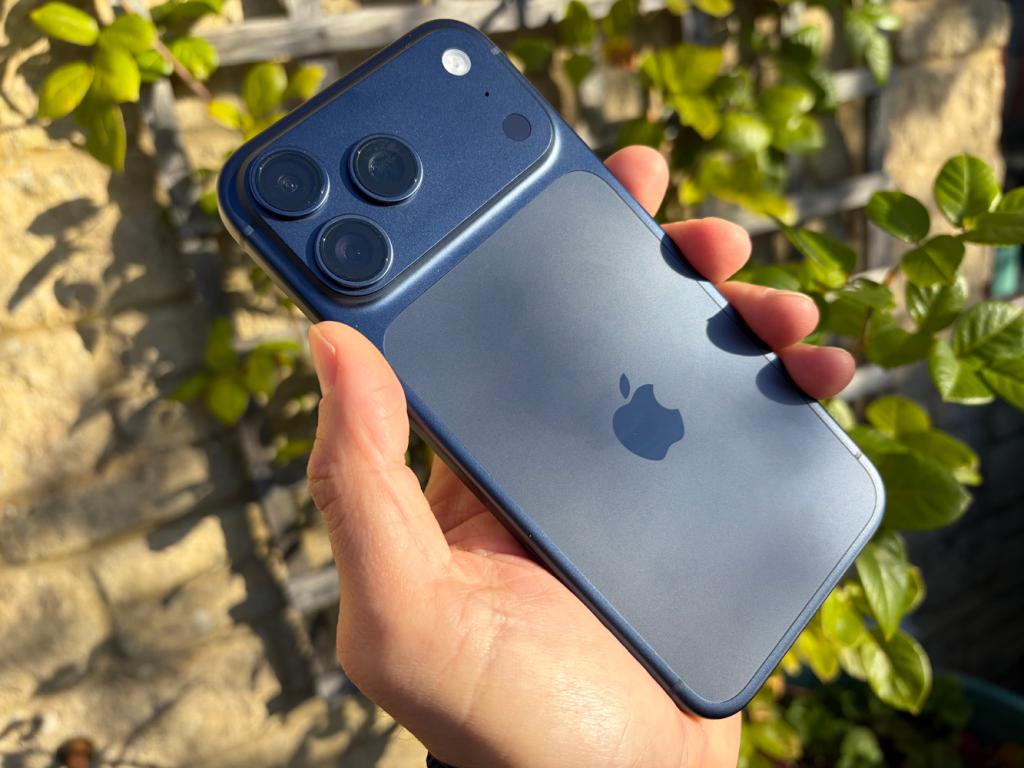
- Year: 2025
- Screen: 6.3in (2622x1206px @460ppi) / 6.9in (2868x1320px @460ppi)
- Rear camera(s): 48MP fusion main + 48MP fusion ultra wide + 48MP fusion telephoto / max 8x optical zoom
- Dimensions: 150×71.9×8.75mm, 204g / 163.4x78x8.75mm, 231g
- Chip (SoC): Apple A19 Pro
- Charging port: USB-C (USB 3)
Managing to somehow hold itself back from gluing these two iPhones together and renaming the result ‘iPhone 17 Pro to the Max’, Apple fired out a pair of top-notch flagships in 2025. The design was divisive, with a chunky camera ‘plateau’, although the funky new orange finish made a nice change from Apple’s prior painfully tasteful (read: dull) Pro hues.
But what else changed, besides the bump? Well, by cramming more of the iPhone’s innards into that bit, battery life got a major boost. The telephoto went to 48MP, giving an iPhone 8x optical zoom for the first time. And the new cooling system meant the laptop-grade A19 Pro chip didn’t melt your 17 Pro. Natch, Apple still wouldn’t let you use your iPhone like a laptop, though.
Also read › Apple iPhone 17 Pro Max review
3. iPhone X
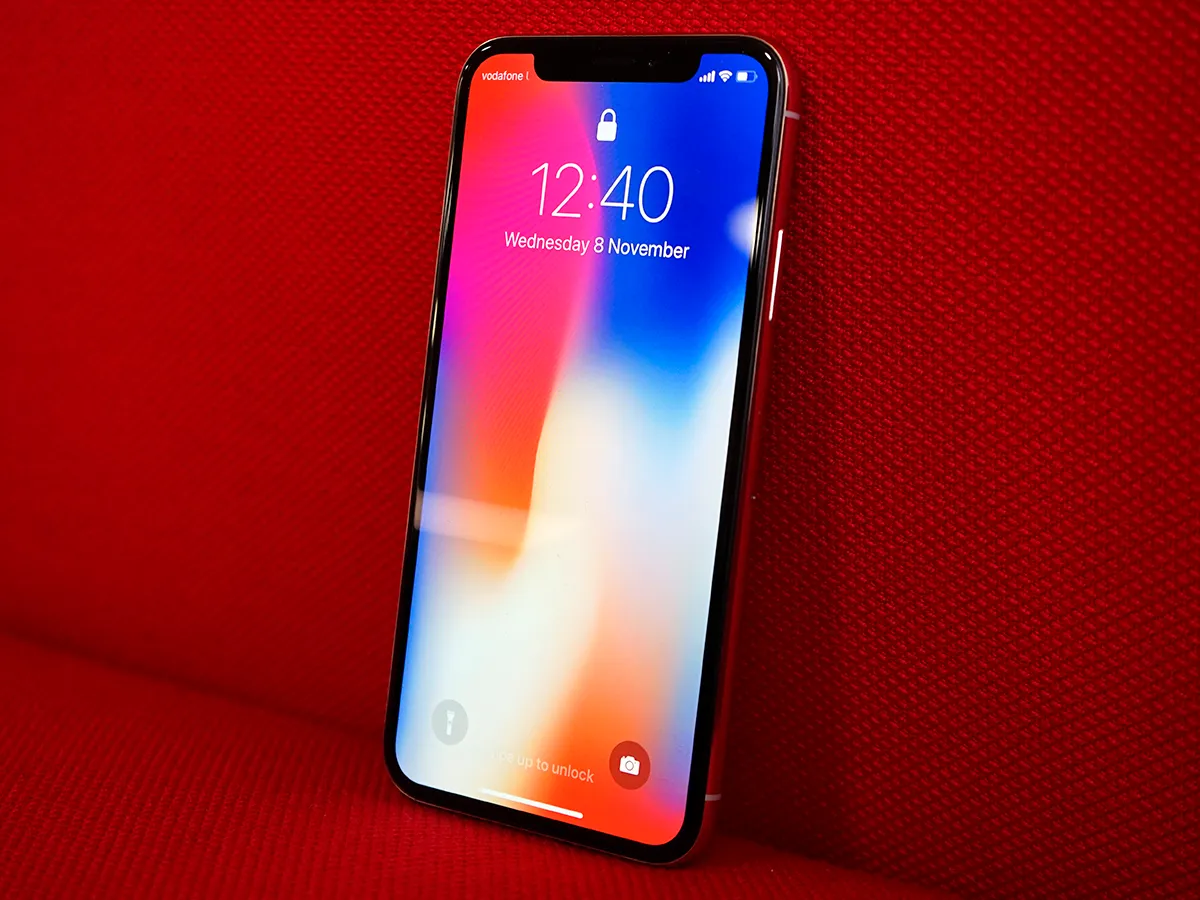
- Year: 2017
- Screen: 5.8in (2436x1125px @458ppi)
- Rear camera(s): 12MP main + 12MP telephoto / max 2x optical zoom
- Dimensions: 143.6×70.9×7.7mm, 174g
- Chip (SoC): Apple A11 Bionic
- Charging port: Lightning
Even today, we remain wowed by the iPhone X, Apple’s big and long-overdue reinvention of its most famous creation.
Ditching the iconic home button (and Touch ID sensor) not only allowed for the gorgeous, full-frame OLED screen – aside from that notch, of course – but it also brought about navigational tweaks that quickly felt like second nature. Swiping up to return to your Home Screen or swiping sideways on the bottom bar to quickly swap between apps was fluid and comfortable, while then-new features like Face ID worked surprisingly well.
On the outside, it was pure class too: glass on both sides, a stainless steel frame and the most polish and precision Apple had ever delivered with a handset. Granted, the $999/£999 price was way too spendy for the average buyer, which tempered our feelings a tad. But there was little else to complain about with what was an iPhone reinvention that would drive the line for many years to come.
Also read › Apple iPhone X review
2. iPhone
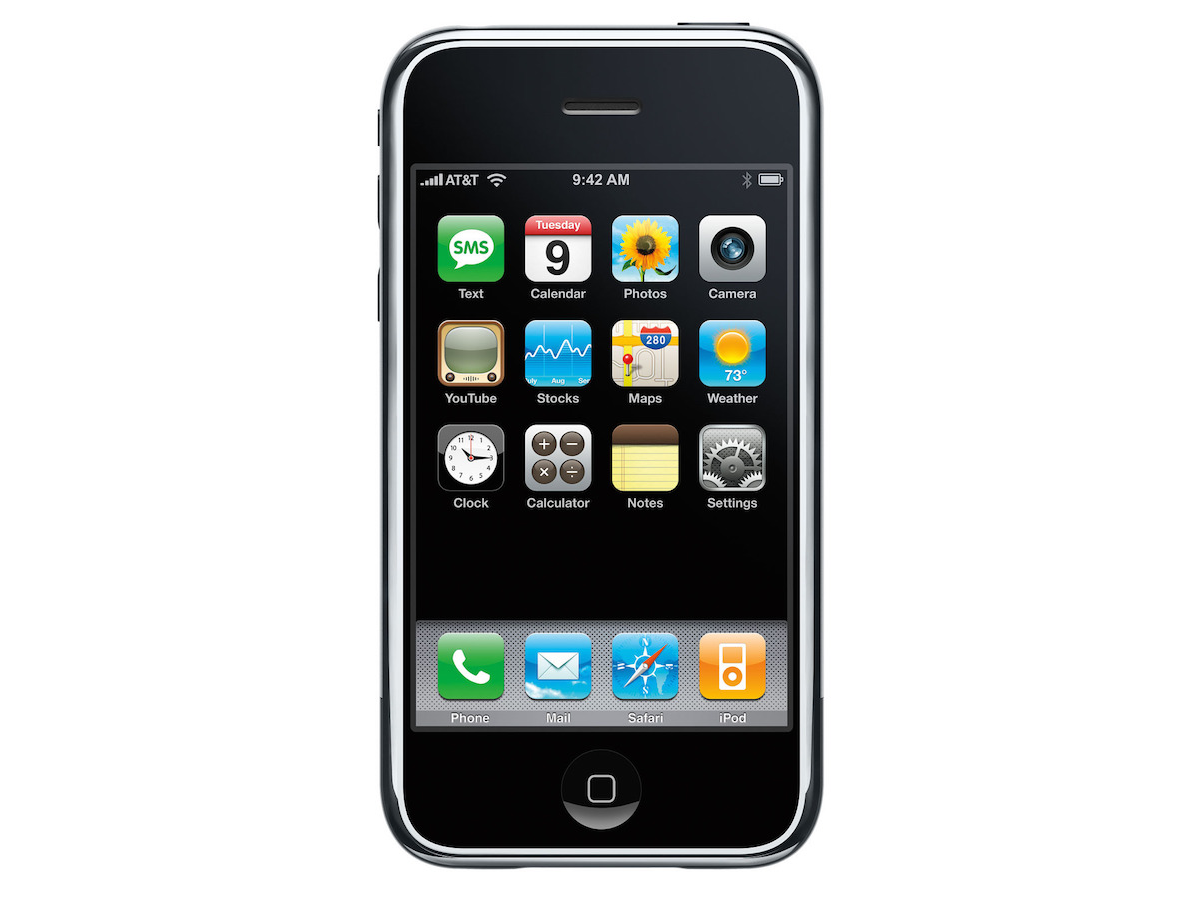
- Year: 2007
- Screen: 3.5in (480x320px @163ppi)
- Rear camera(s): 2MP main
- Dimensions: 115x61x11.6mm, 135g
- Chip (SoC): Samsung S5L8900
- Charging port: 30-pin
The original iPhone changed everything, ushering in an era of touchscreen devices that has resulted in billions of modern smartphones and tablets sold around the world.
It’s difficult to overstate the importance of the first iPhone. Without it, where would phones be today? Surely, someone else would have sorted a capacitive touchscreen phone before long. But would it have been with anywhere near the quality that Apple showed right out of the gate?
Ranking this phone was our most difficult task, given its status. We knew it had to be near the top of the list. But considering all of the aspects in play here, we had to give the honours to another device…
Also read › Our original Apple iPhone review
1. iPhone 5
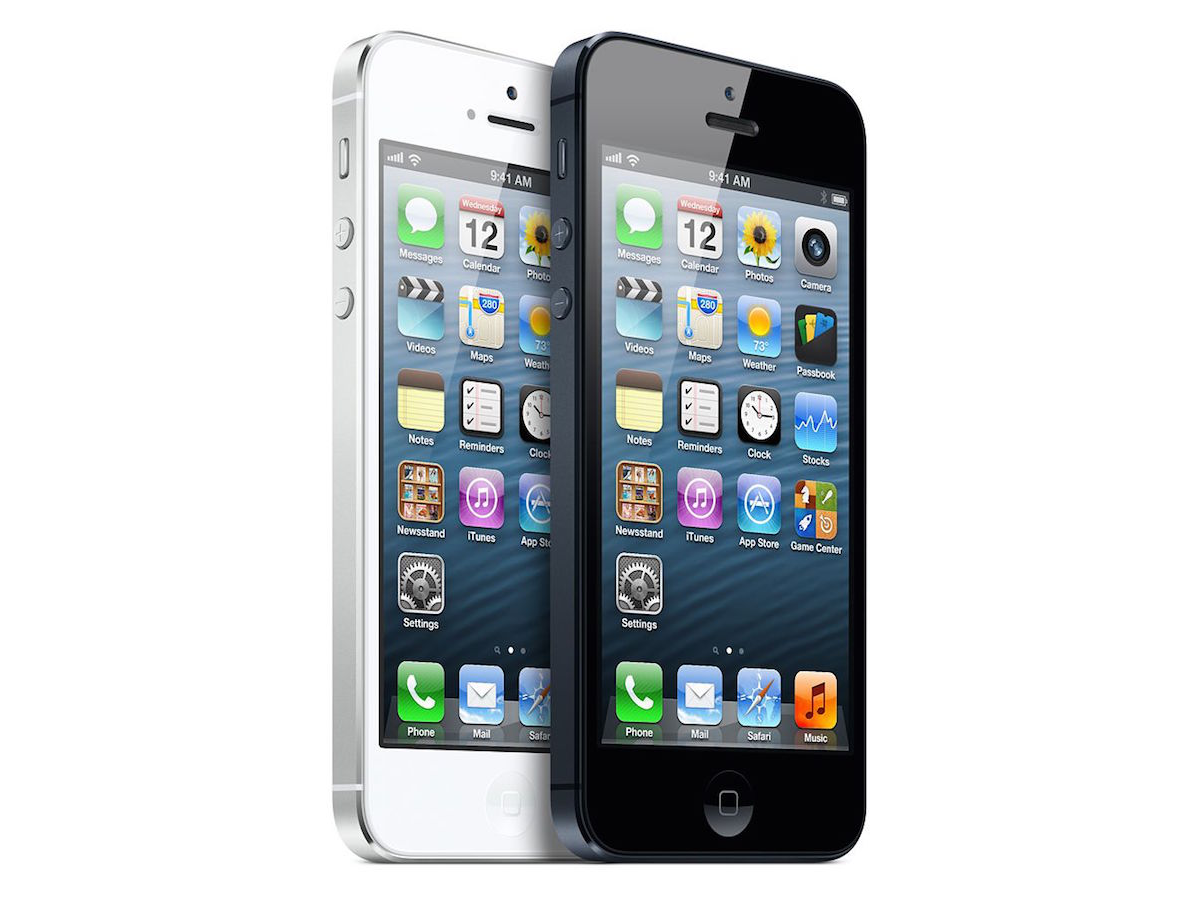
- Year: 2012
- Screen: 4.0in (1136x640px @326ppi)
- Rear camera(s): 8MP main
- Dimensions: 123.8×58.6×7.6mm, 112g
- Chip (SoC): Apple A6
- Charging port: Lightning
So we reach the number-one spot in our every Apple iPhone ranked in order list, and it goes to… the iPhone 5.
Why? Well, for our money, it properly wowed us with its debut in a way that’s only been matched since by the iPhone X, and it showed Apple at the top of its smartphone game. The iPhone 5 is gorgeously designed, thinning the sharp iPhone 4 build to a stunning degree while extending the display to proper widescreen dimensions.
Crucially, it’s also where Apple embraced long-overdue LTE support, finally giving users the network speed to appreciate that great Retina display and the wonderful App Store selection. It was the iPhone that sorted our biggest lingering complaints in nearly every significant way and felt like a nearly complete package.
Sure, iOS 6 felt a little dated by that point and Apple Maps was a mess at launch. But whatever. Considering the overall quality of the device, the upgrades from the prior models and the competition at the time, we think the iPhone 5 holds up as the best of the best. Although, natch, you probably wouldn’t want to use one today unless embarking on a spot of iPhone reminiscing or retro gaming.
Also read › Apple iPhone 5 review


 Craig Grannell
Contributor
Craig Grannell
Contributor With contributions from