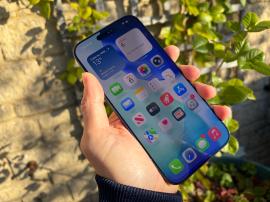
Upcoming phones 2026: release dates and rumors for your next smartphone upgrade
Flagships, foldables, midrangers and affordable models - there are plenty of desirable upcoming phones on the way

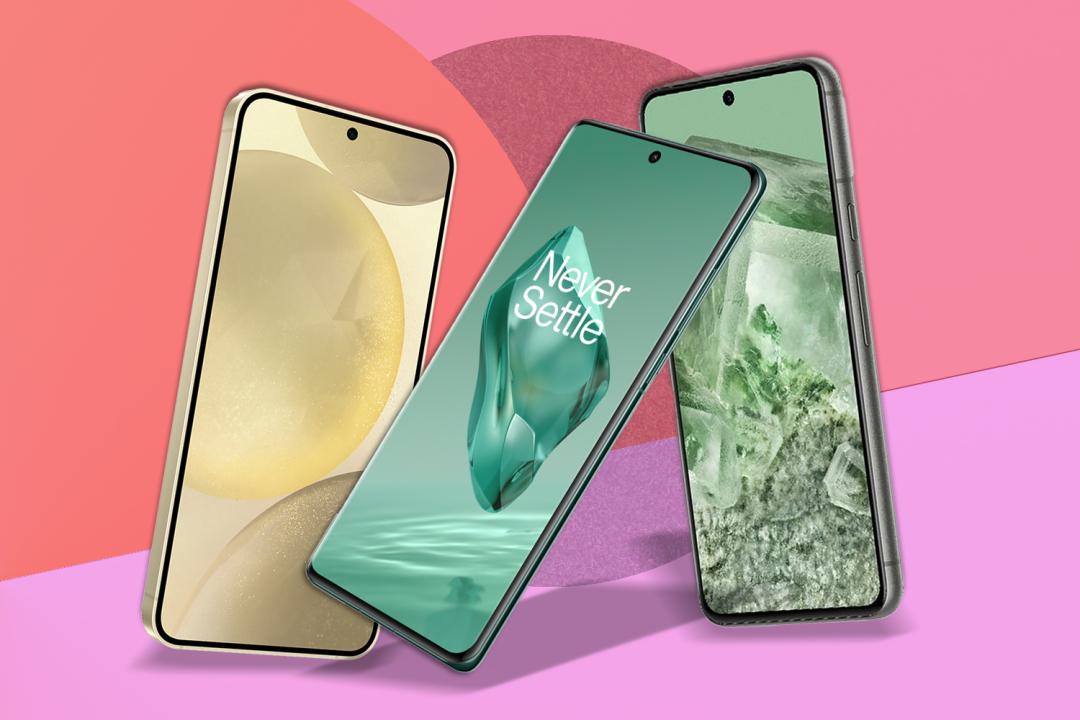
2026 is set to be a banner year for exciting and innovative new smartphones. From flagship powerhouses like the next-gen iPhone to fresh foldables, clamshells, cameraphones and affordable models, there will soon be something shiny out there to tempt you into upgrading your ageing handset.
Below we’ve listed the most anticipated upcoming phones due over the next twelve months, from whispered rumours to confirmed reveals. Whether you’re excited for the latest Samsung Galaxy or want to know which Chinese brand will have the biggest battery this year, there’s guaranteed to be something here for you. Hardware specs, camera capabilities and software smarts are all covered, while the summary of every major smartphone announcement from recent months (with links to our review of the biggest hitters) further down the page adds some much-needed context.
Only care about phones you can buy right now? Read our guide to the best smartphones on sale today.
Why you can trust Stuff: Our team of experts rigorously test each product and provide honest, unbiased reviews to help you make informed decisions. For more details, read how we test and rate products.
Quick list: what are the most exciting upcoming phones?
Samsung Galaxy Z Fold 8: Samsung’s next book-style foldable will reportedly come in two flavours. The regular Z Fold 8 will be shorter yet wider, with a slightly cut down camera duo making it a little easier on the wallet. It’ll be joined by the Z Fold 8 Ultra, an evolution of the current Z Fold 7.
Samsung Galaxy Z Flip 8: Samsung’s more mainstream foldable will keep the clamshell design and (hopefully) improve its battery life to keep pace with rivals
Google Pixel 11 series: The (deep breath) Pixel 11, Pixel 11 Pro, Pixel 11 Pro XL and Pixel 11 Pro Fold will debut new Tensor chips and probably focus even more on Gemini AI smarts. Google’s long-running lead with camera algorithms will hopefully help it compete with rivals that have gone all-in on higher-grade photography hardware this current phone generation.
Apple iPhone 18 series: Expect the iPhone 18, iPhone 18 Plus, iPhone 18 Pro and iPhone 18 Pro Max to appear in September, with Apple’s usual slew of small yet refined generational updates.
Apple iPhone Fold: It’s been long rumoured, but 2026 could finally be the year Apple enters the foldable arena for the first time
OnePlus 16: Widely expected to appear alongside Qualcomm’s new Snapdragon CPUs in September, but possibly only for Asian territories
Honor Robot Phone: Flagship phone meets gimbal-stabilised action camera, with a double dose of AI thrown in for good measure. There’s nothing else like it – but Honor has been coy about a launch date.
All the best upcoming phones we’re expecting soon
Samsung Galaxy Z Fold 8 / Z Flip 8


| Expected launch date | July 2026 |
| Rumoured hardware | Snapdragon 8 Elite Gen 5 for Galaxy |
| Why it’s exciting | The Western world’s most popular foldable phones, only better |
With all the attention still very much on the Galaxy S26 series, little is known for sure about Samsung’s next book-style and clamshell foldables. They’re almost certainly on the way, though, and could debut in July or August 2026. A slightly later reveal would track with the S26’s February debut.
The Z Fold 7 was comfortably Samsung’s best foldable phone effort yet, going super slim but keeping plenty of power and an impressive set of cameras. The hope is that the firm will boost battery life and step up on photography even further for 2026, though that may be wishful thinking while it remains coy on silicon-carbon technology.
Samsung Galaxy Z Fold 8 wide
| Expected launch date | July 2026 |
| Rumoured hardware | A wider book-style folding display |
| Why it’s exciting | Samsung’s first wider folding phone after years of skinny slabs – just in time to rival Apple |
The biggest rumour swirling around Samsung’s new releases is the possibility of two book-style models; a regular one and a wider version, built to take on the impending foldable iPhone. It’s unclear if other hardware will change, but the larger case could make room for higher quality cameras or a bigger battery.
Google Pixel 11 series
| Expected launch date | August 2026 |
| Rumoured hardware | Google Tensor G6 |
| Why it’s exciting | New hardware purpose-built to take advantage of Android’s latest Gemini upgrades |
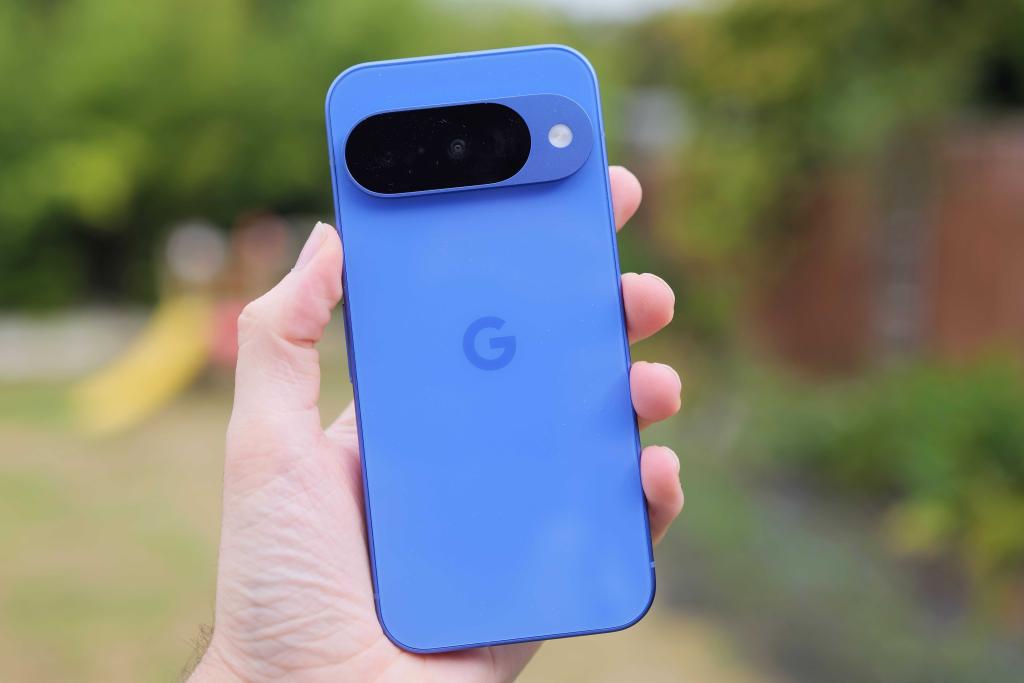
Google’s mainline Pixel models tend to land in August, well ahead of Apple’s usual September time slot. That’s expected to stay the same in 2026, with the Pixel 11 series. A regular Pixel 11, two flavours of Pixel 11 Pro, and a Pixel 11 Pro Fold are all expected.
A new generation of Tensor silicon seems very likely, as does the latest version of Android, but everything else about the phones is unknown right now. Bigger batteries and new camera hardware would be high on my personal wish list: while Google does great things with image processing algorithms, its sensors are beginning to be left behind by rivals, and silicon-carbon chemistry has redefined what we’ve come to expect from smartphone battery life.
Apple iPhone 18 series

| Expected launch date | September 2026 |
| Rumoured hardware | Apple A20 CPUs |
| Why it’s exciting | The Western world’s favourite phones, updated for a new generation |
It’s a given September 2026 will see new iPhones introduced. The iPhone 17 Pro and Pro Max are surely going to look very similar to the current generation, seeing as Apple tends to stick with its designs for several years and the iPhone 17 generation only just debuted the full-width camera ‘plateau’.
Nothing will be made official until launch day, as is Apple tradition, but current rumours suggest the firm is working on under-display Face ID tech to do away with the Dynamic Island cutout. There’s a chance this’ll get bumped to 2027, though. The other mystery is whether there’ll be an iPhone Air 2 – sales have reportedly fallen short of the firm’s expectations, so it could decide to take a break from thin phones instead.
Apple iPhone Fold
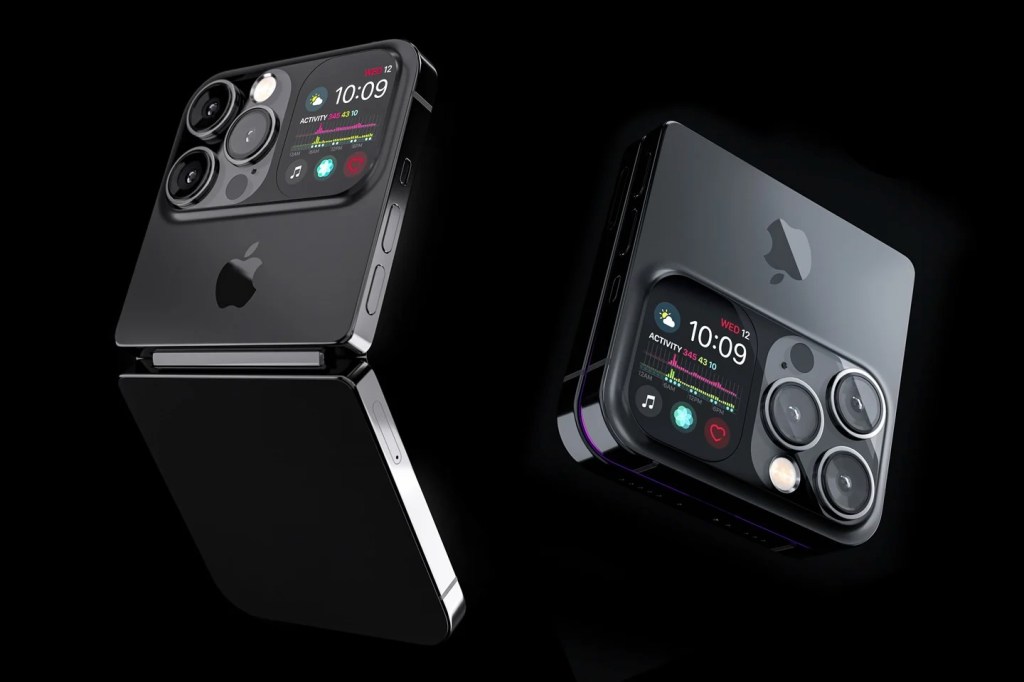
| Expected launch date | September 2026 |
| Rumoured hardware | Apple A20 CPU |
| Why it’s exciting | It’ll be our first look at what Apple thinks a foldable phone should be |
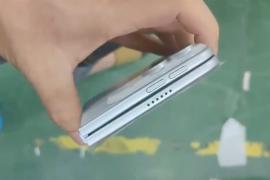
It’s basically public knowledge Apple is developing a foldable phone. Rumours have been doing the rounds for years at this point, and flexible screen suppliers have seemingly been confirmed. But there are still more questions than answers, including what style of foldable it could be. Early concepts (like the one above) imagined a clamshell-style phone, but the most likely scenario is we get a book-style iPhone Fold in 2026 – or later, depending on whether Apple can reduce the screen crease to a level its design team is happy with.
OnePlus 16
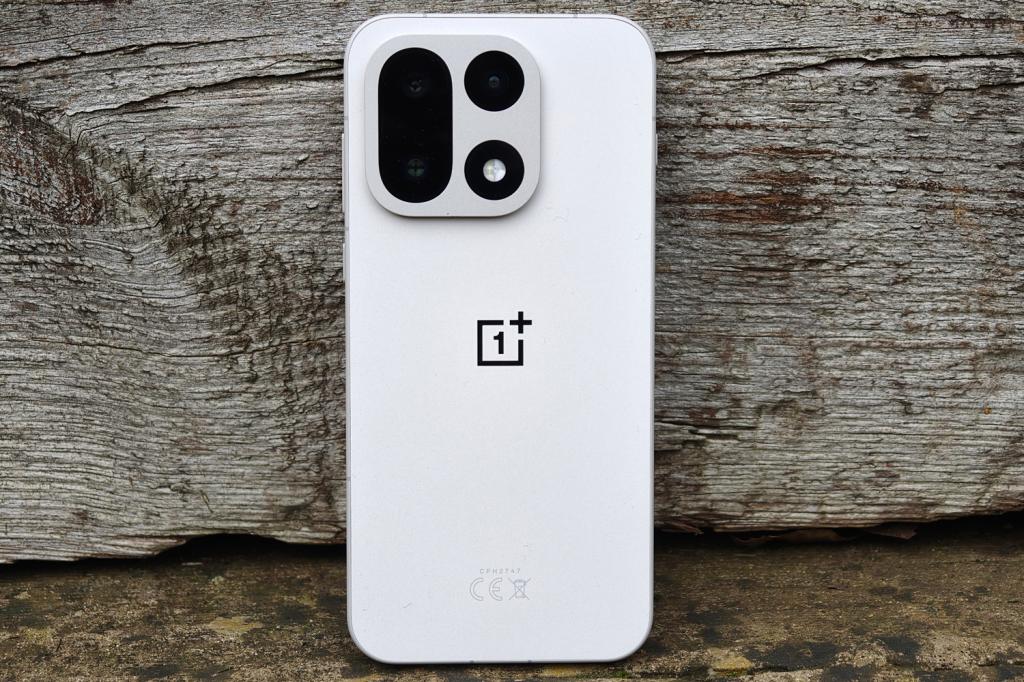
| Expected launch date | October 2026 |
| Rumoured hardware | Snapdragon 8 Elite Gen 6 |
| Why it’s exciting | It’ll be one of the first phones with Qualcomm’s next-gen chipset – but may not get a global launch |
The skinniest bezels ever seen in a OnePlus phone are the latest rumour surrounding the firm’s upcoming flagship, but the big question is whether the OnePlus 16 will actually see a launch at all in the US and Europe. OnePlus has massively dialled back its operations in those territories and stablemate Oppo seems to be moving into its place. Still, the upcoming phone will surely look to keep its flagship killer status in China and Asia, with a new Snapdragon CPU and powerful rear camera trio.
Honor Robot Phone
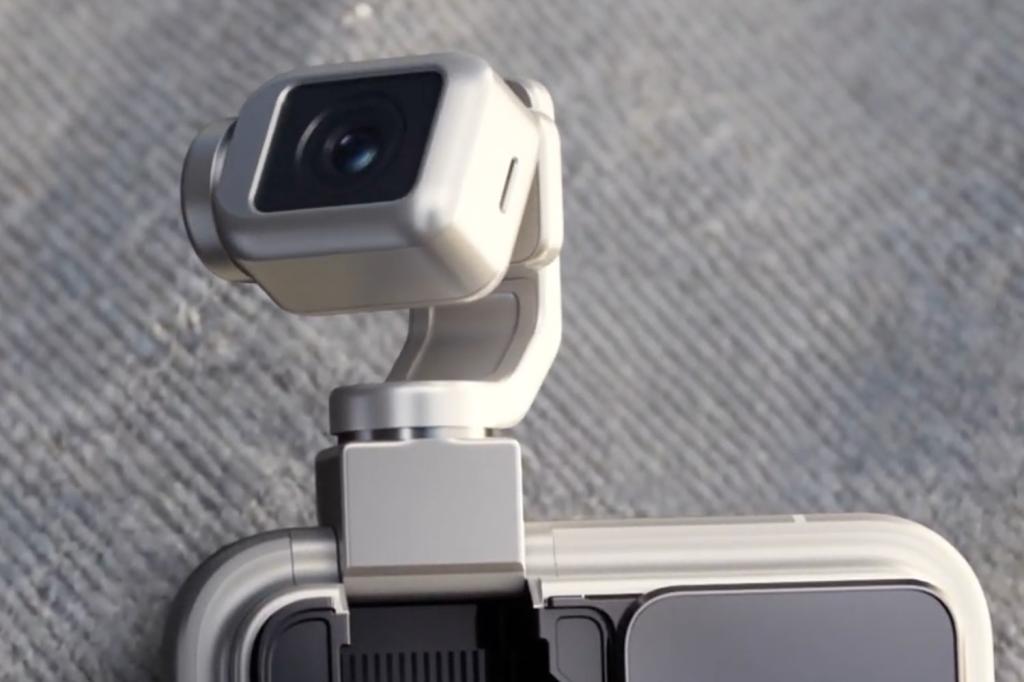
| Expected launch date | H2 2026 |
| Rumoured hardware | 200MP main camera |
| Why it’s exciting | World-first phone with integrated gimbal camera |
One part gimbal-stabilised action camera, one part face-tracking AI assistant, Honor’s concept phone-made-real got a second outing at Mobile World Congress. The currently unnamed Robot phone promises big things on the photography front, with a pop-out 200MP lens module that unfolds electronically from the handset. Automated 90- and 180-degree spinshots and the most advanced video image stabilisation of any smartphone are promised, as is are recording modes approved by cinema camera expert Arri. It could be one of the more unique phones released in 2026.
Latest smartphone releases
Honor Magic V6
Still super skinny, still packing a very capable rear camera trio, but now with an even bigger battery. The Magic V6 is as slick as skinny book-style handsets get, with much improved multitasking abilities helping to make it a productivity powerhouse. It’s expensive though (or it will be once Honor’s launch day discounts expire) and the combined might of Samsung and Apple is about to make the case for a wider foldable.
Motorola Razr Fold
Moto’s first book-style foldable effort isn’t the skinniest out there, but its sizeable screens both play nicely with a capacitive stylus; that’s great news for creative types. A big battery, three capable cameras and a pared-back version of Android that’s still multitasking-friendly make it a genuine alternative to the Samsung and Google duopoly in the USA.
Motorola Razr 70 Ultra
A refined take on Motorola’s winning flip-style formula, but an expensive one. The overall design is largely unchanged from last year, just with new Pantone-approved colours and a mix of textures like wood grain and Alcantara. A new main camera with LOFIC sensor tech is the big new addition, while battery capacity and charging speeds continue to leave Samsung in the shade.
Samsung Galaxy A57
Another annual update that feels more than a little phoned in, the Galaxy A57 adds improved water resistance and gains a mildly faster Exynos chipset, but otherwise retreads the path its predecessor took a year ago – while also demanding more cash. It’ll keep budget-minded Samsung fans happy, but everyone else will want to check out the competition.
Poco X8 Pro and X8 Pro Max
Proof that the Chinese phone brands now lead the way on battery capacity, the X8 Pro Max finds room inside for a colossal 8500mAh cell and comfortably lasts two days per charge. The smaller X8 Pro still includes a 6500mAh battery, besting pricier rivals from Samsung, Google and Apple.
Nothing Phone 4a Pro
This all-metal mid-ranger stands out with its signature Nothing features like the Glyph Matrix – customisable LEDs that sit alongside three rather capable rear cameras. The firm’s minimalist take on Android is a delight to use and there’s no shortage of CPU muscle for the money.
Nothing Phone 4a
A new take on Nothing’s Glyph lights keeps the Phone 4a feeling fresh, while underneath it’s largely a tried-and-tested take on the affordable phone formula. It takes a decent photo, lasts all day between charges, and isn’t short on CPU oomph. Plus it looks undeniably distinctive, and NothingOS is one of the nicest versions of Android around. There’s little else out there as well-rounded for so little money.
Google Pixel 10a
Another year, another affordable Pixel – only this one isn’t all that far removed from the last-gen effort. Google has revised the styling so subtly you’d struggle to notice it, and stuck with pretty much the same internals. There’s little here for Pixel 9a owners but anyone after a sensibly priced Android will like its cameras.
Xiaomi 17 Ultra
With a 1in lead camera backed up by a 200MP telephoto and choice of two Photography Kit accessories, Xiaomi’s latest Ultra-badged flagship is a photography powerhouse that’s comfortably in the running for my cameraphone of the year nomination. There’s also a Leica-badged version called the Leitzphone, complete with rotating camera ring that can control things like aperture and zoom.
Xiaomi 17
Leica-grade optics and a big battery set the Xiaomi 17 apart from compact rivals from Samsung, Google and Apple. It’s a performance beast courtesy of a Snapdragon 8 Elite Gen 5 chipset, has a gorgeous display, and can manage two days between charges. It’s my first pick for a small yet mighty smartphone.
Samsung Galaxy S26 Ultra
A shoulder snooper’s worst nightmare. The Galaxy S26 Ultra marks the debut of Samsung’s Privacy Display, a hardware toggle that can cut viewing angles and keep your secrets hidden from view. It also brings faster wired charging speeds, a Snapdragon 8 Elite Gen 5 For Galaxy chipset with oodles of power, and a refined set of rear cameras. It’ll surely become one of 2026’s best-selling Android flagships, though I’m disappointed that battery capacity remains unchanged.
Samsung Galaxy S26 and S26+
This pair of all-rounder Androids aren’t the most exciting of annual updates, with a new home-grown Exynos 2600 chipset being the biggest new addition. The smaller handset does get a bigger battery, but one that still pales in comparison to the silicon-carbon competition. Samsung’s brand appeal will surely see them in good stead against rivals with higher-end hardware, though I’d rather put my money elsewhere.
Honor Magic8 Pro
Honor’s latest flagship is more an evolution of its predecessor than a ground-up rewrite, with similar styling and a largely unchanged trio of rear snappers led by a 200MP periscope zoom. Power now comes from a Snapdragon 8 Elite Gen 5 chipset, and battery capacity has taken a welcome step up – though the global variant doesn’t get quite as much of a boost as the Chinese model. A four figure RRP at launch and some image processing inconsistencies make it a heart over head purchase, though regular discounts make it easier for me to recommend.
OnePlus 15
The 2026 Android benchmark has been set. Not only does the OnePlus 15 have Qualcomm’s latest Snapdragon 8 Elite Gen 5 silicon providing more than most people will know what to do with, it’s also packing a giant battery that makes it a true two-day phone. A gorgeous screen, unique Sand Storm finish and streamlined looks make it stand out, while the rear lens trio comfortably keeps pace with the competition. It’s a fantastic all-rounder at a very reasonable price, and my first choice for anyone looking for a new phone right now.
Oppo Find X9 Pro
Don’t dismiss the Find X9 Pro as ‘just’ a OnePlus 15 but with more of an emphasis on photography. Oppo’s alternative has an even bigger battery and its MediaTek Dimensity 9500 chipset is more efficient, making it an absolute battery champion. Its 200MP zoom lens is among the best around, and that’s before you bolt the optional Hasselblad lens extender accessory on for 10x optical magnification. If you care strongly about good phone photography it would be my top choice.
Apple iPhone Air
The thinness war has truly escalated now. Apple’s ultra-slim iPhone Air (note no ’17’ in the title there) is just 5.6mm at its narrowest point, yet is also unbelievably strong, with a Ceramic Shield on the rear that can shrug off scratches. Power comes from the same A19 Pro chip as this year’s Pro iPhones, and battery life is slated to last all day. Screen size is an in-betweener 6.5in, and it only comes with a single 48MP rear camera that on paper sounds very similar to the one found on the more affordable iPhone 16e. I’m sure it will find fans, but it’s not for everyone.
Apple iPhone 17
The iPhone 17 may be similar to the iPhone 16, but it’s larger. The display is up to 6.3 inches, matching this year’s Pro, and there’s no bigger Plus version anymore. Apple’s ProMotion has finally trickled down from the Pro models, so you’re getting 120Hz refresh rates for smoother scrolling and video playback. The Always-On Display also belatedly makes its way to the base-level model. An Apple A19 chipset, 256GB base storage, twin 48MP rear snappers and an all-day battery make it all the iPhone most people could need. If you’re an Apple fan, this would be my first choice phone.
Apple iPhone 17 Pro and 17 Pro Max
That huge camera bar across the back of the iPhone 17 Pro and Pro Max? Apple calls it a ‘plateau’. Subtle it is not, but it does contain some serious camera upgrades. You now get three 48MP snappers, with the Tetraprism Telephoto lens providing 4x optical zoom and 8x magnification that’s essentially lossless. The frame is aluminum now, rather than titanium, and Cosmic Orange might be the bolded Pro iPhone colour ever. Tougher Ceramic Shield 2 glass also comes to the front display (6.3in and 6.9in OLED panels with ProMotion high refresh rates), and an A19 Pro chipset provides the performance muscle. The phone I’d point photography-focused Apple fans toward.
Honor Magic V5
With a top-tier Snapdragon chip, high capacity 5820mAh battery, and three of the most capable cameras ever fitted to a book-style foldable, the Magic V5 was off to a great start when it debuted in China back in July. There was a much smaller gap to the global rollout versus previous years – no surprise given Samsung’s shock skinny Galaxy Z Fold 7. Officially Honor reclaims the title of ‘world’s thinnest’, and it’s cheaper to boot. I’d definitely suggest trying it out if you want maximum staying power.
Google Pixel 10, Pixel 10 Pro and Pixel 10 Pro XL
Google scored a big win for Android fans everywhere with the Pixel 10 series – it’s the first to finally bring Qi2 magnetic wireless charging to the mainstream. The vanilla Pixel 10 is arguably my pick of the bunch this year, adding a dedicated telephoto lens to an already capable rear camera duo, while all three phones get new Tensor G5 silicon. The XL remains my favourite for anyone that demands maximum battery life, and you get Android 16 across the board, complete with new Gemini smarts.
Samsung Galaxy Z Fold 7
After years of iterative updates, the latest Galaxy Fold is an absolute revelation. Samsung’s – and arguably the world’s – slimmest book-style foldable gets a wider, more usable cover screen and an expansive inner display, backed by a fantastic 200MP main camera that takes wonderfully detailed snaps. Battery life is decent rather than class-leading, but wide global availability and the firm’s familiar, comprehensive software suite makes it the new foldable of choice for the majority – me included.
Samsung Galaxy Z Flip 7
The clamshell part of Samsung’s foldable duo didn’t get quite as radical a transformation this year, but a full-screen cover display and some seriously skinny bezels have helped bring it up to par with rivals on the design front. Performance is merely OK for the cash, courtesy of a home-grown Exynos chipset, and battery life is bang average too. Still, it takes a nice snap and now has DeX on board for a welcome productivity boost. Flip phones aren’t for everyone, but I can easily point fans of the form factor this way.
Nothing Phone 3
Transparent tech might still be top of the British brand’s agenda, but Nothing has retired Glyph lighting in favour of a Glyph matrix for its highest-end phone to date. Phone 3’s funky rear LED ring can flash to alert you of incoming calls and notifications, show useful info like battery life, and even play fun little micro-games. But it also draws attention to a divisive rear camera layout that not everyone will be on board with. Underneath a step-down Snapdragon chip will have others arguing over what ‘flagship’ means, and the $799/£799/€799 asking price puts it up against some big-name rivals. A good job the software and image quality impress, then. I love NothingOS – the widgets alone are enough to earn it my recommendation.
Samsung Galaxy S25 Edge
The new wave of ‘thin’ phones is surely on the way, now that Samsung has unleashed its debut effort. The S25 Edge is a svelte 5.8mm thick and weighs just 163g – impressive figures given it has a huge 6.7in screen, and a powerful snapdragon 8 Elite chipset underneath. Samsung had to compromise somewhere, so you get two rear cameras instead of three – but the lead is a 200MP unit capable of clean and colourful snaps. The battery is the biggest weak point, struggling to last all day on a single charge. But if you value slimness, I’m sure you’ll appreciate what’s on offer here.
Apple iPhone 16e
After three generations of SE, Apple has taken its most affordable phone more upmarket – and made it a little less affordable in the process. The 16e gets impressively close to the regular iPhone 16, with a 6.1in OLED screen, A18 chip and 48MP rear camera. It sticks with a notch instead of dynamic island, and doesn’t support Magsafe accessories, but you’re otherwise getting the full iOS experience, including Apple Intelligence.
Frequently asked questions
The latest tech is usually the greatest, so buying new guarantees you’re getting the fastest processors, biggest batteries and most capable cameras. But you’ll also pay a premium for them. Sticking with the current generation can save you quite a lot of cash, especially if you wait until a successor is imminent.
Depending on the brand, you might find there’s very little difference between old and new. The Samsung Galaxy S25 series, for instance, only really gained a new CPU and some mild design tweaks – the other changes were all on the software side. And when that software will eventually get ported to older handsets, the $100s/£100s you’d save by buying a Galaxy S24 could be significant.
Brands like Xiaomi, Oppo and Honor were quick to jump on new silicon-carbon battery chemistry, letting them massively increase capacity compared to the lithium-ion batteries found in Apple, Google and Samsung’s phones. Until rivals catch up, Chinese handsets will be the gold standard for battery life.
There are two schools of thought when it comes to phone photography: that the best hardware delivers the best results, and that software algorithms are what really makes the difference. Chinese firms tend to focus on having the best sensors, while Western ones prefer to iterate their image processing. Really it’s a bit of both.
Unless you started saving for your current phone’s replacement as soon as you got it out of the box, the best way to lower the cost of entry is to trade it in – either directly with the manufacturer, or a third-party store or website. Most brands step up their trade-in offers around new launches as an incentive to get you to upgrade sooner than you otherwise might. These can make it cheaper than shopping at a third-party retailer, even after discounts and contract offers kick in.
No trade-in offers available? There are plenty of websites and high street stores that will buy your phone from you (as well as your other tech). Then there are online marketplaces like eBay; you may get more money for your items here, but creating a listing takes more effort.
Keeping the original packaging, ensuring the phone is damage-free, and supplying all the bundled accessories are the best ways to ensure you’re getting the most money back when selling.
How we test smartphones
We’ve tested every phone on this list ourselves, so you can trust our picks. We treat each handset like a daily driver – not a staged demo – and that makes a big difference to the recommendations we give.
Typically, we spend a week or more with each phone, using it for calls, streaming, navigation, photos, messaging and gaming. That hands-on time lets us spot real-world strengths and quirks that a quick bench test would miss. We stress-test performance by multitasking and running demanding games like Genshin Impact or Call of Duty: Mobile, check battery life across different usage patterns, and time how long each device actually takes to charge from 0 to 100%.
Displays get judged for brightness, colour accuracy and outdoor readability, but also for how they handle different media. We watch HDR shows on Netflix, scroll through Instagram’s bright feeds, stream YouTube videos in varying resolutions and browse photos to see how punchy – or natural – colours look. We also note how smooth adaptive refresh rates feel when scrolling or gaming, and whether viewing angles hold up under harsh light.
Camera testing includes daylight, low-light and video scenarios – everything from shooting portraits in busy city streets to night scenes and 4K stabilised clips – to see how lenses, autofocus and image processing behave. We also pay attention to build quality (does it scratch easily?), speaker performance when playing music or YouTube, and any software oddities, like app crashes or slow animations. We look at how clean the interface feels, whether there’s bloatware, and how strong the manufacturer’s update promise really is.
Our reviews cover the essentials separately – battery, screen, camera, performance and everyday usability – so you get a clear picture of what owning the phone will be like, not just what its spec sheet says. The goal is simple: help you buy a phone that actually fits your life.
For more information on Stuff’s rating and review process, read our page on how we test products.
Recent updates
- 23rd June 2026: OnePlus 16 added. Motorola Razr 70 Ultra, Razr Fold moved to latest smartphone releases
- 14th April 2026: Samsung Galaxy A57, Nothing Phone 4a/4a Pro, Google Pixel 10a, Poco X8 Pro/X8 Pro Max moved to latest smartphone releases
- 5th March 2026: Added an FAQ section
- 2nd March 2026: Xiaomi 17/17 Ultra, Samsung Galaxy S26 moved to latest smartphone releases
- 6th February 2026: Honor Magic V6, Oppo Find N6, Motorola Razr 70 added.
- 20th January 2026: Motorola Razr Fold, Xiaomi 17 Ultra added. Galaxy S26 updated with latest rumours
- 12th December 2025: Unnamed Motorola foldable added, Samsung Galaxy TriFold confirmed details
- 8th October 2025: Honor Magic 8 added, Xiaomi 17 officially revealed for China


 Tom Morgan-Freelander
Deputy Editor
Tom Morgan-Freelander
Deputy Editor