The Galaxy S26 Ultra underwhelmed me – but I’d still buy it for this one feature
Samsung's AI obsession continues, but at least Privacy Display is cool

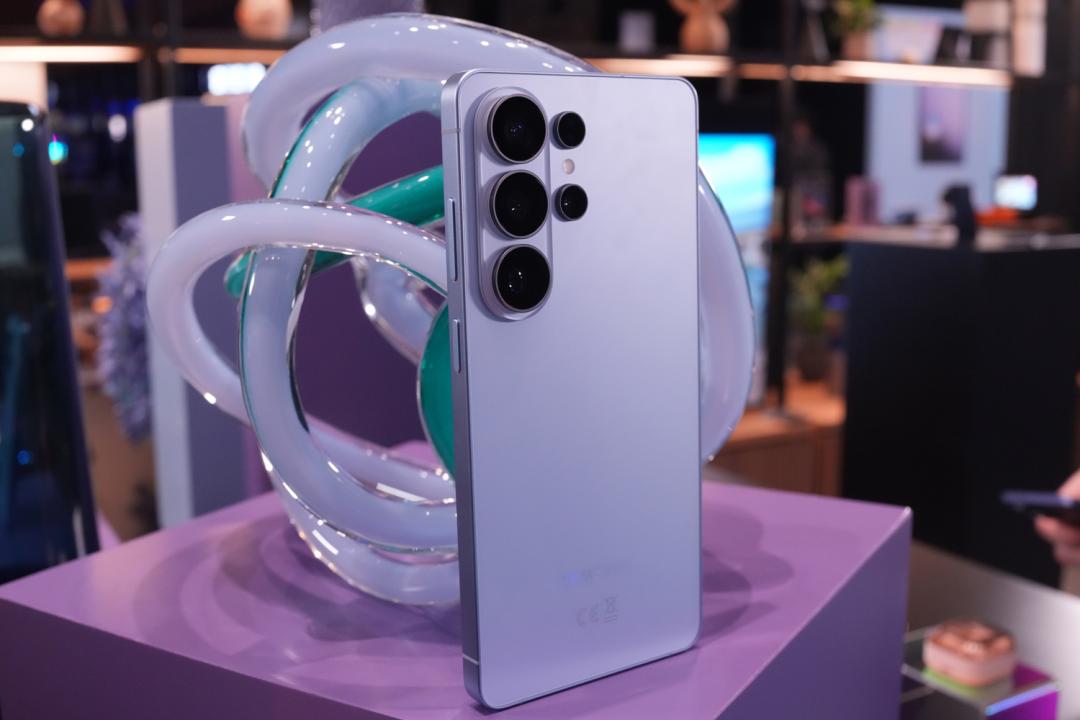
Samsung’s big play for the 2026 best smartphone crown is now official. The Galaxy S26 Ultra was revealed at the firm’s latest Unpacked event alongside two new baby brothers, and brought some world-first display tech along for the ride. After trying one out ahead of time, Privacy Display is already looking like the killer feature other brands will be clamouring to copy… er, I mean take inspiration from.
The S26 Ultra will also be rocking a custom-tuned version of Qualcomm’s Snapdragon 8 Elite Gen 5 chipset when it hits stores on March 11, along with a refined set of rear cameras and the promise of rapid wired charging speeds. Let’s not forget the generous dollop of Galaxy AI, either.
Hardware snobs might be disappointed to hear Samsung hasn’t made any gains on battery capacity, however, and prices have increased – if only slightly – from the outgoing Galaxy S25 Ultra. The big question is whether Samsung’s established audience will care enough to shop elsewhere, or will be happy enough with more iterative evolution.
How we test smartphones
Every phone reviewed on Stuff is used as our main device throughout the testing process. We use industry standard benchmarks and tests, as well as our own years of experience, to judge general performance, battery life, display, sound and camera image quality. Manufacturers have no visibility on reviews before they appear online, and we never accept payment to feature products.
Find out more about how we test and rate products.
Styling sees subtle refinement
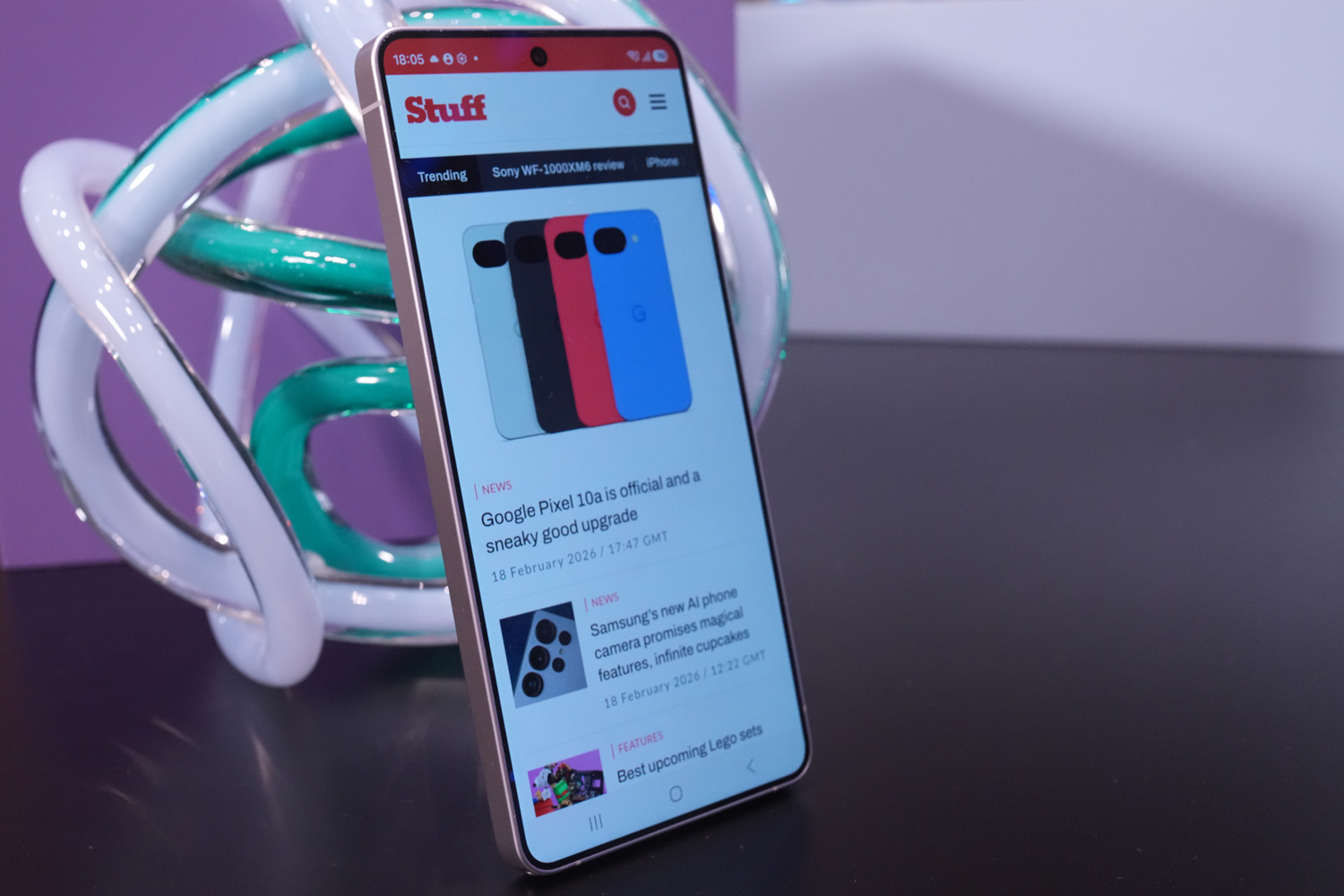
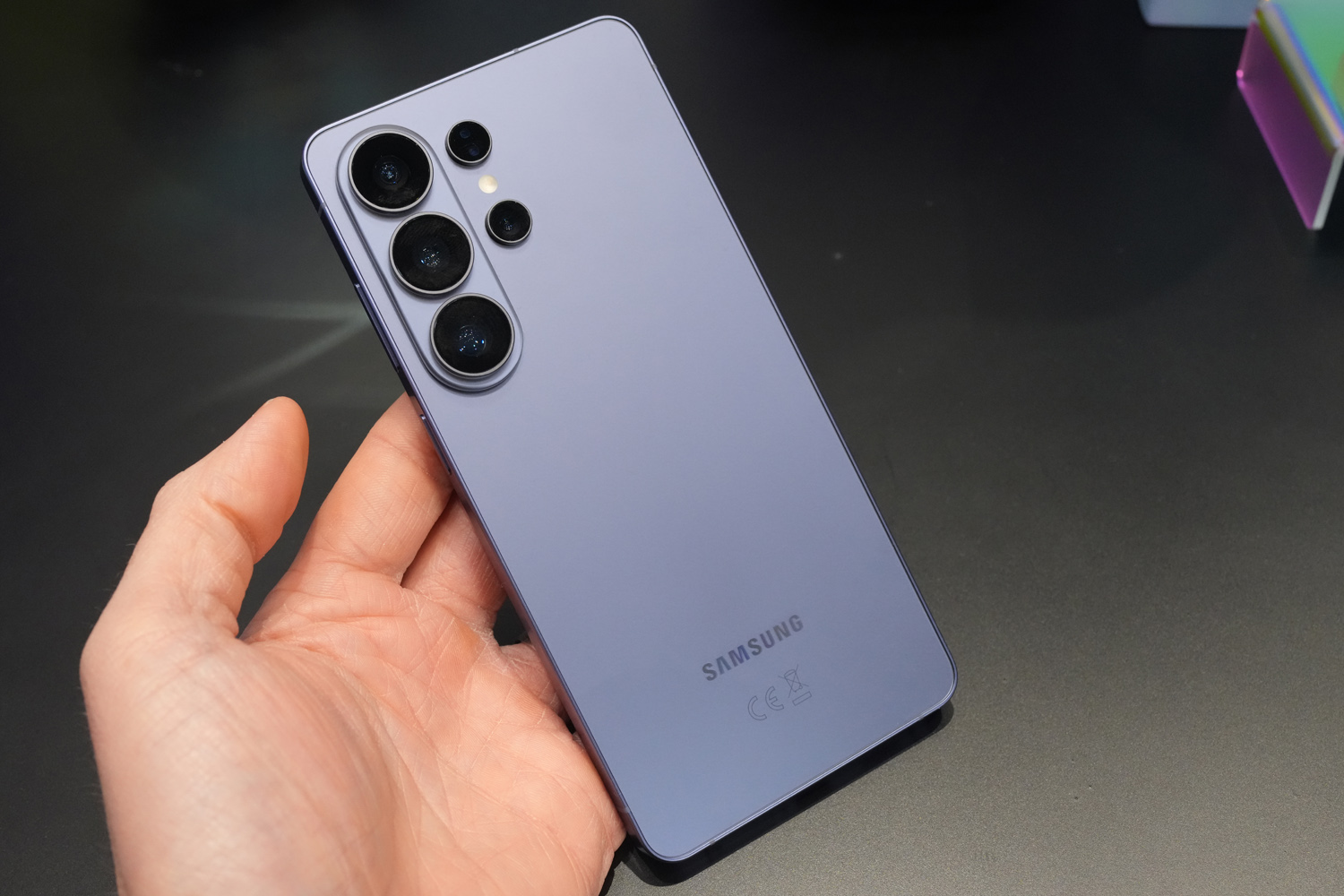
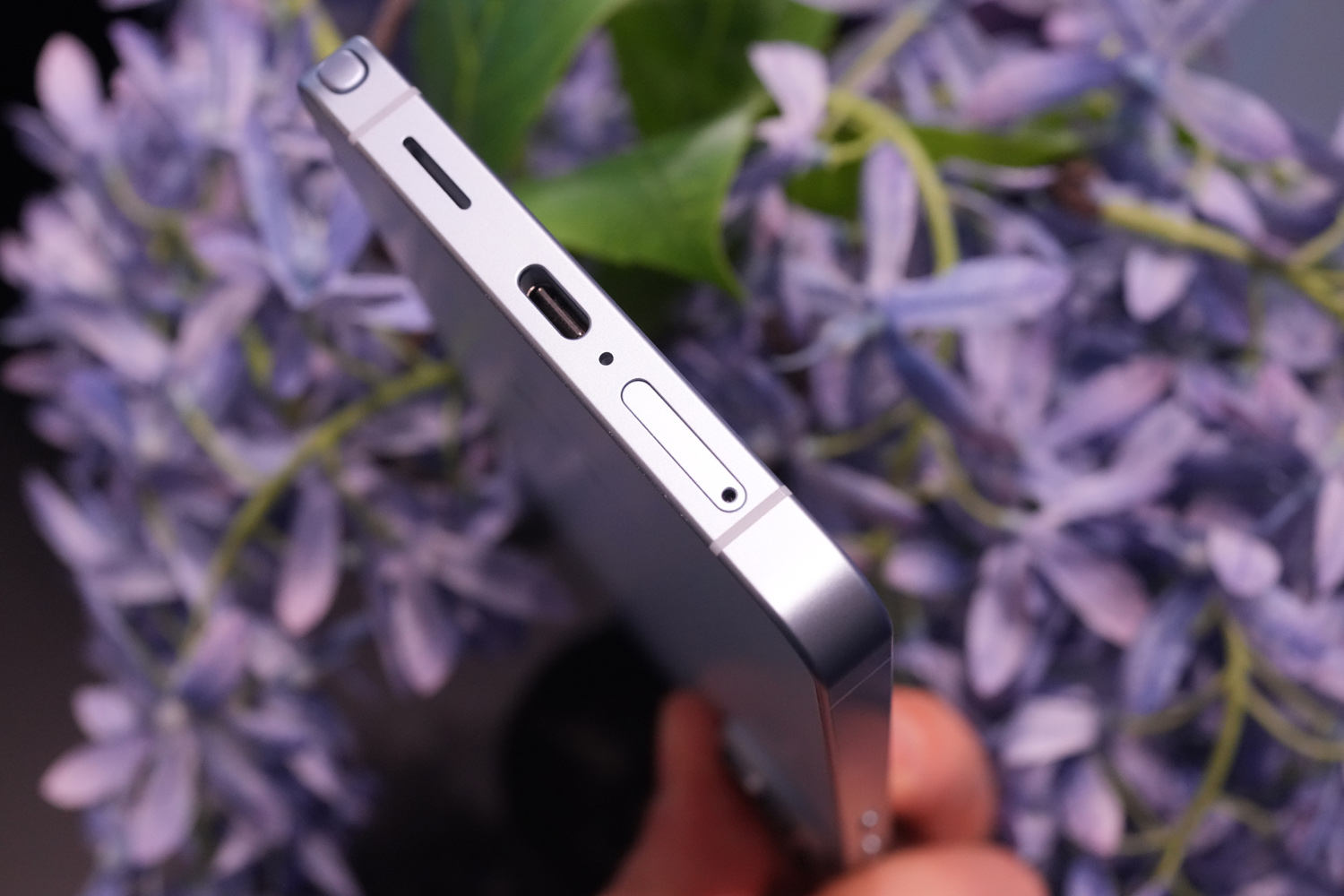
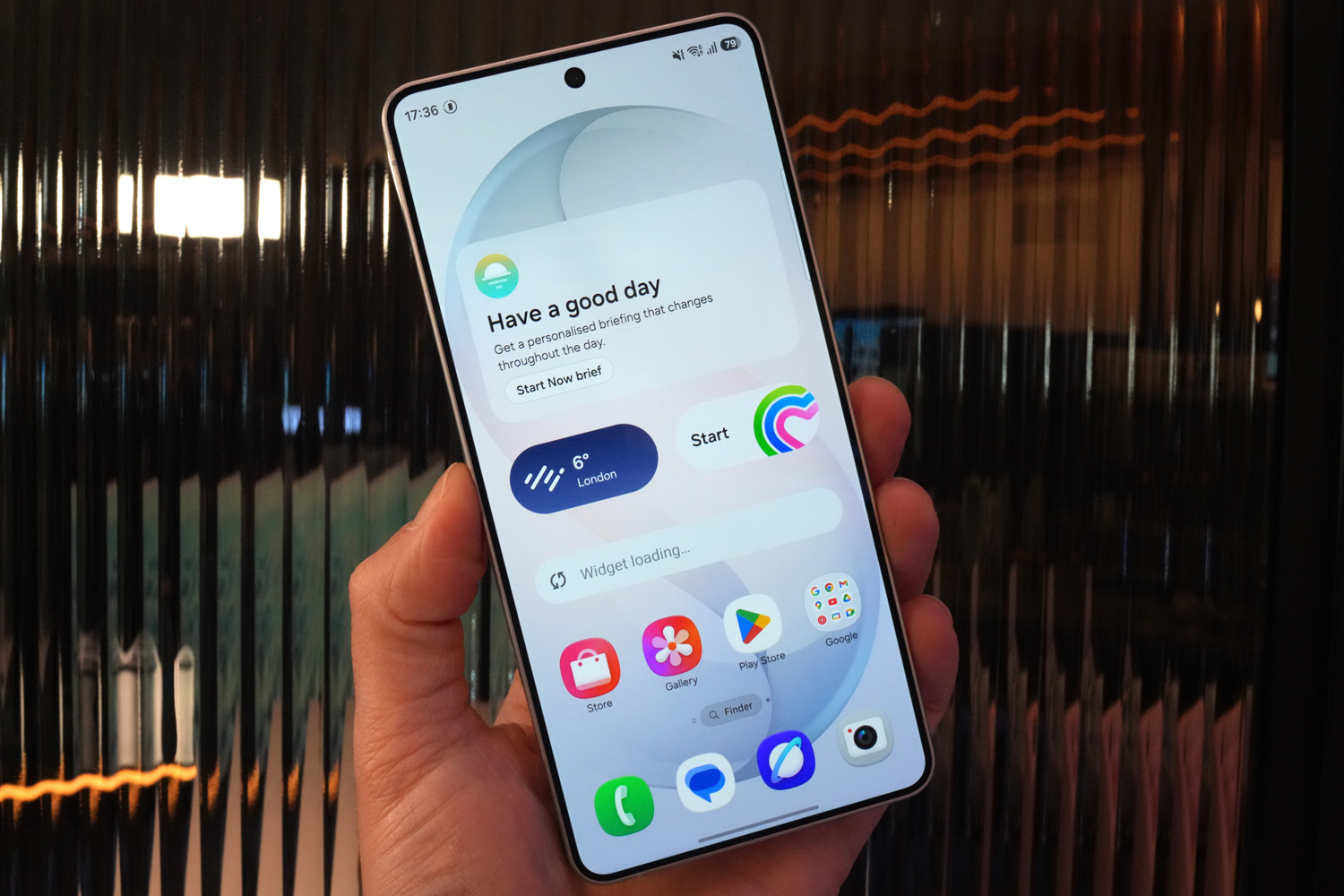
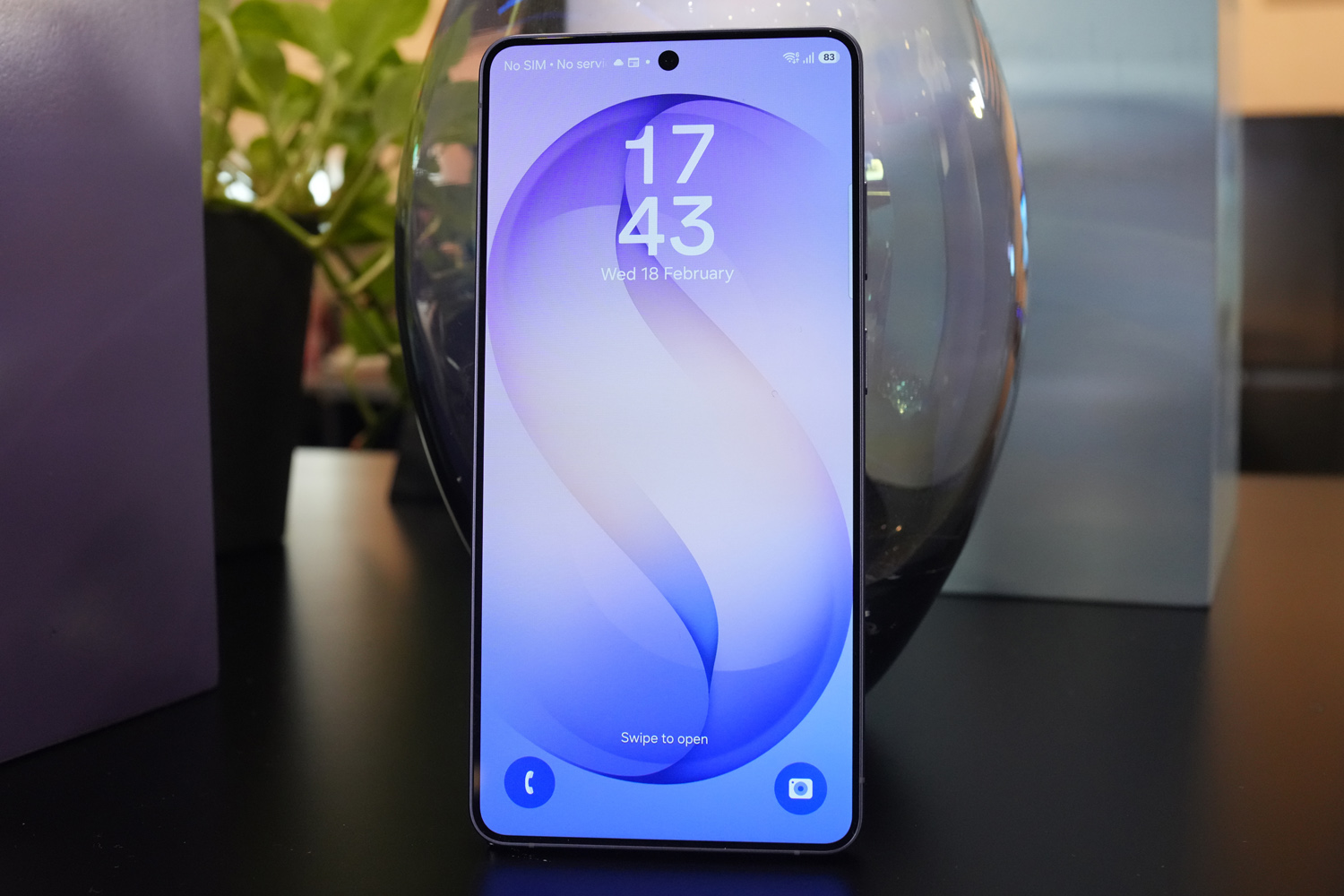
The S26 is Samsung’s thinnest and lightest Ultra ever, measuring just 7.9mm at its thinnest point and tipping the scales at 214g – thanks in part to it using a new version of the firm’s Armor Aluminium alloy. Just like Apple, it seems titanium is no longer a must for Samsung’s metal mid-frame. It still feels properly premium to the touch, and I like that more recycled materials are being used to build each handset than there were last year.
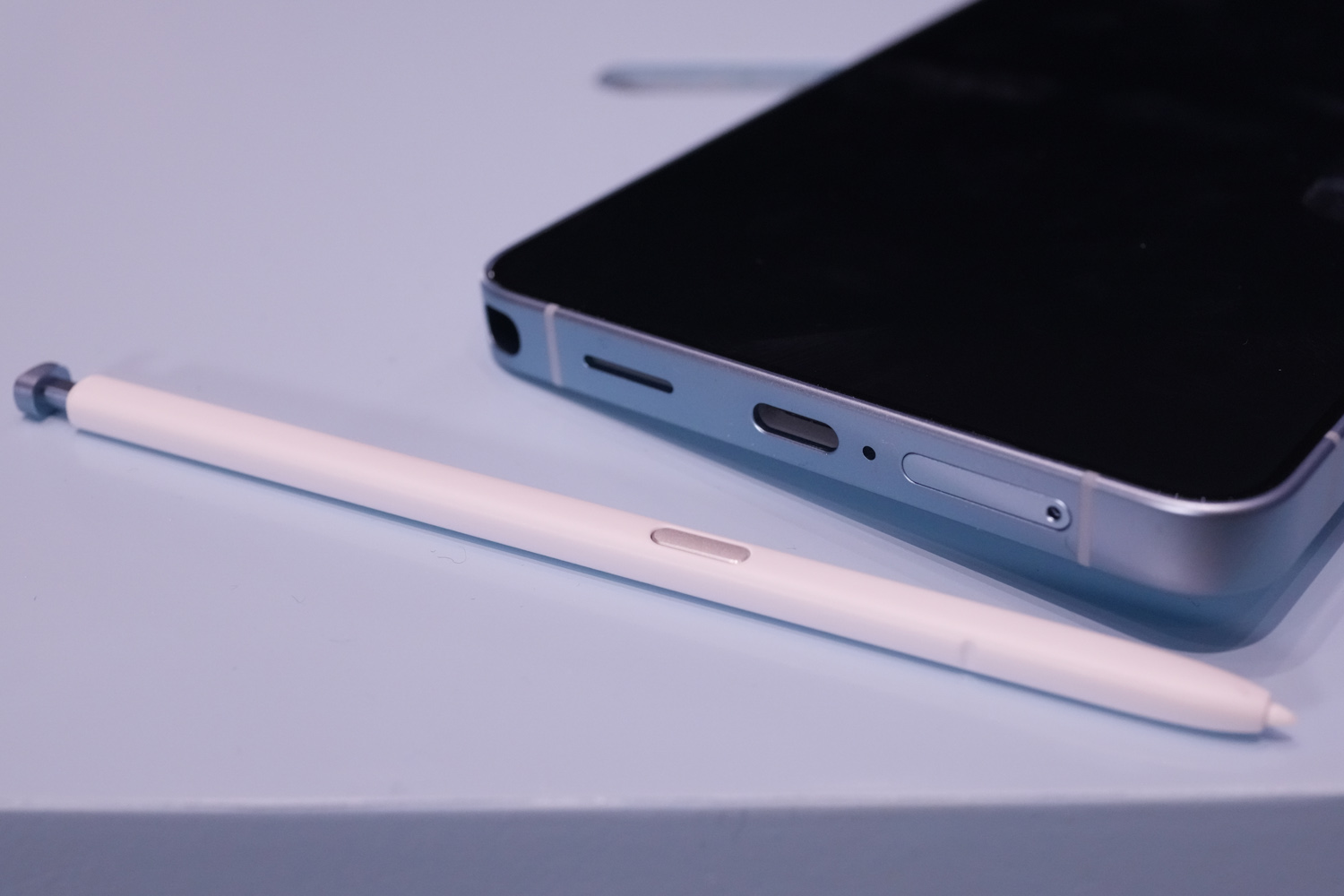
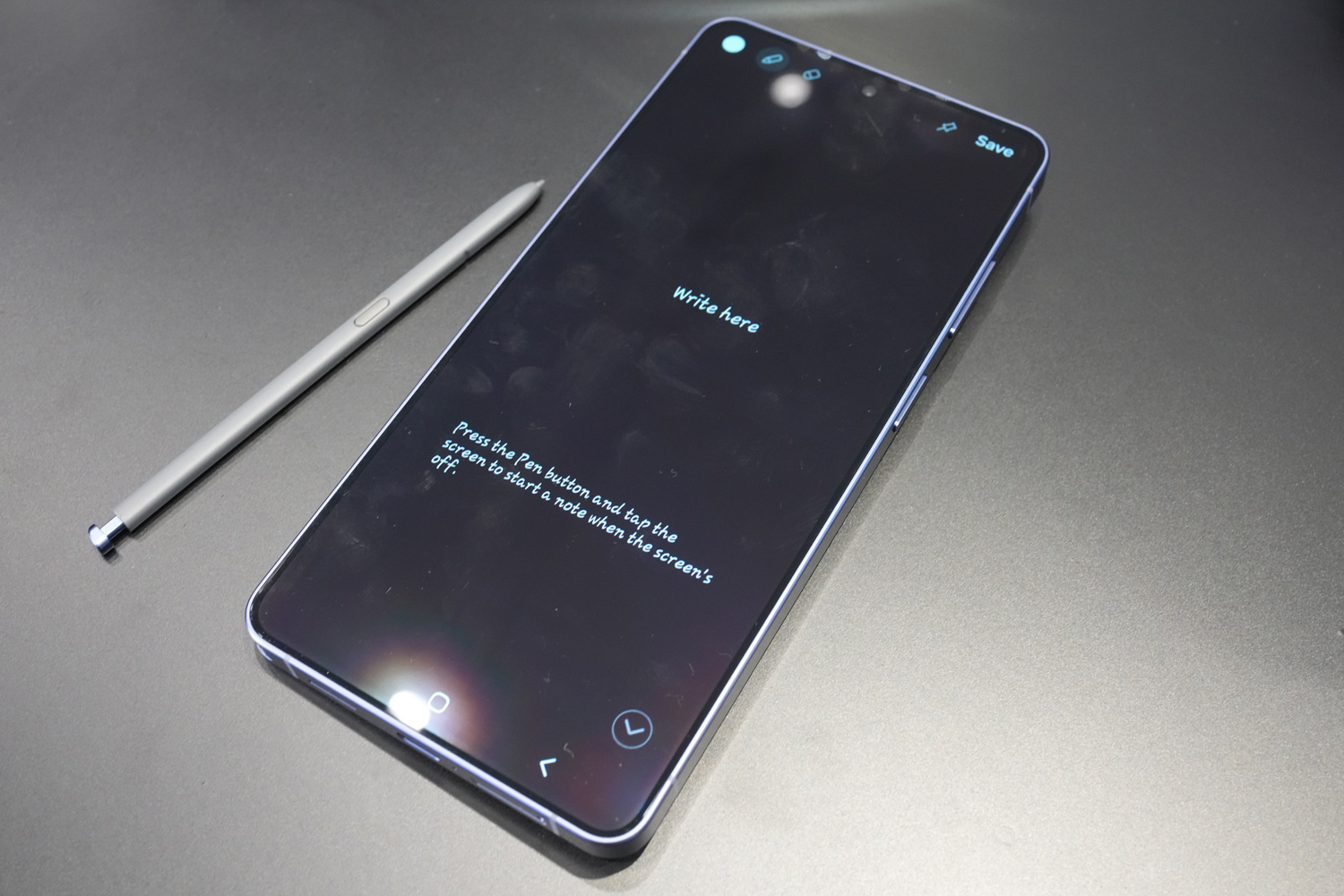
The S Pen stylus happily hasn’t gone anywhere, slotting snugly into the phone’s bottom edge. Fair play to Samsung for avoiding the temptation to add a bunch of AI shortcut keys or Camera Control-like shutter buttons too.
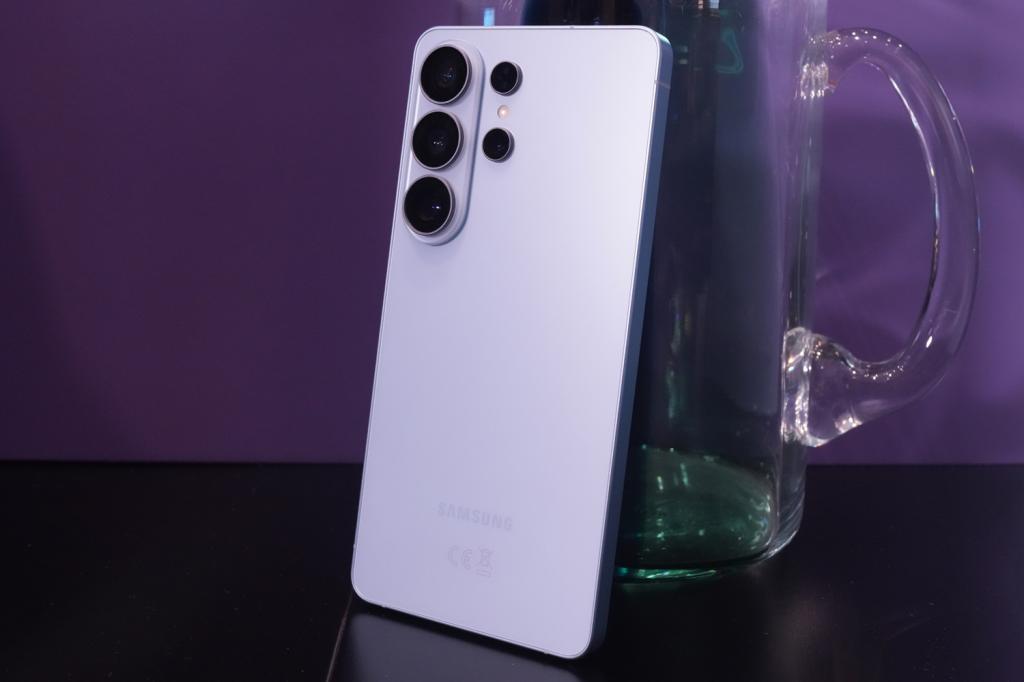
Super-slim screen bezels let this 6.9in slab of a phone fit surprisingly snugly in my grasp, while matte glass on the rear panel proved very resistant to fingerprints. I can’t say I’m blown away by the colour choices, with Black, White, Sky Blue and Cobalt Violet all being a bit muted compared to Apple’s Cosmic Orange; maybe one more adventurous hue would’ve helped.
Ignoring size, you might now struggle to tell the Ultra apart from the regular Galaxy S26 and S26+. As well as sharing the same colour palette, all three have been given the same basic design beats. The more tightly curved corners of older Ultras have been adopted across the board, and all three models get a raised rear camera bump inspired by the Galaxy Z Fold 7. It also follows that phone in ditching the black bezels around the lenses, which I think was the right move. The iPhone 17 Pro’s metal ones just looked more high-end than the S25 Ultra’s vinyl record-like wraparounds.
- Read more: Samsung Galaxy S26 vs S26+ vs S26 Ultra – what’s the difference between this year’s phones?
Cameras with lenses like owl eyes
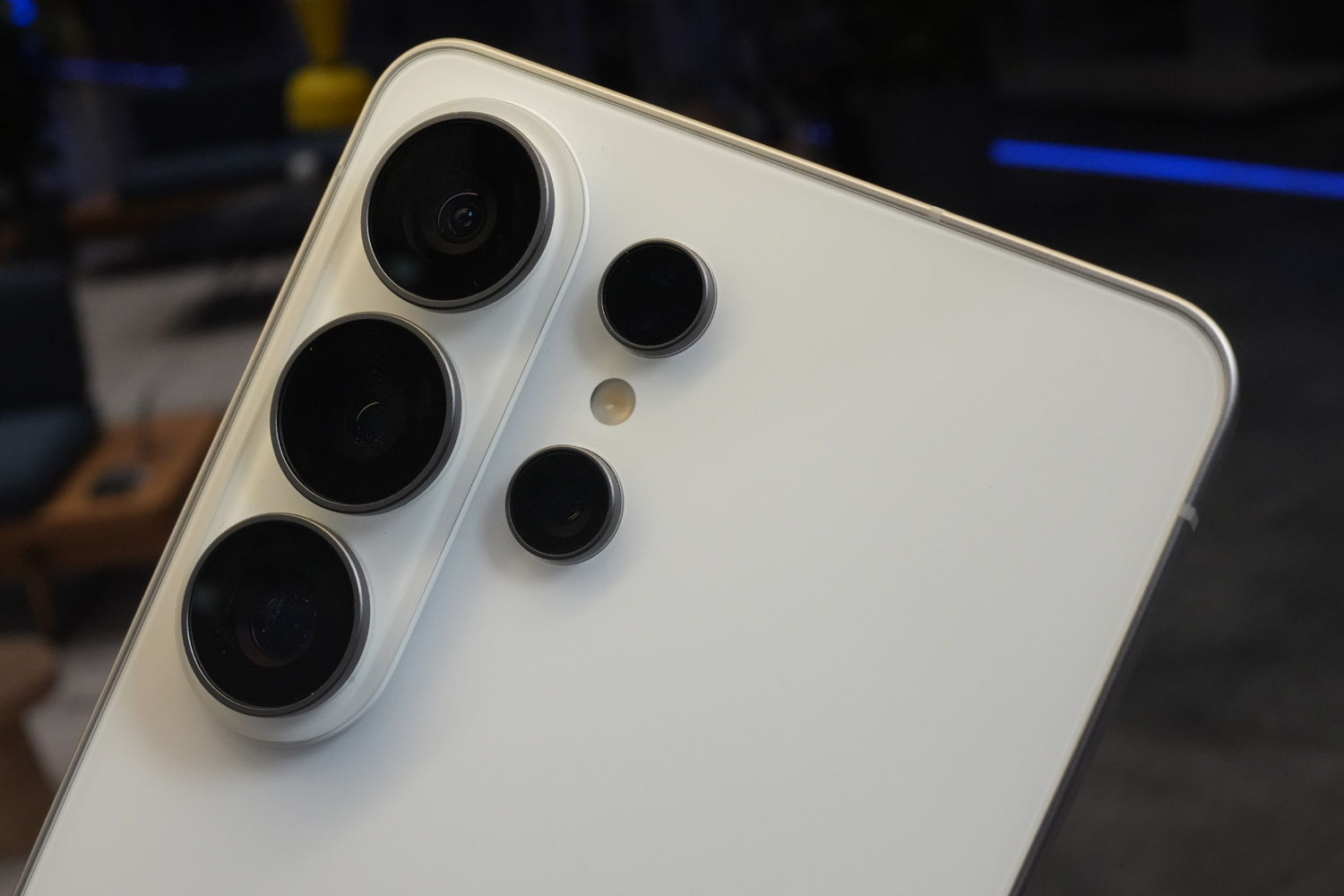
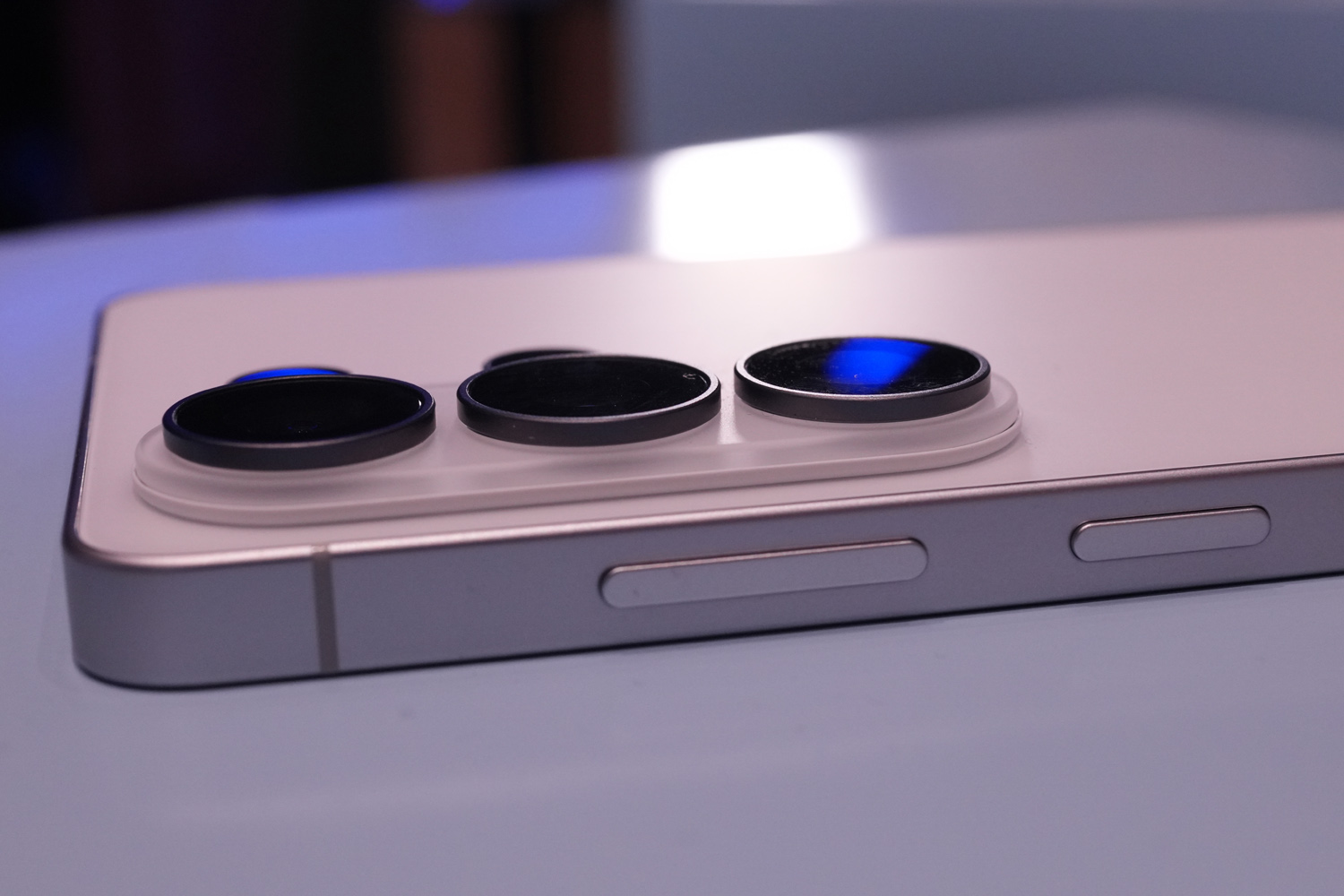
As to whether those cameras can compete for class honours? That’ll have to wait for a full review. Samsung hasn’t upgraded the sensors between generations, meaning you’re getting the same four rear shooters as last year. A 200MP lens leads proceedings, followed by a 50MP ultrawide and two zoom lenses: a 10MP unit good for 3x optical zoom and a 50MP bigger brother that maxes out at 5x.
The main changes are to aperture. The 5x telephoto is now a wider f/2.9, for a 37% boost to light-gathering ability, while the main snapper reaches an impressive f/1.4 – a 47% improvement over the outgoing phone. Combined with Samsung’s top-tier image processing and computational photography, it could still be a force to reckoned with in all lighting conditions.
Low-light video has received a lot of attention, with improved algorithms promising clearer ‘nightography’ recordings and lower noise. The steady video setting has a new horizon lock, keeping even fast-paced action looking smooth without a major hit to image quality, and the phone can record using the creator-friendly APV codec at up to 8K/30fps.
- Read more: Samsung Galaxy S26 vs Google Pixel 10 vs Xiaomi 17 – which phone is the compact Android king?
Privacy Display is the standout feature
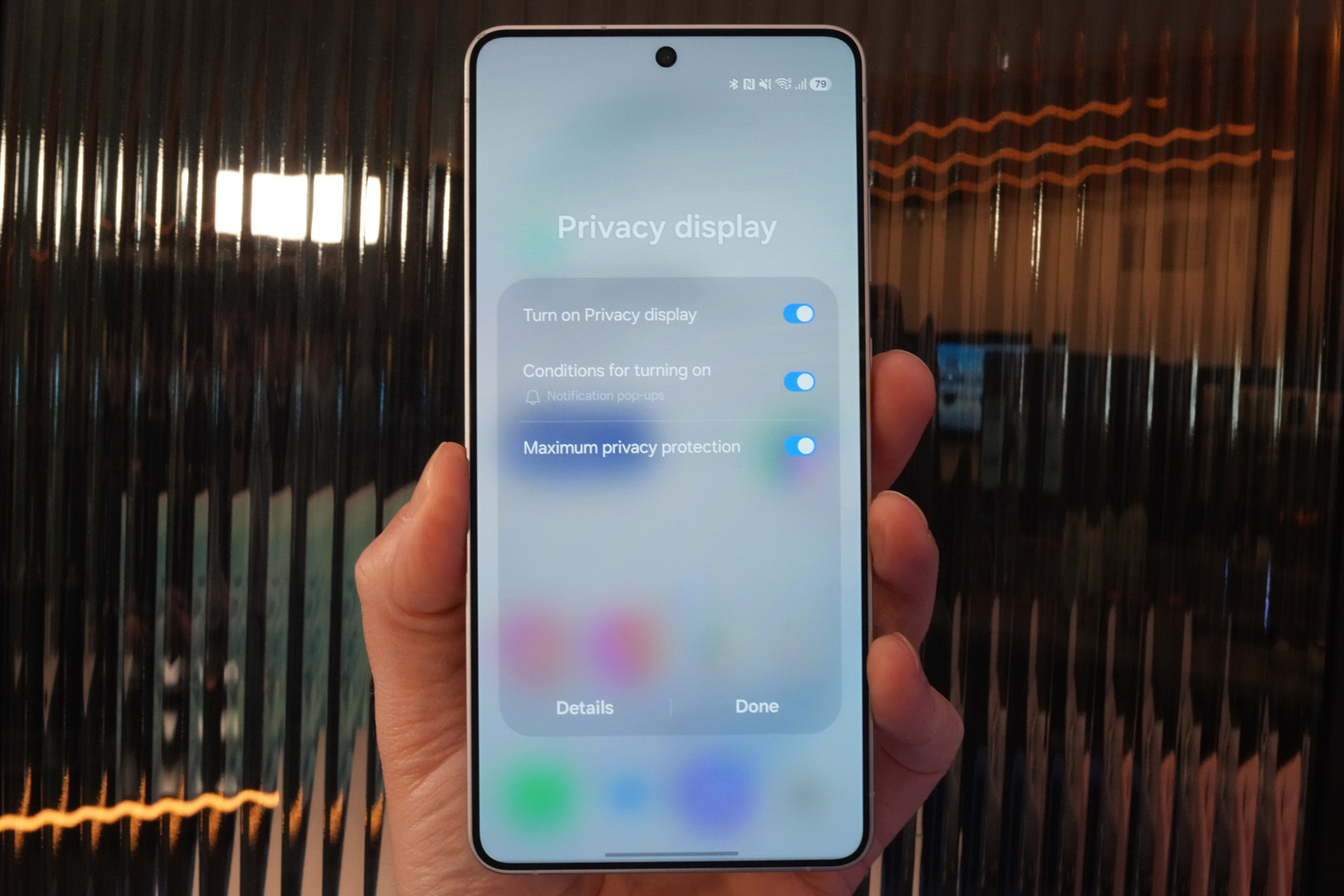
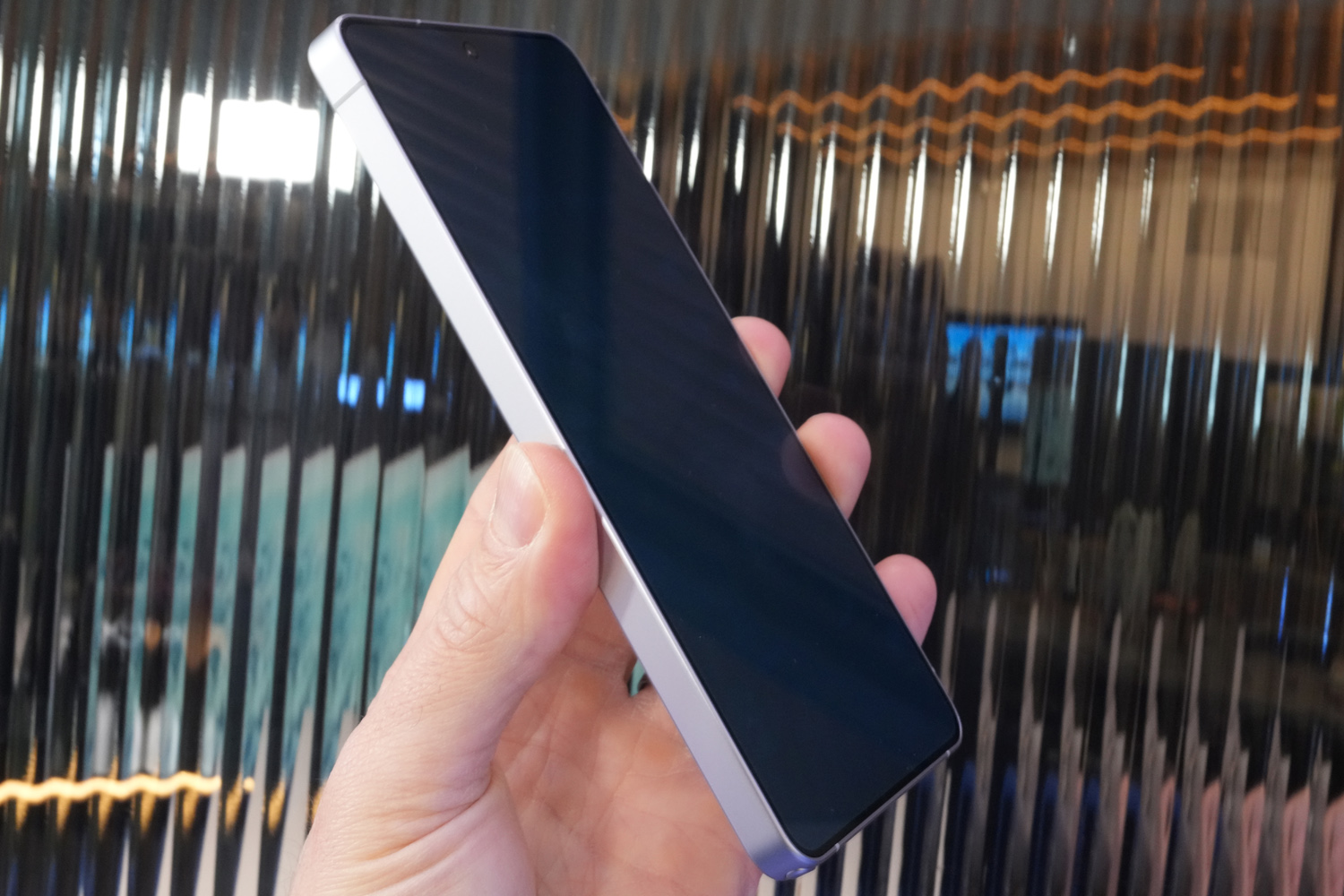
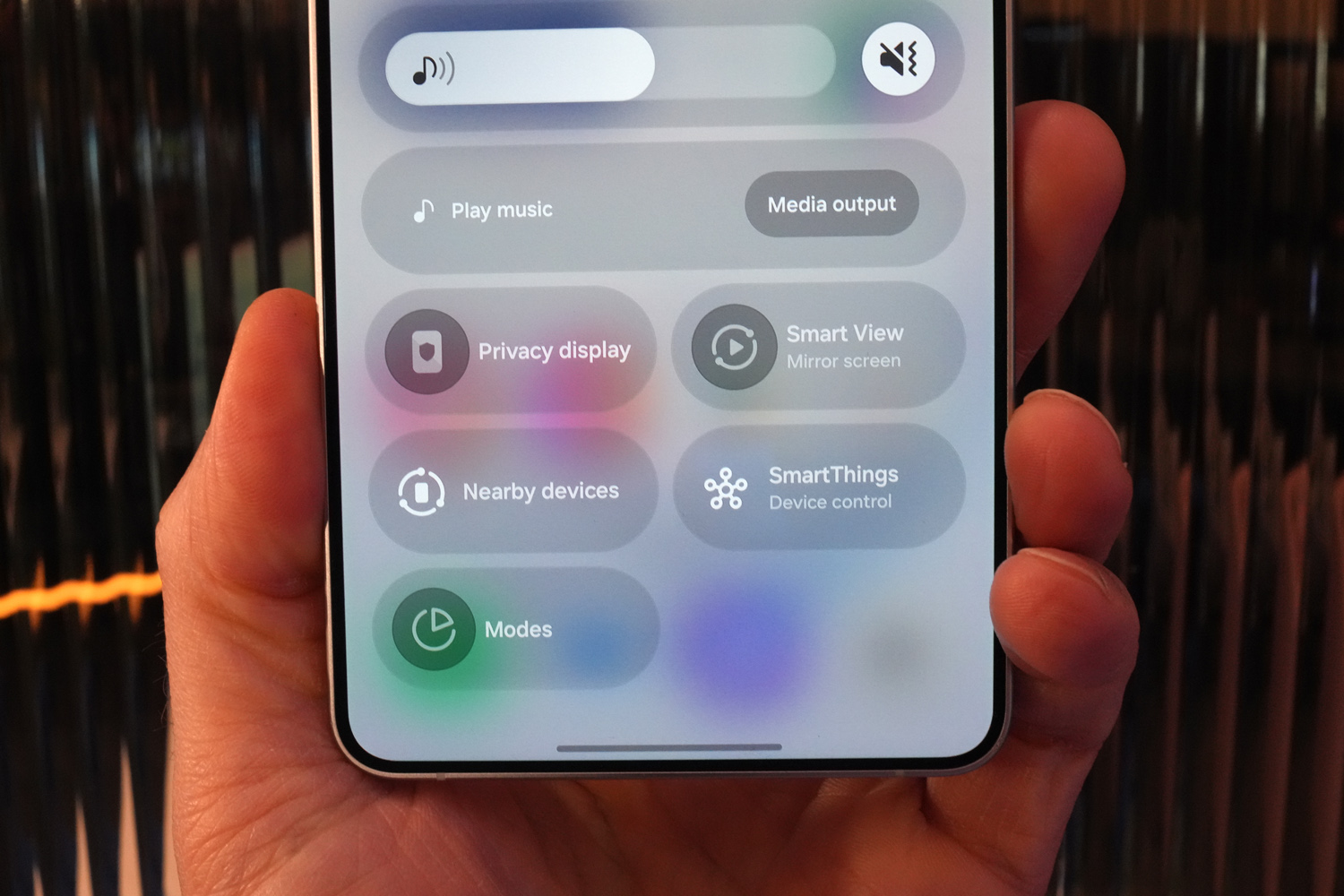
It’s the display where Samsung has shown it can still innovate when it wants to. The 6.9in AMOLED panel keeps the same brilliantly detailed 3120×1440 resolution, flawlessly smooth 1-120Hz adaptive refresh rate and near-supernatural ability to diffuse distracting light reflections (on account of Corning’s Gorilla Armor 2 glass) as last year, then adds a clever Privacy Display mode to the mix.
This security-minded feature shuts off part of the pixel grid, slashing viewing angles to a tiny window to prevent any over-the-shoulder snooping. You can apply it to the entire screen or just to incoming notifications, and toggle it manually from the Quick Settings menu or have it kick in automatically for certain apps like online banking.
It’s unique and worked brilliantly in my demo, making the display appear switched off as soon as I angled it away in any direction. You might not working on any secret government projects, but knowing your passwords and private emails aren’t being eyeballed while queueing for coffee or waiting for a bus gets a big thumbs up from me.
Maximum performance, as usual
Underneath that screen lurks a Snapdragon 8 Elite Gen 5 For Galaxy chipset, which (as per tradition) has been tweaked by Qualcomm at Samsung’s behest for a little extra grunt over rivals using the same silicon. Combined with a redesigned vapour chamber cooling system and repositioned thermal interface material, we should be in line for some major performance gains.
Samsung reckons CPU-based tasks should be up to 19% faster, while the GPU sees 24% gains and the NPU climbs a lofter 39%. That’s all without having to overdose on RAM – which has become a precious commodity in 2026. You get 12GB as standard, or 16GB if you splash out on the version with 1TB of storage.
I wasn’t able to run any benchmarks to prove the theory during my demo – or see if those improvements actually elevate the S26 Ultra above rivals using the stock Snapdragon 8 Elite Gen 5 in a meaningful way – but the OneUI interface felt as slick as you’d hope from a flagship phone.
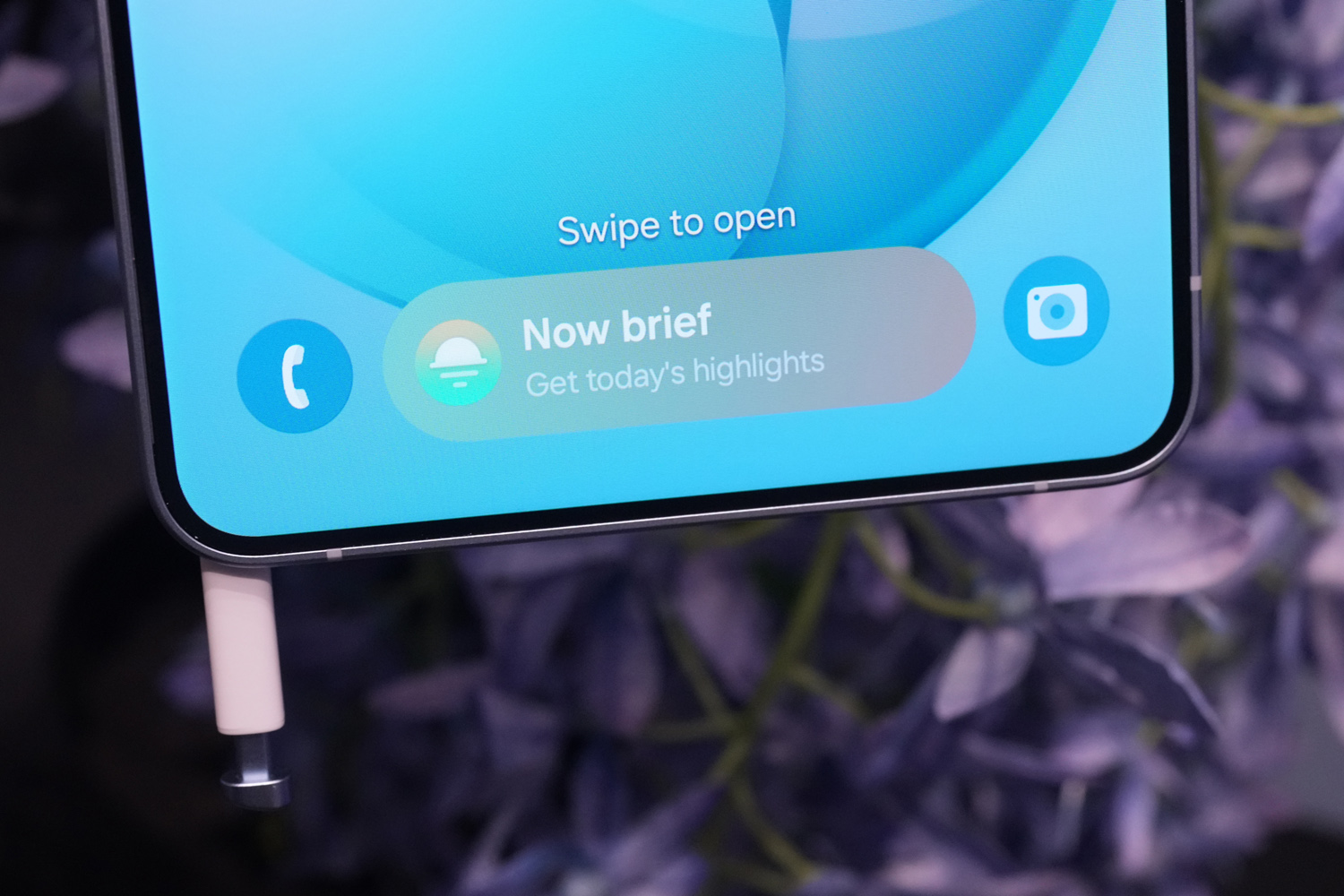
Visually, Samsung’s latest spin on Android isn’t all that removed from last year’s version, with the Galaxy AI-injected Now Bar appearing on the lock screen and Now Brief being a tap away from the home screen. Both have been upgraded with Now Nudge, which is a bit like a OneUI spin on Google’s Magic Cue. With the right permissions granted it can read incoming text messages and suggest contextual information, like locations of calendar events, and even suggest booking an uber when it’s time to leave. It’s one I’ll have to live with for a while to see if it adds any real value.
That’s equally true if the Call Screening function, which intercepts incoming phone calls and transcribes them on the fly, so you can choose whether to pick up or not. I like being able to send instructions to the virtual chatbot if the caller hasn’t provided enough information.
All the usual transcription, translation, text summarising, image generation and smart search functions lumped under Galaxy AI make an appearance too. How useful they’ll be will vary massively between users, but at least Samsung isn’t charging you to use them. Yet.
Is the battery a cause for concern?
Battery life is my main worry, at least until a full review can prove otherwise. Samsung has stuck with the same 5000mAh capacity found in the past five Ultra handsets, in a year where Chinese rivals are hitting 7500mAh using silicon-carbon battery chemistry. Even with a custom-tuned CPU, I simply can’t see how the S26 Ultra can hope to get close to a OnePlus 15 while having a third less capacity. That of course may not matter to owners of older Ultras that are happy charging their phone every evening.
A bump to 60W wired charging speeds is a big win, putting Samsung in sniffing distance of Motorola, Xiaomi and Honor, but no Qi2 magnetic charging (unless you put your phone in a compatible case) stings a bit now that Google has added it to the latest Pixel generation.
I’m not surprised that Samsung has raised its prices compared to last year, but given the skyrocketing price of RAM caused by the AI boom, a £30 bump in the UK compared to the previous generation is almost generous. It means you’ll be able to pick up a Galaxy S26 Ultra for $1300/£1279. A full review in the coming weeks will reveal if you should.


 Tom Morgan-Freelander
Deputy Editor
Tom Morgan-Freelander
Deputy Editor