Samsung Galaxy S26 vs S26+ vs S26 Ultra: what’s the difference between this year’s phones?
Samsung’s new trio of flagships have arrived, and one stands out


The Samsung Galaxy S26 series is finally official: the compact Galaxy S26, middle-of-the-pack Galaxy S26+ and all-singing, all-dancing Galaxy S26 Ultra – with its S Pen and clever screen privacy feature – are now vying for a place in our best phones round-up.
The flagship smartphone trio take over the reins from the Galaxy S25 series atop the South Korean firm’s mobile line-up. I’ve had hands-on time with all three, and there’s plenty of upgrades and new features to explore. But which one is right for you? Here’s how they stack up.
How we test smartphones
Every phone reviewed on Stuff is used as our main device throughout the testing process. We use industry standard benchmarks and tests, as well as our own years of experience, to judge general performance, battery life, display, sound and camera image quality. Manufacturers have no visibility on reviews before they appear online, and we never accept payment to feature products.
Find out more about how we test and rate products.
Price
Samsung has raised the prices of its top-end phones versus last year’s Galaxy S25 series, in some cases by $40/£100 or more.
It means the Samsung Galaxy S26 price starts at $900/£879 for 256GB of storage (up £20 vs S25), rising to $1100/£1049 for 512GB of storage (up £90). There is no 128GB model like in previous years, which means we’ve lost the cheapest entry option from the range (the 128GB S25 was $799 / £799 at launch).
The Samsung Galaxy S26+ price starts at $1100/£1,099 for 256GB (up £100 vs S25+), with the 512GB model setting you back $1300/£1,269 (up £170).
Finally, the range topping Samsung Galaxy S26 Ultra price starts at $1300/£1,279 (up £30 vs S25 Ultra), and the 512GB configuration is $1500/£1,449 (up £100). The S26 Ultra also gets a 1TB model with 16GB of RAM (all other S26 handsets come with 12GB), which will set you back $1799/£1,699 (up £150).
The Samsung Galaxy S26 series release date is set for March 11, 2026.
Samsung Galaxy S26 vs S26+ vs S26 Ultra Specs
Here’s how the three S26 handsets compare on paper:
| S26 | S26+ | S26 Ultra | |
| Screen | 6.3in, 2340×1080, 1-120Hz AMOLED | 6.7in, 3120×1440, 1-120Hz AMOLED | 6.9in, 3120×1440, 1-120Hz AMOLED |
| CPU | Samsung Exynos 2600 (2nm)* | Samsung Exynos 2600 (2nm)* | Snapdragon 8 Elite Gen 5 for Galaxy (3nm) |
| Memory | 12GB | 12GB | 12GB / 16GB |
| Rear cameras | 12MP ultra wide 50MP wide 10MP telephoto with 3x optical zoom | 12MP ultra wide 50MP wide 10MP telephoto with 3x optical zoom | 50MP ultra wide 200MP wide 10MP telephoto with 3x optical zoom 50MP telephoto with 5x optical zoom |
| Front camera | 12MP, F2.2, 1.12um | 12MP, F2.2, 1.12um | 12MP, F2.2, 1.12um |
| Storage | 256GB / 512GB | 256GB / 512GB | 256GB / 512GB / 1TB |
| Battery | 4300mAh | 4900mAh | 5000mAh |
| Charge speed | 25W (USB-C) Fast Wireless Charging 2.0 | 45W (USB-C) Super Fast Wireless Charging | 60W (USB-C) Super Fast Wireless Charging (25W) |
| Dimensions | `150x72x7.2mm, 167g | 159x76x7.3mm, 190g | 164x78x7.9mm, 214g |
| Colors | Cobalt Violet, Sky Blue, Black, White. Online exclusives: Silver Shadow, Pink Gold | Cobalt Violet, Sky Blue, Black, White. Online exclusives: Silver Shadow, Pink Gold | Cobalt Violet, Sky Blue, Black, White. Online exclusives: Silver Shadow, Pink Gold |
*Snapdragon 8 Elite Gen 5 for Galaxy for North America, China and other limited territories
Design & display: a family likeness
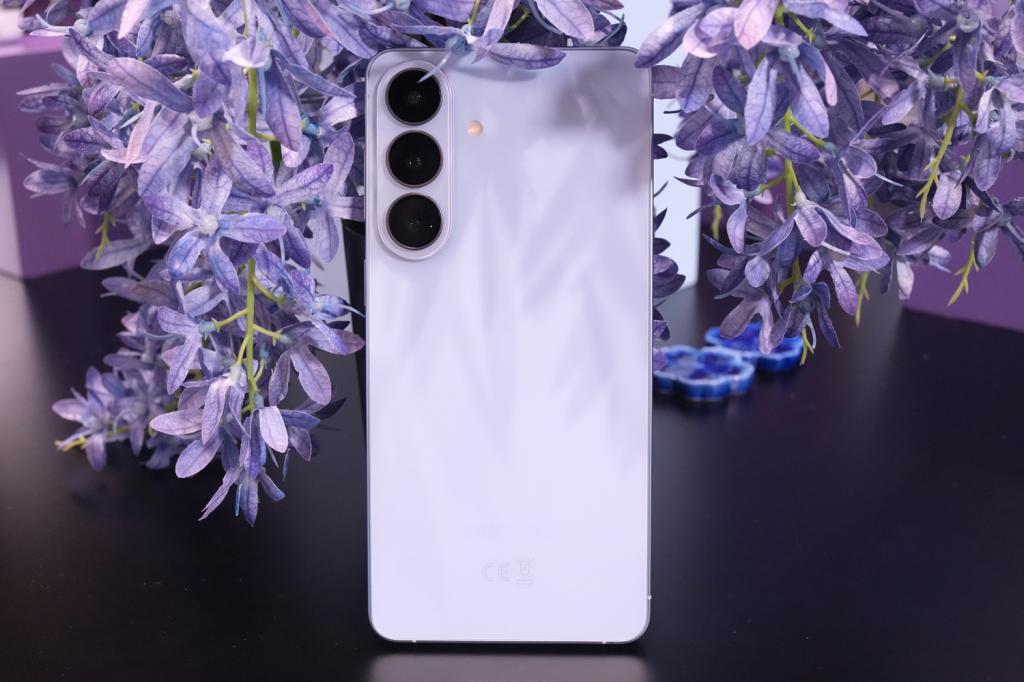
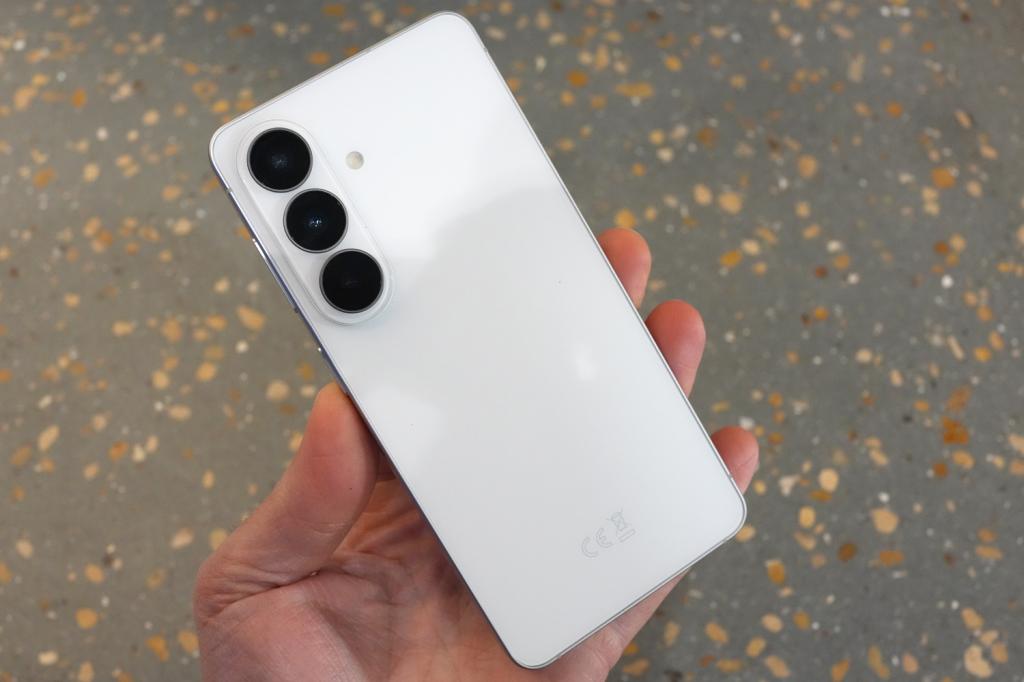
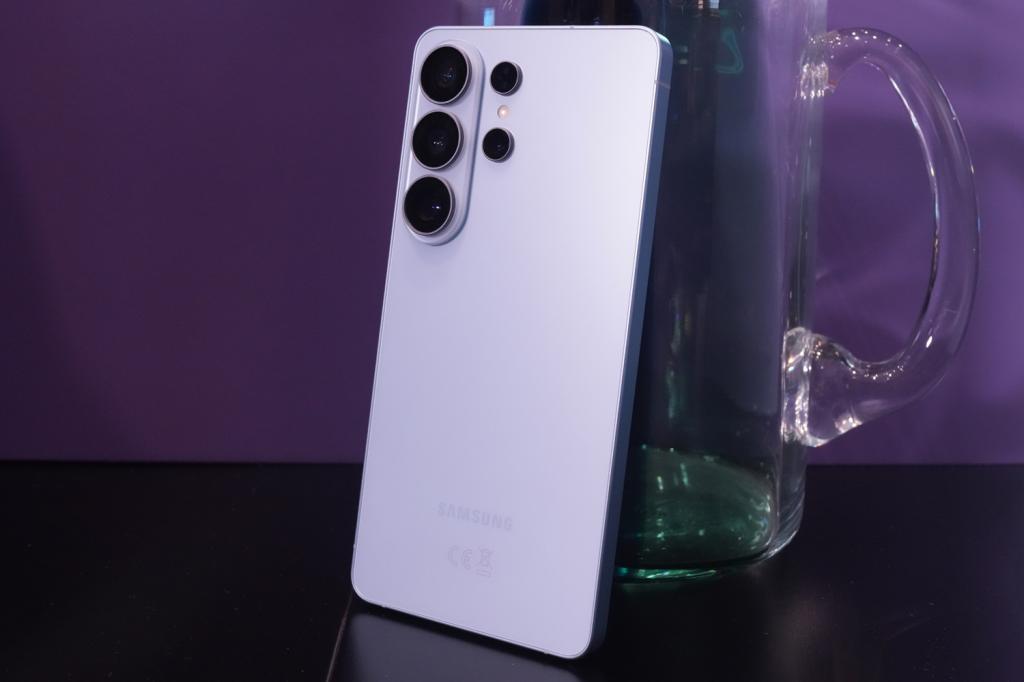
The Galaxy S26 series doesn’t do anything radical in terms of visual changes. The biggest design tweak is on the Galaxy S26 Ultra, where the corners now mimic the more rounded nature of the base and plus models – moving away from the squarer look of the Galaxy S25 Ultra, which itself softened its corners versus the S24 Ultra. It gives Samsung’s biggest phone a slightly softer look, and brings the trio of handsets visually closer together. The firm’s S Pen stylus hasn’t gone anywhere either, sliding into the body of the S26 Ultra.
Another style shift can be found on the back of all three S26 devices: the camera lenses now sit on a raised island, making them protrude a little more. On the S25 handsets, each individual lens sat separately on the rear of the phones.
The Galaxy S26 is a touch heavier than its predecessor at 167g (vs 162g), while the Galaxy S26+ maintains the 190g weight of the previous generation. Samsung has managed to trim the weight of the Galaxy S26 Ultra to 214g (vs 218g). In fact, the S26 Ultra is Samsung’s slimmest and lightest Ultra handset ever, while maintaining its large display. Part of that is due to Samsung moving away from titanium for the Ultra and back to aluminium. The Ultra feels great in the hand, with the Pixel 10 Pro XL (232g) and iPhone 17 Pro Max (233g) both significantly heavier.
Samsung is offering the same color options across the entire S26 series this year. It means no matter which one you pick, you’ll have the choice of six different colors. Cobalt Violet, Sky Blue, Black and White will be generally available, while Samsung has reserved two exclusive shades for those who order from its website: Silver Shadow and Pink Gold.
The Galaxy S26 Ultra’s 6.9in AMOLED screen hides one trick you won’t find on the other two: the world’s first smartphone privacy display. This feature can smartly dim pixels at the side of the screen to reduce viewing angles, preventing those next to you from seeing what you’re looking at.
Further down the range, the Galaxy S26+ offers the best pixel per inch ratio of the three new phones, with its 6.7in display hitting 516ppi. Samsung has also given its base flagship device an even bigger screen than ever. The Galaxy S26 now comes with a 6.3in screen, up from the 6.2in panel found on the S25.
- Read more: Samsung Galaxy S26 vs Google Pixel 10 vs Xiaomi 17 – which phone is the compact Android king?
Performance & battery: all-round power


As you’d expect from any flagship series in 2026, Samsung has packed plenty of power into the three Galaxy S26 handsets.
Depending on where you live, the Galaxy S26 and S26+ will be powered by the Samsung-made Exynos 2600. It’s the first consumer-ready 2nm chip, which should mean great things for efficiency and performance. Every version gets 12GB of RAM, and should supply enough grunt to run most games and apps without too much hassle. Keep an eye out for our full reviews to find out just how well they perform.
The Galaxy S26 Ultra gets Qualcomm’s Snapdragon 8 Elite Gen 5 for Galaxy chipset at its heart. If you opt for the most expensive variant – the 1TB storage model – you’ll also get 16GB of RAM, rather than the base 12GB. Samsung says this makes the S26 Ultra one of the most powerful smartphones in the world, with performance improvements on the NPU (+29%), GPU (+24%), and CPU (+19%) over the S25 Ultra.
The Ultra has also been fitted with Samsung’s largest ever cooling system, a redesigned vapor chamber it says offers 21% better cooling. In practice, this should mean you can play games for longer, at the highest settings, without overheating or performance dips.
Only the base model Galaxy S26 gets a battery upgrade, seeing an increase in capacity to 4300mAh (up 300mAh vs the S25). The S26+ (4,700mAh) and S26 Ultra (5,000mAh) maintain the same capacities as their predecessors. However, with more efficient chipsets, and improved cooling across all the devices, there should be improved battery life on offer.
Samsung says it’s also improved charging speeds, claiming the Ultra can go from 0%-75% in 30 minutes. The Ultra also has faster wireless charging as well, with 25W support.
Cameras: ultra perks
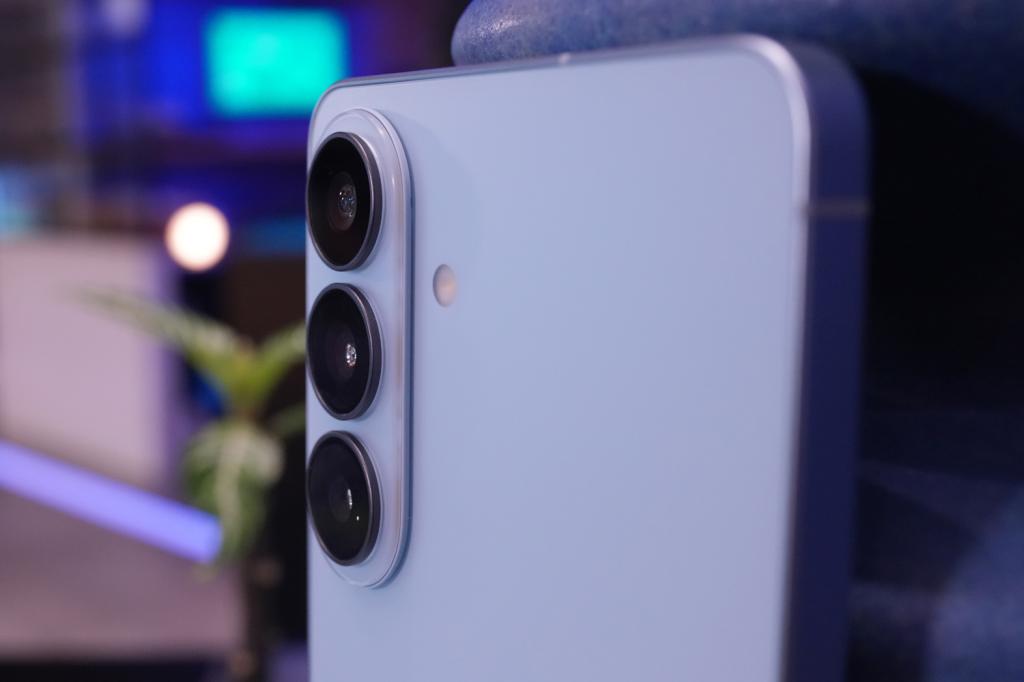
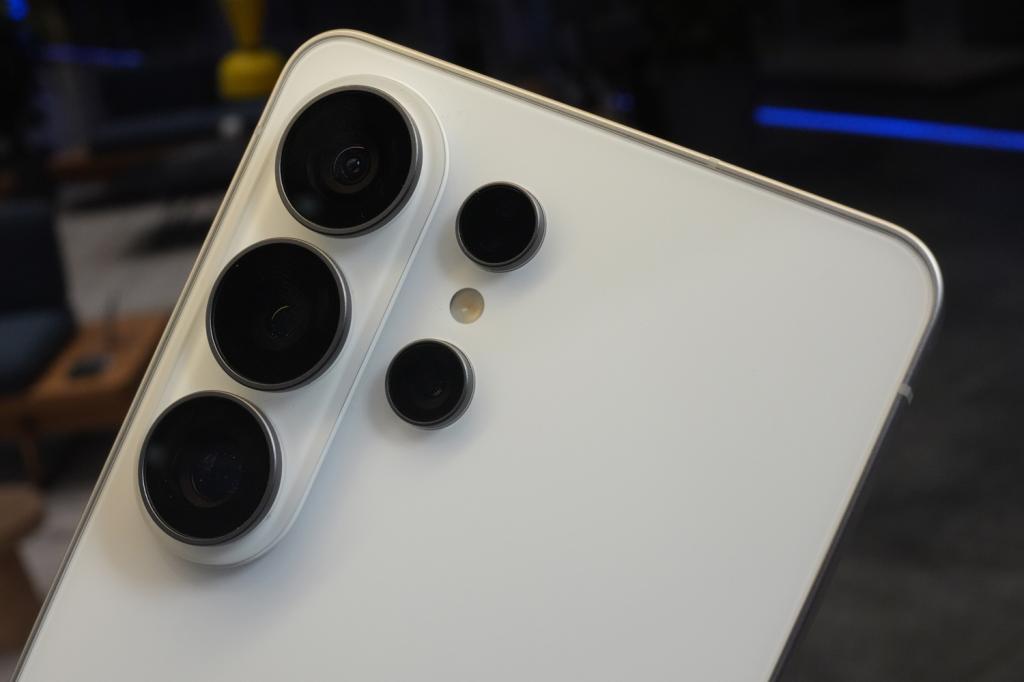
There are eleven cameras split across the three new Galaxy phones – and that’s just counting the back of each one. All three also have the same front-facing 12MP, f/2.2 selfie camera.
Starting with the Galaxy S26 Ultra, it keeps the 200MP main camera, 50MP ultrawide and twin telephotos (one with 50MP and 5x zoom, the other 10MP and 3x) as the S25 Ultra. Some of the lens apertures have widened, though. The 200MP lead lens is now f/1.4 (versus f/1.7 on the outgoing phone), allowing it to capture 47% brighter images in low light, while the 5x zoom lens is now f/2.9 (vs f/3.4). That should mean 37% brighter and sharper images.
The Galaxy S26 and S26+ share the same triple camera rear setup, with a 50MP f/1.8 main camera, 12MP f/2.2 ultra-wide and 10MP f/2.4 telephoto good for 3x optical zoom.
Samsung has paid more attention to software, improving the image signal processor (ISP) to allow for better low light video capture.
The Ultra gets some exclusive tools, including being the first Galaxy device to support the Advanced Processing Video (APV) codec. This allows you to record up to 8K at 30fps, and stays pretty much lossless, but keeps all your data even after rendering and editing out videos. It’s definitely one for content creators.
Samsung Galaxy S26 vs S26+ vs S26 Ultra Verdict
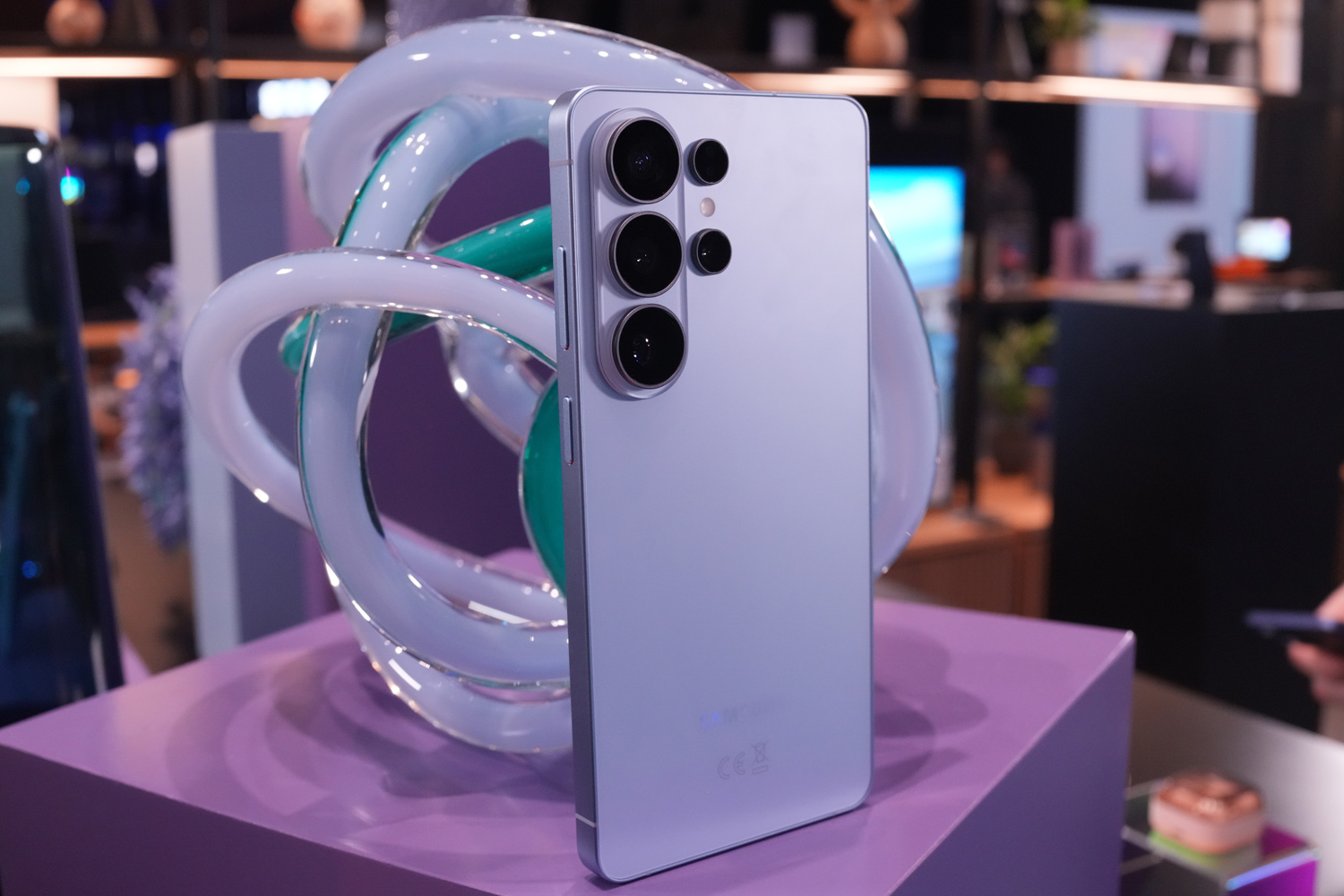
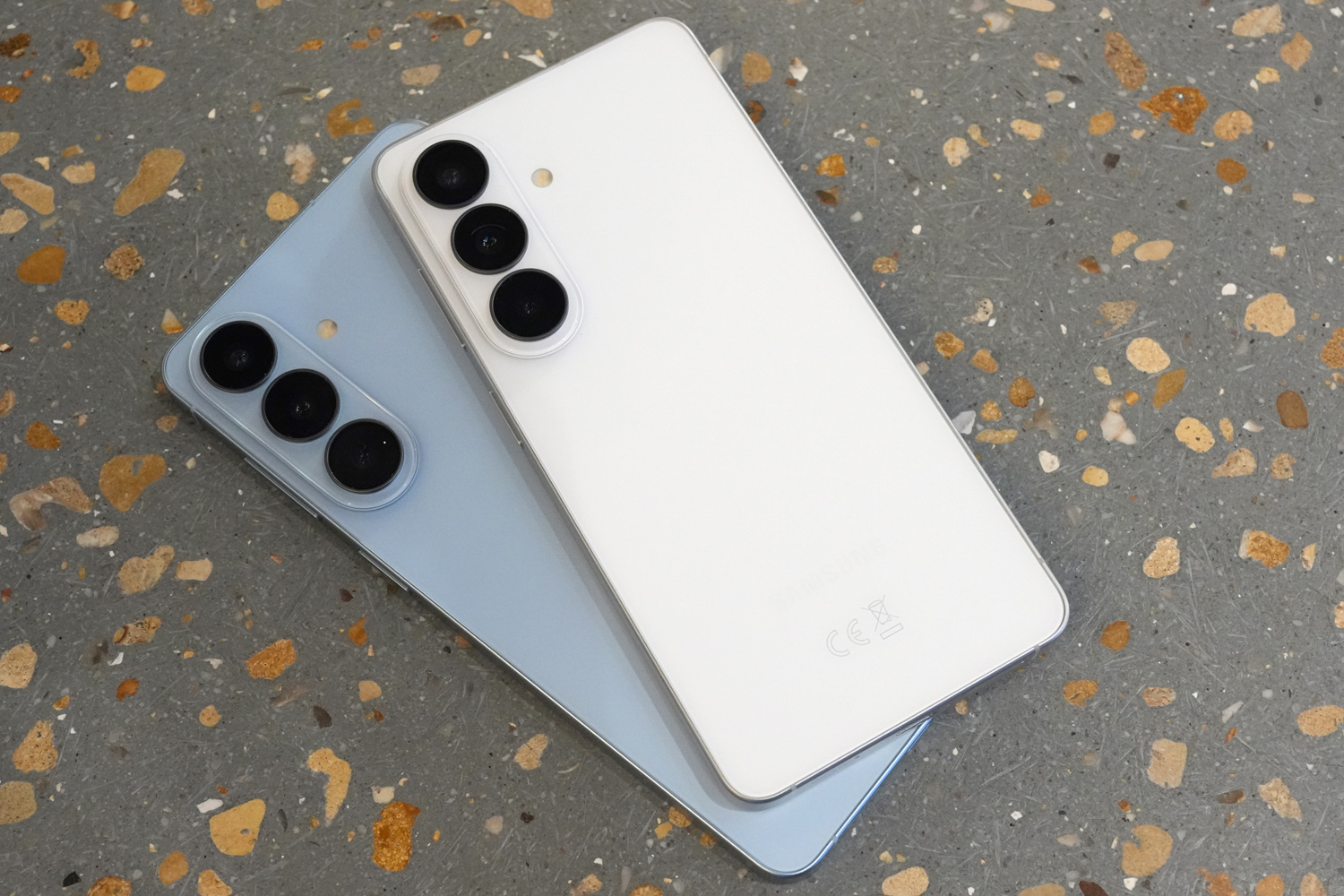
Based solely on initial impressions, the Galaxy S26 series looks to be another solid set of smartphones from Samsung. Each is bringing plenty of power and features, wrapped in a pleasing design.
The Galaxy S26 and S26+ don’t reinvent the wheel, but the former’s battery increase, compact size and new processor makes it an interesting proposition for those after a flagship phone that’s easy to use one-handed. It feels great in the hand, and the slightly bigger screen over its predecessor is a nice touch.
The S26+ offers up a bigger display and the best pixel density of the lot, while being almost £200 cheaper than the Ultra. It should be good for those who are after a big screen for video streaming, but aren’t fussed about having the very best cameras.
The Galaxy S26 Ultra is the most interesting, with its S Pen and new features which could turn heads – chiefly the clever privacy screen, which I actually love. It works surprisingly well, while further refinements to the quad-camera setup will please photographers and content creators.


 John McCann
Contributor
John McCann
Contributor