Samsung Galaxy S26 Ultra vs Google Pixel 10 Pro XL vs OnePlus 15: what’s the difference between these ultimate flagships?
Big screens, loads of power, and plenty of photography promise

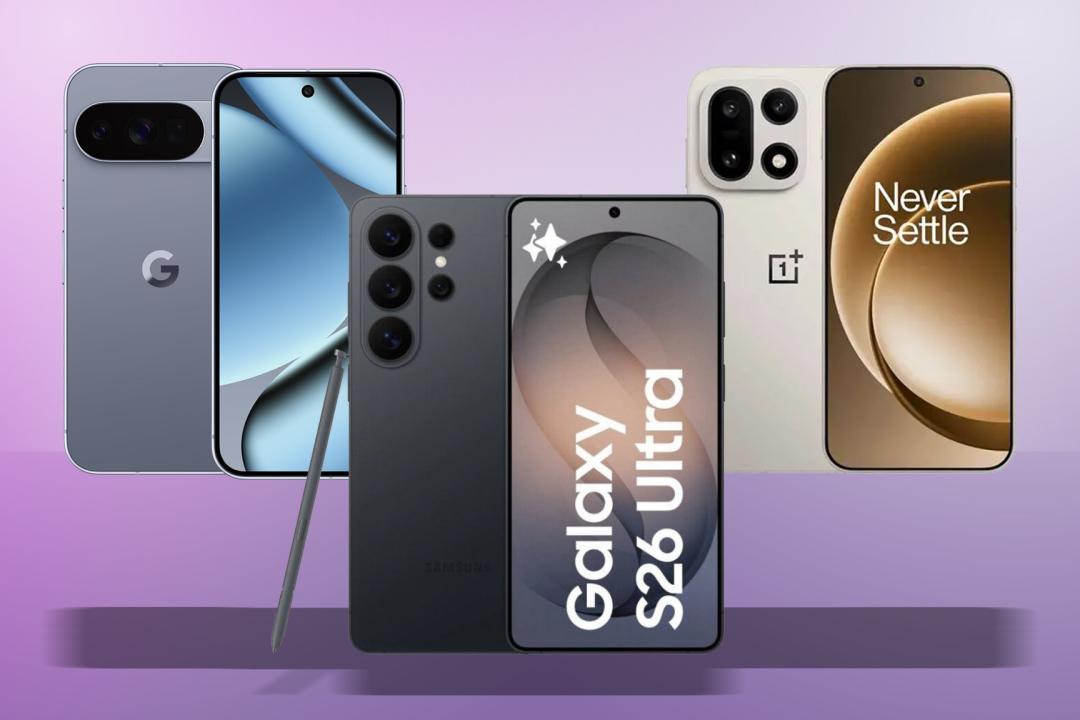
Are you in the market for a fully-loaded flagship smartphone? You’ve come to the right place. Samsung has just pulled back the curtain on its latest premium challenger: the Galaxy S26 Ultra.
With its predecessor charting highly in our 2025 best lists, hopes are high this new range-topper can continue to deliver a first class experience – as well as rival the excellent Google Pixel 10 Pro XL and OnePlus 15, both of which gained a coveted five stars when we reviewed them. I’ll take you through all three premium flagship phones, to help you work out which one is right for you.
How we test smartphones
Every phone reviewed on Stuff is used as our main device throughout the testing process. We use industry standard benchmarks and tests, as well as our own years of experience, to judge general performance, battery life, display, sound and camera image quality. Manufacturers have no visibility on reviews before they appear online, and we never accept payment to feature products.
Find out more about how we test and rate products.
Price
The Samsung Galaxy S26 Ultra price starts at $1300/£1,279 (a £30 increase over the S25 Ultra in the UK) for 256GB of storage; the 512GB configuration will set you back $1500/£1,449 (up £100). The 1TB model also jumps to 16GB of RAM (the other two have 12GB) and costs $1800/£1,699 (up £150). That makes the S26 Ultra more expensive than the Google Pixel 10 Pro XL and OnePlus 15.
The Pixel 10 Pro XL sits in the middle price wise, starting at $1199/£1199 for 256GB of storage; the 512GB model is $1319/£1319; and the 1TB version is $1549/£1549.
OnePlus has the most affordable option. The OnePlus 15 starts at $899/£849 for the 12GB of RAM and 256GB of storage variant. The 16GB/512GB model is priced at $999/£979 – although at time of writing, OnePlus is running a £100 off offer on this configuration in the UK.
The Pixel 10 Pro XL and OnePlus 15 both launched in the second half of 2025, while the Samsung Galaxy S26 Ultra release date is set for March 11, 2026.
Galaxy S26 Ultra vs Pixel 10 Pro XL vs OnePlus 15 specs
Here’s how the three flagships compare in pure hardware terms:
| Galaxy S26 Ultra | Pixel 10 Pro XL | OnePlus 15 | |
| Screen | 6.9in, 3120×1440, 1-120Hz AMOLED | 6.8in, 2992×1344, 1-120Hz LTPO OLED | 6.78in, 2772×1272, 165Hz LTPO AMOLED |
| CPU | Snapdragon 8 Elite Gen 5 for Galaxy | Google Tensor G5 | Snapdragon 8 Elite Gen 5 |
| Memory | 12GB / 16GB | 16GB | 12GB / 16GB |
| Rear cameras | 50MP ultra wide 200MP wide 10MP telephoto with 3x optical zoom 50MP telephoto with 5x optical zoom | 48MP ultra wide 50MP wide 48MP telephoto with 5x optical zoom | 50MP ultra wide 50MP wide 50MP telephoto with 3.5x optical zoom |
| Front camera | 12MP, F2.2 | 42MP, F2.2 | 32MP, F2.4 |
| Storage | 256GB / 512GB / 1TB | 256GB / 512GB / 1TB | 256GB / 512GB |
| Battery | 5000mAh | 5200mAh | 7300mAh |
| Charge speed | 60W wired 25W wireless | 45W wired 25W wireless | 120W wired 50W wireless |
| Dimensions | 164x78x7.9mm, 214g | 163x77x8.5mm, 232g | 161x77x8.1mm, 211g / 215g |
| Colors | Cobalt Violet, Sky Blue, Black, White. Online exclusives: Silver Shadow, Pink Gold | Moonstone, Jade, Porcelain, Obsidian | Infinite Black, Ultra Violet, Sand Storm |
- Read more: Samsung Galaxy S26 vs S26+ vs S26 Ultra – what’s the difference between this year’s phones?
Design & display: dimension deception
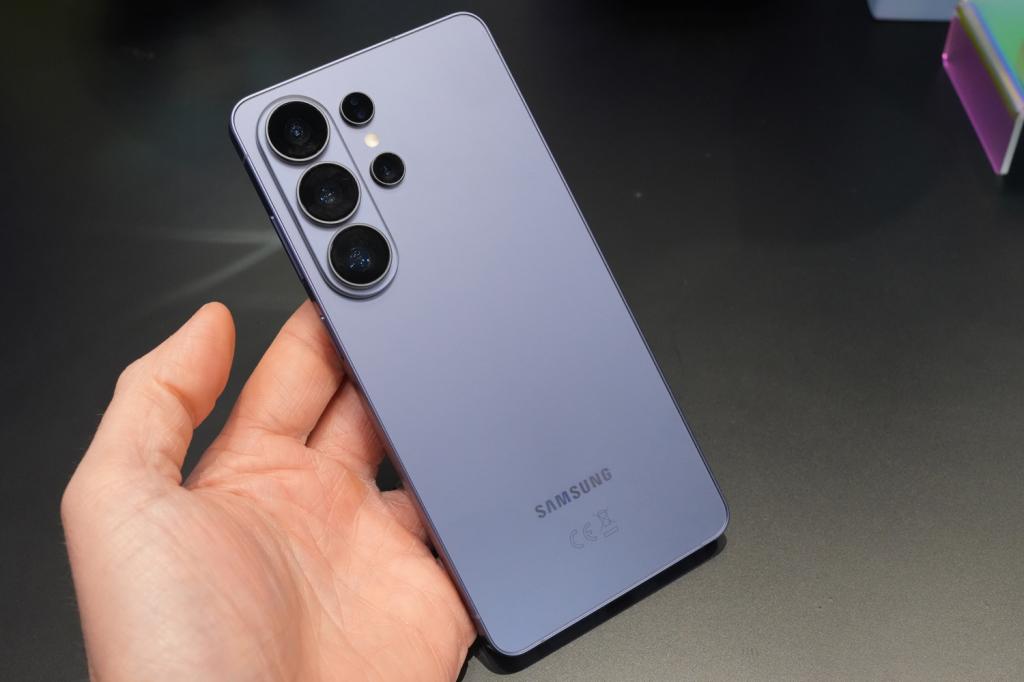

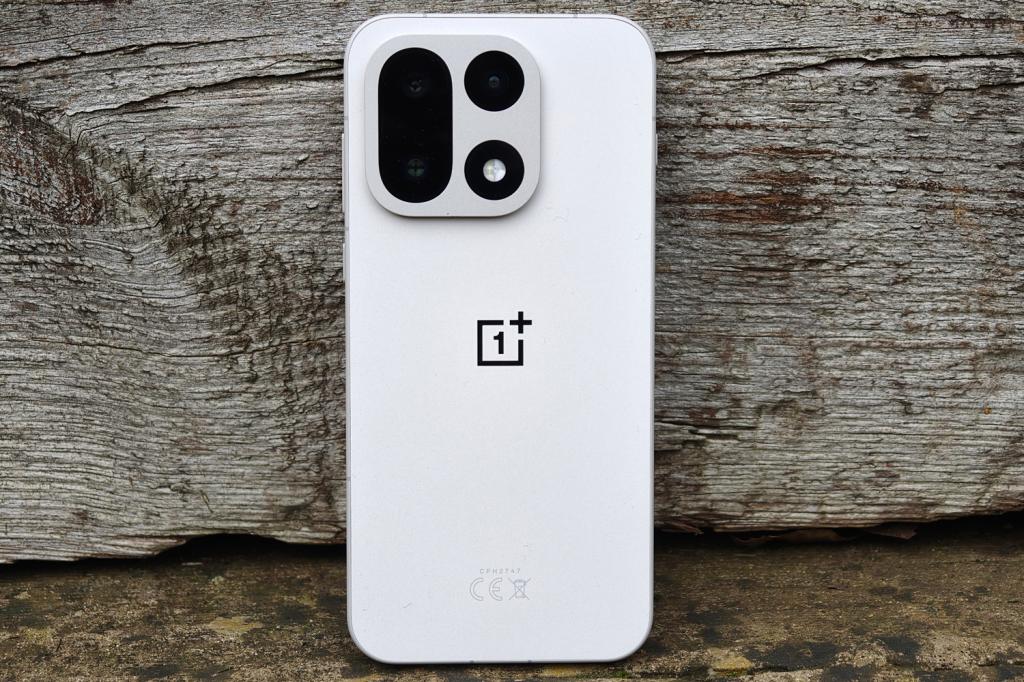
The Galaxy S26 Ultra is taller and wider than both the Pixel 10 Pro XL and OnePlus 15, packs a bigger screen, and has four rather than three rear cameras – yet it’s thinner (at 7.9mm) and lighter (at 214g). That’s an impressive feat. Its slightly softer corners are now shared with the vanilla Galaxy S26, so it doesn’t stand out quite as much as previous years.
The OnePlus 15’s thickness and weight fluctuate depending on the color you choose. Yes, really. Opt for the Infinite Black or Ultra Violet finish and you’ll get a phone that’s 8.2mm thick and weighs 215g, but pick up the Sand Storm model and you’ll have a phone that’s 8.1mm thick and tips the scales at a S26 Ultra-beating 211g.
Finally, the Pixel 10 Pro is the heaviest (at 232g) and thickest (at 8.5mm), making it a little more taxing on the hand.
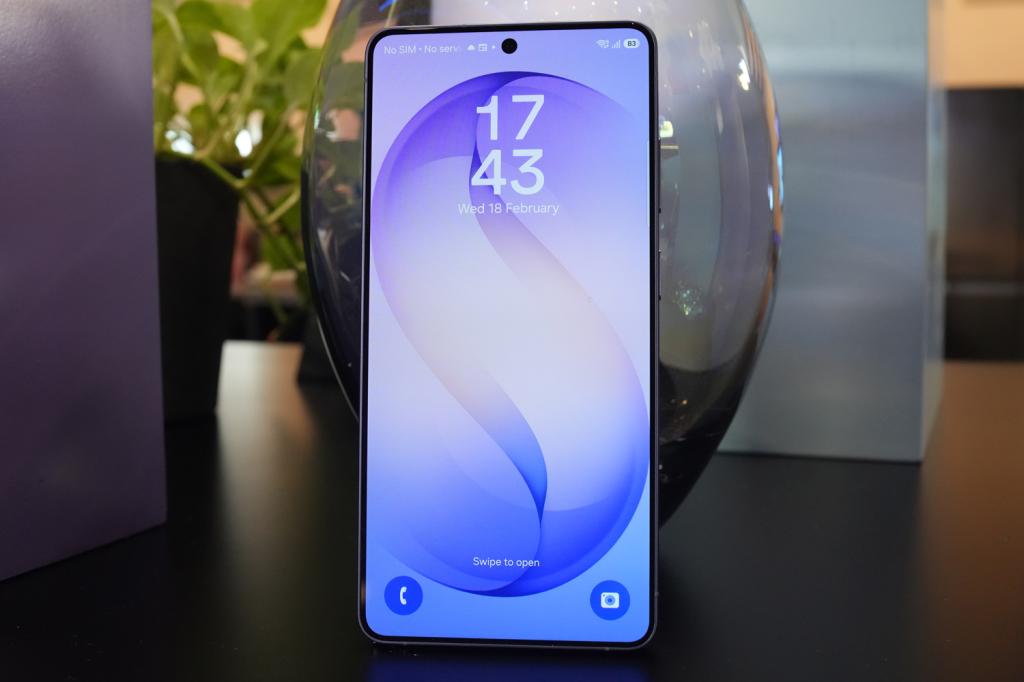
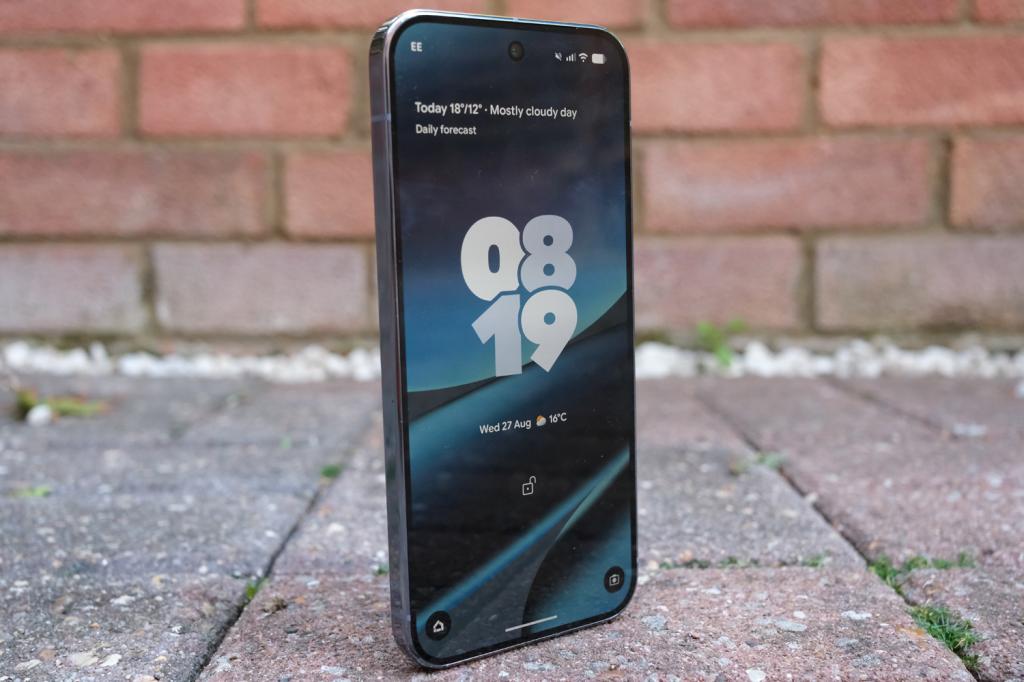
Front on, there’s not much to differentiate the three phones visually. All have slender bezels, large screens and a central punch-hole camera. The OnePlus 15 does have an additional button, on its left edge, called the Plus Key, which triggers the firm’s AI smart capture feature.
Flip the trio over, and the camera layouts are what sets the three apart. The Galaxy S26 Ultra has vertically stacked cameras on an oval island, while the Pixel 10 Pro XL utilises the horizontal visor design we’ve seen Google employ in recent generations. The OnePlus 15 takes a slightly more traditional approach, with a square camera island.
Google’s horizontal camera bar does allow the device to lay on a surface without rocking, and helps distribute weight evenly across the width of the device – two things you can’t say for the Samsung or OnePlus.
Something the S26 Ultra has which its rivals don’t is the S Pen stylus, which slides neatly into the body of the phone.
If you want the biggest display, the Samsung Galaxy S26 Ultra is the phone for you. Its 6.9in panel isn’t only the largest, but also the highest resolution of the three handsets here. It also packs Samsung’s new Privacy Display feature, which smartly dims pixels at the sides of the screen to reduce the viewing angle. This stops people next to you from seeing what’s onscreen. Having witnessed it first-hand, I can say it’s impressive.
The other two aren’t small though, with the Pixel 10 Pro XL packing a 6.8in display that’s “stellar in almost every other aspect”, while the OnePlus 15 has the smallest, lowest resolution screen at 6.78in.
Don’t let the OnePlus 15’s screen specs put you off however, as we found in our review it’s still plenty capable. Avid mobile gamers will love the 165Hz refresh rate, which bests the other phones’ 120Hz maximum.
Performance & Battery: a mixed bag
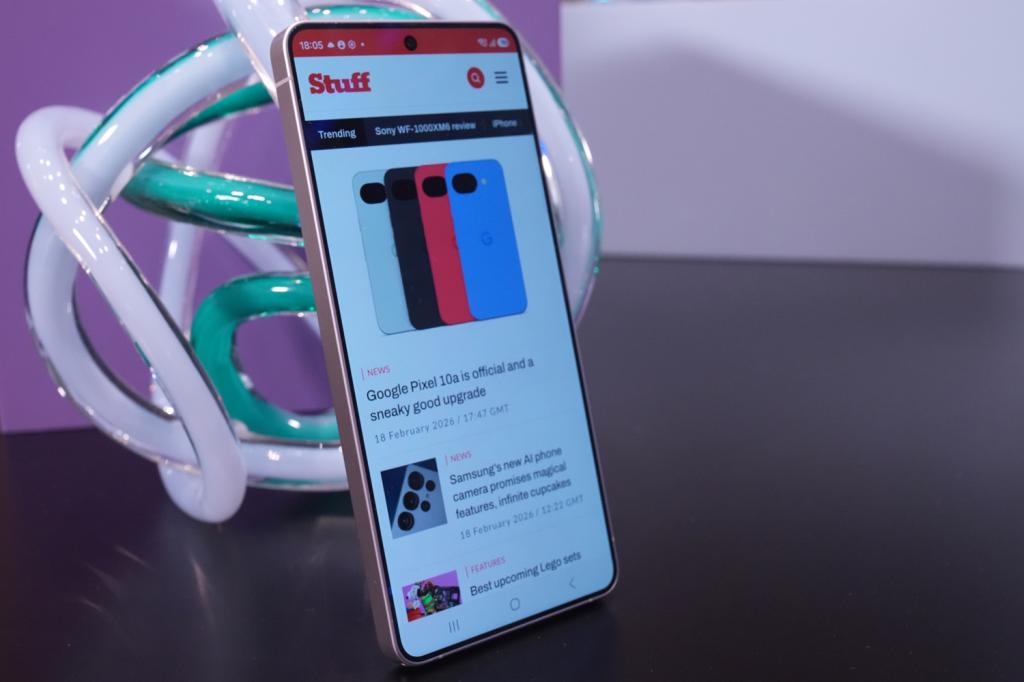
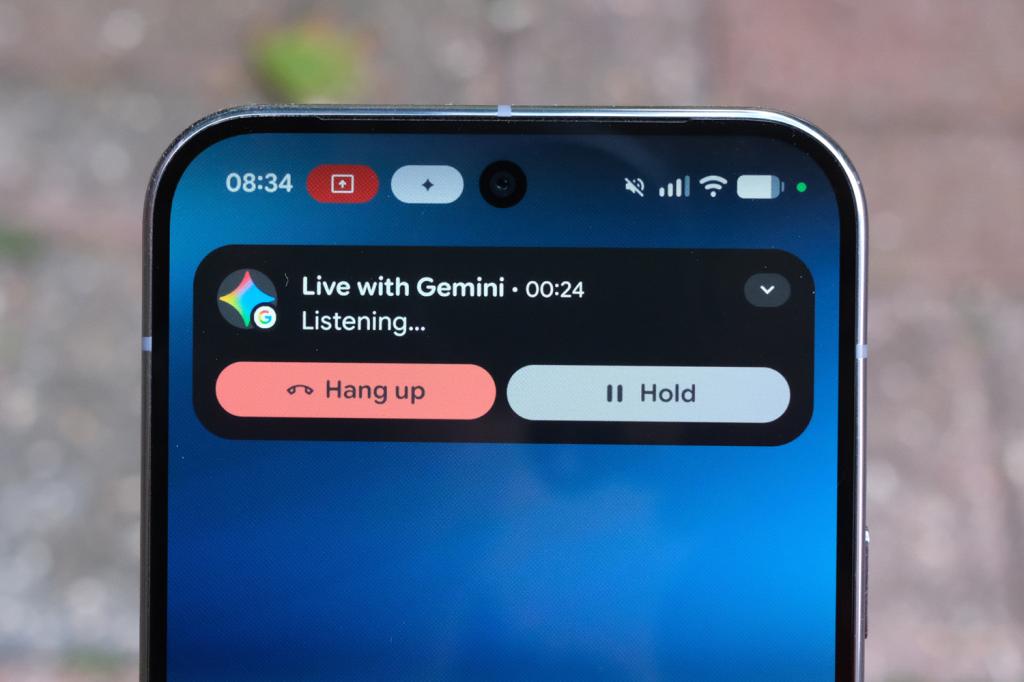
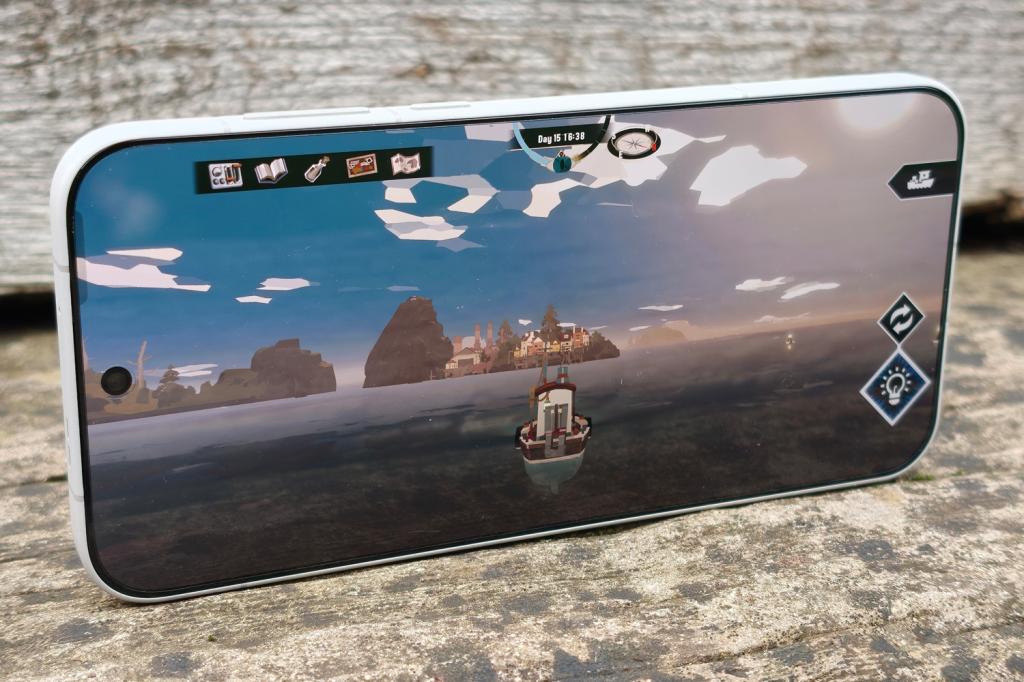
Both the Samsung Galaxy S26 Ultra and OnePlus 15 come with Qualcomm’s flagship Snapdragon 8 Elite Gen 5 chipset, paired with either 12GB or 16GB of RAM depending on the storage you choose.
Samsung has worked with Qualcomm to produce a “for Galaxy” version of the chipset, which it says is better equipped to deal with features like Galaxy AI. We’re expecting impressive performance when we review it in the coming weeks.
The OnePlus 15 takes an off-the-shelf approach, but is the more affordable way to get this top-end chipset in your pocket. It comes with 16GB of RAM.
The Pixel 10 Pro XL is the black sheep of the three, in that it uses Google’s own Tensor G5 chipset. Even with 16GB of RAM, it doesn’t hit the same benchmark scores as Qualcomm’s offering. That’s not to say it’s slow – anything but – as with Google also controlling every aspect of the Android software, it’s been able to optimise things well.
When it comes to battery however, there’s a clear winner. The OnePlus 15 comes with a mammoth 7300mAh battery, dwarfing the 5200mAh battery in the Pixel 10 Pro XL and 5000mAh in the S26 Ultra. That translates into supreme battery life, with two days plus of usage between charges entirely possible. The OnePlus also has the fastest wired and wireless charging speeds, another feather in its battery cap.
The Pixel 10 Pro XL might not have the largest battery here, but it offers something the other two don’t – Qi2 magnetic wireless charging, allowing you to use Google’s Pixelsnap and even iPhone-compatible MagSafe accessories to charge and hold your phone.
On paper the S26 Ultra appears to be the weak link in the battery department, however it does come with Samsung’s largest ever cooling system. With a redesigned vapor chamber promising a 21% improvement over the outgoing S25 Ultra, it should offer improved power efficiency. You’ll have to wait for our review to find out how it fares.
Cameras: too close to call, for now
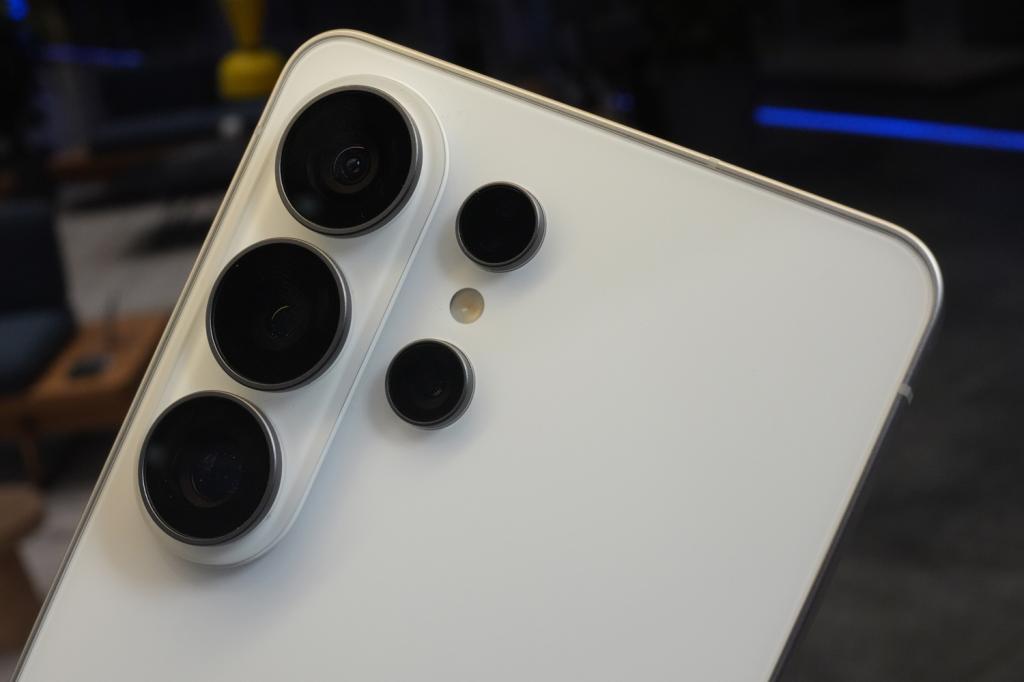
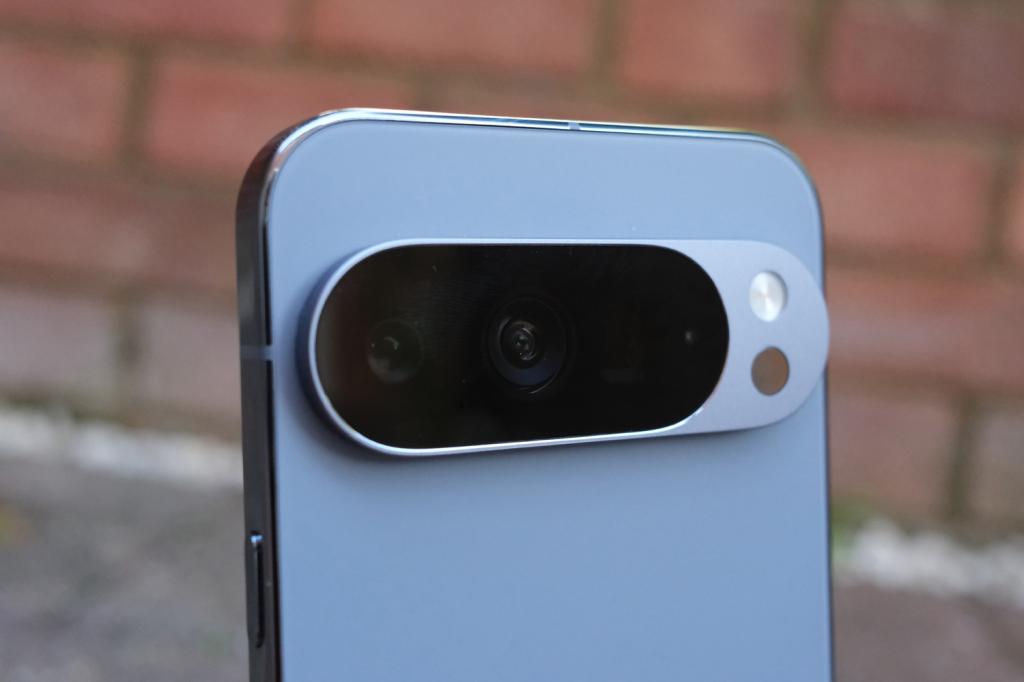
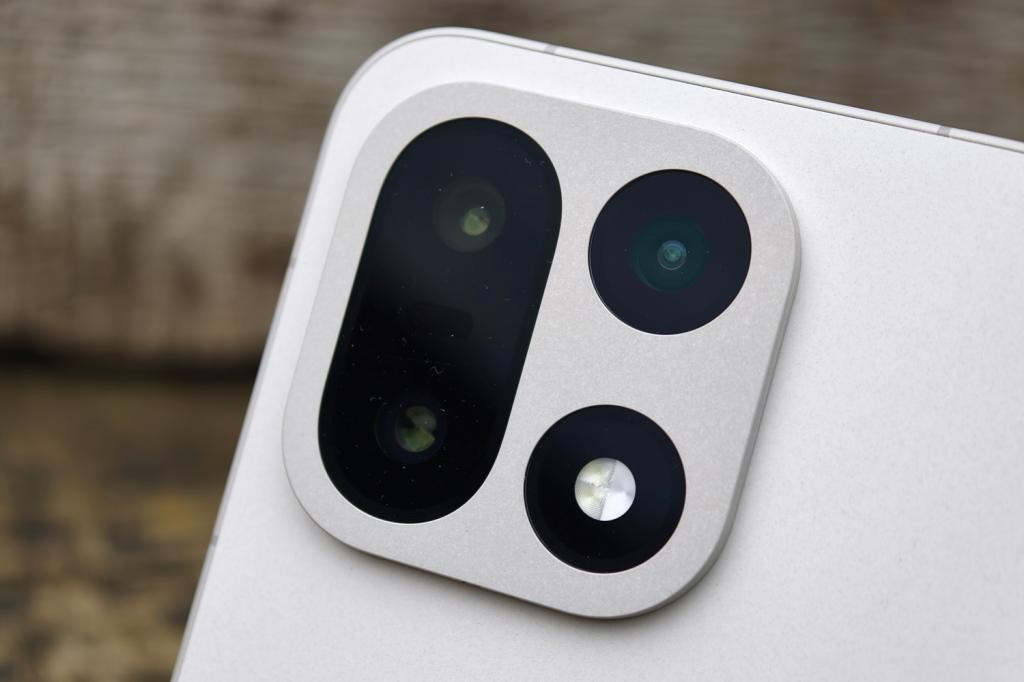
Going purely by camera count, the Galaxy S26 Ultra is in pole position. It has four rear snappers, including a 200MP lead camera and 50MP, 5x optical zoom telephoto, each with wider apertures for brighter images compared to the previous generation. They are joined by a 10MP, 3x optical zoom telephoto and a 50MP ultrawide. Samsung has also added APV (Advanced Processing Video) support, allowing you to render and edit out videos with data still intact for almost lossless quality.
The Google and OnePlus can only muster three rear cameras a piece. The OnePlus 15 offers three 50MP lenses; wide, ultrawide, and a 3x optical zoom telephoto. Meanwhile the Pixel 10 Pro XL features a main 50MP camera, 48MP ultra-wide, and a 48MP telephoto with 5x optical zoom.
On the front, the Pixel 10 Pro XL wins the spec war with a 42MP selfie camera, followed by the 32MP camera on the OnePlus 15, while the Galaxy S26 Ultra makes do with a 12MP selfie snapper.
In our reviews, we noted the Pixel and OnePlus held their own against each other, and Samsung’s S25 Ultra, so even with varying specs there isn’t much to choose between them. With the S26 Ultra now a generation ahead of these two, we could see Samsung offer a better overall photography experience, but I wouldn’t expect to see a huge leap forward in what already is very good quality.
- Read more: Samsung Galaxy S26 vs Google Pixel 10 vs Xiaomi 17 – which phone is the compact Android king?
Samsung Galaxy S26 Ultra vs Google Pixel 10 Pro XL vs OnePlus 15 Verdict
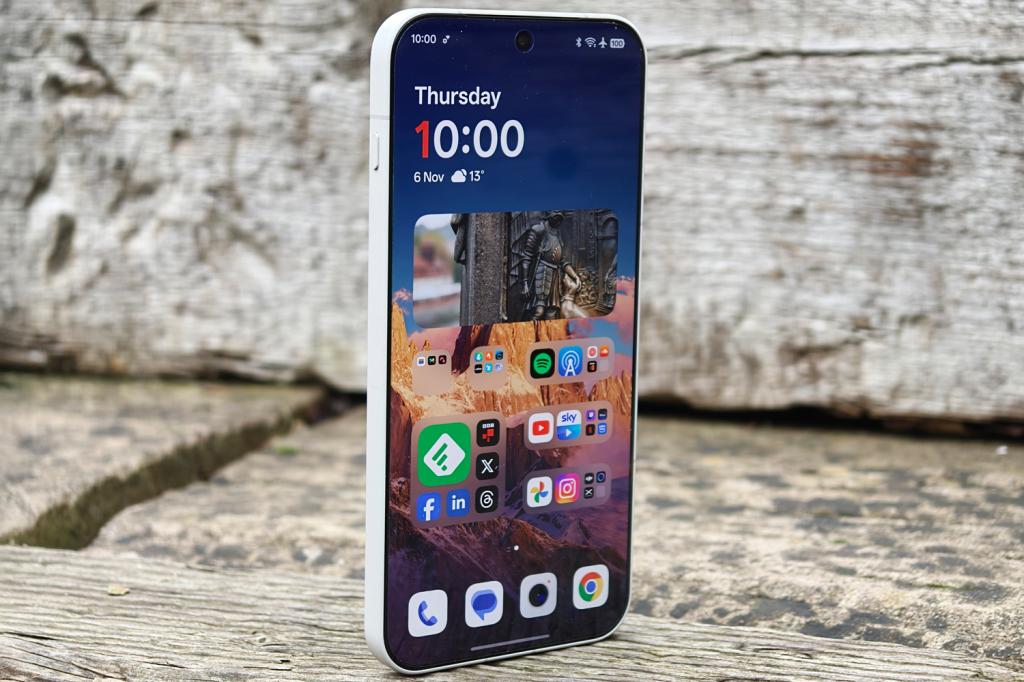
Naturally each of these supersized smartphones has a lot to like.
If you’re looking for the best bang for your buck, the OnePlus 15 is the one to choose: it comfortably undercuts the other two on price, while delivering comparable power and cameras. Its battery life is second to none.
The Pixel 10 Pro XL will appeal to Android purists who want the best of Google and Gemini AI in their pocket, with plenty of camera smarts to boot.
An innovative privacy screen and built-in S Pen give the Galaxy S26 Ultra the productivity advantage, while its strong array of cameras and large display add all-rounder appeal. Confirmation will have to wait for a full review, but event at this early stage the combination could prove hard to beat for those after the ‘every phone’ in 2026.


 John McCann
Contributor
John McCann
Contributor