OnePlus 15 review: I’m convinced this is the 2026 Android phone to beat
A fresh face, even fresher silicon and a behemoth of a battery


Stuff Verdict
Exceptional performance and battery life, great cameras and slick software; this is the all-rounder Android phone for most people.
Pros
- Top-tier power and impressive endurance
- Unique finish only adds to the flagship-grade looks
- Still manages to undercut big-name rivals
Cons
- Closely related Oppo Find X9 Pro has the edge on photography
- Resolution trade-off for refresh rate will be lost on non-gamers
Introduction
Any pretence of OnePlus being a phone world underdog has been thrown firmly out the window here. The firm’s latest effort takes what made its predecessor stand out – rapid performance, a bigger battery than any of its Western flagship rivals, enough water resistance to survive a keelhauling – and turns it all up another notch, while still undercutting the competition.
The OnePlus 15 arrives at $999/£849/€949 in base 12GB/256GB guise, leaving a considerably smaller dent in your wallet than either the Samsung Galaxy S25 Ultra, Google Pixel 10 Pro XL, or Apple iPhone 17 Pro Max.
Ever-closer ties with stablemate Oppo have helped hone the OnePlus 15’s styling and software, but the firm is doing its own thing on the photography front. It’s also one of the first US, Europe and UK-bound phones with Qualcomm’s new Snapdragon 8 Elite Gen 5 chipset. But can first also mean best?
How we test smartphones
Every phone reviewed on Stuff is used as our main device throughout the testing process. We use industry standard benchmarks and tests, as well as our own years of experience, to judge general performance, battery life, display, sound and camera image quality. Manufacturers have no visibility on reviews before they appear online, and we never accept payment to feature products.
Find out more about how we test and rate products.
Design & build: line in the sand
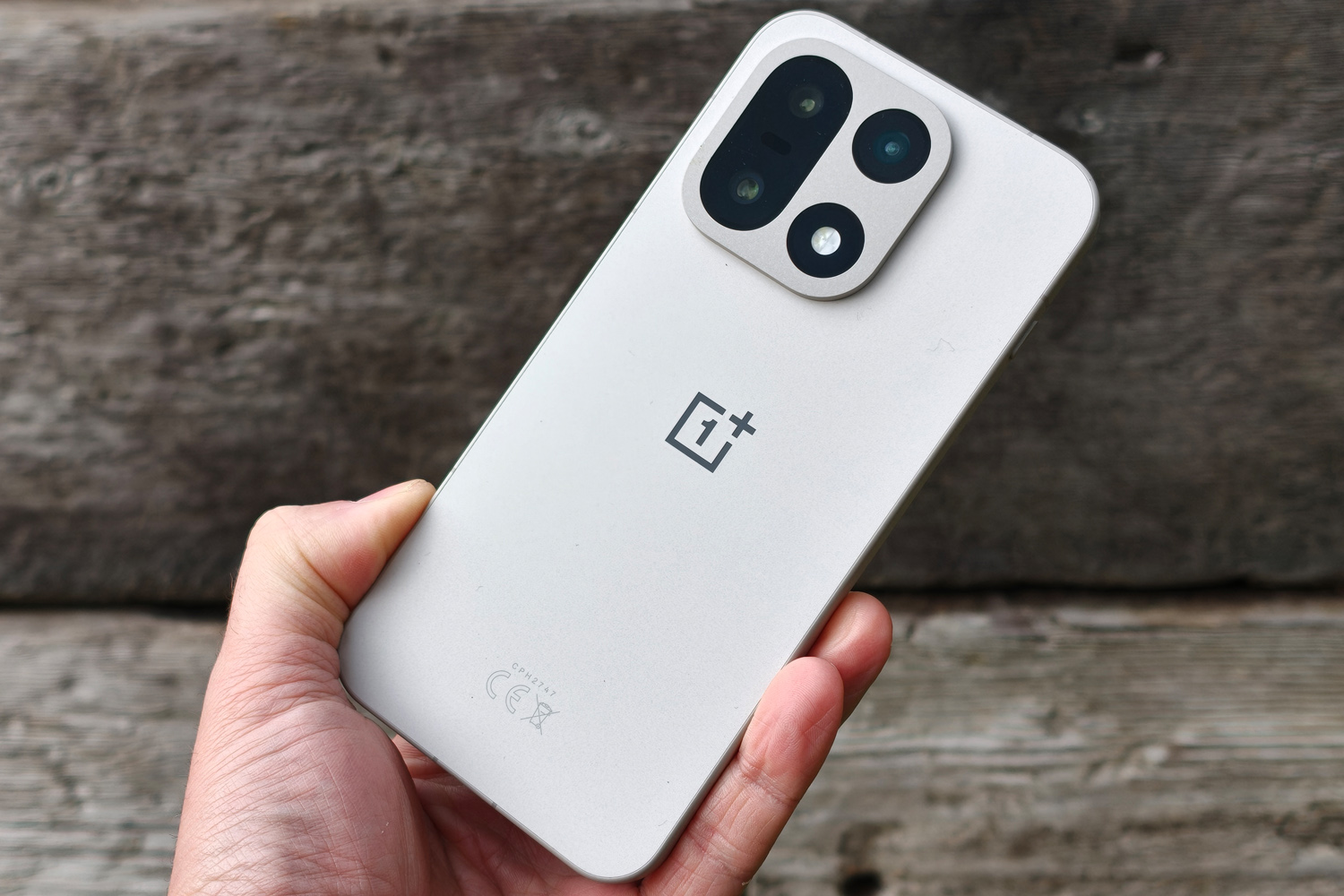
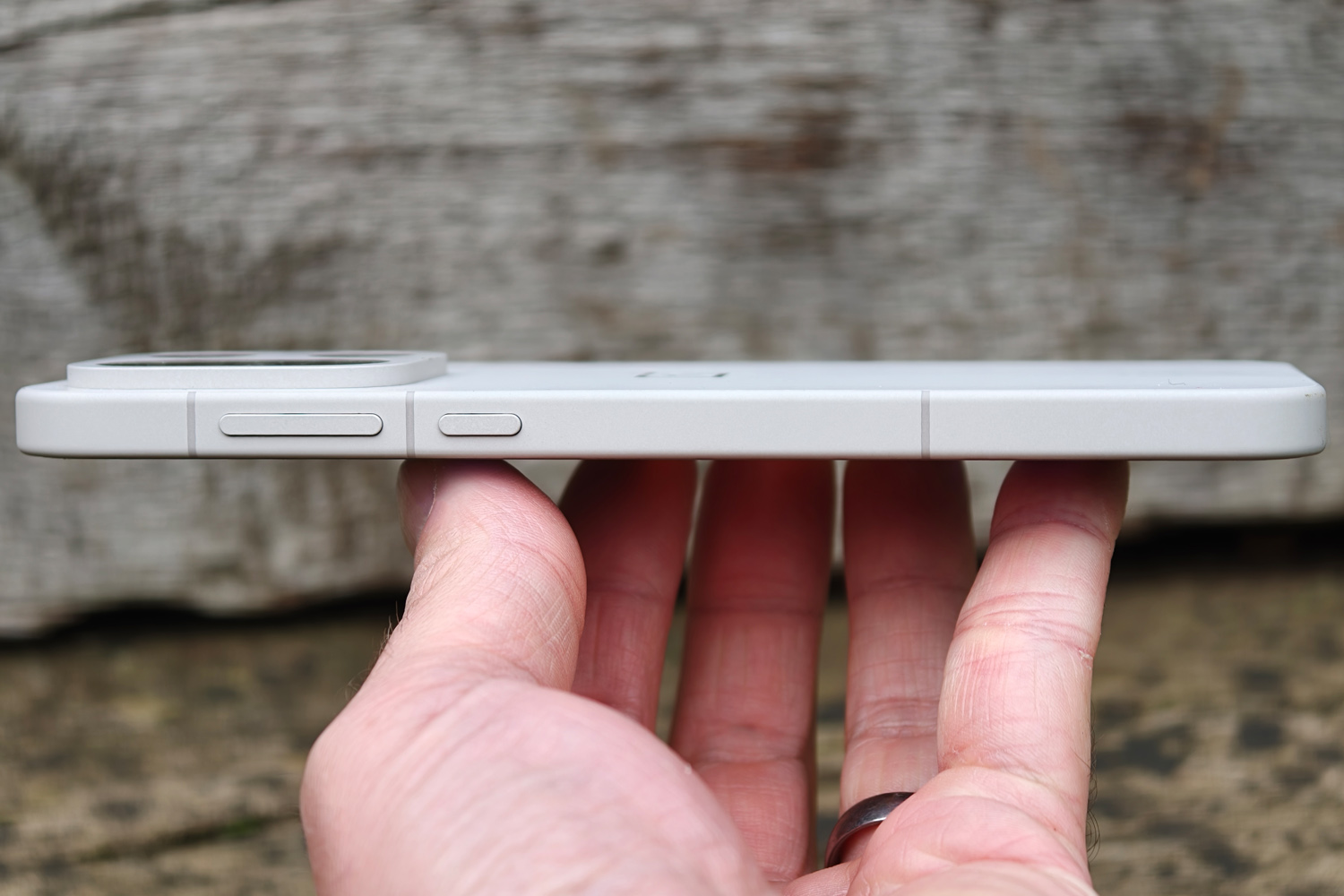
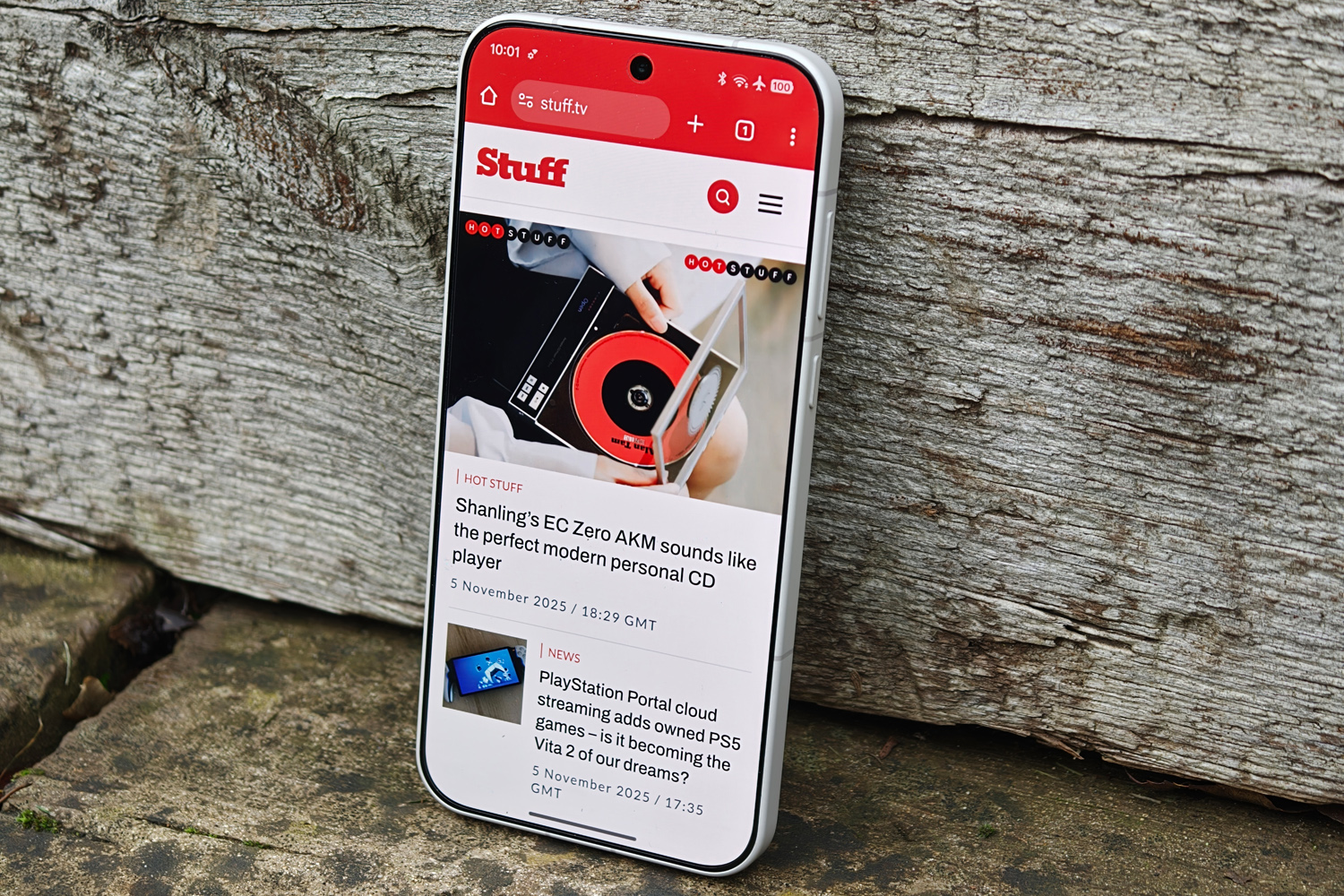
The styling will feel like a huge shake-up for Western phone fans, but the OnePlus 15’s fully flat frame and offset square camera bump are actually an evolution of the China-only OnePlus 13T and Indian market OnePlus 13S. It feels distinctive now that Apple’s Pro iPhones have swapped to full-width cameras, though not unique: it’s the spitting image of the Oppo Find X9 Pro revealed just a few weeks back.
My Sand Storm review unit’s unique finish, though? That’s a OnePlus exclusive. A process called Micro Arc Oxidation makes the frame three times tougher than aluminium and feels pebble-like to hold. A fibreglass back panel then drops weight by a few grams and is essentially impervious to fingerprints. It’s almost a crime to put one in a case – though you’ll have to for Qi2 wireless charging, as there are no magnets built into the phone itself. The Infinite Black and Ultra Violet models get more mainstream aluminium frames and glass blacks, but with no difference in price, Sand Storm gets my vote every time.
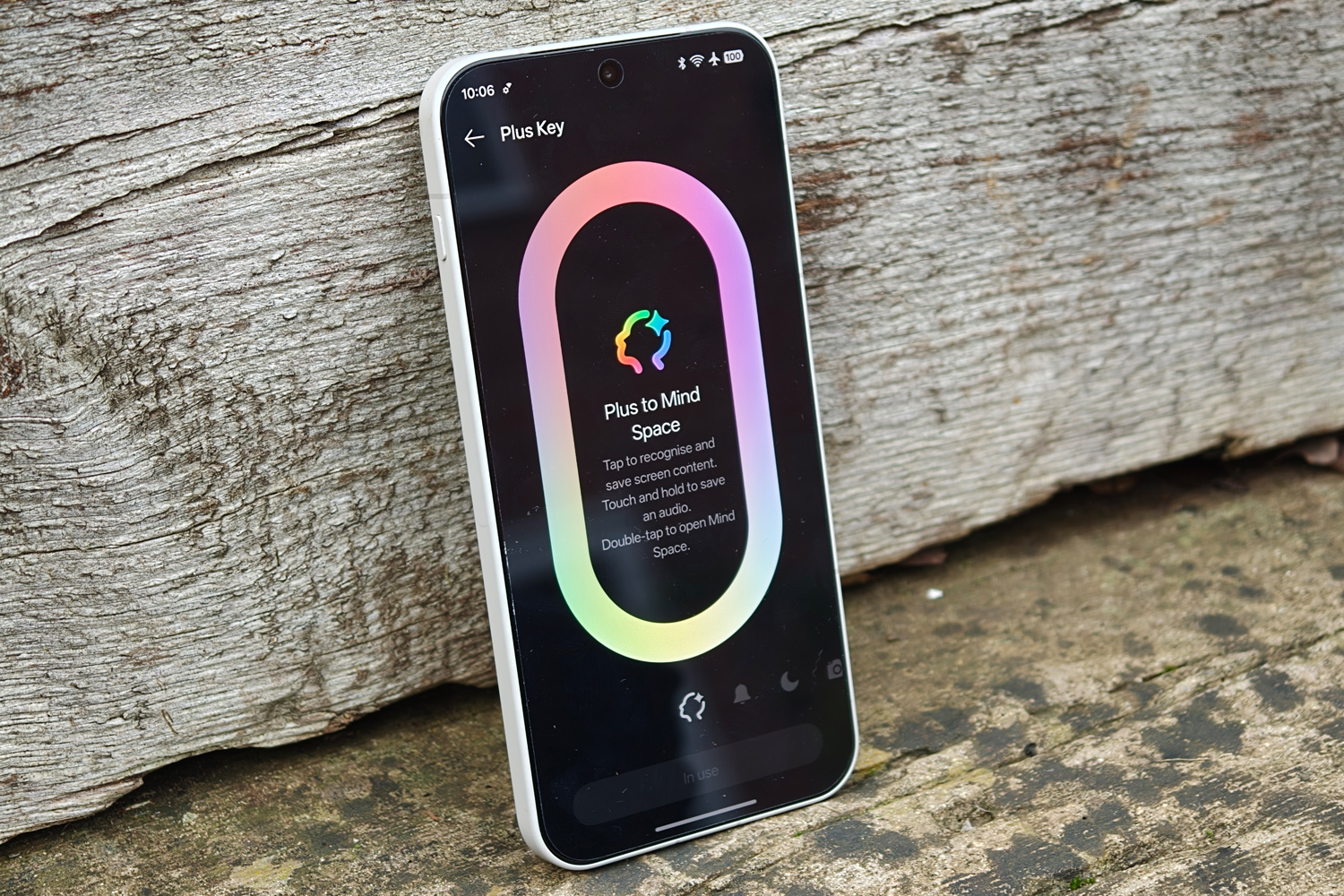
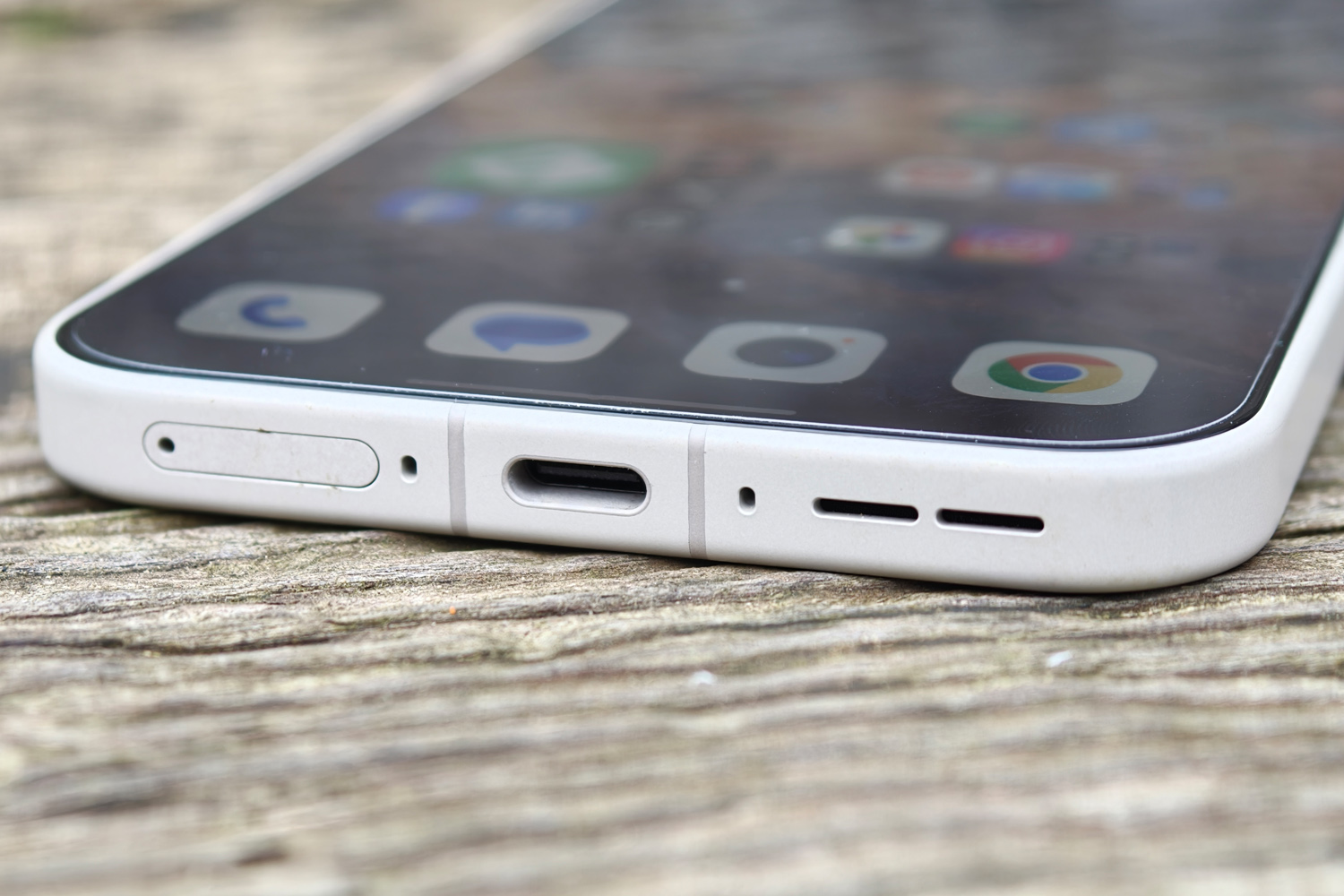
I’ve seen the customisable Plus Key before on the value-minded OnePlus Nord 5, but this is the first time it’s appeared on a OnePlus flagship bound for Western audiences. It replaces the signature alert slider, and can be customised to trigger Do Not Disturb, open the camera, activate the torch, take a screenshot or open the translate tool. Out of the box it defaults to Mind Space, which is the most visible part of the firm’s AI assault. More on that in the software section further down the page.
OnePlus has gone all out on the resistance ratings, promising IP66, IP68, IP69, and IP69K protection. The latter is usually found on industrial-grade kitchen equipment that needs high-pressure, high-heat steam cleaning. I’ve never got a phone mucky enough to warrant breaking out the jet washer, but appreciate that the OnePlus 15 can also survive complete submersion down to 2m for up to 30 minutes. That’s half a metre more than most rivals.
A soggy screen or wet hands won’t slow down the under-display ultrasonic fingerprint sensor, which is brilliantly quick at recognising my digits. Even the initial setup is a breeze, letting you just roll your finger or thumb over the screen rather than the usual lift-press-lift-press faff you get with optical sensors. Facial recognition isn’t secure enough for banking apps, but authenticates quickly enough on the Android lock screen.
Screen & sound: that hertz

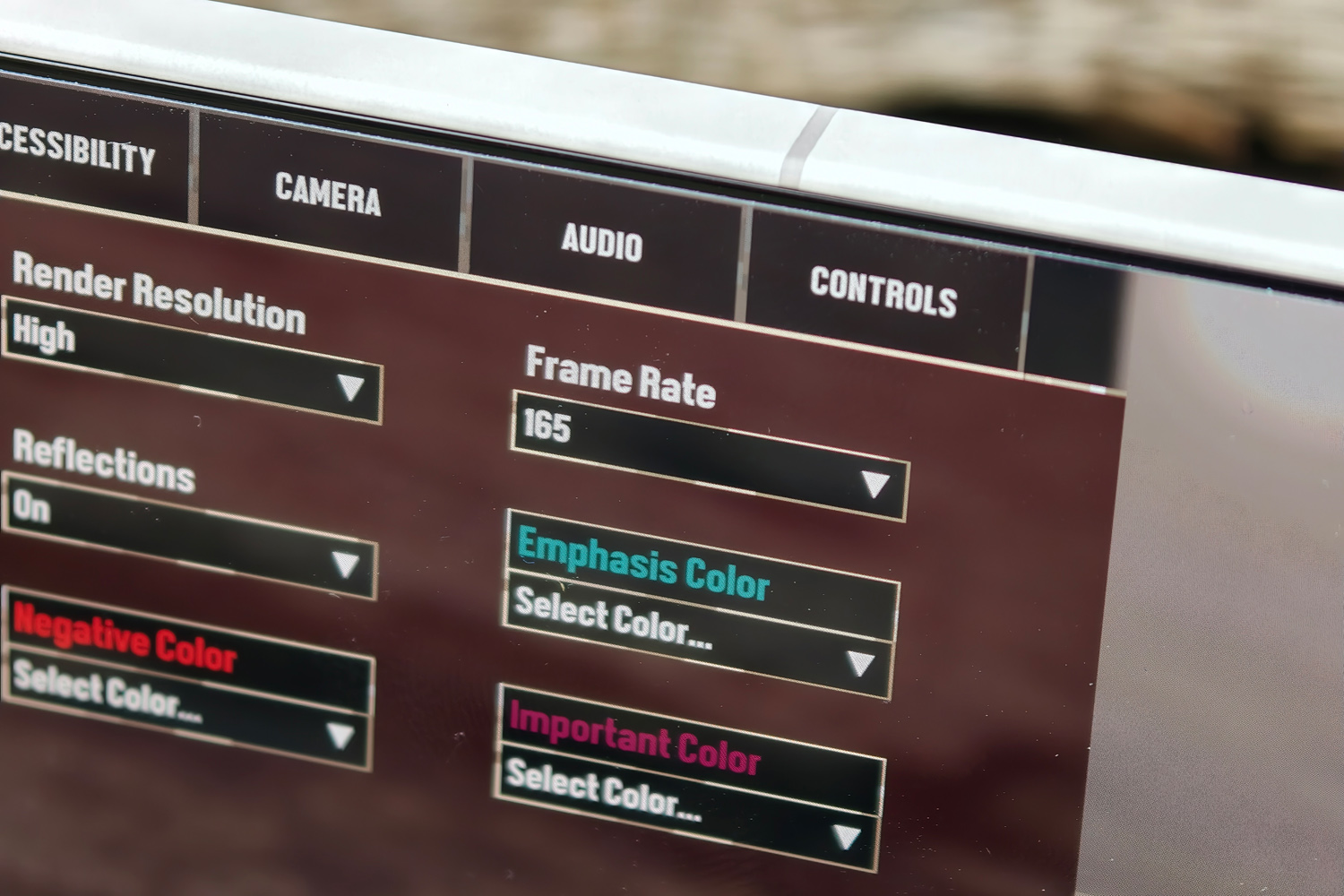

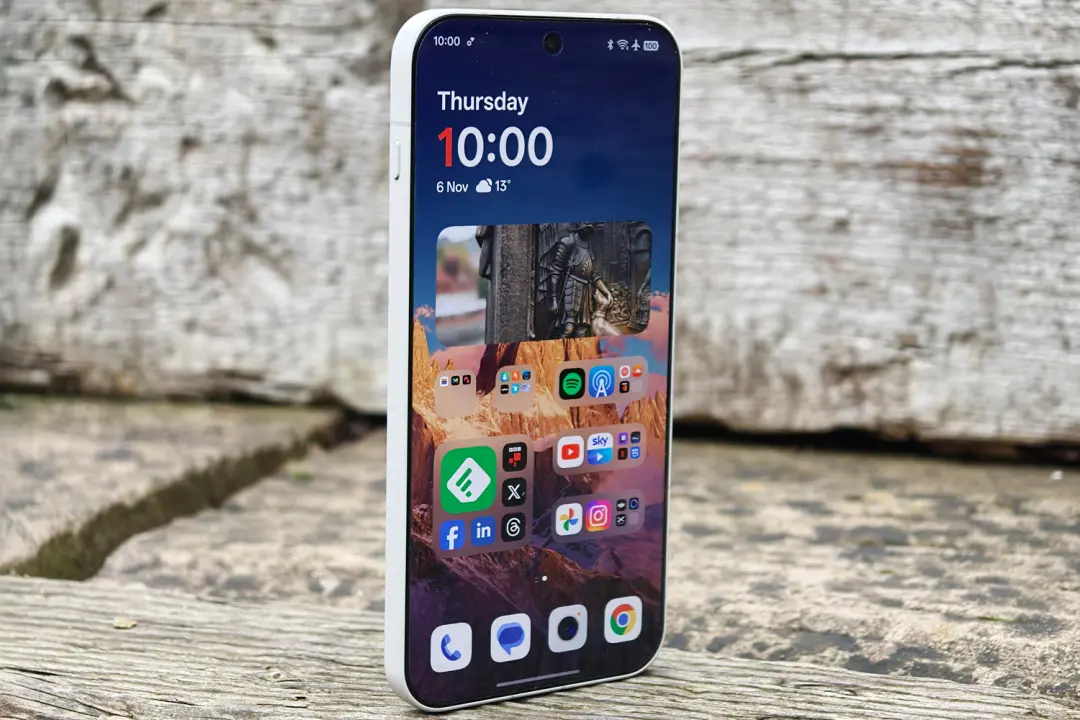
Don’t be too might be miffed that OnePlus has lowered the display resolution from last year. The AMOLED panel is still plenty sharp at 2772×1272, and it upscales by default anyway to preserve battery life. I never felt the need to push it higher, as images and videos were perfectly clear from a typical viewing distance. I also can’t fault the colours, contrast or black levels, which all combine to give photos and videos the appearance you’d expect from a flagship phone.
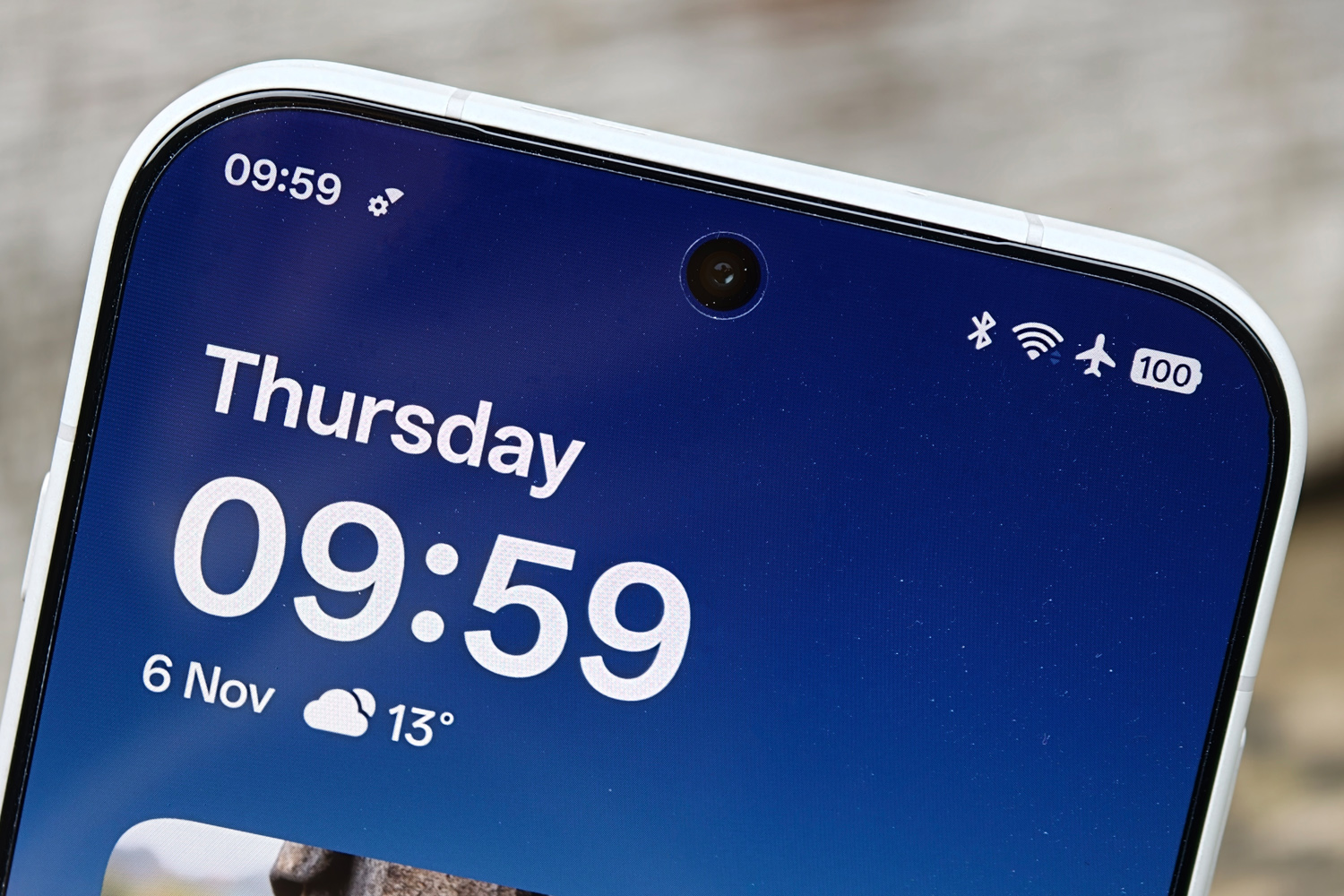
At 6.78in it’s a little smaller than the outgoing OnePlus 13, but that just meant this minimalist beauty sat that bit more comfortably in my hand. The ultra-slim screen bezels mean the entire front face of the phone is almost entirely display, not counting the punch-hole selfie camera.
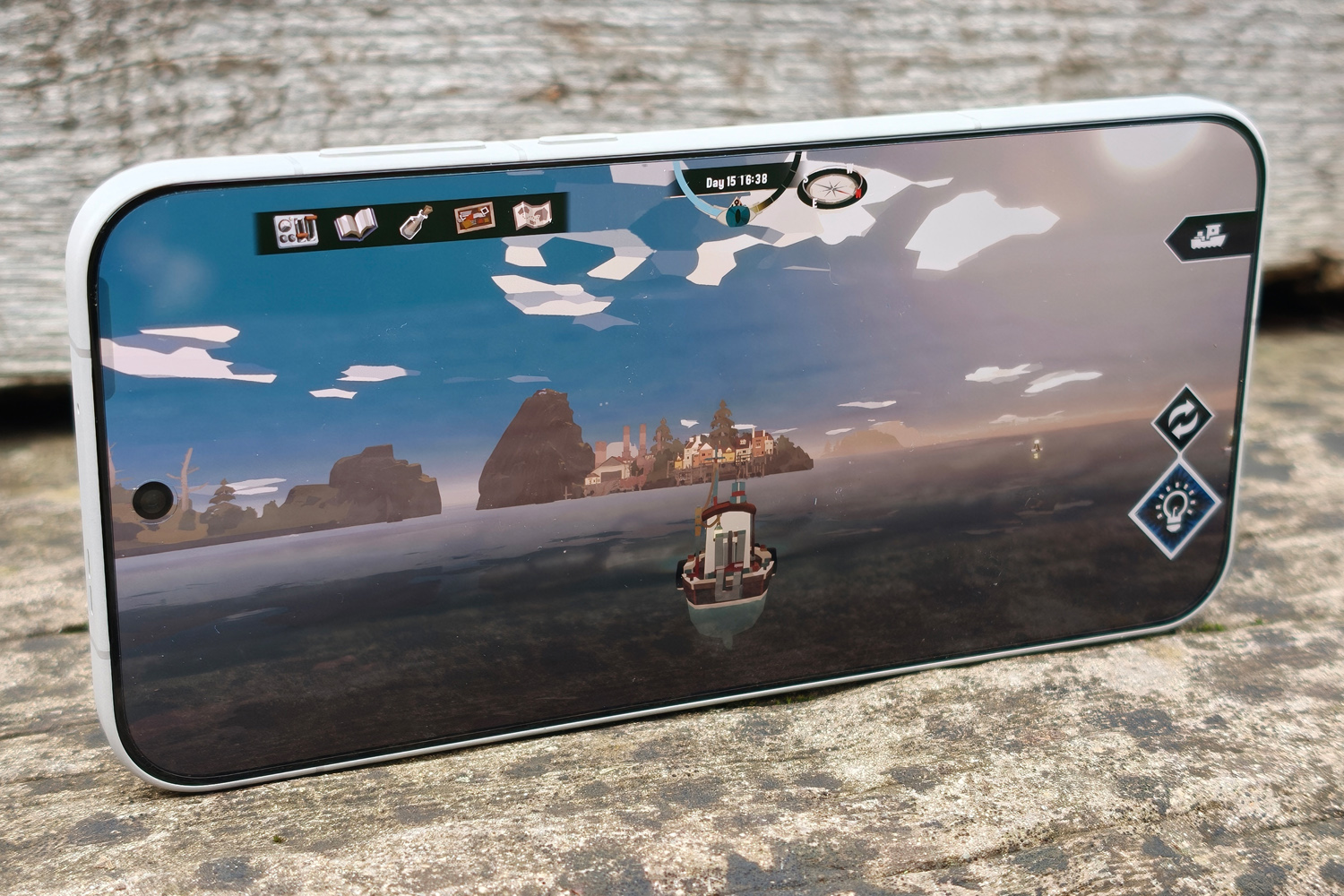
The biggest upgrade is to refresh rate, which now caps out at a rapid 165Hz – though unless you’re playing supported games, of which there aren’t a huge selection at launch, you’ll rarely see the OnePlus 15 climb that high. It’s fantastically smooth in the few compatible titles I tried, though. LTPO adaptive refresh tech means you’re getting 1-120Hz everywhere else, for a fantastic balance of slick scrolling and power saving when showing static content.
Brightness has also been bumped from the previous generation. It can now hit 1800 nits outdoors, up from 1600 on the OnePlus 13. It made all the difference on a trip to sunny Spain, where I never had to worry about not being able to read incoming messages due to glare.
There’s nothing groundbreaking going on with the down-firing main speaker and earpiece tweeter, but there’s a decent amount of volume on tap and a clear mid-range. Bass is about what you’d expect from a high-end phone – enough that music doesn’t sound completely tinny, but not so much you won’t also keep your headphones close for anything other than YouTube clips.
Cameras: say it as you see it
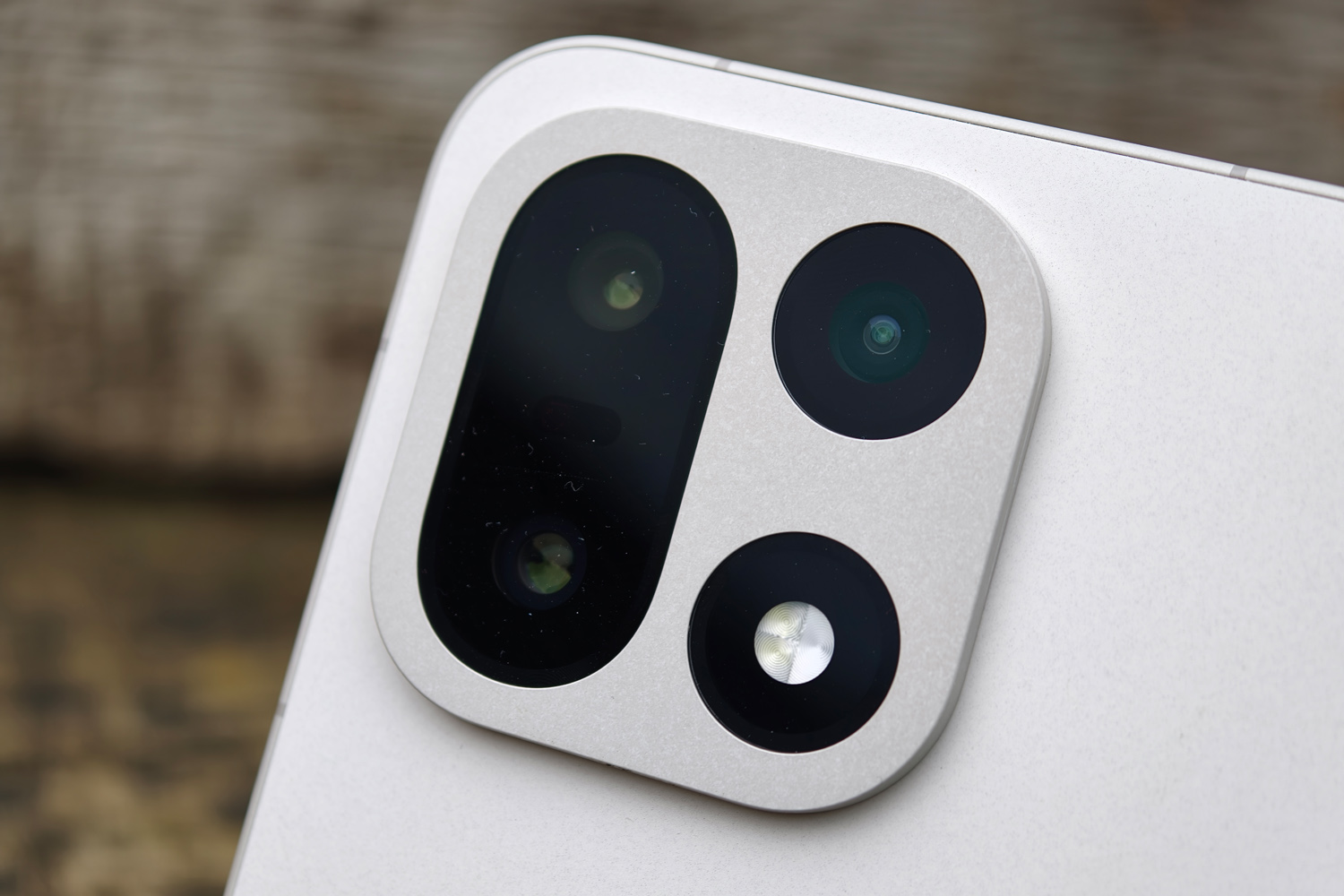
The divorce from imaging expert Hasselblad was an amicable one, so OnePlus has retained most of the shooting modes fans will be familiar with. Only now the colour science that feeds the three 50MP rear snappers is being handled in-house. The lead lens and 3.5x periscope zoom both have optical image stabilisation and the ultrawide has autofocus to double as a macro shooter, but all three have sensors that are physically smaller than the OnePlus 13’s equivalents.
That means the image processor is having to do a bit more heavy lifting than last year, but this phone can absolutely take some beautiful looking images. All three lenses capture engaging, detailed photos in most lighting conditions, with well-judged exposure and convincing colours. There’s a good consistency between the three, with only zoom snaps showing the smallest change in highlight control.



















I largely reached for the 3.5x zoom camera for close-ups, as it does an excellent job creating lots of natural bokeh blur while maintaining plenty of finer texture detail. Shots really hold up under scrutiny, though 6x zoom using sensor cropping begins to show its limits; digital zoom is on hand for anything stronger, but the processing kicks into a higher gear.
Clarity and colour are right up there during the day. It’s only at night where things take a back seat to the very best phone cameras.





I’m a big fan of the analogue film look, and OnePlus has a bunch of photo filters that instantly give your snaps a more retro vibe. They’re easily accessed through the camera app, and aren’t as overdone as some Instagram-style filters can be.

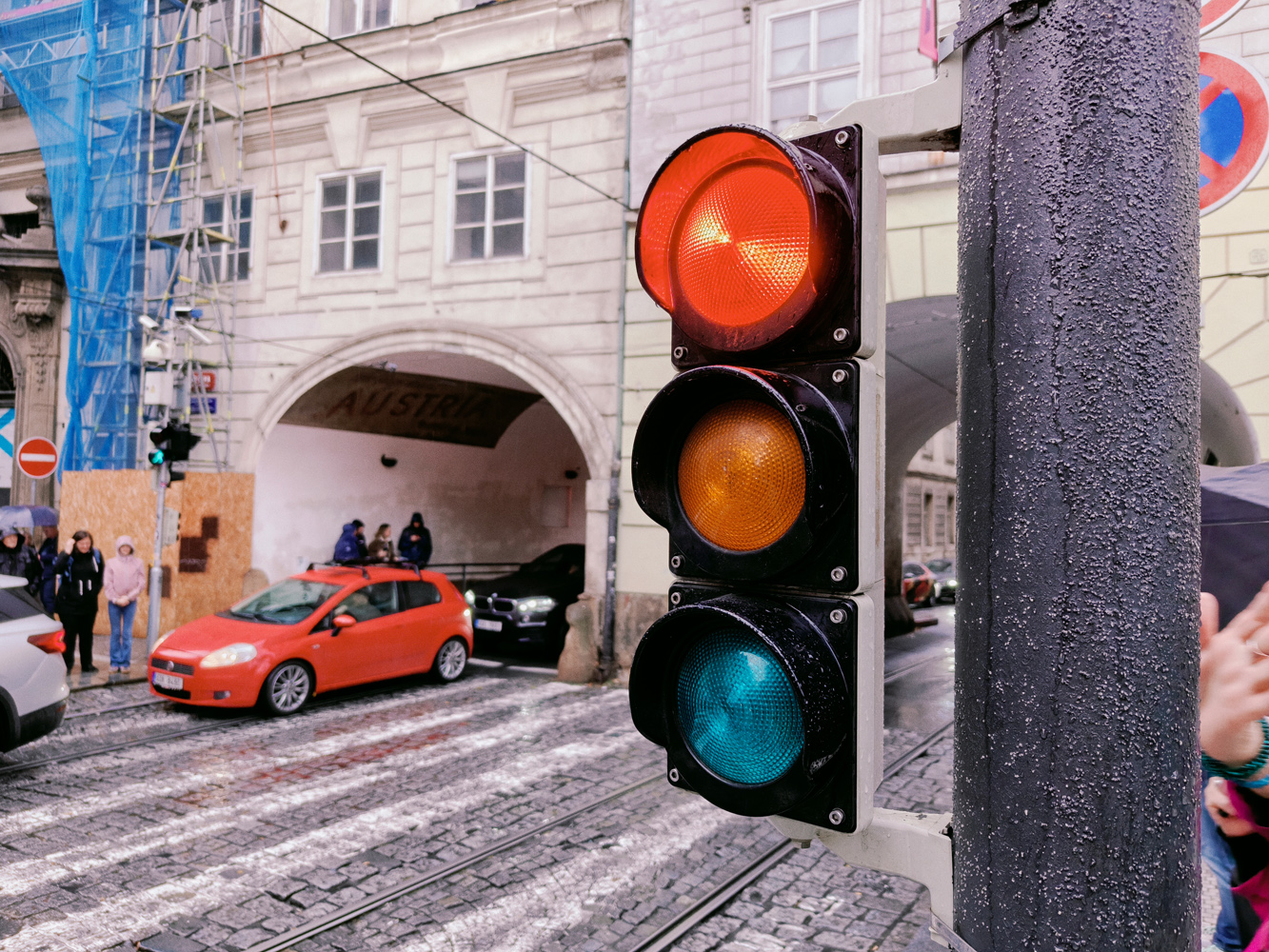

The OnePlus 15 does reach its limits in proper darkness, needing more artificial smoothing and noise reduction than rivals with larger sensors. Still, it puts in a competitive performance with similarly-priced alternatives, with colours that stay true-to-life and a good amount of dynamic range.
The lead lens does the best job of keeping grain and noise in check, and preserves a good amount of texture.








Selfies have taken a step up from last year thanks to a new 32MP sensor that uses RGBW pixels to capture more than twice as much light. There’s plenty of detail on display, even in dimly lit areas, making it a great choice for documenting your nights out.

OnePlus isn’t trying to compete with the wallet-busting photography flagships with 1in sensors and multiple zoom lenses – if you want one of those, stablemate Oppo does a better job with its 200MP telephoto and optional Hasselblad lens extender kit. But results give Samsung and Google a run for their money, which is basically a job well done.
Software experience: keep it in the family
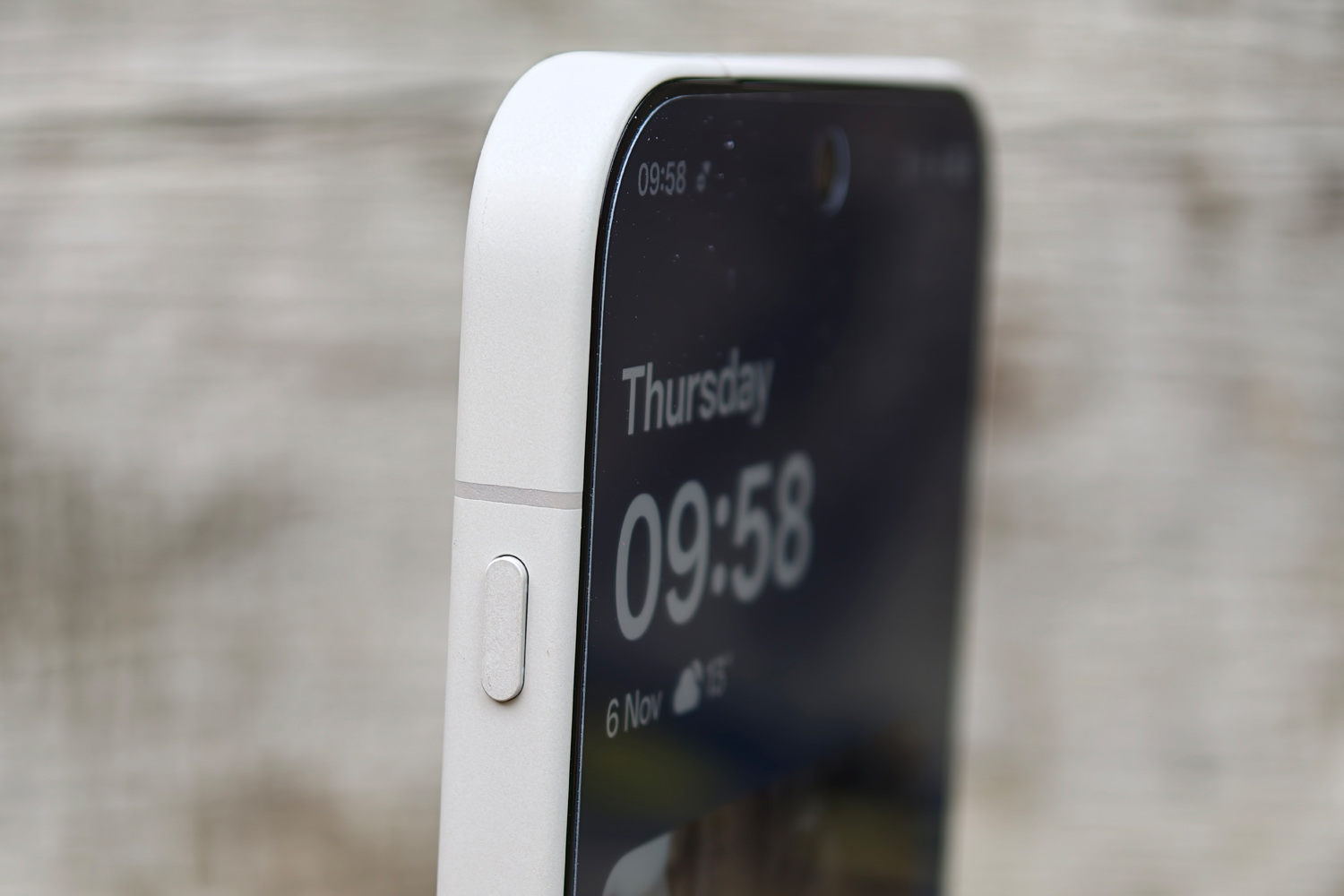
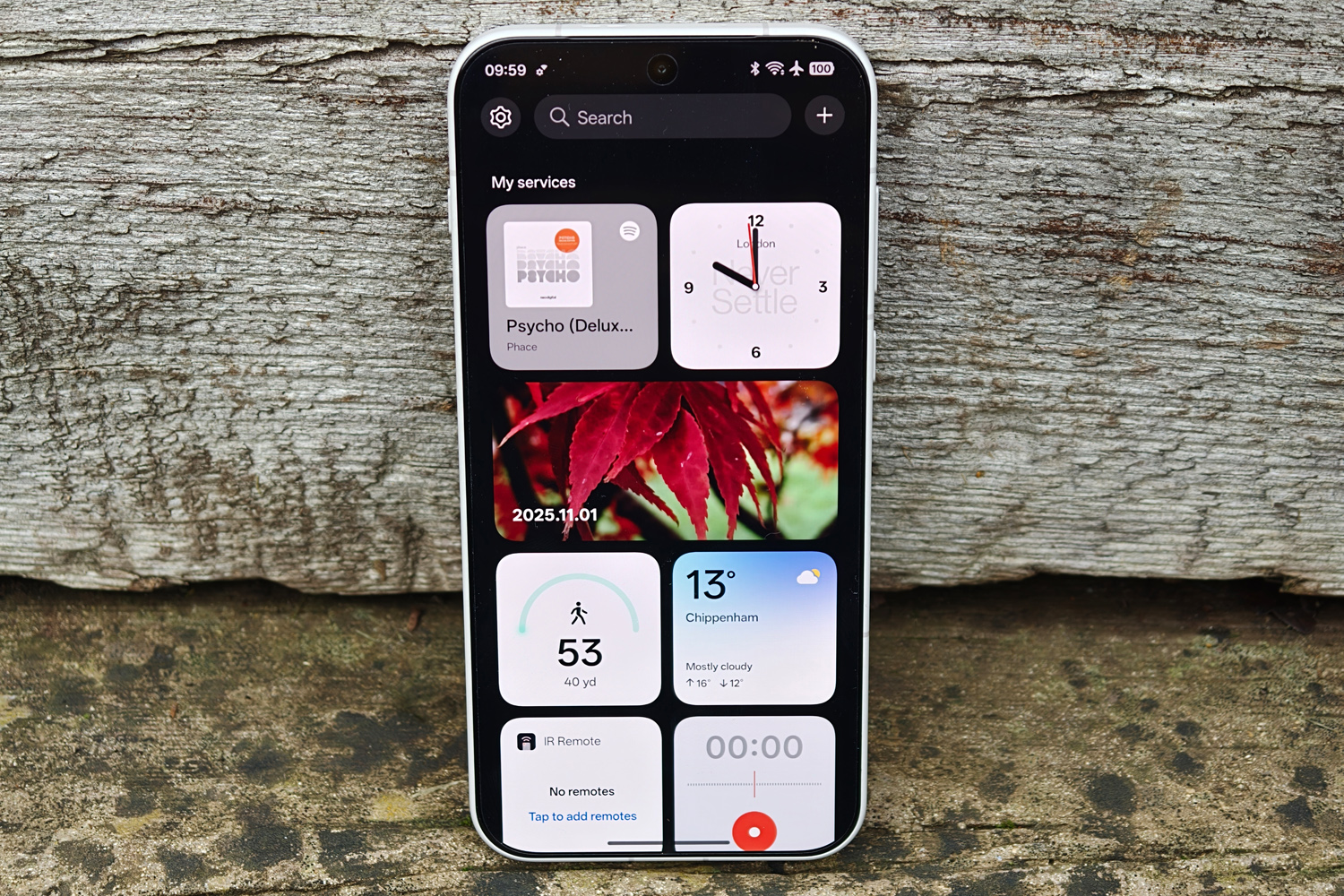
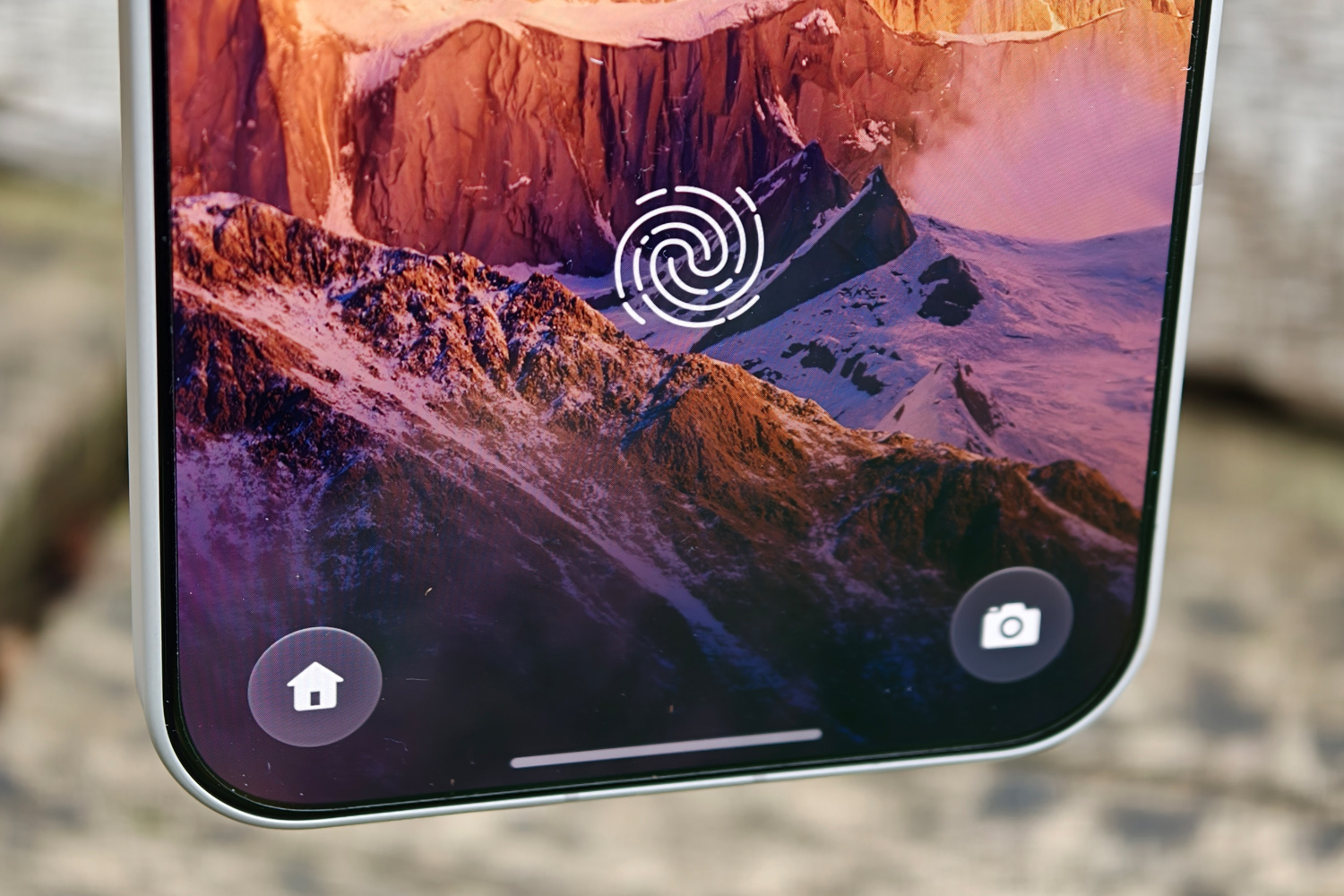
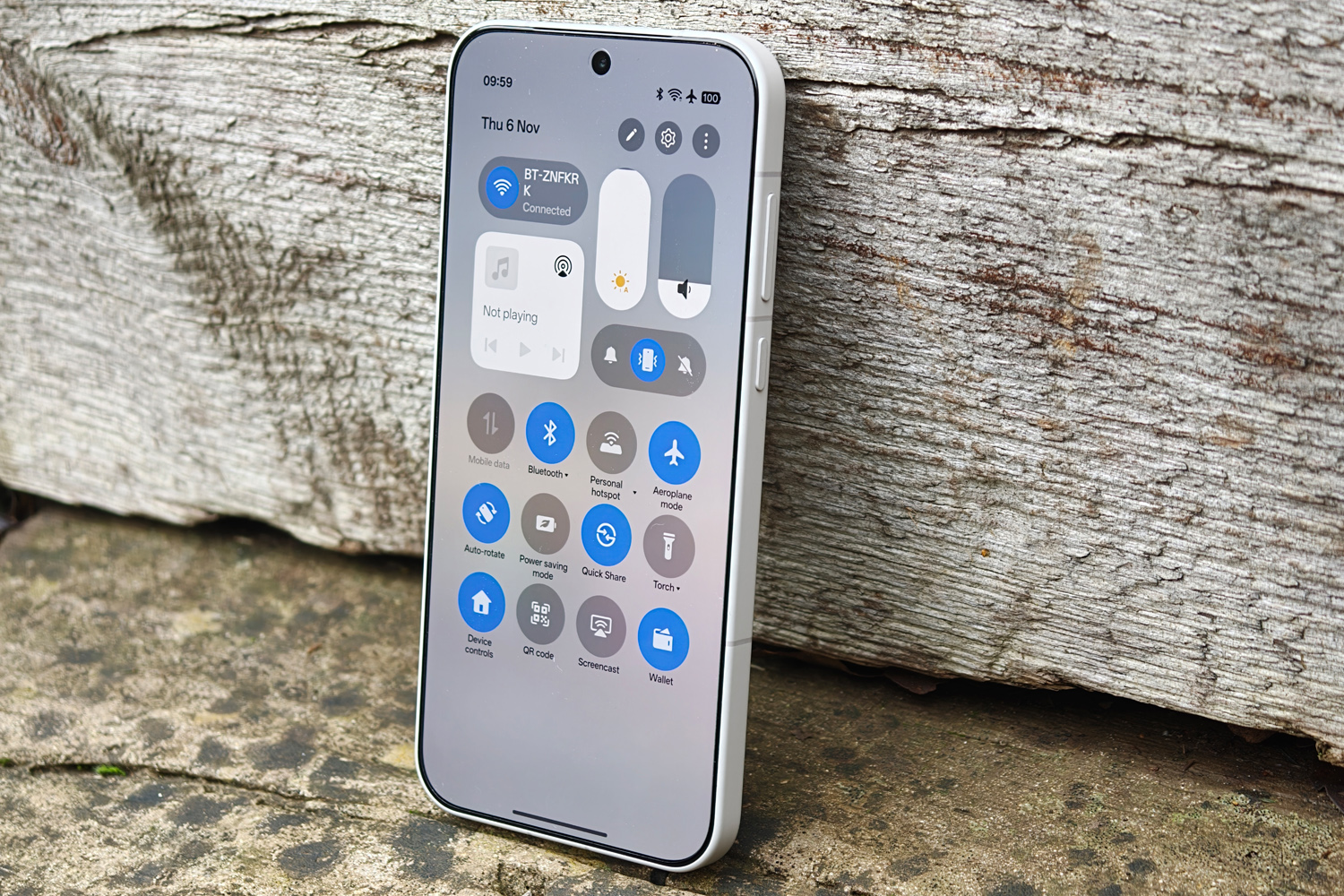
They might go by different names, but OnePlus’ OxygenOS and Oppo’s ColorOS Android skins are basically interchangeable at this point. You get a near-identical set of home and lock screen customisation options, a Shelf with its own bespoke set of widgets, and the same Live Alert pop-ups around the selfie camera. These are basic compared to Apple’s Dynamic Island, but still nice to have.
There’s definitely been an attempt to emulate Apple’s new liquid glass styling here and there, but I’m glad the two firms haven’t tried to mimic it completely. I’m a big fan of the otherwise clean appearance, and put it up there with modern Pixels for how it doesn’t overwhelm you with apps or features right out of the box. It also does a great job at avoiding pre-installed bloat, with few own-brand apps competing with Google’s defaults.
AI enhancements are headlined by Mind Space, a separate hub for your screenshots and voice recordings that’s woken with a long-press of the dedicated button. This isn’t the first of its kind I’ve seen, with Nothing and Motorola each having their own spin on the formula, but this one integrates with Google Gemini. It works well if you’re a regular screenshotter or voice noter. There’s also live translation, voice transcription and writing assistance if you dig further into the Settings menus, plus an AI-powered image editor. Google and Samsung have a more complete offering, but OnePlus has hit all the major bases here.
The OnePlus 15 is also in line for a very respectable six years of new Android generations and security updates. Buying a Pixel or Galaxy will earn you another year, if you’re wanting a phone to last as long as possible, but that should be an ideal commitment for the majority of buyers.
Performance & battery life: can’t stop me now
A few lesser-known brands might’ve got there first, but the OnePlus 15 is basically the first major name phone to bring Qualcomm’s new Snapdragon 8 Elite Gen 5 chipset to the USA, Europe and the UK. It’s paired with 12GB of RAM and 256GB of storage on entry-grade handsets, while the step-up versions have 16GB and 512GB respectively. I had the latter for testing.
It sets an absolutely wicked performance pace, outscoring every Android rival I’ve tried to date in almost all my usual synthetic benchmarks. That includes the Oppo Find X9 Pro, which uses MediaTek’s new top-end Dimensity 9500 silicon. Only one test saw the Oppo come out on top, with the OnePlus taking a comfortable lead everywhere else. It’s also ahead of Samsung’s previous-gen “for Galaxy” Snapdragon 8 Elite, making it the de facto fastest phone around right now.
Running its RAM at previously unheard of speeds for a phone certainly helps, as does the over-engineered vapour chamber cooling system. It does a great job of keeping heat under control, with a novel aerogel material stopping it from transferring to the screen, even while gaming. PUBG Mobile can sustain 120fps for an hour of play. Other titles feel gloriously smooth at 165Hz, with all the graphics turned up.
Of course that then translates to flawless day-to-day performance, with split-second app opening times, fantastic multitasking and the smoothest of animations. Nothing from the Play Store could slow it down, however demanding.
| OnePlus 15 benchmark scores | |
|---|---|
| Geekbench 6 single-core | 3562 |
| Geekbench 6 multi-core | 10504 |
| Speedometer 3.1 | 19.1 |
| PCmark Work 3.0 | 16,092 |
| 3Dmark Solar Bay | 13,643 |
| 3Dmark Wildlife Extreme | 6914 |
All that power hasn’t come at the expense of battery life – though OnePlus has helped on that front by fitting a simply huge battery. Last year’s OnePlus 13 topped out an already impressive 6000mAh, but silicon-carbon chemistry continues to set new capacity standards: here you’re getting a mammoth 7300mAh cell. That’s almost 50% more than Samsung or Google’s latest and greatest.
While it doesn’t directly translate to 50% more time between charges, this will comfortably be a two-day phone for most users. Even on the heaviest days, spent gaming, recording 4K videos and streaming HDR videos, I could make it from breakfast to bedtime and be nowhere near the red. The Find X9 Pro lasts even longer, on account of its 7500mAh battery and MediaTek internals, but OnePlus is still up there with the best. I hope this quickly becomes the norm for all phones – Google and Samsung in particular have a long way to catch up.
Silicon-carbon hasn’t been around all that long in consumer products so I get that there’s some concern about lifespan, but OnePlus promises the 15’s battery will retain 80% charge health after four years of use.
That’s despite having absolutely breakneck 120W wired and 50W wireless charging speeds, the former being able to fully refuel the phone in under 40 minutes. Just make sure you’ve got a compatible adapter for the fastest charging: generic USB-PD chargers max out at 36W. Bypass charging is handy while gaming, though, keeping heat in check and maintaining battery health.
OnePlus 15 verdict
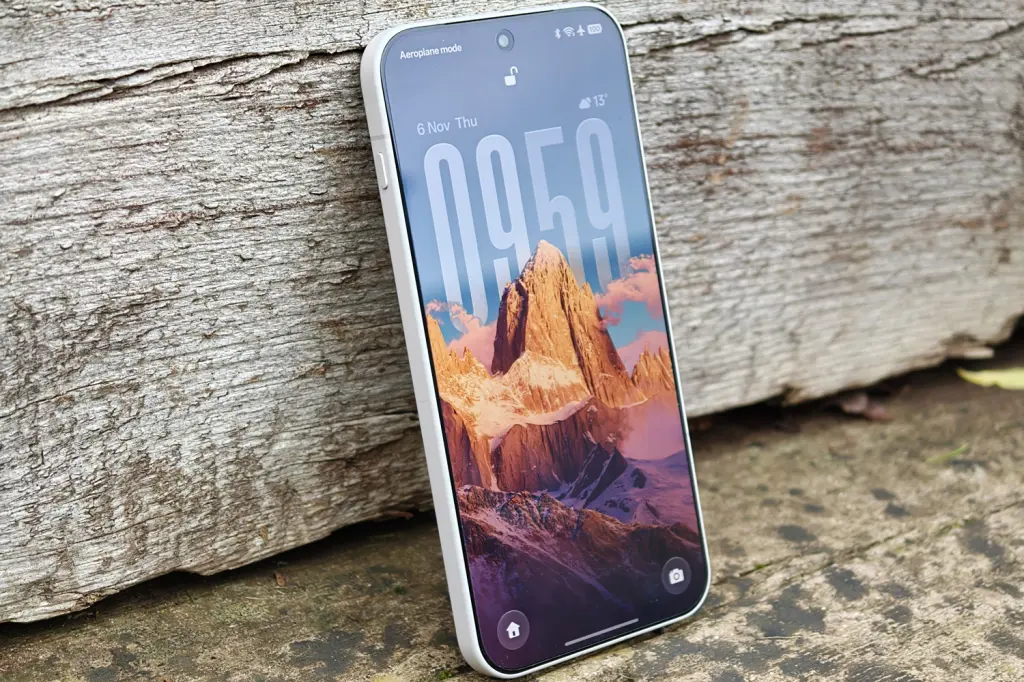
There’s not really a box the OnePlus 15 doesn’t tick. It’s a top performer, lasts absolutely ages, has competitive cameras, and looks every bit the flagship device. Unless you’re heavily invested in either Samsung or Google’s ecosystems, I think you’ll struggle to find anything to really grumble about here.
OK, it’s not the last word in photography – stablemate Oppo has it beat for a bit more cash, and it can’t rival the camera-focused flagships that are pricier still. If you’re not gaming, the higher refresh rate also won’t feel like it was worth the hit to display resolution. But in all other respects the OnePlus 15 is a fantastic all-rounder.
If the competition wasn’t on notice before, it absolutely should be now.
Stuff Says…
Exceptional performance and battery life, great cameras and slick software; this is the all-rounder Android phone for most people.
Pros
Top-tier power and impressive endurance
Unique finish only adds to the flagship-grade looks
Still manages to undercut big-name rivals
Cons
Closely related Oppo Find X9 Pro has the edge on photography
Resolution trade-off for refresh rate will be lost on non-gamers
OnePlus 15 technical specifications
| Screen | 6.78in, 2772×1272 AMOLED w/ 165Hz |
| CPU | Qualcomm Snapdragon 8 Elite Gen 5 |
| Memory | 12/16GB RAM |
| Cameras | 50MP, f/1.8 w/ PDAF, OIS + 50MP, f/2.8 telephoto w/ PDAF, OIS, 3.5x optical zoom + 50MP, f/2.0 ultrawide w/ PDAF rear 32MP, f/2.4 front w/ autofocus |
| Storage | 256/512GB on-board |
| Operating system | Android 16 w/ OxygenOS 16 |
| Battery | 7300mAh w/ 120W wired, 50W wireless |
| Dimensions | 161x77x8.1mm, 211/215g |


 Tom Morgan-Freelander
Deputy Editor
Tom Morgan-Freelander
Deputy Editor