Tesla Model Y vs Volvo EX60 vs BMW iX3: which electric SUV is best for you?
Shopping for an electric SUV? The Tesla Model Y, Volvo EX60 and BMW iX3 all promise strong range, smart tech and family-friendly practicality…

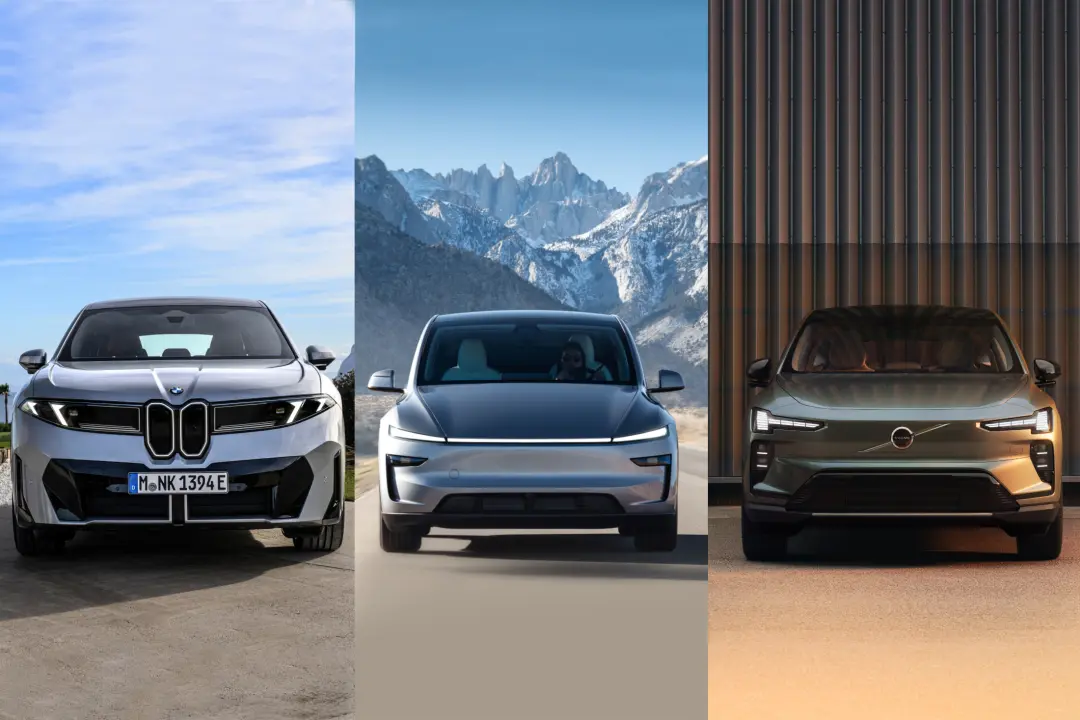
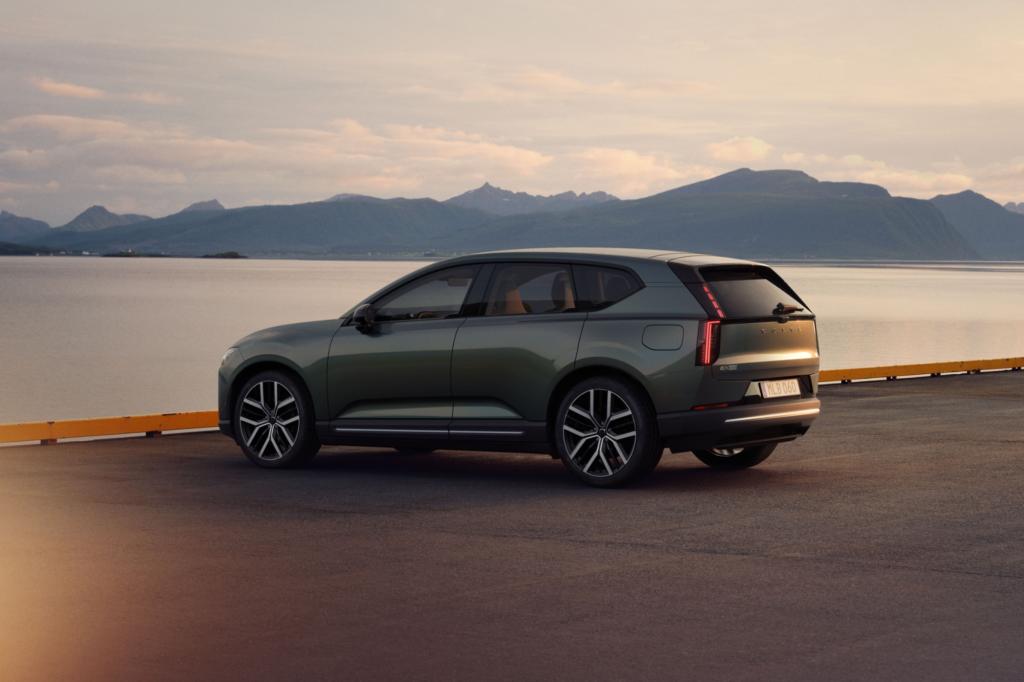
BMW and Volvo are taking the EV fight to Tesla in spectacular fashion. And, just as Elon Musk’s car company loses its lustre, the Europeans have landed a one-two blow with the new BMW iX3 and Volvo EX60.
Both are electric, Model Y-rivalling, up-market family SUVs. Both are, granted, more expensive than the entry-level Model Y. But both have an ace up their sleeve: 500 miles of range.
Just as we were all adjusting to EVs travelling 300 to 400 miles between charges – and when the disappointment of hunting for a charge station after less than 200 miles feels like a recent memory – the 500-mile bullseye has been hit.
The new Volvo and BMW also charge more quickly than ever, and are packed full of the latest tech. Is this the moment that legacy carmakers finally overcome the Tesla onslaught, or is the Model Y – itself recently updated – still the best of the bunch?
Here’s everything you need to know.
Range and charging
- BMW iX3: 500 miles WLTP, 400 kW charging
- Volvo EX60: 503 miles (not tested), 400 kW charging
- Tesla Model Y: 391 miles WLTP, 250 kW charging
We’ve already covered this, but it’s worth repeating. The BMW iX3 has a maximum WLTP range of 500 miles. That’s for the iX3 50 xDrive, which is the only variant available for now, but more will be along later. More specifically, BMW says the range varies from 421 to 500 miles, but even the former is still mightily impressive.
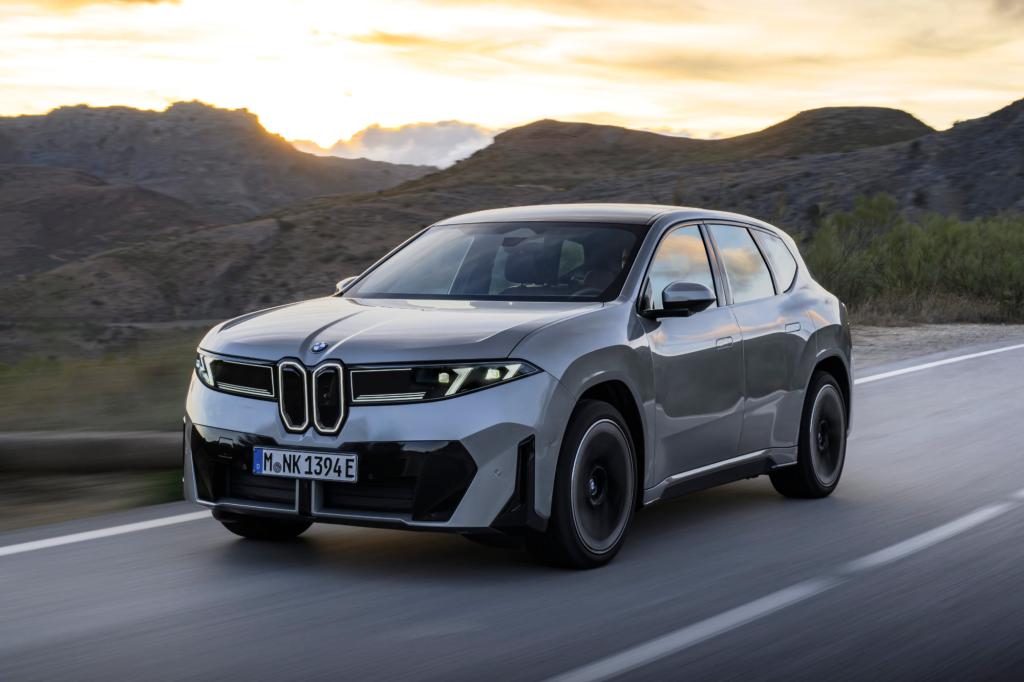
Efficiency is claimed to be between 3.7 to 4.1 miles per kWh when using the industry-standard WLTP test cycle, and BMW says the range can be boosted by up to 231 miles after just 10 minutes of charging. That’s assuming you’ve plugged into an ultra-rapid 800-volt charger and your iX3 drinks in electrons at its maximum rate of 400 kW. Filling the 108.7 kWh battery from 10 to 80-percent under those same conditions takes a claimed 21 minutes.
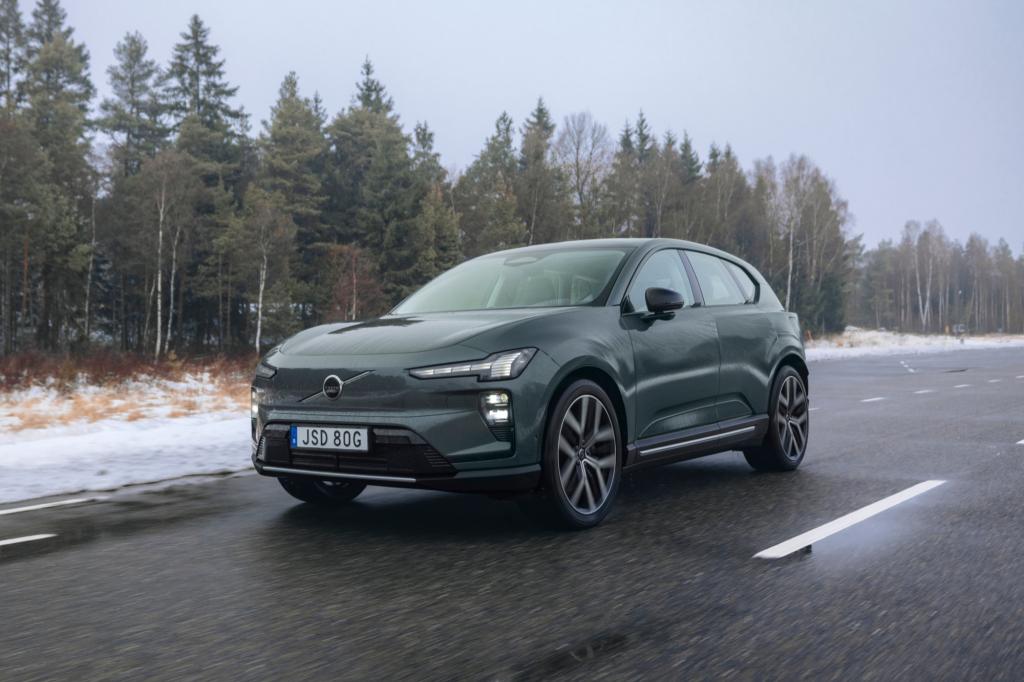
The new Volvo EX60 (and its EX60 Cross Country outdoorsy cousin) goes even further, with a range of 503 miles for the P12 AWD model. That’s a preliminary figure for now, based on WLTP testing standards, but if it becomes official, it’ll steal the iX3’s crown for the longest-range EV on sale.
Equally impressive is the maximum claimed efficiency of 4.2 miles per kWh, and the 400 kW charge rate that’s claimed to fill the battery from 10 to 80-percent in just 18 minutes.
Unlike the BMW, there are three models of EX60 available from launch. Battery sizes are 83, 95 and 117 kWh, with the former charging at up to 350 kW and the other two managing the full 400 kW. Maximum range is 385 miles for the smaller battery, 410 miles for the mid-range model, and 503 miles for the flagship. Those figures are for a combined driving cycle, and rise to 460, 491 and 609 miles respectively for slower city driving.
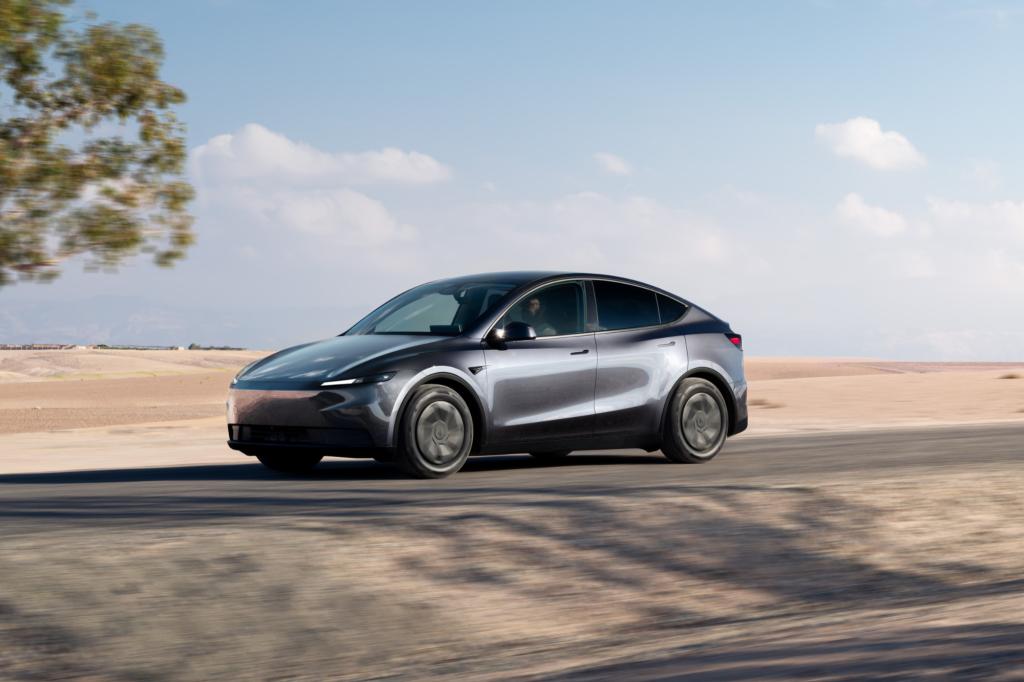
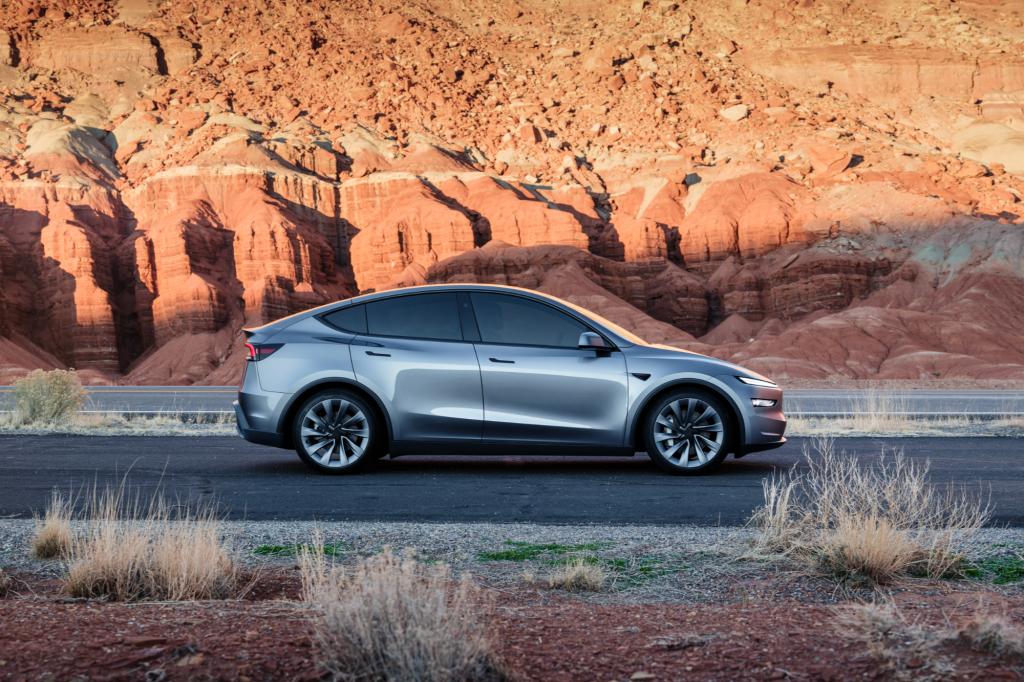
Finally, the Tesla Model Y. The best-selling EV was facelifted in late 2025 and is now available in four variants. The entry-level Model Y Rear-Wheel Drive has a WLTP range of 314 miles. This rises to 387 miles for the Premium version, then hits 391 miles for the all-wheel-drive Model Y. The more powerful Performance variant manages 360 miles.
Tesla doesn’t speak about battery capacities and generally doesn’t boast about maximum charge rate, but instead says the Model Y can gain 162 miles of range in 15 minutes when using the company’s own Supercharger EV charging network. The latest Model Y uses a 400-volt system architecture (half that of the BMW and Volvo), and charges at up to 250 kW.
On paper, the Europeans win this one. But there’s no denying that Tesla has nailed charging with its Supercharger network, which is often easier to use, cheaper and more conveniently located than other networks. It has recently become available to drivers of other EVs, but using a Tesla with a Supercharger remains the slickest way to top up an EV.
Performance
- BMW iX3: 469 hp, 0-62 mph in 4.9 s
- Volvo EX60: 680 hp, 0-62 mph in 3.9 s
- Tesla Model Y: 447 hp, 0-62 mph in 3.3 s
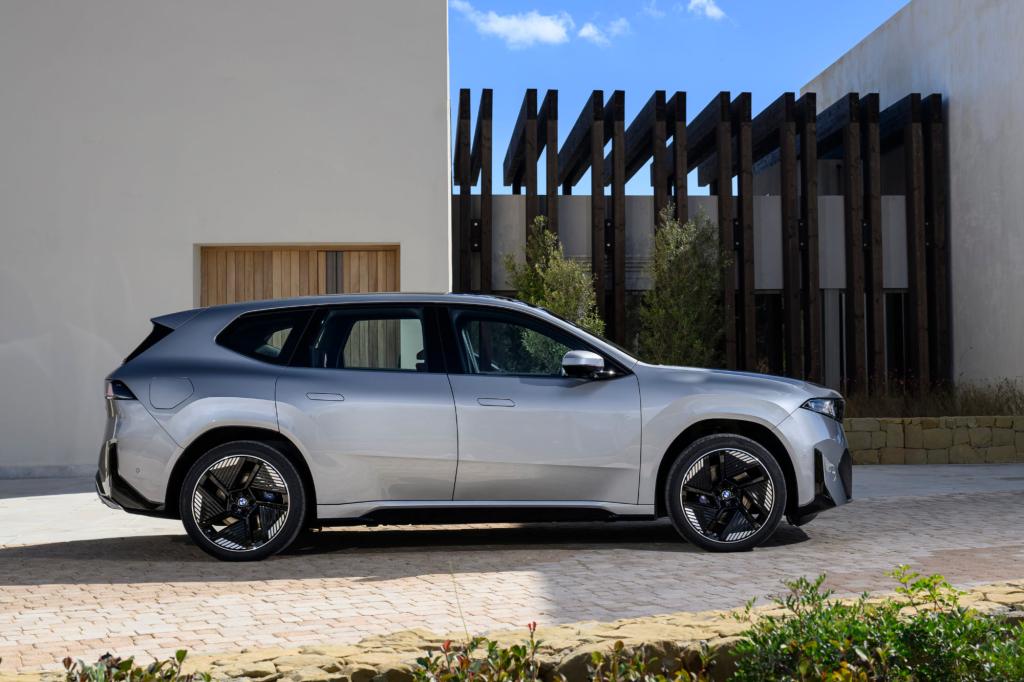
With just one version of iX3 available for now, this bit’s simple. It’s a dual-motor, all-wheel-drive car with 469 hp and a 0-62 mph time of 4.9 seconds. Absolutely plenty, in other words, and it leaves the door open for a single-motor version that’ll be less quick, but with the potential for even more range. Look out, Volvo…
Speaking of which, the EX60 is available in three variants. These are called the P6 Electric, P10 AWD Electric and P12 AWD Electric. The latter has the most range and by far the biggest battery and most power, with a whopping 680 hp (500 kW). Add in a 790 Nm-sized dollop of torque, and we’re talking a 0-62 mph time of 3.9 seconds.
Plainly, that’s all entirely unnecessary for a big family SUV, but that’s the only way to get the biggest range. Step down to the mid-tier EX60 P10, and you get two motors, 510 hp, 710 Nm of torque and a 0-62 mph sprint time of 4.6 seconds.
Drop down to the base P6 model, and there’s a single motor sending 374 hp with 480 Nm to the rear wheels. Zero to 62 mph takes a still perfectly swift 5.9 seconds. Top speed for all versions (and indeed all Volvos) is 112 mph.
Finally, the Tesla Model Y and you have four versions to pick from. The single-motor, rear-drive Y has 290 hp and a 0-62 mph time of 6.9 seconds. Next is a pair of Model Y Premium cars, a rear-drive with a single motor and an all-wheel-drive with two motors. Power for these is 290 hp and 365 hp respectively, and their 0-62 mph times are 5.4 and 4.6 seconds. Lastly, the Model Y Performance has 447 hp and a supercar-like 0-62 mph time of 3.3 seconds.
Which should you buy? Honestly? Whichever goes furthest. This is almost always the case with any electric car, and especially when they’re not trying to be a sports or supercar. Volvo’s gone against the grain by giving the priciest EX60 the most range and power, but the 385-mile range of the base car should still be plenty for most people.
Interior tech
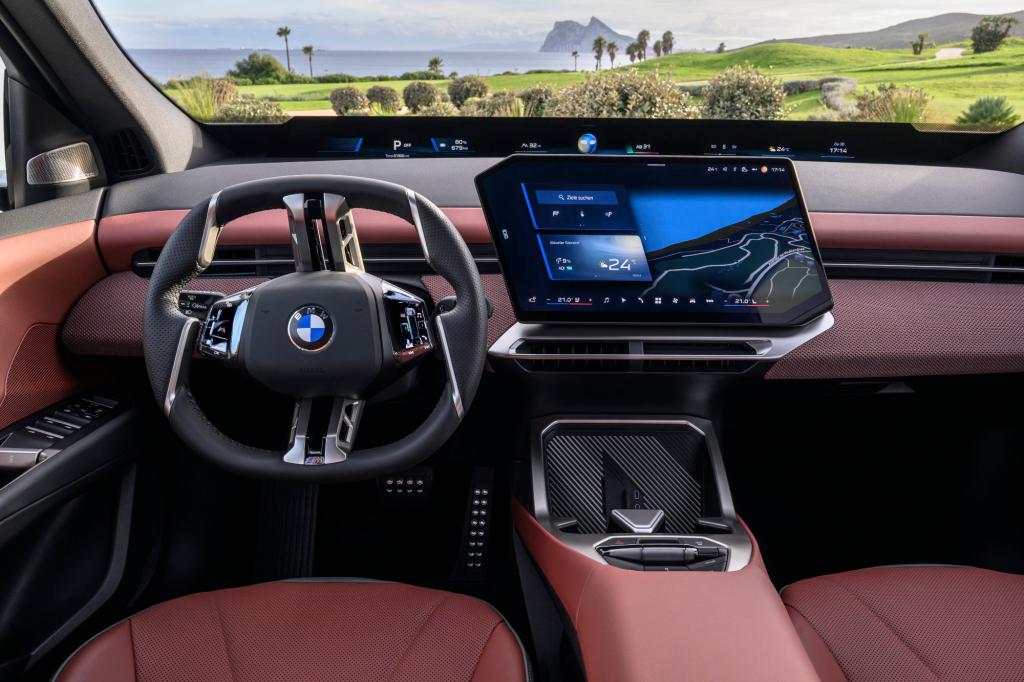
The iX3 is a huge deal for BMW, and nowhere is that more obvious than with the interior. Practically everything is new, from the touchscreen display that’s slanted towards the driver, to the steering wheel and switchgear. The most prominent tech is called Panoramic iDrive, which sees an extension of the infotainment system projected onto a strip at the foot of the windscreen.
It replaces a conventional driver display and puts a configurable and crystal-clear interface right in the eyeline of the driver and their passenger – all without hindering forward vision, since that part of your view would otherwise be taken up by the bonnet. What remains to be seen is whether BMW’s all-digital approach will pay off, since most physical controls have been relegated to the touchscreen just as other manufacturers are returning, at least partially, to tactile buttons.
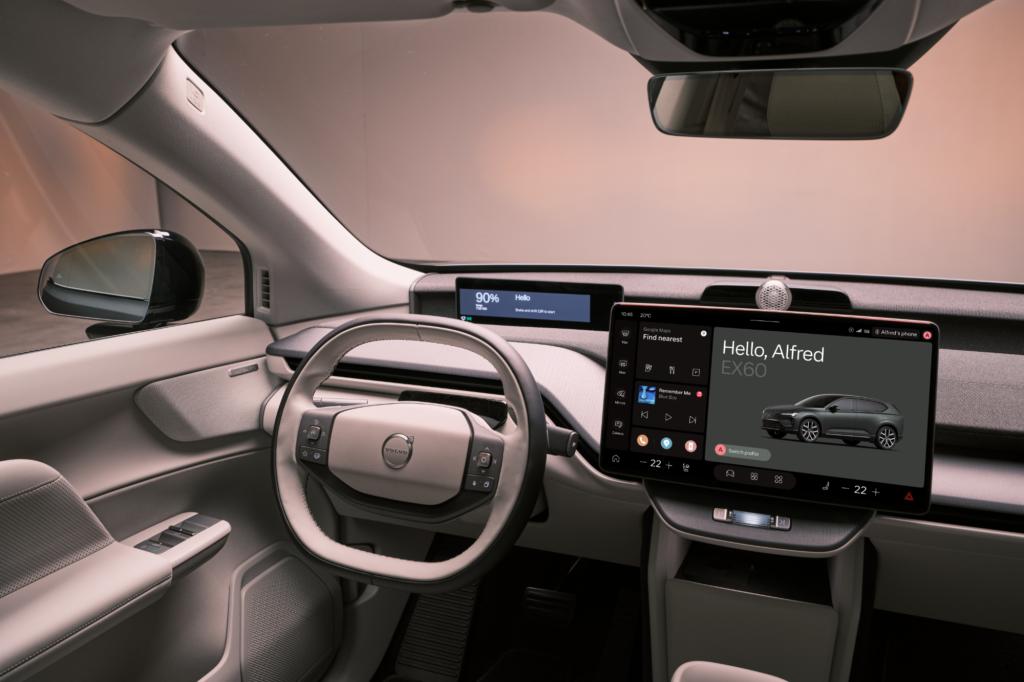
Volvo has also gone tech-heavy with the new EX60, but sticks to a more traditional dual-display layout. There’s a letterbox-shaped screen ahead of the driver, plus a larger, landscape touchscreen for infotainment on the centre of the dashboard. In my opinion, it’s a more logical layout than the portrait-oriented screens of the EX90 and EX30.
Physical switchgear is kept to an absolute minimum, aside from basic media controls below the touchscreen and buttons on the steering wheel. As you’d expect in a modern SUV, there are USB-C ports for every occupant, ambient lighting, independent climate controls for rear passengers, and an electrochromatic glass roof that switches from transparent to opaque with the press of a button.
Voice control is handled by Google Gemini, navigation is by Google Maps, and the 21-speaker stereo is by Bose. An optional 28-speaker Dolby Atmos system by Bowers & Wilkins is an optional extra.
Tech has always been a strong suit for Tesla, and while rivals have closed the gap, it arguably still makes the best infotainment of anyone. Yes, some of the secondary controls are bewildering, and the automatic wipers have a mind of their own, but the touchscreen and its operating system are world-class.
There’s no Apple CarPlay or Android Auto (yet, but it’s rumoured to be coming soon), but instead Tesla has built an excellent interface of its own, with navigation and mapping tightly integrated with the car and the Supercharger network. It’s a joy to use, even after your kids discover the games, karaoke machine and fart sound effects.

Price
- BMW iX3: from US$61,500 / £58,775
- Volvo EX60: from $58,400 / £56,860
- Tesla Model Y: from US$41,630 / £41,990
The BMW and Volvo both shine brightly against the Model Y, especially in terms of range and charging speed. But the Tesla has a much lower starting price of US$41,630 / £41,990. In the UK, that puts the Model Y just the wrong side of the Expensive Car Supplement (the so-called luxury car tax), but it’s far cheaper than the $58,400 / £56,860 Volvo EX60 and the $61,500 / £58,775 BMW iX3.
Splash out on the longest-range Model Y and you’ll be asked to part with US$46,380 / £51,990, or the seriously quick Model Y Performance is US$58,880 / £61,990.
By comparison, the 500-mile EX60 P12 starts at $67,350 / £64,860, and the iX3 in range-topping M Sport Pro trim is $65,500 / £62,755.
More affordable versions of the BMW are sure to come along soon, but for now, it’s the Model Y that offers the lowest price of the three.
Comparison table
| Specifications | BMW iX3 | Volvo EX60 | Tesla Model Y |
|---|---|---|---|
| Range (mi) | 500 | 503 | 391 |
| Battery (kWh) | 108.7 | 80–112 | 75–82 |
| Power (hp) | 469 | 374–680 | 384–456 |
| 0–60 mph | 4.9 s | 3.9 s | 4.6 s (3.3 s Performance) |
| Starting price | US$61,500 / £58,775 | $58,400 / £56,860 | US$41,630 / £41,990 |
Liked this? All Tesla models ranked, from best to worst


 Alistair Charlton