All Tesla models ranked, from best to worst
Which of Tesla’s line-up is best for you? We've ranked the Model S, Model X, Model 3, Model Y and Cybertruck

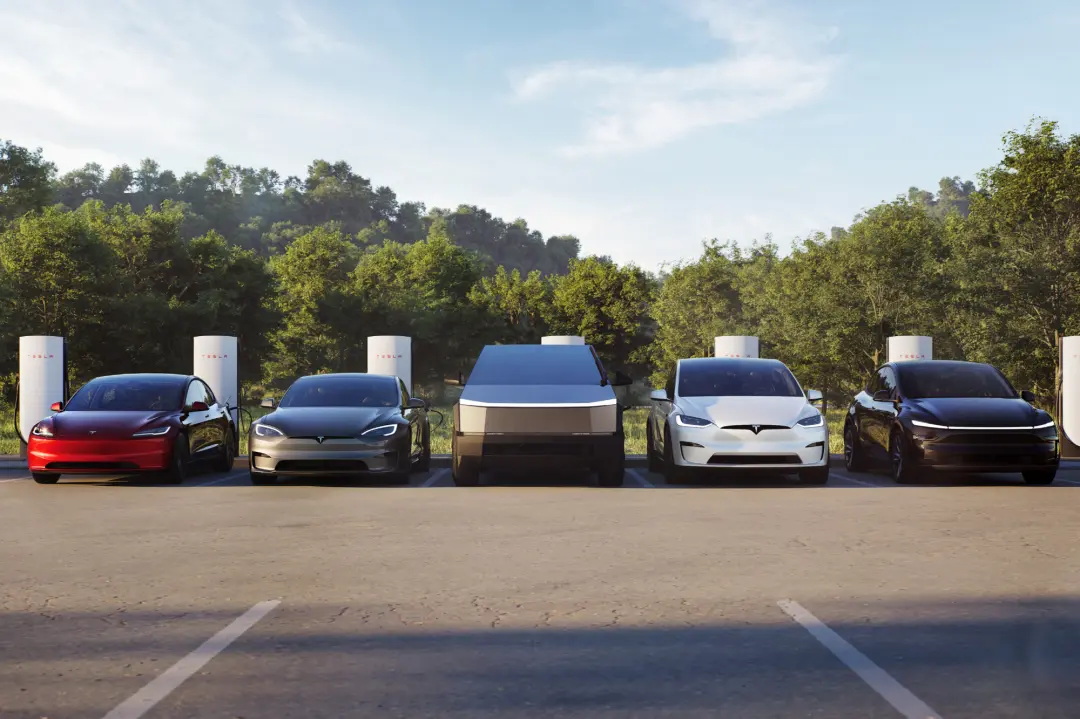
There aren’t many car companies that make it easy to remember the names of every vehicle they sell. Some appear simple at first – Mercedes has its C-Class, E-Class and S-Class, each a universally understood unit of car measurement – but descend into the sort of chaos best illustrated by the (deep breath, everyone) Mercedes-Benz GLC 300 de 4MATIC AMG Line Premium Plus.
Instead of dropping a Scrabble bag down a staircase, Tesla’s naming convention starts simple and stays simple. Apart from its Autopilot Full Self-Driving (Supervised), but we’ll gloss over that one.
Head to a Tesla dealer today and you’ve got the Model 3, the larger but closely related Model Y, and, in the US, the Cybertruck…that’s it.
The Model S and Model X are no longer in production, with no immediate successor in sight. Within the 3 and Y lines are cars that vary by performance, range and price.
1. Tesla Model 3
| Specifications | Tesla Model 3 |
|---|---|
| Range (miles) | 321–363 |
| Battery (kWh) | 60–82 |
| Power (hp) | 283–510 |
| 0–60 mph | 5.8 s (2.9 s Performance) |
| Starting price (USD) | ~$38,630 |
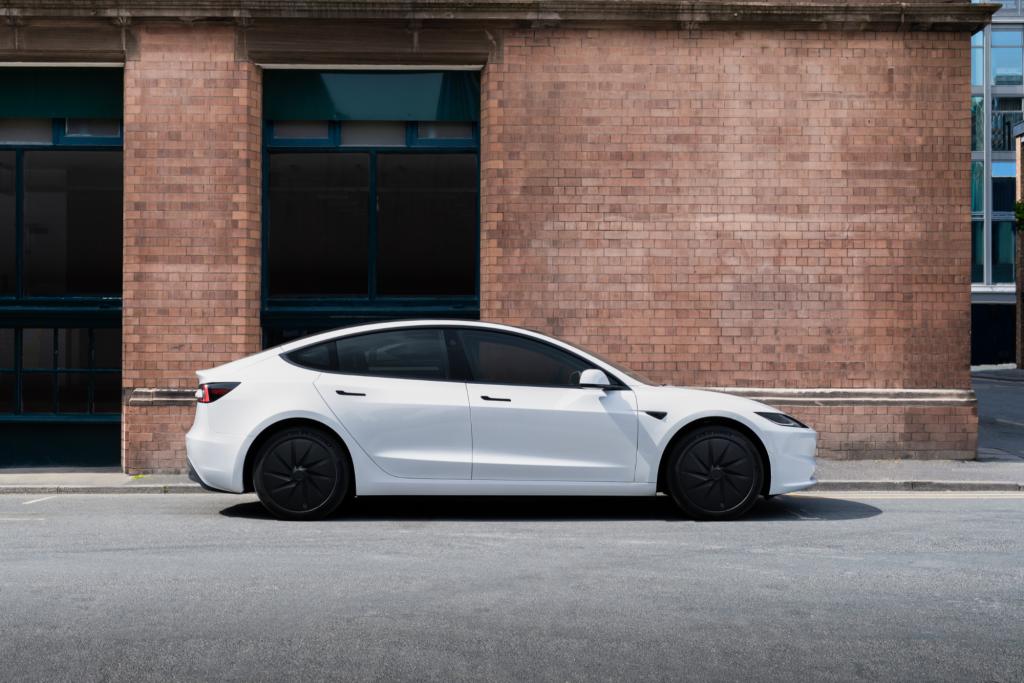
With the S and X out of production, the Model 3 is now the central character of the Tesla universe. Its size, price, performance, range, tech and charge speed are all exemplary, with the 2024 facelift bringing a host of design updates that sharpened the exterior and made an already-minimal interior even more sparse.
Tesla briefly lost its way with the Model 3 when it removed the indicator stalk as part of that facelift. But with that now reinstated, the Model 3 is back to being a seriously good electric car.
Legacy brands like BMW and Volvo have finally caught up in terms of outright range, and offer even faster charge speed. But few have managed to match Tesla’s technology integration – and none have challenged its practically flawless Supercharger network.
My pick of the Model 3 bunch is the Premium Long Range Rear-Wheel Drive, since it ups the standard car’s range from 332 to 466 miles and drops the 0-60 mph time to a properly sporty 4.9 seconds.
2. Tesla Model Y
| Specifications | Tesla Model Y |
|---|---|
| Range (miles) | 330 |
| Battery (kWh) | 75–82 |
| Power (hp) | 384–456 |
| 0–60 mph | 4.6 s (3.3 s Performance) |
| Starting price (USD) | $43,990 |
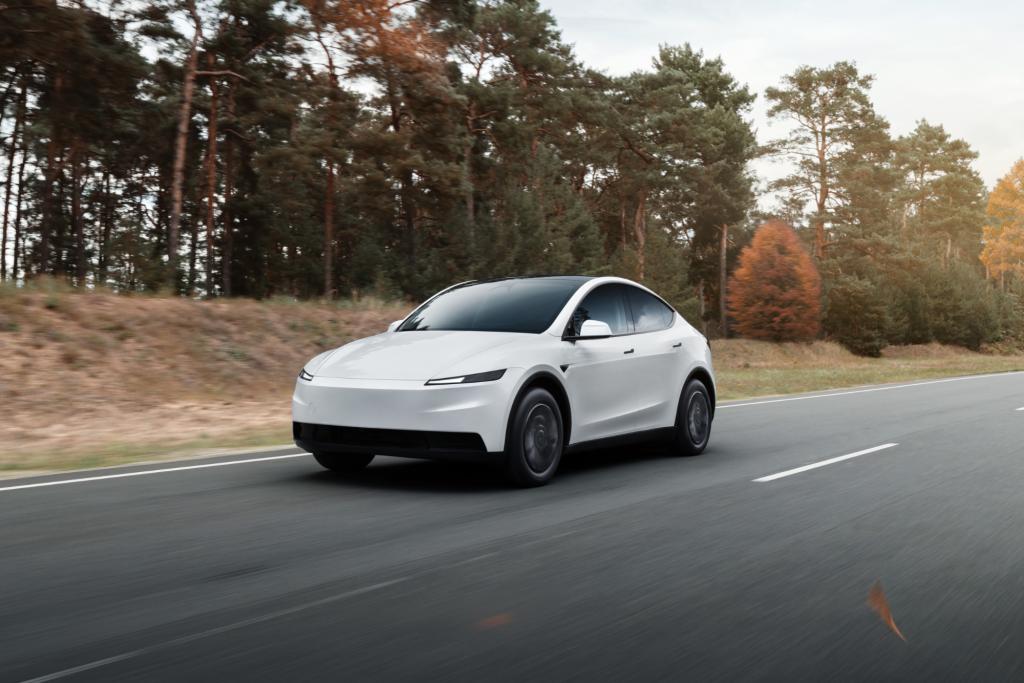
The Model Y was a little disappointing when it arrived at the start of the decade. The ride was too firm, the styling was a little awkward, and for some reason, the UK market cars missed out on both a seven-seat option and a parcel shelf (which were offered in the US).
These issues were ironed out, and build quality improved when production of European cars moved from China to Germany – then by 2023 the Model Y had become the world’s best-selling car.
A facelifted version, dubbed Juniper, landed in 2025. The ride was improved, and the styling updated to match the sharpness of the latest Model 3.
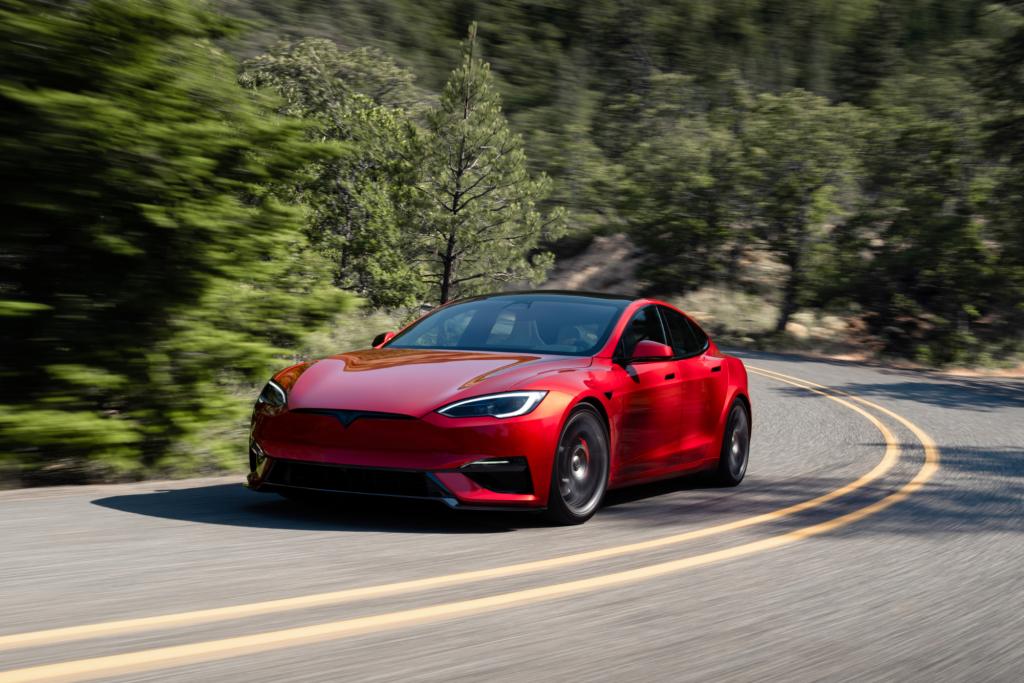
3. Tesla Model S
| Specifications | Tesla Model S |
|---|---|
| Range (miles) | 405 |
| Battery (kWh) | 100 |
| Power (hp) | 670 (1,020 Plaid) |
| 0–60 mph | 3.1 s (1.99 s Plaid) |
| Starting price (USD) | $74,990 |
It’s hard to understate what a huge deal the Model S was to the future trajectory of the motorcar. Yes, electric cars had been around, on and off, for a century, and in the early-2010s Nissan had its Leaf. But with the Model S, Tesla revealed a car that went further, looked better, charged more quickly, and featured technology that was light-years ahead of anything else.
At a time when CD players were commonplace and Bluetooth was still primitive, the Model S had a massive touchscreen, navigation with Google Maps, music streaming, an internet browser, and a fully-integrated charge network. It was also as quick as a Porsche 911 to 60 mph, could do a real 240 miles per charge, and promised years of over-the-air software updates. No wonder it felt like a watershed moment.
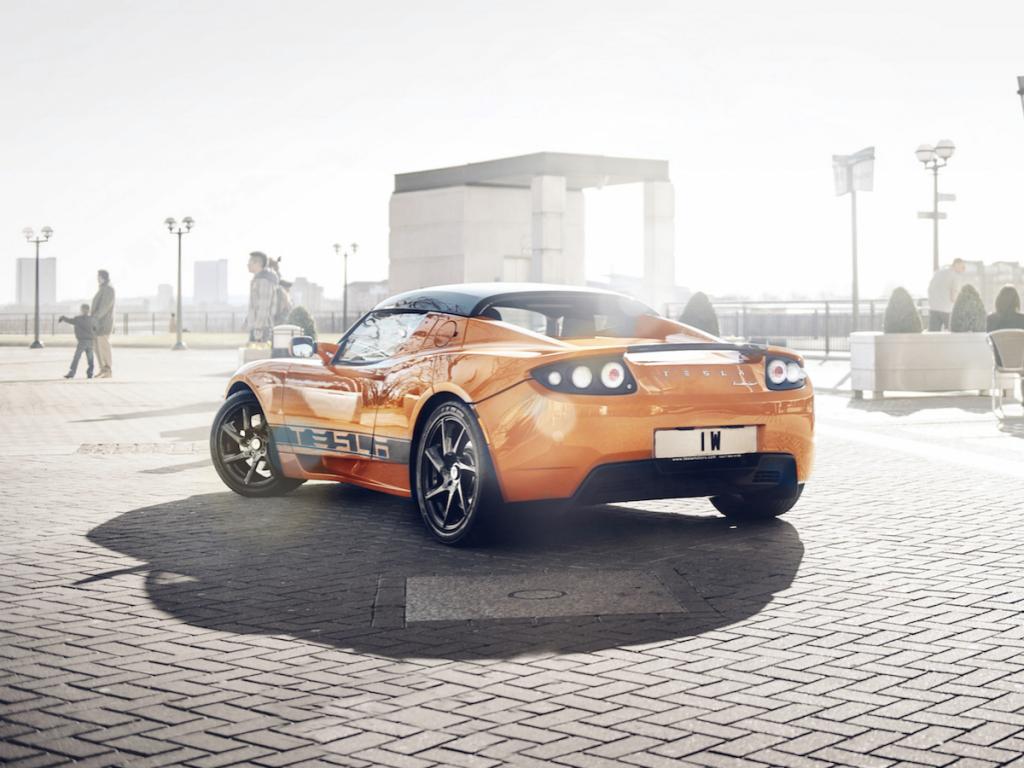
4. Tesla Roadster (first gen)
| Specifications | Tesla Roadster (first gen) |
|---|---|
| Range (miles) | 244 |
| Battery (kWh) | 53 |
| Power (hp) | 248–288 |
| 0–60 mph | 3.9–4.0 s |
| Starting price (USD) | $109,000 (when new) |
This is where it all began, as Tesla set out to prove mass-produced electric cars were not only a commercial reality, but enjoyable to drive too. Only around 2500 examples were built between 2008 and 2011, but the Lotus Elise-based Roadster paved the way for Tesla to transform the car industry.
Given its rarity, especially outside of the US, the first-generation Roadster is an increasingly sought-after sports car. This is especially true since the creation of upgraded batteries – by both Tesla and third parties – that replace the original packs and unlock extra range while weighing less.
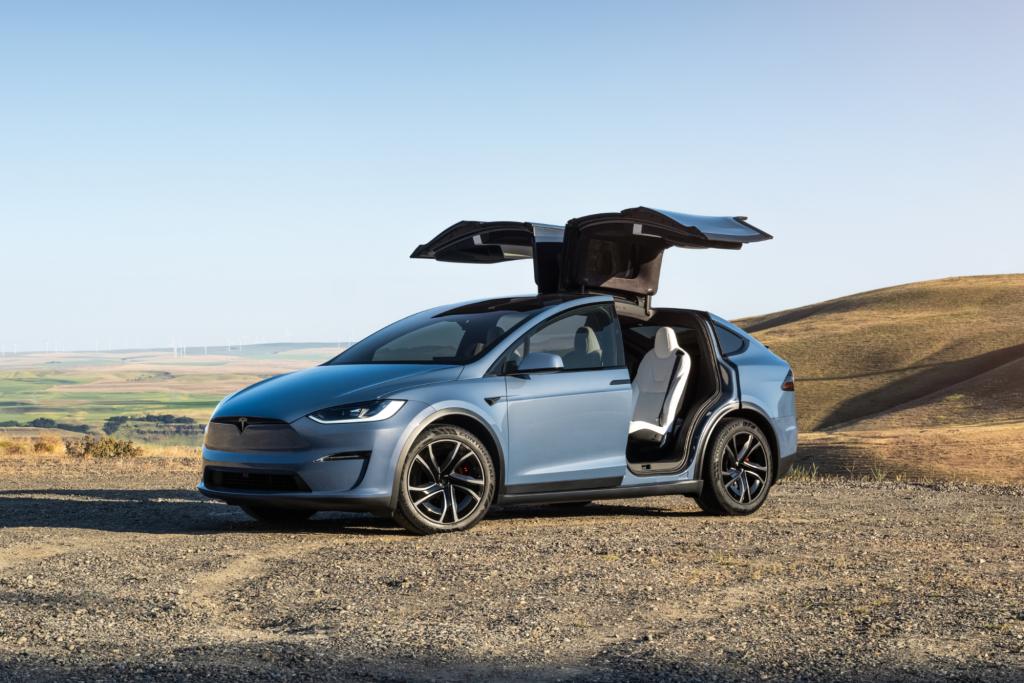
5. Tesla Model X
| Specifications | Tesla Model X |
|---|---|
| Range (miles) | 348 |
| Battery (kWh) | 100 |
| Power (hp) | 670 (1,020 Plaid) |
| 0–60 mph | 3.8 s (2.5 s Plaid) |
| Starting price (USD) | $79,990 |
Tesla’s first attempt at an SUV also gave us our first glimpse at Elon’s insatiable hunger for hubris. What should have been a simple exercise in building a taller SUV onto a modified Model S chassis turned into a hulking great seven-seater with powered falcon-wing doors and a pre-programmed Christmas dance routine.
The Model X drove and rode well, and its styling was certainly distinctive. But the doors are a pain to use in tight spaces, and plain embarrassing to boot. The X’s needlessly complex pursuit against the grain of normality was a sign of things to come…
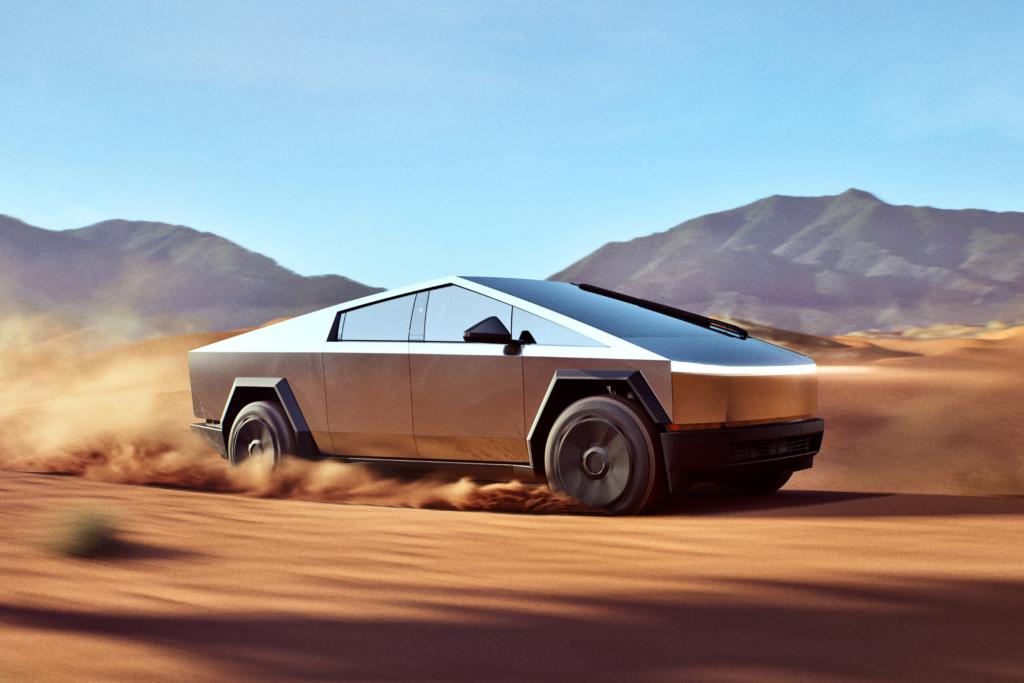
6. Tesla Cybertruck
| Specifications | Tesla Cybertruck |
|---|---|
| Range (miles) | 301–325 |
| Battery (kWh) | 120–130 |
| Power (hp) | 600–845 |
| 0–60 mph | 4.1 s (2.6 s Cyberbeast) |
| Starting price (USD) | $79,990 |
As daft as they may have been, the Model X’s wild doors soon resembled a mere canapé of hubris compared to the all-you-can-eat buffet that was to come. With its plate piled high with undelivered promise, the Cybertruck had the potential to take the fight to Ford and rival the mighty F-150, America’s best-selling vehicle of all time.
But instead it was a folly. The “bulletproof” windows were smashed with a metal ball at the public reveal. It arrived with customers two years later than planned, and its original range and price claims were never met. Even an additional battery designed to plug into the bed and meet Tesla’s range target never materialised, and most of the one million pre-orders failed to be converted into purchases.
Above all else, the Cybertruck isn’t road-legal in many parts of the world, in part due to the sharp edges of its stainless steel body panels.
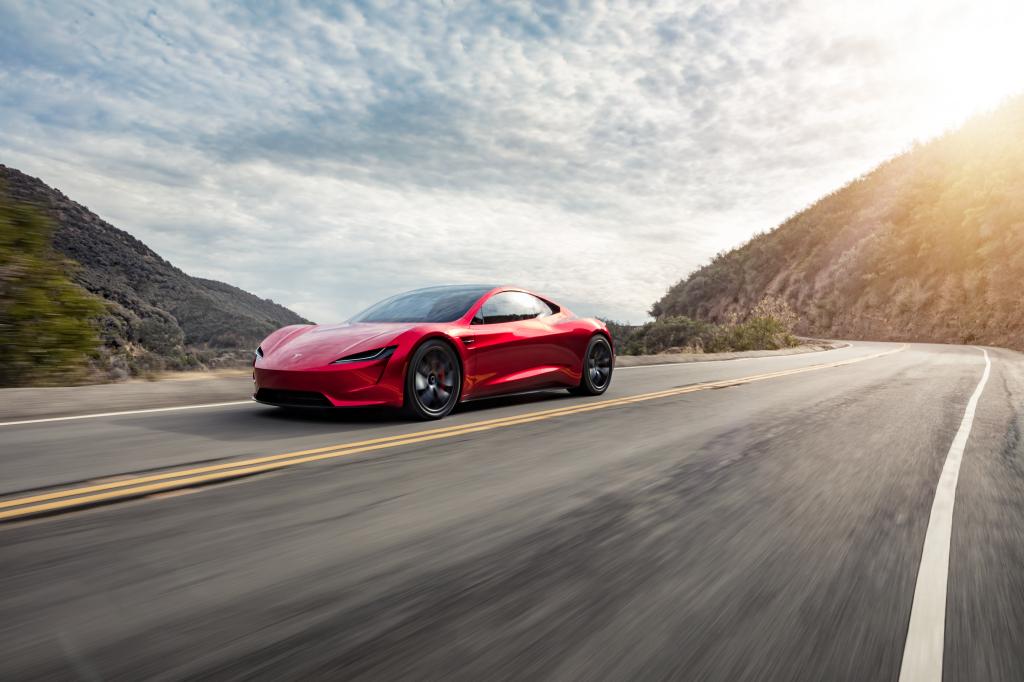
7. Tesla Roadster (second gen)
| Specifications | Tesla Roadster (second gen) |
|---|---|
| Range (miles) | 620 |
| Battery (kWh) | 200 |
| Power (hp) | 1000+ |
| 0–60 mph | 1.9 s |
| Starting price (USD) | $200,000 |
Can we still call this the ‘2020 Roadster’ with a straight face? That’s when it was supposed to arrive, having been revealed as a surprise back in 2017.
A decade ago, it looked like a landmark moment in the history of the supercar; Ferrari-beating performance, a massive top speed of 250 mph, a claimed range of 620 miles from an enormous 200 kWh battery – and all for just $200,000.
Looking back now, it’s no surprise that none of this has materialised. Nine years on, and today’s EVs with the longest range have just passed the 500-mile barrier; no EV aside from the idiotic Hummer has a battery capacity beginning with a two, and electric sports cars are still almost nonexistent.
All that said, Tesla hasn’t formally cancelled its second-gen Roadster project, and evidence of its existence crops up every so often. Most recently, Tesla submitted a couple of new trademark applications in February 2026, one a “Roadster” logo and the other a simple, three-line silhouette.
Tesla range spec table
| Specifications | Tesla Model S | Tesla Model X | Tesla Model 3 | Tesla Model Y | Tesla Cybertruck | Tesla Roadster (1st gen) | Tesla Roadster (2nd gen) |
|---|---|---|---|---|---|---|---|
| Range (mi) | 405 | 348 | 321–363 | 330 | 301–325 | 244 | 620 |
| Battery (kWh) | 100 | 100 | 60–82 | 75–82 | 120–130 | 53 | 200 |
| Power (hp) | 670 (1,020 Plaid) | 670 (1,020 Plaid) | 283–510 | 384–456 | 600–845 | 248–288 | 1000+ |
| 0–60 mph | 3.1 s (1.99 s Plaid) | 3.8 s (2.5 s Plaid) | 5.8 s (2.9 s Performance) | 4.6 s (3.3 s Performance) | 4.1 s (2.6 s Cyberbeast) | 3.9–4.0 s | 1.9 s |
| Starting price (USD) | $86,000 | $90,000 | $38,630 | $43,990 | $79,990 | $109,000 (when new) | $200,000 |
Liked this? Audi is making electric cars sexy again, and it’s about time


 Alistair Charlton