Samsung Galaxy S26 vs Google Pixel 10 vs Xiaomi 17: which phone is the compact Android king?
Pocket-friendly flagships balance high-end performance with price, here’s how three top contenders compare.

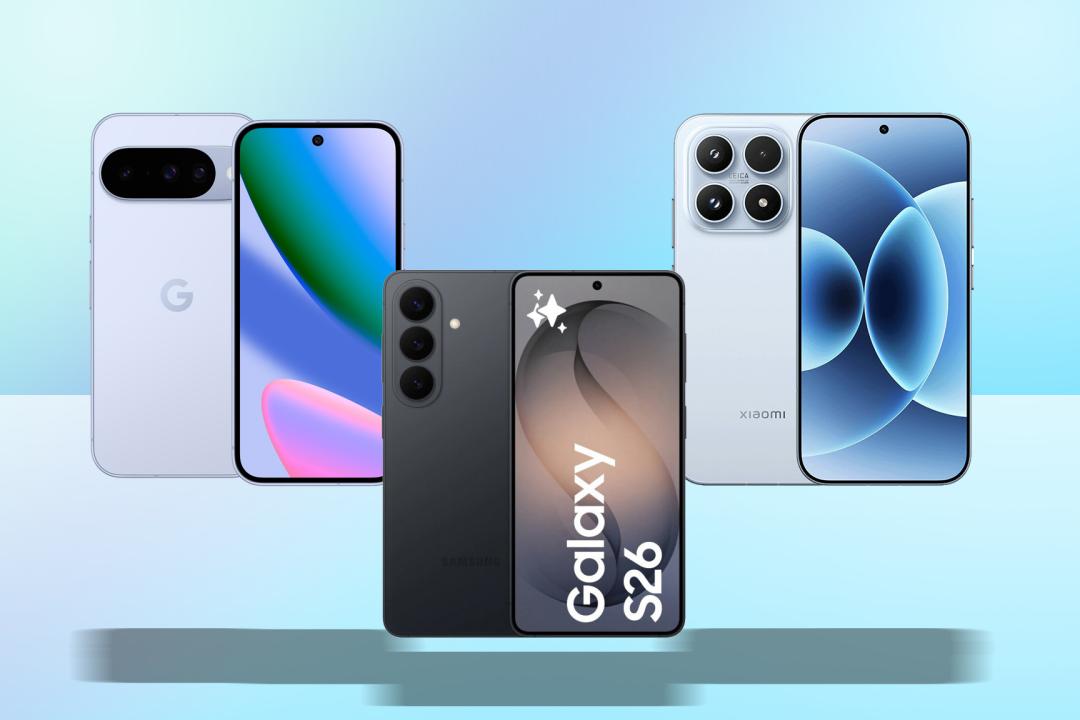
When it comes to powerful yet compact Android smartphones, there’s a new kid on the block. The Samsung Galaxy S26 looks to balance the high-end performance of its S26+ and S26 Ultra siblings with dimensions that won’t trouble your jeans pockets, or bring a tear to your eye when you reach the checkout.
It’s not the only ‘base model’ flagship wanting to claim a space in your pocket, though. The Google Pixel 10 already sits proudly in our best phones roundup, and Xiaomi looks set to give the spec-ladened Xiaomi 17 a global launch imminently, having been on sale in China for a few months now. Here’s how the two compare to the Galaxy S26 on paper, ahead of our full review.
How we test smartphones
Every phone reviewed on Stuff is used as our main device throughout the testing process. We use industry standard benchmarks and tests, as well as our own years of experience, to judge general performance, battery life, display, sound and camera image quality. Manufacturers have no visibility on reviews before they appear online, and we never accept payment to feature products.
Find out more about how we test and rate products.
Price
Samsung raised the price of its top-end phones versus last year’s Galaxy S25 series, meaning you’ll now pay $900/£879 for a Galaxy S26 with 256GB of storage (up $40/£20 vs the S25) or $1100/£1049 for 512GB (a £90 increase for UK customers). There’s also no 128GB model this year; the 128GB S25 was $799/£799 at launch, so the difference is significant.
If you’re looking for a cheaper flagship phone, the Google Pixel 10 starts at $799/£799, albeit for a version with 128GB of storage. The 256GB model is more expensive than the equivalent S26 at $899/£899. Google doesn’t sell a 512GB variant of the Pixel 10.
Until Xiaomi makes things official, we don’t know if the Xiaomi 17 will undercut the S26 when it launches globally on February 28. In China it retails for 4499 yuan, which converts to around $650/£480 – though UK pricing will almost certainly be higher after import fees and taxes, and it’s unlikely to head to the US in any official capacity.
The Pixel 10 has been available to buy since August 2025, while the Samsung Galaxy S26 release date is set for March 11, 2026. We’ll have to wait for Xiaomi 17’s global launch to learn when it will be available.
Samsung Galaxy S26 vs Google Pixel 10 vs Xiaomi 17 Specs
Here’s how the three phones compare from a pure hardware perspective:
| Galaxy S26 | Pixel 10 | Xiaomi 17* | |
| Screen | 6.3in, 2340×1080, 1-120Hz AMOLED | 6.3in, 2424×1080, 120Hz OLED | 6.3in, 2656×1220, 120Hz OLED |
| CPU | Samsung Exynos 2600 (2nm) | Google Tensor G5 (3nm) | Snapdragon 8 Elite Gen 5 (3nm) |
| Memory | 12GB | 12GB | 12GB / 16GB |
| Rear cameras | 50MP wide 10MP telephoto with 3x optical zoom 12MP ultra wide | 48MP wide 10.8MP telephoto with 5x optical zoom 13MP ultrawide | 50MP wide 50MP telephoto with 2.6x optical zoom 50MP ultrawide |
| Front camera | 12MP, F2.2 | 10.5MP, F2.2 | 50MP, F2.2 |
| Storage | 256GB / 512GB | 128GB / 256GB | 256GB / 512GB / 1TB |
| Battery | 4300mAh | 4970mAh | 7000mAh |
| Charge speed | 25W wired 15W wireless | 30W wired 15W wireless | 100W wired 50W wireless |
| Dimensions | 150x72x7.2mm, 167g | 153x72x8.6mm, 204g | 151x72x8.1mm, 191g |
| Colors | Cobalt Violet, Sky Blue, Black, White. Online exclusives: Silver Shadow, Pink Gold | Indigo, Frost, Lemongrass, Obsidian | Black, Blue, Pink, White |
*China variant specification
- Read more: Samsung Galaxy S26 vs S26+ vs S26 Ultra – what’s the difference between this year’s phones?
Design & Display: surprisingly similar on the surface
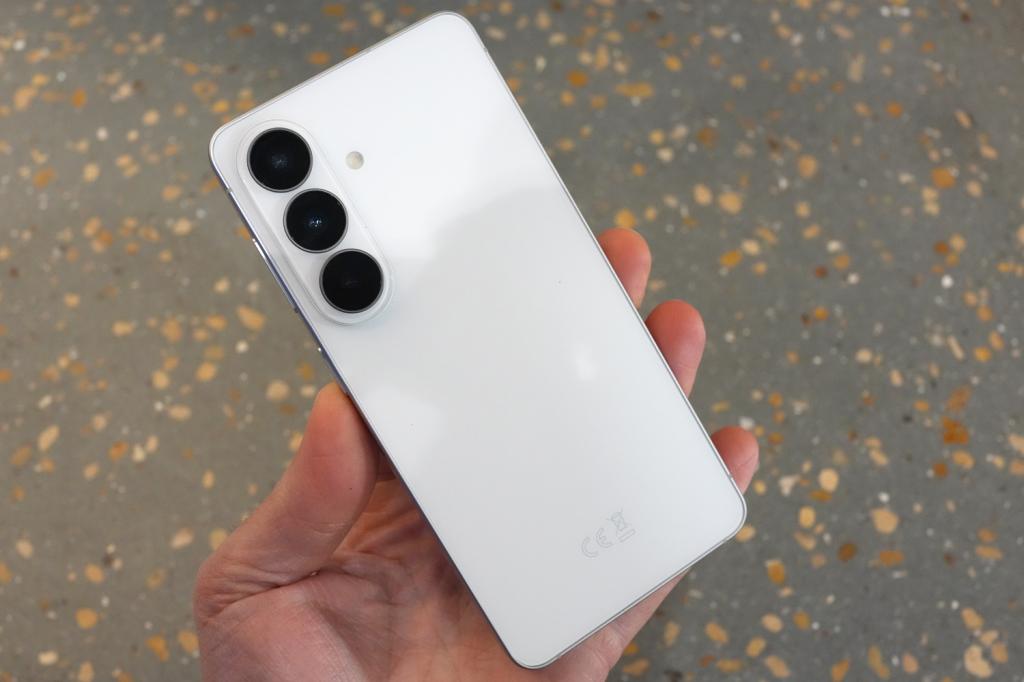
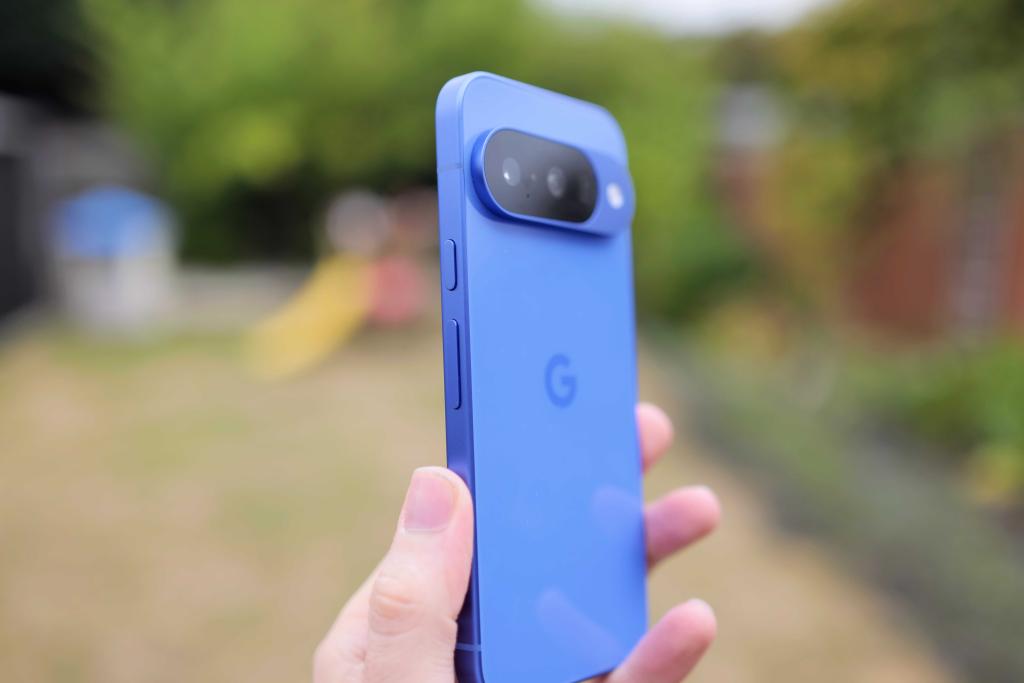
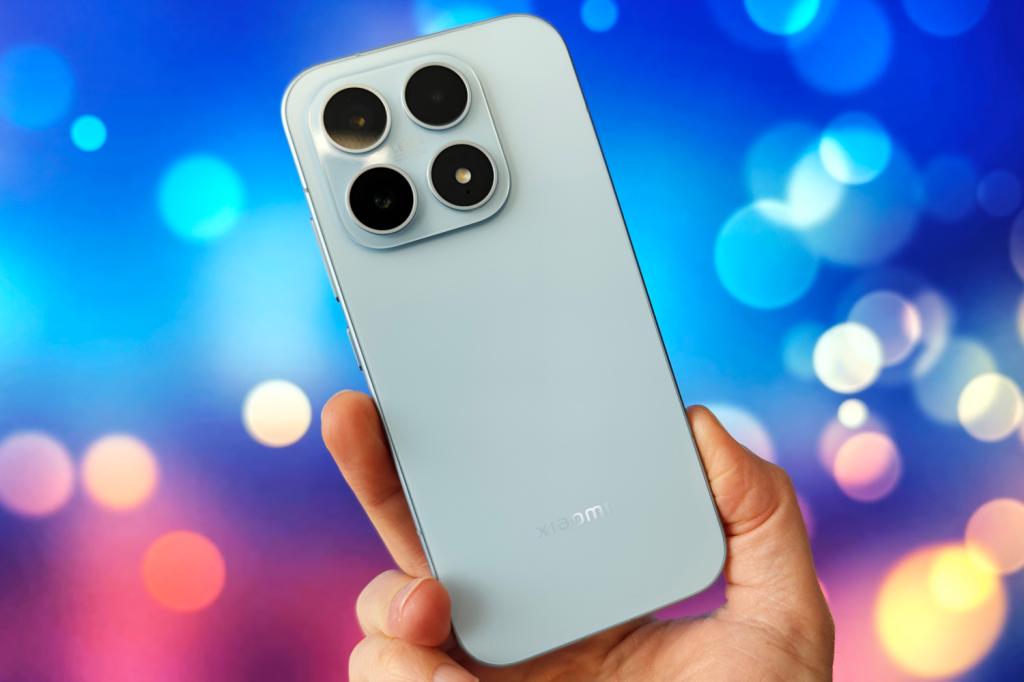
Front on, you might be hard-pressed to tell which phone is which. All three feature rounded corners, slim bezels, central punch-hole selfie camera and the same sized 6.3in display. This is the largest a base-level Galaxy S handset has ever been. The Galaxy S26 has slightly squarer proportions, though there’s not a huge amount in it.
Round the back, and the camera arrays are where the trio really differentiate. The Galaxy S26’s major visual change over its predecessor is the new island which the vertically aligned rear cameras sit on. It means the camera array protrudes a little more. Meanwhile, the Pixel 10 sports a horizontal visor camera bar, and the Xiaomi 17 features a square camera island with four circular components: three cameras and a flash.
While the displays are the same size, Xiaomi takes the crown when it comes to resolution. The Xiaomi 17 has a 2656×1220 OLED panel. The Pixel 10 manages 2424×1080, while the Galaxy S26 packs the lowest definition screen at 2340×1080. It makes the Xiaomi 17 the phone of choice for those looking for pixel-perfect gaming and high-res video streaming.
The Galaxy S26 wins a few points off the other two when it comes to weight though, tipping the scales at just 167g. That’s considerably lighter than the Xiaomi 17 (191g) and the portly-by-comparison Pixel 10 (204g). If you’re looking for a phone you can hold for extended periods, the S26 is your best bet.
Samsung also offers the widest array of colors, with six to choose from for the Galaxy S26; Cobalt Violet, Sky Blue, Black, White, Silver Shadow, and Pink Gold.
The Pixel 10 throws in a couple of interesting options with Indigo and Lemongrass alongside the more mundane Frost and Obsidian. Xiaomi keeps its colors a little more simple with the 17, offering Black, Blue, Pink and White – though it’s unclear if all will see a global launch.
Performance & Battery: there’s a lot on offer
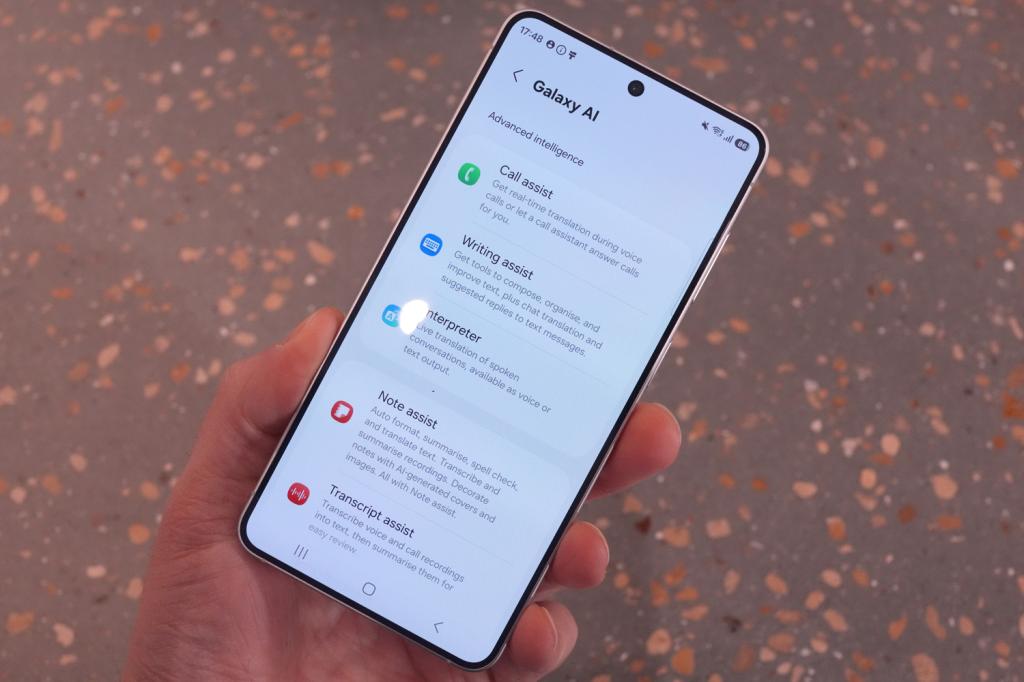
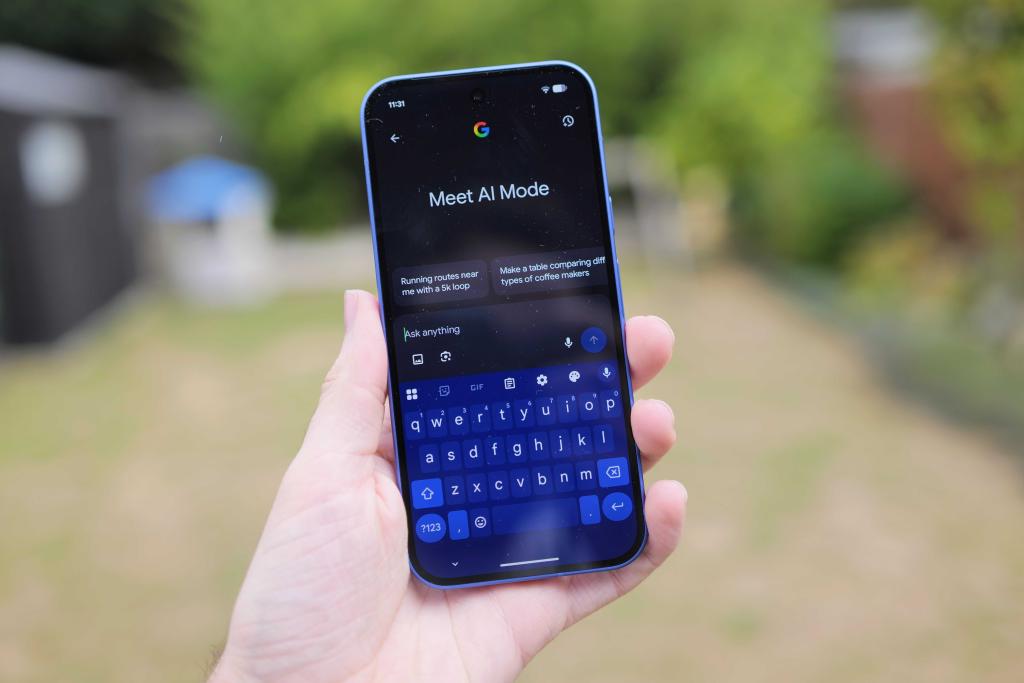
The Galaxy S26 is the first smartphone (along with its S26+ bigger brother) to pack a 2nm processor – Samsung’s own Exynos 2600. At least in certain markets, anyway. There will also be versions with a bespoke “For Galaxy” version of Qualcomm’s Snapdragon 8 Elite Gen 5. All come equipped with 12GB of RAM and a large cooling system, which bodes well for performance, but you’ll have to wait for our full review to find out just how well it handles.
It’ll be interesting to see how the new in-house silicon fares against the Pixel 10’s Tensor G5, which is made to Google’s specification by chip fabricator TSMC. The Xiaomi 17, meanwhile, uses an off-the-shelf version of the Snapdragon 8 Elite Gen 5. Based on other phones we’ve tested with that CPU, it should deliver a serious punch. From my experience, I’d wager the Pixel 10 might find itself lagging behind on sheer muscle.
You might think things are promising in the battery department for the Galaxy S26 when you read Samsung has upped its capacity to 4300mAh (vs 4000mAh in the S25), but it’s still the smallest battery of the three phones.
The Google Pixel 10 packs a 4970mAh battery, while the Xiaomi 17 has a staggering 7000mAh power pack. It’s worth noting that this is the capacity of the Chinese model, and historically global versions have seen their capacities reduced to meet different electronics regulations. While I don’t think we’ll get quite as much juice in the West, the Xiaomi 17 is still very likely to offer a bigger battery than both the Galaxy S26 and Pixel 10. It’ll be down to Samsung’s more efficient 2nm chipset and software tweaks to make up the difference in real-world use.
Cameras: triple threats
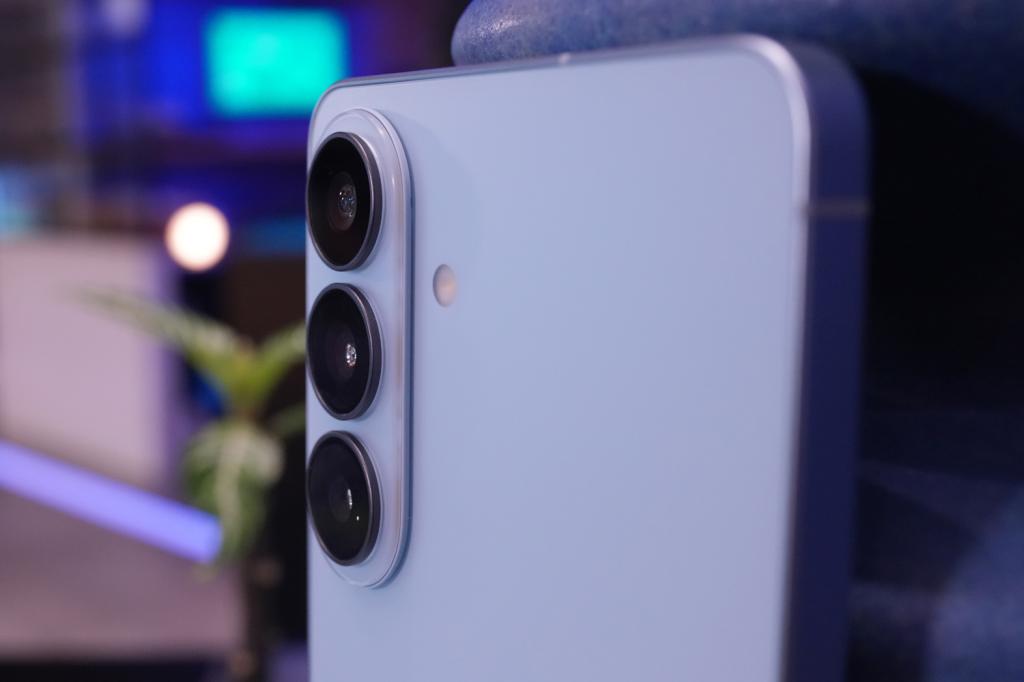
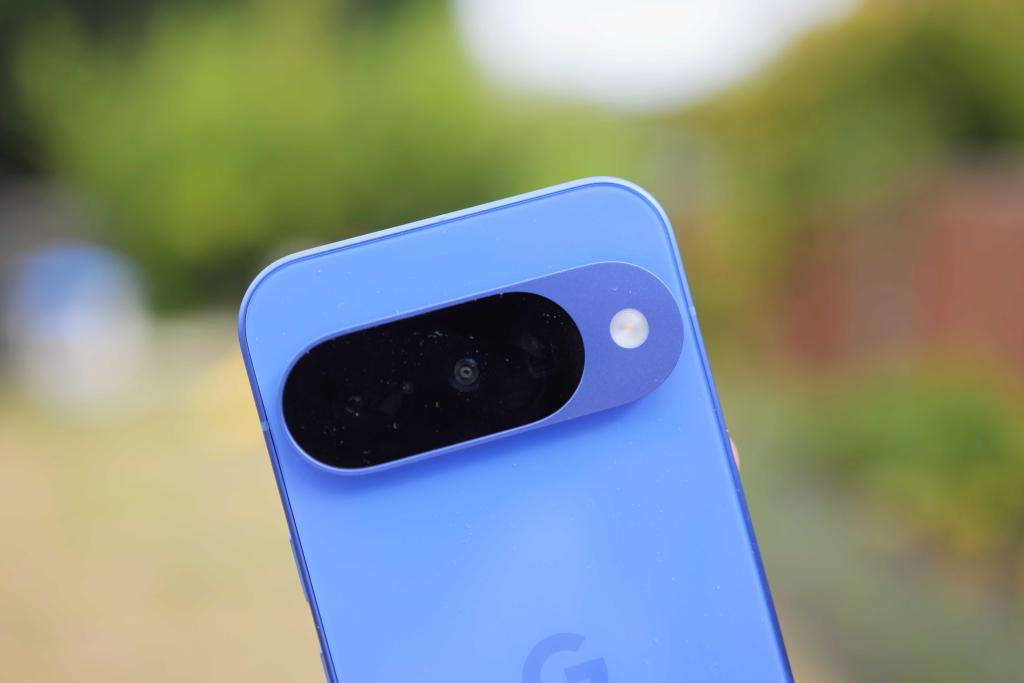
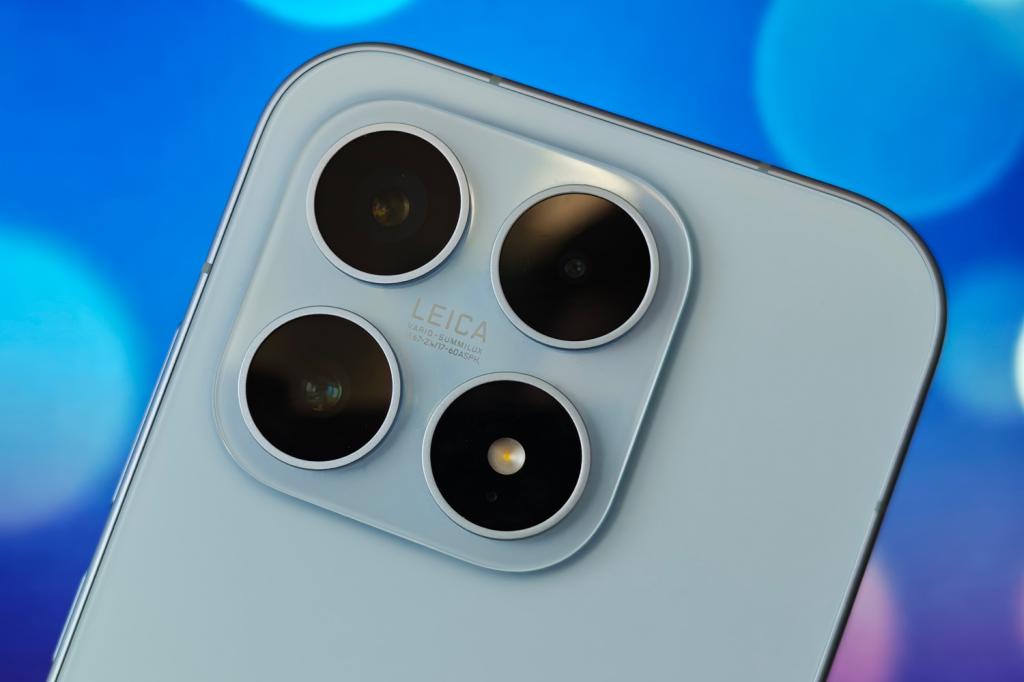
Each phone in this shoot-out packs three rear facing cameras: a wide-angle main snapper, an ultrawide, and a telephoto.
Samsung has stuck with a now-familiar combo of 50MP main, 12MP ultrawide and 10MP telephoto with 3x optical zoom.
It’s a close match to the Pixel 10’s 48MP main camera, 13MP ultrawide and 10.8MP telephoto, although the Pixel has stronger 5x optical zoom. The Xiaomi 17 has a trio of 50MP snappers of varying sensor size, although its telephoto can only muster 2.6x optical magnification. Without properly testing all three handsets it’s difficult to say which will be best – so look out for our S26 and 17 reviews in the coming weeks.
However, we do know the Pixel 10 is a very capable camera phone, with Google’s clever imaging software helping produce some stunning shots. While the Samsung and Xiaomi look promising on paper, they’ll have their work cut out to keep up with the Pixel.
Selfie fans haven’t been forgotten either. The S26 offers a 12MP camera on the front, while the Pixel 10 has a 10.5MP snapper and the Xiaomi 17 goes for a 50MP sensor.
Samsung Galaxy S26 vs Google Pixel 10 vs Xiaomi 17 Verdict
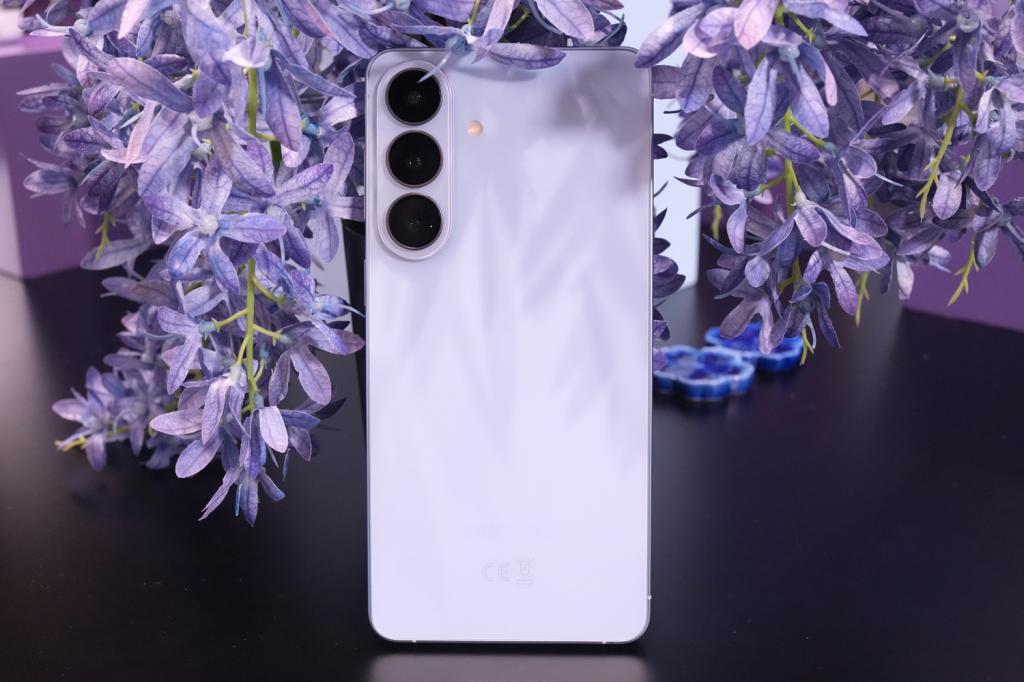
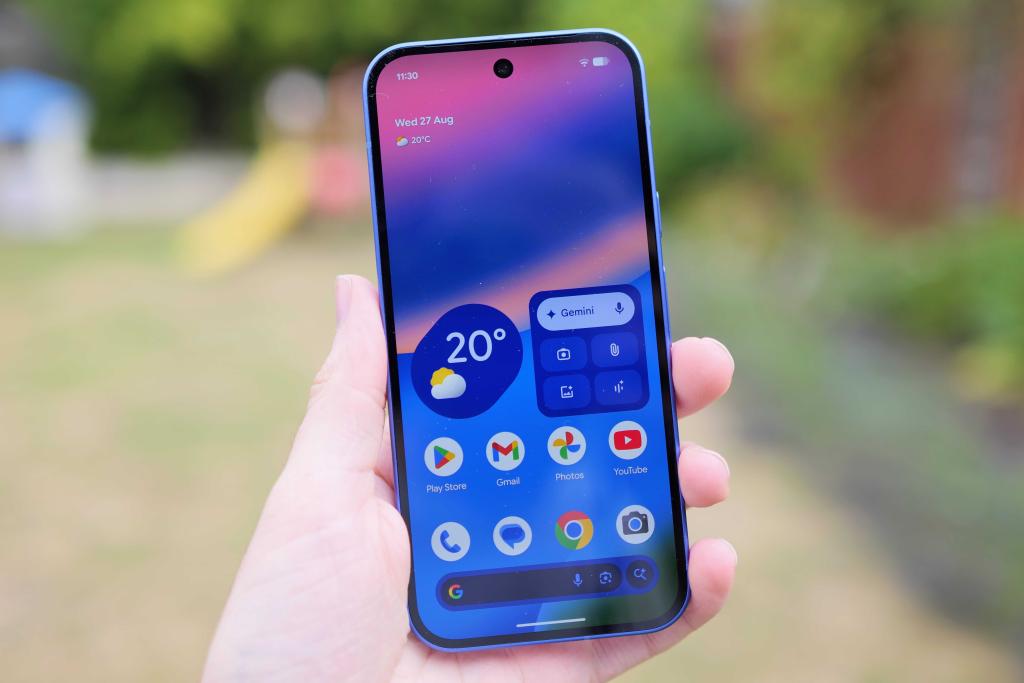
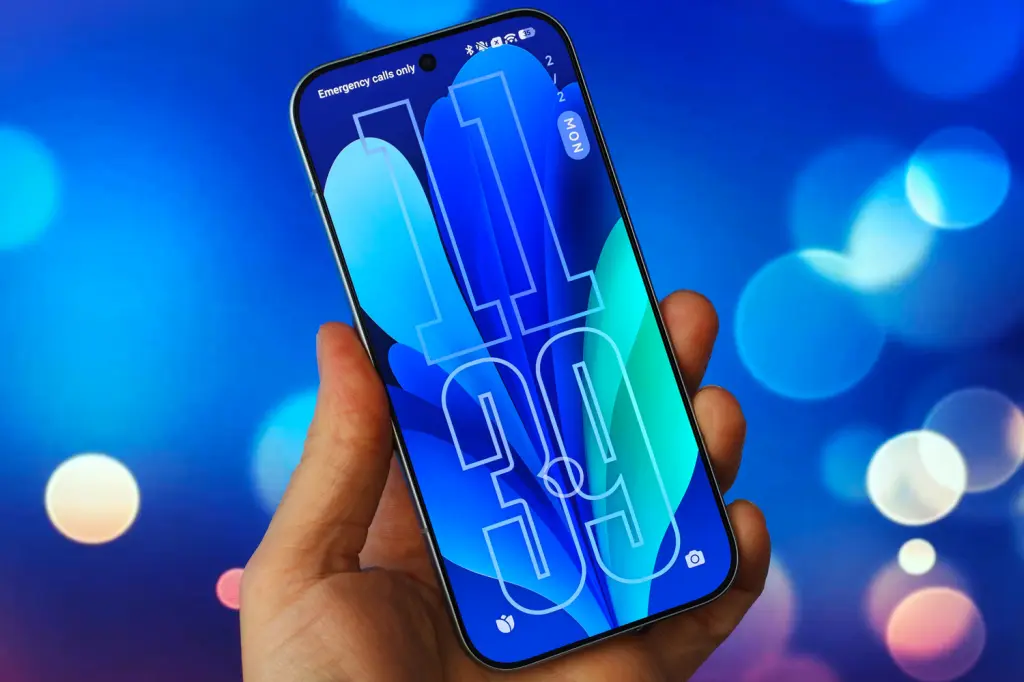
With full reviews of both the Galaxy S26 and Xiaomi 17 due soon, it’s too early to give a definitive recommendation on which of these three phones is best right now. Samsung’s latest effort is an intriguing proposition, though, with a lightweight design, increased battery capacity, and new 2nm chip which should translate into impressive performance and efficiency.
The Xiaomi 17 looks like a beast on paper, with the chance it’ll undercut the other two on price, but its success hangs on how well all these components come together – and whether it makes any hardware compromises for the global release.
Given the Pixel 10 has been out for six months already, discounts and deals could make it the best choice for bargain hunters. At time of writing, the Google Store in the UK is running a £200 off promotion, taking the entry-level 128GB model down to £599. It also has the appeal of a clean Android interface and impressive photography smarts.
This battle isn’t over, and once we’ve had time to test the Samsung and Xiaomi properly we’ll bring you our final verdict on which comes out on top.


 John McCann
Contributor
John McCann
Contributor