The Razer Viper V4 Pro improves on a pro gamer favourite in all the right places
Esports pro favourite is now lighter, faster and more accurate

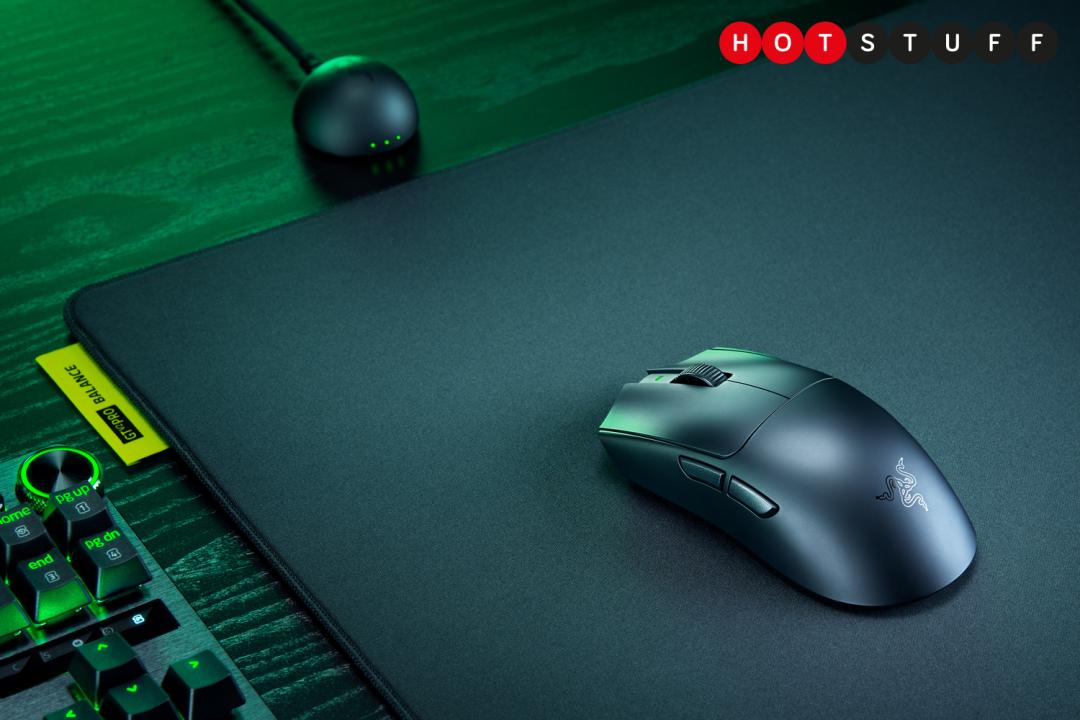
Given the old one was regularly touted as the gaming mouse used by the most professional esports gamers, you wouldn’t blame Razer for playing it safe with the Viper V4 Pro. The firm’s latest wireless rodent is no simple spec bump, though, having shed weight and sped up in almost every aspect.
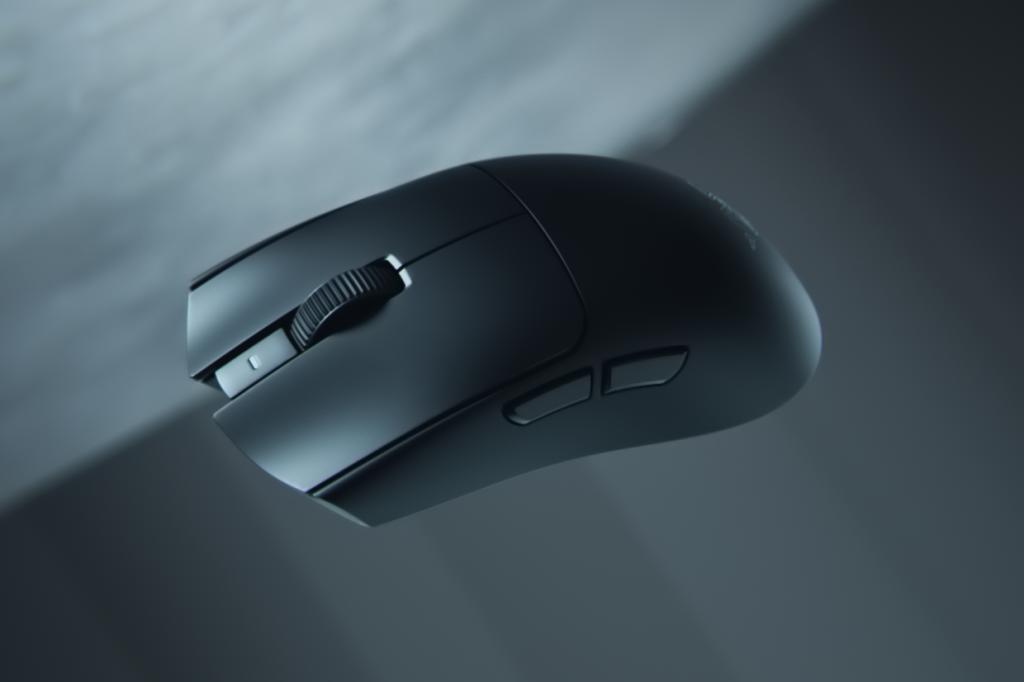
The right-handed symmetrical scroller arrived with an even smarter version of the Hyperspeed V2 wireless receiver I loved on the Deathadder V4 Pro. Its antenna has been re-engineered for better connectivity, along with support for true wireless 8000Hz polling. Combined with Razer’s 3rd-gen 50K optical sensor, the new mouse promises to be up to 2.5 times faster in motion latency than the outgoing Viper V3. Basically however fast you can lob this thing across your desk, it’ll always keep up.
Razer has also moved to fourth-gen optical mouse switches, which promise a lower click latency while keeping the physical feedback you only get from mechanical switches. If that sounds like a direct shot across the bow of Logitech’s Pro X2 Superstrike, you’re not wrong: the upstart has been turning heads with its haptic clicks, but the vibration motors that shake to indicate an input haven’t been to all tastes. The Viper V4 Pro also delivers a 50:50 weight distribution, rather than the top-heavy Logitech.
Other generational upgrades include a 9% weight reduction compared to Viper V3 Pro, meaning it now tips the scales at just 49g.
Battery life is rated for an outstanding 180 hours at 1000Hz wireless polling, more than double what the old Viper could manage. It’ll dip dramatically if you insist on 8000Hz, but should still need plugging in less often than before.
Anyone allergic to Razer’s Synapse desktop customisation software will also be happy to hear the Viper V4 Pro will be among the first mice that can be configured using Synapse Web. The new browser-based interface will do the same job as the Windows version, letting you make instant tweaks to settings without having to have a program constantly running in the background.
The Razer Viper V4 Pro is available right now for $160/£160, in black and white colours.
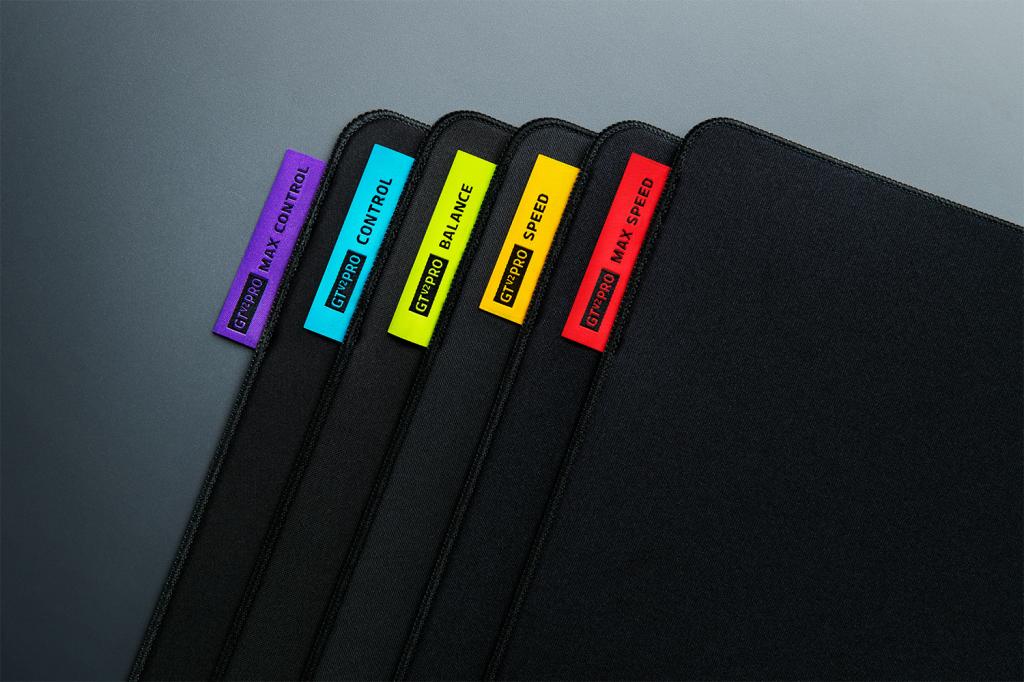
Gamers looking to update their mouse-slinging surface at the same time as the rodent itself will also want to check out the refreshed range of Gigantus mousepads.
The Gigantus V2 Pro can be had with five different versions of Razer’s proprietary Glidecore foam, giving players a choice of speed ratings (or how much friction you feel when flinging your mouse over your desk) to match their play style. The anti-warp design has low-profile stitched edges that won’t catch on your wrists, while the surface has been tested to ensure pixel-perfect tracking using optical mice sensors.
It’s available in one size – 500x480mm – and only in black, with Razer’s ouroboros logo in one corner and a colour-coded tag indicating the speed rating at the opposite corner. Expect to pay $50/£50/€60 to get one onto your desk.
- Related: Here’s why the Razer Deathadder V4 Pro is the ultimate evolution of my favourite ever gaming mouse


 Tom Morgan-Freelander
Deputy Editor
Tom Morgan-Freelander
Deputy Editor