The AI music crackdown has exposed Spotify and Apple Music’s biggest problem
More music-streaming services are demonetising AI, but only one of them is willing to fully protect human creativity and combat slop

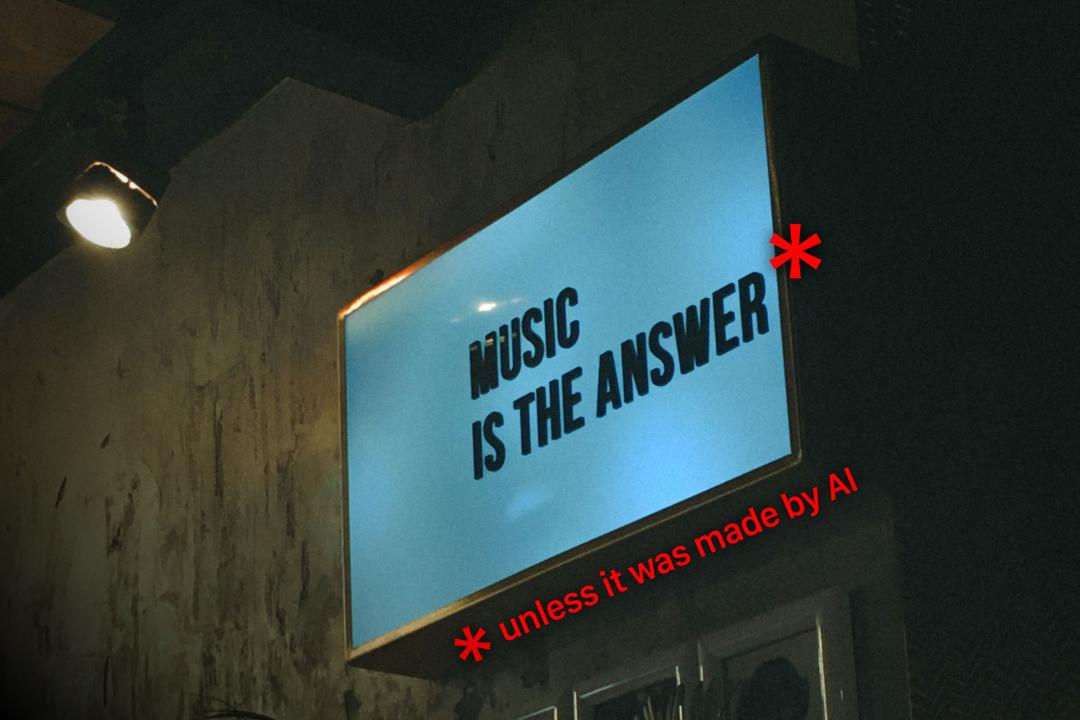
AI is everywhere. And everyone has their line in the sand. They’ll say it’s OK to do ‘this’ thing, yet not ‘that’ thing, with AI. Naturally, what most people consider acceptable tends to be whatever helps them work more efficiently, but not anything that threatens their own livelihood. All of which feels a tad hypocritical – and none of this is leading anywhere good.
When I was a youngling, science fiction was full of people loafing about while robots handled the drudge work. But we now live in an age where tech bros, having contributed precious little of cultural value themselves, have decreed that GenAI should let everyone ‘do’ writing, ‘do’ music and ‘do’ art.
This is, we’re told, ‘democratisation’. Except it isn’t. It’s the demolition of the creative industries. It convinces people that creativity begins and ends with having an idea, and that typing a prompt is somehow equivalent to spending time thinking, honing and refining a song, an illustration or a book into being.
The line in the sand, though, is a strange thing. I increasingly see creatives using GenAI for the parts they can’t do themselves. Musicians using GenAI for cover art. Artists using GenAI for writing. Writers using GenAI for music. And so on. Every compromise and transgression chips away at the whole.
So it’s refreshing when pushback comes – and not only from the public, but also from those in positions of power. Right now, the music streaming industry is waking up and drawing its own lines in the sand. Unfortunately, some are fragile to the point they’ll be washed away by even the slightest wave.
On the record
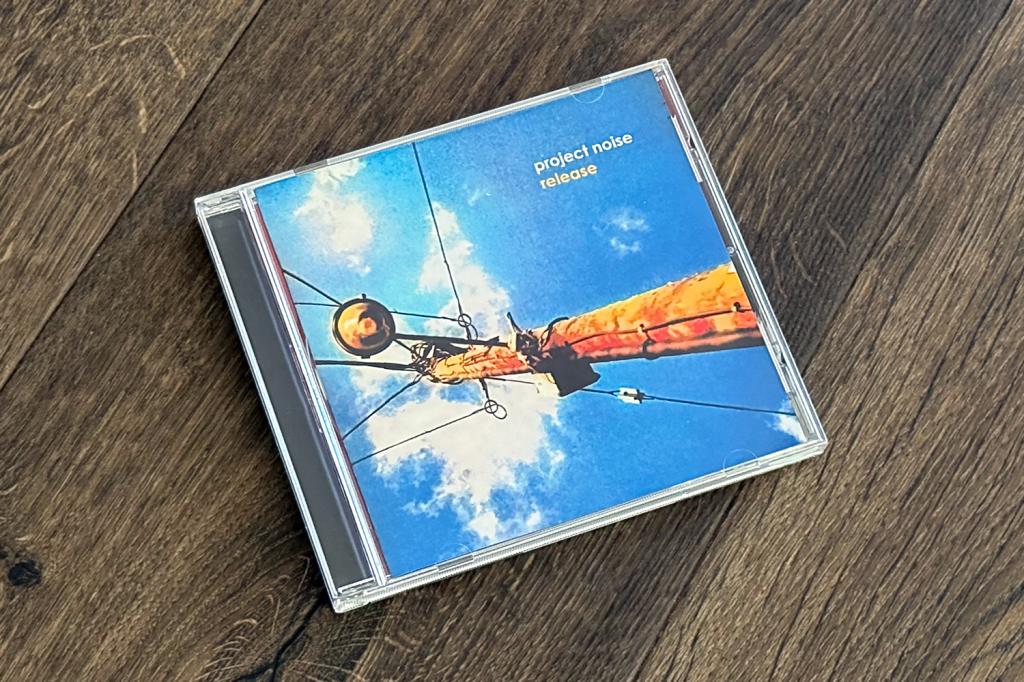
Disclosure: I have a sliver of skin in this game. I’ve been writing songs since I was a teen – so for several [Over 35 actually – Accuracy Ed.] years now. During that time, I’ve sold… several albums too [Probably not over 35, sadly – Accuracy Ed.] and although that never paid the bills (and it’s been over a decade since my last album escaped into the wild), passion keeps me going.
I do of course believe anyone should be able to make music. But then it’s never been easier to start. I don’t, though, consider it OK to flood the market with slop and outright fakery, further devaluing human creativity.
This week, Tidal became the latest platform to push back. Its AI policy doesn’t ban AI-generated music outright, but it does demonetise it. Upload your GenAI “Phil Collins sings Metallica” and you won’t get paid. Nor will AI slop farms pumping out AI-generated albums that are listened to by AI bots to siphon royalties from actual musicians.
I welcome that – along with Deezer’s similar policy. But Apple’s ‘self-declared AI transparency tags disclosure’ approach falls short. Worse, Spotify is increasingly embracing AI, arguing that its controlled alternative of AI remixing is at least grounded in consent. The output is still slop, though.
Bandcamp remains the outlier. Earlier this year, it banned all music substantially created by AI. That’s consistent with a platform that has long prioritised artists and prized human-made music. Whether that position is sustainable is another matter. AI threatens to push beyond the uncanny valley. Soon, it might be impossible to distinguish AI-generated music from the real thing. Until that day, though, Bandcamp isn’t compromising and neither should anyone else.


 Craig Grannell
Contributor
Craig Grannell
Contributor