Omega launches the 4th gen of the Planet Ocean with a complete redesign and seven new models
The Planet Ocean gets a slimmer, more angular case, and the boldest orange colour yet

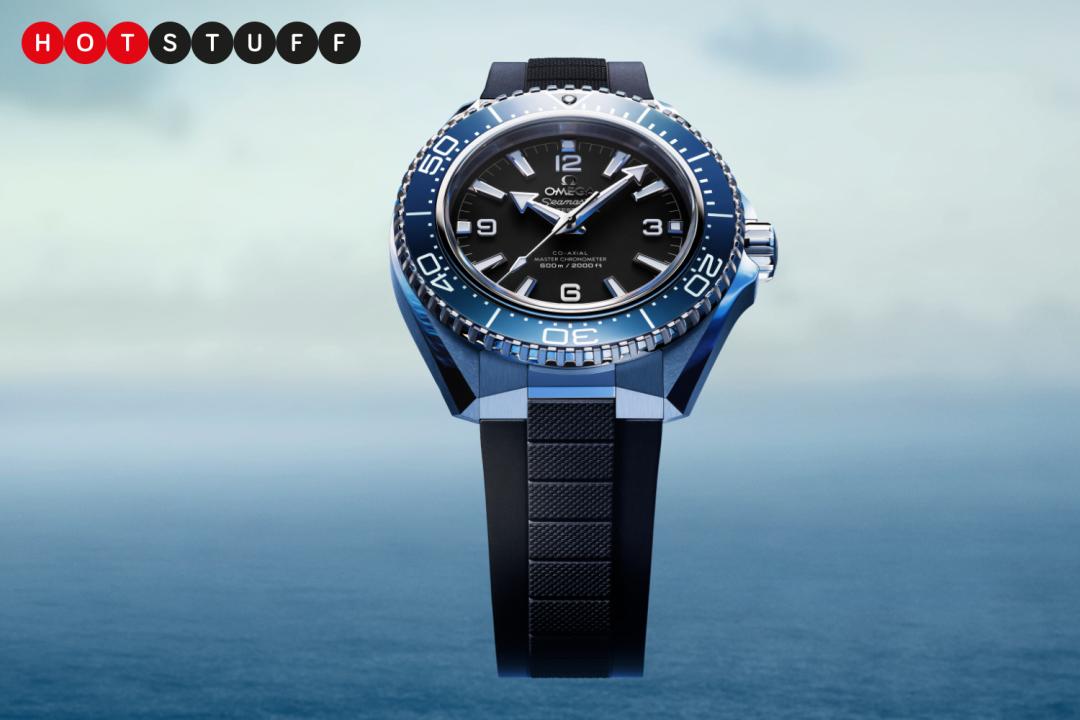
Omega has given the Planet Ocean a full reboot for 2025, rolling out the fourth generation of its flagship dive watch with a new case design, a slimmer profile, and seven fresh models.
It’s a big moment for the brand, the original Planet Ocean landed in 2005, and while each generation has added its own flavour, none has torn up the rulebook quite like this one.
The core idea stays the same: a serious dive watch with Omega’s ocean heritage baked in. But everything around that idea has been rethought. The new models stick to a 42mm case, just like the originals, but the brand has shaved the thickness down to 13.79mm. That’s a significant drop from the 16.1mm of the previous generation, and a change you’ll feel right away.
The slimmer profile comes from a flatter sapphire crystal and an entirely rebuilt case structure, which now uses a two-part architecture with an inner titanium ring for strength. Omega picked up a lot of this know-how while building the Ultra Deep, and it’s now trickled down into a watch that’s water-resistant to 600 metres.
There’s another major break with tradition: no helium escape valve. Omega has quietly retired the feature after 20 years, saying the new construction makes it unnecessary. Could 2026 be the year we finally see the Seamaster 300M without a helium escape valve?
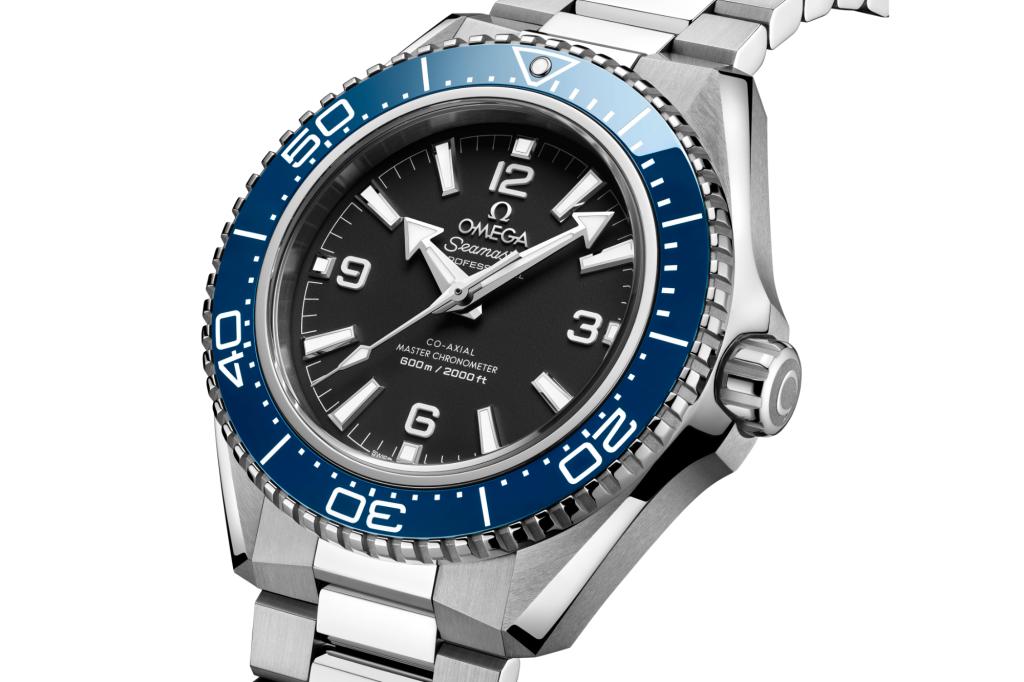
In its place, you get a far sharper, more modern-looking case with cleaner lines and a stronger connection to some of the brand’s 1980s and 90s Seamaster designs. It’s a more angular, fitted look.
The seven-model launch splits into three families: orange, blue, and black. The orange versions are the most recognisable, with matte orange numerals on the dial and a new orange ceramic bezel filled with a hybrid white ceramic scale.
Omega’s spent years cracking bright orange ceramic (it’s notoriously tricky), so the return of the colour will be a relief to anyone who loved the early Planet Oceans.
Blue models get crisp white numerals and a blue ceramic bezel with a white enamel scale, while the black versions go more monochrome with rhodium numerals and a black ceramic bezel.
Every model can be paired with either a steel bracelet or a rubber strap, with orange models also offering a matching orange strap for those who want full commitment.
The bracelet itself has had a complete overhaul, too. It’s now fully integrated into the case with flat links, slimmer proportions, and a six-position micro-adjust system plus diver extension. The rubber straps use a foldover clasp for a more secure fit.
On the back, Omega has ditched sapphire and returned to Grade 5 titanium screw-in casebacks, engraved with the Seahorse emblem and the usual Seamaster markings.

All seven watches run the same movement: the Co-Axial Master Chronometer Calibre 8912. It’s the one used in the Ultra Deep, so you get 60 hours of power, METAS-certified accuracy, and serious anti-magnetic performance.
Visually, the biggest change sits on the dial. Omega has kept the matte black base, arrowhead hands, and bold indexes, but the Arabic numerals now use an open-worked, squarer style. It’s a small tweak that nudges the watch closer to the sharper case shape and nods back to the open numerals used on the first Planet Oceans.
It’s been 20 years since the original Planet Ocean arrived. Four generations later, this reboot is less bulky, more refined, but still unmistakably part of Omega’s deep-sea family.
The new Planet Ocean is available now on Omega’s website, priced at US$8600 / £7200 on the rubber strap, and US$9200 / £7700 on the steel bracelet.
Liked this? Christopher Ward’s latest watch release is giving major Tron vibes


 Spencer Hart
Buying Guide Editor
Spencer Hart
Buying Guide Editor