Oppo Find N6 review: two key changes make my favourite foldable phone even better
Can we finally say goodbye to the crease?


Stuff Verdict
Tackles its predecessor’s few issues head-on and reduces the crease to almost nothing. The Oppo Find N6 is a phenomenal foldable – even if getting hold of one remains a challenge.
Pros
- Powerful and long-lasting
- Three balanced and capable cameras
- Software still as good as it gets for foldable multitasking
Cons
- Limited worldwide availability
- Photos haven’t quite caught non-folding flagships – but it’s close
- Slightly on the back foot with CPU
Introduction
Every foldable phone maker wants to consign the screen crease to the history books, but it looks like Oppo just beat its rivals to the punch. Well, almost. The Find N6 is the first book-style foldable to truly make me forget there’s a ludicrously complicated hinge underneath its expansive internal display.
The firm has also addressed what few shortcomings last year’s Oppo Find N5 had by adding a better balanced set of rear cameras, then found room for an even bigger battery – while staying amongst the slimmest foldables out there. Given how well I liked the outgoing model, it sounds like a recipe for success.
Competition among book-style foldables is hotting up, though. As well as the upcoming Honor Magic V6 and inevitable Samsung Galaxy Z Fold8, Motorola will soon be going stateside with the Razr Fold. Given Oppo’s idea of a ‘worldwide launch’ only includes a few English speaking countries in the southern Hemisphere, getting hold of a Find N6 could prove tricky if you live in Europe or the US.
Is there enough appeal here that determined foldable fans should consider importing one?
How we test smartphones
Every phone reviewed on Stuff is used as our main device throughout the testing process. We use industry standard benchmarks and tests, as well as our own years of experience, to judge general performance, battery life, display, sound and camera image quality. Manufacturers have no visibility on reviews before they appear online, and we never accept payment to feature products.
Find out more about how we test and rate products.
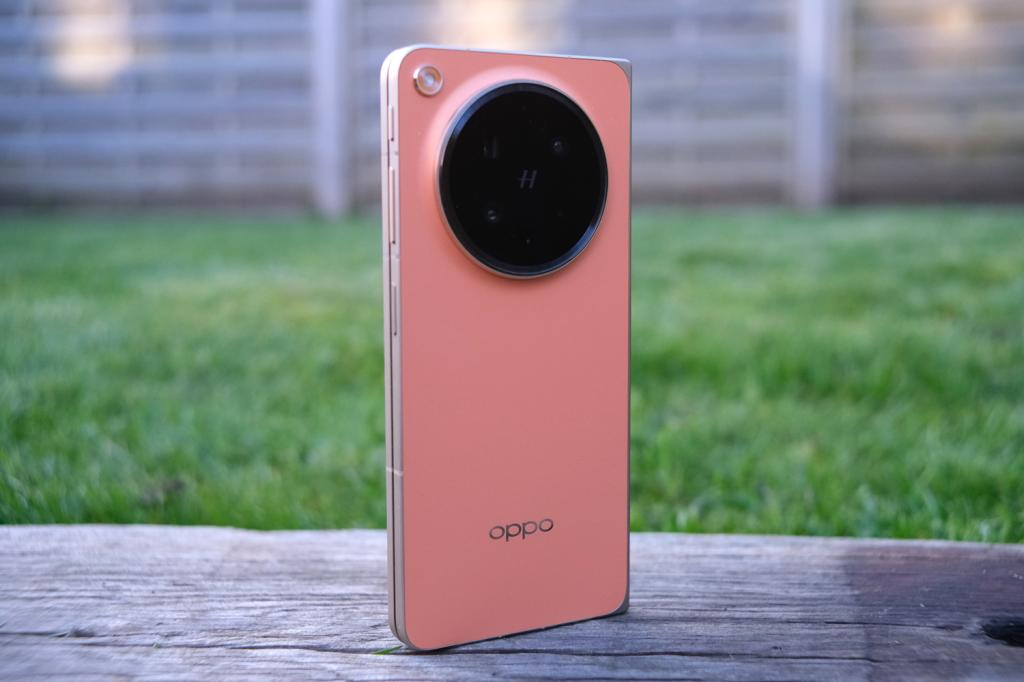
Design & build: what a peach
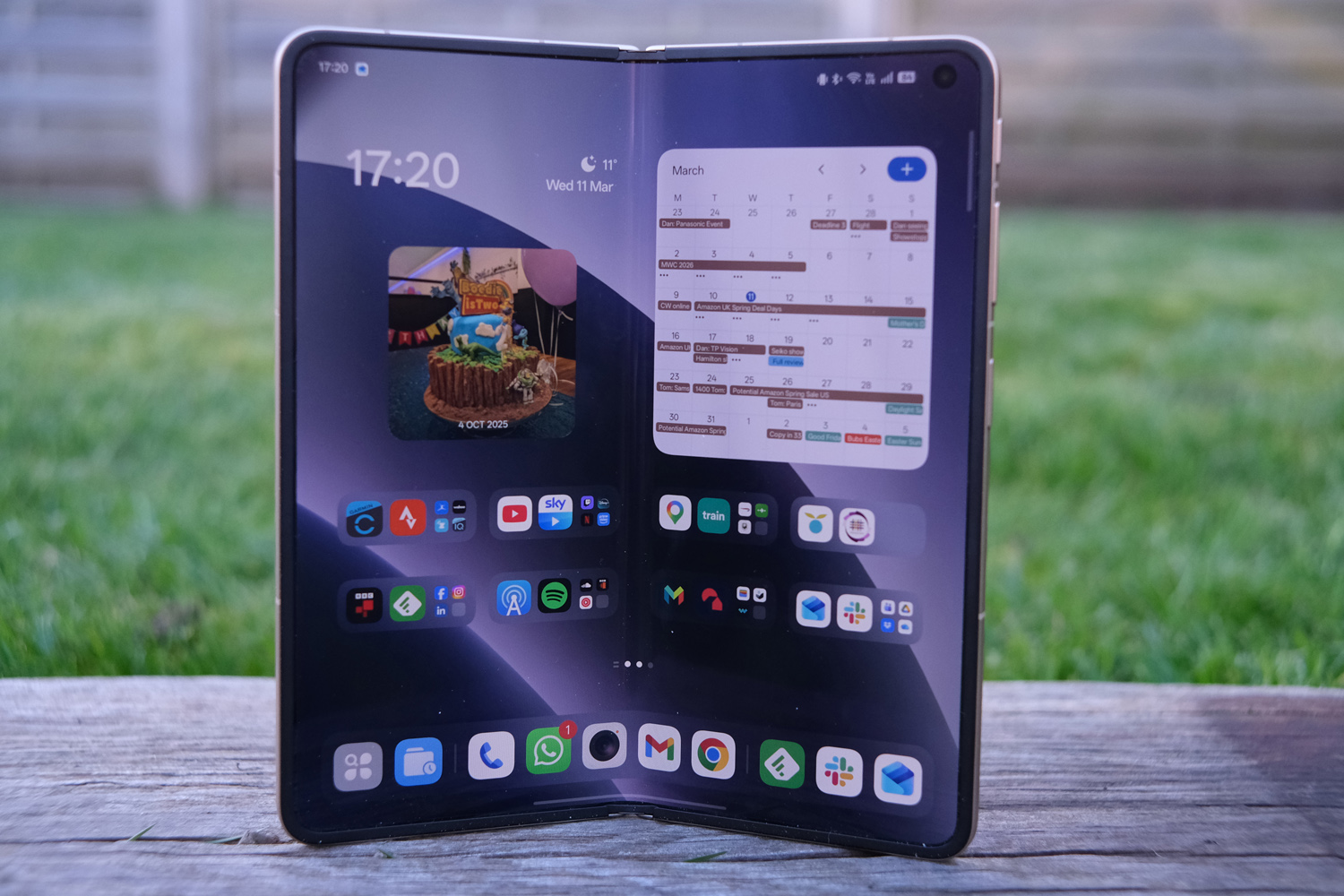
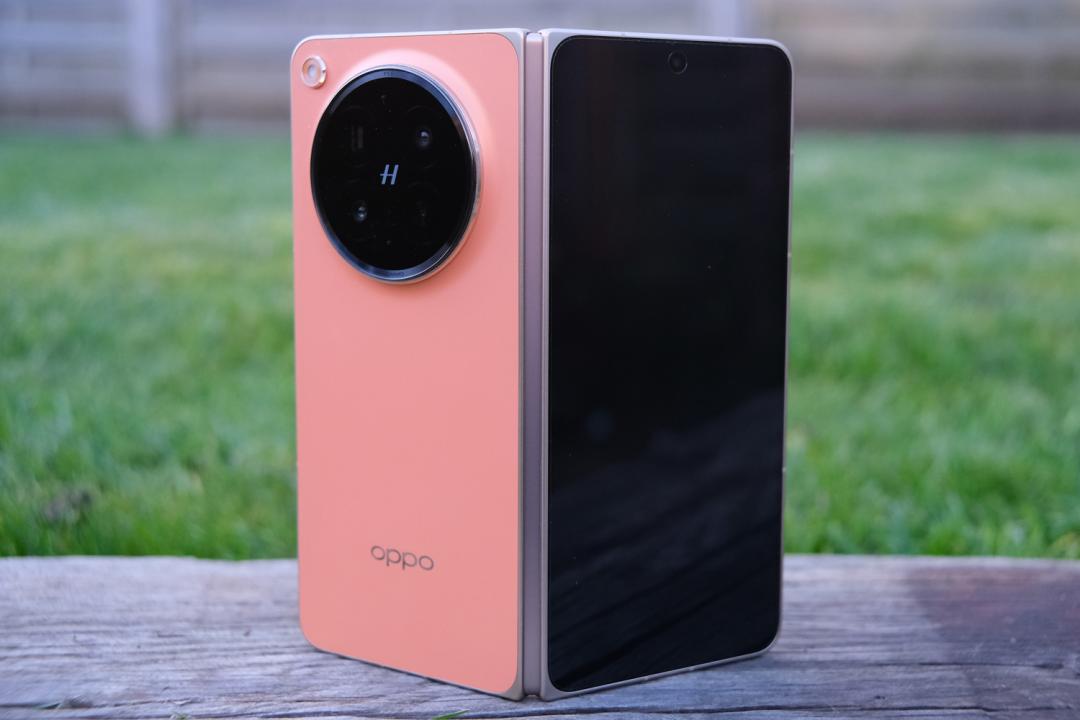
Oppo hasn’t given the Find N6 a major styling upgrade compared to its predecessor, but a fresh coat of paint makes a big difference. My review unit’s Blossom Orange colour scheme is an instant head-turner, complete with gold-hued aluminium frame and almost lurid rear panel that does a convincing impression of glass. It’s made from aircraft-grade fibres to keep the weight and dimensions in check, and has so far proved very resistant to fingerprints. I can’t vouch for the Stellar Titanium option, which I’ve only seen in photos.
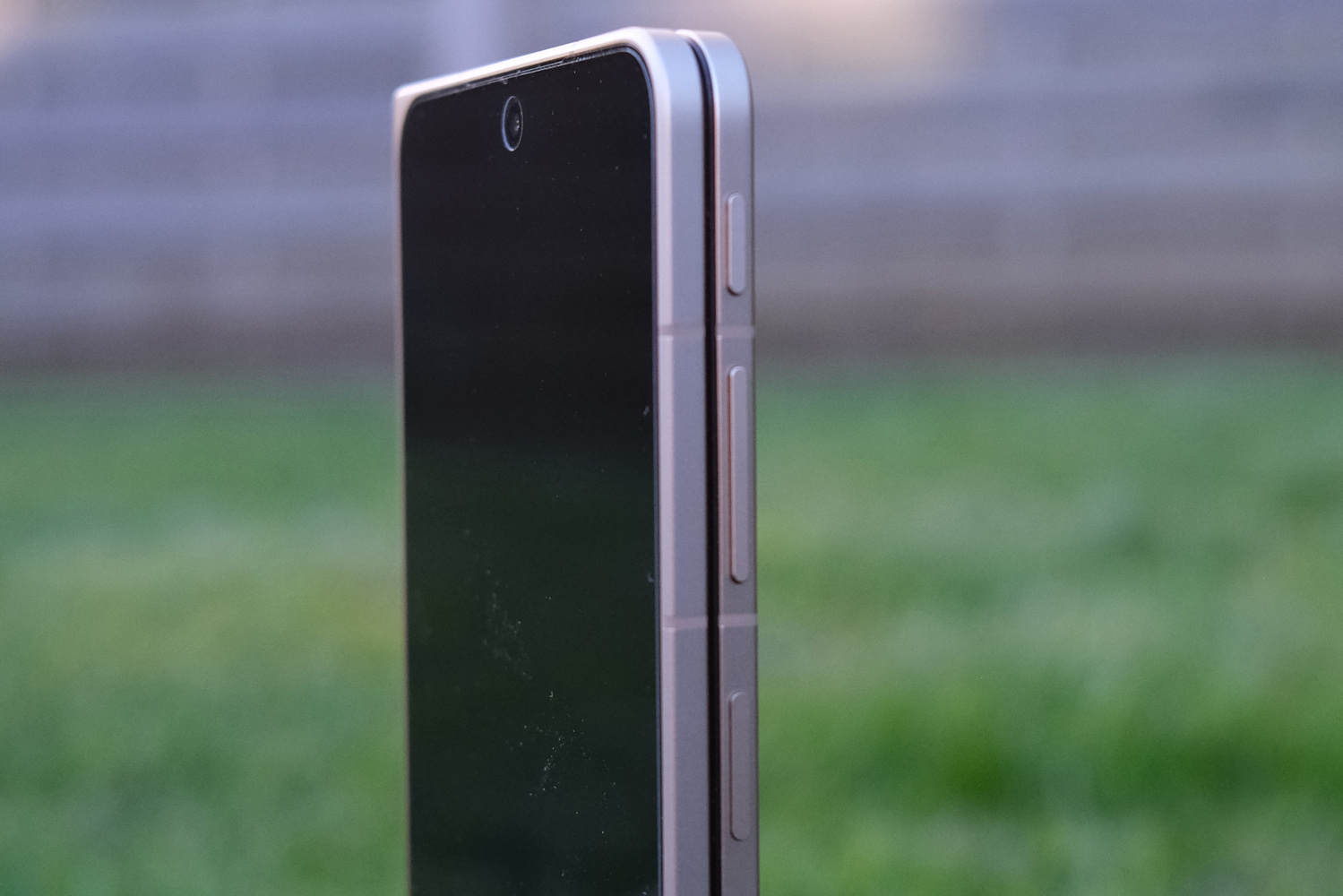
While the dimensions haven’t changed much from last year, this is still a gloriously slender phone, being just 4.2mm at its thinnest point when opened and only 8.93mm while closed. The camera bump has been slimmed down ever so slightly – to the point it’s now the smallest of any foldable – making it effortless to slide in and out of a pocket. Oppo has also reduced the weight by a few grams, putting it level with the current crop of ultra-badged candybar handsets.
Most of the changes are under the skin, with a lot of work having gone into the third-gen titanium flexion hinge. Oppo has used laser scanning and 3D liquid printing to fill the tiny gaps that you’d usually notice when rolling your finger over the inner screen’s crease. ‘Zero-feel’ is a bold claim, and one I don’t think the Find N6 quite lives up to – but it’s as close to undetectable as I’ve experienced on a foldable phone.
Improvements to the hinge have also helped improve elemental resistance: this is now an IP58 and IP59-rated phone, which is class-leading for water and a huge step up from last year for dust ingress. This might be the first foldable I’d happily take to the beach.
The overall styling is familiar, with flat sides and contoured edges giving you plenty to grip onto at the sides, even when unfolded. The huge circular camera island returns, but the flash module has been bumped to the outside to make room for a Hasselblad-backed spectral colour sensor. That (and the colour) aside, the only giveaway you’re looking at the latest generation is the Snap Key.
This replaces the OnePlus-inspired alert slider, which on the Find N5 was found on the edge of the outer display section. The N6 has a customisable button instead, on the same half as the power and volume keys. It’s high enough up the frame that I never confused it with the other buttons, and proved very handy for activating Do Not Disturb or jumping into Oppo’s Mind Space app (more on that in the software section).
The power button still doubles as a fingerprint sensor, which is as speedy as ever and placed just low enough that left-handers won’t struggle to reach it. Facial recognition isn’t secure enough for banking apps but got me past the lock screen quickly enough.
Screen & sound: the foldable future
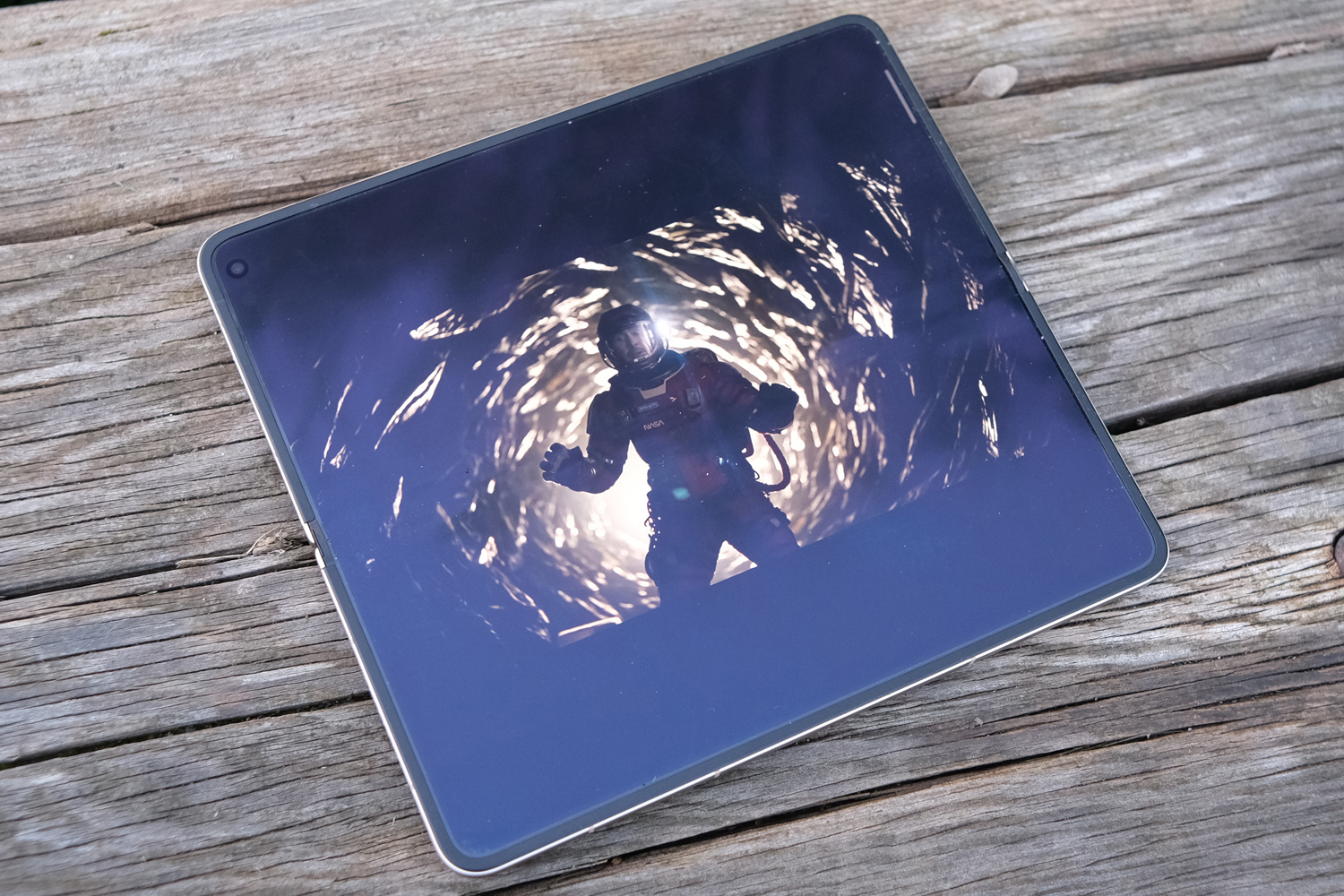
Is the Find N6’s inner display crease as hard to see as it is to feel? Most definitely. Face-on to the phone it’s essentially invisible, and only shows up at extreme horizontal angles. Even then, it depends on what you have onscreen: lighter images and white backgrounds hide it exceptionally well.
Chalk the improvements down to flexible glass that’s 50% thicker than last year, with significantly better deformation resistance and shape recovery. Expect it to stay that way over time as well, with testing lab TUV Rheinland giving it the thumbs up for a minuscule 11 micrometres of change after 200,000 folds. This is the new foldable screen standard, pure and simple.
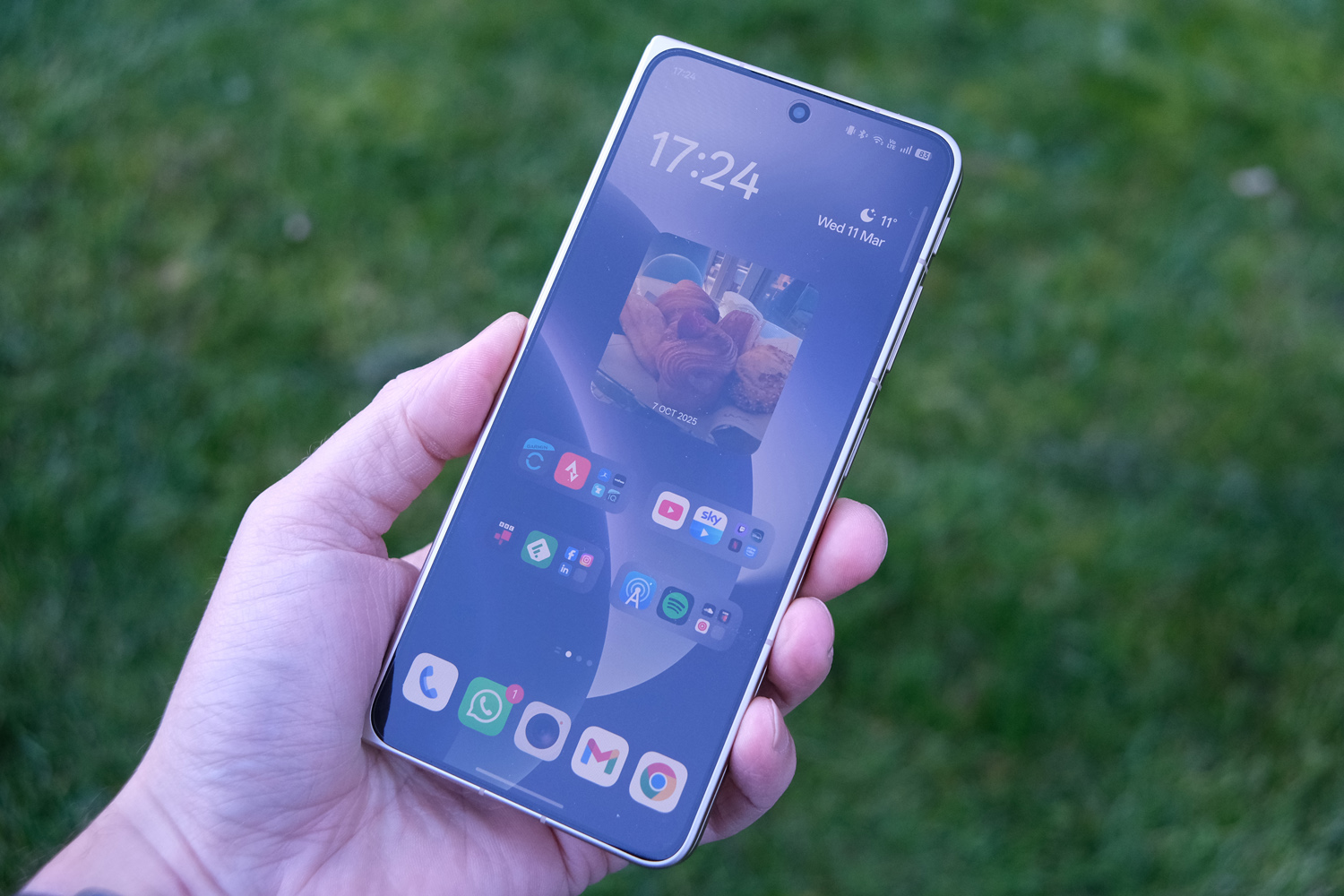
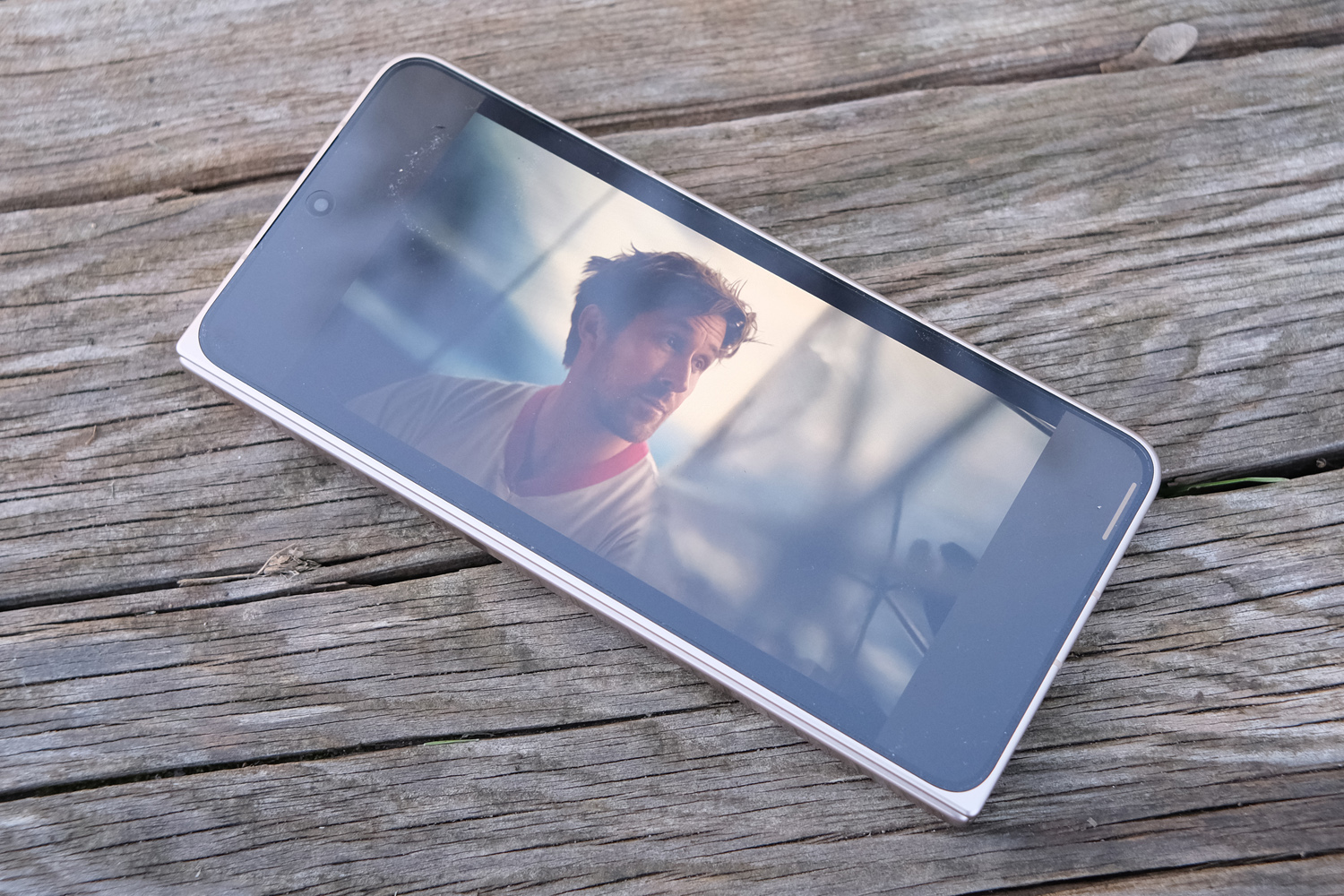
Even ignoring that class-leading crease, the Find N6 has a stunning set of screens. the 6.62in cover display has impressively skinny bezels, a responsive 1-120Hz refresh rate, and is protected by nano crystal glass that has stayed blemish-free throughout my testing. It’s a little narrower than a traditional smartphone, but a 20.7:9 aspect ratio gives it the width advantage over Samsung’s Galaxy Z Fold 7. Most of my go-to apps felt right at home, only losing a small amount of horizontal space from what I’m used to a my non-folding flagship.
It gets properly bright for outdoor viewing, and HDR content can push it even further to a peak 3600nits. Non-folding flagships will shine brighter, true, but in daily use I had no complaints. Colours, contrast, black levels and viewing angles are all top-tier, as you’d hope from a modern OLED panel. Oppo hasn’t overdone it on saturation either, so photos and videos looked nice and natural.
All that is also true of the 8.12in inner screen, which is still among the biggest you’ll find on any book-style foldable. The aspect ratio is almost square, which is perfect two side-by-side multitasking, but does leave a bit of letterboxing for video content. Still, the viewable area is bigger than a non-folding flagship. The punch-hole selfie camera being tucked away in the top right corner minimises distractions too.
Brightness isn’t quite as high here, peaking at 2500 nits, but that’s still more than enough for indoor use; about the only thing I avoided while in bright sunshine was video streaming, as dark scenes could lose a little lustre – but no more than any other foldable I’ve used. The flexible glass is partly to blame, as it picks up more reflections than regular glass. More fingerprints too – I kept a cleaning cloth handy throughout testing.
Both screens have stylus support, though the Oppo Pen is almost as hard to come by as the phone itself if you don’t live in Asia.
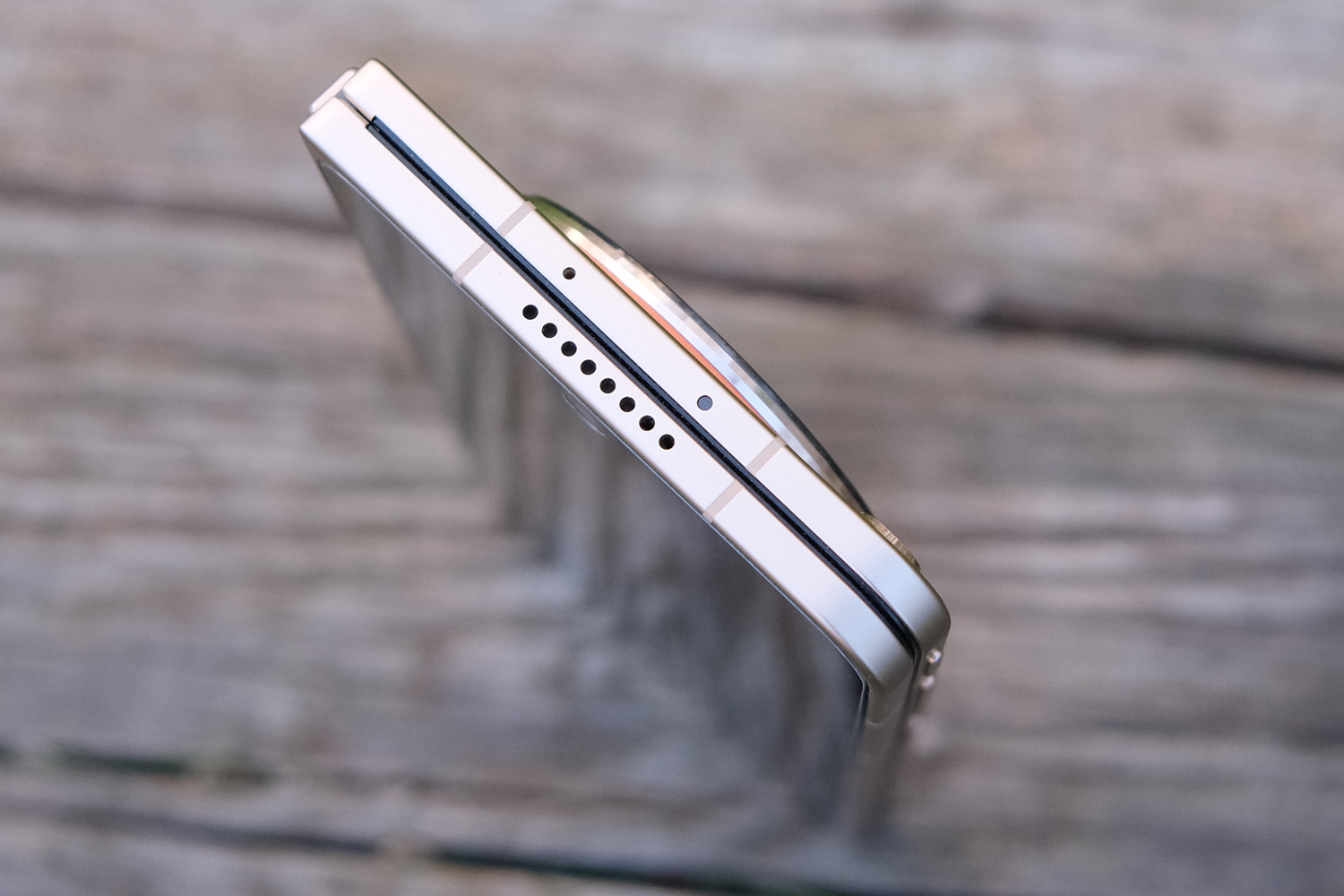
I can’t say the speakers sounded all that different to last year, but that’s not a negative: there’s plenty of volume on tap, with a good sense of stereo when unfolded due to having speaker grilles at diagonal ends of the phone.
Cameras: plenty of pixels
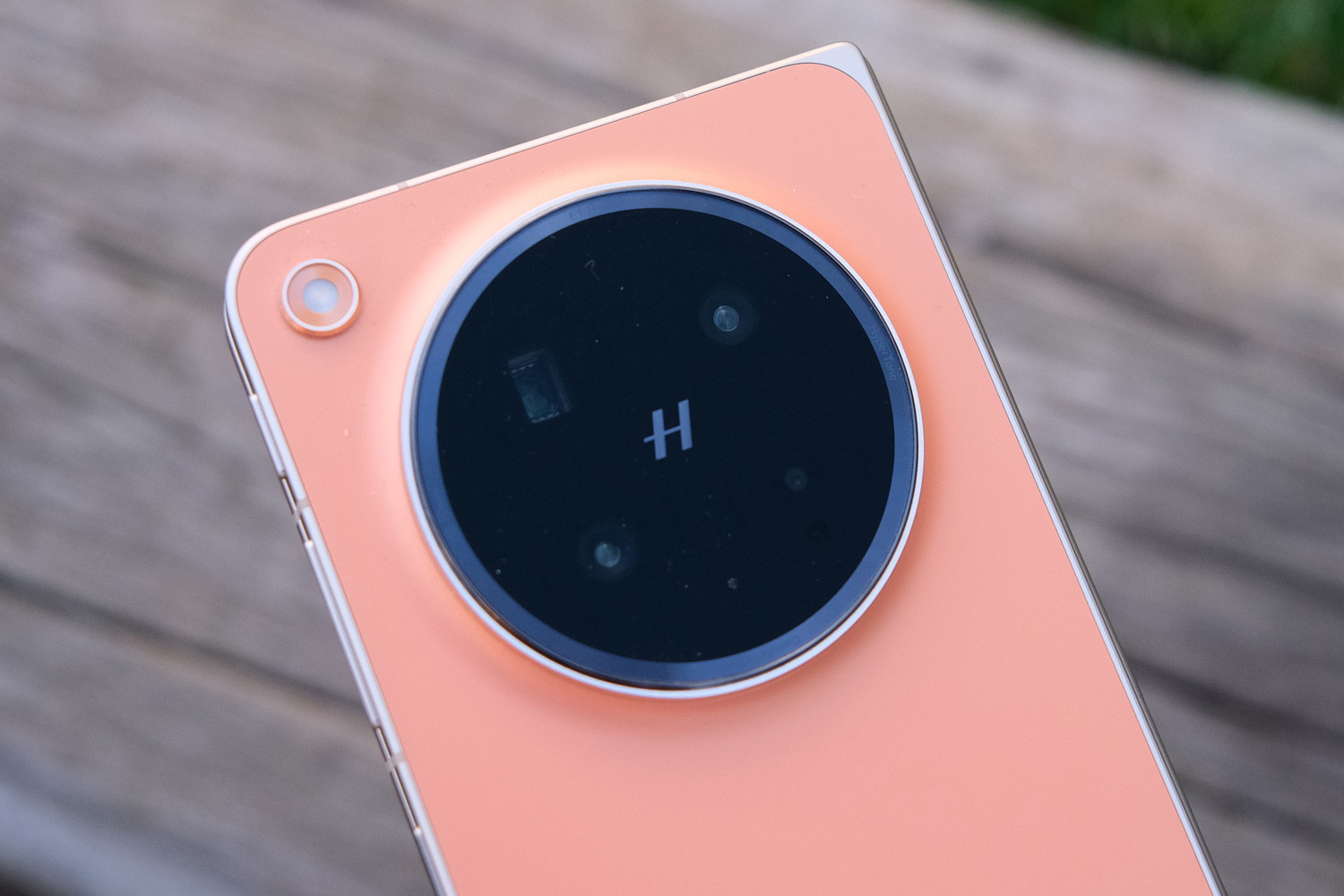
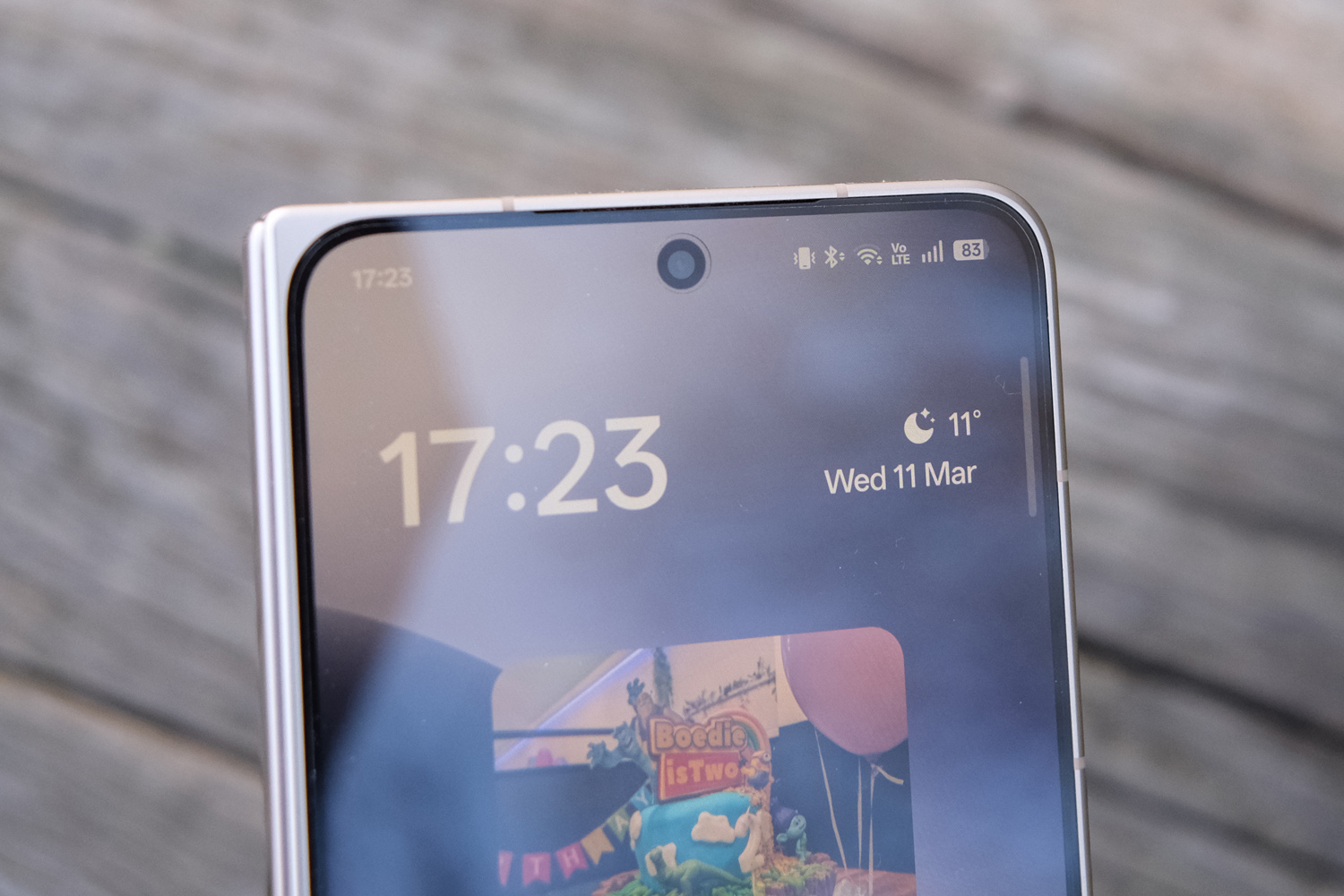
If last year’s Find N5 had one obvious concession to size, it was the rear camera array: while the lead and telephoto lenses had high pixel count sensors, the ultrawide snapper made do with a lowly 8MP. Oppo has course-corrected for 2026, bumping the ultrawide to a more competitive 50MP. And that’s not the only upgrade – the optically stabilised main camera now tops out at 200MP, while the inner and outer webcams have uprated 20MP sensors.
The 50MP periscope zoom is unchanged, meaning it’s still good for 3x optical zoom with OIS, ‘lossless’ 6x shots, and telemacro close-ups as close as 10cm to the subject. The multispectrum colour sensor also returns, with tuning that was signed off by camera expert Hasselblad. The Swedish firm also lent its name to the Hi-Res shooting mode and a handful of film-like filters. Finally the LUMO image processing engine is the same as the one used for the photography-minded Find X9 Series.
All those numbers and jargon translate to a foldable camera experience that gets perilously close to a traditional flagship. The lead lens’ extra pixels are able to preserve a stunning amount of detail, even once your snaps have been binned down to a more manageable resolution. Exposure is well judged even in tricky lighting conditions, with noise kept to a minimum even at night. The HDR processing balances strong highlights with areas of deep shadow in a way that preserves the sense of depth – something Google and Samsung’s foldables sometimes struggle with. Colours are a highlight, staying true-to-life even when artificial lighting comes into play.
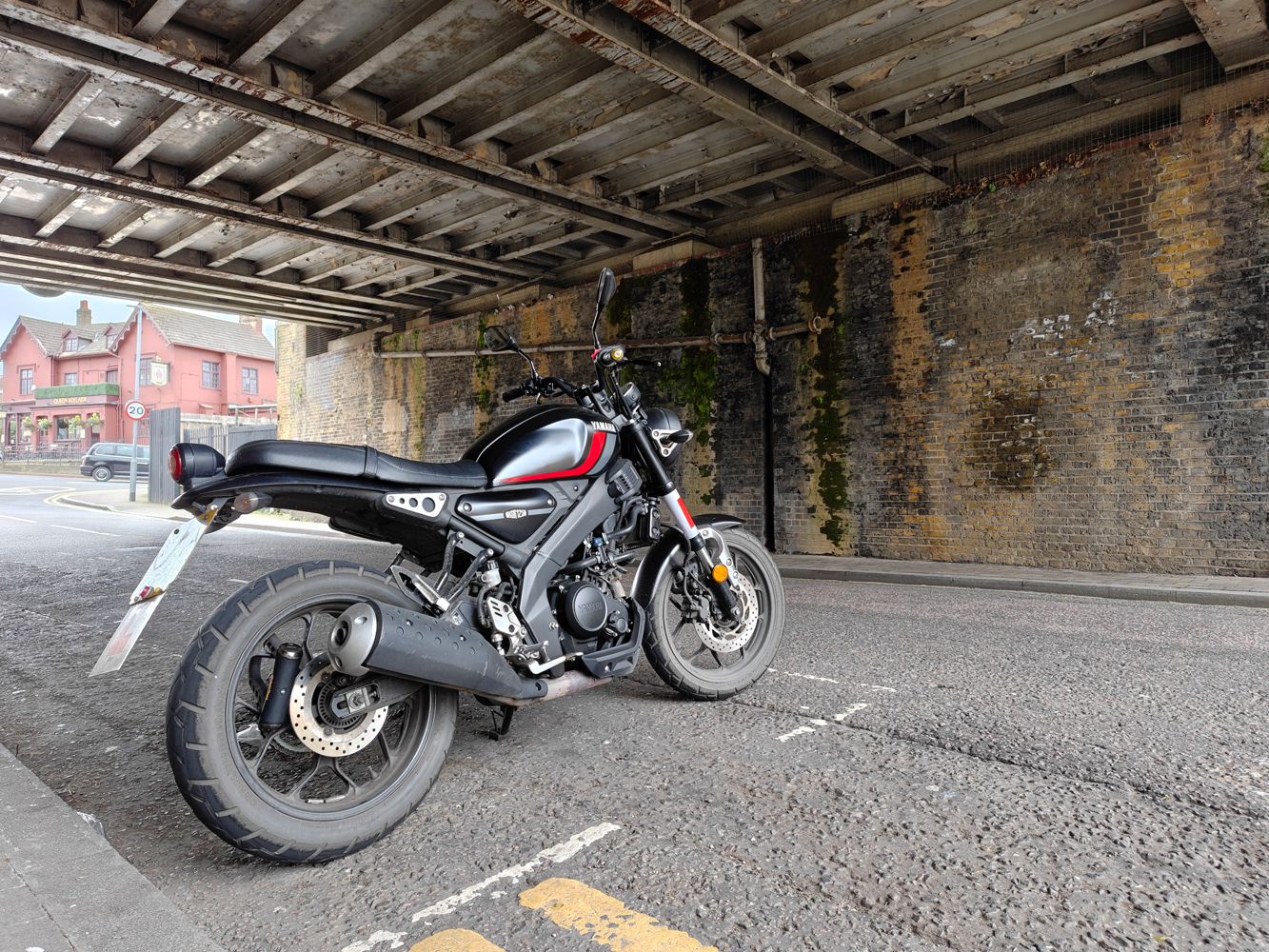














The zoom lens is a very close second, showing just the faintest signs of AI-like overprocessing on very fine details that aren’t present when using the main snapper. I love the natural bokeh blur you get from closeups, and there’s great consistency with the other two lenses. The ultrawide is no weak link anymore, with equal amounts of detail.



Low-light shooting is where you lose out to the best camera phones, largely because of sensor size. Night mode was faster to kick in for me than on the recent traditional flagship phones I’ve tried, though it’s very effective – as long as I wasn’t shooting moving subjects the processing does a sterling job, minimising noise and not sharpening edges too aggressively. There’s a bit of artificial brightening going on, but it’s more subtle than some rivals.
That puts it in good company among high-end handsets like the OnePlus 15, Google Pixel 10 Pro XL and Samsung Galaxy S26 Ultra, but a step behind the Xiaomi 17 Ultra. Still, that’s a mighty strong showing from a foldable phone.
Software experience: still the foldable standard
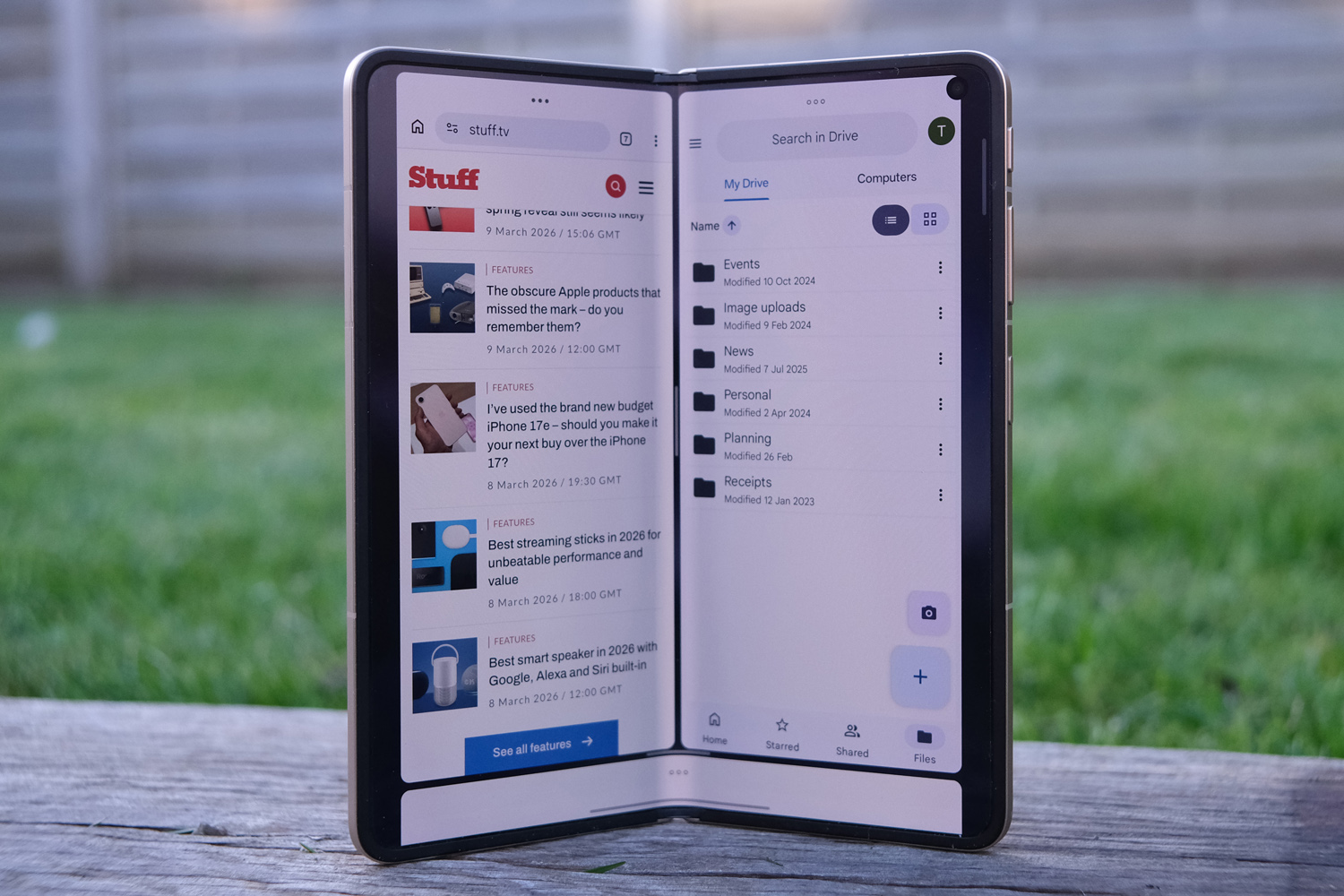
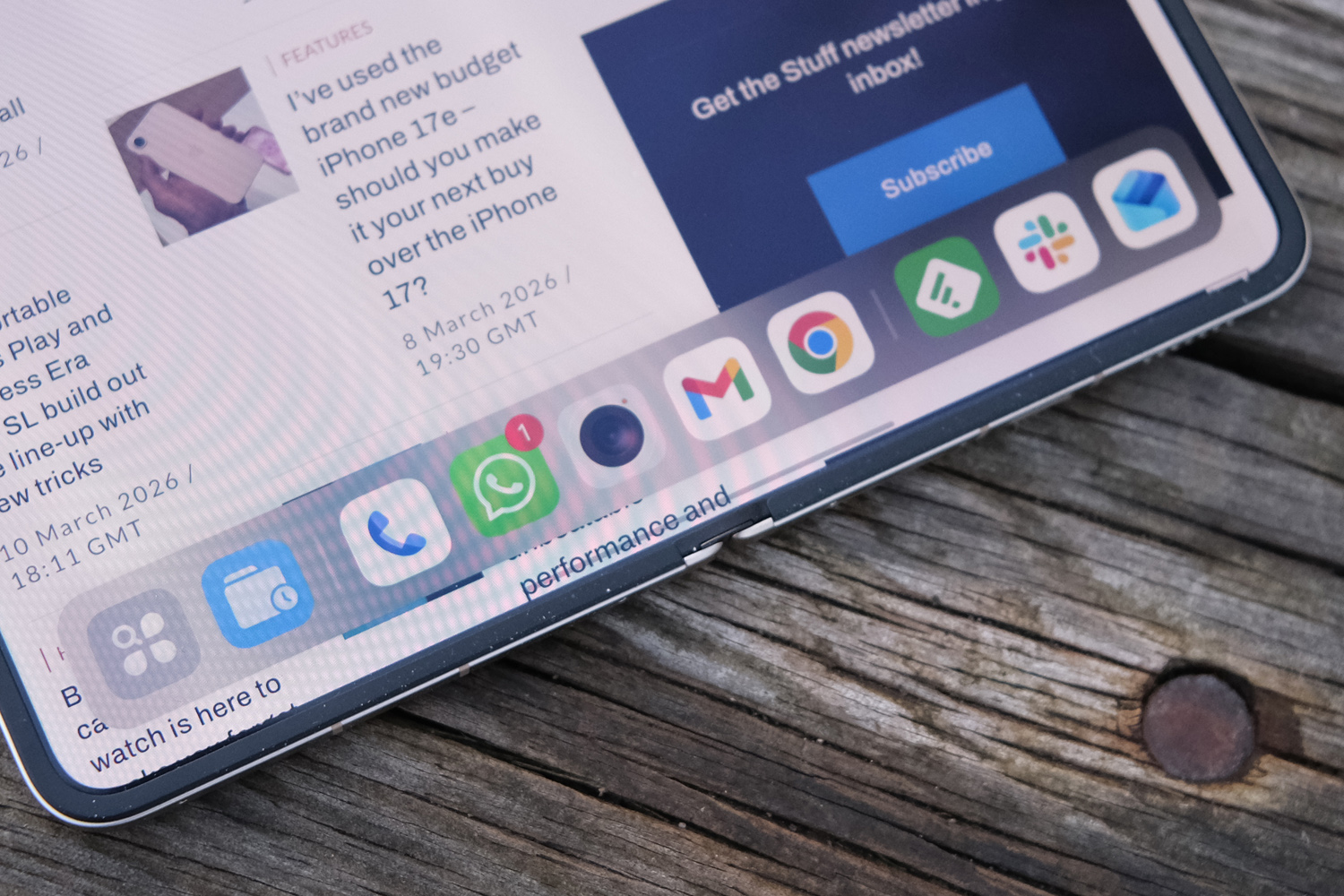
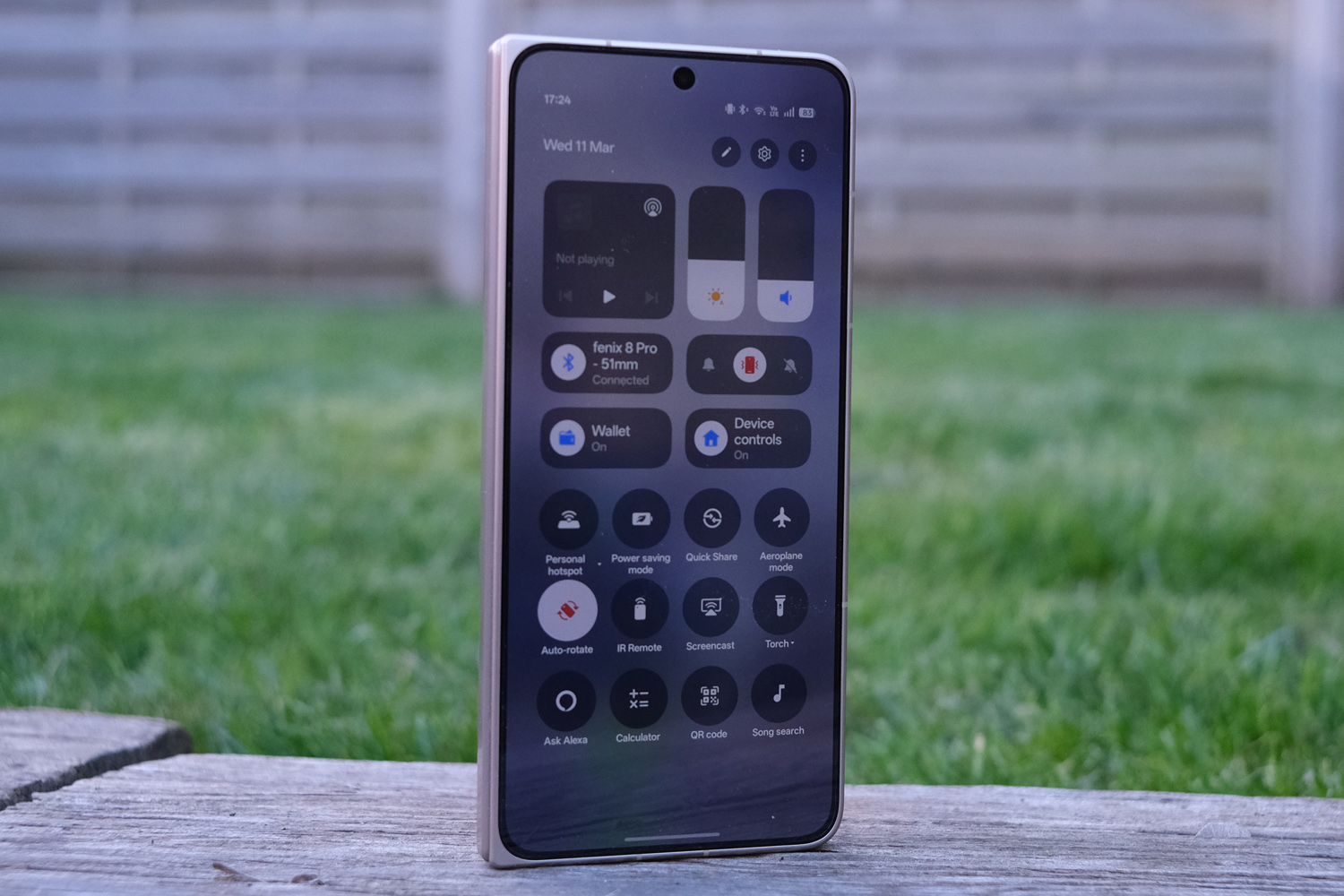
It now sits atop Android 16, but a few visual tweaks aside the Find N6’s software feels very closely related to the version found on the old Find N5. ColorOS is a mature interface though, so I’m not complaining. There’s loads to customise and Oppo hasn’t gone all-in on Liquid Glass-style effects like a lot of Chinese phone brands – though you don’t escape the Apple influence entirely.
The Dynamic Island-inspired live alerts still pop up around the outer screen’s punch-hole selfie camera, and there’s a surprising amount of interconnectivity options for anyone that owns a Mac, including file sharing tools and a remote access client. iPhone-Android wireless file sharing is just waiting on Google’s sign-off, apparently.
That’s on top of Oppo’s familiar selection of own-brand apps, which either take the place of or compete with Google’s defaults. I like that the default launcher lets you hide the ones you have no plans to use, even if you can’t uninstall them entirely. A few of the big hitters like Notes, Translate and Gallery have the usual bunch of AI-assisted extras if you’re that way inclined; real-time translation, audio transcription and generative editing worked about as well as I’ve come to expect. I certainly wouldn’t pay to use any of them.
Oppo’s Android update promise hasn’t changed, meaning owners are in line for four years of new operating system versions and six years of security patches. Google and Samsung still lead the way here.
Oppo takes a commanding lead for usability, however, with the return of Boundless View. Other foldable phones still have yet to match its uncanny ability to let you bounce between three apps at once, first splitting the screen into thirds but then letting you expand each app off the screen. Swapping which apps are open or their order is a breeze, and the new pinch gestures speed up opening apps as floating windows. For getting real work done on a device that fits in your pocket, it’s unmatched.
Performance & battery life: seventh heaven
After taking a bit of online flak for using a seven-core chipset last year, I was a little surprised to see Oppo do the same again for 2026. The Find N6 is packing a custom version of Qualcomm’s flagship Snapdragon 8 Elite Gen 5 – something rival Honor hasn’t felt the need to copy for its equally slim Magic V6.
This is still as good as mobile silicon gets right now, and having one fewer CPU core barely makes a difference in everyday use. The Find N6 is an undeniably rapid phone, whether you’re running one app at a time on the outer display or three at once on the inner one. Synthetic benchmarks show only a small dip in certain situations compared to rivals rocking the full eight cores. It helps that there’s 16GB of RAM on my review unit, alongside 512GB of speedy storage.
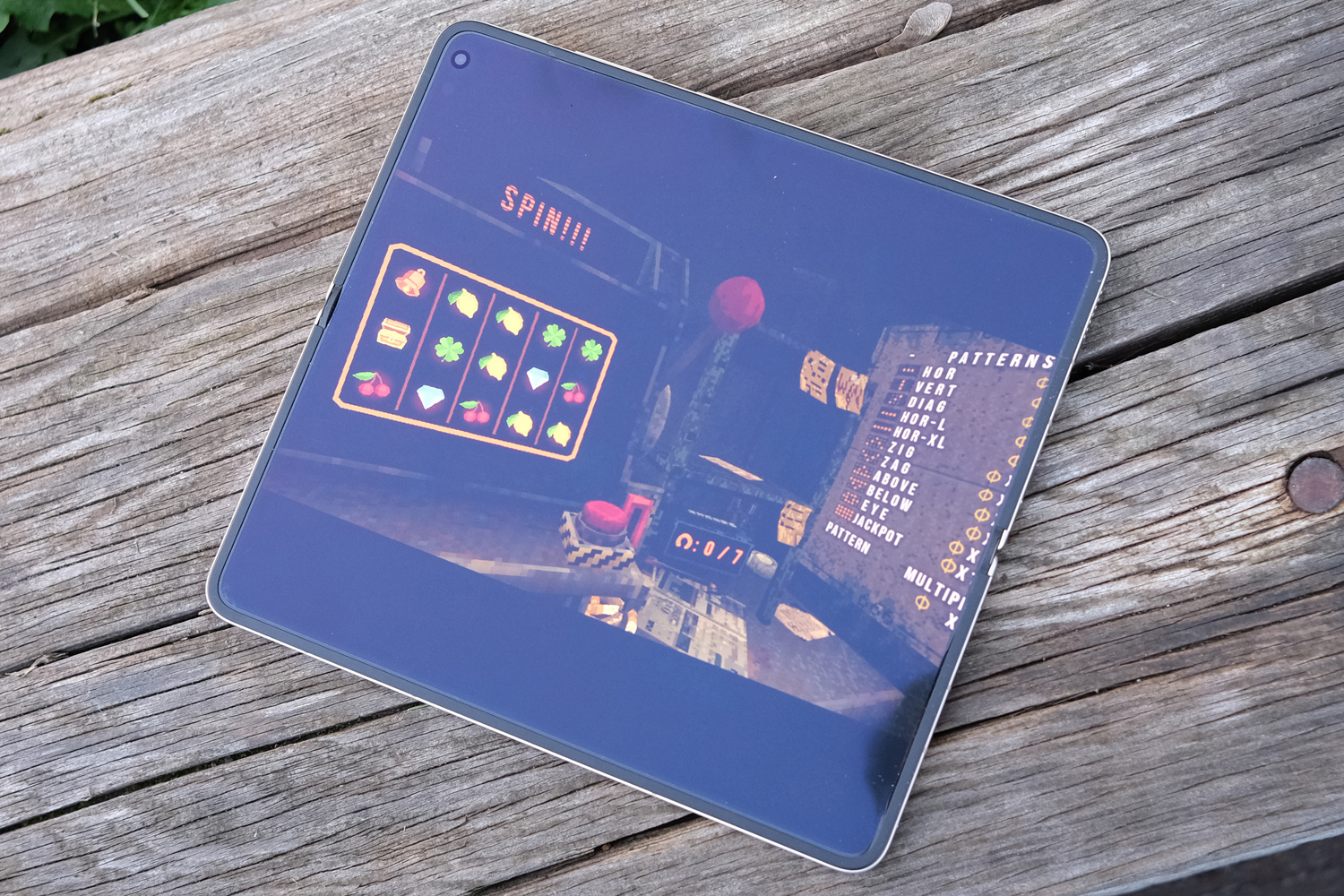
All the games I tried ran smoothly on both the outer and inner display, without sending temperatures skyrocketing – though the handset definitely warms up with use. Even hardcore gamers will be largely satisfied here.
| Oppo Find N6 benchmark scores | |
|---|---|
| Geekbench 6 single-core | 3391 |
| Geekbench 6 multi-core | 8857 |
| Geekbench AI | 3965 |
| Speedometer 3.1 | 17.6 |
| PCmark Work 3.0 | 14,669 |
| 3DMark Wild Life Extreme | 6169 |
While I don’t think one less CPU core is going to make a massive difference to battery life, a higher capacity cell surely will. Oppo has squeezed a 6000mAh unit into the Find N6, up from 5600mAh on the old phone. That’s not quite as much as new standard-bearer Honor, but it’s on par with the upcoming Motorola Razr Fold and absolutely wipes the floor with Samsung’s 4400mAh Galaxy Z Fold7.
This phone has stunning longevity for a foldable, easily lasting a full day of use even when most of that was spent using the larger inner display to stream videos, play games or bounce between email, work chat and notes apps in Boundless View. When I restrained myself to the outer screen, I was finishing my day with 30-40% still in the tank. You’ll still need to head for non-folding flagships if you want to last even longer, but it’s great that battery life is no longer a limiting factor in this form factor.
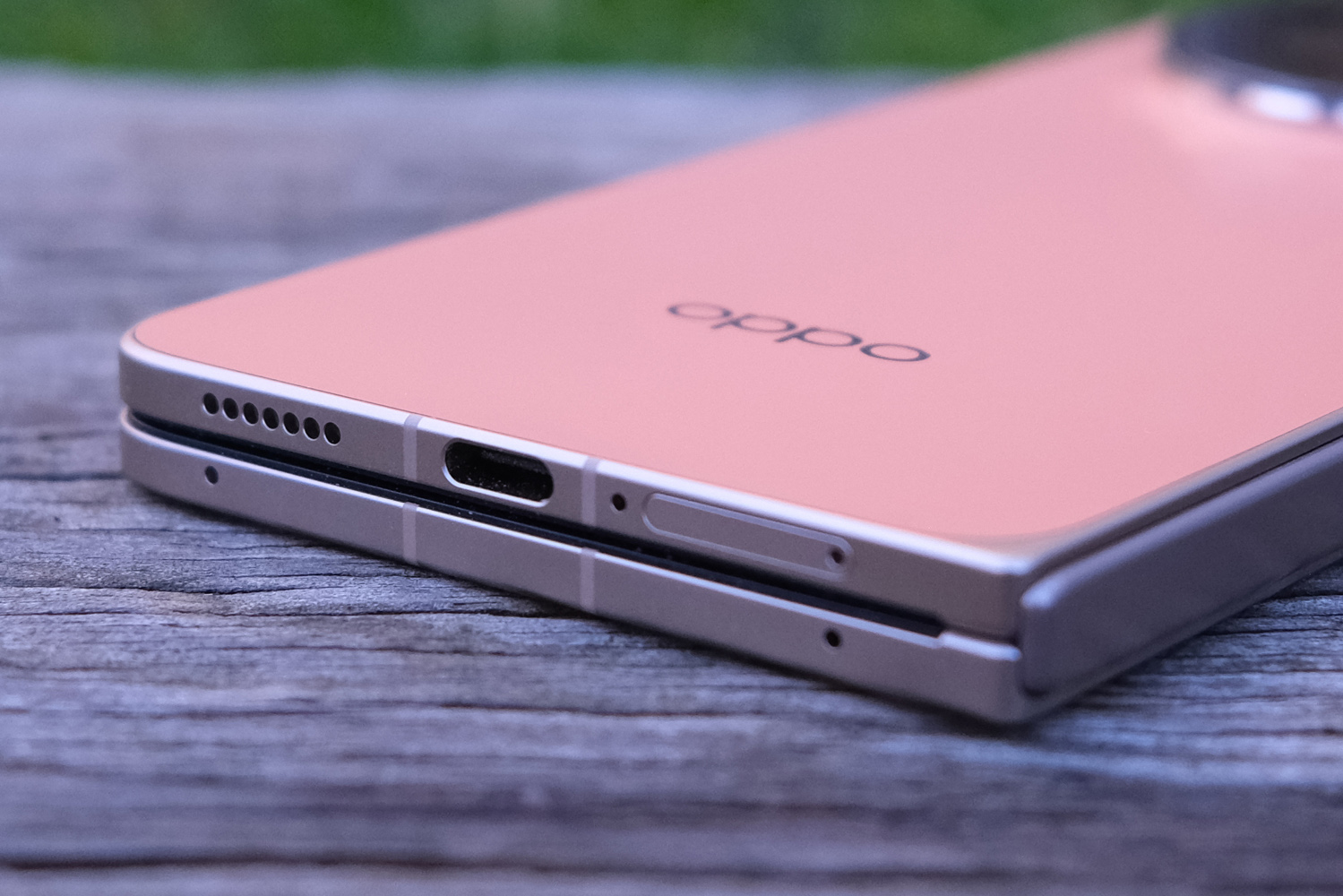
Charging speeds are as sprightly as ever, managing 80W over USB-C and 50W wirelessly (as long as you’re using Oppo SuperVOOC compatible kit, anyway). I saw a full refuel in under an hour and a half. That there are no Qi2 magnets is disappointing but not a surprise, given Oppo has a selection of official cases that can add magnetic charging support.
Oppo Find N6 verdict
The Find N6 has done more to make flexible screens appear seamless than any rival, yet hasn’t made any serious compromises to achieve it. If anything, Oppo has ironed out the few kinks its predecessor (which was still one of my favourite phones from the previous foldable generation) had, by adding an ultrawide camera that can genuinely keep up with the main and telephoto.
It remains as skinny as a non-folding flagship, has an even bigger battery, and still sets the benchmark for using multiple apps on an expansive inner screen. Losing a CPU core to keep temperatures in check doesn’t dampen the experience.
Really it’s limited availability that will hamper the Find N6’s appeal. Most Western buyers would rather walk into a store than take a punt on a grey import. If you live somewhere that Oppo has graced with the Find N6’s presence, though, you should absolutely snap one up.
Stuff Says…
Tackles its predecessor’s few issues head-on and reduces the crease to almost nothing. The Oppo Find N6 is a phenomenal foldable – even if getting hold of one remains a challenge.
Pros
Powerful and long-lasting
Three balanced and capable cameras
Software still as good as it gets for foldable multitasking
Cons
Limited worldwide availability
Photos haven’t quite caught non-folding flagships – but it’s close
Slightly on the back foot with CPU
Oppo Find N6 technical specifications
| Specifications | Oppo Find N6 |
|---|---|
| Screen | 6.62in, 2616×1140 1-120Hz (outer), 8.12in, 2248×2480 1-120Hz (inner) |
| CPU | Qualcomm Snapdragon 8 Elite Gen 5 (7-core) |
| Memory | 12/16GB RAM |
| Cameras | 50MP + 200MP telephoto + 50MP ultrawide rear, 20MP inner, 20MP cover |
| Storage | 256GB/512GB/1TB |
| Operating system | Android 16 w/ ColorOS |
| Battery | 6000mAh w/ 80W wired, 50W wireless charging |
| Dimensions | 160×74×8.93mm (folded) 160×146×4.21mm (open), 225g |


 Tom Morgan-Freelander
Deputy Editor
Tom Morgan-Freelander
Deputy Editor