Xiaomi 17 Ultra review: the money-no-object flagship phone photographers will love
Class-leading hardware and Leica-backed image processing are impossible not to love


Stuff Verdict
It’s not a battery champ and is rather pricey, but photographers won’t mind: the Xiaomi 17 Ultra is a simply outstanding cameraphone with epic performance and streamlined software.
Pros
- Immensely capable camera setup with nuanced image processing
- Optional photography kit accessories are useful without being OTT
- Sublime styling and stellar screen
Cons
- Global version has a smaller battery than the Chinese original…
- …and doesn’t last as long as the class leaders
- Seriously expensive, even for a photography-first flagship
Introduction
Photographers can be a demanding bunch, but Xiaomi’s Ultra-badged flagships have been keeping them happy in ways other top smartphones haven’t for a few years now. Oversized sensors, processing approved by imaging legend Leica, and optional accessories that transform your handset into something more akin to a compact camera made each new edition something special.
Now, though? Xiaomi isn’t the only game in town. Oppo and Vivo offer bolt-on lens extenders that get you closer to the action, while Samsung and Google have doubled down on computational photography. The Xiaomi 17 Ultra (and its streamlined set of rear snappers) has its work cut out, then. A bigger, brighter screen, latest Qualcomm chipset, higher capacity battery and a refined design out to help.
A spicy £1299/€1499 starting price (with no US launch on the cards) – and the fact it arrives just one week after Samsung revealed the Galaxy S26 Ultra – could be problematic. But just like previous efforts, after living with one for a few weeks I’m totally sold on the gorgeous photos this phone captures.
How we test smartphones
Every phone reviewed on Stuff is used as our main device throughout the testing process. We use industry standard benchmarks and tests, as well as our own years of experience, to judge general performance, battery life, display, sound and camera image quality. Manufacturers have no visibility on reviews before they appear online, and we never accept payment to feature products.
Find out more about how we test and rate products.
Design & build: gets with the times
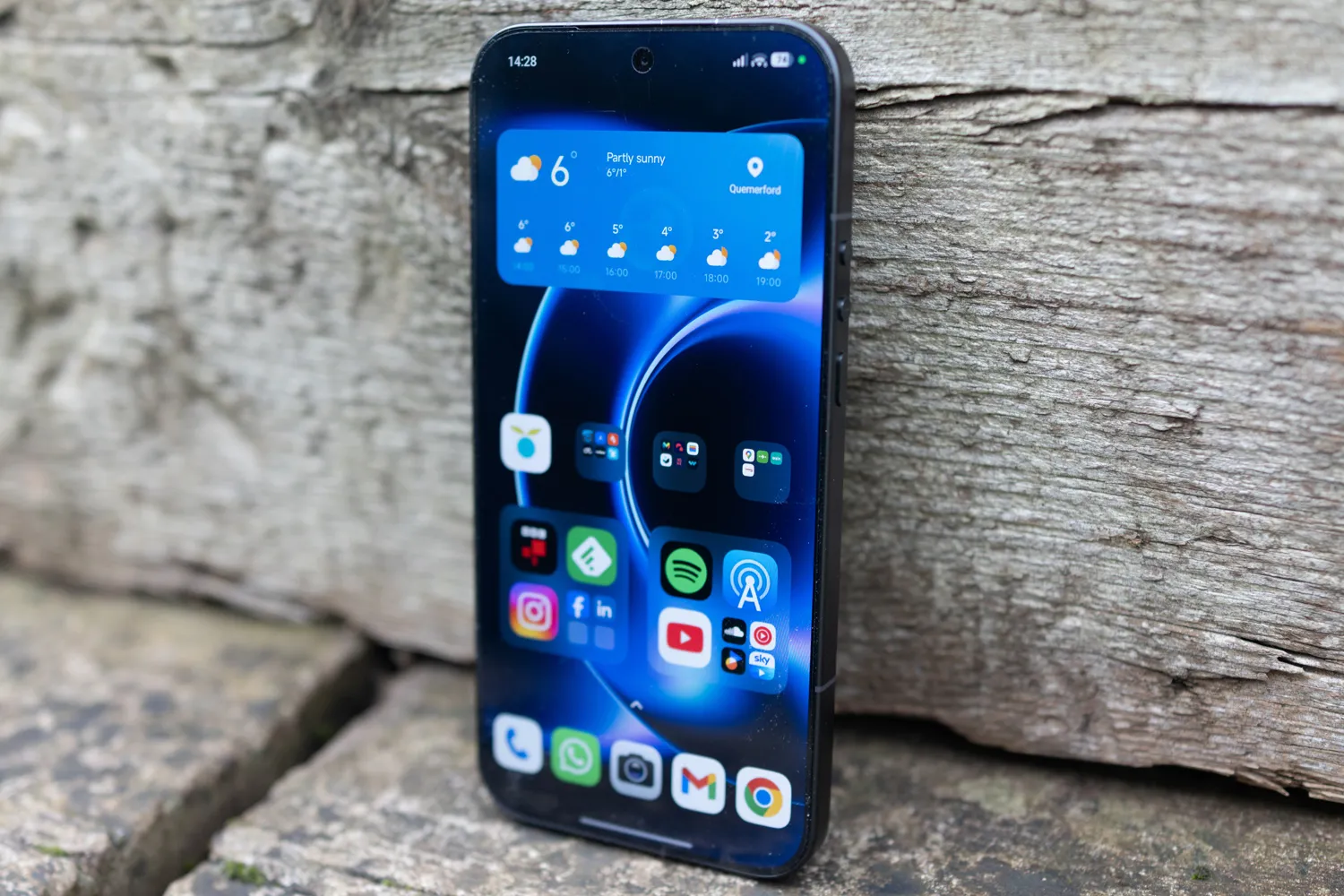
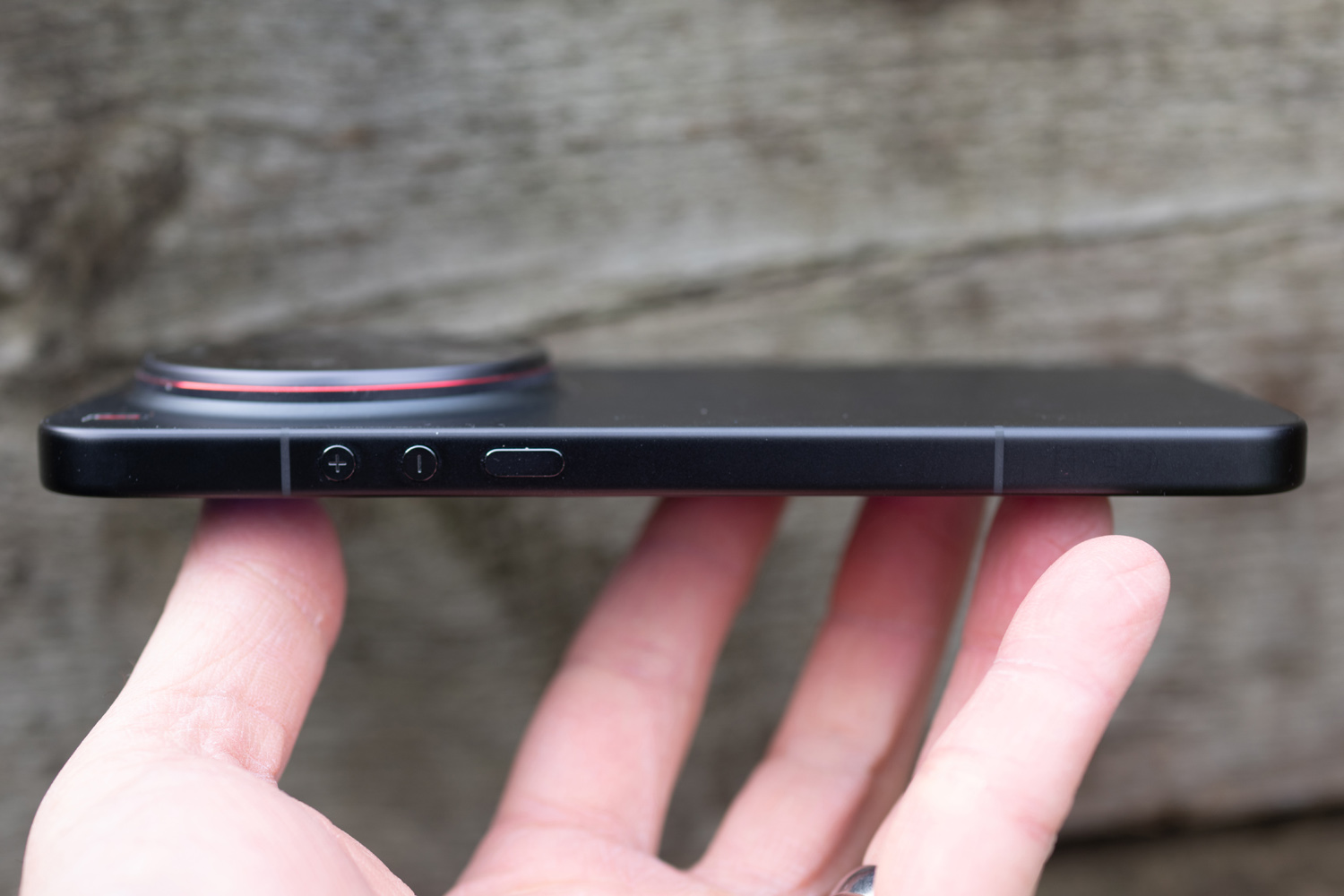
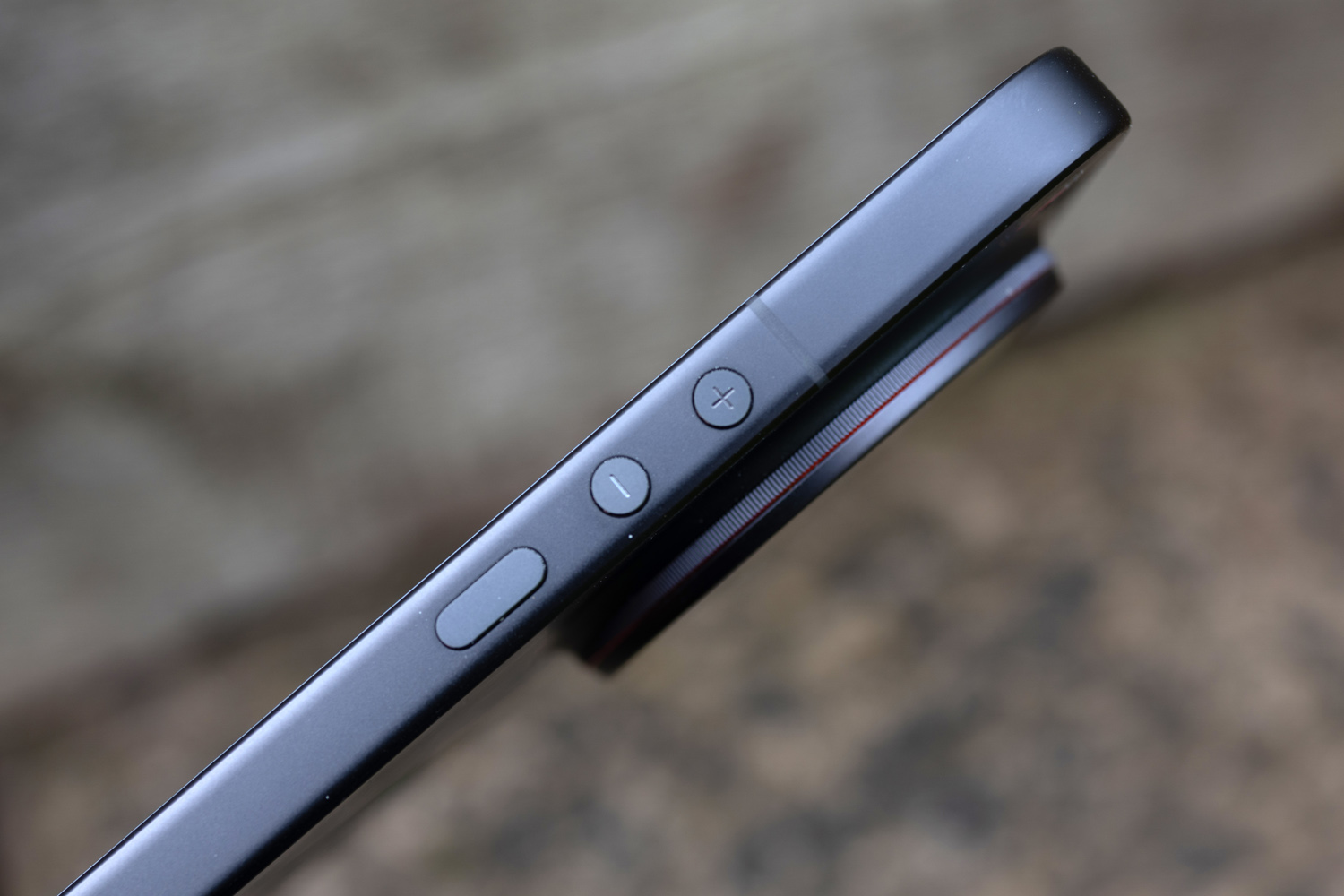
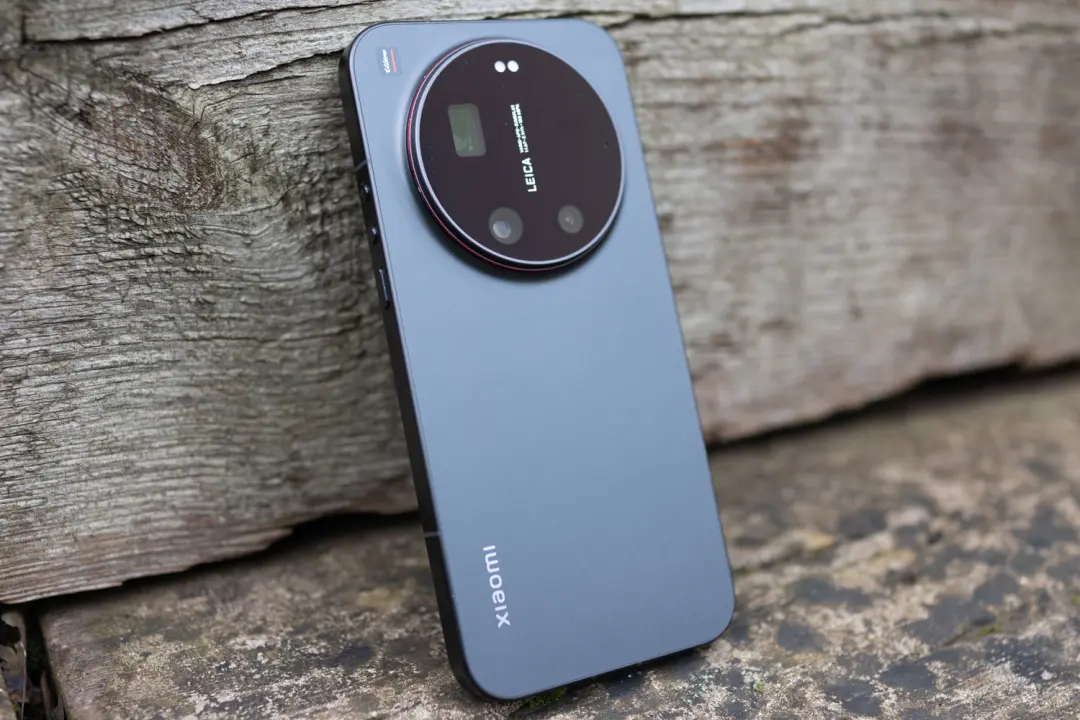
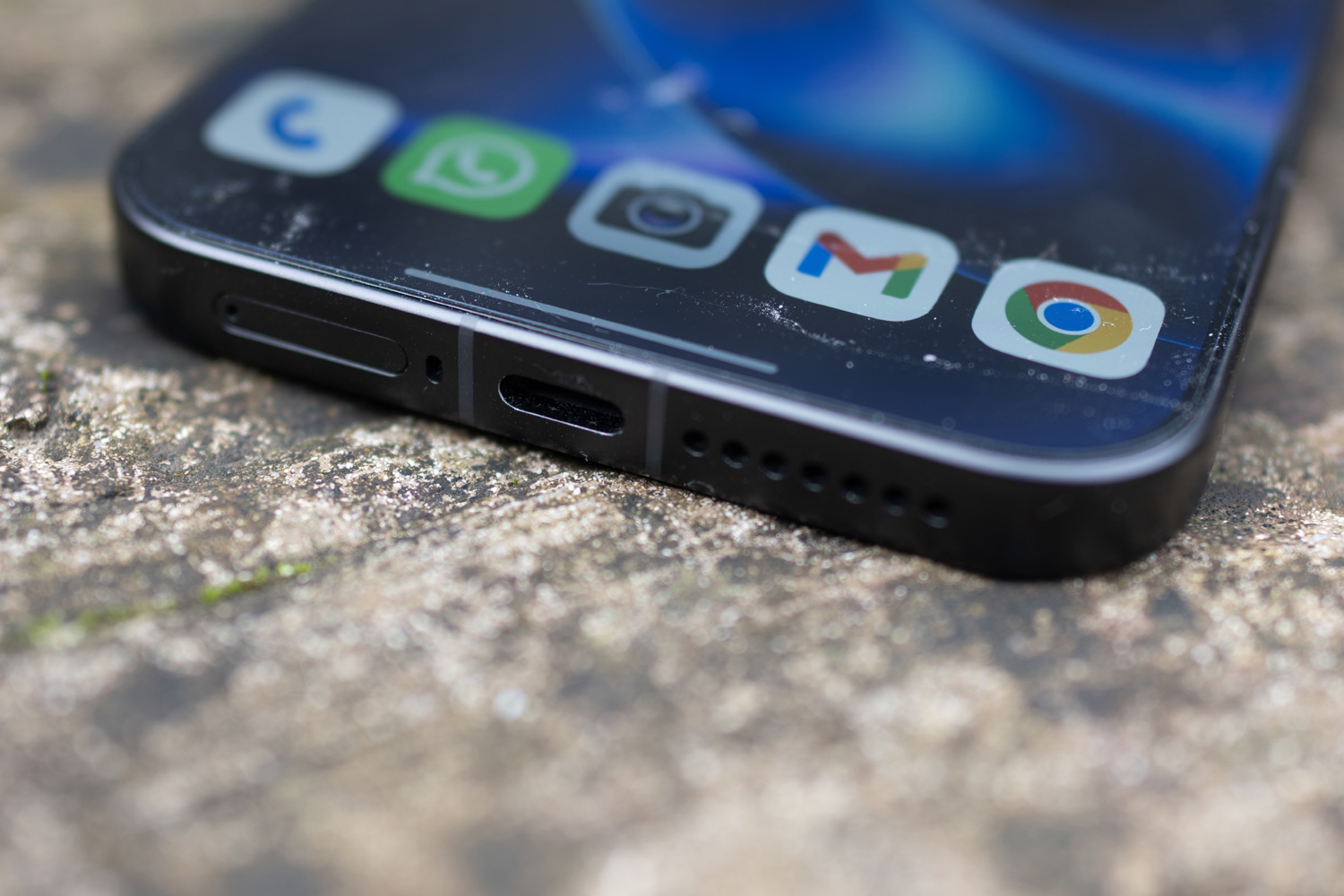
After several years of stubbornly doing its own thing, Xiaomi has finally caved to peer pressure – albeit while holding on to a few styling signatures. 2.5D glass and subtly bevelled sides are out in favour of a fully flat screen and metal mid-frame, bringing the 17 Ultra more in line with what Apple, Samsung and others are doing. At least the giant rear camera circle hasn’t gone anywhere – it’s the phone’s defining feature, after all.
The firm has played it safer with colour this time around, too. The two-tone scheme of the Xiaomi 15 Ultra is now reserved for the Leica-badged Leitzphone, which also adds a physically twisting aperture ring to the rear camera. My review unit’s red aperture ring is just a styling flourish, but one that adds a flash of personality to the all-black back panel.
It’s taller and wider than the outgoing phone to make room for a larger screen, but considerably thinner. While the 15 Ultra was a chunky boy at 9.4mm, the 17 Ultra gets closer to flagship rivals at 8.3mm. Weight is also kept in check by using a fiber-reinforced plastic back rather than a glass one. It feels like the real thing, without being cool to the touch, while the matte finish stops it picking up unsightly fingerprints. The phone is still top-heavy on account of all the camera hardware – an Oppo Find X9 Pro is better balanced – but not so much I found it tricky to use one-handed.
Xiaomi has used its own Shield Glass 2.0 up front, promising superior scratch protection over the last-gen phone. I haven’t accrued any visible marks in my testing so far. IP68 and IP69 ratings put it near the top of the pyramid for water and dust resistance too.
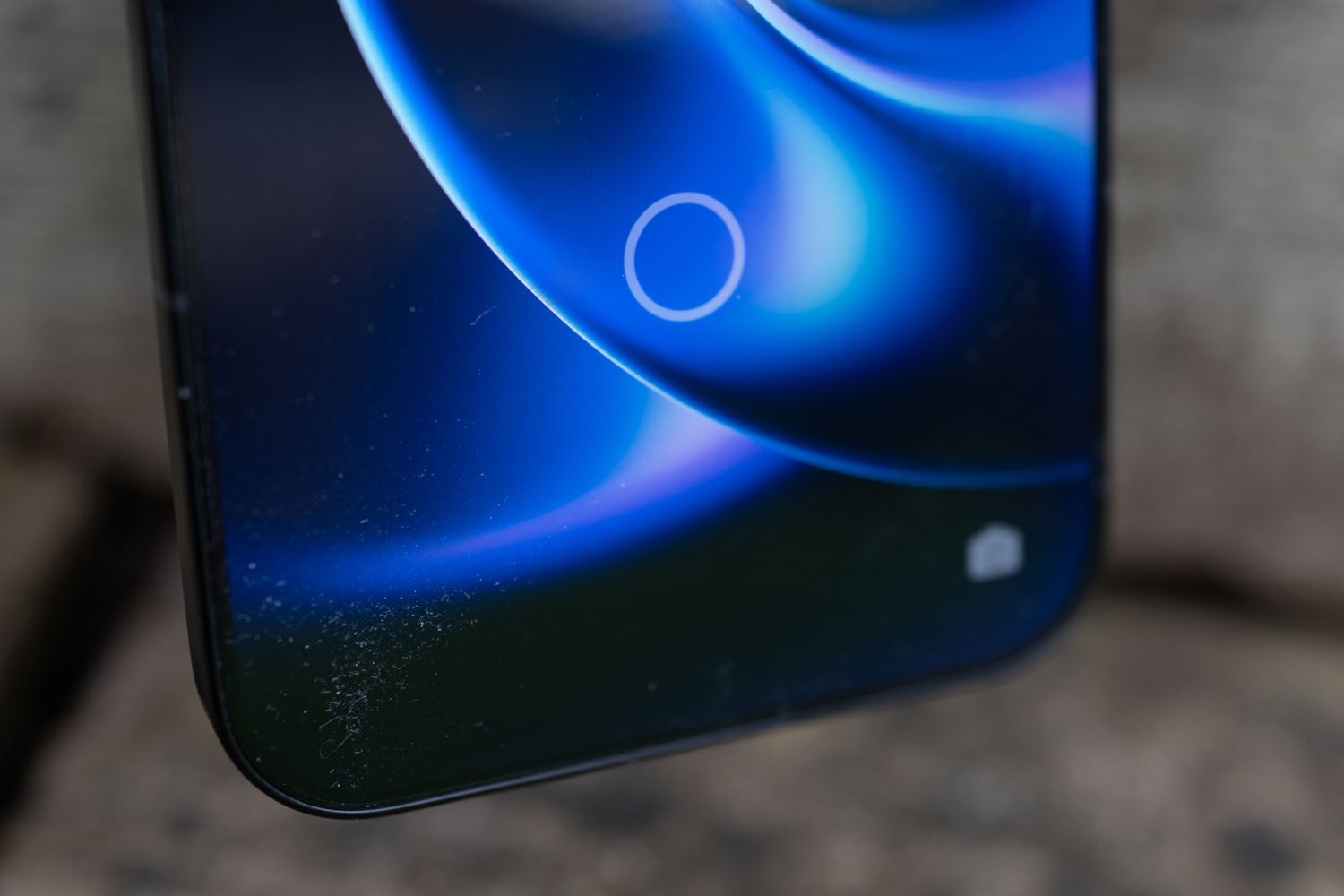
You get the now-familiar choice of under-display fingerprint sensor or facial recognition security, with only the former being good enough for authenticating banking apps. It’s of the ultrasonic variety and super-fast to recognise your fingers, even if they’re a bit wet.
Screen & sound: sweet spot
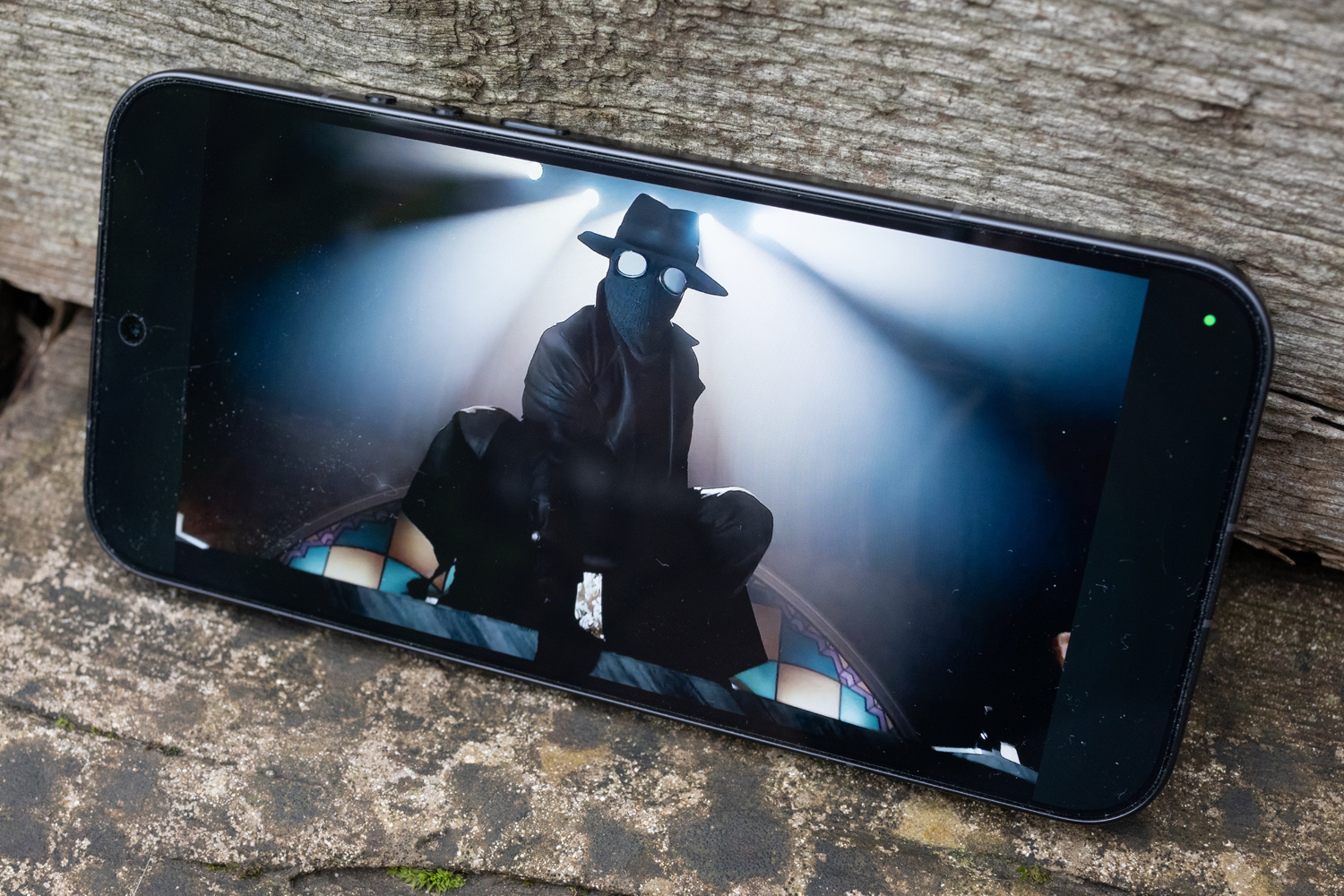
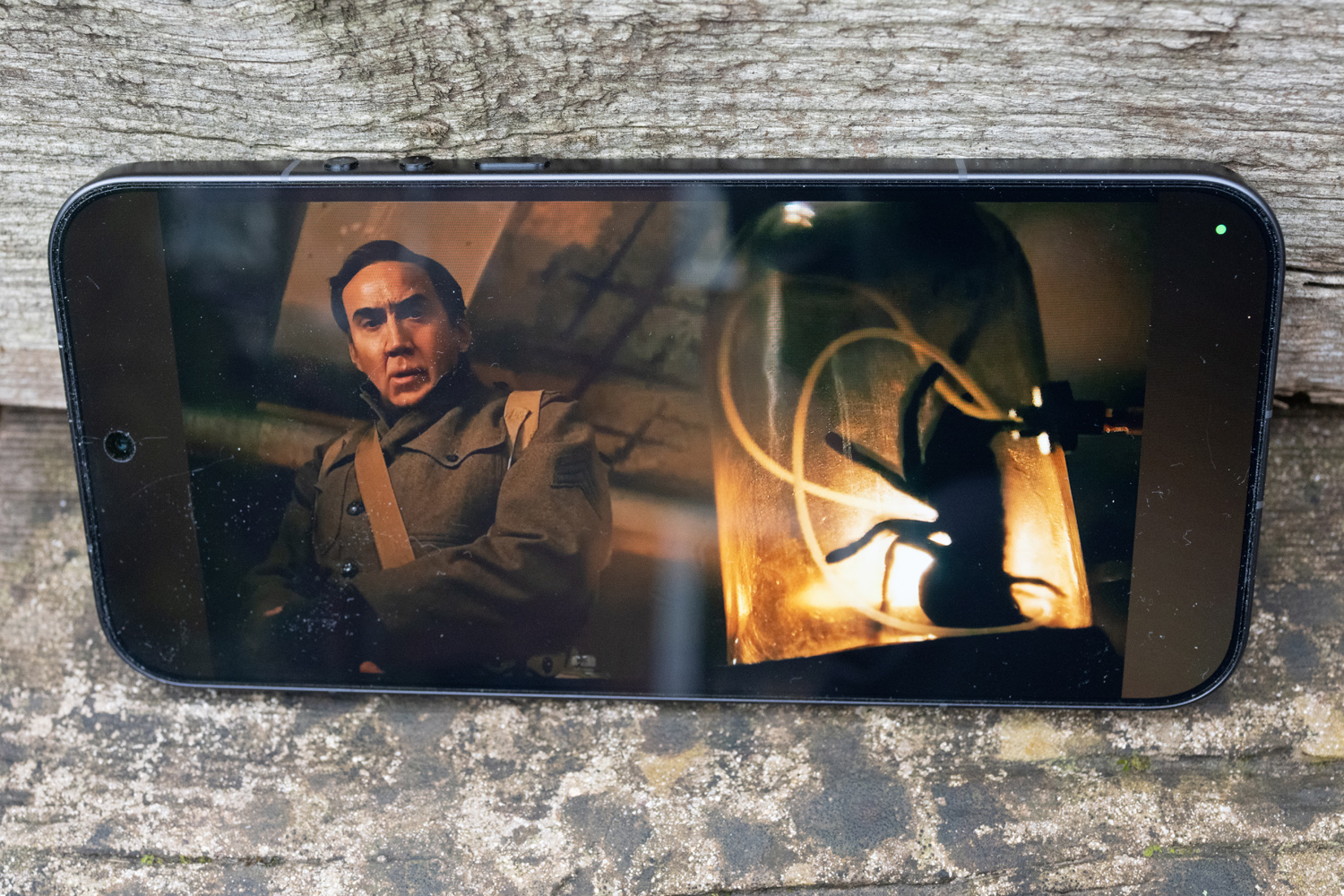
It might be larger than Xiaomi’s last-gen flagship, but the 17 Ultra has a lower resolution. The 6.9in AMOLED panel still has enough pixel density to keep tiny text looking sharp and give images plenty of definition though. Only pedants with magnifying glasses will insist a Galaxy S25 Ultra is that much clearer. That said, you don’t get any reflection-busting coating or security-minded privacy filters here.
In most other respects, though? This is a gorgeous display, with dynamic colours, dramatic contrast and deep blacks. It also plays nicely with multiple HDR formats, so your streaming service of choice is almost certainly supported. Amazon Prime’s Fallout season 2 was a highlight for me, with harsh daytime desert scenes still showing great shadow detail.
The LTPO panel confidently swaps between 1 and 120Hz (plus everything in between) depending on what’s happening onscreen; scroll through web pages and it ramps up for a smooth transition, but when the static always-on display kicks in it drops to 1Hz for maximum power savings. Even apps that usually force 60fps on other phones would max out at 120Hz here.
Peak brightness has definitely improved over the outgoing phone, hitting a heady 3500 nits with HDR video, but I thought the Xiaomi 17 Ultra was a bit more conservative in regular use. It still shone brightly enough to be clearly legible outdoors on sunny days, just not to quite the same degree as the class best.
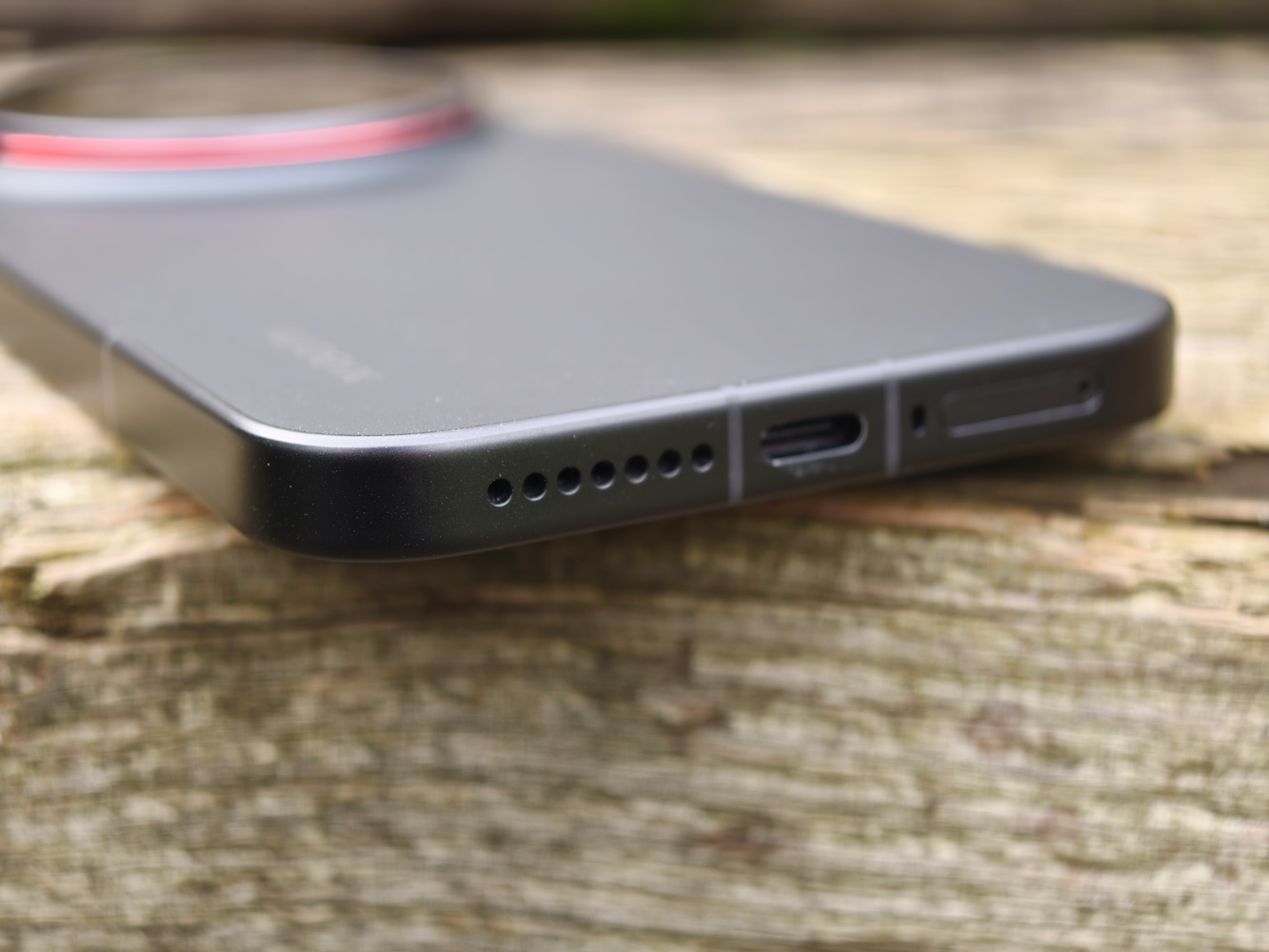
The down-firing main speaker and earpiece tweeter told a similar tale. They weren’t quite as loud as a Galaxy S25 Ultra, but still up there with other top-tier phones for clarity. I still reached for headphones for anything beyond YouTube catch-ups.
Camera hardware: three beats four?
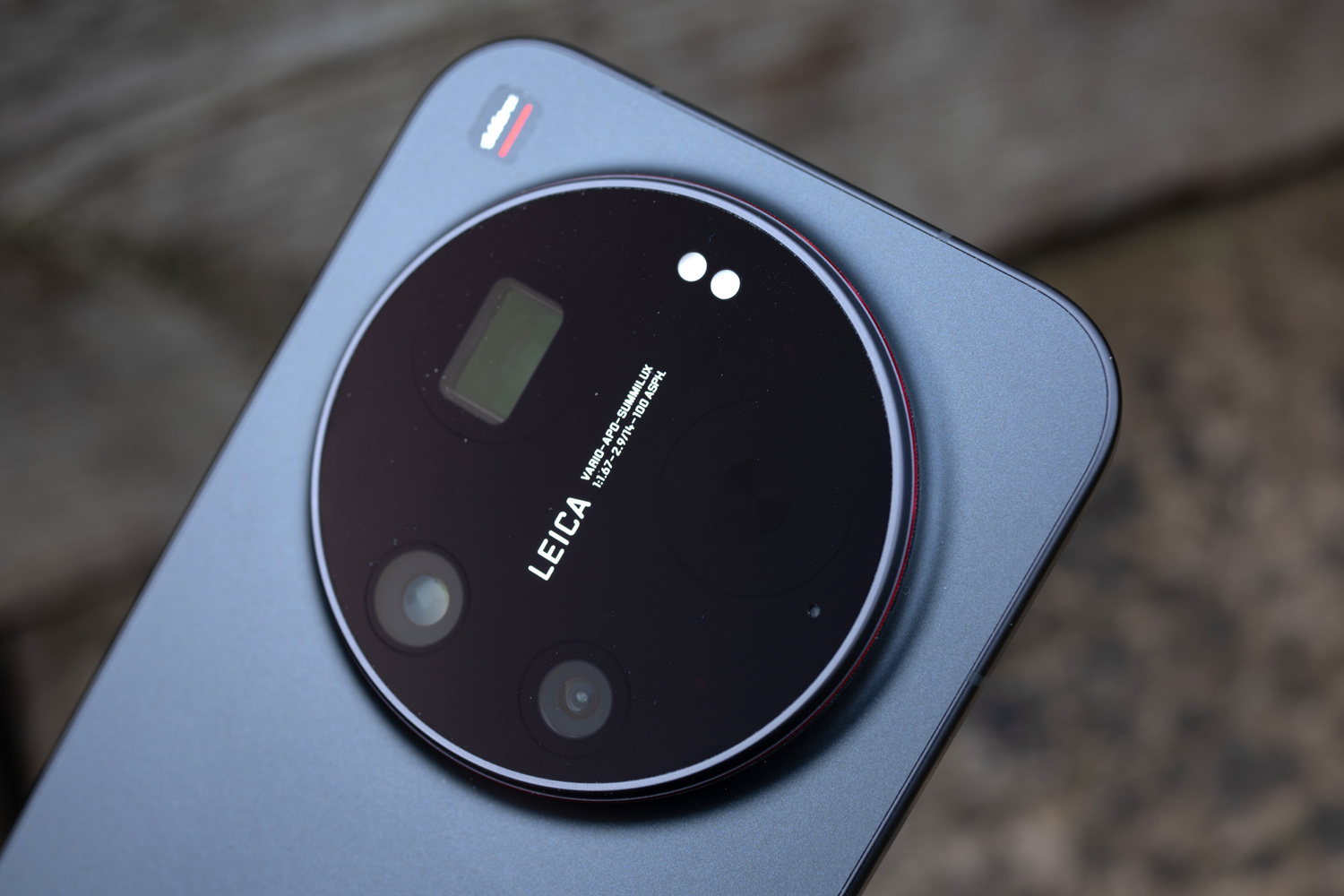
Rather than double up on zoom lenses like last year, Xiaomi has equipped the 17 Ultra with a single telephoto. It’s a good’un, though, pairing an oversized 200MP sensor with a continuous zoom lens that covers a 75mm to 100mm focal length (or 3.2x to 4.3x magnification if you prefer).
This is also pretty much the only current-gen smartphone to stick with a one inch main sensor. OmniVision does the honours this year, rather than Sony, but the sheer size of it means light intake will be as good as it gets from a phone camera. Expect beautifully blurry bokeh too.
The 50MP, f/2.2 ultrawide is essentially unchanged from the Xiaomi 15 Ultra, keeping the usefully wide 14mm focal length that can fit plenty of a scene into frame. All-in, you’re getting the same near-lossless zoom range as last year, and digital zoom still taps out at a ridiculous 120x.
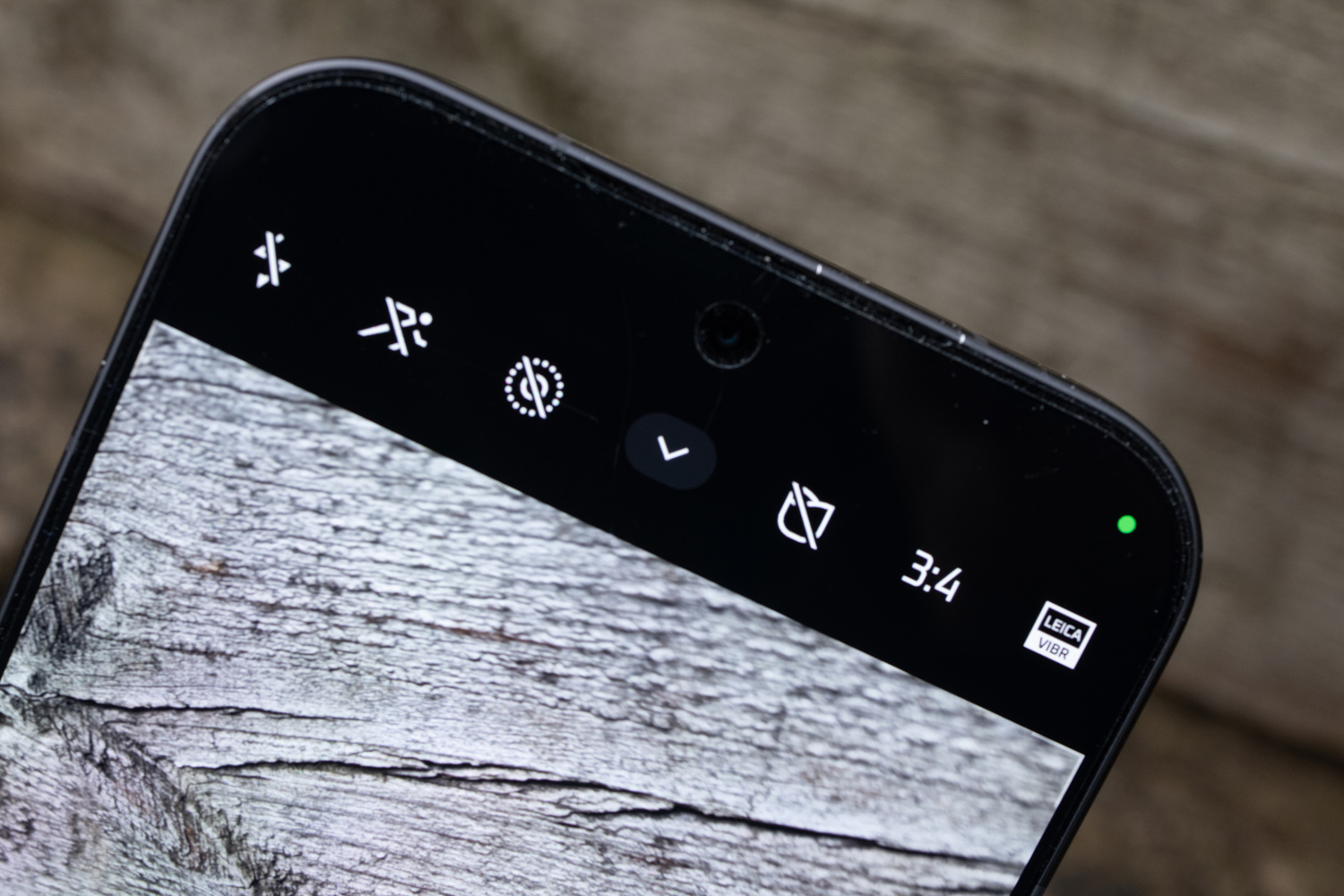
Selfie shooters will also appreciate the new 50MP front cam, which finally adds autofocus to the mix.
Each sensor sits behind Leica-approved glass, and let you pick between the firm’s Authentic and Vibrant colour profiles. All four rear cameras are capable of 4K/60p Dolby Vision HDR or 10-bit LOG video recording, while the main and telephoto lenses can also pull of 120fps 4K slow motion.
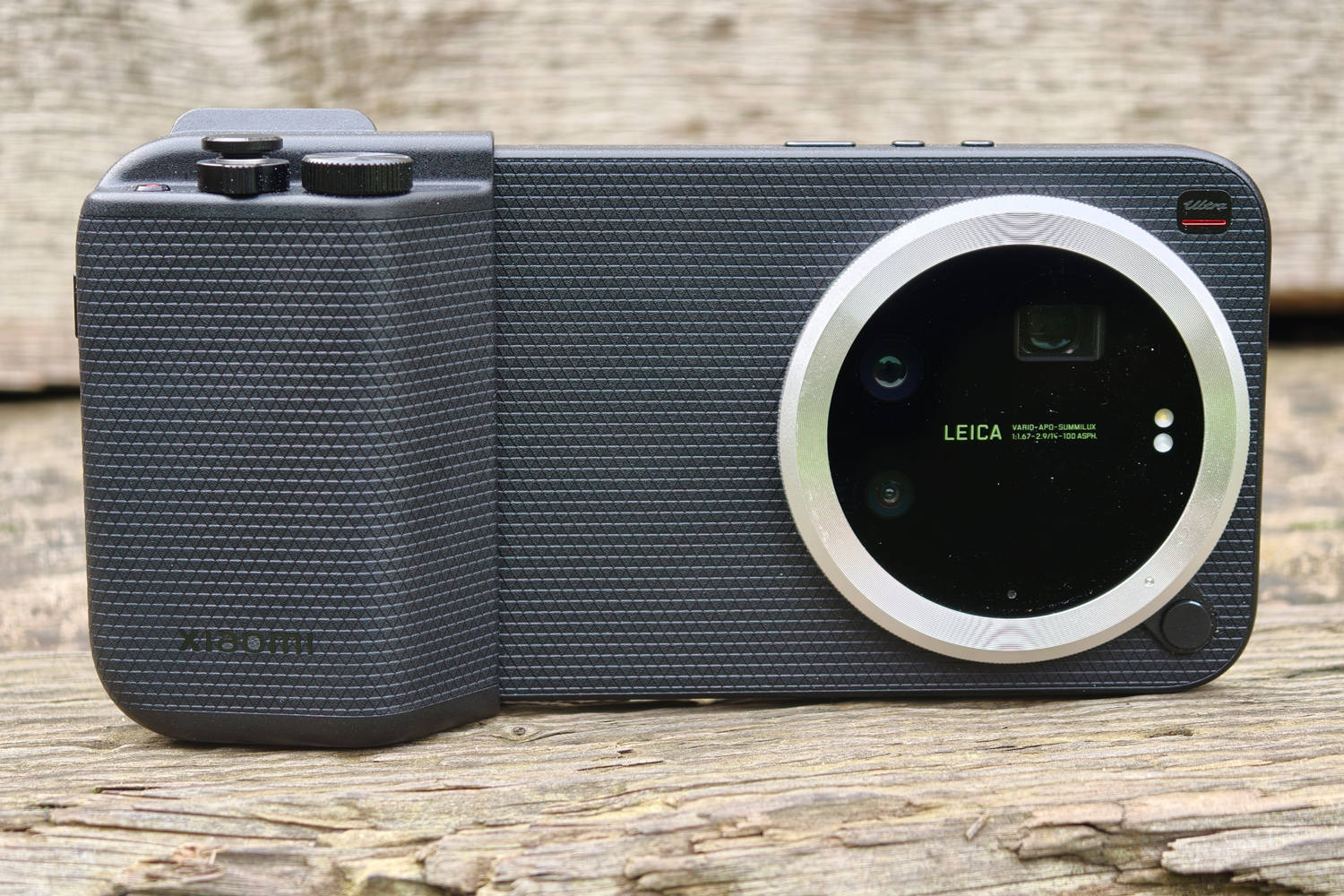
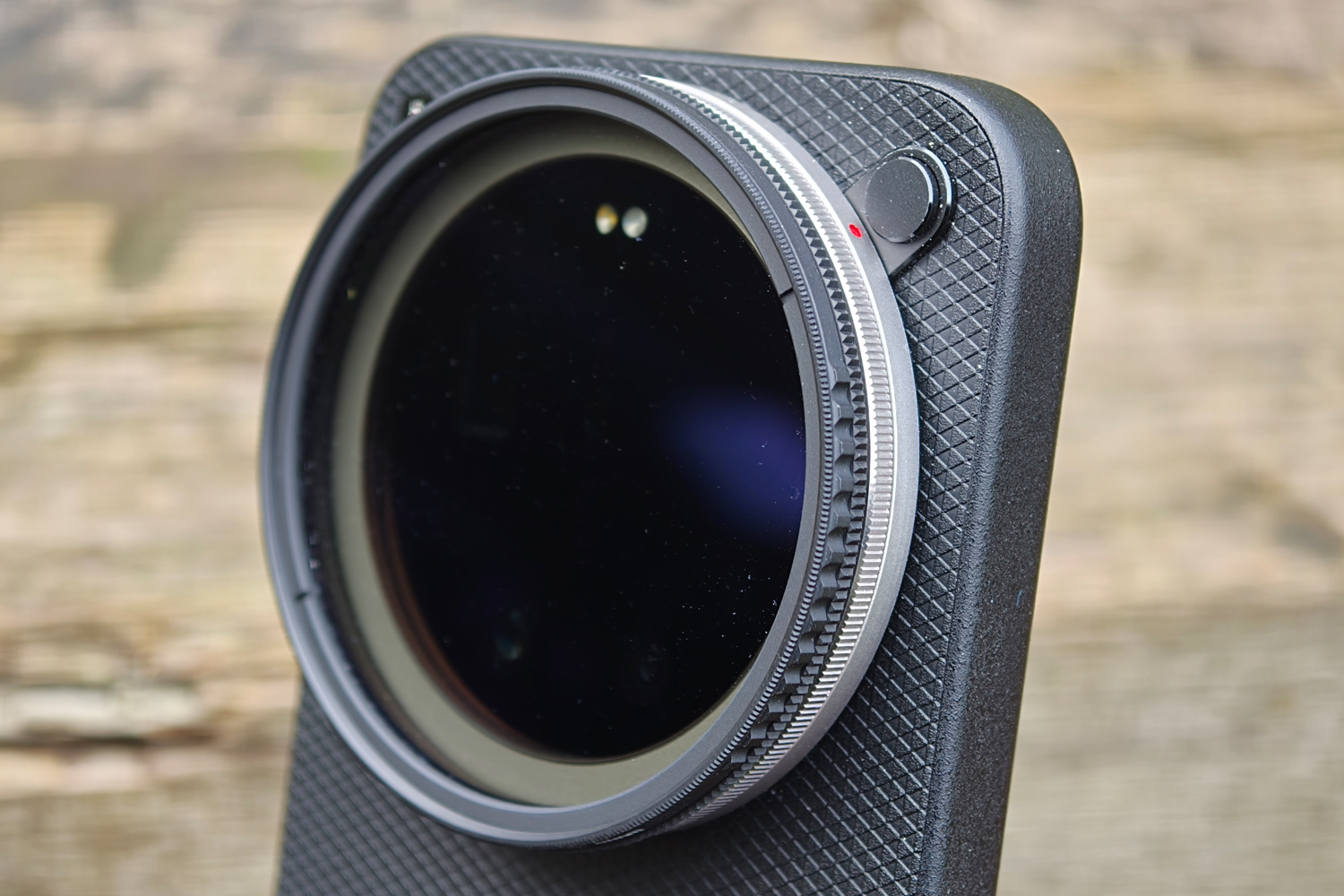
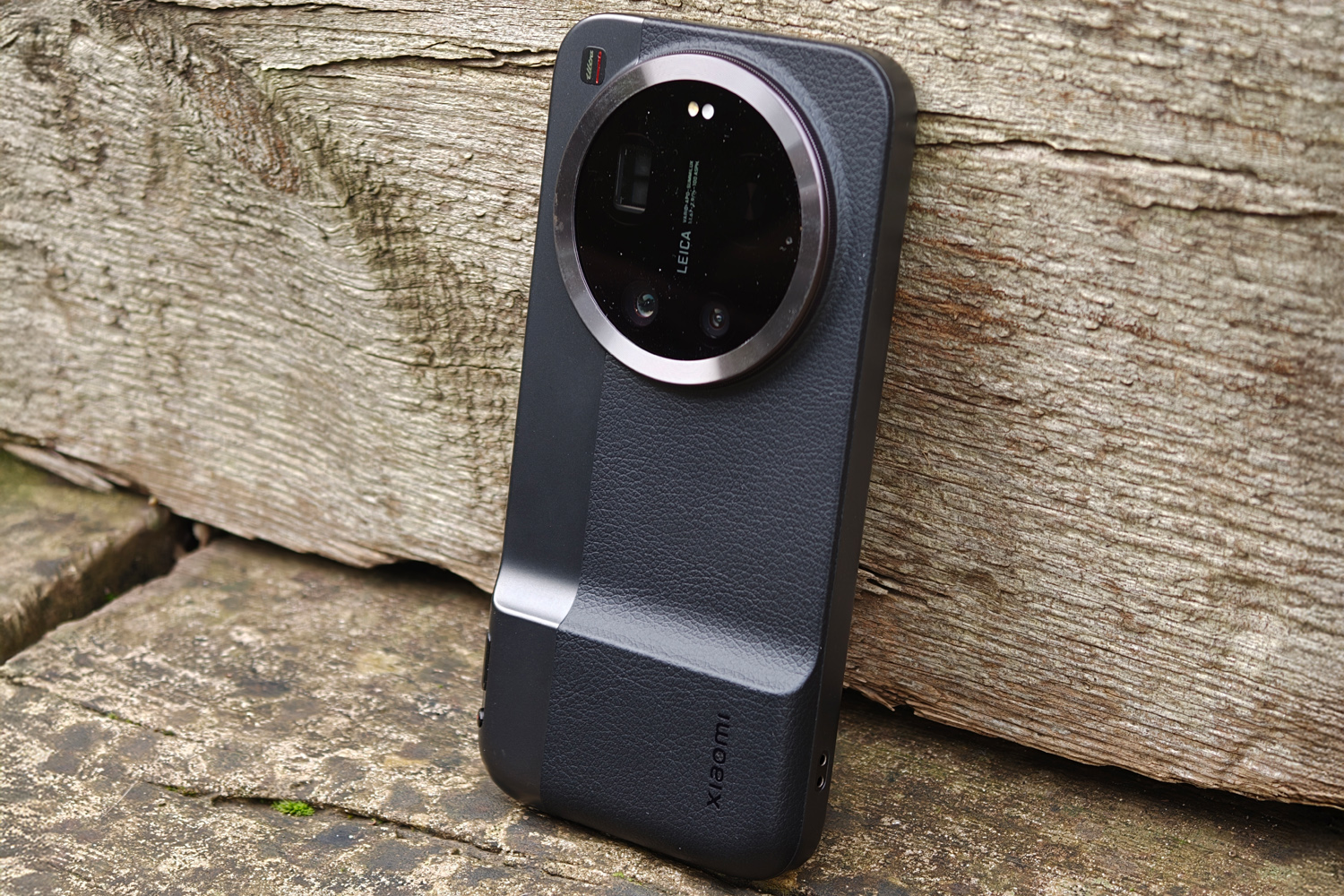
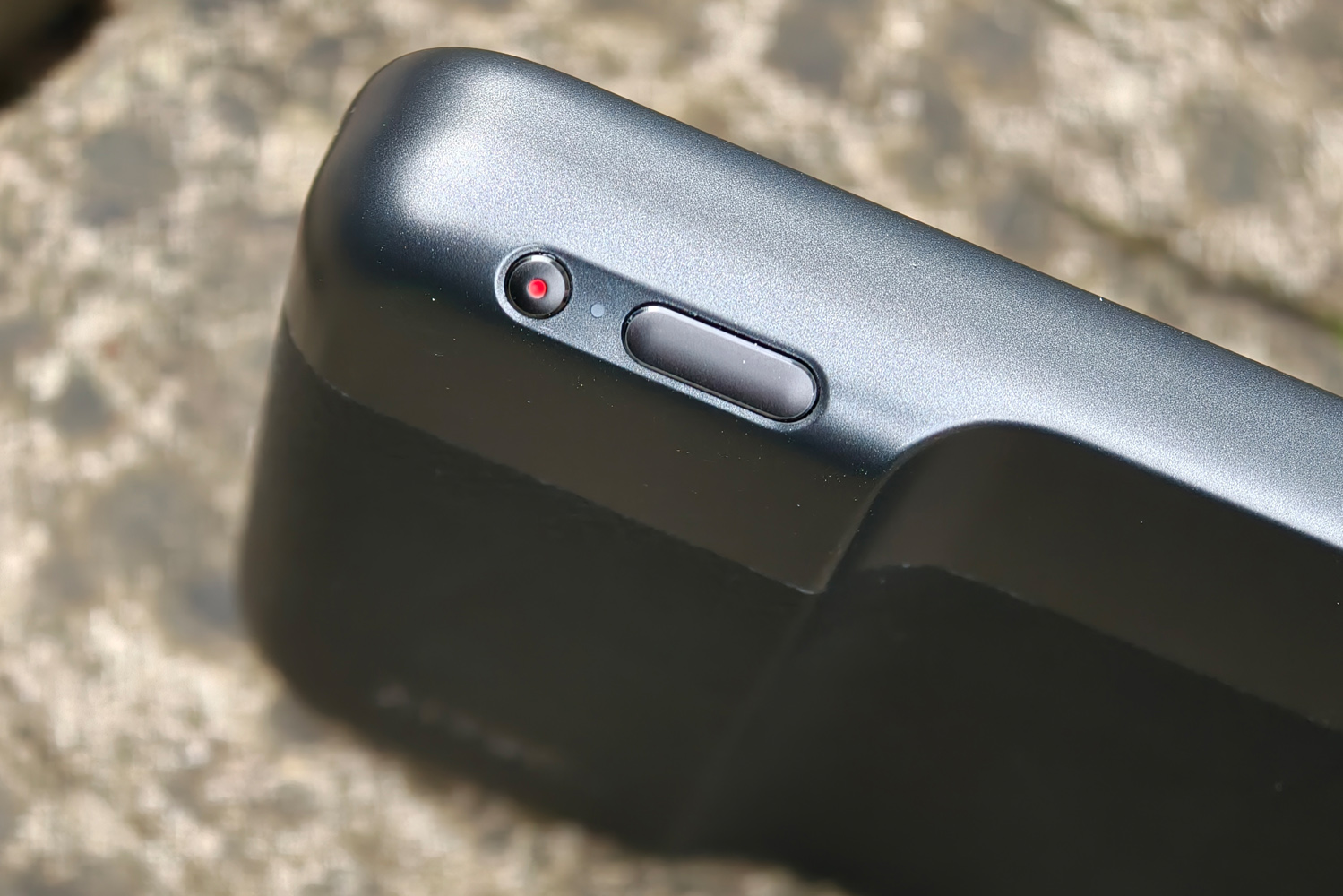
Unlike older Xiaomi photography flagships, the 17 Ultra now has two flavours of Photography Kit to choose from.
The regular Photography Kit is a protective case with an integrated grip and pair of physical shutter buttons: one for stills, the other for video. It pairs over Bluetooth, but its integrated battery can’t top up the phone and you’ve got to remove the handset to charge it – using a proprietary cable no less. I like that the grip protrudes out enough to be useful, but not so much I couldn’t still slip the phone into my jeans pocket.
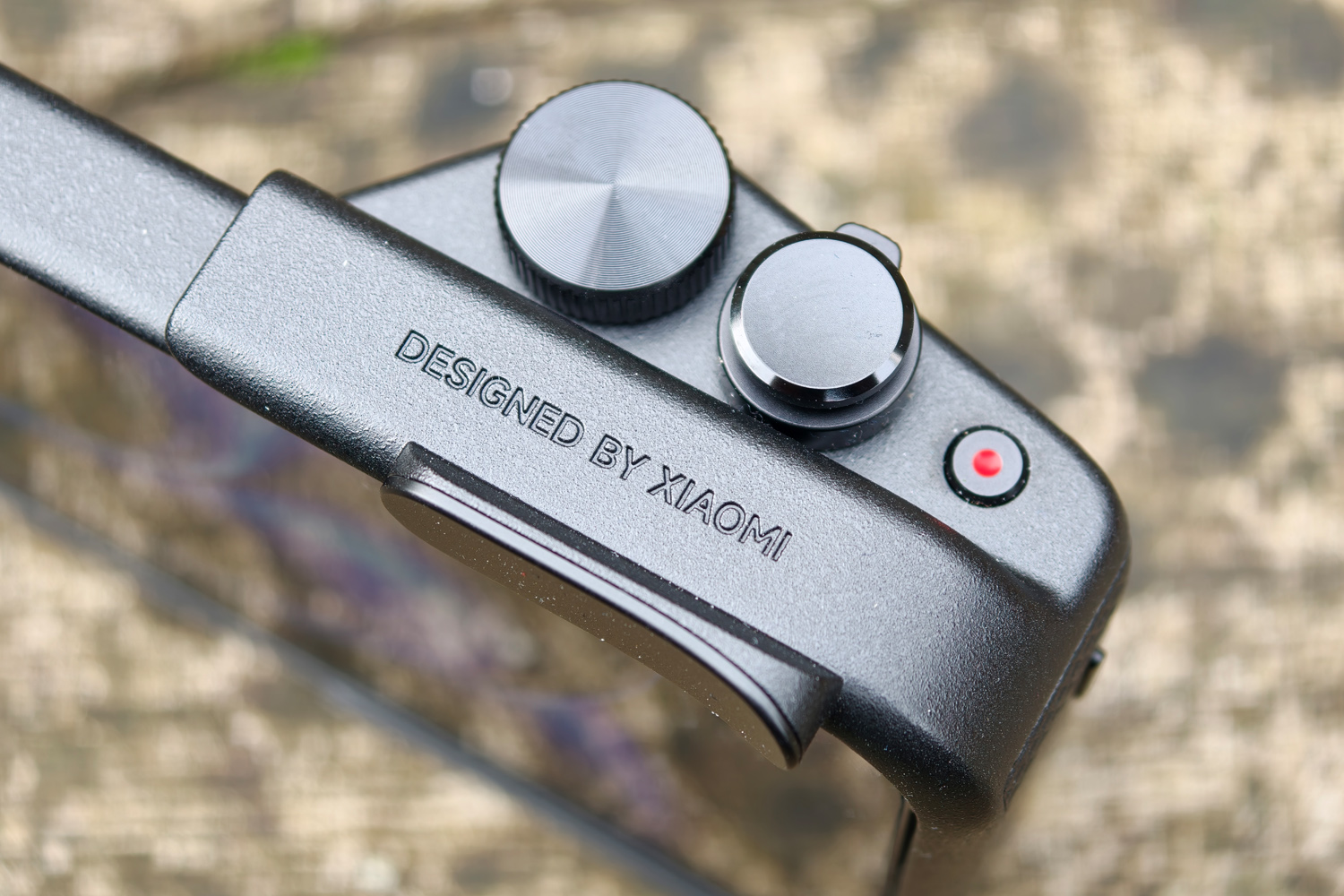
The Photography Kit Pro, meanwhile, is an updated take on the clip-on battery grip and protective case combo that’s been about for a few generations now. A textured finish gives the case reassuring amounts of grip, and it’s built like a tank – so much so it left some tiny scratch marks on my handset frame. I’m glad Xiaomi added some magnets for Qi-compatible accessories this time around.
You still get 2000mAh of emergency power from the grip, along with a physical shutter button (that has a choice of two Leica-style threaded soft release buttons) and customisable dials for adjusting things like zoom level. There’s no latency at all and makes shot composition that bit easier than on a touchscreen.
The woven fabric lanyard bundled in the box doesn’t feel at all cheap or flimsy, and you also get also a rotating ring compatible with 67mm filters. It juts out just a bit too much for me to use on the daily, even though the more decorative surround tended to rattle.
The machined metal thumb grip is part of the grip now, rather than being a detachable extra, and the dials ratchet in a way befitting of a premium compact camera. Colours aren’t so in-yer-face this year either; the Xiaomi 15 Ultra’s red-on-black was never really my style. Serious smartphone snappers should absolutely factor one into the cost of 17 Ultra ownership.
Camera image quality: the Leica look

















Given how stunning shots from the lead lens can be, even at 2x, it’s a puzzler why one-inch sensors are so rare on phones now. The 17 Ultra delivers noise-free shots with exceptional detail, zero noise, vibrant colours and a ‘photographic’ look that rivals with smaller sensors can’t match. You can skip the Portrait mode, as the delicious background blur is produced entirely optically. The ability to capture so much light really helped on a visit to an aquarium, letting me get sharp results even in very dark exhibits.
It holds up wonderfully at night in gneral, keeping the same realistic colour tones and never over-doing the sharpening or processing in pursuit of absent detail. I’d absolutely put it up there with the very best phone cameras available right now. The choice of picture modes helps, with Leica Vibrant boosting saturation just a bit from reality and Leica Authentic bringing things down with a cooler treatment that’s a dead ringer for analogue film.
The 200MP telephoto is a very close second place, despite being tasked with a job handled by two separate sensors on last year’s phone. Here you’re getting a continuous zoom lens that covers 75mm to 100mm, or 3.2x to 4.3x magnification. It’s an absolute star in all lighting conditions, with excellent dynamic range and impressive clarity. Portraits are crisp and close-ups are amazingly clean too. With sensor cropping and digital zoom, shots as high as 17x are very usable – see the photos of a surfer below.


It’s only beyond that where telltale signs of AI processing become truly noticeable – as shown in the picture of a plane here – but that’s true of pretty much every rival as well.


By consistently matching the other two lenses for colour and detail consistency, the ultrawide is no mere hanger-on. The 14mm focal length squeezes lots into every snap, and the stellar image processing does the rest. The Leica Authentic mode adds just the right amount of subtle vignetting. All-in you’re getting a fantastic sensor trio, with the only question mark being how much you like the Leica-inspired colour treatment. Some might prefer the high contrast look found on Samsung, Google or Apple’s hardware; personally I’d rather have this more natural look.
Xiaomi’s older Ultra phones were never selfie stars, but this one finally sets the record straight with a higher pixel count and autofocus abilities. There’s a level of precision here that lesser phones can’t match, and it copes well with everything except harsh direct lighting.
Software experience: believe the hype(r)
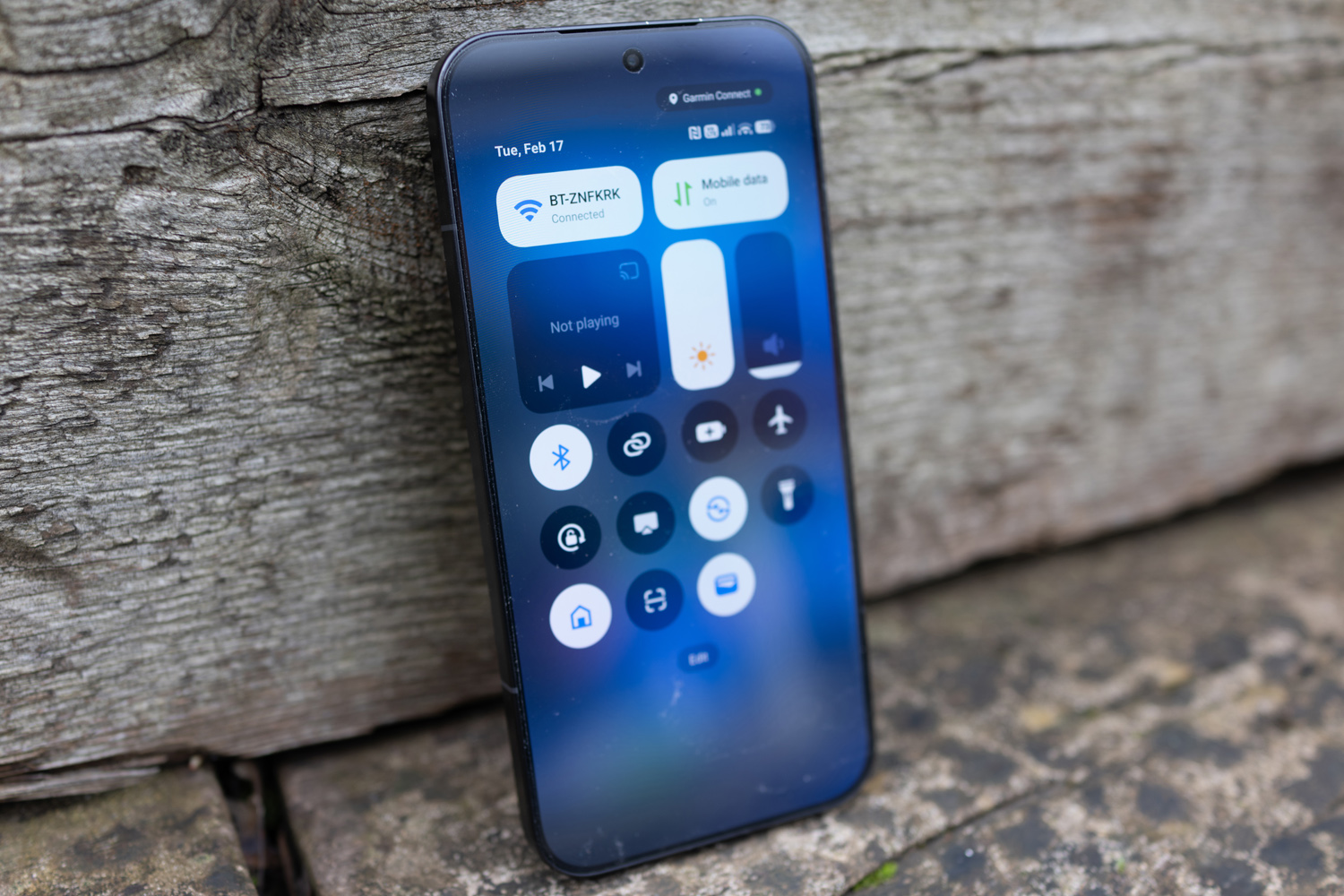
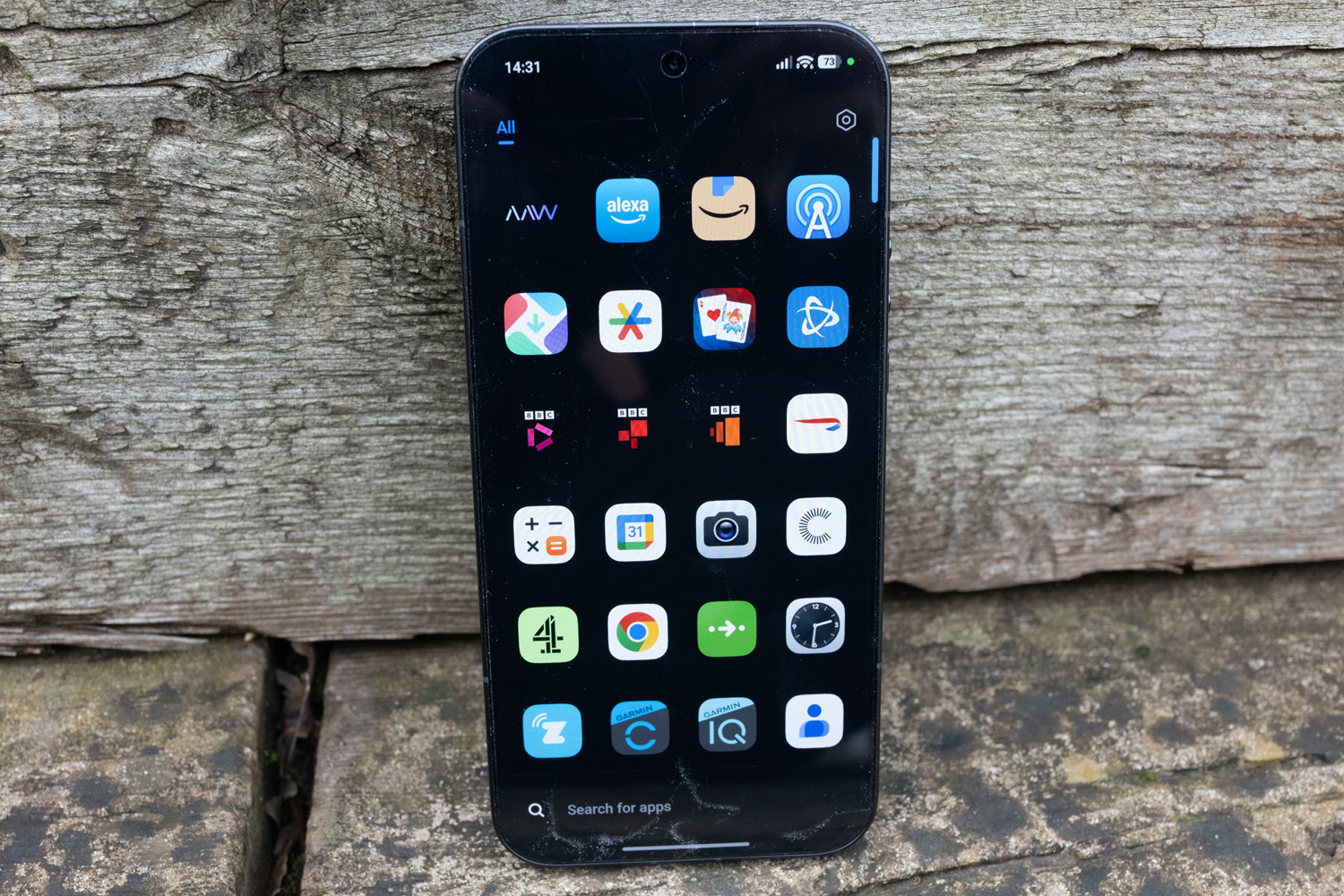
Xiaomi’s HyperOS 3 skin isn’t my favourite take on Android; it’s not as customisable as OnePlus’ OxygenOS, has a few too many own-brand apps competing with Google’s defaults, and can be draconian when it comes to sending software into deep sleep, resulting in delayed notifications. I’m also not keen on how the interface borrows from Apple’s Liquid Glass look, although to be fair it’s not nearly as egregious as some other Chinese brands.
Take some time to tweak the power saving settings, though, and there’s still quite a lot to like here. You’re able to pick between on-screen buttons and gesture navigation during the initial setup, and whether to use an app drawer or spread everything across multiple home screens. There are a bunch of ways to jazz up the lock screen, the quick settings screen has handy shortcuts that save you from overloading it with icons, and anyone with other Xiaomi hardware get useful interconnectivity features. I liked being able to respond to incoming phone notifications on my Xiaomi Pad 8.
There’s no escaping AI, of course, but Xiaomi hasn’t gone all-in like Nothing and Motorola; there’s no screenshot and note-taking hub. Just the now-familiar offers to transcribe and translate voice recordings, summarise documents, tighten up text in the Notes app, and generatively expand tightly cropped photos in the Gallery. Google Gemini and Circle to Search also make the cut. I personally like that it’s not as in-yer-face as Samsung’s Galaxy AI.
It all sits atop Android 16, and should be due four new operating system generations in its lifetime. Six years of security updates, too. That’s not class-leading, but about as long as I’d be wanting to live with one handset before upgrading – the hardware will only feel snappy for so many OS versions.
Performance & battery life: heavy hitter
With Qualcomm’s uber-fast Snapdragon 8 Elite Gen 5 chipset and as much as 16GB of RAM on board, the Xiaomi 17 Ultra’s power was never really in doubt. This is a monster of a flagship phone, delivering scores in synthetic tests that put it on par with the class best. It comfortably outmuscles the Dimensity 9400-powered Oppo Find X9 Pro and ran a little faster than the OnePlus 15, which uses an identical Snapdragon CPU.
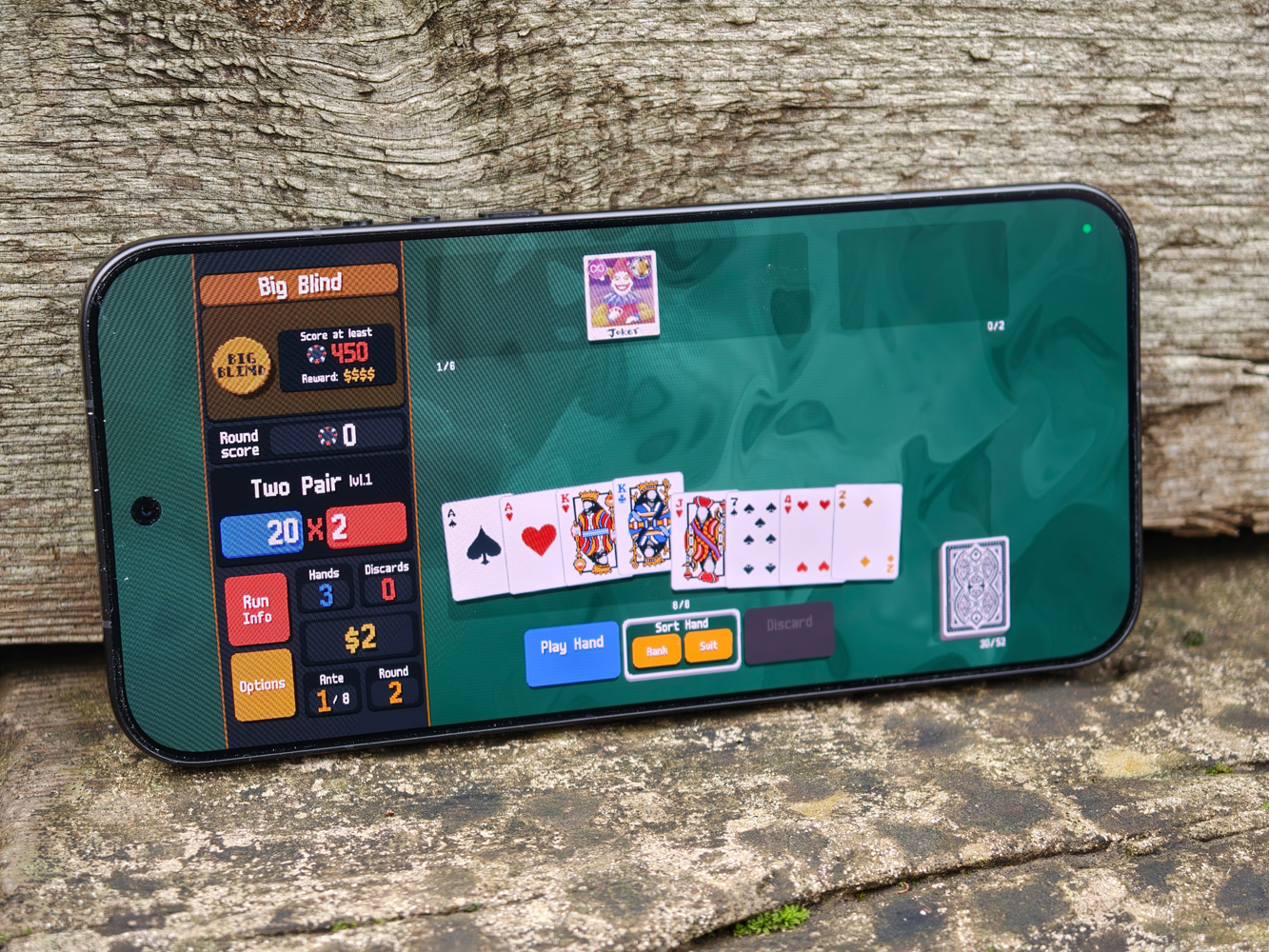
My usual 3D benchmarks won’t run on pre-release hardware, but games downloaded through the Play Store ran pretty much flawlessly. Red Dead Redemption defaulted to the highest graphics settings and stayed smooth at all times. The phone does heat up fairly quickly under load, but doesn’t throttle performance to a major degree even when you really hammer it.
In daily use, this phone absolutely flies. Android always feels responsive, apps open in a flash, and multitasking is slick.
| Xiaomi 17 Ultra benchmark scores | |
|---|---|
| Geekbench 6 single-core | 3575 |
| Geekbench 6 multi-core | 10,742 |
| Geekbench AI | 5774 |
| Speedometer 3.1 | 32.7 |
| PCmark Work 3.0 | 17,567 |
If there’s one thing Westerners can legitimately grumble about, it’s the big dip in battery capacity compared to the Chinese variant. On home soil the Xiaomi 17 Ultra gets a 6800mAh cell, while we’re getting 6000mAh.
That’s still a welcome boost over the likes of Google and Samsung, and enough to comfortably get through a full day of use – even with lots of photography and gaming. But it lags behind Oppo and OnePlus, which are routinely able to go two days before needing to plug in.
90W wired charging is at least able to get you back up to full power in about 50 minutes, and while 50W wireless refuels are technically a downgrade on last year’s model, you need a specific Xiaomi charging pad either way. I doubt many owners will actually notice the difference.
Xiaomi 17 Ultra verdict
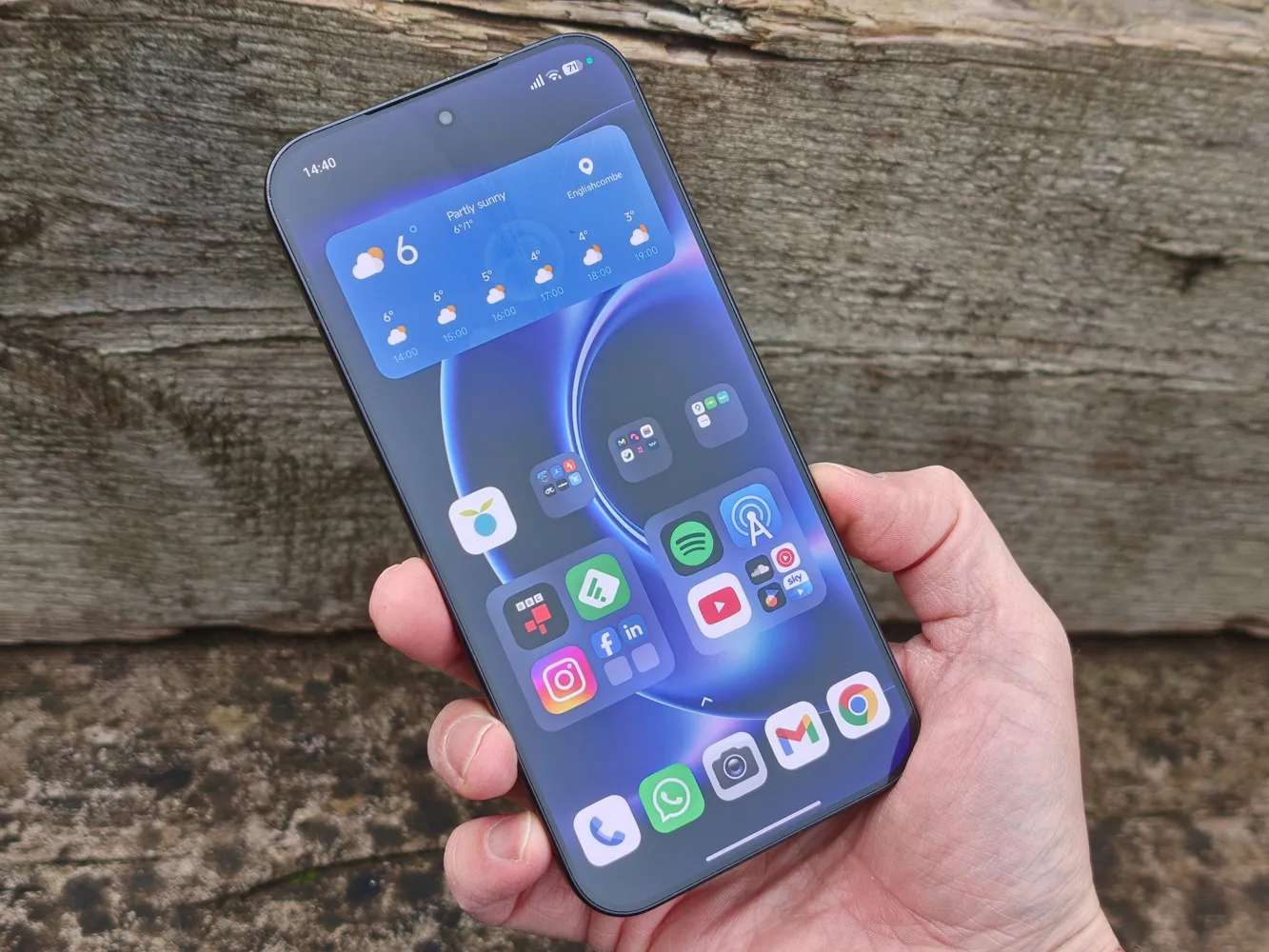
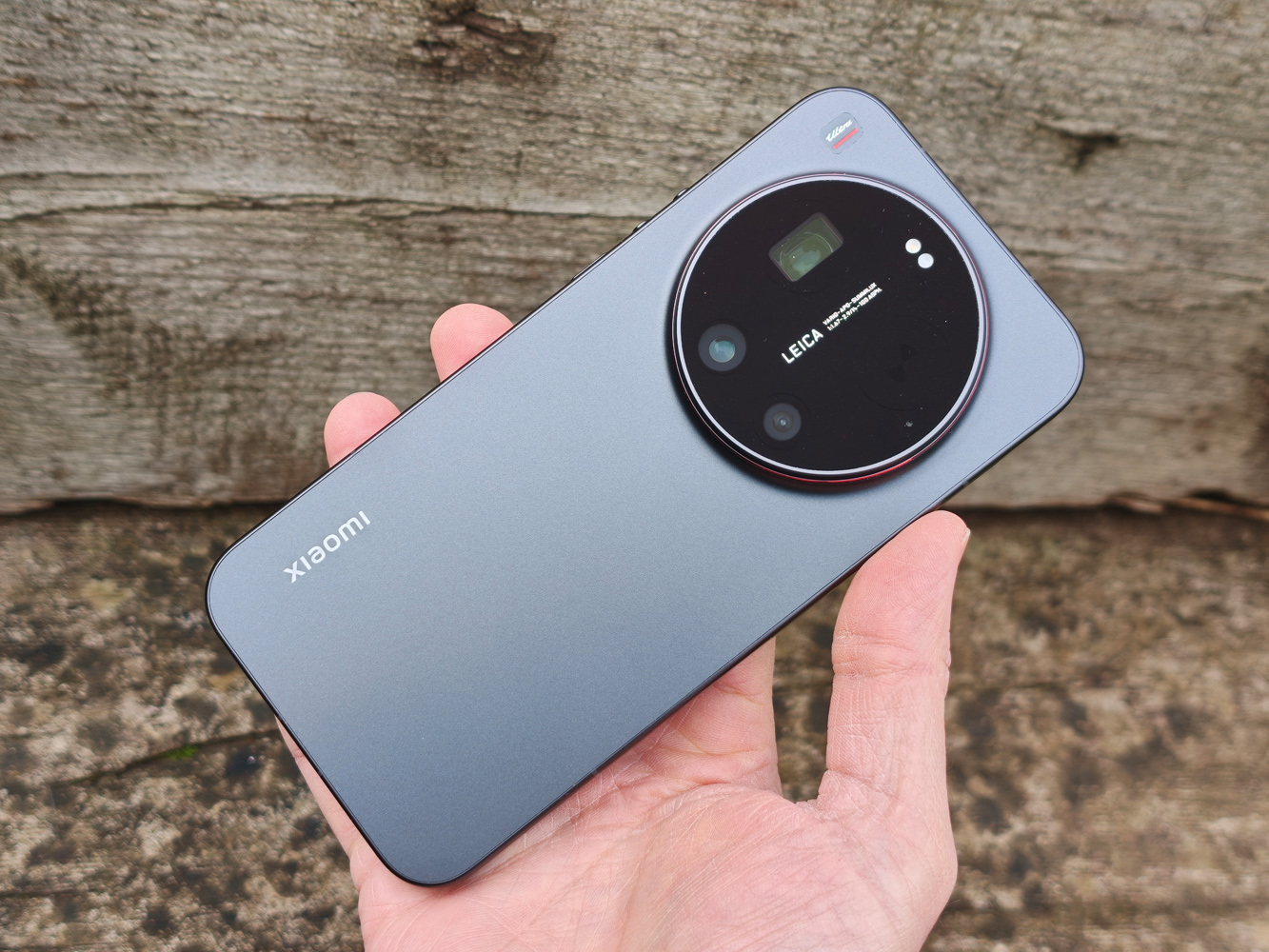
With such gloriously uncompromising hardware, the Xiaomi 17 Ultra’s camera prowess was never really in doubt. It sets the standard for telephoto clarity, steps up its selfie game, and that lead lens remains a shortcut to bokeh brilliance. The film-like image processing and a selection of official accessories also help it stand out from less characterful rivals.
You’re also getting flagship-grade performance, rapid charging speeds and a screen that’s simply gorgeous.
It’s undeniably expensive, though. The more mainstream design and a battery that’s not quite class-leading also mean it’s perhaps not quite as special as earlier efforts were, though Leica lovers probably won’t mind too much.
Stuff Says…
Another outstanding cameraphone with epic performance and streamlined software. The Xiaomi 17 Ultra isn’t a battery champ and is a costly purchase, but keen photographers will appreciate the detail-stuffed snaps it takes.
Pros
Immensely capable camera setup with nuanced image processing
Optional photography kit accessories are useful without being OTT
Sublime styling and stellar screen
Cons
Global version has a smaller battery than the Chinese original…
…and doesn’t last as long as the class leaders
Seriously expensive, even for a photography-first flagship
Xiaomi 17 Ultra technical specifications
| Screen | 6.9in, 2608×1200 AMOLED w/ 1-120Hz |
| CPU | Qualcomm Snapdragon 8 Elite Gen 5 |
| Memory | 12/16GB RAM |
| Cameras | 50MP, 1.0-in w/ f/1.7 aperture, dual pixel PDAF, OIS + 200MP periscope telephoto w/ f/2.4-3.0 aperture, 3.2-4.3x optical zoom, multi-directional PDAF, OIS + 50MP, f/2.2 ultrawide w/ dual pixel PDAF rear 50MP front |
| Storage | 512GB/1TB on-board |
| Operating system | Android 16 w/ HyperOS 3 |
| Battery | 6000mAh w/ 90W wired, 50W wireless charging |
| Dimensions | 163x78x 8.5mm, 224g |


 Tom Morgan-Freelander
Deputy Editor
Tom Morgan-Freelander
Deputy Editor