The LG G6 redefined OLED TVs for me – here’s why it’ll do the same for you
The OLED standard-bearer returns with a brightness-boosting picture processor and anti-glare tech


Stuff Verdict
The feature-rich G6 steps up its picture game in all the right places. It’s yet another slam dunk LG OLED.
Pros
- Impeccable SDR and HDR image quality
- Comprehensive smart TV interface with wide streaming support
- Abundance of gamer-friendly features
Cons
- Smart services demand an LG account
- sound is better than last year, but still short of the class best
Introduction
With all the hubbub over RGB mini-LED lately, you could be forgiven for thinking the TV world had fallen out of love with OLED 4K TVs. The arrival of the G6 should put that record straight. LG’s latest high-end set addresses the weak points of its predecessor – namely brightness, colour gradation and light reflections – while adding even more smarts to what’s already one of the best Smart TV systems out there.
Sitting below the wireless ‘Wallpaper’ W6 flagship but above the mainstream C6, the G6 is the new sweet spot for film fans and streaming show binge-watchers. It lands in 55in, 65in, 77in and 83in screen sizes, with the UK getting a smaller 48in version and the US seeing a colossal 97in set that’ll set you back a heady heady $25,000. The 55in model tested here is a much more reasonable $2500/£2200 in comparison, but that still puts it firmly in premium territory.
Being first to the punch helps, of course; rivals are only just now rolling out their 2026 models. The big questions are whether the G6 is a big enough step forward from last year, and if that brightness boost really can compete with the newer panel tech seen elsewhere?
How we test TVs
Every TV reviewed on Stuff is put through its paces with a mix of film, TV and game content, using a combination of streaming services, Blu-ray and console games. We use our years of testing experience to judge picture and sound quality, ease of use, and value for money. Manufacturers have no visibility on reviews before they appear online, and we never accept payment to feature products.
Find out more about how we test and rate products.
Does the LG G6 have a different design to the G5?
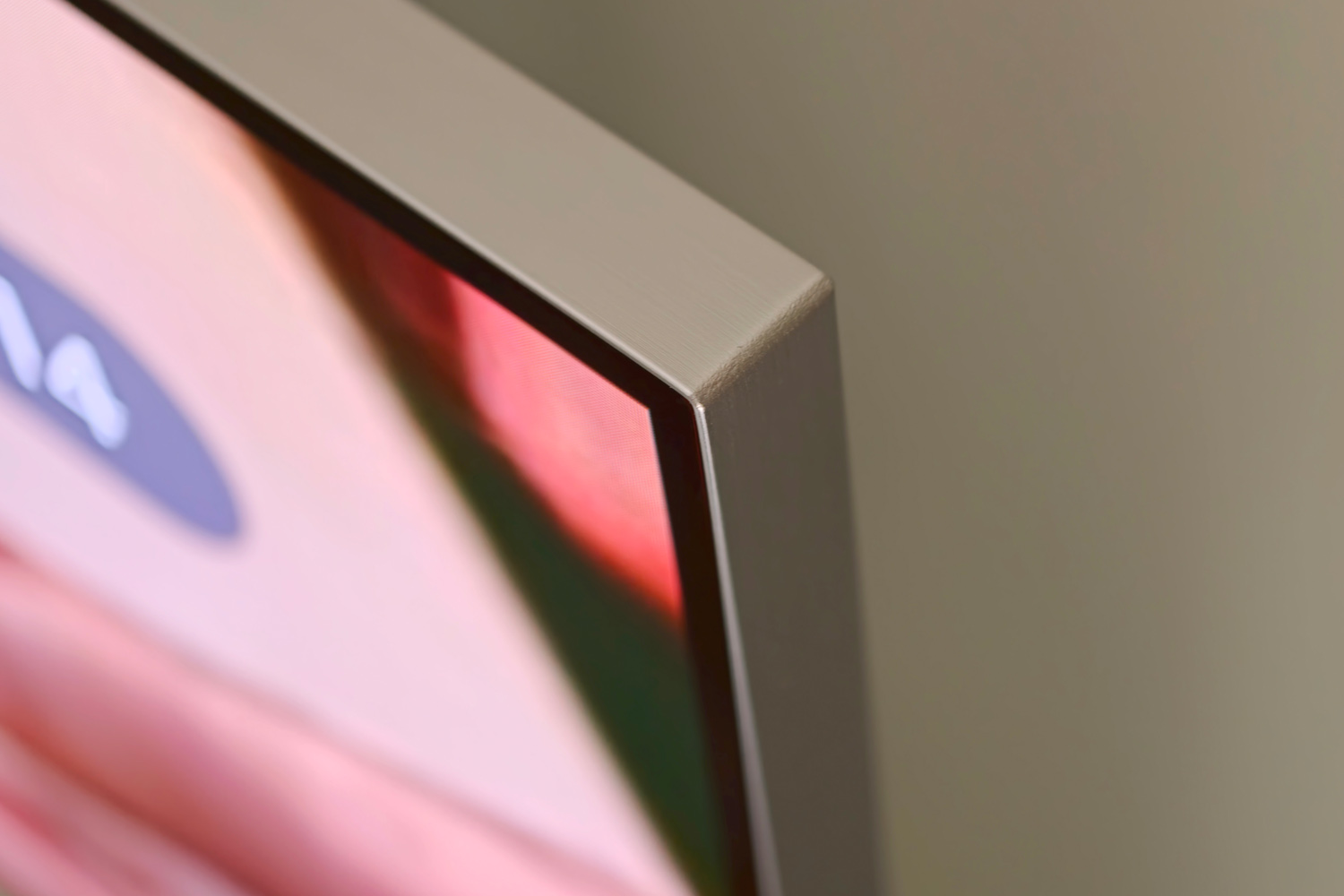
Like the LG G5 before it, the G6 begs to be hung on a wall. The G stands for Gallery, after all, and LG will sell you one with a zero-gap wall mount. The bezels are almost nonexistent and the frame is clad in eye-catching brushed metal; with a well-placed plug socket (or wall cavity cable run) it’ll do a convincing impression of a picture frame.
I tested the version that ships with a traditional stand instead. While 65in might now be the most popular screen size, being sent a smaller 55in set meant bolting the panel to the stand was a one-person job. It lacks swivel but is reassuringly sturdy, with a skinny flat base that won’t get in the way of a soundbar. There are also two height positions to pick from if your soundbar is on the taller side.
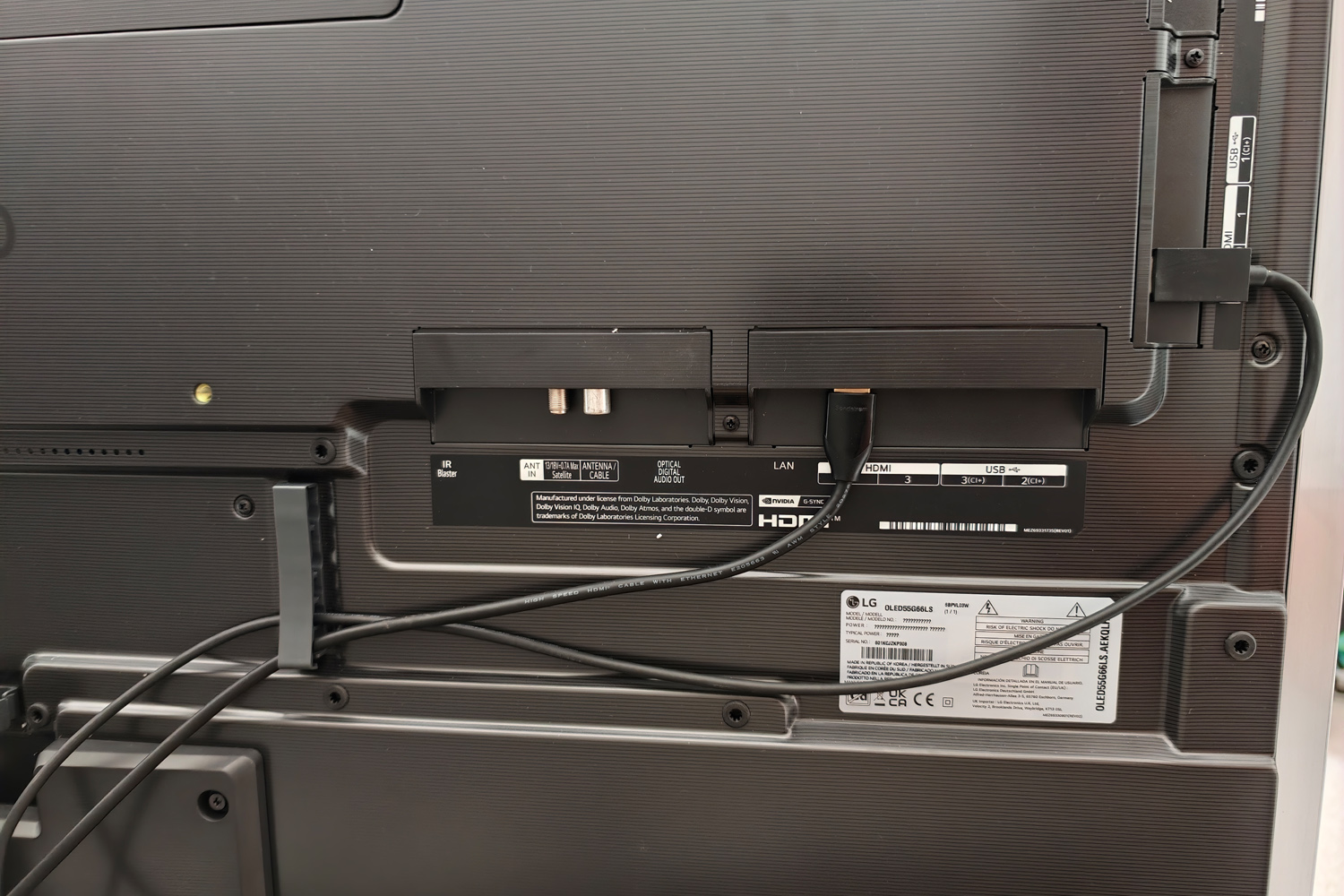
A cable management channel then helps keep ungainly wires out of sight while you’re sat back on the sofa. There are also clips built into the back of the TV itself, though you’ve got to make sure your HDMI cables are long enough to use them; the one I normally use for my soundbar was so short I had to leave it dangling.
This is visually identical to LG’s last-gen TV, but it still looks wonderfully minimal and modern so I had no complaints.
What features and connectivity does the G6 have?
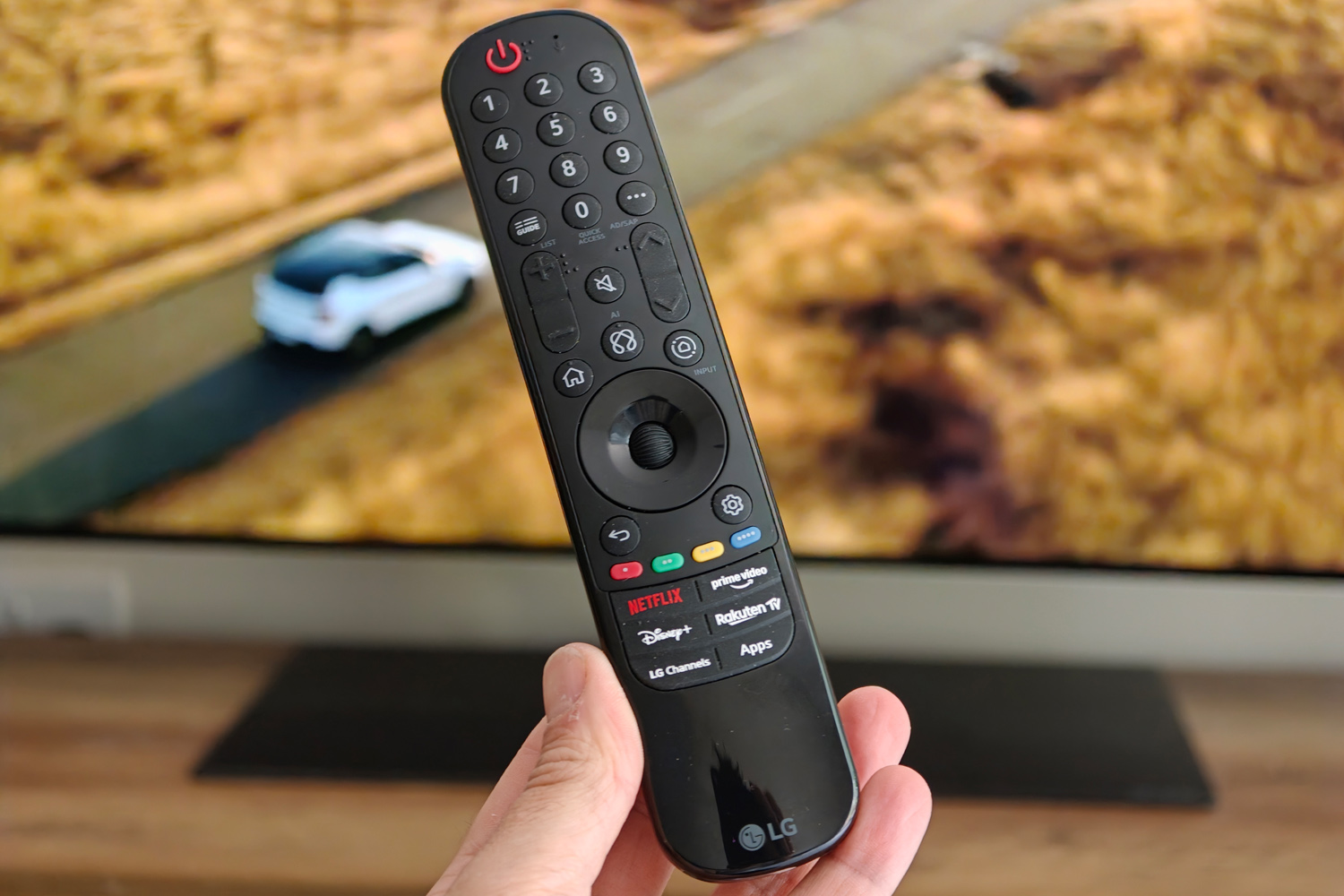
How is LG still rolling out the same basic plastic remote control when rivals now include metal ones with USB recharging and backlit keys? Apparently, UK regulations mandating that TV remotes have number buttons are to blame for not getting the more modern controller included with the G6 in other territories. Existing LG owners will at least feel right at home with the Nintendo Wii-like motion controls.
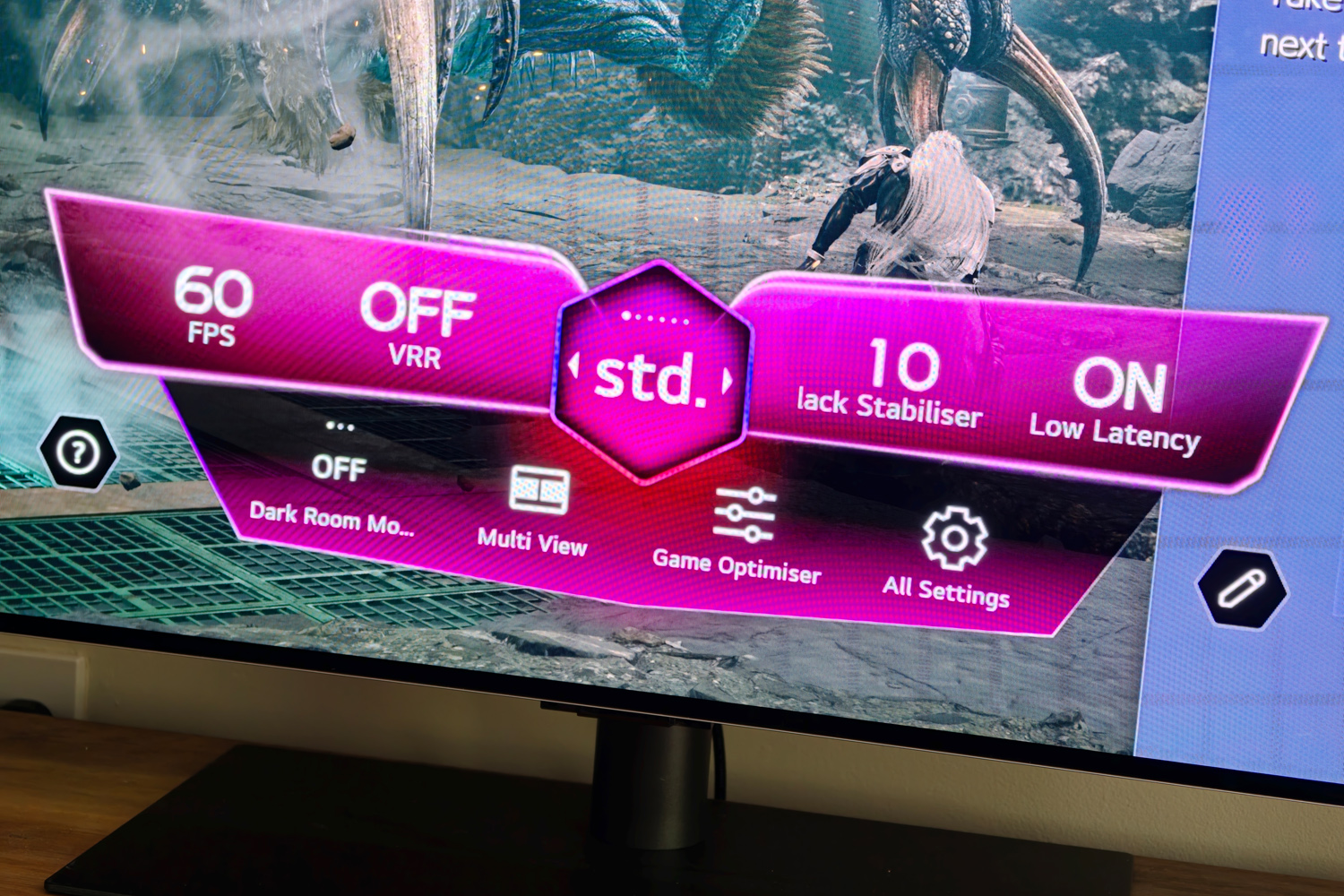
LG does win points for having four full-bandwidth HDMI 2.1 ports at the rear, which can each handle 4K at up to 165Hz (144Hz in HDR) with compatible hardware. Even GeForce Now cloud streaming hits 4K/120Hz with the right membership. Nvidia G-Sync, AMD FreeSync and HDMI variable refresh rate (VRR) are all on board too. OLED panels are inherently responsive but even so input delay here was minuscule, making Call of Duty deathmatches feel whip-crack responsive. The dedicated Game Optimizer menu then makes it easy to access handy settings like black level adjustment.
Audio hardware hasn’t changed between TV generations so you’re still getting a 4.2-channel speaker system here. LG has halved the number of sound modes in the name of simplicity, though, and tweaked the tuning to deliver more bass punch than you got on the old G5. There’s no DTS but it does have Atmos onboard, and supports the new FlexConnect standard. I didn’t have a compatible home theatre system to try it out, but being able to wirelessly connect and use the TV’s speakers as part of the surround sound package bodes well for anyone planning an audio upgrade later down the line.
HDR support is unchanged too. Dolby Vision, HDR10 and HLG cover most of the major streaming bases, though HDR10+ remains missing in action. There’s also no Dolby Vision 2 support, which isn’t a huge deal today given there’s no compatible content yet, but could be something to think about if you plan on keeping your TV for the long haul.
What is the LG G6 smart TV interface like to use?
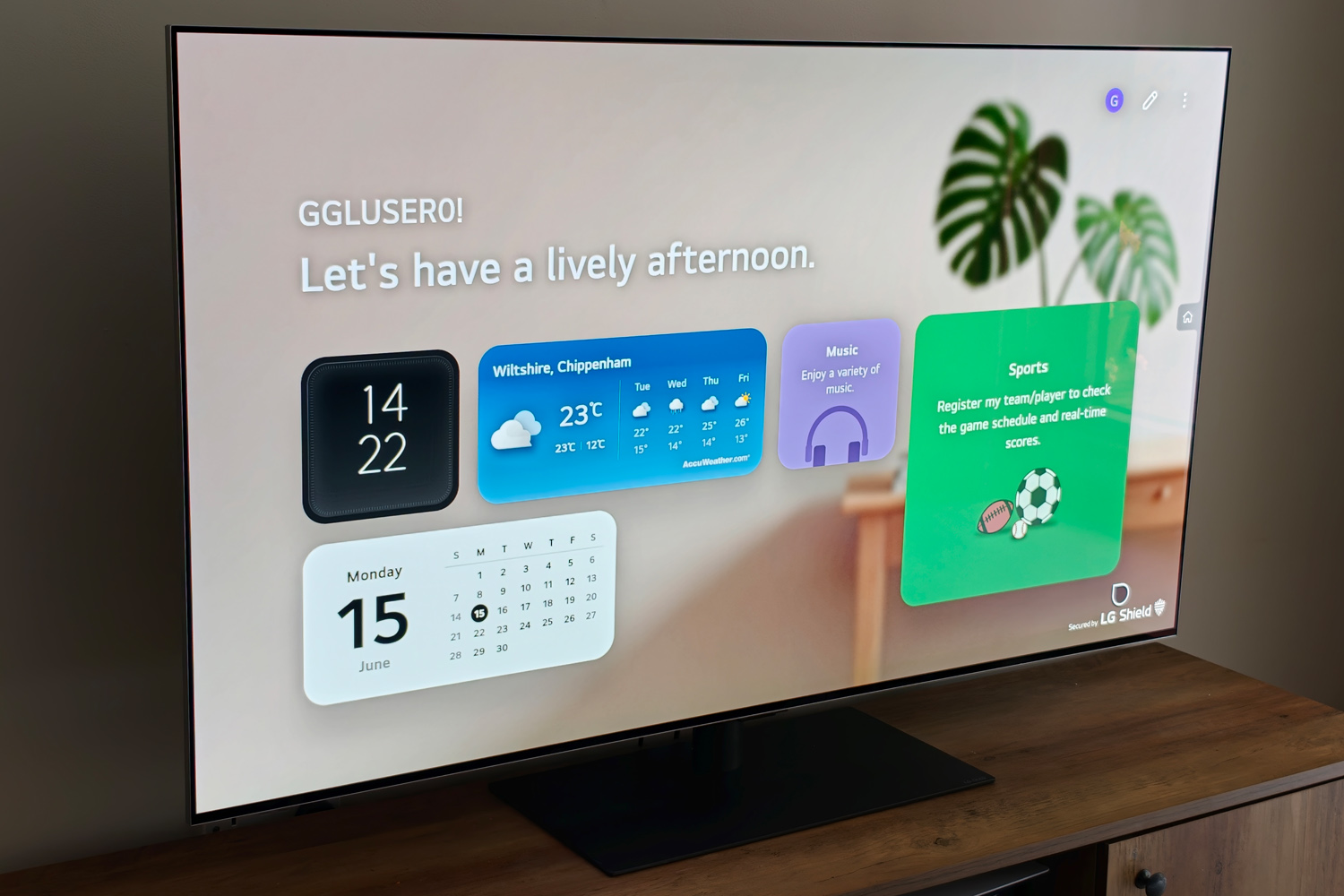
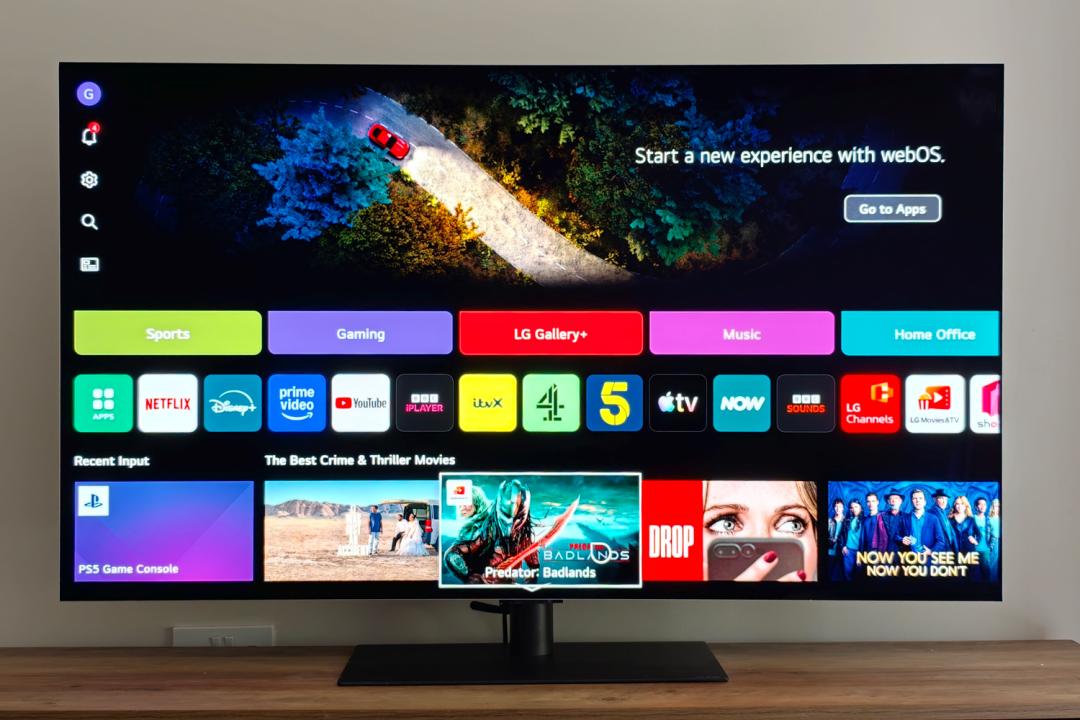
I was initially irked that streaming and catch-up services are locked off until you log in with an LG account, while an issue with my 5GHz Wi-Fi network meant the initial setup was painfully slow. It was smooth sailing once I switched to 2.4GHz, though, at which point I couldn’t deny webOS remains a corker of a smart TV system.
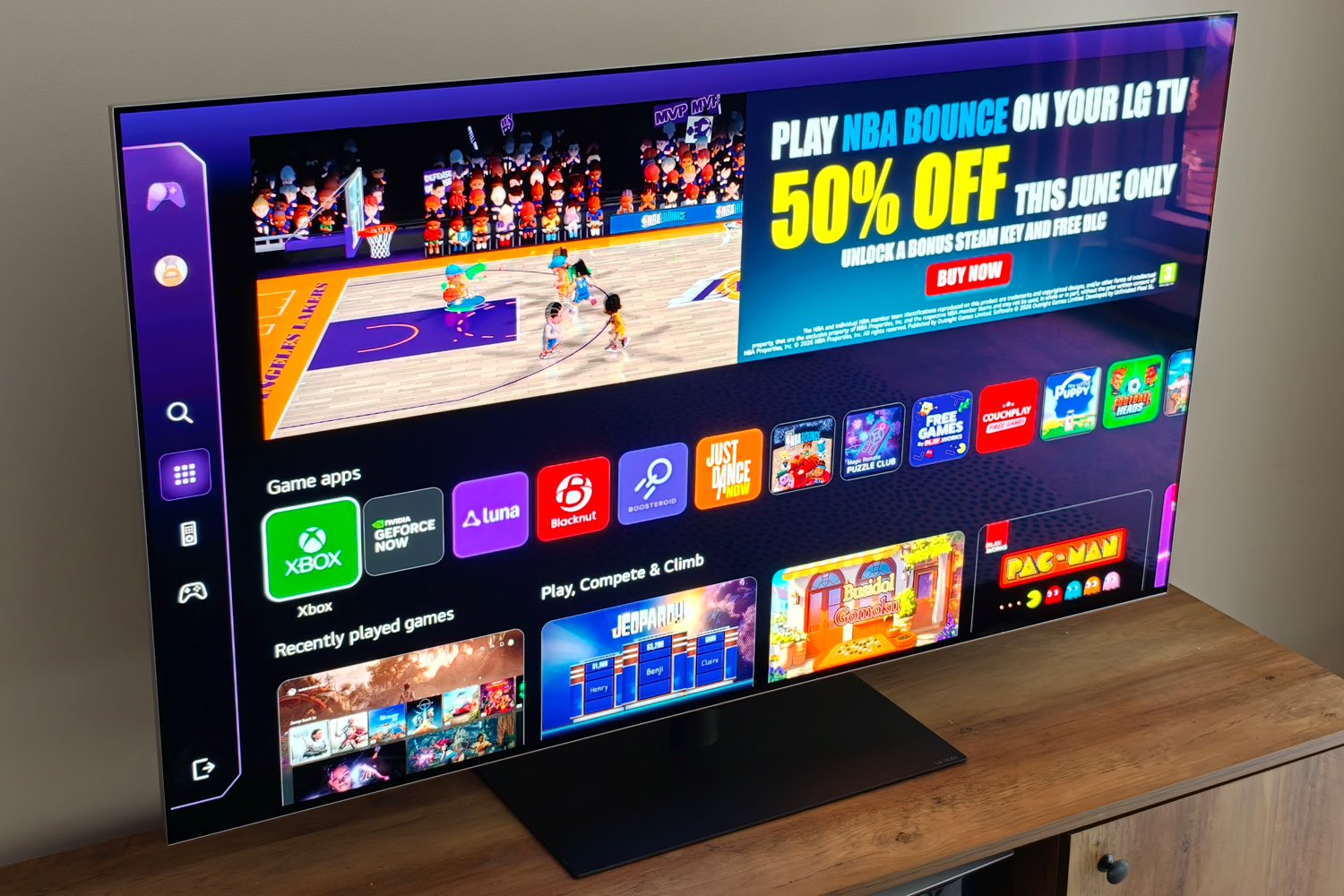
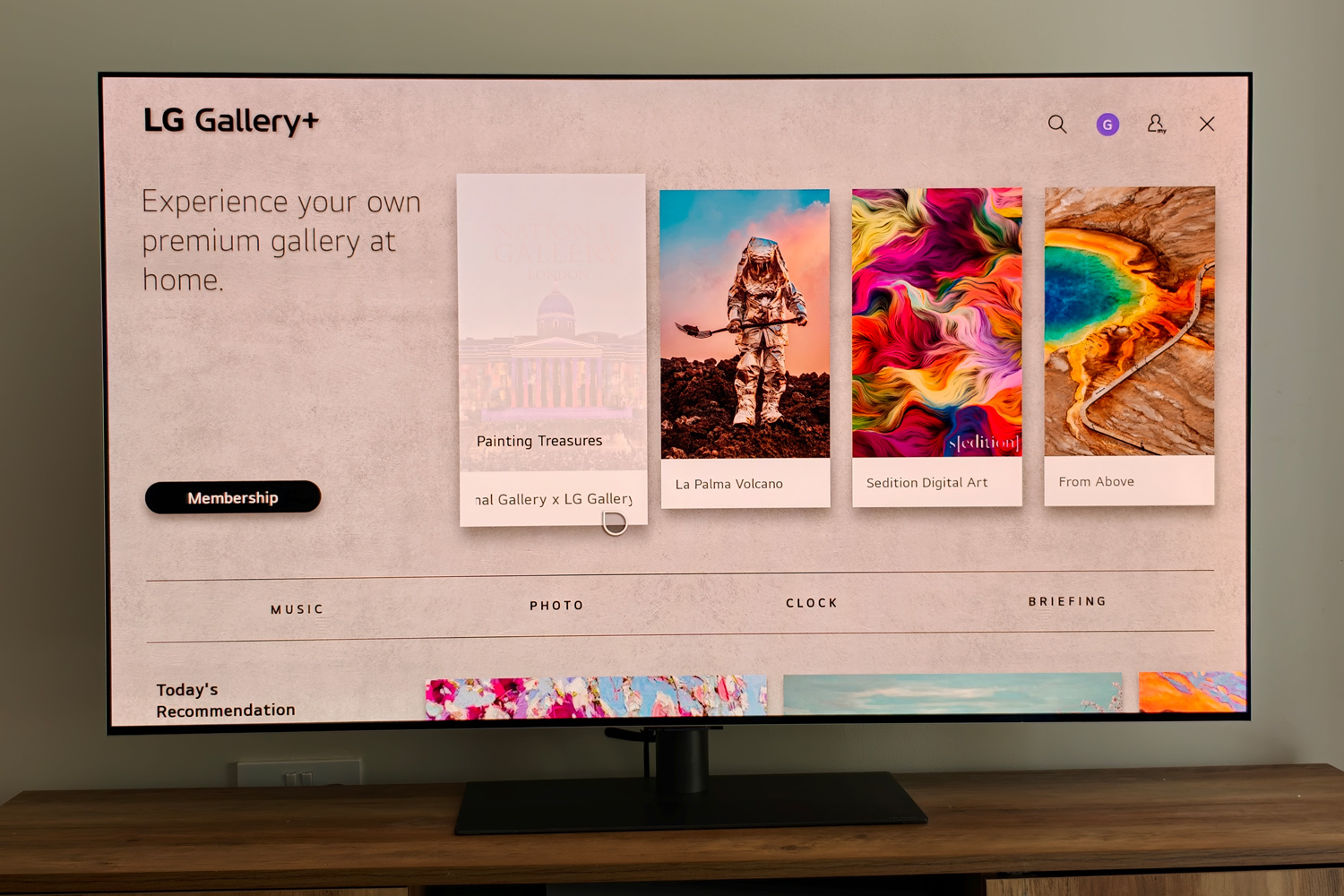
As well as every streaming platform you can name, it has a healthy selection of free, ad-supported television (FAST) channels. There’s a gallery mode, should you want to use your expensive new telly as a digital photo frame. You can play games via the cloud (no console or PC required) once you pair a Bluetooth controller. It’s also a Matter smart home hub, spotting my connected lights and offering to overlay workout stats from my exercise bike.
It’s all laid out sensibly, with quick cards grouping together things like sports scores, music streaming and productivity tools such as screen mirroring. The remote’s motion controls, scroll wheel and directional pad make getting round a breeze. It’s brilliantly responsive too.
There’s a whole heap of content suggestions to scroll through, but I wish the entire top third of the home screen wasn’t eaten up by banner ads. At least you can turn off their ability to show promoted content through the settings menus, but they can’t be deleted altogether.
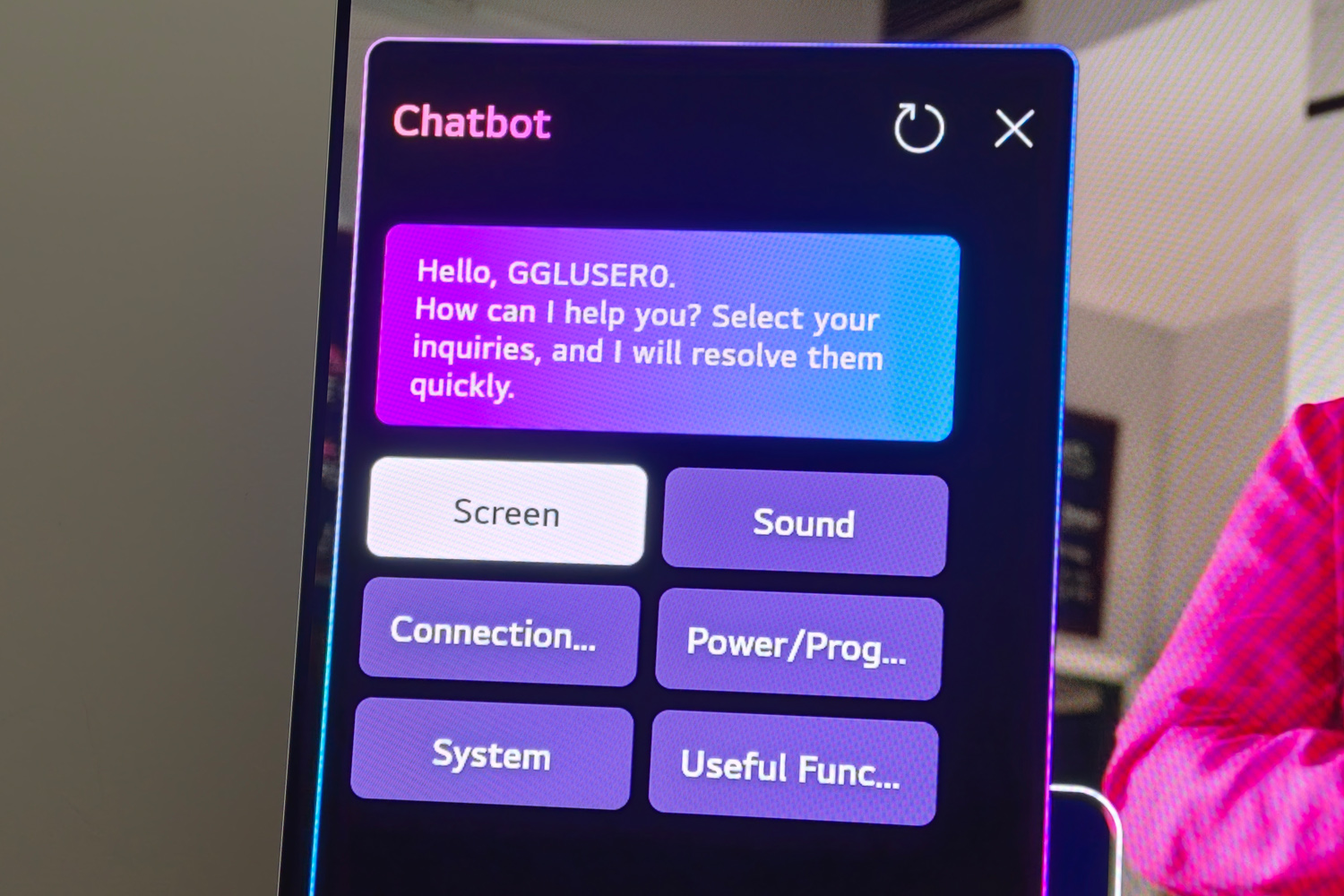
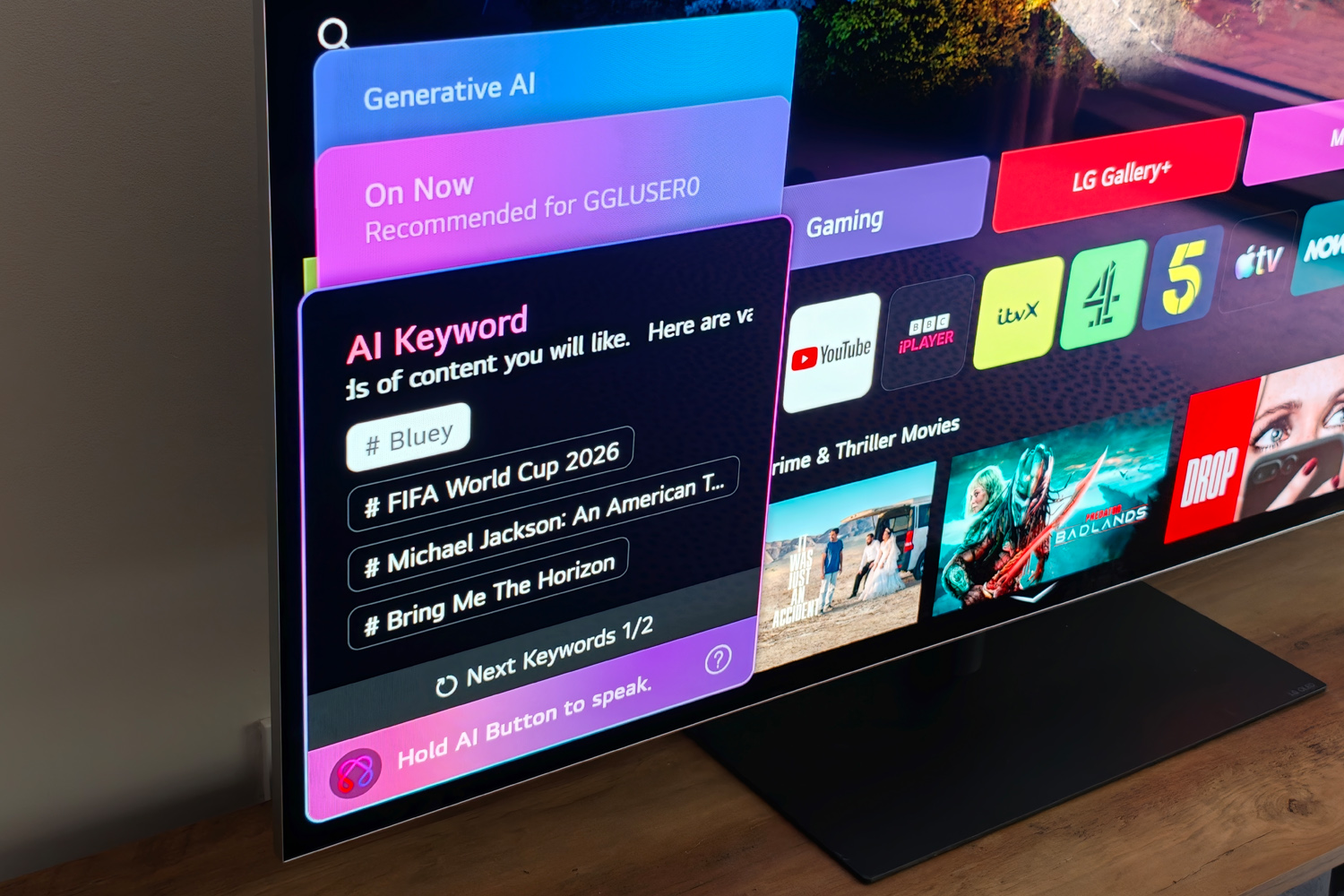
LG went all-in on AI a year or two ago. The AI chatbot that helps troubleshoot issues and Concierge that suggests what to watch are a little smarter in 2026, but not so much I actively sought them out once I’d tested them for this review. Voice ID, which activates a user profile once it recognises their voice, could be useful if multiple people want to use all of the G6’s functions; it was largely lost on my wife, who happily sticks with my picture settings and just uses the smart TV interface as a gateway to Netflix and Disney+.
Does the LG G6 have the best OLED TV picture quality?
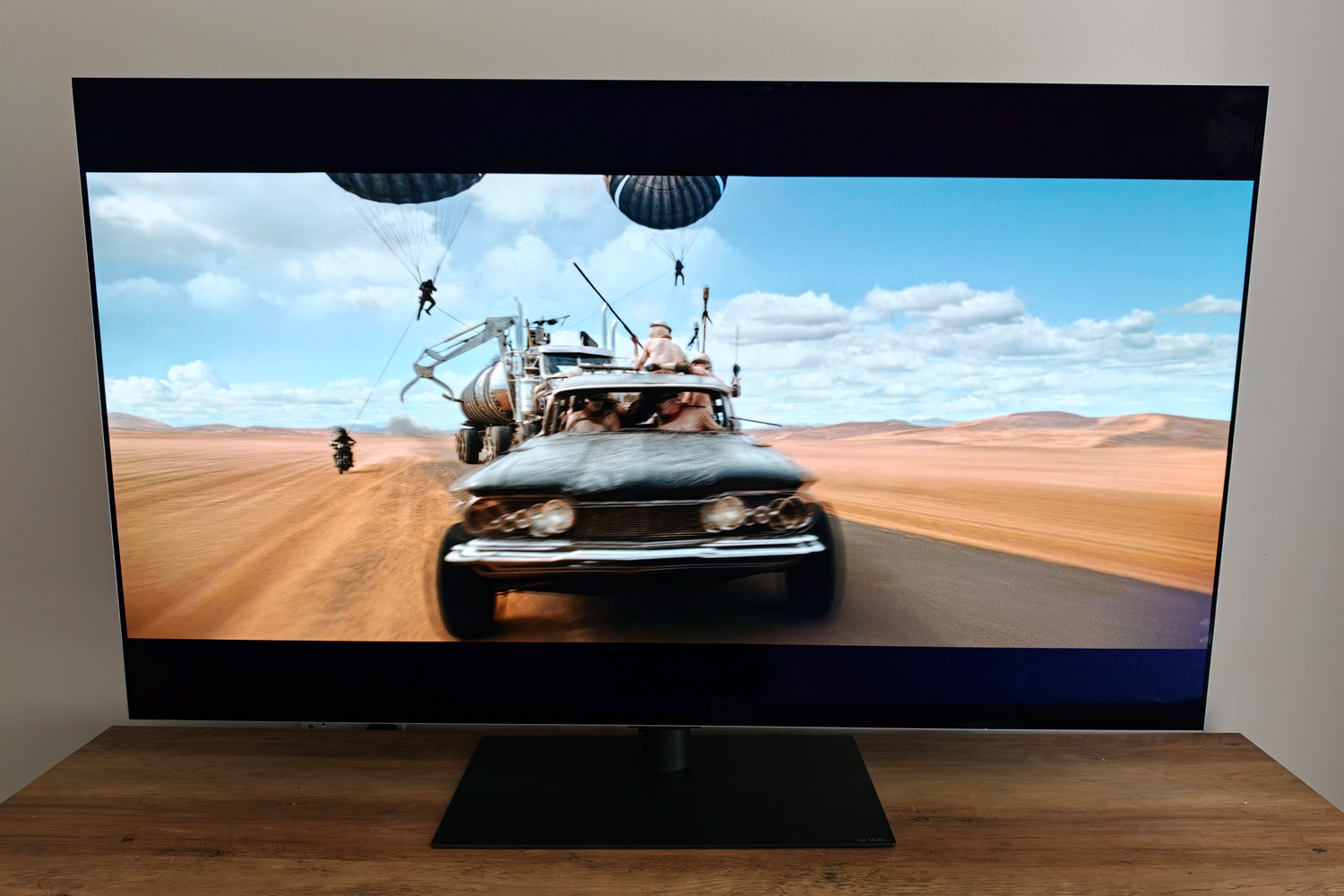
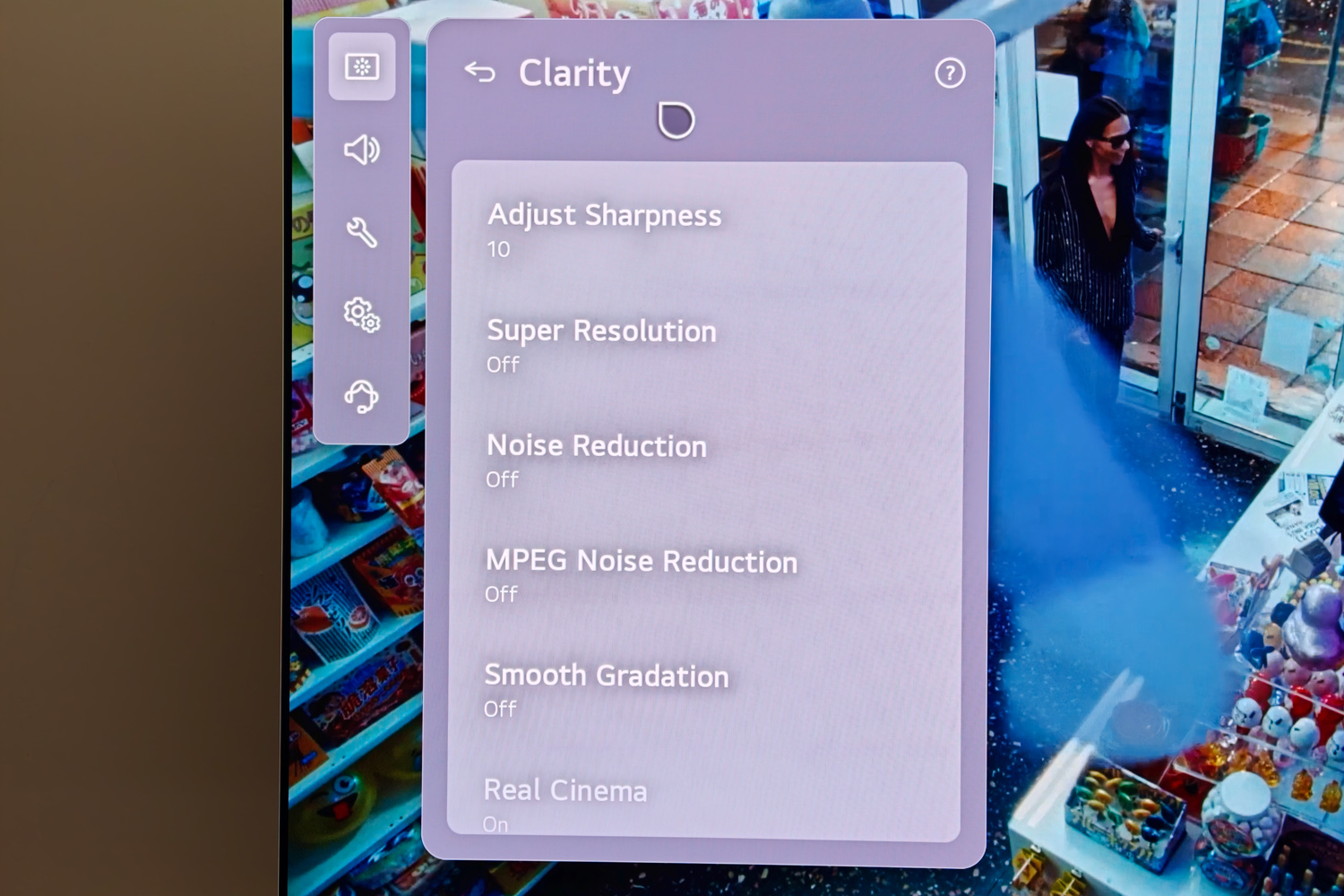
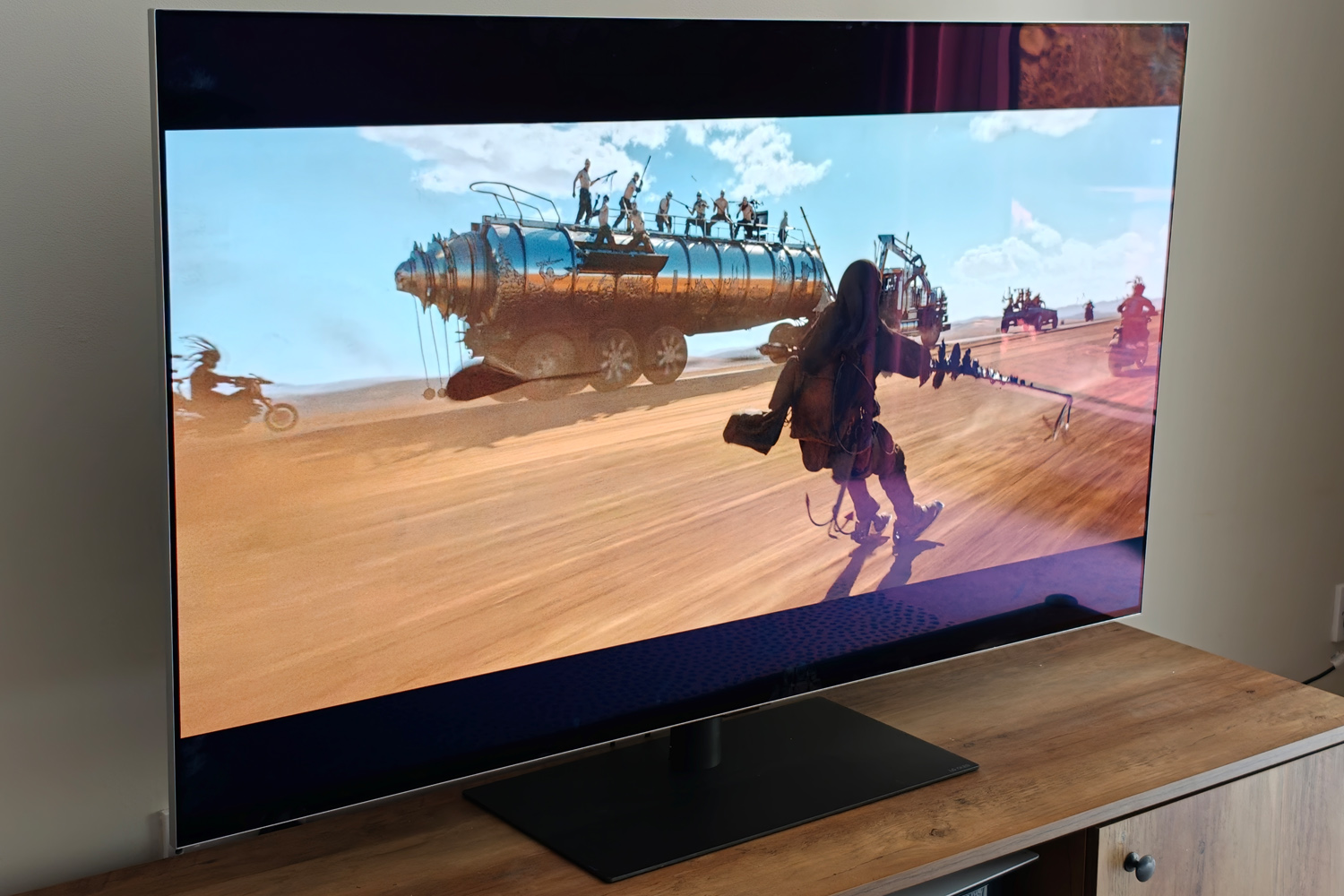
The G6 uses the same ‘four stack’ RGB Tandem OLED panel as last year’s G5, but LG has now paired it with a new Alpha 11 AI Processor Gen 3 imaging chip that’s capable of 12-bit colour processing. That means a whopping sixty-four times more precision than the outgoing set could muster. Add in another channel for luma (or brightness) and the result is a TV that can hit a peak 3000 nits for HDR content, which is a 20% boost over last year.
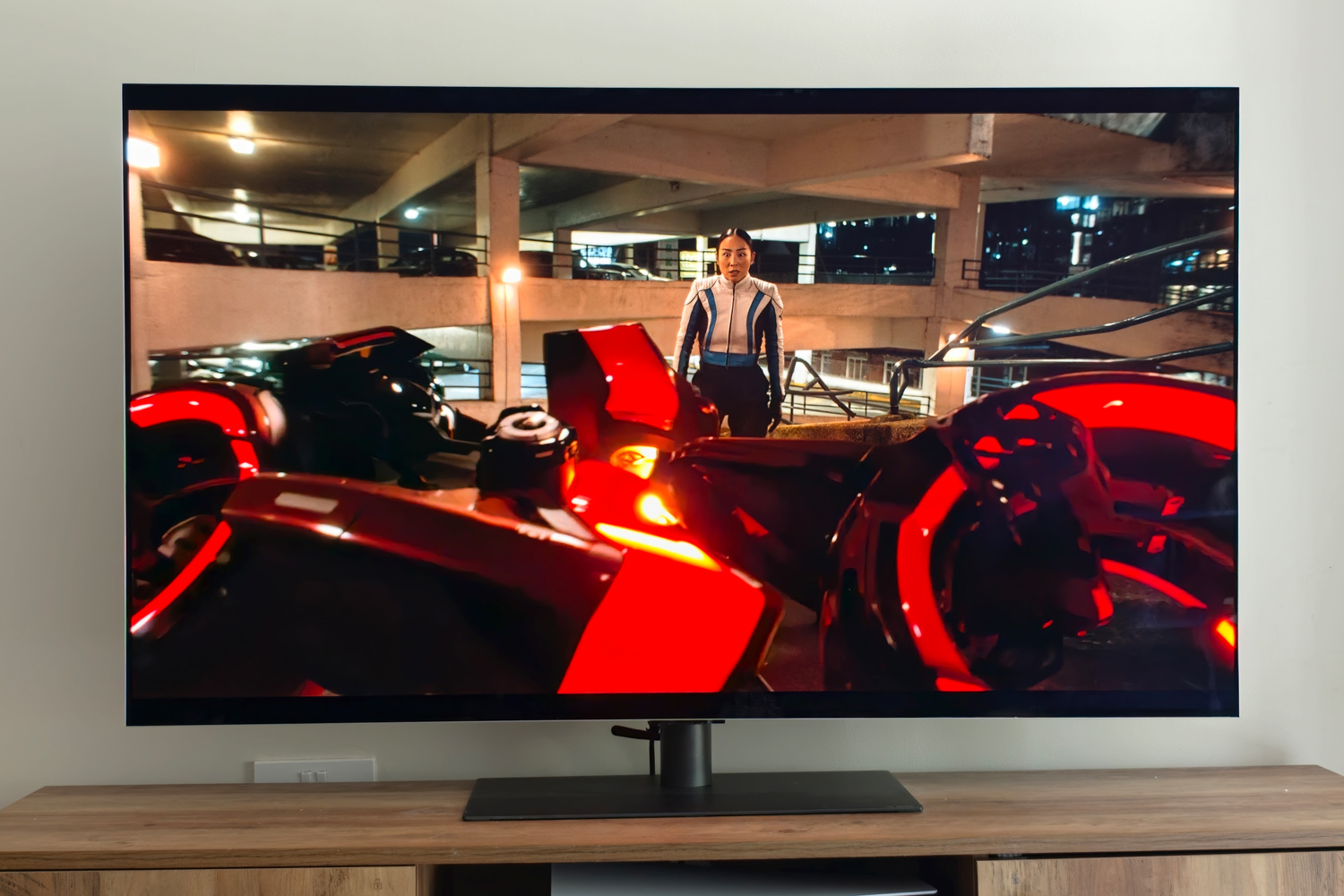
The resulting amount of dynamic range is simply incredible. Absolute blacks happily sit alongside extreme highlights in the second season of Amazon’s Fallout, while I can’t remember ever seeing Furiosa: A Mad Max Saga so vivid on an OLED before this. Crucially, the transitions between different shades of colour are now wonderfully smooth; this gradation was something the old G5 didn’t quite nail, so it’s great to see LG rectify things for 2026.
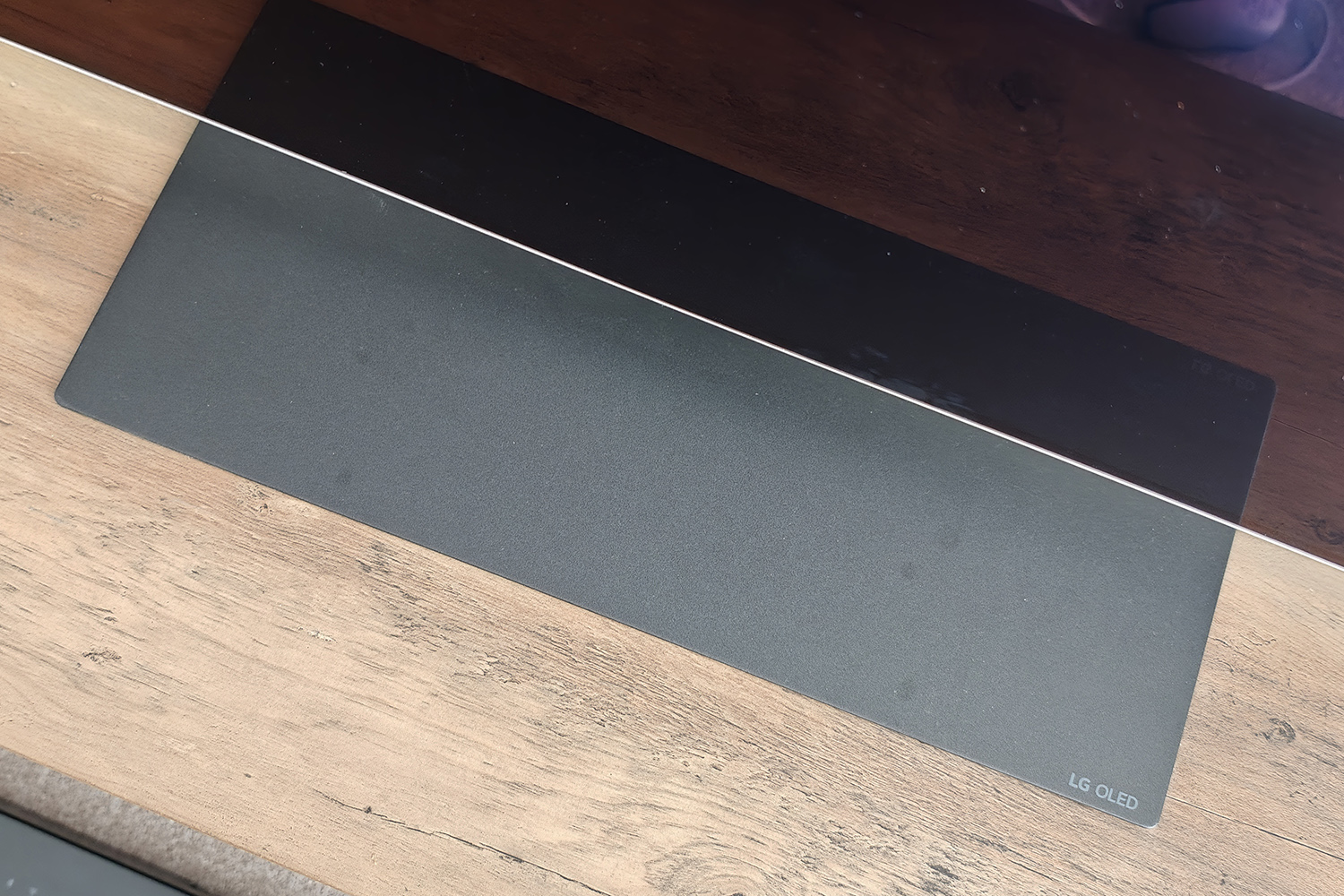
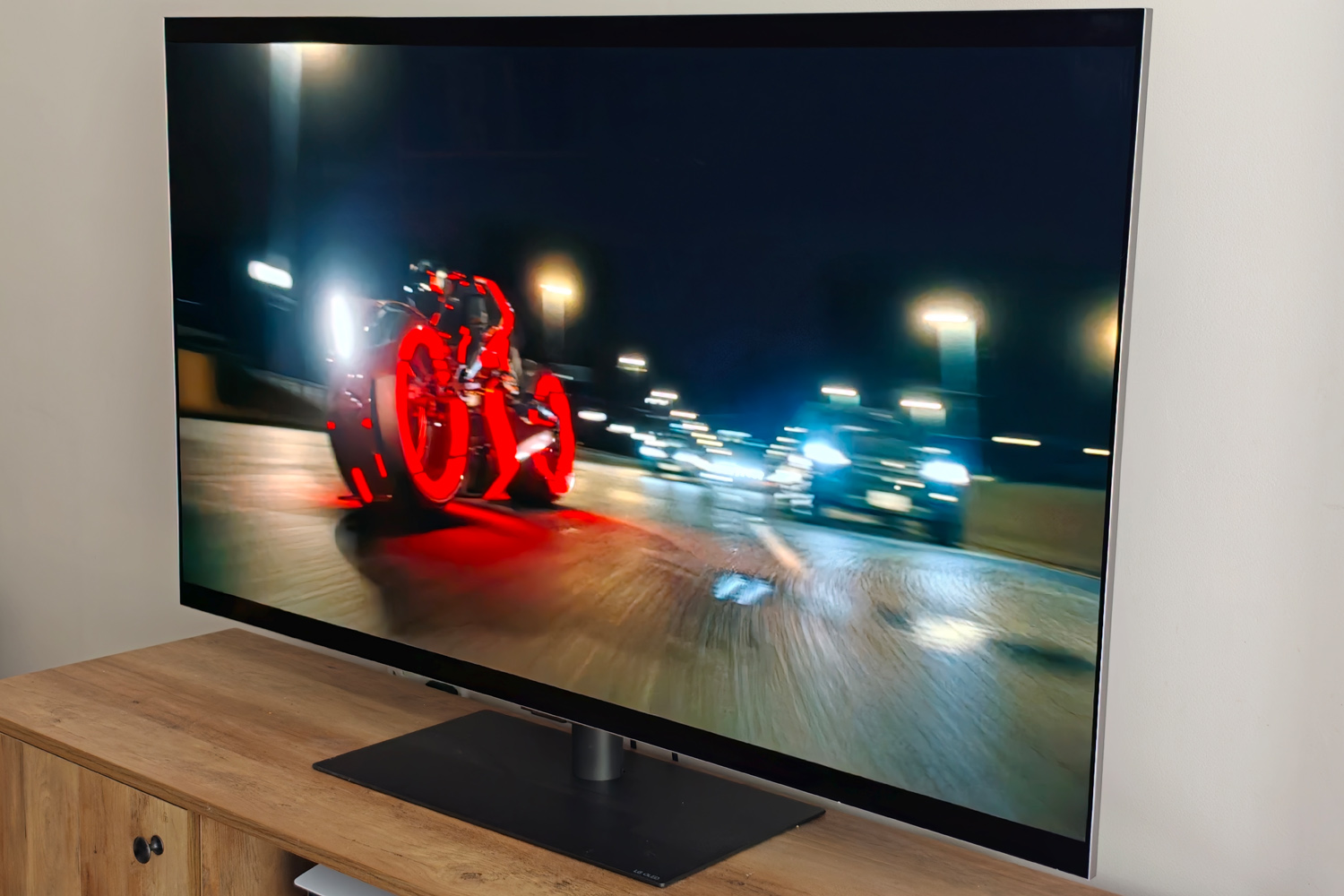
Absolute brightness may fall short of top-tier mini-LED models, but there was no point where I felt short-changed. The anti-glare finish certainly helps: the panel is considerably less reflective than previous LG efforts. With my own TV the curtains must be closed to really appreciate the inky darkness of Tron Legacy’s night scenes, but here they were already on full display. There’s certainly no need to relegate this OLED to a dark room.
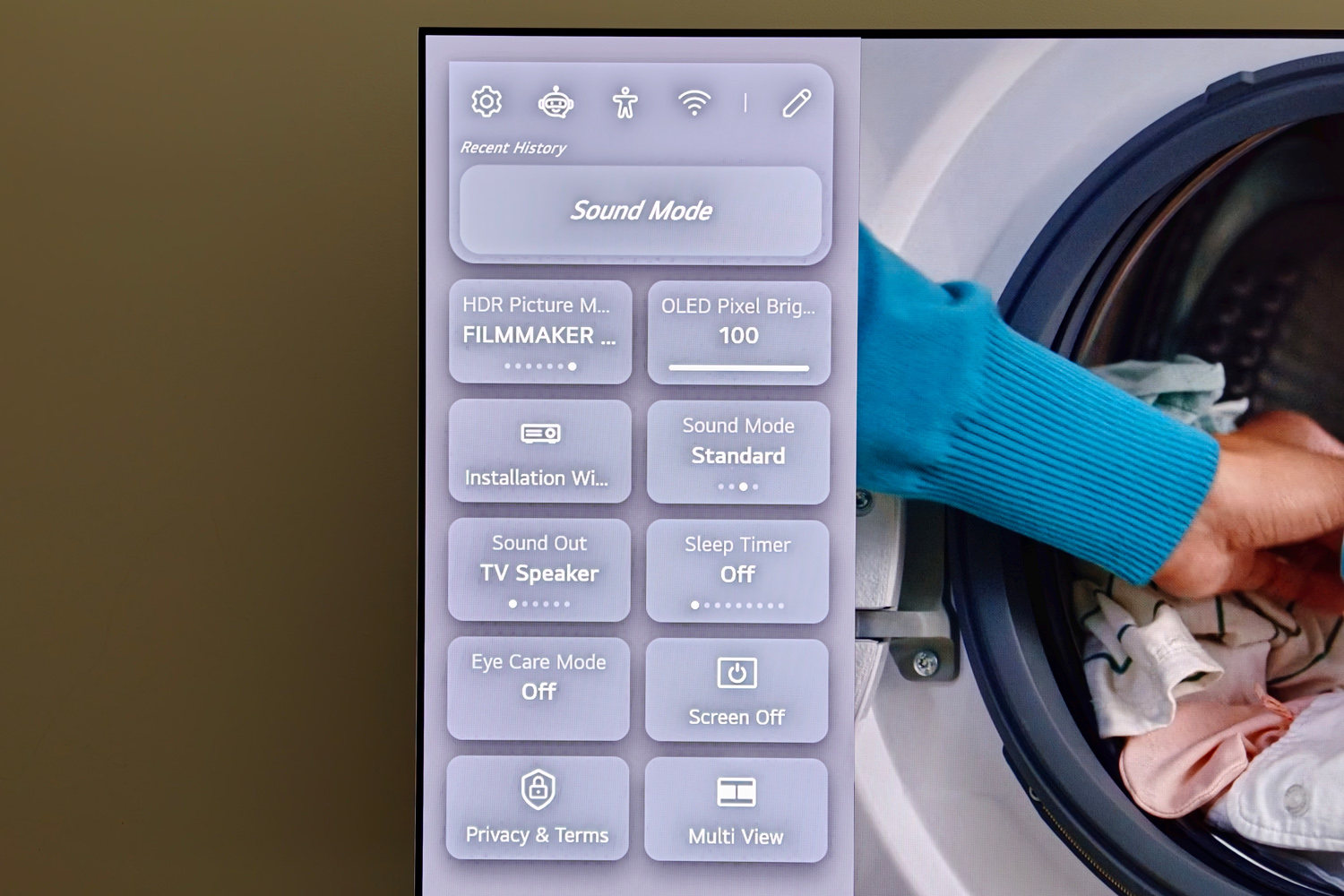
Finding and disabling every one of the G6’s energy saving functions took a while – they really are the enemy of picture quality – but it was worth the effort. Simply swapping to the Filmmaker mode makes TV and movies come alive with accurate yet impactful colours that are better controlled than the outgoing G5. You don’t have to spend hours tweaking settings to achieve this either – the stock settings are expertly dialled in right out of the box.
After spending a weekend bouncing between Formula One and the Le Mans 24hr race, it was clear the G6 had no issues handling fast motion. Any judder is tamed by the subtle “Cinematic Motion” setting in the picture menus, without making everything look like a soap opera. Even lower bitrate content looks gorgeous on this screen.
This year’s rivals really have their work cut out if they want to do better.
LG G6 (OLED55G6) verdict
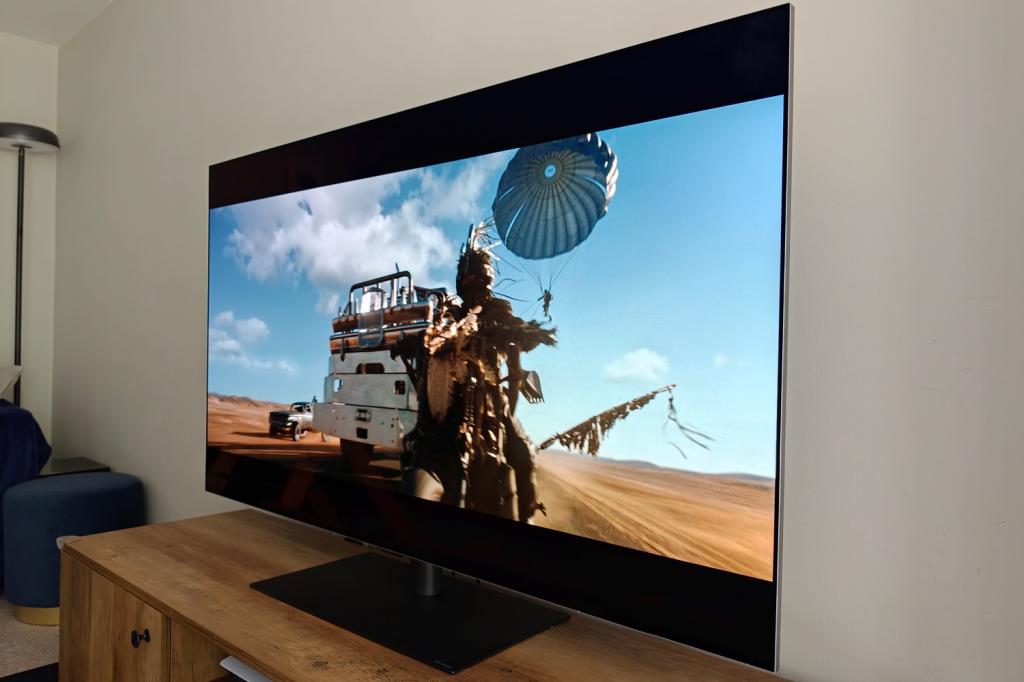
It might not be the biggest of steps forward between generations, but there’s no doubt the G6 has pushed LG’s OLED tech even further to the front of the class. Colour handling is exceptional and the extra peak brightness means HDR content slaps harder than ever. Improved reflectivity means daytime viewing doesn’t force you to compromise on shadow detail anywhere near as much as the firm’s earlier models.
Elsewhere the G6’s smart TV system remains one of the best, with all the features you could want plus a whole bunch more. If you’re not a fan of the AI additions you can largely ignore them, and while not every territory gets the simple new remote, at least navigation is still perfectly straightforward.
It’s expensive at launch, but that’s true of any TV; prices are sure to stabilise in the coming months as rival sets launch and stock of the outgoing model dries up. RGB mini-LED rivals will also have the brightness edge, but for perfect blacks and expertly processed colours, this will prove exceptionally hard to beat.
Stuff Says…
The feature-rich G6 steps up its picture game in all the right places. It’s yet another slam dunk LG OLED.
Pros
Impeccable SDR and HDR image quality
Comprehensive smart TV interface with wide streaming support
Abundance of gamer-friendly features
Cons
Smart services demand an LG account
sound is better than last year, but still short of the class best
LG G6 (OLED55G6) technical specifications
| Specifications | LG G6 (OLED55G6) |
|---|---|
| Screen size | 48in, 55in (as tested), 65in, 77in, 83in, 97in |
| Resolution | 3840×2160 |
| HDR formats | Dolby Vision, HDR10, HLG |
| Connectivity | 4x HDMI, 3x USB, digital optical, Ethernet, Wi-Fi, Bluetooth |
| Smart TV | WebOS 26 |
| Dimensions | 1441x826x24mm, 22kg (panel only) 1441x910x263mm, 27.3kg (with stand) |


 Tom Morgan-Freelander
Deputy Editor
Tom Morgan-Freelander
Deputy Editor