How I track sleep and fitness while still being a mechanical watch enthusiast
I love mechanical watches too much to wear a smartwatch – here’s how a smart ring finally lets me track my health and sleep

I’ve never really got on with smartwatches. Which is slightly awkward, given I’ve spent most of my professional career reviewing them. I respect what they do. I understand why people love them. But once a review is over, the unit goes back in the box.
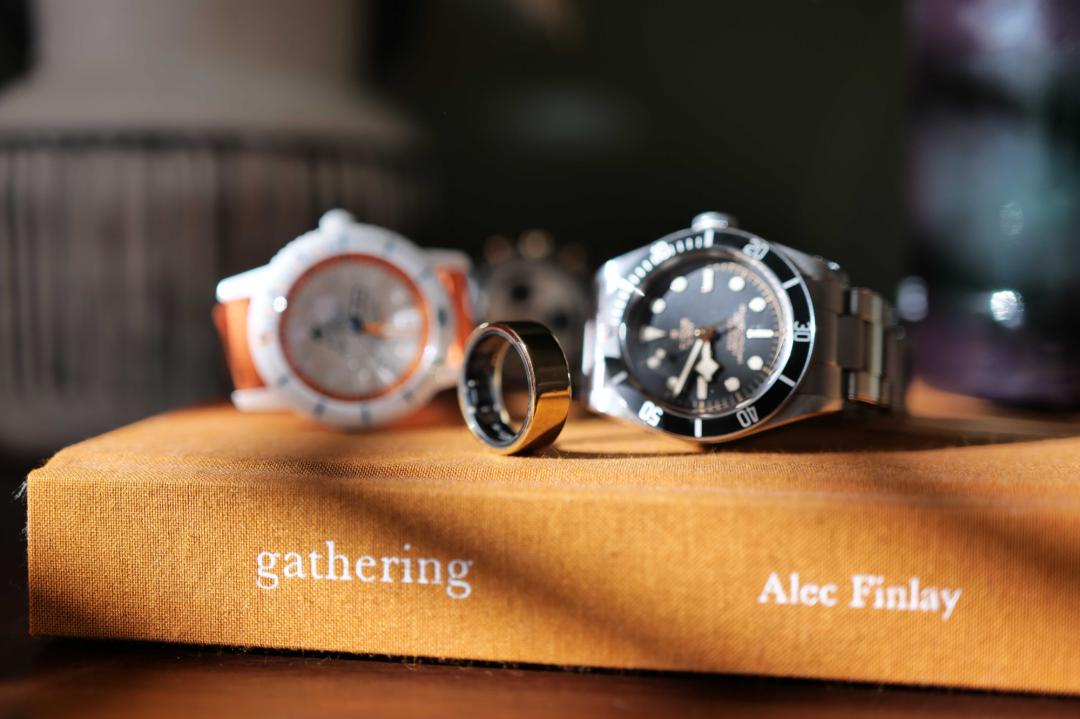
Part of that is taste. As Stuff’s resident watch writer, I’m far more comfortable slipping on something mechanical. A proper watch, in my mind. Springs, cogs, a sweeping seconds hand, and a design that exists because someone cared deeply about how it looks, not how many nits the display can achieve or how many graphs it can generate. I’ve built up a sizeable mechanical watch collection over the years, and wearing a smartwatch means one thing: those watches stay in the box. That makes me feel sad.
I’ve tried double-wristing (that is, wearing a mechanical watch on one wrist and a smartwatch on the other). A couple of times. But it didn’t last. It feels unnatural, looks odd, and, frankly, makes it look like you’re trying too hard. So I stopped.
The problem is that smartwatches do work. The health and fitness tracking genuinely motivates me to move more, I value the sleep data and pay attention to how my body’s doing. And while the phrase gets overused, the Apple Watch’s ability to spot heart issues and call for help really is a big deal. When I’m wearing a mechanical watch, I’m always aware that I’m missing all of those things.
I’ve been feeling that tension for years, until smart rings entered the chat…

Towards the end of last year, I started reviewing smart rings for our best smart ring buying guide, and everything clicked. Yes, they’re still a bit bulky, but the trade-off is worth it: I can wear the watches I love and get meaningful health tracking, without strapping a screen to my wrist.
After trying a few models, I’ve settled on the Ultrahuman Ring Air.
For a start, the Ring Air is extremely light, easy to forget about once it’s on, and comfortable enough to sleep in every night. That last bit matters, because sleep is where a lot of its best insights come from. It’s the most comfortable smart ring that I’ve tried.
When writing our buying guide, we tested it alongside a Garmin Enduro and found step counts and resting heart rate lined up well. Sleep tracking was particularly strong, often flagging poor nights after late caffeine or stressful days. Its circadian rhythm guidance, which nudges you towards sunlight and movement at the right times, feels genuinely helpful rather than preachy.
The app goes deeper than most rivals, with detailed views of recovery, stress and readiness that reward long-term wear. Some metrics take a couple of weeks to settle, but once they do, the picture feels coherent and personal.

Battery life comfortably hit five days during testing (in Chill Mode, which turns off 24/7 stress tracking), and the waterproof build meant I never had to take it off. That’s the big advantage of a ring: it just stays there, collecting data in the background.
It’s not perfect. Heart rate tracking during intense workouts can’t match a chest strap or dedicated sports watch (not really an issue for me). The app also pushes paid add-ons more than I’d like, even if the core features are included.
Still, for someone like me, the compromise finally makes sense. I get proper sleep and health tracking. I get useful insights. And I still get to wear the mechanical watches that bring me joy.
Liked this? I made a custom one-of-one Swatch, and now you can too with AI-DADA


 Spencer Hart
Buying Guide Editor
Spencer Hart
Buying Guide Editor