25 years of Mac OS X – remembering Apple’s lickable system software
In 2001, Apple finally delivered a next-gen operating system and unleashed its newfound fondness for gloss

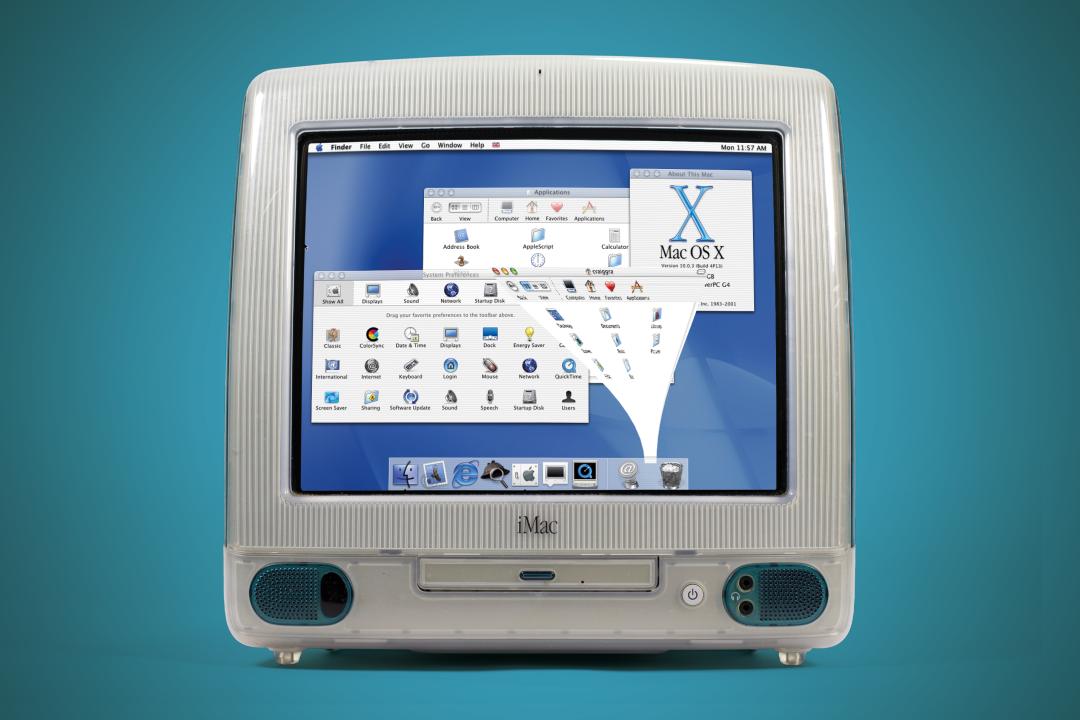
In the 1990s, Apple was in trouble. The once-revolutionary Mac OS was creaking and next-gen replacements were going nowhere. Enter Steve Jobs, who returned to the company he founded with a pile of goodies from NeXT – another company he founded. One was the software that would become Mac OS X, six years before he gave us the iPhone.
Why the X? A nod to UNIX? Because it looked cooler than 10? Or maybe numbers were just so last-century. As were, apparently, muted interfaces, given that Mac OS X ditched various shades of grey in favour of semi-transparent windows, bouncing icons and an infamous animation that sucked minimised apps into the Dock with all the subtlety of a cartoon vacuum cleaner.
An Apple operating system with ghastly transparency and animation? Surely not?
What’s the phrase? History doesn’t repeat itself, but it often rhymes. And, yes, when Liquid Glass wasn’t even a glimmer in Apple’s eye, the Mac flirted with more transparency and gloopy animation than strictly necessary. Steve Jobs said Apple wanted the interface to be “lickable”, albeit probably not literally (that would surely invalidate the warranty). Still, having made Macs more friendly, it followed that the software should be less utilitarian too.
That sounds like the sort of thing that would annoy the Apple faithful…
They were probably just relieved the firm was a going concern, rather than having gone bankrupt and been picked up on the cheap by a rival. And it’s not like there weren’t things to love in Mac OS X. The column browser in Finder was a revelation; the Dock finally gave you somewhere sensible to stash app shortcuts; and the underlying architecture meant using a web browser was no longer a lottery. But plenty was missing, from key apps that weren’t native to major features like CD burning.
Oh no! However did Mac users survive without making dodgy copies of the first Hear’Say album?
Mostly by grumbling and booting back into OS 9… or by using the Classic environment that mixed new and old apps in a manner only marginally less jarring than pairing a pinstripe blazer with tie-dyed Bermuda shorts. But, over time, Mac OS X matured. Even the ‘X’ disappeared in 2016, the new name ‘macOS’ bringing a style more consistent with Apple’s other systems. If only the recurrent obsession with transparency had gone with it.


 Craig Grannell
Contributor
Craig Grannell
Contributor