Car makers still don’t get Apple CarPlay and Android Auto – and it’s starting to annoy me
Car manufacturers keep adding screens, but we are missing a major feature

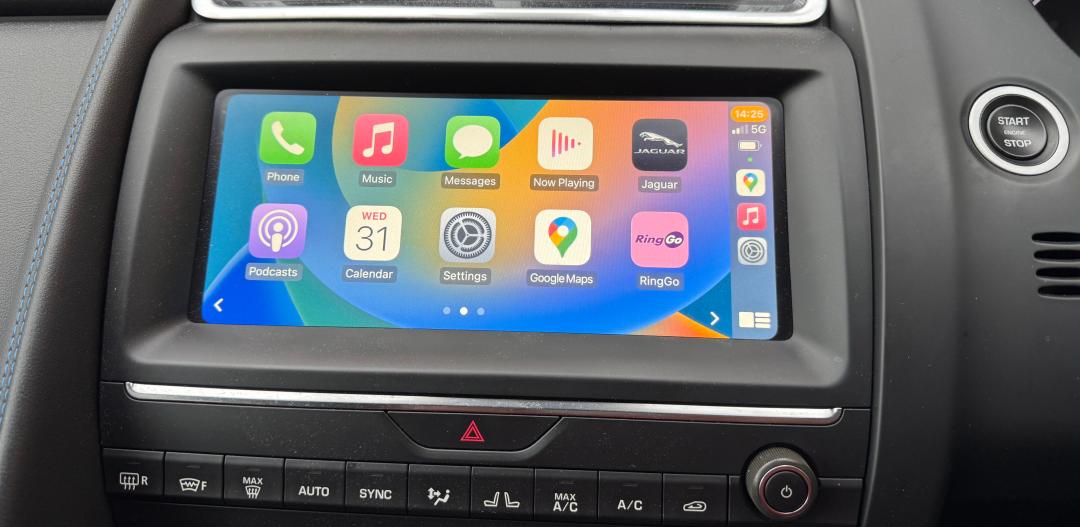
I love using Android Auto (or Apple CarPlay if I’m reviewing an iPhone) when driving. Having access to Google Maps’ comprehensive navigation, up-to-date maps, and live traffic alerts beats pretty much every brand’s built-in navigation solution – but I continue to be frustrated by the majority of manufacturers who are not giving us drivers the complete setup.
I drove the BMW Z4 back in 2020, and it impressed as Android Auto navigation was mirrored in its cluster and head-up displays (HUD), putting directions into my view through the windshield allowing me to keep my eyes on the road.
That was six years ago. SIX.
With the rate technology develops, you’d expect this would now be commonplace across the majority of cars – especially with the explosion in electric vehicles (EVs) in recent years bringing a new level of tech integration to cars.
Yet, only a handful of manufacturers have vehicles which mirror CarPlay and Auto in their digital cluster and/or HUD.
Why is this needed?
Digital cluster displays are fast becoming the standard in new vehicles – especially EVs – even at the budget end of the market, and manufacturers need to consider how to best utilise them for drivers and passengers.
Having to look to your side to see the next direction or the layout of a busy intersection, means taking your eyes off the road and refocusing to the middle of the dash.
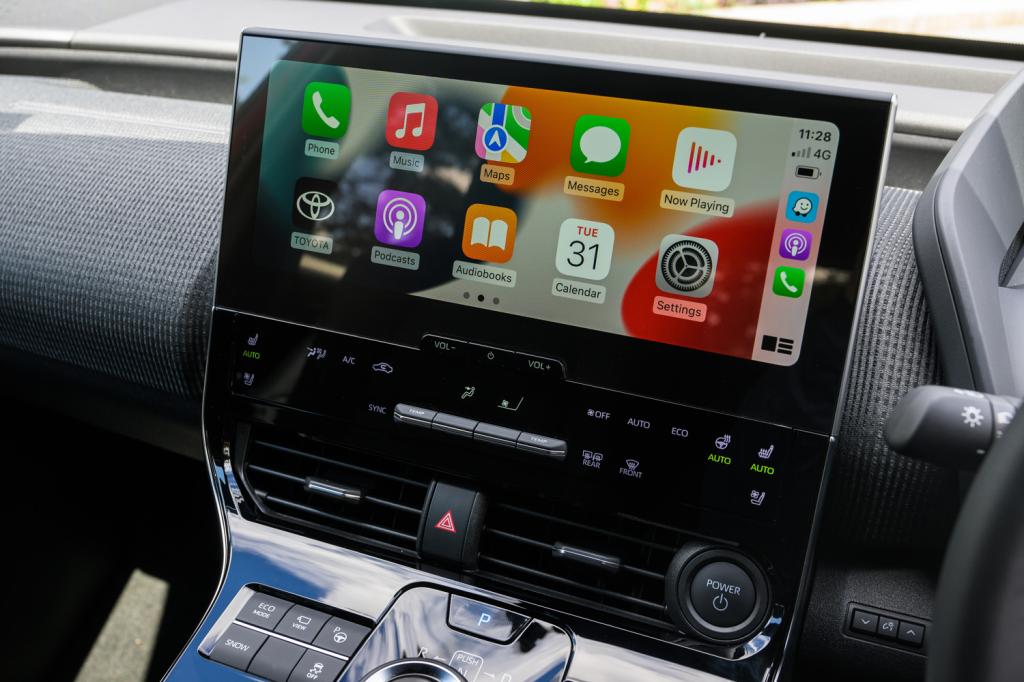
This can lead to a longer time looking away from the road than you’d like. Quickly flicking your eyes down to check the cluster display behind your steering wheel is more natural, quicker to check, and as the screen is directly in front of the driver, it’s clearer to view.
With less time spent looking at a screen, safety improves as drivers keep their eyes on the road for longer. Plus, for cars with a HUD, drivers are able to see the next navigation direction without the need to move their eyes or head at all.
I find the lack of cluster or HUD mirroring for CarPlay and Android Auto even more frustrating when driving abroad in a hire car.
It’s a vehicle I’m less familiar with, in a country where the language is often different, and the rules of the road don’t necessarily match what I’m used to at home. And as I live in the UK, when I’m aboard it almost always requires driving on the other side of the road as well.
Having a mapping solution on my phone I can rely on in these situations is fantastic, as is the fact most hire cars now support Apple CarPlay and Android Auto. It means I can focus more on the road and the car’s core controls, and less on worrying about where I’m going.
However, I’m still having to gaze towards the central display for visual instructions, which can be stress inducing when you find yourself on the congested streets of Paris, or traveling at speed along I-95 in Florida.
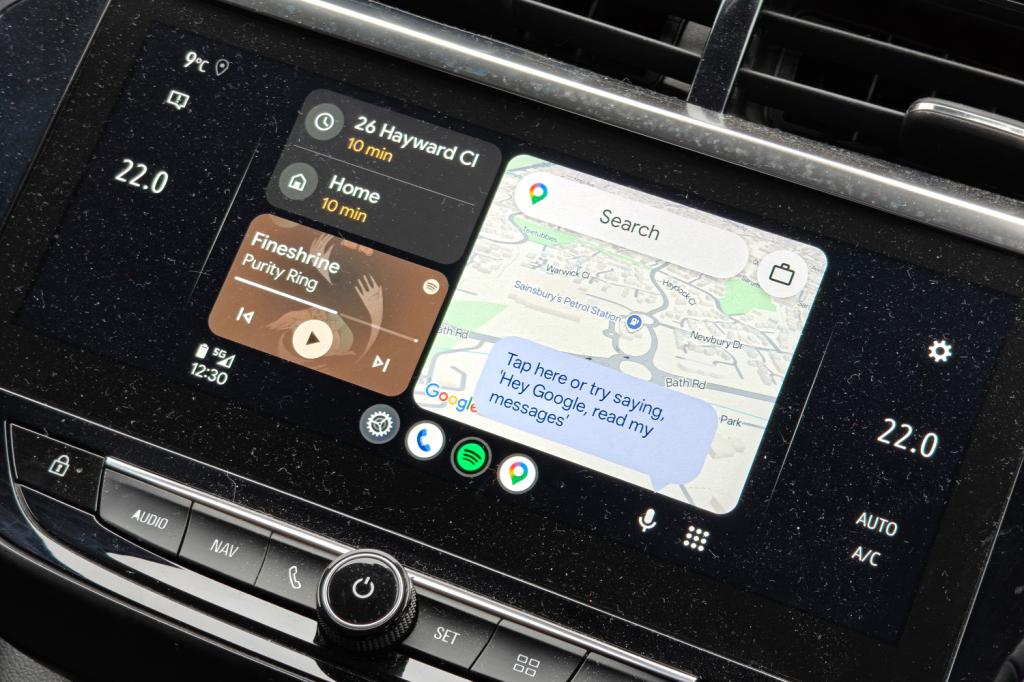
And as hire cars tend to be no more than a few years old, there’s nearly always a digital cluster, or at least a partial screen in the cluster behind the wheel. Sitting there, mocking me, not showing me the directions from Android Auto.
I’m still waiting…
We’ve had access to free navigation on our smartphones since Google launched turn-by-turn navigation for Maps in 2009, and Android Auto first appeared in vehicles in 2015.
More than a decade later and I’m still waiting for manufacturers to fully embrace the platform. Heck, even the availability of wireless CarPlay and Auto feels like a lottery not just in terms of make and model, but even spec levels offering different connection types.
But so long as I remember a USB cable, that’s not a huge issue. The lack of compatibility with cluster displays and HUDs continues to be a source of irritation though.
BMW is one of the best, having offered mirroring to these displays for many years, while the Porsche Macan EV also does a good job of getting the data you want from your phone into the cluster display.
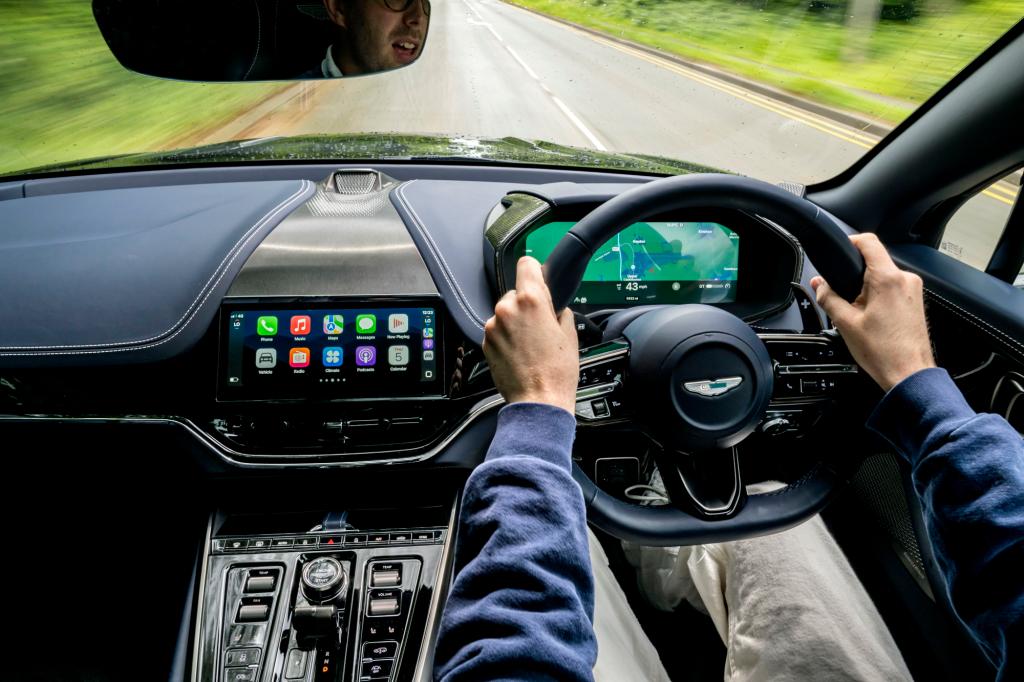
Then we have the likes of Polestar, Volvo and a few others using the Android Automotive operating system, which builds Google Maps natively into the infotainment system. This gives you directions in the cluster by default, but for iPhone users Apple CarPlay integration is at the discretion of the manufacturer.
New cars continue to be filled with screens, and our phones hold the power to transform navigation in what is a fragmented infotainment auto market, but manufacturers need to realise the potential of the displays they’re putting in their vehicles. There is some progress being made, but it’s far too slow. The hardware is already available, and it’s technically possible, so what are we waiting for? Perhaps Apple CarPlay Ultra will help push this agenda, as it makes everything else feel outdated.
Liked this? Apple CarPlay Ultra is expanding to new, more affordable car brands very soon


 John McCann
Contributor
John McCann
Contributor