Xiaomi 17 review: my pick for phone photographers that prefer a more compact flagship
Leica-backed image processing and plenty of power

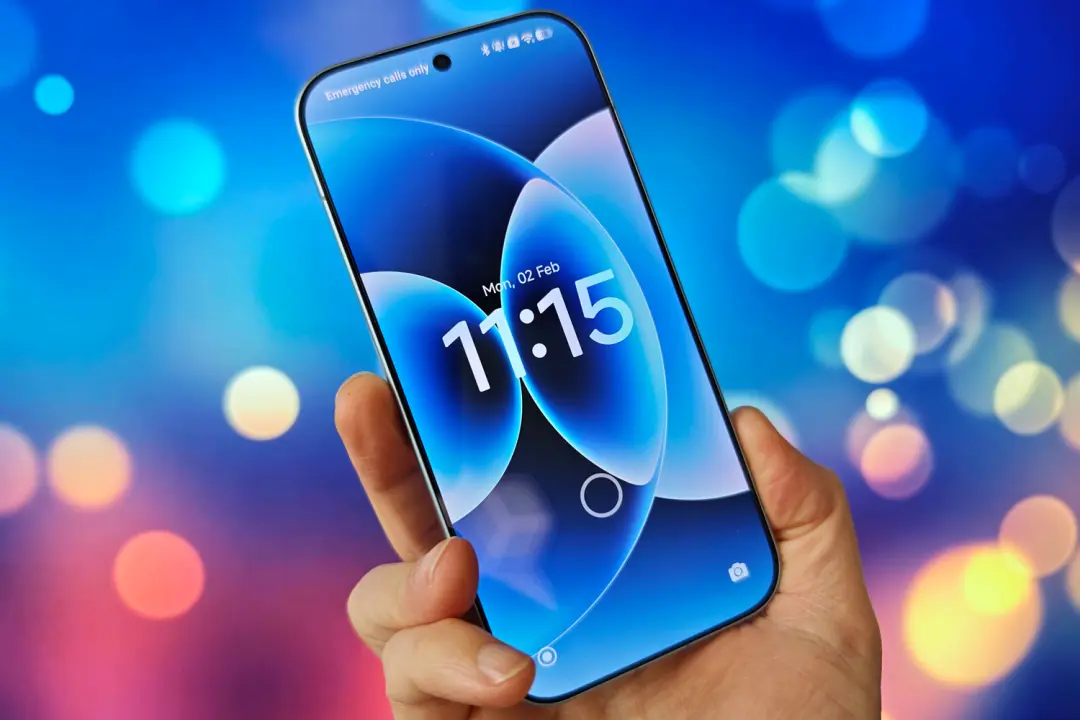

Stuff Verdict
This refreshingly small flagship makes no concessions on power, battery life or camera quality. On a pure hardware standpoint, the Xiaomi 17 knocks Samsung into second place.
Pros
- Capable rear camera trio has nuanced image processing
- Outstanding performance and great battery life for a compact handset
- Pocket-friendly dimensions and tough durability
Cons
- Global version gets a smaller battery than Chinese market original
- No Qi2 magnetic wireless charging support
- Misses out on the Xiaomi 17 Pro’s second screen
Introduction
Just when I thought compact smartphones from brands other than The Big Three had fully gone the way of the dodo here in the West, Xiaomi turns up to prove me wrong. Sure, a 6.3in screen would’ve earned the Xiaomi 17 giant status a few years back, but in 2026 it’s a tiddler that goes toe to toe with the equally diminutive Galaxy S25, Google Pixel 10 Pro and iPhone 17 Pro.
Xiaomi has been blunt about its ambition to rival Apple, having skipped a generation from the Xiaomi 15 and pulling out all the stops on the hardware front. When it launched on the firm’s home soil, the Xiaomi 17 took its rivals to task with a much bigger battery, next-gen chipset and high quality cameras. Now, though? The global audience has waited so long the Galaxy S26 has since made its debut, and the £899 asking price is slightly higher than Samsung’s base model.
A Leica-approved imaging system and silicon-carbon battery chemistry looked promising on paper six months ago; time to find out if they still appeal today.
How we test smartphones
Every phone reviewed on Stuff is used as our main device throughout the testing process. We use industry standard benchmarks and tests, as well as our own years of experience, to judge general performance, battery life, display, sound and camera image quality. Manufacturers have no visibility on reviews before they appear online, and we never accept payment to feature products.
Find out more about how we test and rate products.
Design & build: fits the mould
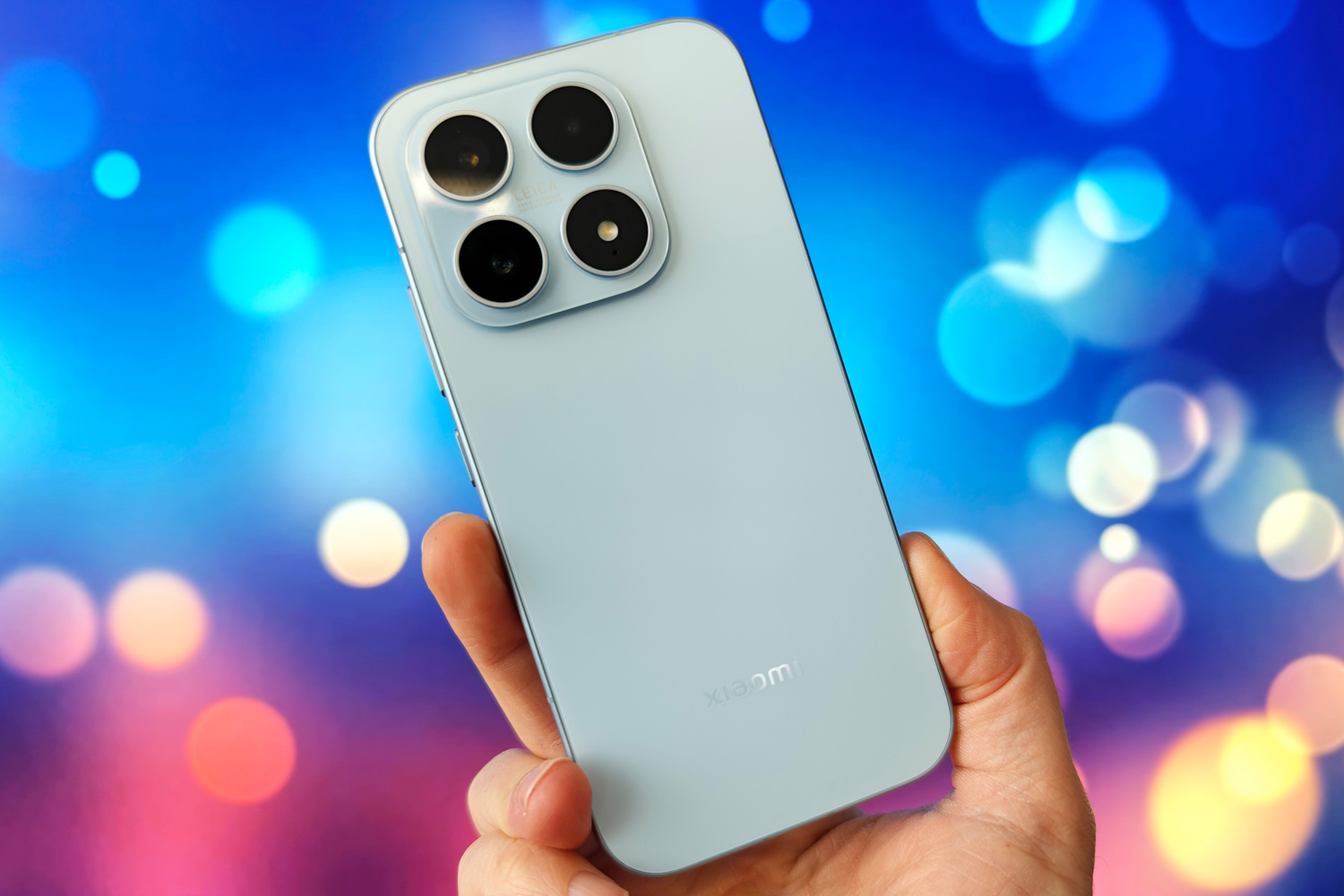
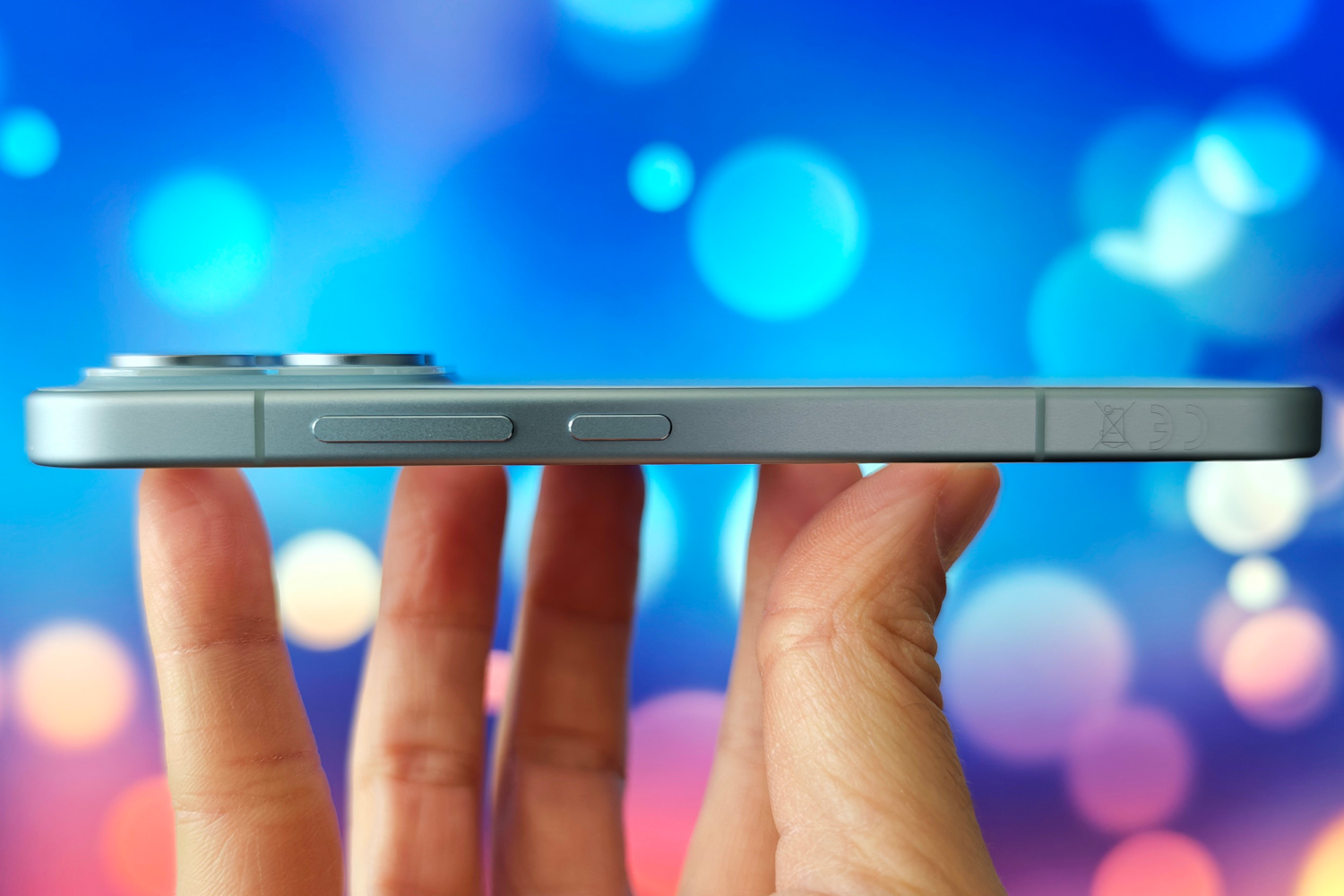
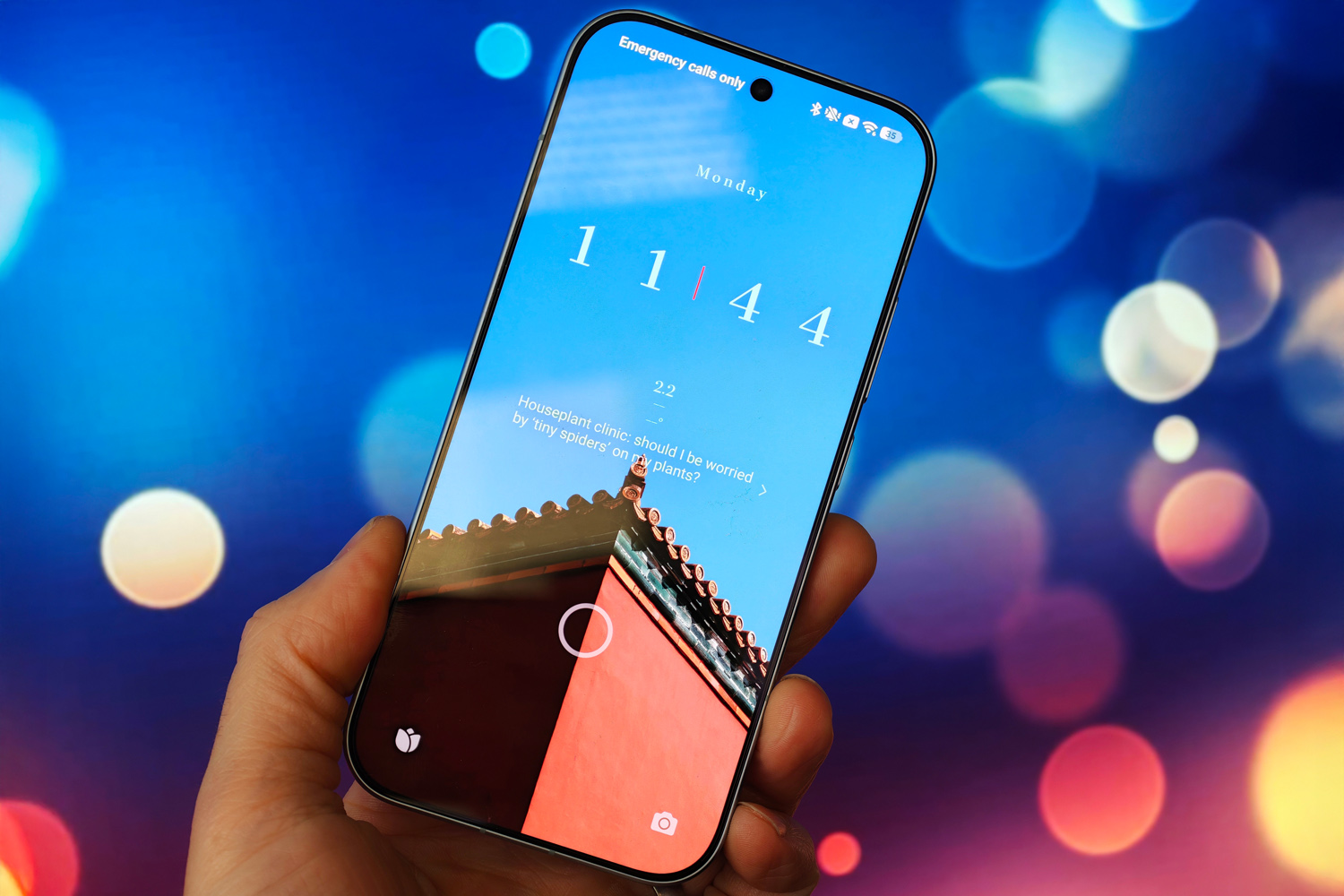
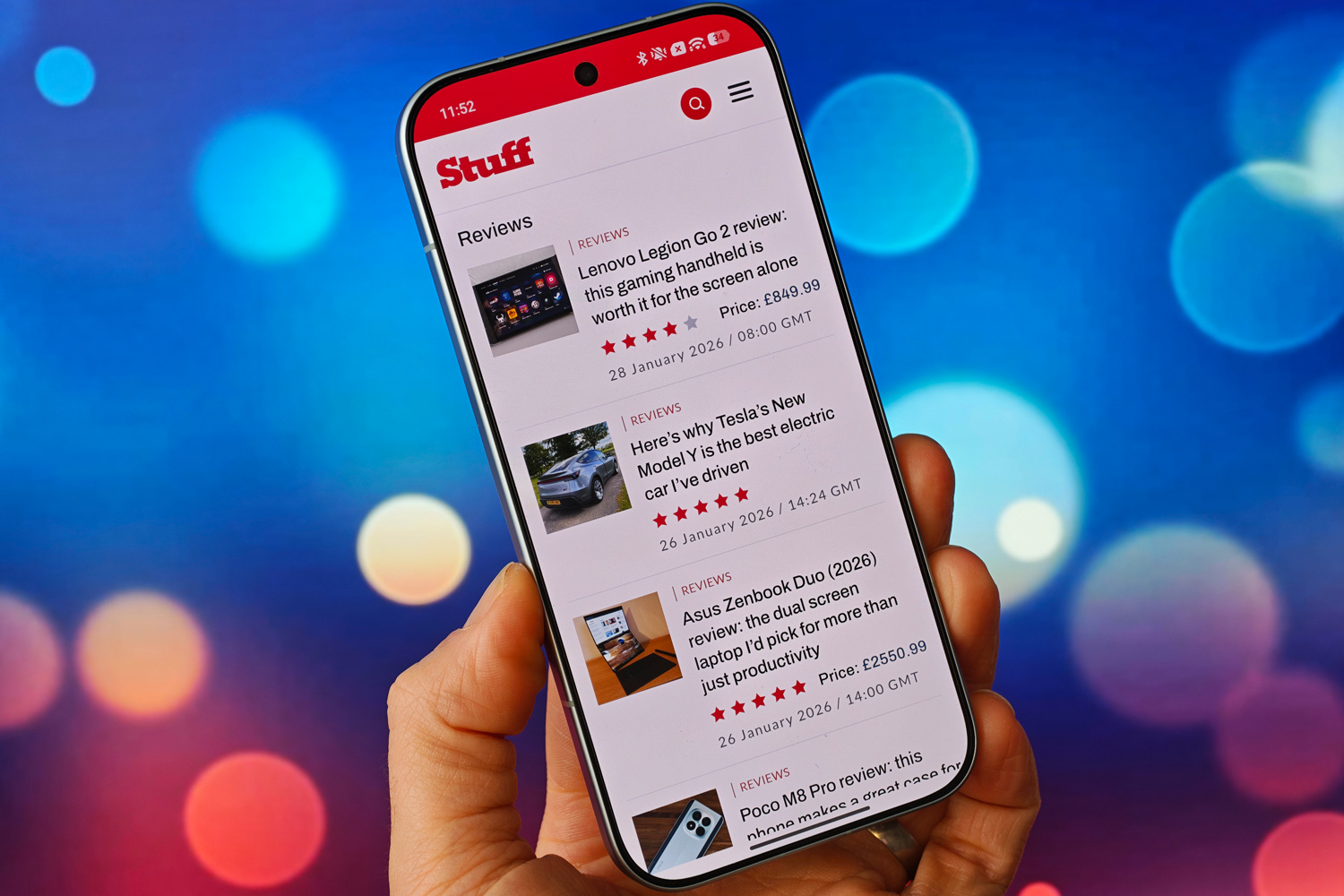
Admit it: had there not been a subtle logo on that glass rear panel, you’d struggle to say which brand made this phone. The Xiaomi 17 follows almost every 2026 design trend, from the flat screen up front to the rounded corners and boxy metal frame (which does at least give you plenty to grip onto). The rear camera lenses then live in a raised island seemingly inspired by Apple’s last-gen iPhone. That’s great if you want to blend into the crowd, but less appealing if you prefer your tech to stand out.
At 191g this is a properly dense little handset, but one that’s beautifully balanced and sits so comfortably in your palm. The 6.3in screen is just so usable one-handed. I’m happy to see Xiaomi add a splash of colour, too. You can get one in pink as well as my review unit’s baby blue, while black and white versions are a bit more traditional. While it’s a little thicker than the Samsung equivalent, it’s on par with Apple – while finding room inside for a much bigger battery.
It’s exceptionally well put together, with frosted rear glass that simply shrugs off fingerprints and a matte finish to the central frame that does the same. Durability is very good, with Xiaomi’s own Dragon Crystal glass promising scratch protection on par with Corning’s best – I’ve not accrued any marks in my testing so far – and IP68 resistance helping it survive brief dips underwater.
Xiaomi hasn’t gone gaga for extra buttons like some rivals, meaning there’s no customisable AI key or physical camera shutter button to be found at the sides. The only unusual extra (at least for the Western crowd) is the IR blaster hidden in the rear camera island.
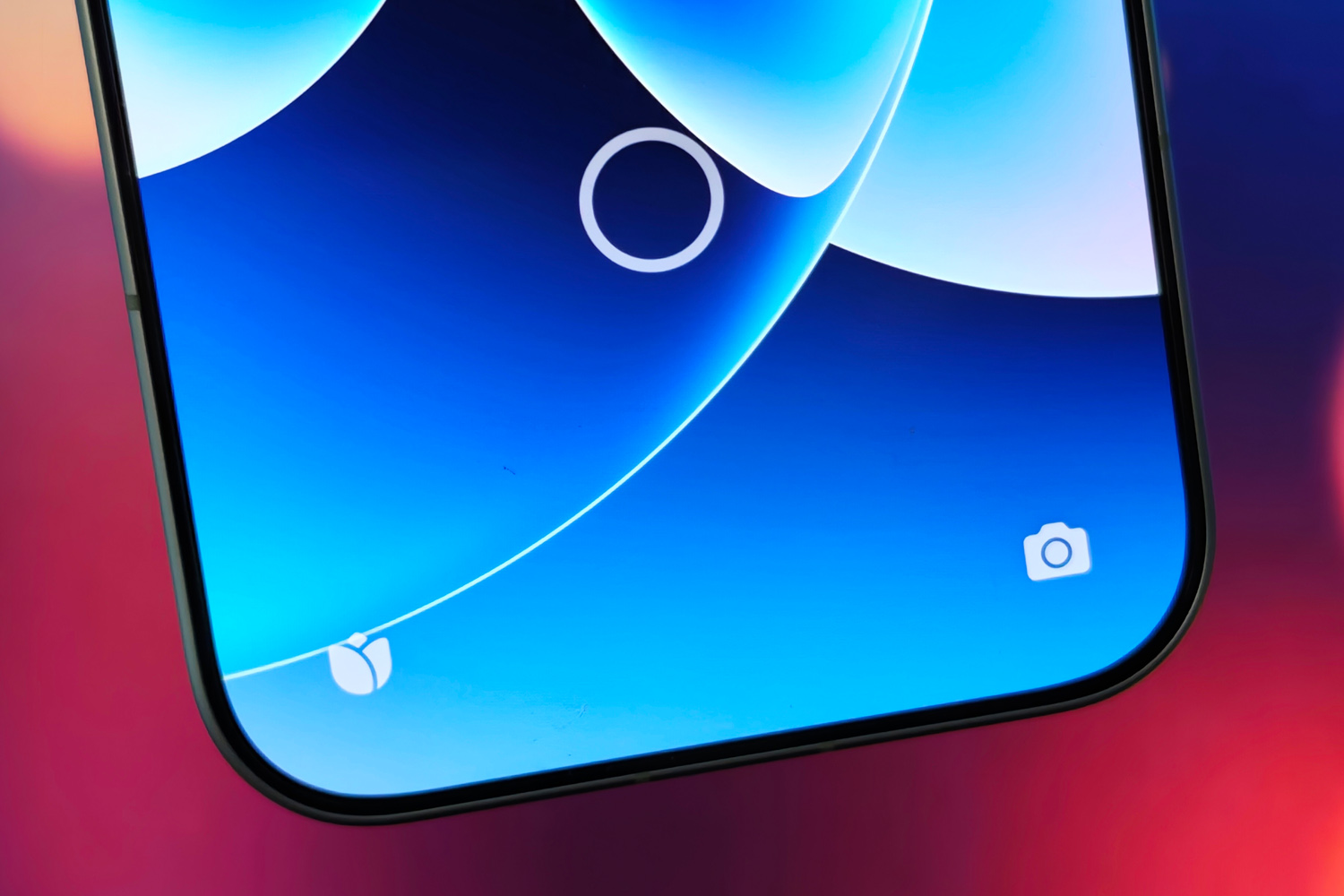
Ultrasonic under-display fingerprint sensors are now the norm for top-tier smartphones, so it’s great to see Xiaomi include one here. It was exceptionally fast to recognise me, even with wet digits, and the print enrolment process is so much slicker now you don’t have to raise your finger off the screen a bunch of times.
Screen & sound: palm-friendly
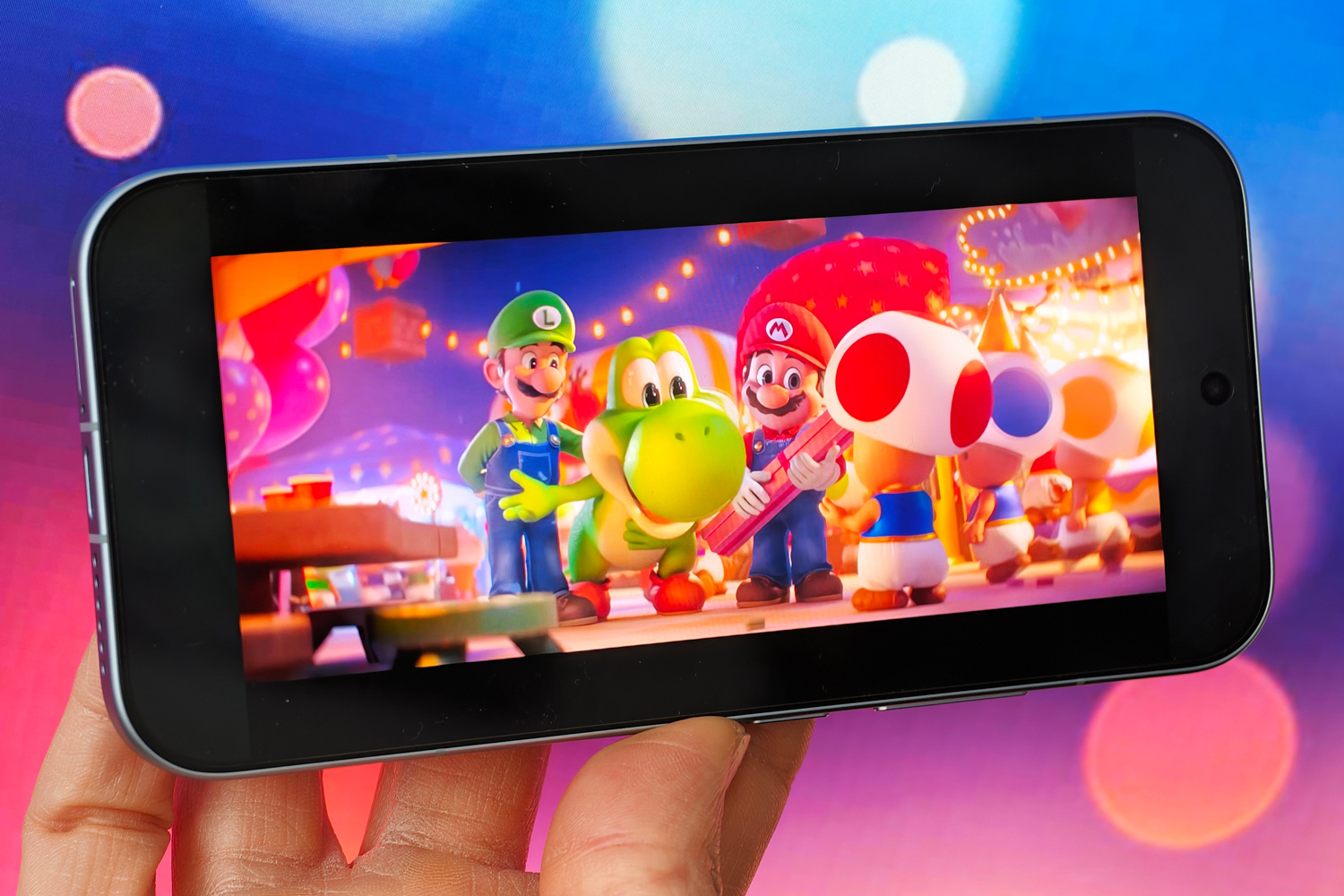
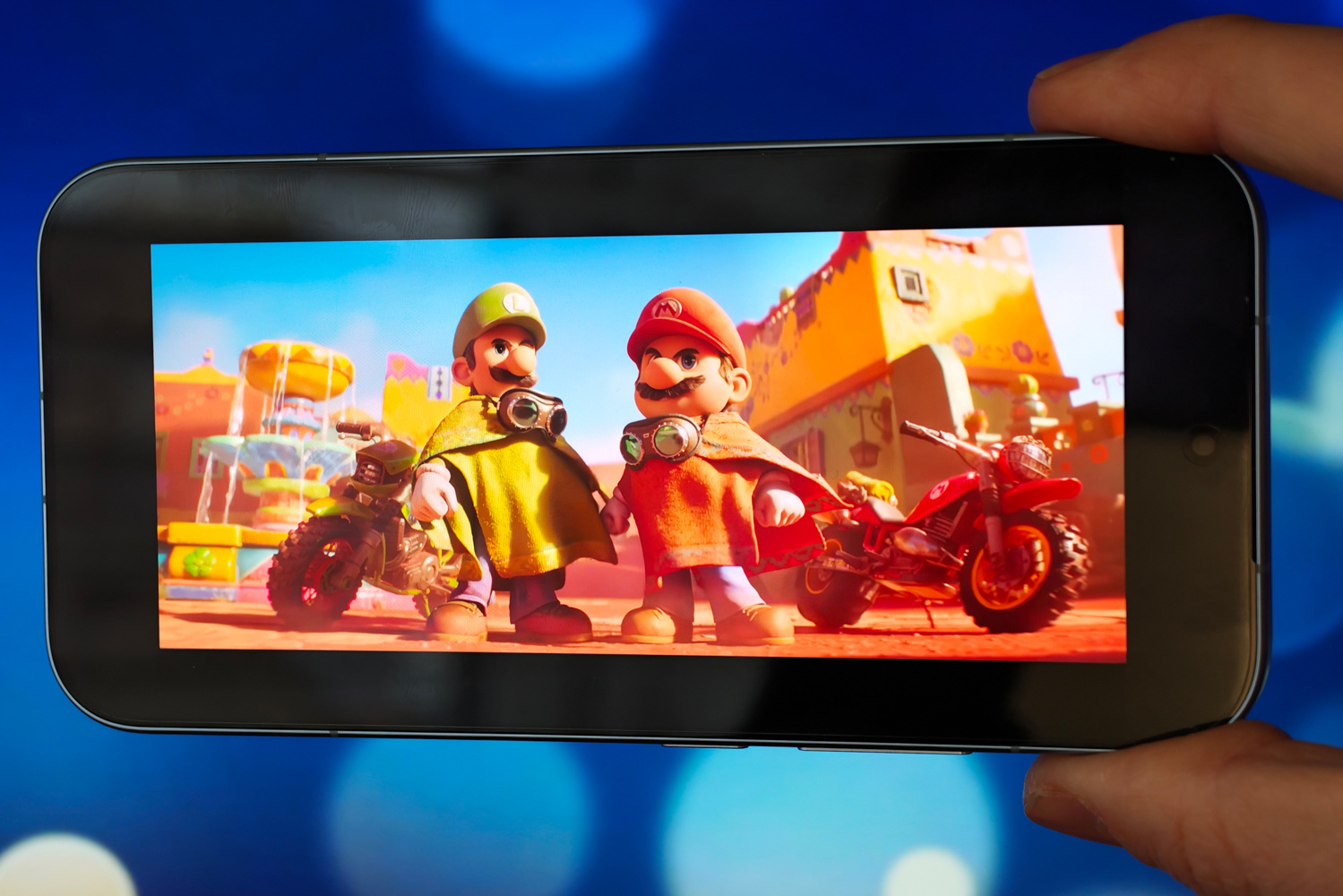
Smaller size aside, there’s little to separate the Xiaomi 17’s AMOLED display from its rivals. Pretty much every high-end phone has a stunner of a screen now, and this 6.3in panel is no different. The outer bezel is satisfyingly skinny and the same thickness all the way around, while the 2656×1220 resolution really packs in the pixels. Text and images look gloriously sharp.
The trailer for the upcoming Super Mario Galaxy Movie really shows off the deliciously vibrant colours, which still stay on the right side of realistic. Contrast is fantastic and black levels are infinitely deep, even before you play HDR content. Xiaomi supports Dolby Vision, HDR Vivid and HDR10+, which covers all the major streaming services.
LTPO variable refresh tech lets it bounce between 1 and 120Hz depending on the amount of on-screen motion, being quick to react to scrolling and draining very little energy while showing static content. Rapid PWM dimming eases eye strain at night, too.
A claimed 3500 nits peak brightness is no longer class-leading, but I really had no complaints in everyday use. Even outdoors on sunny days, this is a very easy screen to read.
Pretty much my only downer was the fact you’re only getting one screen here, not two: the the Xiaomi 17 Pro and its rear camera island display are staying China-only.
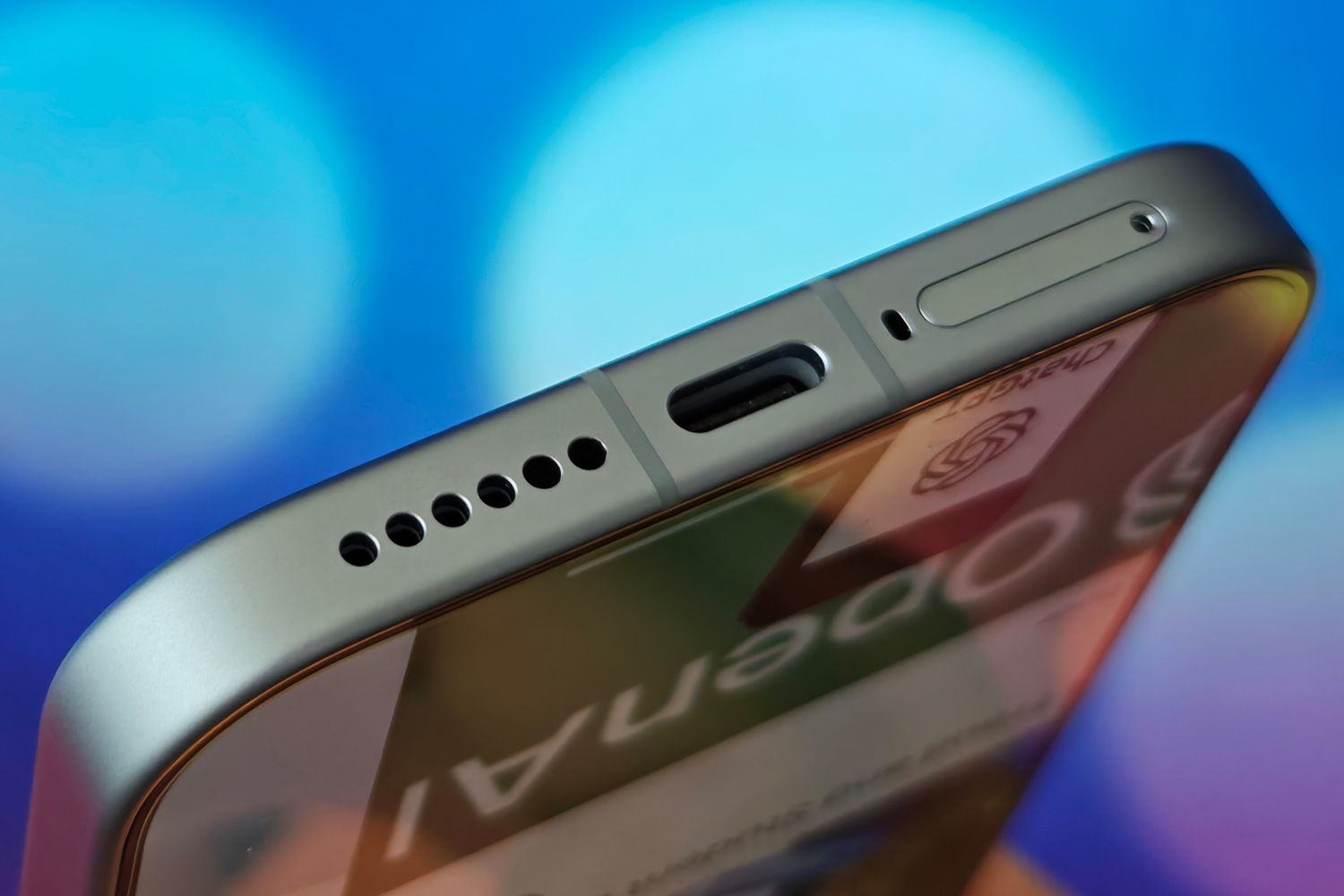
The Xiaomi 17’s stereo speakers – one down-firing main driver, one earpiece tweeter – are clear enough, with more low-end presence than I was expecting for the phone’s small size. It’s still a phone, of course, so you’ll want headphones for any critical listening, but there’s a respectable amount of volume on tap and YouTube clips came through clear.
Cameras: lots to Leica
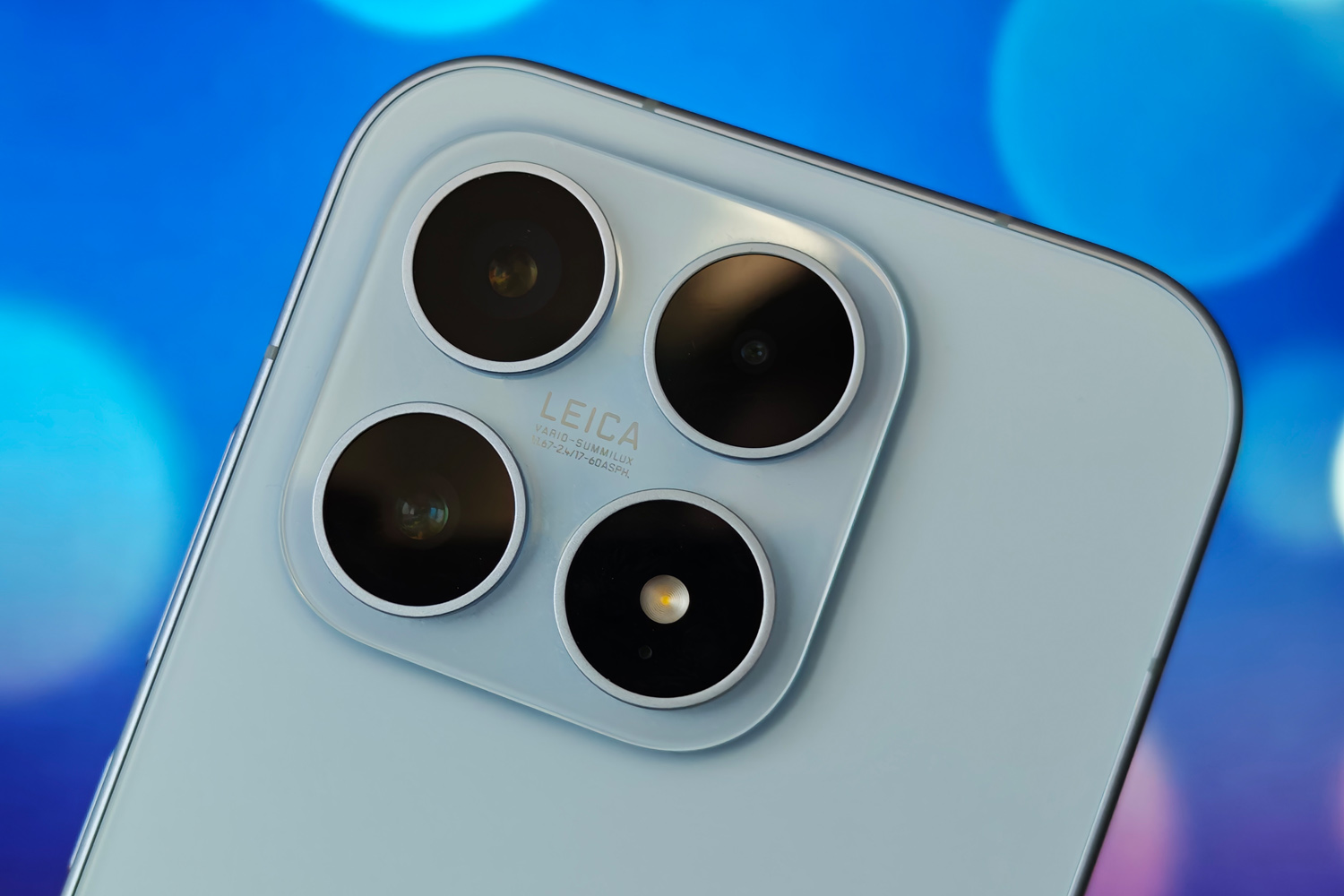
The 17 Ultra might sit at the top of Xiaomi’s smartphone photography totem pole, but the vanilla 17 isn’t far behind. It’s got a trio of 50MP rear snappers, and another on the front to handle selfies and video calls.
Hardware-wise things haven’t changed very much between generations, with the lead unit sticking with a 23mm focal length and the telephoto offering 2.6x optical zoom. Both have optical image stabilisation. The ultrawide looks like a step back on paper, with a tighter 17mm focal length and narrower f/2.4 aperture. Everything sits behind glass co-developed with imaging expert Leica.
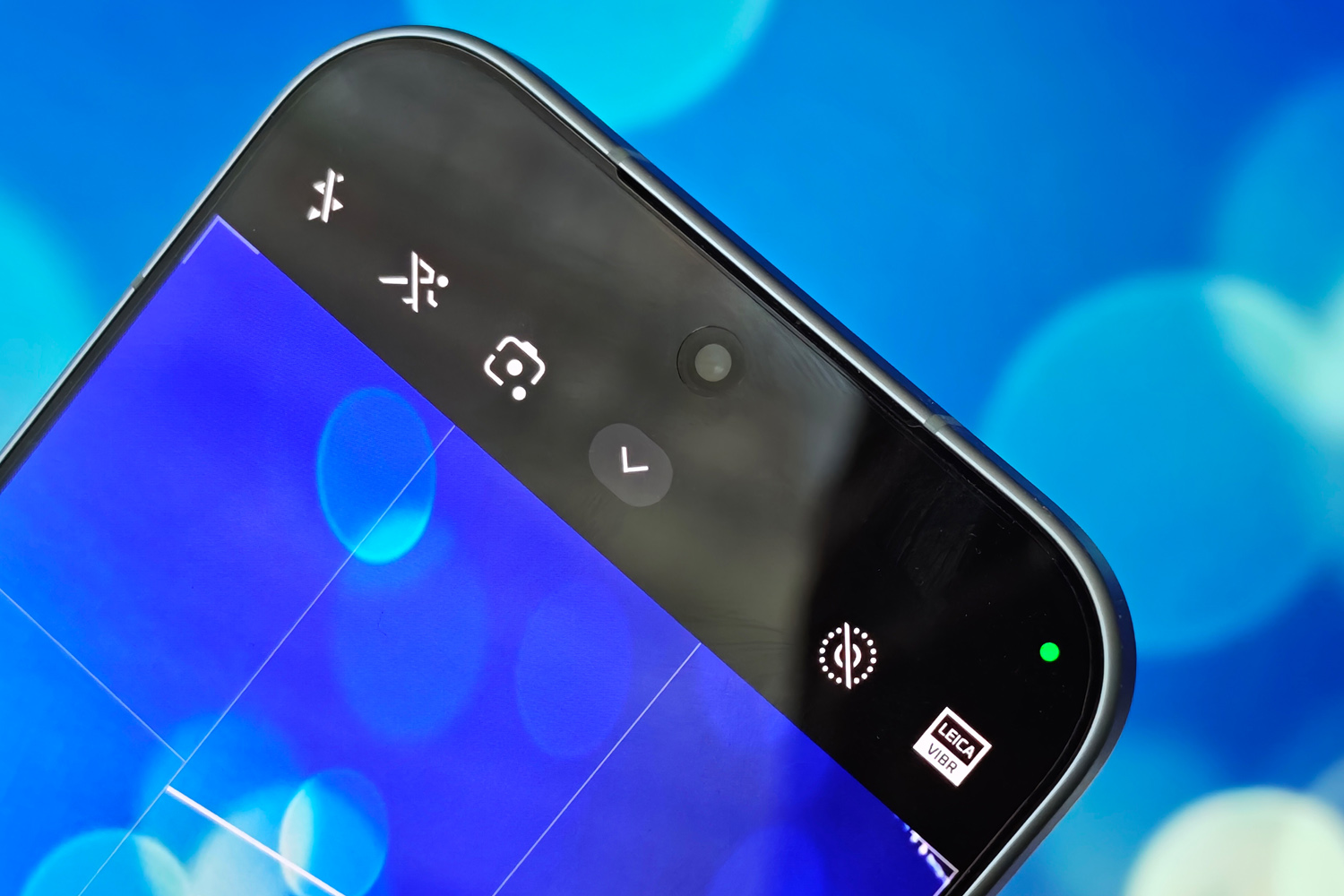
There are signs of Leica’s involvement everywhere you look, from branding on the camera island to Leica-approved filters and a choice of “Leica Vibrant” or “Leica Authentic” colour modes in the camera app. The former is active by default and gives more saturated shots that are prime for social sharing; the latter is a little more muted, more true-to-life, and a bit closer to analogue film. I thought both were well-judged, not leaning too far in either direction or feeling like there was a filter permanently applied to my photos.










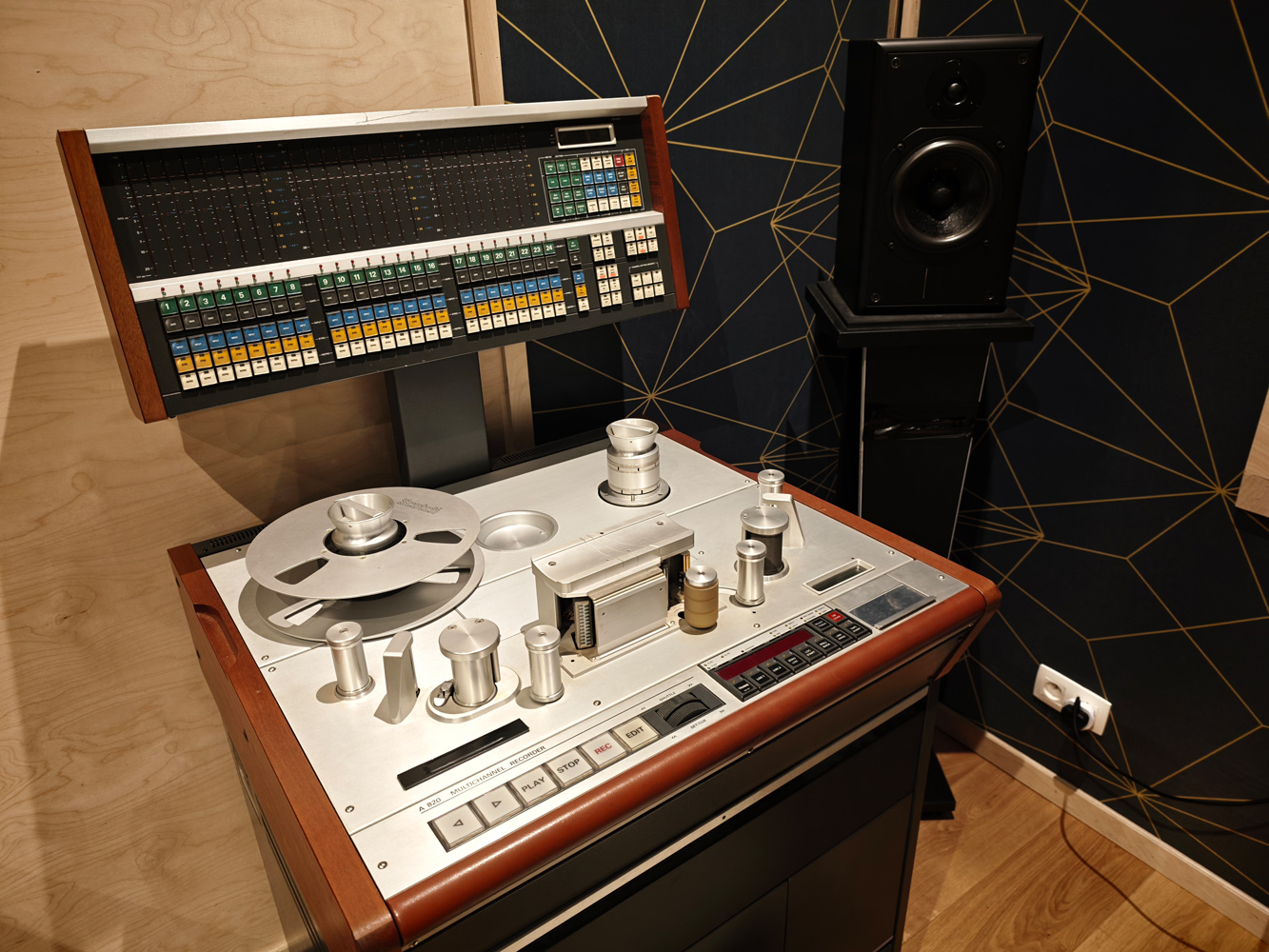





During the day, all three rear lenses deliver clean and detailed images, showing little signs of noise unless you really start peeking at pixels and with lots of pleasant natural bokeh on close-ups. HDR processing is handled deftly for the most part, although the telephoto’s metering was sometimes fooled leading to overexposed highlights in skies. I’m a big fan of the colour processing, which emphasises contrast and and lets areas of darkness stay dark, rather than artificially boosting them in search of detail. There’s a good level of consistency between the three sensors too.
2x zoom shots using the main sensor hold up very well compared to the dedicated telephoto, which at 2.6x doesn’t get you significantly closer to your subject. I’d honestly have preferred 3x or even stronger here. It’s still a great performer though, with little to grumble about in terms of colour, contrast, definition or dynamic range. It doubles as a macro shooter, and despite not having an especially close focusing distance, delivers clean and detailed close-ups.
The ultrawide is more middle-of-the-road, with less surface detail on show and softening at the edges. With no optical image stabilisation, low light shots can often end up blurry too. I used it the least of the three lenses, especially as it doesn’t fit quite as much into frame as the outgoing Xiaomi 15 could.










At night, the lead and zoom lenses keep up their side of the bargain with clear, sharp shots that balance areas of darkness with brightly lit subjects. The selfie cam struggles to keep everything looking sharp here too, even when stood perfectly still.
I don’t think things have improved massively between generations, but there are some subtle improvements and I liked how consistent it was in use; unless you feel particularly strongly about how different phone brands treat colour tones and contrast, there’s little to separate this from Samsung, Google and Apple’s smaller high-end handsets.
Software experience: hyper active
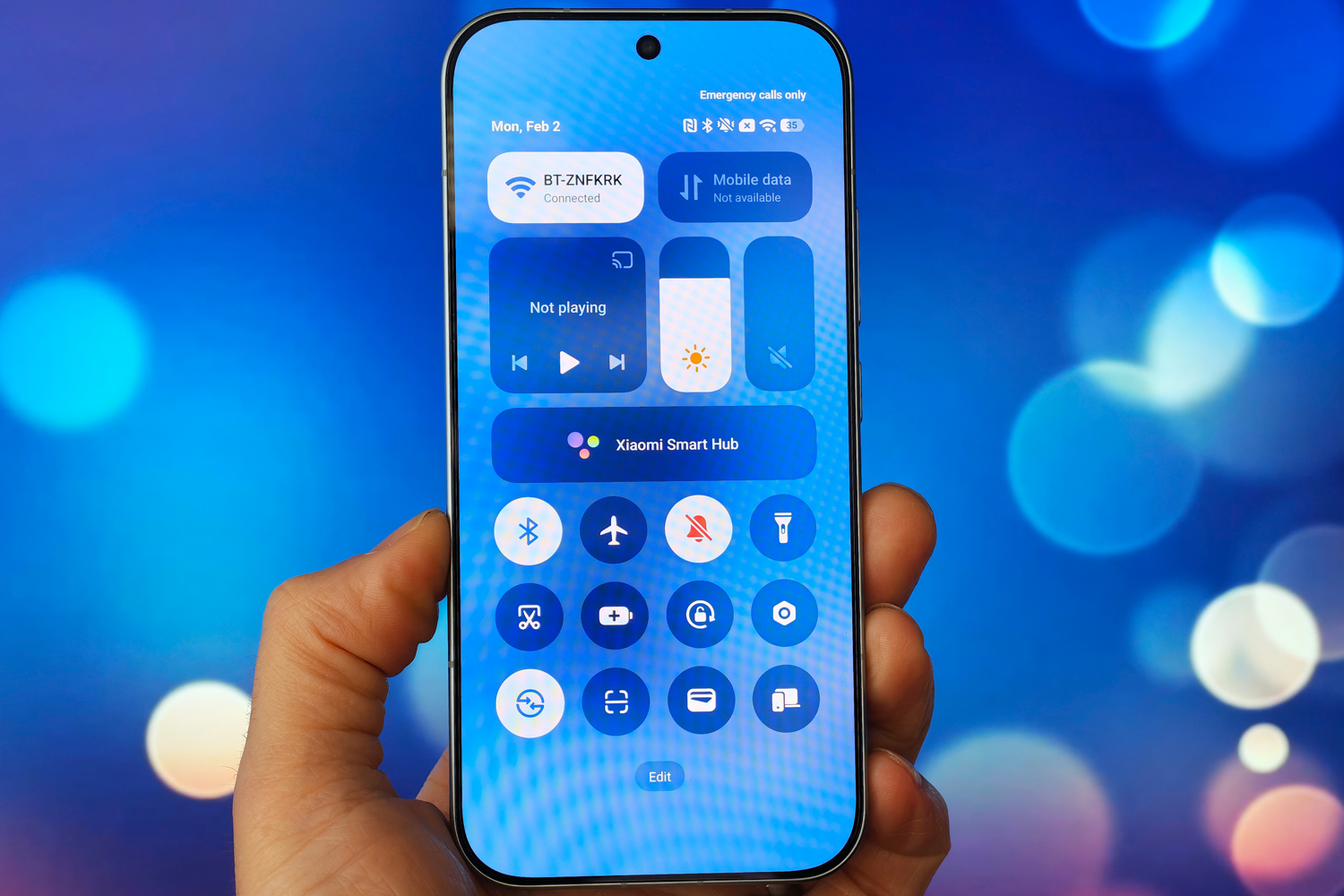
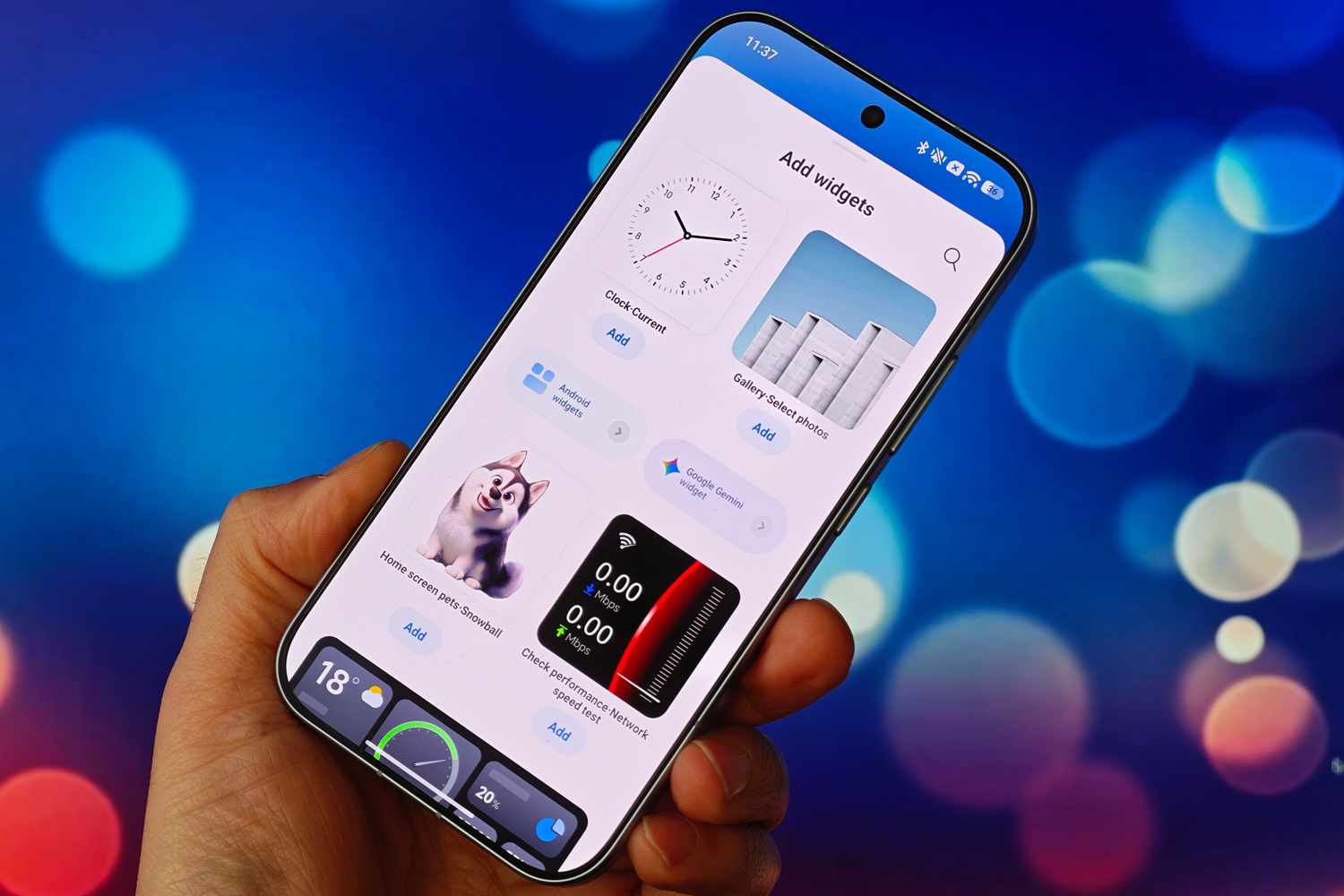
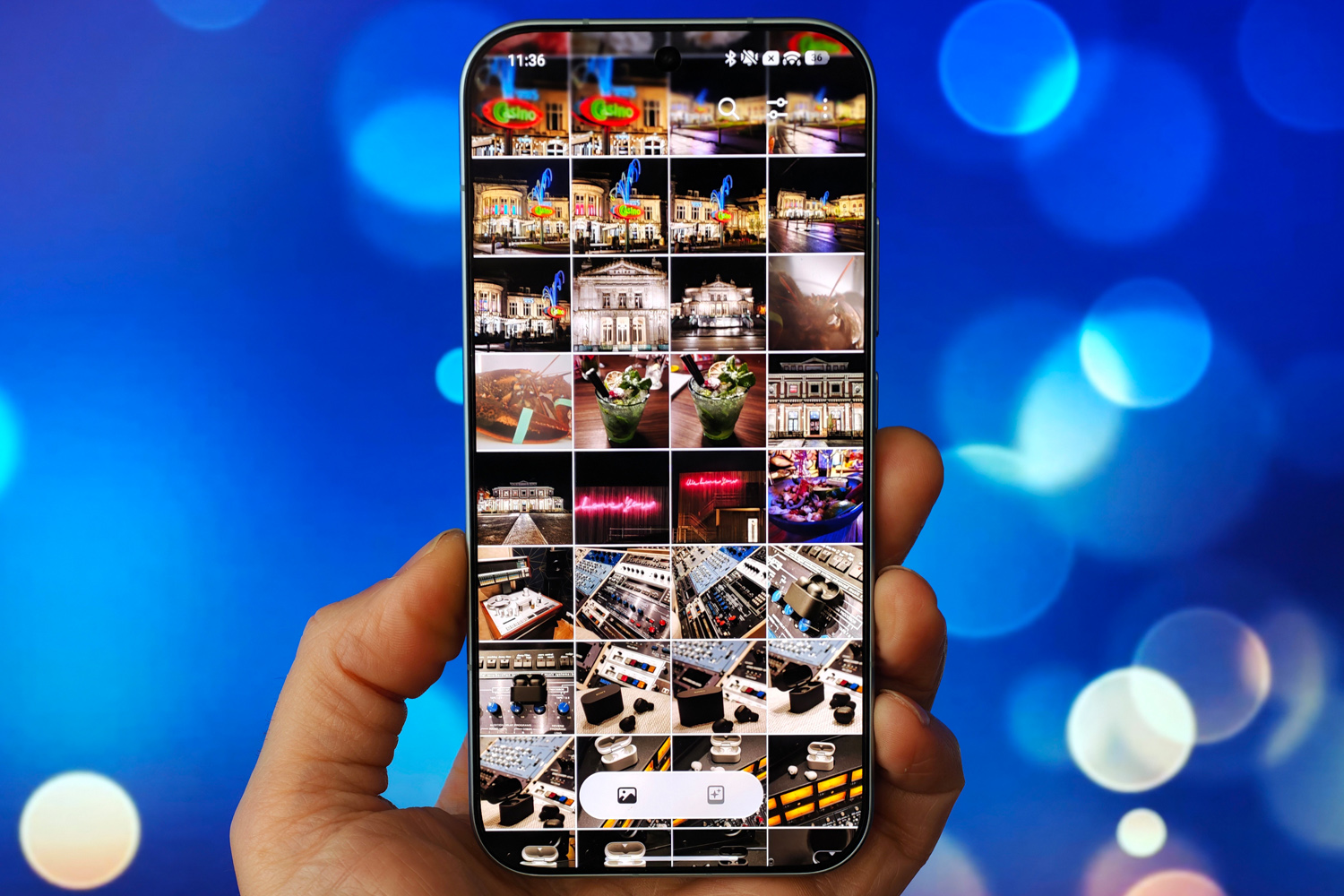
This isn’t my first experience with HyperOS 3: Xiaomi’s Android skin can also be found on handsets from the firm’s Poco and Redmi sub-brands. It’s as comprehensive an overhaul to Google’s stock UI as ever, with a strong emphasis on customisation. You’re offered a choice of app drawer or multiple home screens during the initial setup, whether to use on-screen buttons or gesture navigation, and a bunch of ways to tweak the lock screen to your liking.
Visually there are a few elements that draw on Apple’s liquid glass look, but not nearly as many as some other Chinese brands. It’s all clearly labelled, easy on the eye, and sensibly laid out. I really like how a long-press on the brightness or volume sliders open sub-menus for things like dark mode and do not disturb, meaning you don’t need to fill the Quick Settings screen with so many icons.
While you’re not overloaded with third-party bloatware on first launch, there are a lot of own-brand apps vying for your attention alongside Google’s defaults. A lot of them have Xiaomi’s AI offering heavily integrated. The gallery app can generatively expand tightly cropped images and erase objects; the Notes app can summarise documents, expand shorter sentences and tighten up text; and the voice recorder can transcribe, translate and summarise audio clips. Everything works as well as I’ve come to expect, but there’s nothing I would call essential.
If anything Xiaomi hasn’t gone as hard on AI as some rivals, with no screenshot and note-taking tool like you get with Motorola, Oppo/OnePlus, or Nothing. Personally I’m all for it.
The firm’s long-term software support still isn’t quite on par with Google or Samsung, but six years of new Android versions and security patches is plenty for a modern mobile. This is still longer than most people keep their phones for, and as I’ve explained elsewhere there are other hardware factors to think about if you are planning to hold on for the long haul.
Performance & battery life: small size, big power

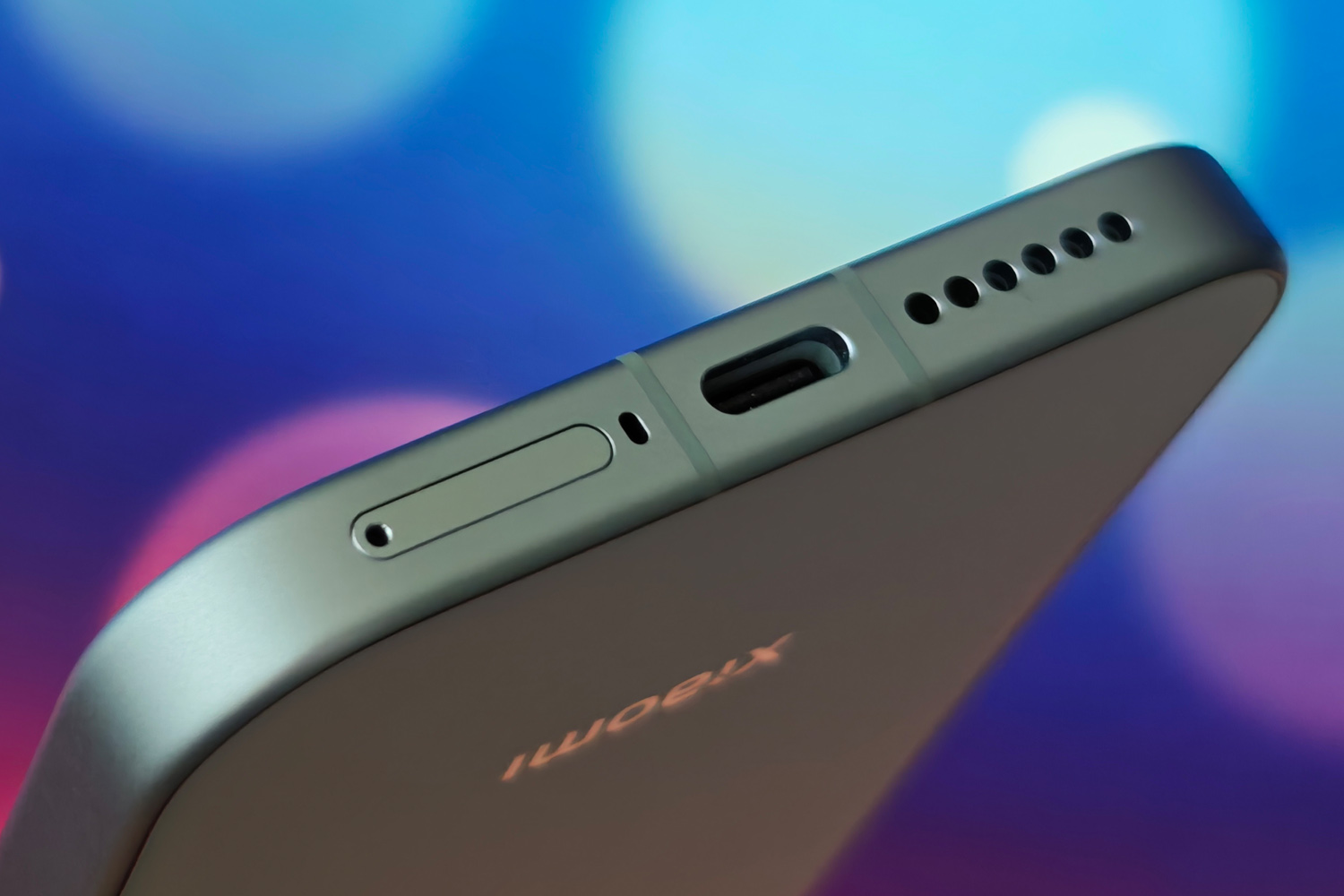
The Xiaomi 17 was officially one of the first Snapdragon 8 Elite Gen 5 smartphones, but plenty more have arrived between that initial Chinese launch and the global debut. My review unit sees Qualcomm’s latest top-tier chipset paired with 12GB of RAM and 512GB of storage, with is almost the norm in 2026.
I expected nothing less than a flawless performance on the Android homescreen, and wasn’t disappointed. This is a very nippy handset, opening apps rapidly and handling multitasking with ease. Synthetic tests backed that up, being faster than the Tensor chipset powering Google’s Pixel 10 Pro. That said, the Xiaomi 17 isn’t the outright quickest performer I’ve seen with this silicon. I chalk that up to it having a smaller chassis, making it harder to keep the hardware cool under load.
| Xiaomi 17 benchmark scores | |
|---|---|
| Geekbench 6 single-core | 3515 |
| Geekbench 6 multi-core | 10,671 |
| Geekbench AI | N/A |
| Speedometer 3.1 | 37.6 |
| PCmark Work 3.0 | 17,132 |
| 3Dmark Wildlife Extreme | N/A |
I could feel it quickly warm up when playing games, and although frame rates never tanked in any of the titles I tried – even demanding ones like Red Dead Redemption – there does seem to be a bit of thermal throttling going on. My usual 3D benchmarks also refused to run, on account of the handset using pre-release software. There are better choices if you mainly want a high-end handset for gaming.
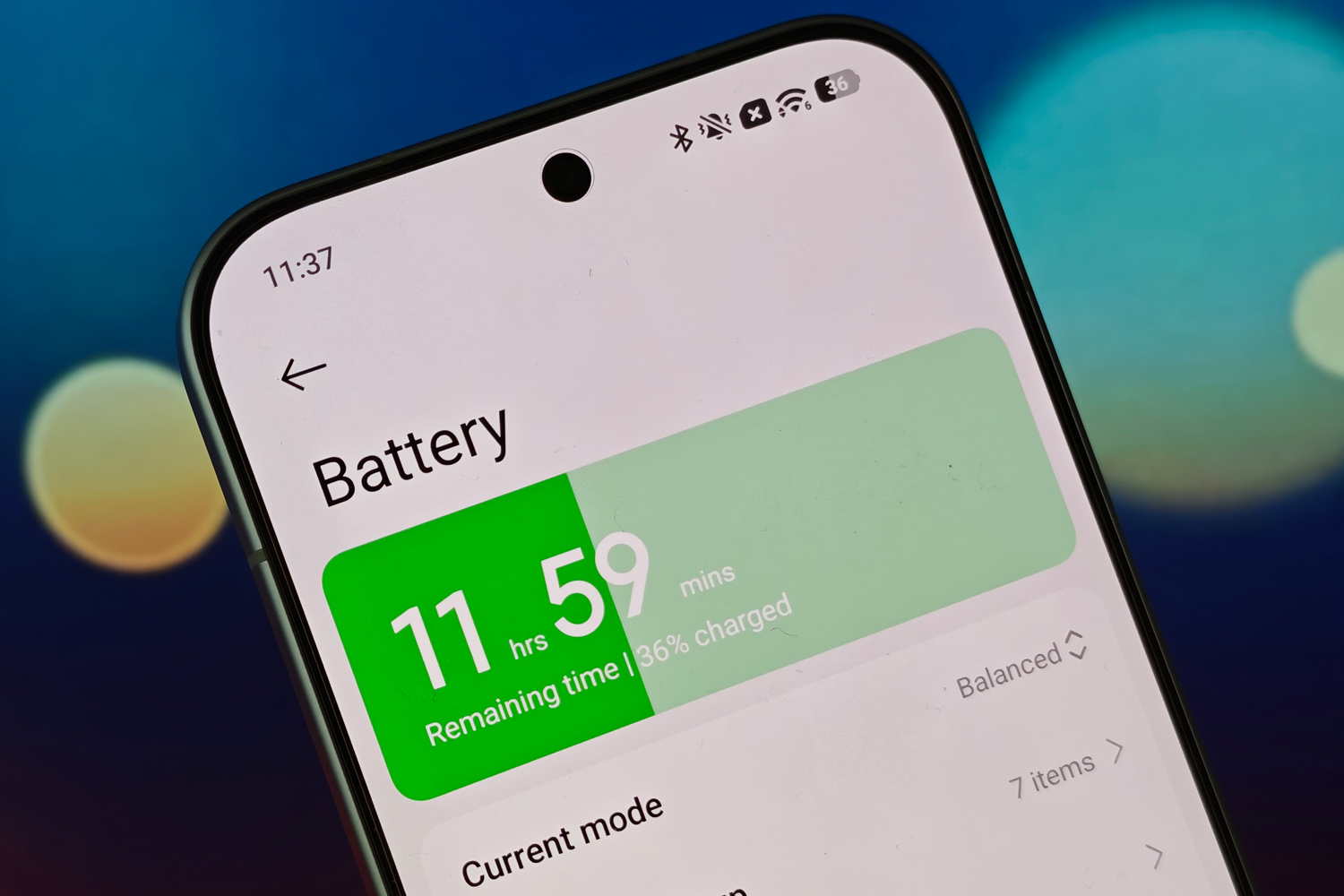
The Xiaomi 17 impresses on the battery front, with one of the biggest capacities I’ve ever seen in a phone this size. While Apple, Google and Samsung all make do with sub-5000mAh cells, here you’re getting a mighty 6300mAh. That’s admittedly less than the longest-lasting Android phones are packing right now, but the Oppo Find X9 Pro and OnePlus 15 are physically much larger; this is the new benchmark for a small handset. It only smarts a little that the Chinese variant has an even higher capacity.
In general use, I was comfortably lasting a day and a half between charges, even when regularly breaking out the camera for photos and videos. Add in some gaming, YouTube streaming, Bluetooth music playback and social scrolling, and I still wasn’t draining it in a single 24 hour period. Two full days is doable with a bit of restraint. I think it’s the biggest reason to consider the Xiaomi 17 over a Galaxy or iPhone.
Wired and wireless charging speeds are just as impressive, managing 100W over USB-C and 50W on a compatible wireless pad. I could get a complete recharge in under 45 minutes with a beefy enough power brick. I do wish Xiaomi had found a way to add Qi2 magnetic wireless charging, though: Google still leads the way for the Android world here.
Xiaomi 17 verdict
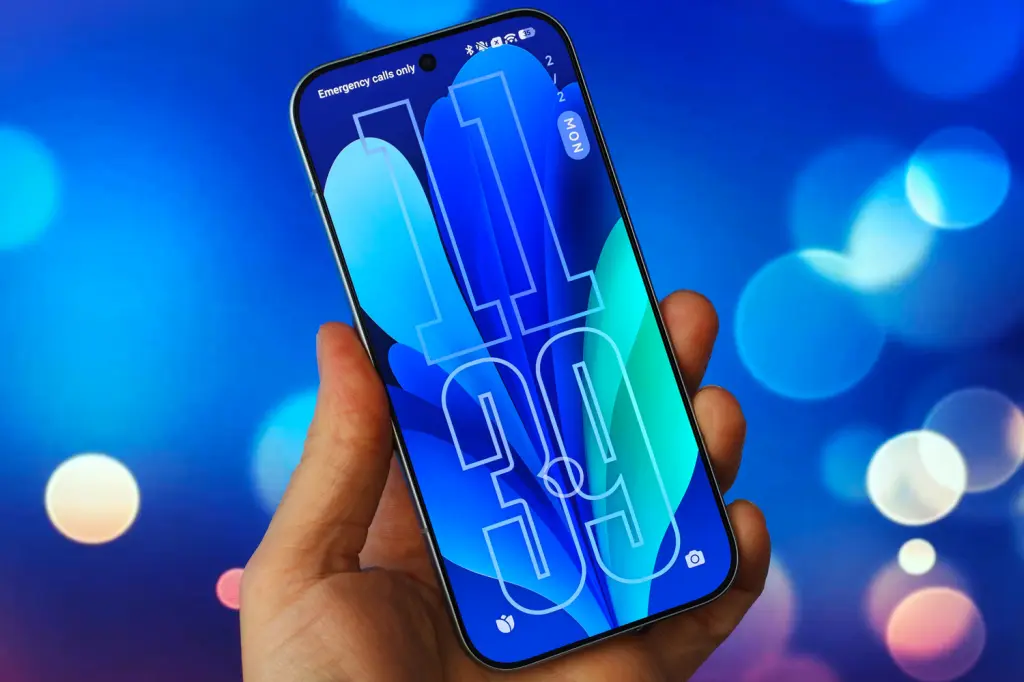
Xiaomi took a risk in waiting so long to bring the Xiaomi 17 to a more global audience. Had it turned up a few months earlier, it would’ve wiped the floor with the Galaxy S25 on account of its massive battery, more powerful chipset and very proficient rear cameras. Instead, it arrives after the Galaxy S26 made its debut.
The performance gap has now closed. Photography may be too close to call, depending on how much (or little) you care about analogue-inspired image processing. And Samsung’s software ecosystem has a stronger foothold here in the West.
If you want a smaller smartphone that can still go the distance, though? Battery life and charging speeds are the Xiaomi 17’s biggest strengths, while the rest of the package gives up nothing to its main rivals.
Stuff Says…
This refreshingly small flagship makes no concessions on power, battery life or camera quality. On a pure hardware standpoint, the Xiaomi 17 knocks Samsung into second place.
Pros
Capable rear camera trio has nuanced image processing
Outstanding performance and great battery life for a compact handset
Pocket-friendly dimensions and tough durability
Cons
Global version gets a smaller battery than Chinese market original
No Qi2 magnetic wireless charging support
Misses out on the Xiaomi 17 Pro’s second screen
Xiaomi 17 technical specifications
| Screen | 6.3in, 2656×1220 AMOLED w/ 120Hz |
| CPU | Qualcomm Snapdragon 8 Elite Gen 5 |
| Memory | 12/16GB |
| Cameras | 50MP, f/1.7 w/ OIS, PDAF + 50MP, f/2.4 ultrawide + 50MP, f/2.0 telephoto w/ 2.6x optical zoom, OIS, PDAF rear 50MP, f/2.2 front w/ PDAF |
| Storage | 256GB/512GB/1TB |
| Operating system | Android 16 w/ HyperOS 3 |
| Battery | 6300mAh w/ 100W wired, 50W wireless charging |
| Dimensions | 151x72x8.1mm, 191g |


 Tom Morgan-Freelander
Deputy Editor
Tom Morgan-Freelander
Deputy Editor