Poco X8 Pro review: a sensibly priced superhero
Trickle-down hardware continues to do wonderful things for your wallet


Stuff Verdict
Two convincing takes on the affordable phone formula. The Poco X8 Pro has decent power but the Pro Max takes things up another level with its massive battery.
Pros
- Decent budget performance and mega battery life
- Sleek looks and sturdy construction belie the price
- Sharp screens with plenty of brightness
Cons
- Camera quality gives away this phone’s budget nature
- Iron Man edition is blingtacular
- Software a bit heavy-handed in places, and heavy on bloat
Introduction
It might’ve recently started pushing further upmarket, but affordable phones are still very much Poco’s heartland. This year’s most keenly-priced pair do the usual thing of cribbing heavily from fellow Xiaomi sub-brand Redmi’s Chinese output, then making a few tweaks for a Western audience. The firm has also mixed things up with an even bigger version: the Poco X8 Pro is being joined by the Poco X8 Pro Max.
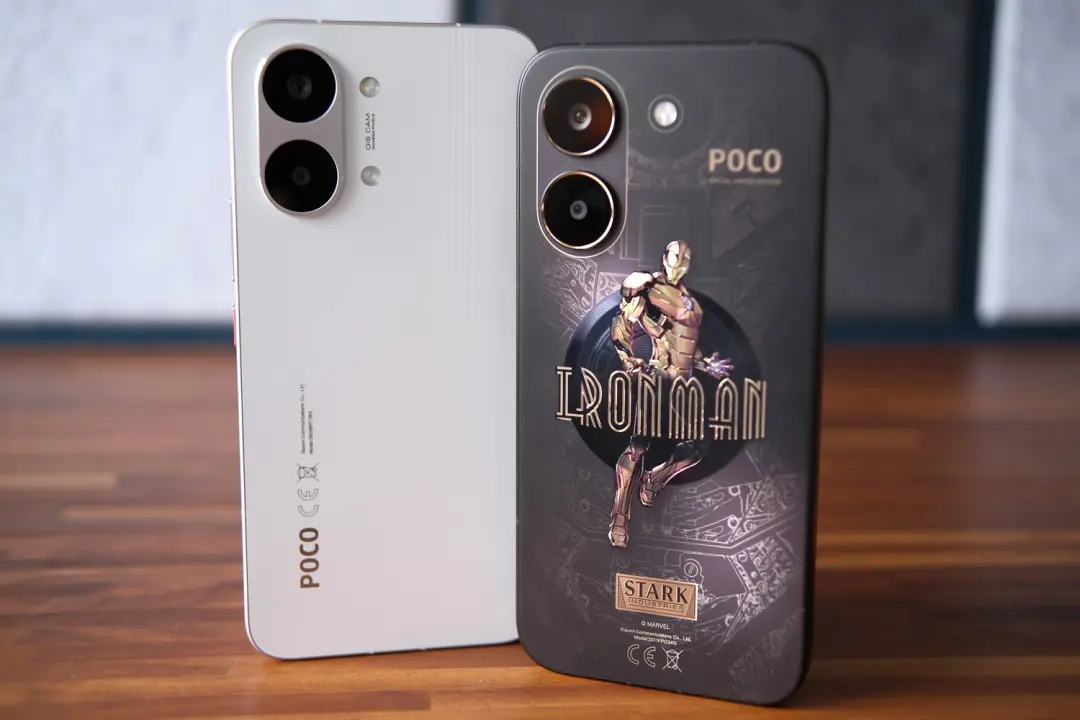
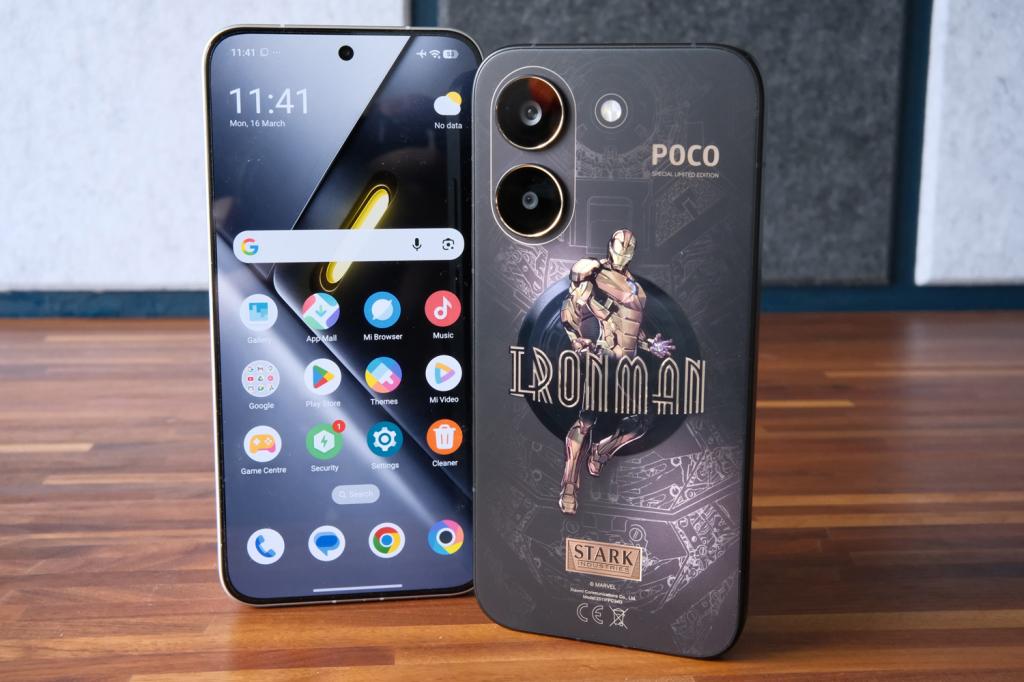
They essentially straddle the outgoing Poco X7 Pro in terms of screen size, internal hardware and price, but the Max has another trick up its sleeve: the biggest battery of any mainstream smartphone sold in Europe (outside of those wacky durability-focused bricks that were trade show regulars a decade ago). Not to be outdone, the X8 Pro can be had in a head-turning Iron Man edition.
The Poco X8 Pro lands at $329/£349 (8GB/256GB) or $399/£399 for the 12GB/512GB Iron Man Edition; the X8 Pro Max will set you back $469/£469 for the same memory and storage. Both undercut the Google Pixel 10a by a healthy margin and have rivals like the recently launched Nothing Phone 4a and Phone 4a Pro in their sights. Do big batteries make them the budget blowers to go for in 2026?
How we test smartphones
Every phone reviewed on Stuff is used as our main device throughout the testing process. We use industry standard benchmarks and tests, as well as our own years of experience, to judge general performance, battery life, display, sound and camera image quality. Manufacturers have no visibility on reviews before they appear online, and we never accept payment to feature products.
Find out more about how we test and rate products.
Design & build: safe bets
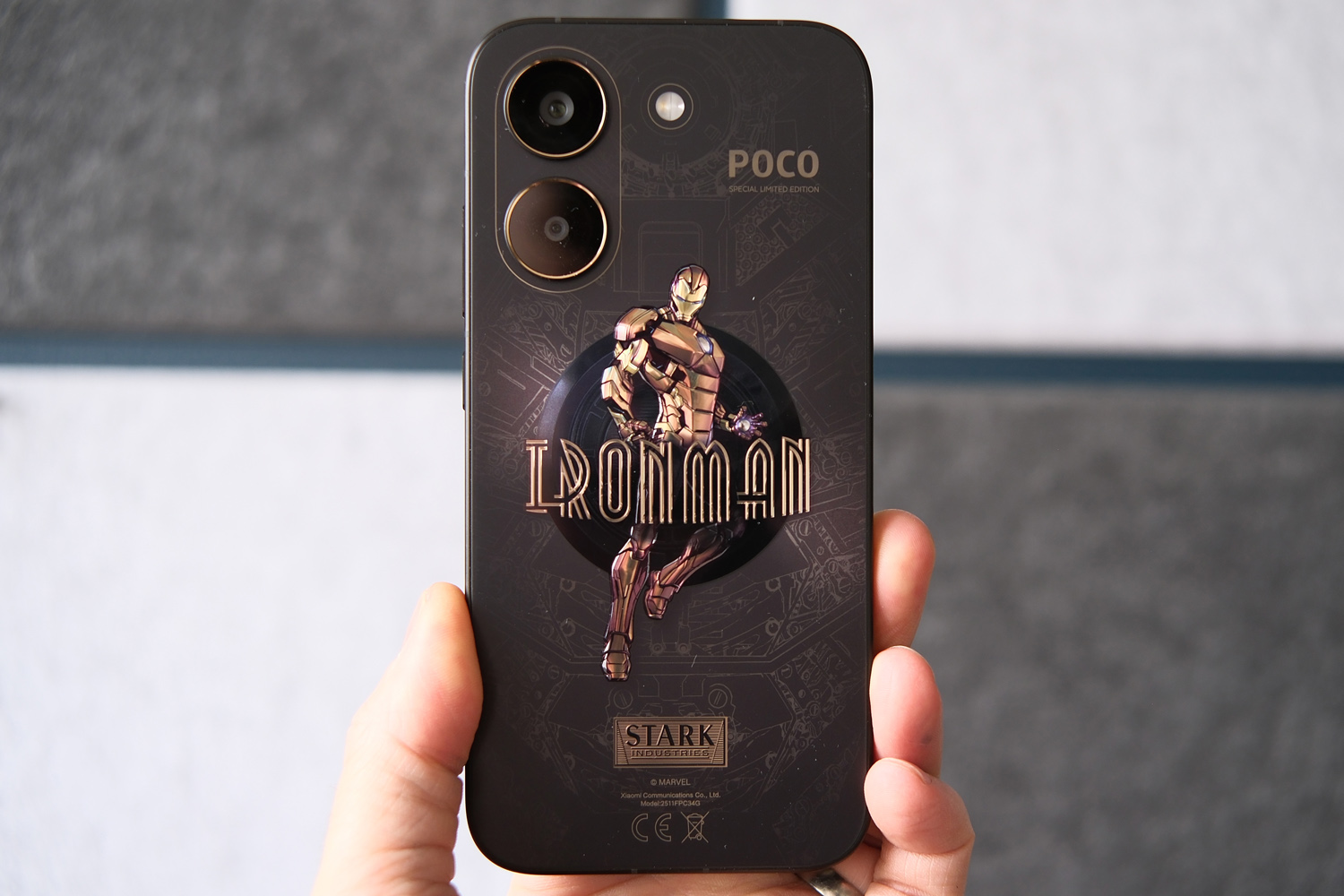
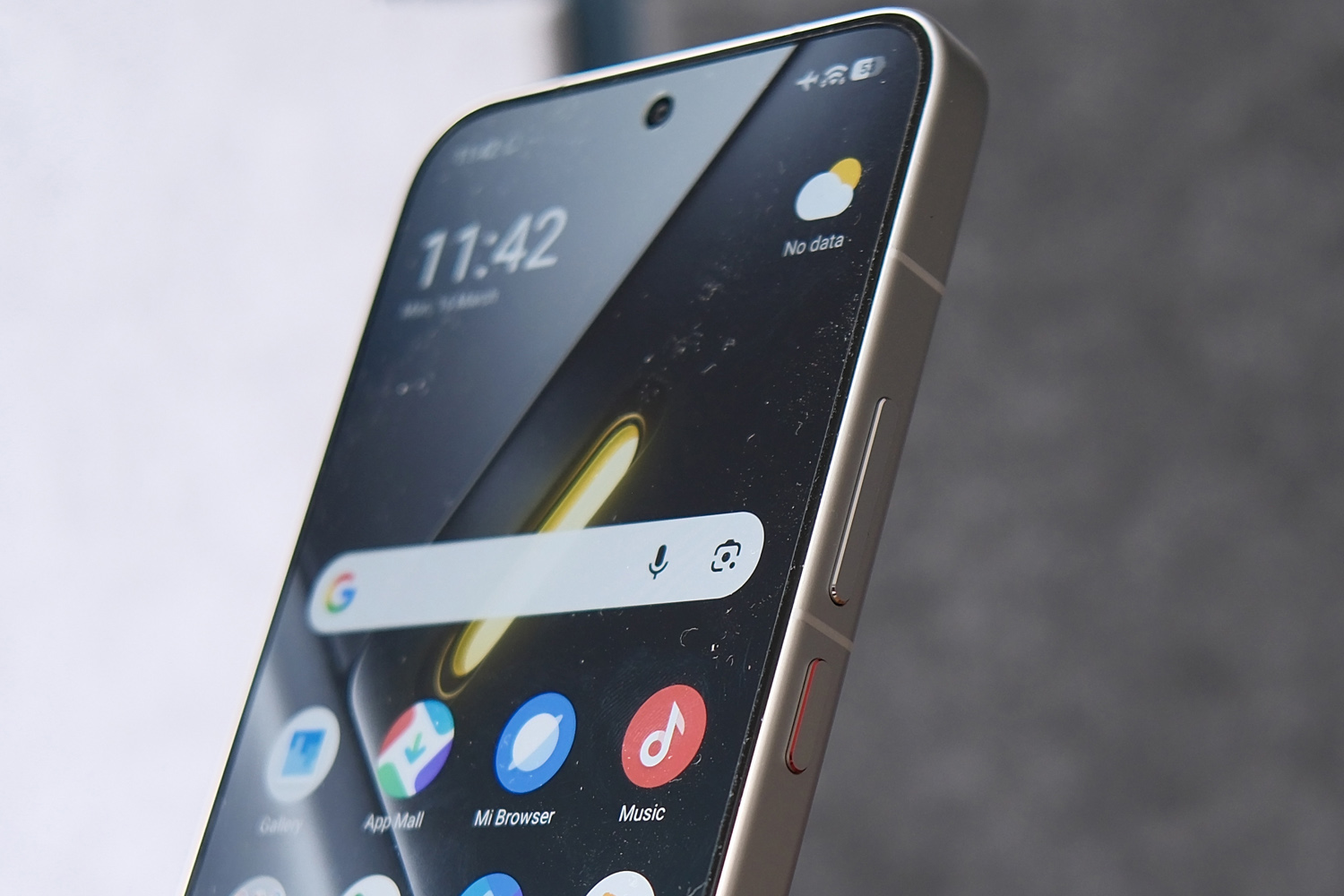
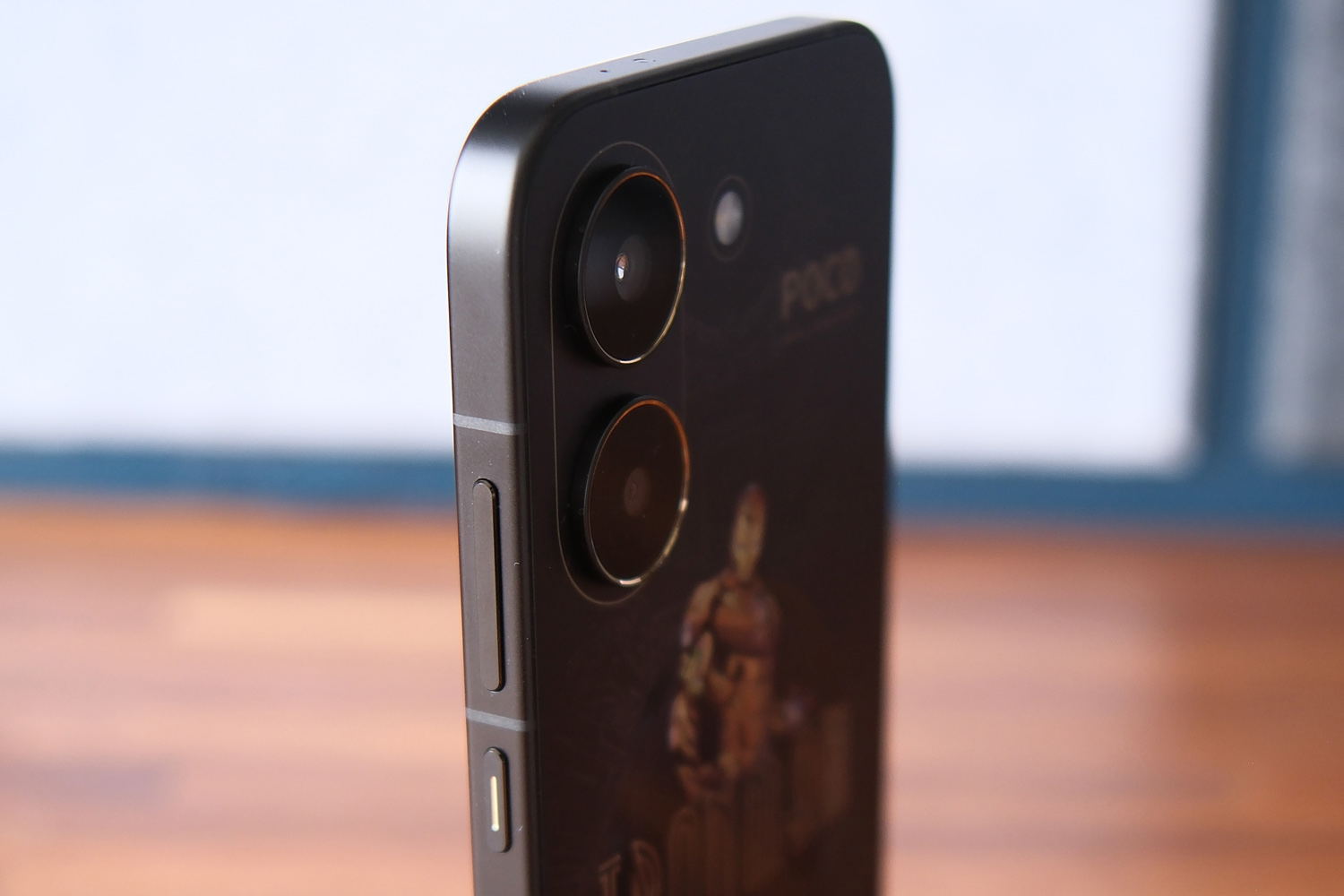


Once you look past the eye-catching holographic decals and gold trim of the Iron Man edition, you’d struggle to call the Poco X8 Pro duo’s styling unique. With flat frames, skinny bodies and fingerprint resistant matte rear panels, they look like pretty much every modern mobile phone – though that does mean there are hardly any visual clues these are budget handsets.
They certainly don’t feel cheap, with metal mid-frames bringing a satisfying amount of heft and a step up in materials from last year’s polycarbonate. Everything is sealed up tight enough to earn an IP68 resistance rating, which is excellent for an affordable handset. The screen bezels aren’t offensively chunky either – I easily give Poco the win here over the Google Pixel 10a.
As a fan of the outgoing X7 Pro’s two-tone colour scheme and textured rear panel, though, I found this year’s offerings a bit too conservative. The closest we get to a design flourish is the red accent around the power button and camera lenses on the white version. The black and mint green ones are even more pared back. The X8 Pro Max is much of the same in black, white and blue hues, albeit with a slightly more prominent island around the rear cameras.
With its larger 6.83in display the Pro Max naturally fills more of your palm, but at only 8.2mm thick you’d have no clue it’s packing one of the biggest batteries ever squeezed into a mainstream smartphone. The regular X8 Pro suits smaller hands, sitting just north of what’s currently considered compact (ie the 6.3in iPhone 17, Galaxy S26 and Pixel 10).
Familiar Poco features like the IR blaster haven’t gone anywhere, and you’re getting an under-display fingerprint sensor no matter which model you spring for – but only the Pro Max has a faster, more convenient ultrasonic sensor. The Pro’s optical unit is hardly slow, but doesn’t make quite as good a first impression, asking you to lift and press multiple times to register a print. You just roll your finger around the sensor area on the Pro Max, and it’s less fussy about if you have wet hands. It’s a small taste of what you’d usually expect to be in the next price bracket up.
Screen & sound: new year’s resolution
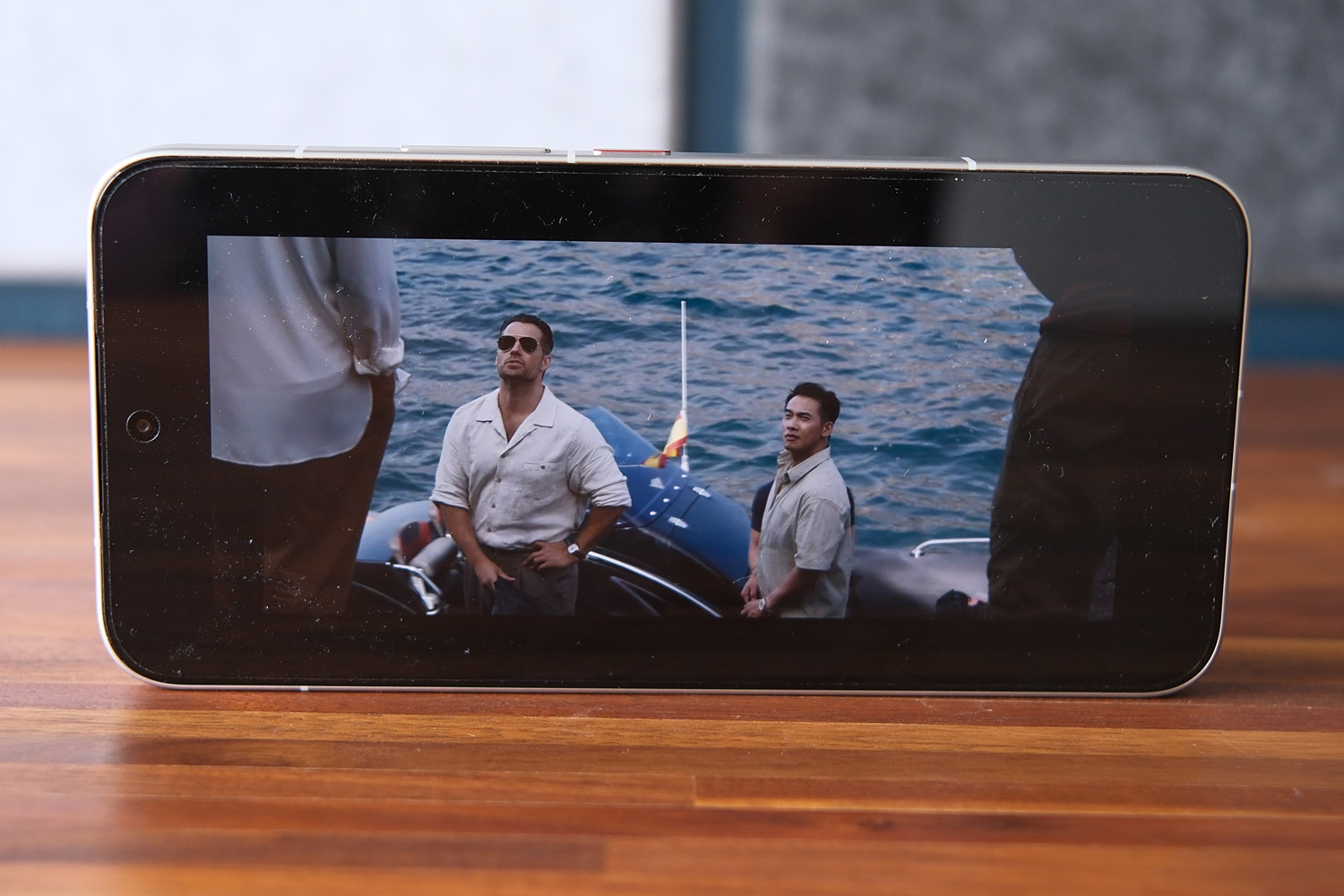
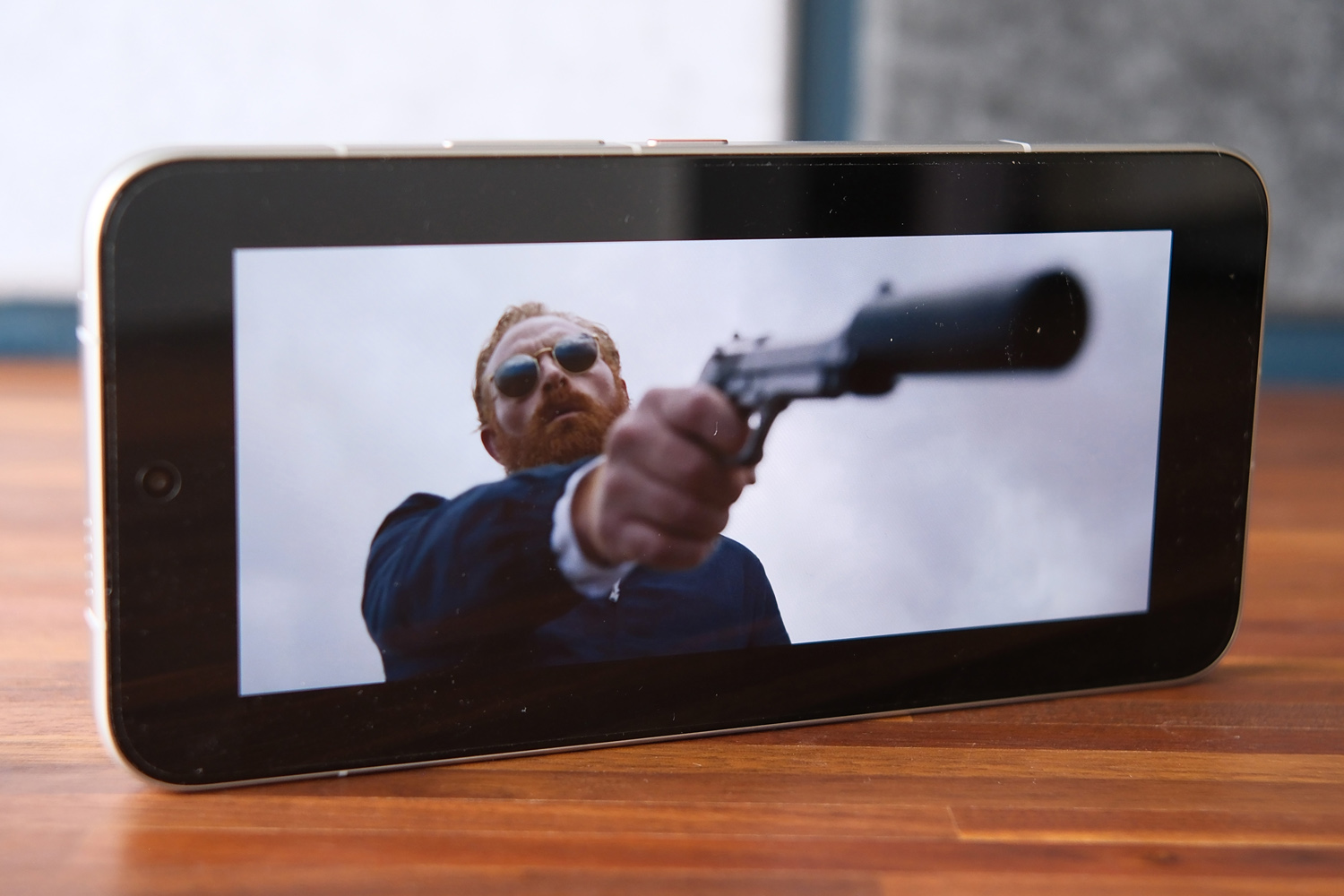
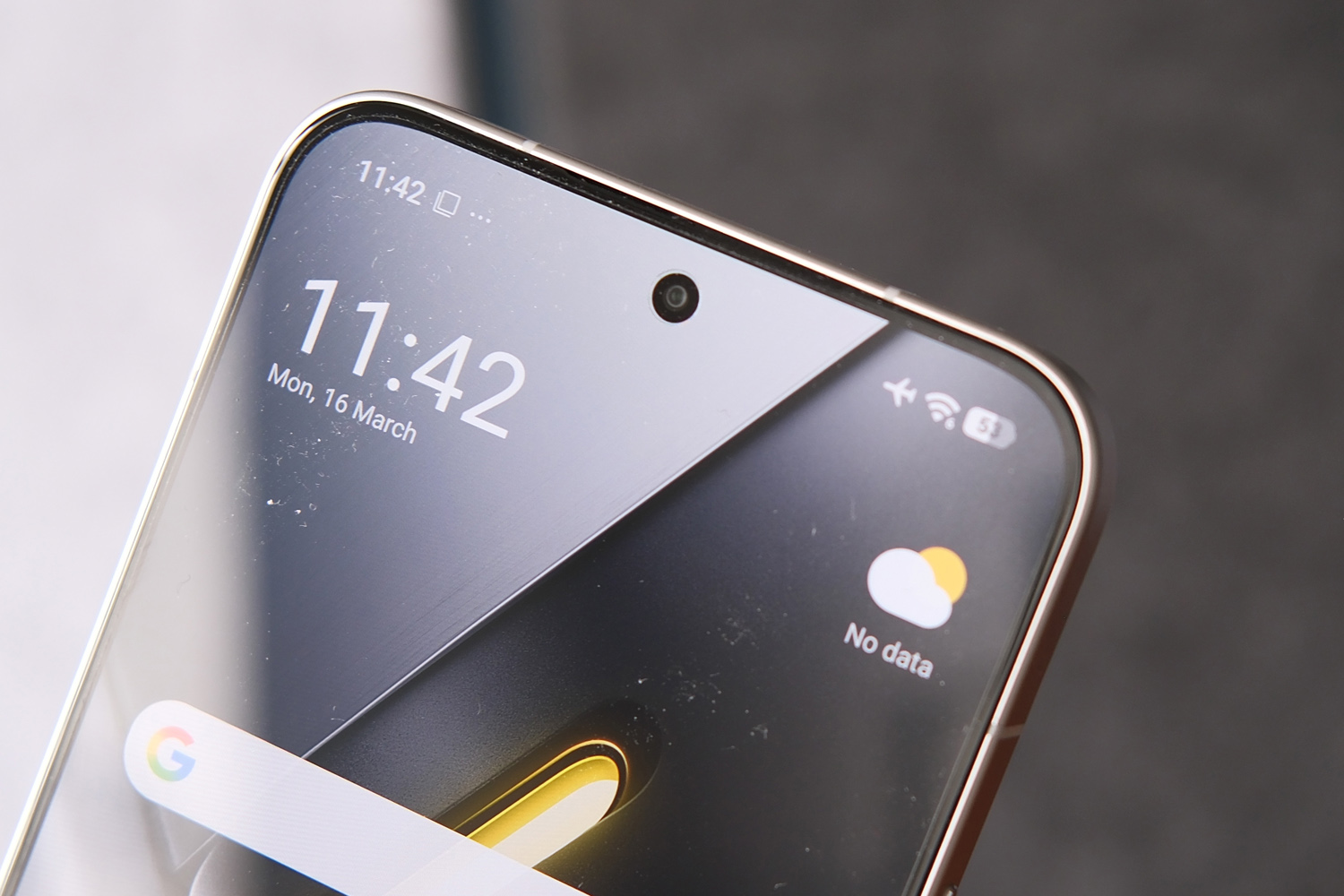
The outgoing X7 Pro had a 6.67in display, meaning its two successors straddle it size-wise. The X8 Pro has a dinkier 6.59in panel, while the X8 Pro Max grows to 6.83in. Resolution has seen a tiny bump in both cases, ensuring text and images look sharp enough at a typical viewing distance. Gorilla Glass 7i protection is unchanged from last year, which should mean you’ll stay largely scratch-free over the long haul even if you peel off the pre-fitted screen protectors.
Brightness is the other area that has improved between generations, with both phones promising a 3500 nit peak or 2000 nits in High Brightness Mode (HBM). I found that was more than enough for clear outdoor viewing on a relatively sunny UK Spring day, though I can’t vouch for blazing sunshine nearer the equator. Pricier phones shine brighter still, of course.
Both phones have 60-120Hz variable refresh rates, which is largely the norm for budget models these days. I was glad to see the adaptive mode was enabled right out of the box, so scrolling felt smooth and responsive – something the Google Pixel 10a bafflingly gets wrong.
Poco’s colour treatment remains a bit more conservative than some budget rivals, with a more neutral white balance that can come across as cool if you’re coming from a phone with a more vibrant tone. A quick trip to the Settings menu can give everything a small yet noticeable boost via the Vivid profile. This is honestly nitpicking on my part, as overall clarity, contrast and colour aren’t that far off a far more expensive flagship phone. AMOLED panels truly have reached the bargain basement.
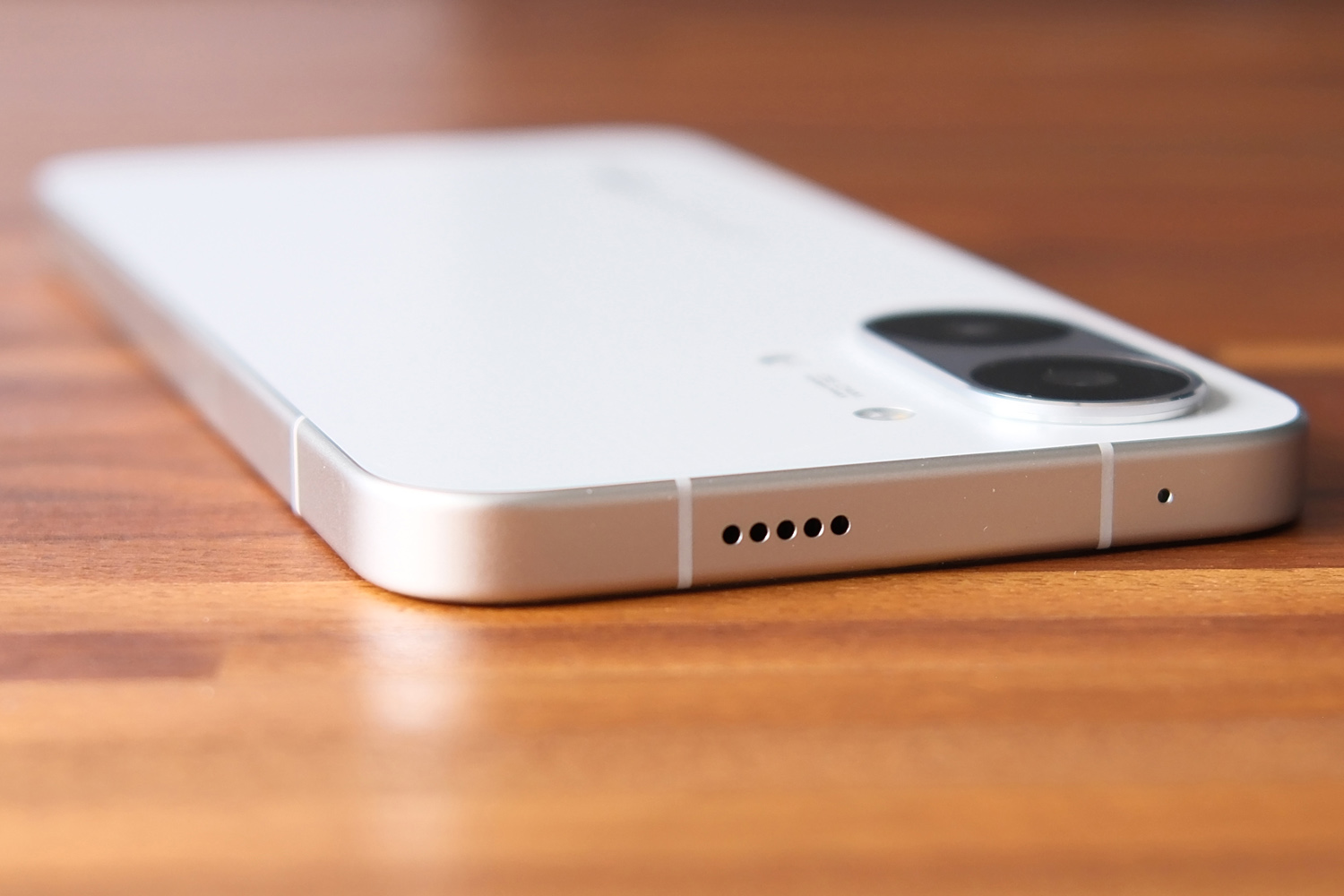
If you crave noise it’s the Pro Max you’ll want to gravitate towards: it has Xiaomi’s infamous 400% volume boost mode, which cranks the stereo speakers to impressive levels at the expense of bass presence. Not that there’s a lot of it at more social volumes, mind. The Pro puts in a similar performance tone-wise, only not quite as loud.
Cameras: generation game

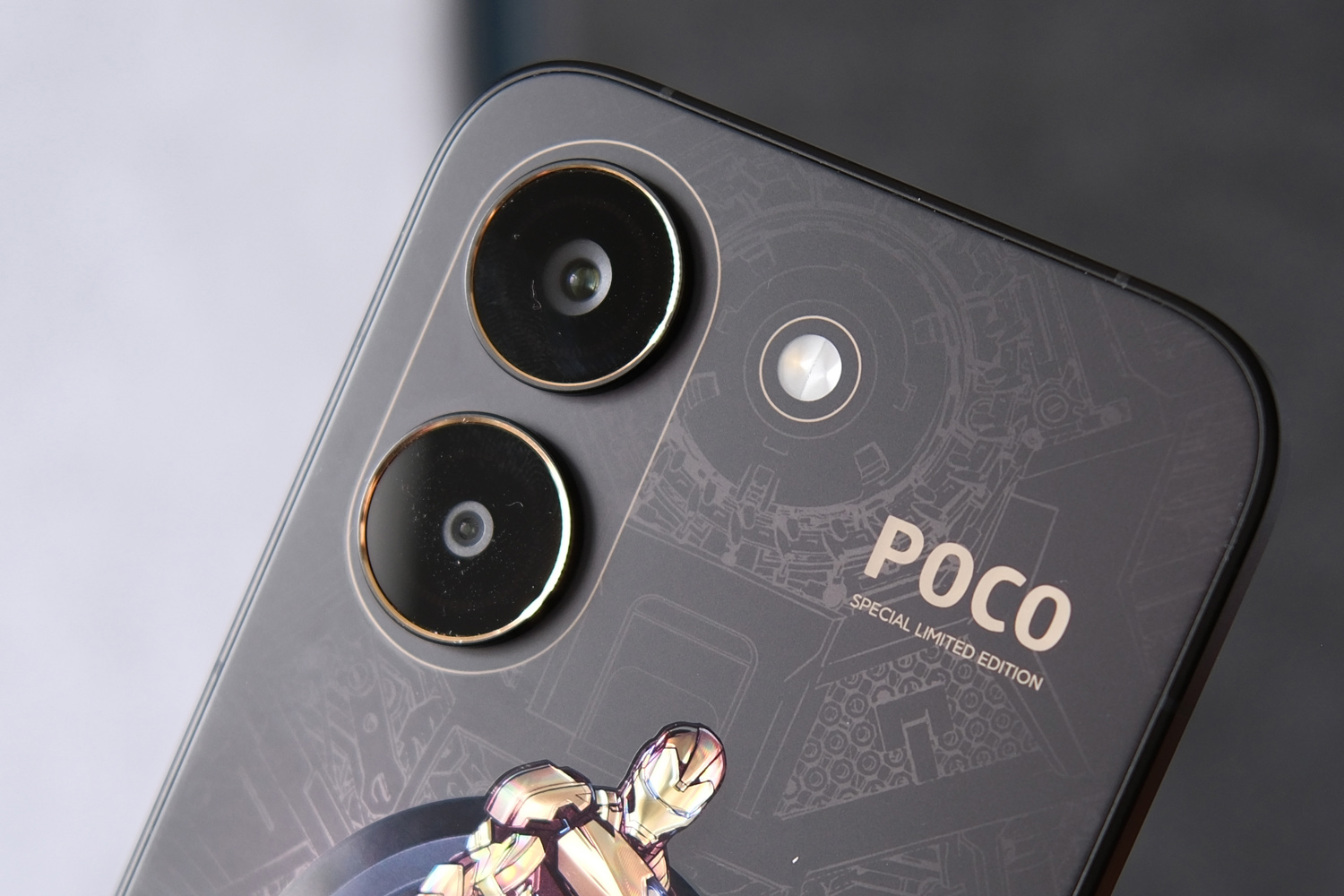
You’ve got to look very closely at their respective spec sheets to spot where the Poco X8 Pro and X8 Pro Max diverge on the photography front. Both have a 50MP main snapper and 8MP ultrawide secondary, along with a 20MP selfie cam up front. While the X8 Pro uses a tried-and-tested Sony IMX882 sensor, however, the X8 Pro Max gets a newer Light Fusion 600 unit.
With an identical sensor size and matching f/1.5 aperture, there’s not a huge image quality gulf between the two – though there are some benefits to going with the pricier phone. The Max seems to have a marginally faster autofocus, and image processing leans just a tad more vibrant and expressive. I also thought fine details looked less artificial, avoiding the strong sharpening effects seen on the X8 Pro.


Both phones have optical image stabilisation and offer 2x ‘lossless’ zoom from their main snappers, but again the Pro Max delivers slightly more nuanced shots, with better judged processing. The difference isn’t huge, admittedly, and these are still very much in the budget category, but there’s a good sense of detail and convincing bokeh effects from close-ups. The first set of photos below are from the X8 Pro and the second are from the Pro Max; I think you’d have a hard time working that out by eye alone.














The ultrawide is a decent enough secondary for the money, even if the pixel count disadvantage puts a clear gap between it and the lead lens for overall clarity. Colour reproduction wasn’t always a match and struggles in low light, too. The main cameras fare better at night, as long as your subject is still and you’ve got reasonably steady hands. Just avoid the digital zoom, as results quickly deteriorate the more you magnify.
These are decent if unspectacular performers. Ultimately if you want a flexible camera setup for a budget price, the Nothing Phone 4a and its dedicated 3.5x telephoto are hard to beat right now.
Software experience: power up the arc reactor
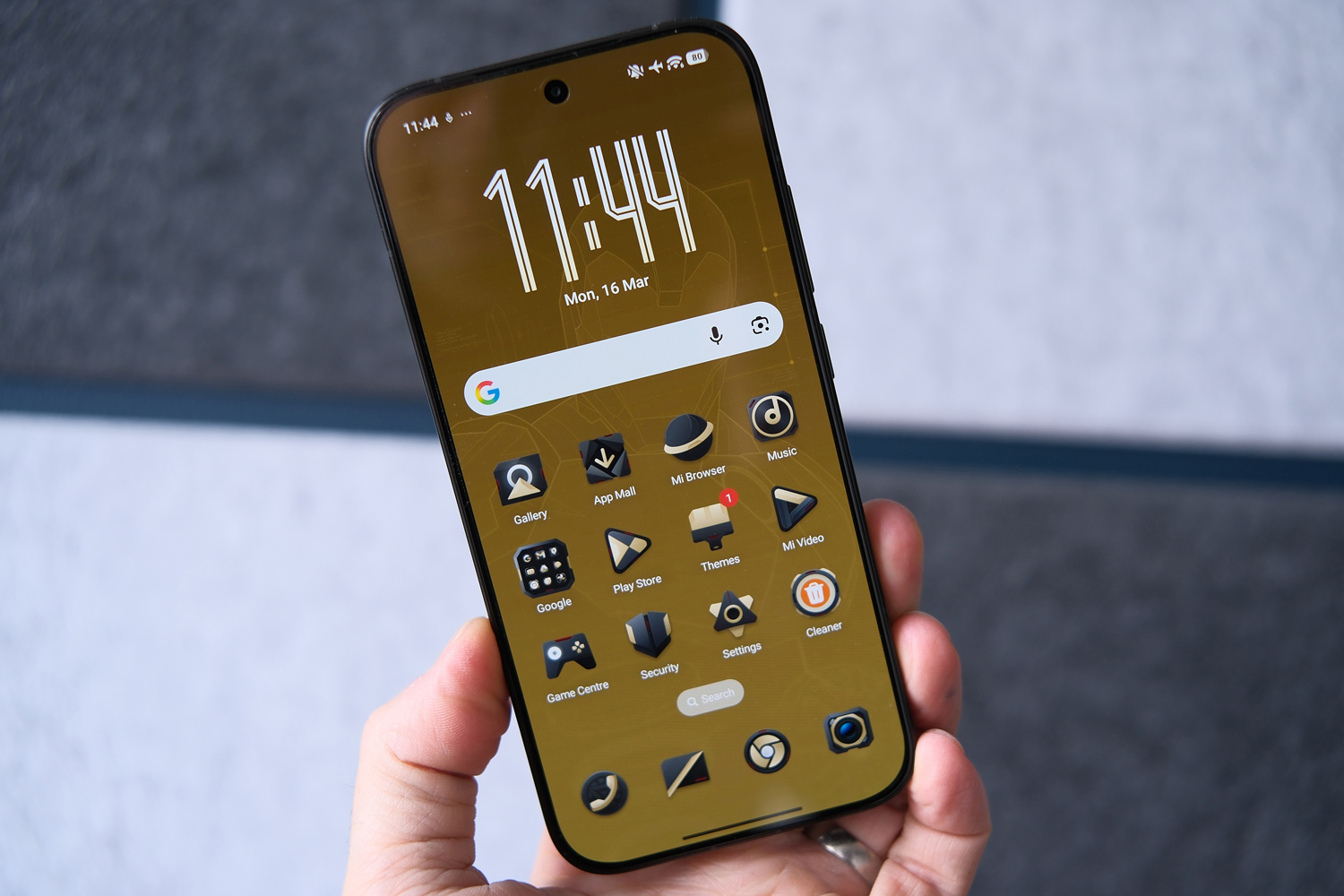
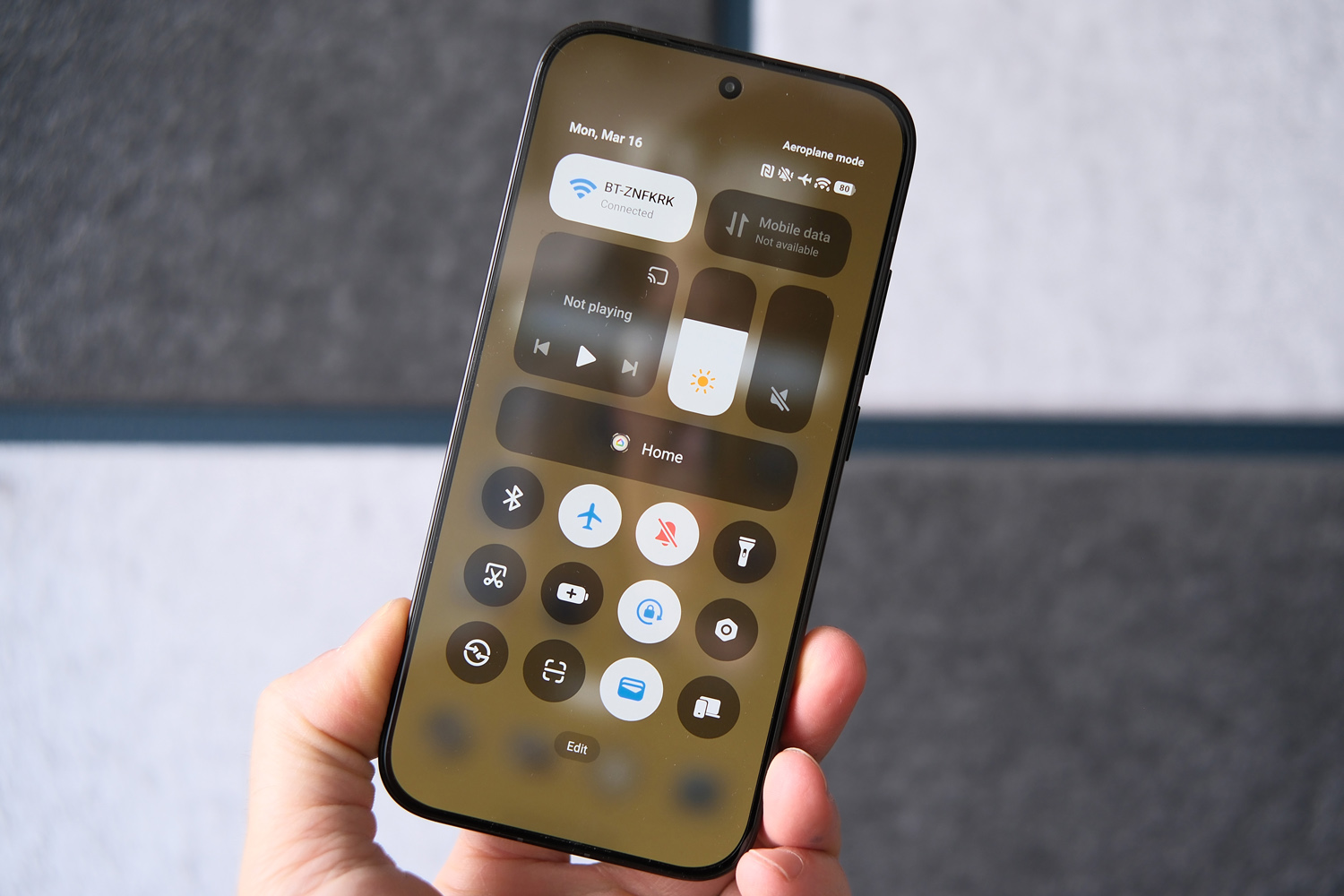
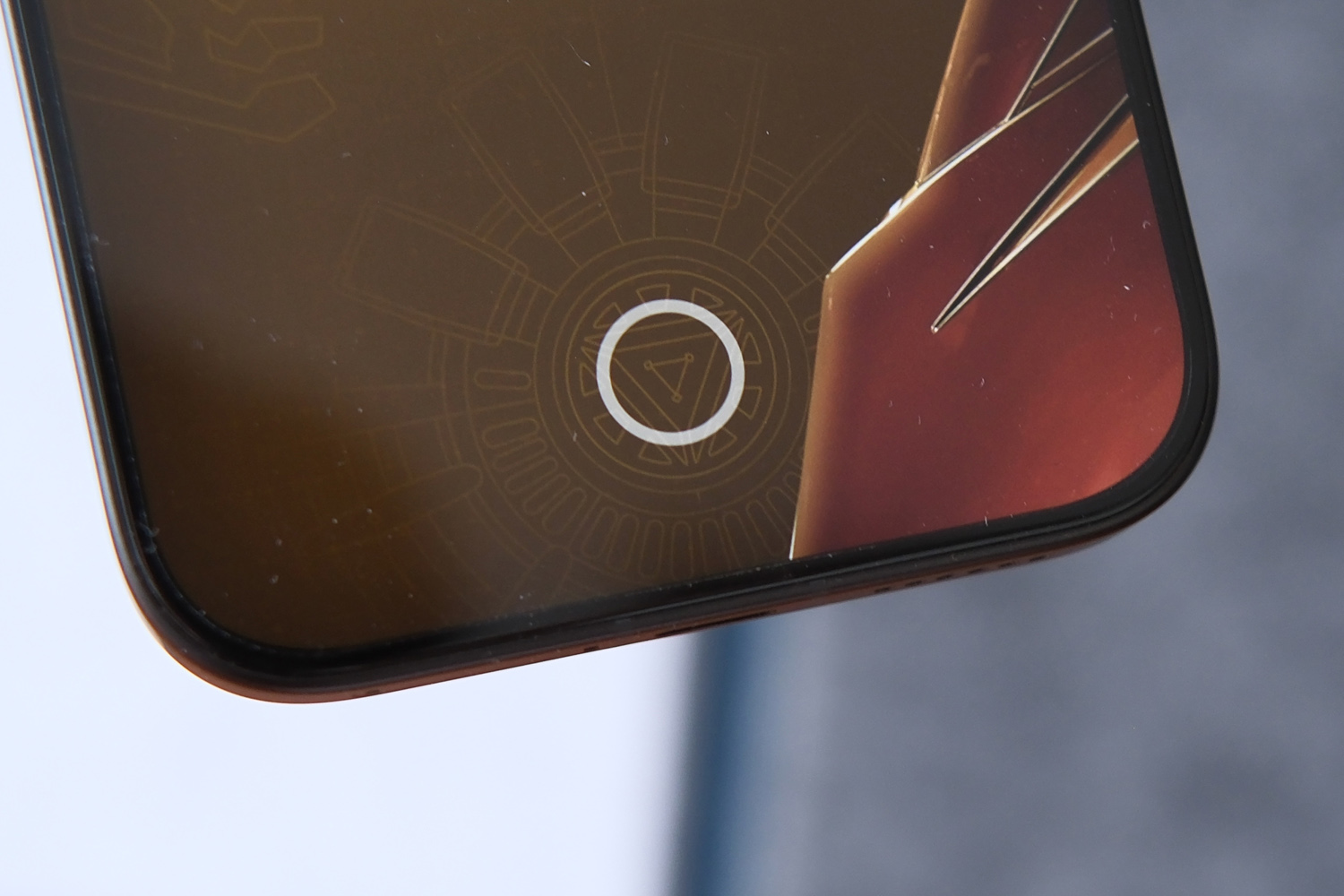
This is far from the first Xiaomi family phone I’ve used running HyperOS 3, a fairly comprehensive reskin running atop Android 16. It’s a welcome step up from the Poco M8 Pro, which landed on the previous version. With Poco’s usual commitment of four new Android generations and six years of security patches, you should be in good stead for a decent stretch.
Things appear to get off to a good start, giving you the option to reject the page-long list of bloat apps during the initial setup – except that there are a bunch more waiting for you once you reach the homescreen. At least they can mostly be uninstalled, leaving just a handful to jostle the default Google ones for your attention.
There’s not nearly as many Liquid Glass-inspired interface elements here as I’ve seen on other Chinese smartphones lately; just a clean and straightforward UI that can be chopped and changed to a high degree.
The Iron Man edition then goes all out with custom wallpapers, widgets and icons. I found having an app drawer full of nothing but black and gold a nightmare to navigate, but you can thankfully adjust how deep the Stark Industries integration goes through the Theme menus.
You don’t have to look far to spot the AI integration, with the now-typical generative writing prompts, live translation and voice transcription all on offer. It can also erase background distractions, cutout subjects and expand tightly cropped photos in the gallery app, though it isn’t quite on the same level as Samsung or Google’s convincing creations.
Performance & battery life: punching up
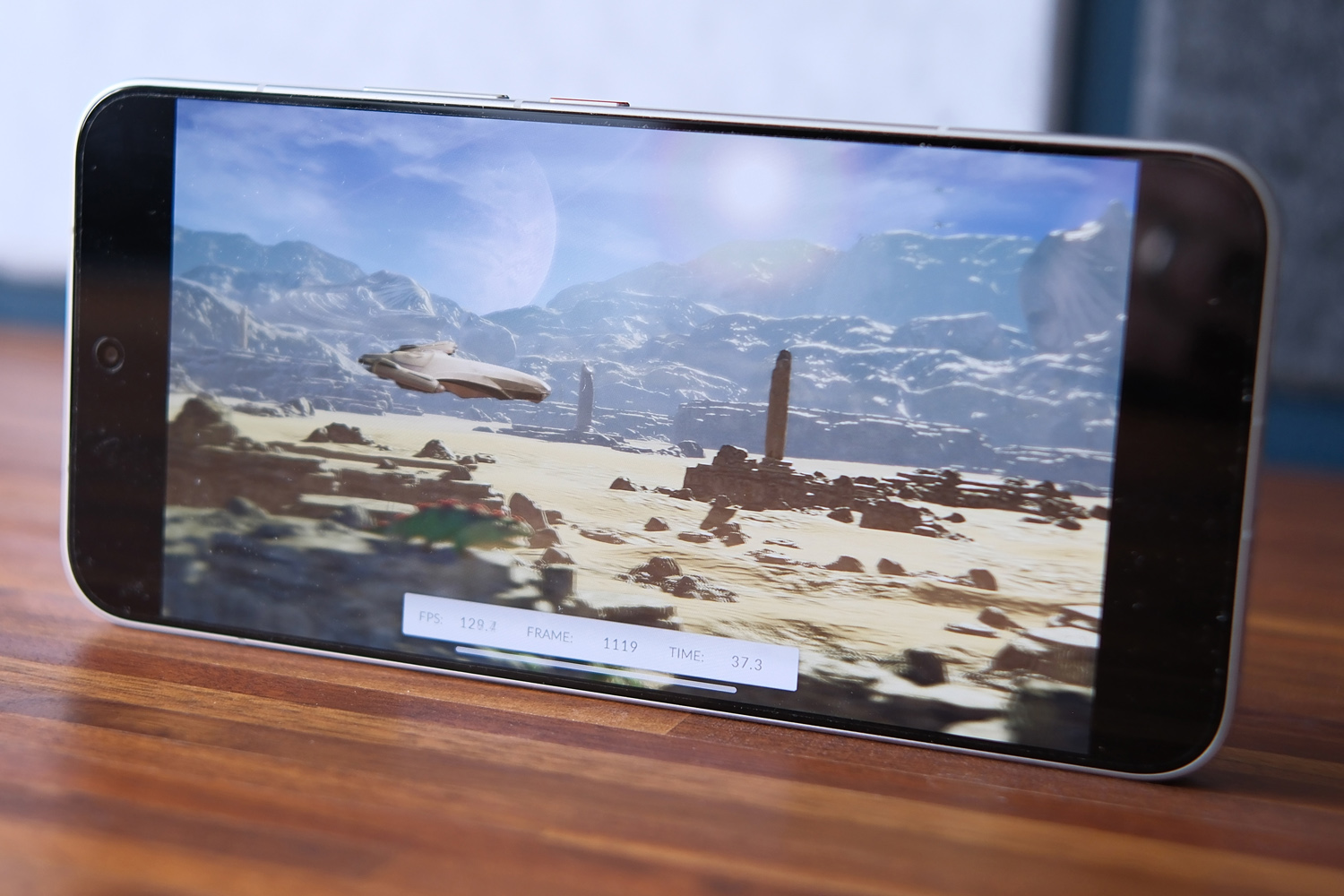
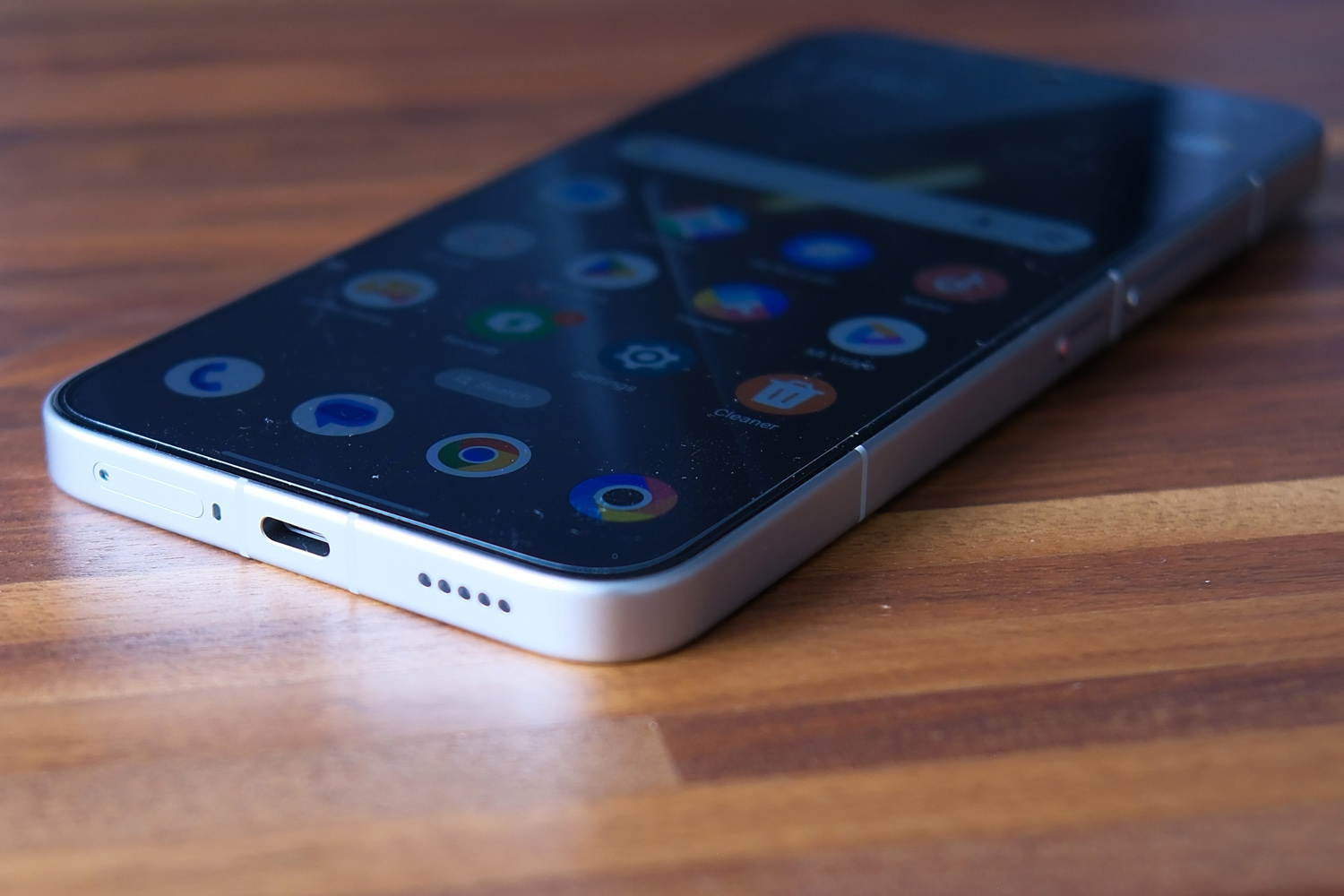
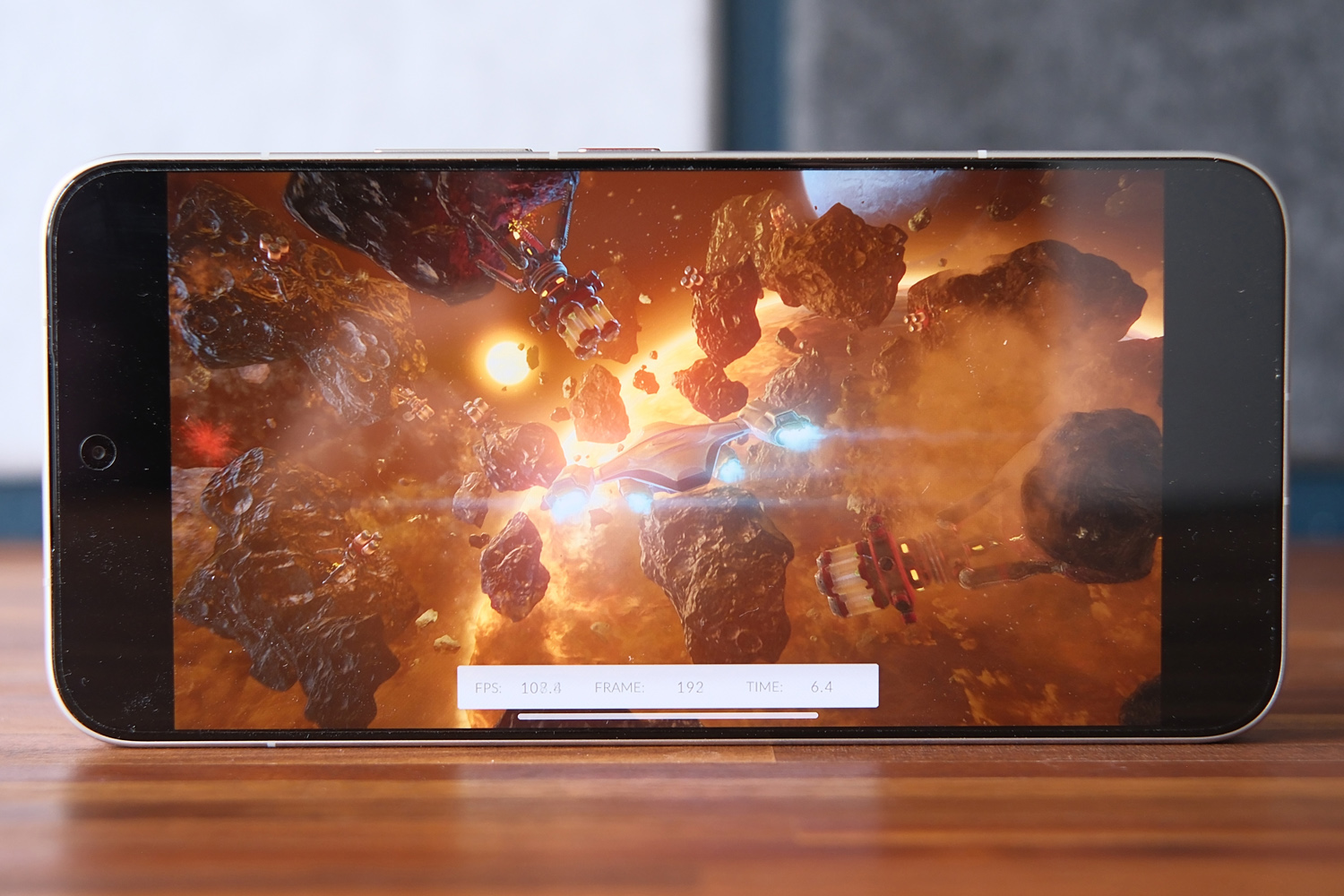
Poco hasn’t pulled any punches on the hardware front, giving both flavours of X8 Pro higher-end MediaTek silicon than you’d normally expect to get for the price. The X8 Pro’s Dimensity 8500-Ultra is a generation newer than the X7 Pro’s 8400-Ultra, while the X8 Pro Max has been treated to a Dimensity 9500s – a step down from the flagship-spec chip seen in the likes of Oppo’s much more expensive Find X9 Pro. The cheaper phone can be had with either 8 or 12GB of RAM depending on the model, but all Max versions get the full 12GB.
Starting with the X8 Pro, it delivers decent if not quite outstanding performance for the class. In certain synthetic benchmarks it stomps all over the Nothing Phone 4a, but in others it either draws level or lags a little behind. It handles games reasonably well too, albeit at detail settings in line with other budget fare. Android feels zippy enough, with apps opening quickly and no obvious slowdowns in general use.
The X8 Pro Max is a clear step up, not being far off a flagship phone in some tests, and comfortably faster than the vanilla X8 in others. MediaTek chips aren’t quite as well supported when it comes to games, so some of the titles I tried defaulted to lower graphics settings than I expected. Crank things up in Diablo Immortal, though, and the X8 Pro Max delivers a sterling performance.
| benchmark scores | Poco X8 Pro | Poco X8 Pro Max |
|---|---|---|
| Geekbench 6 single-core | 1696 | 2631 |
| Geekbench 6 multi-core | 6593 | 8501 |
| Geekbench AI | 2141 | 2752 |
| Speedometer 3.1 | 16.4 | 16.6 |
| PCmark Work 3.0 | 15,316 | 16,504 |
| 3DMark Wild Life Extreme | 4301 | 6231 |
Both phones do a fantastic job when it comes to battery life, but there’s a clear winner: the X8 Pro Max has a simply massive 8500mAh cell that dwarfs every other phone I’ve tested. Two days on a charge? No problem. Stay sensible with gaming, photography and video playback, and you could even see three. That superb staying power is unheard of here in the West, and while not quite so unique in China and India (where battery capacity rules are slightly different) it’s a big boost over the affordable alternatives.
The X8 Pro’s 6500mAh cell isn’t a million miles behind, being enough to comfortably get through a day and a half of moderate to heavy use – but that’s now true of a handful of budget phones.
Both phones can top up at a rapid 100W using a compatible faster charger, so you don’t have to wait around forever to fill them back up. Wired reverse charging could be handy if your other tech is caught short too.
Poco X8 Pro verdict
For yet another year on the trot, Poco has blown me away with how little it can charge for such an impressive set of hardware. The Poco X8 Pro Max takes battery capacity to places previously unheard of, at least to Western audiences, and has the raw performance to almost nudge into flagship territory.
I do think the designs aren’t quite as unique as last year, which could be a problem seeing how Nothing has stepped up on that front for its Phone 4a and Phone 4a Pro duo. Poco’s overloading of app bloat is still a downer too. And photographers wanting the best zoom for the money will want to look elsewhere for something with a dedicated telephoto lens.
That said, seeing how well-rounded they are everywhere else, they both still deserve to be on any budget phone shopper’s shortlist.
Stuff Says…
Two convincing takes on the affordable phone formula. The Poco X8 Pro has decent power but the Pro Max takes things up another level with its massive battery.
Pros
Decent budget performance and mega battery life
Sleek looks and sturdy construction belie the price
Sharp screens with plenty of brightness
Cons
Camera quality gives away this phone’s budget nature
Iron Man edition is blingtacular
Software a bit heavy-handed in places, and heavy on bloat
Poco X8 Pro technical specifications
| Specifications | Poco X8 Pro | Poco X8 Pro Max |
|---|---|---|
| Screen | 6.59in, 2756×1268 AMOLED w/ 120Hz | 6.83in, 2772×1280 AMOLED w/ 120Hz |
| CPU | MediaTek Dimensity 8500-Ultra | MediaTek DImensity 9500s |
| Memory | 8/12GB | 12GB RAM |
| Cameras | 50MP, f/1.5 w/ OIS + 8MP, f/2.2 rear, 20MP front | 50MP, f/1.5 w/ OIS + 8MP, f/2.2 ultrawide rear, 20MP front |
| Storage | 256/512GB | 256/512GB |
| Operating system | Android 16 w/ HyperOS 3 | Android 16 w/ HyperOS 3 |
| Battery | 6500mAh w/ 100W wired charging | 8500mAh w/ 100W wired charging |
| Dimensions | 158x75x8.4mm, 202g | 163x78x8.2mm, 218g |


 Tom Morgan-Freelander
Deputy Editor
Tom Morgan-Freelander
Deputy Editor