Nothing Phone 4a review: one of my favourite budget phones has been updated in all the right places
New look, new lights, new camera. Same great value?


Stuff Verdict
A new generation of Glyph lights sets Phone 4a apart from its predecessors. Underneath, Nothing’s affordable ace brings small but impactful improvements while still keeping the price in check.
Pros
- Glyph bar brings maturity to Nothing’s signature feature
- Distinctive yet functional Android skin with tons of customisation
- Stronger zoom lens brings rear camera versatility
Cons
- Average low light camera performance and consistency between lenses
- Minor battery life boost when rivals are making big leaps
- Performance gains between generations aren’t huge
Introduction
You’ve got to hand it to Nothing: in a world of identikit smartphones, the design-focused British brand continues to do things a little differently. Phone 4a is another design standout, while also bringing in another evolution of the firm’s signature Glyph lighting.
Fresh new looks only go so far, though – and on first inspection the hardware isn’t a large step forward from the outgoing Phone 3a. But that was one of my favourite low-cost handsets of 2025, so even iterative updates could go a long way. Swapping the old phone’s basic 2x telephoto lens for a much more competitive 3.5x zoom feels a bit more than ‘iterative’, too.
Phone 4a lands in the UK and Europe at £349/€349 (it won’t be coming to the USA), which is prime budget territory. It undercuts the Google Pixel 10a and rivals affordable stars like the OnePlus Nord CE 5. Does it have the camera skills to become the go-to value choice?
How we test smartphones
Every phone reviewed on Stuff is used as our main device throughout the testing process. We use industry standard benchmarks and tests, as well as our own years of experience, to judge general performance, battery life, display, sound and camera image quality. Manufacturers have no visibility on reviews before they appear online, and we never accept payment to feature products.
Find out more about how we test and rate products.
Design & build: show me how to glyph

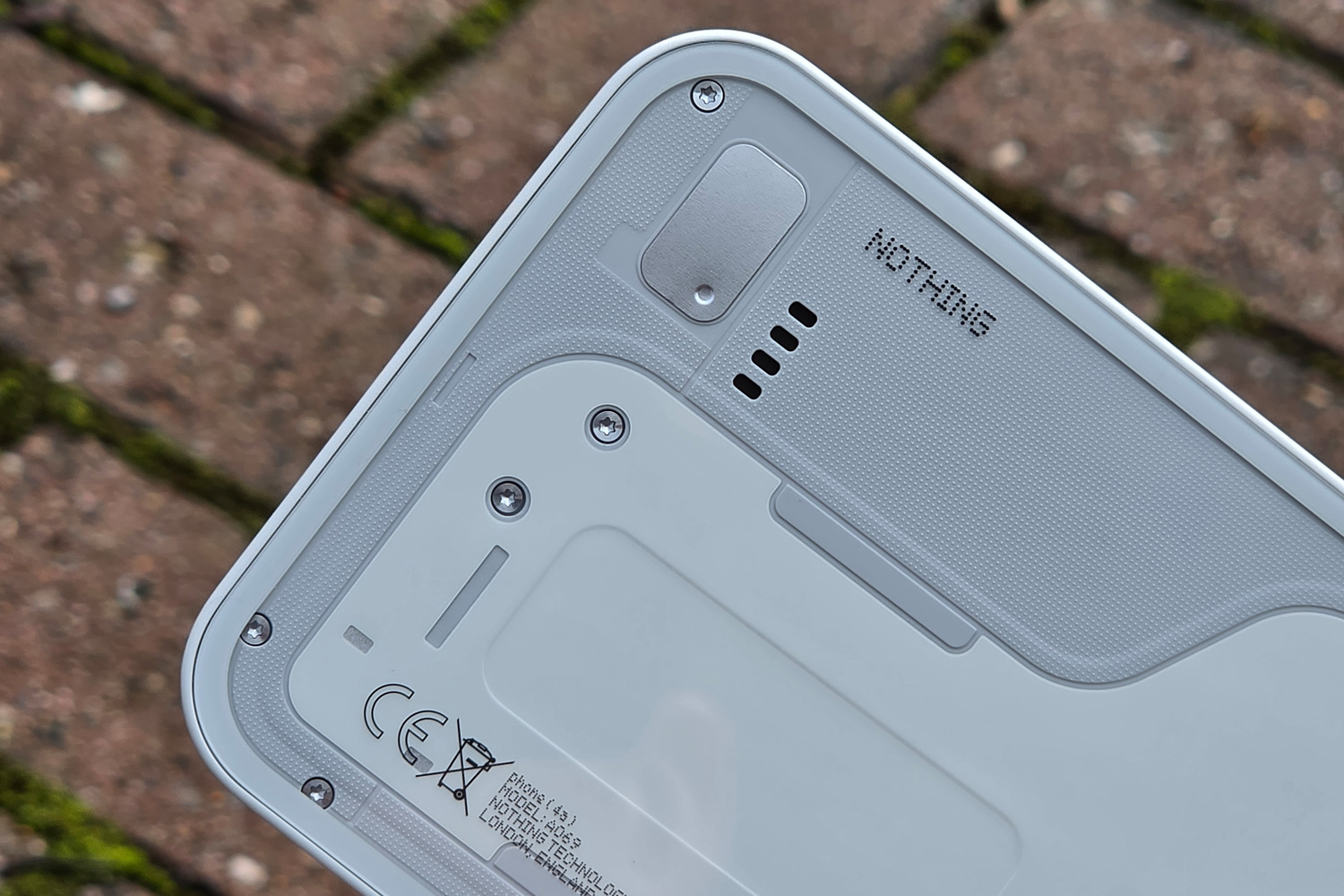
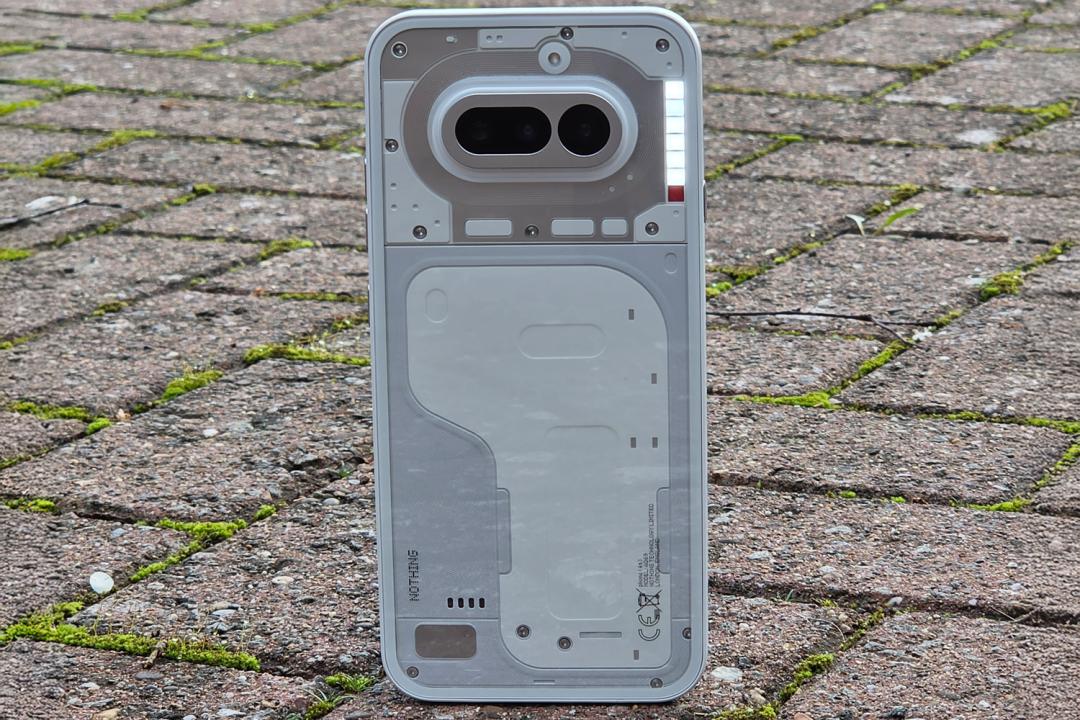
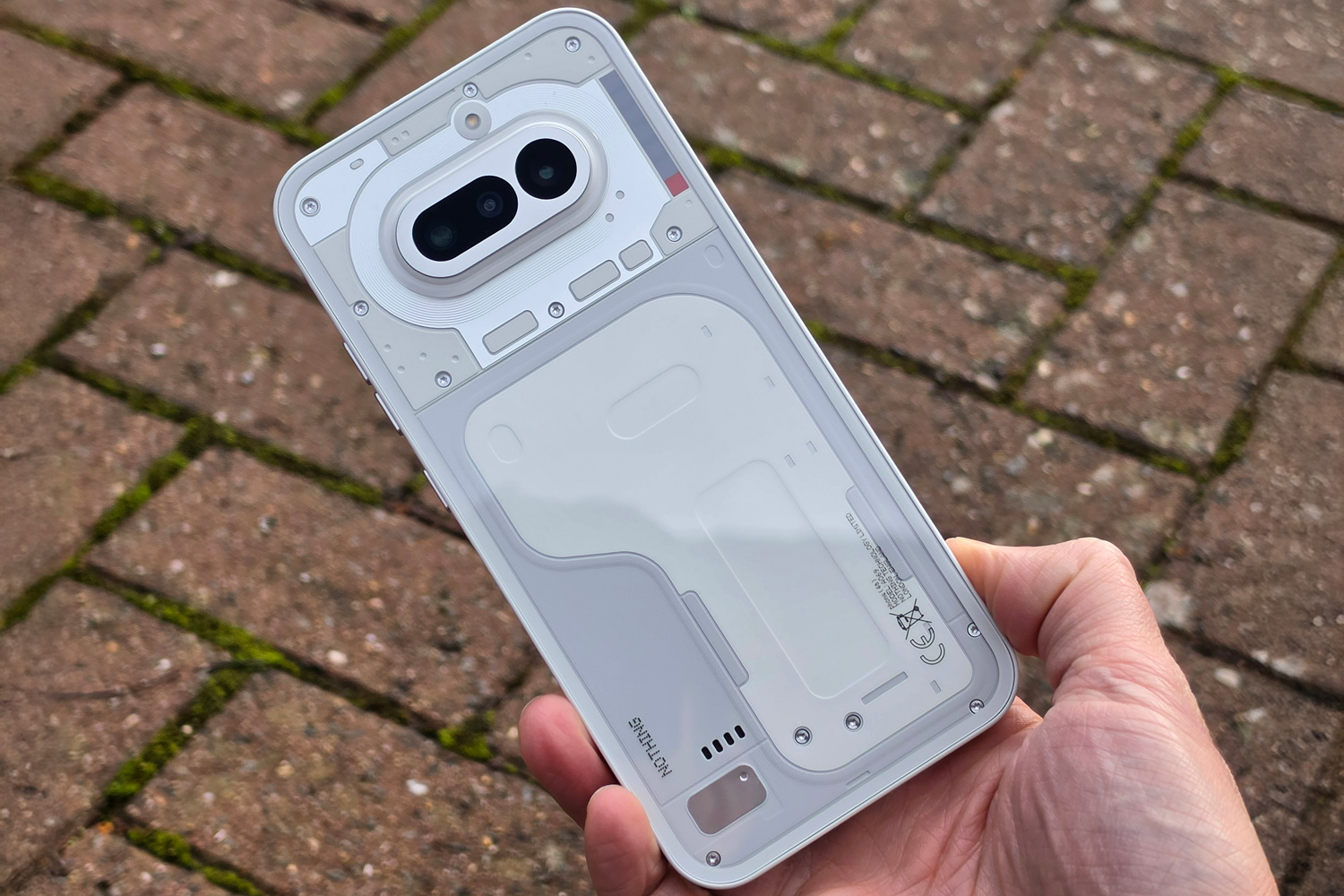
Sunglasses at the ready, people: the Phone 4a’s new Glyph Bar is an absolute scorcher. The new look lighting system packs 63 mini LEDs across six zones, stacked vertically to the right side of the rear camera island. It’s a whopping 40% brighter than the glyph strips on Phone 3a and is even more customisable.
The LEDs flash to indicate NFC contactless payments, your camera’s countdown timer and the handset volume. They blink bespoke patterns to mark out notifications or calls from specific contacts. The red video recording light has also been carried over from its predecessor. Yes, it’s a bit of a gimmick – but I love it all the same.
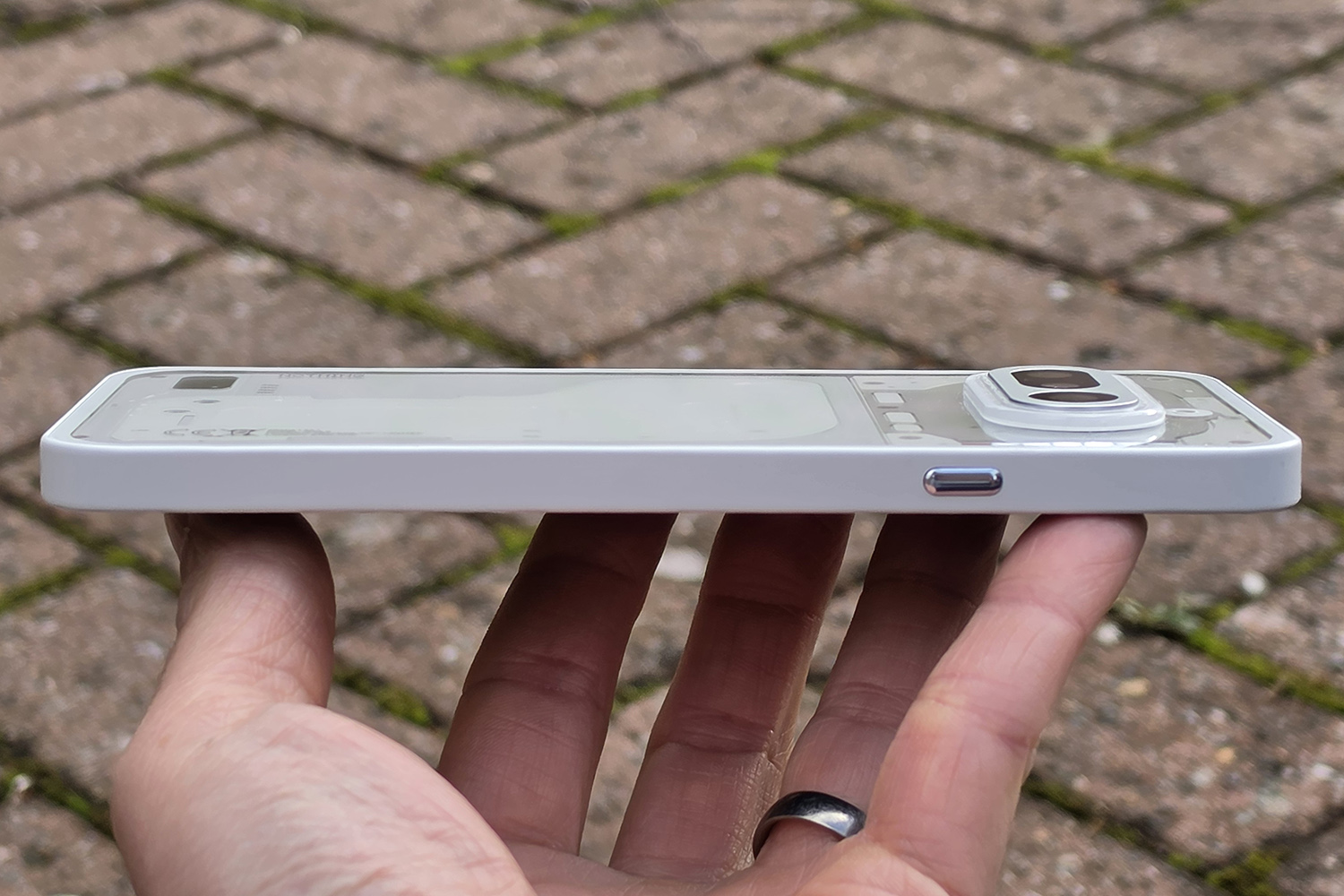
Phone 4a isn’t a major design departure from what came before, with a more sculpted camera bump that protrudes a little further to accommodate the periscope camera lens. The seethrough section beneath it has more flowing elements now, for a smarter look that really pops on my white review unit.
Nothing’s early aversion to colour is now long gone, too: the Phone 4a can be had in muted pink or denim-like blue hues, along with more traditional black and white.
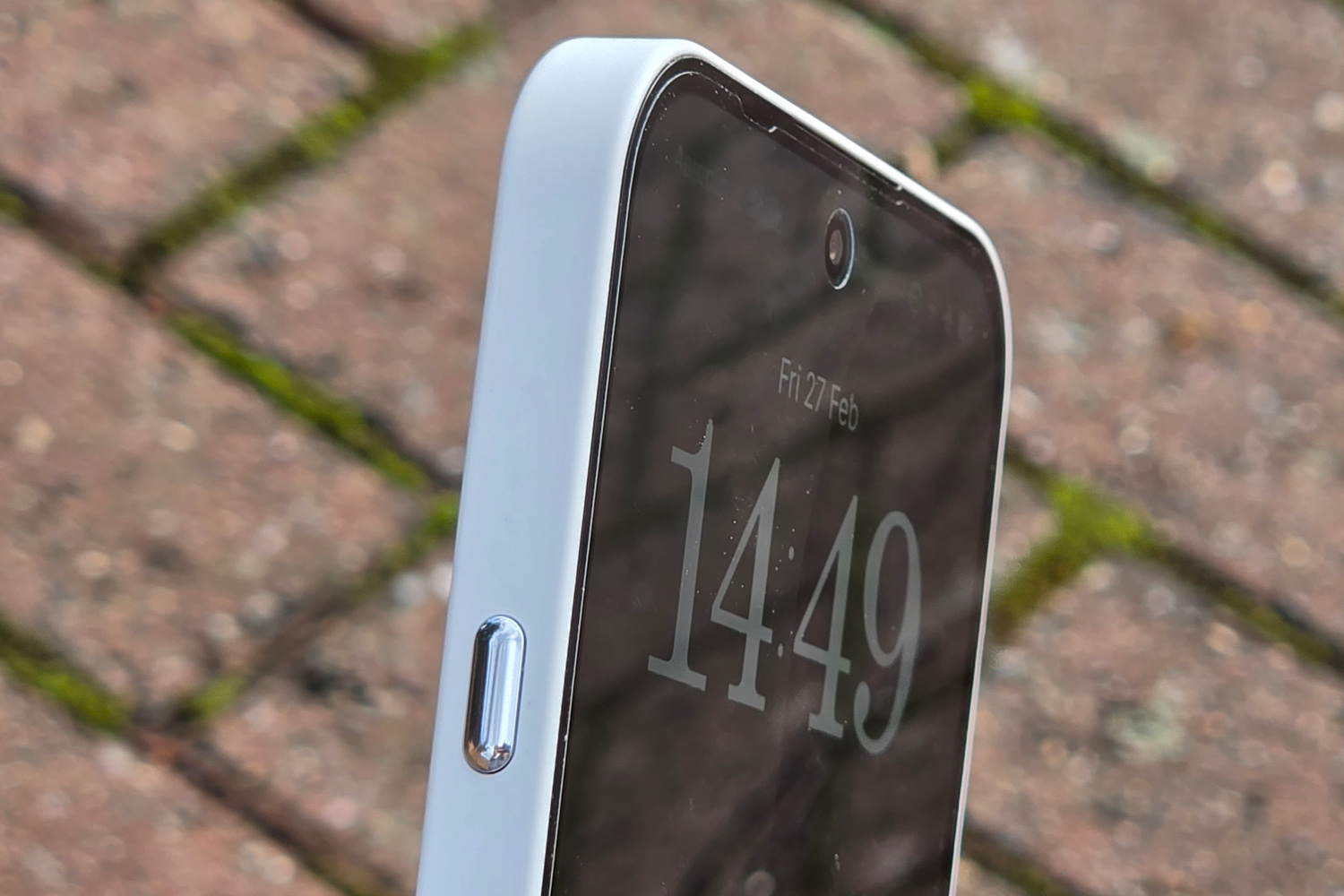
One small but welcome change: the Essential Key has been bumped to the left side of the phone, well away from the power and volume buttons. Even with a more pronounced shape, I could never tell it apart from the others on Nothing Phone 3a.
The central frame is made of polycarbonate, but doesn’t feel cheap like some plastic phones can. There’s glass on either side, which helps give the impression this is a pricer handset than it really is. Gorilla Glass 7i should keep the screen largely scratch-free after a few years of being pulled in and out of your pocket – I had no visible marks after two weeks of testing.
IP64 resistance is far from class-leading even among budget-minded rivals. Nothing says it survived a dunking in 25cm of water for up to twenty minutes during internal testing, however, so it’ll cope with accidental drops into the kitchen sink.
I can’t fault the under-display fingerprint sensor, being as fast and accurate as any sub-£300 phone I’ve tried.
Screen & sound: shine on
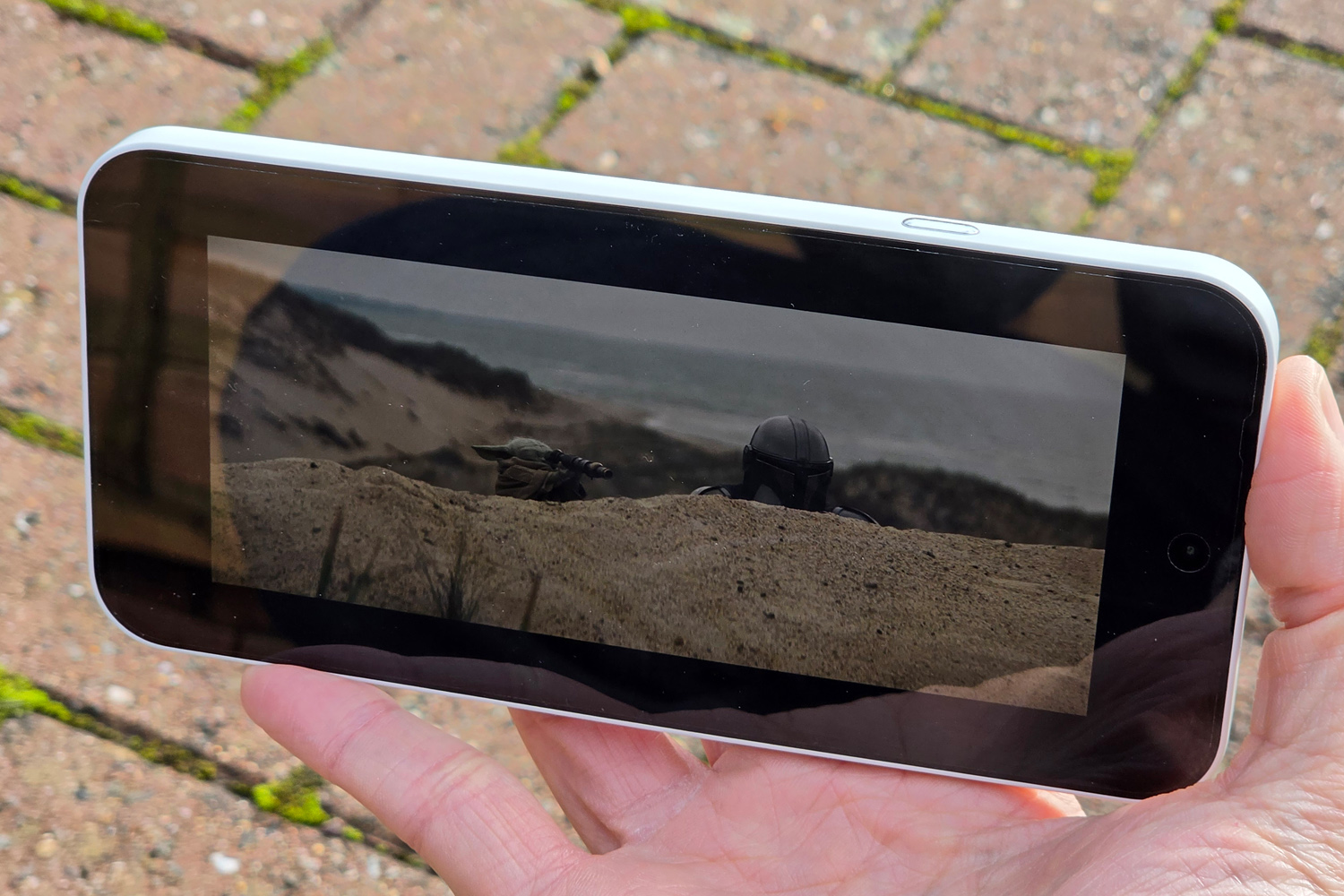
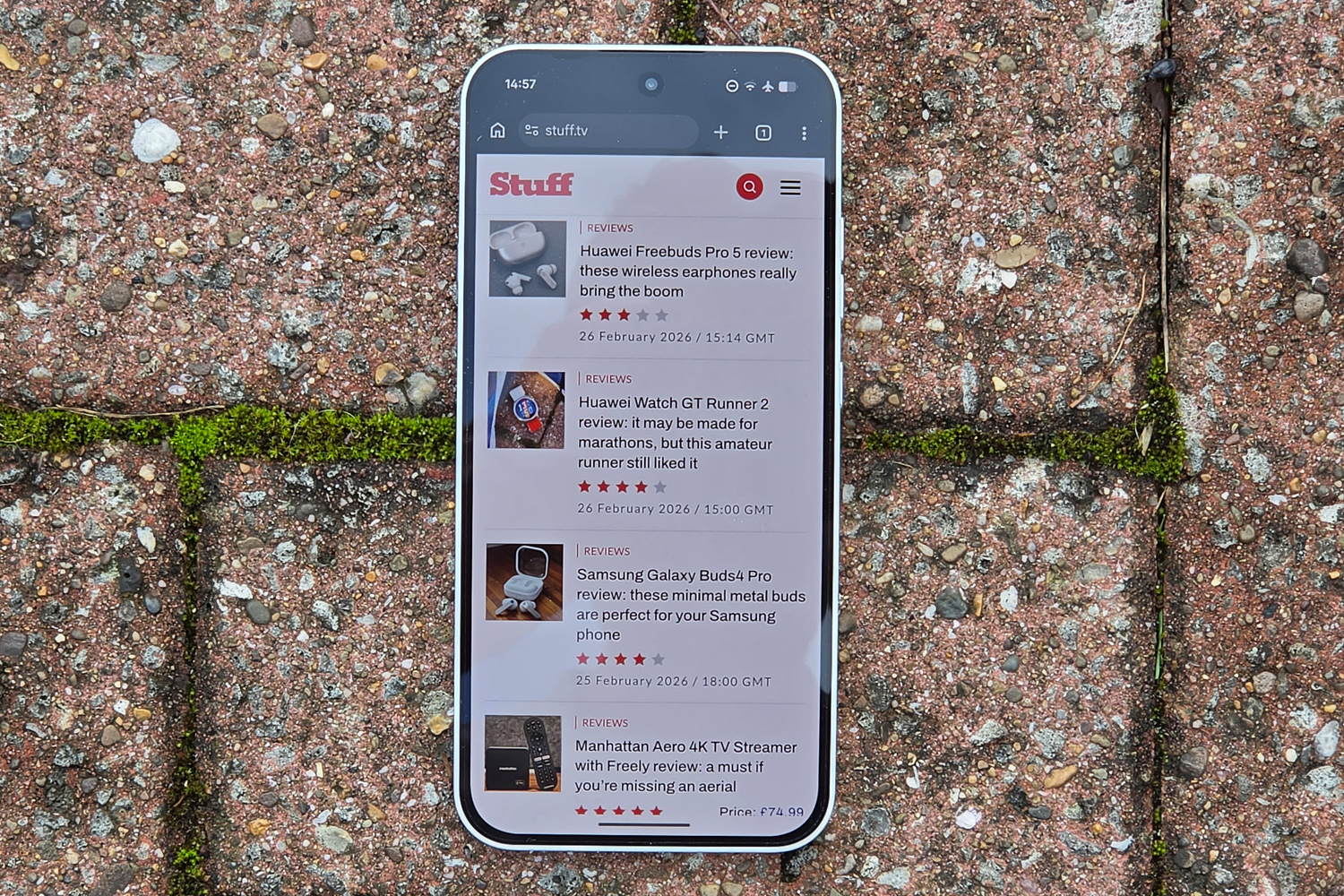
Skinnier bezels mean Phone 4a now finds room for a 6.78in screen, a minor but welcome increase over last year’s model. They’re still thicker than what you’ll find on a flagship phone, but aren’t nearly as beefy as the Google Pixel 10a’s. The panel corners are also a little more rounded this time out, keeping pace with current phone design trends.
Resolution has been boosted, so you’re now getting 440 pixels per inch; images and text look pin sharp as a result. The adaptive refresh rate can now range between 30 and 120Hz too, courtesy of LTPS tech. It was always quick to react to onscreen motion, so you really don’t need to force it to 120Hz all the time.
Brightness has also been given a push in the right direction, so that Phone 4a officially tops out at 4500 nits – a jump from the old model’s 3000 nits, albeit only when showing HDR content (and just a small portion of the screen). A claimed 1600 nit outdoor brightness is a lot more realistic; I had no major issues with visibility while outdoors, even in strong sunshine, putting it up there with the best affordable phones.
Quality AMOLED screens have been well and truly democratised at this point, but Nothing has still done a good job with colour balance. The Alive preset is very expressive, with reds and greens that really hit hard, but you have the option to swap to a more lifelike look using the Standard preset. Contrast is superb and blacks look properly inky. Viewing angles are also fantastic. Streaming videos on this phone can be a real treat for the eyes.
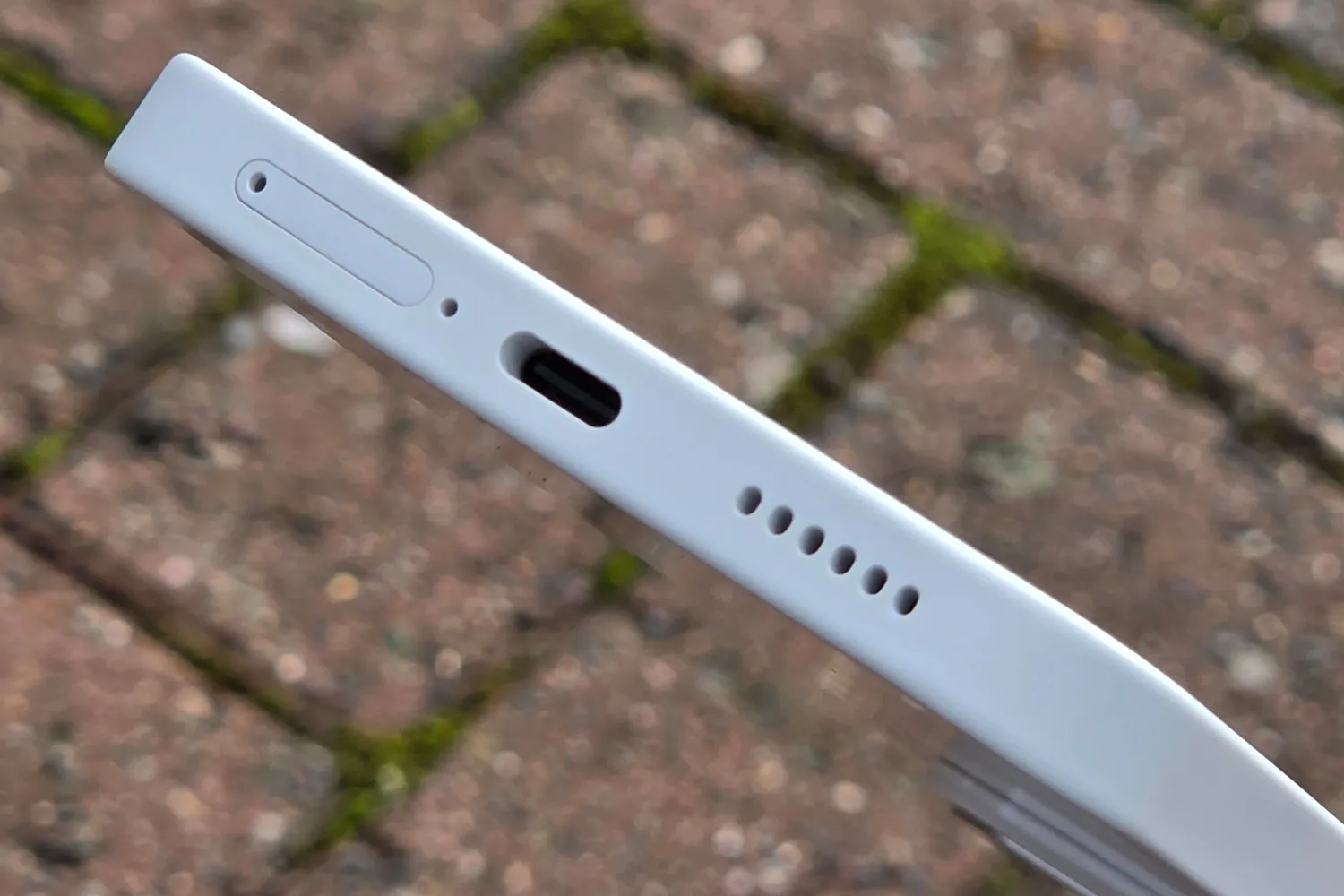
The down-firing speaker and earpiece tweeter can’t deliver an audio experience on quite the same level, but they get decently loud and clarity is as good as I’d expect for an affordable handset.
Cameras: ready for my close up
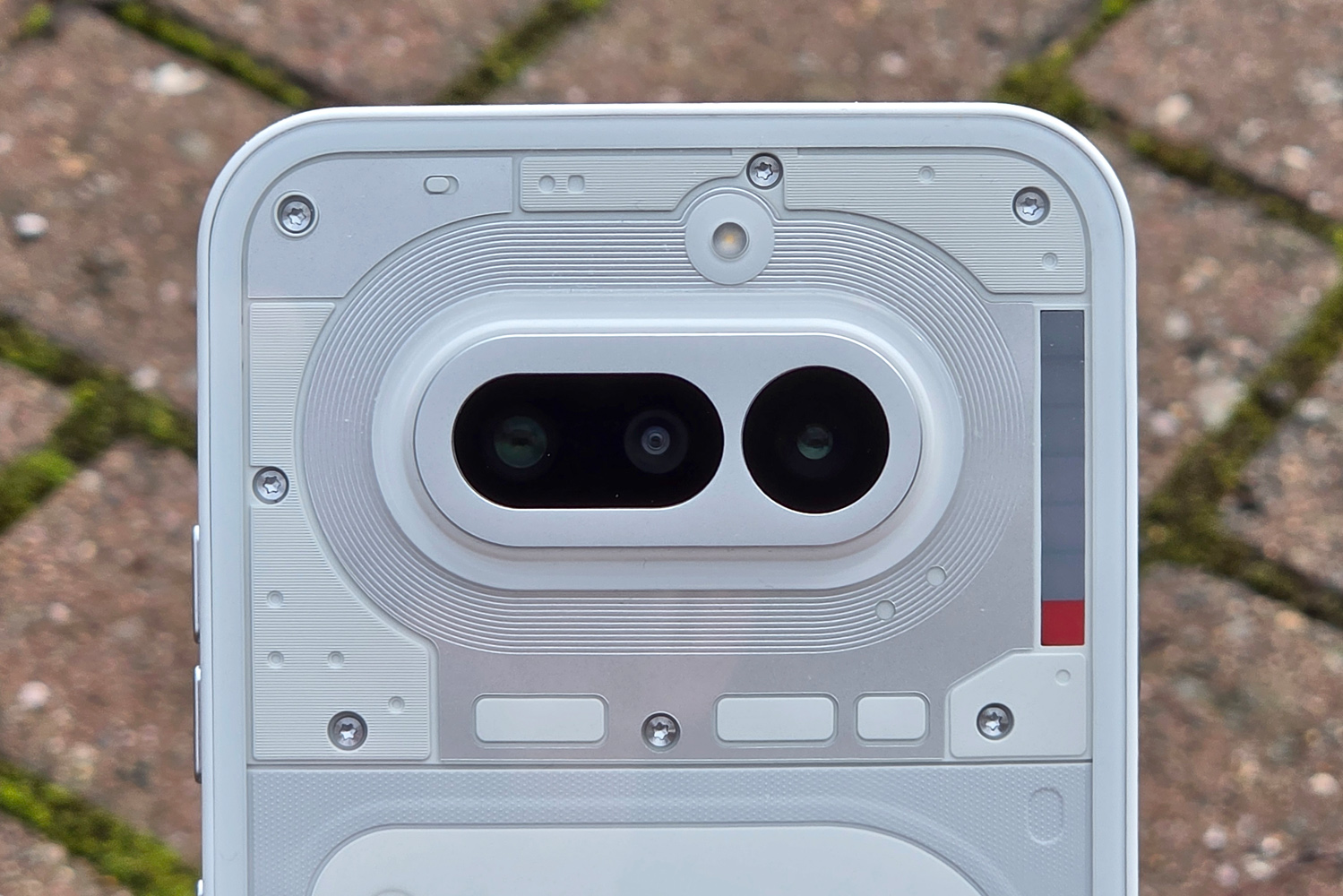
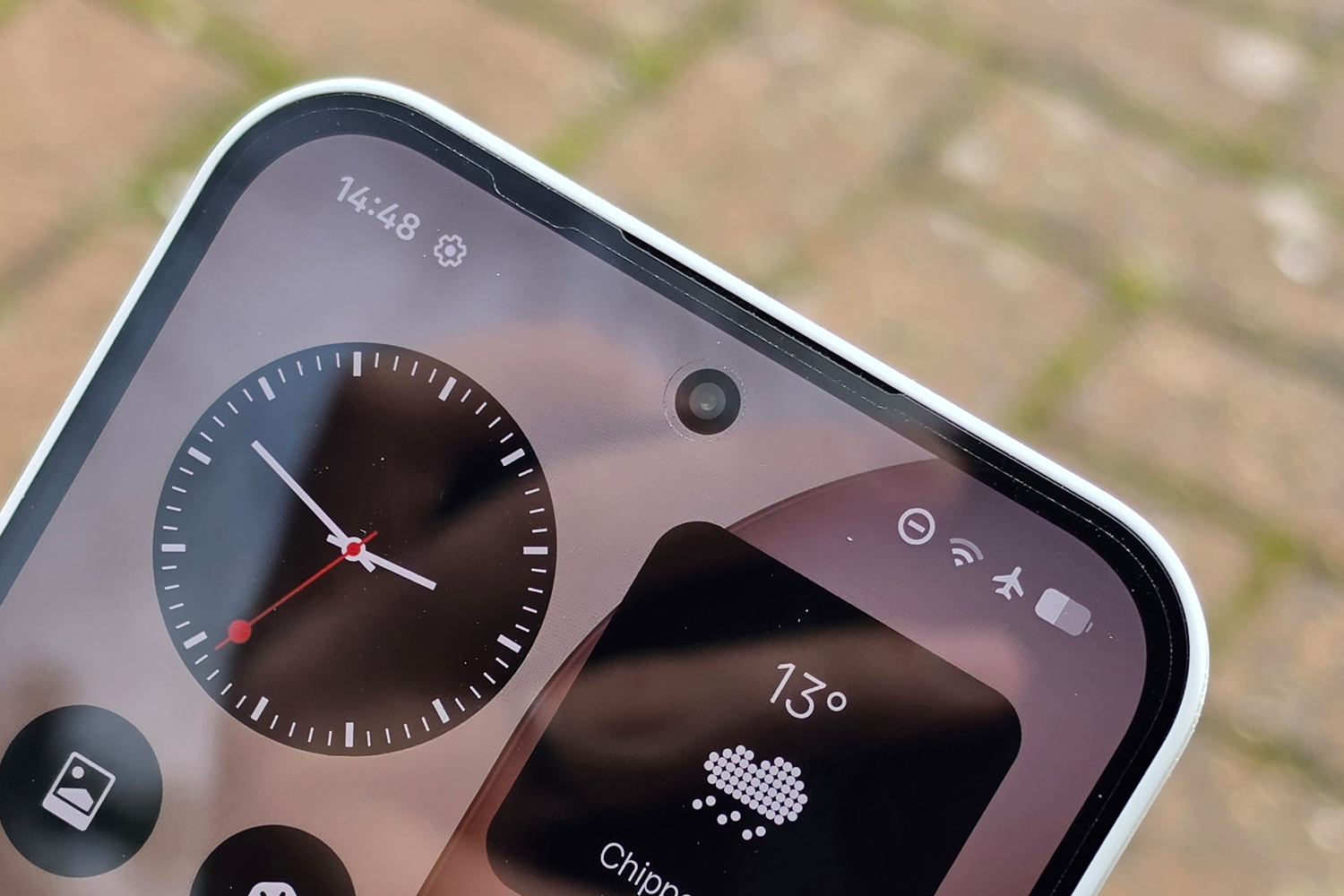
Twelve months ago, a budget phone could get by without a strong zoom photography game. Phone 3a’s fixed 2x telephoto also left room for the Phone 3a Pro and its 3x periscope. Nothing’s 2026 competition is a bit tougher, so the firm has given its more affordable model an upgrade. Phone 4a is rocking the same Samsung-supplied sensor as the Phone 3 flagship, with 3.5x magnification getting you usefully closer to your subjects. The high 50MP pixel count means 7x magnification using a cropped sensor is within reach too.
During the day it delivers impressively clean shots for the money, with well defined foreground subjects and a nice amount of background blur. Fine details like skin, fur and brickwork are well preserved, while dynamic range is pretty wide. I did think sharpening could be a little aggressive at times, and exposure could be a little high, but for the most part it puts out attractive looking pictures.
Nothing’s colour treatment leans towards warmer tones and can be a bit more vibrant than reality, but the revamped camera app gives you lots of room to tune things to your liking. There are a bunch of built-in ‘looks’, ranging from cooler colours and high contrast for urban scenes to dramatic sepia and monochrome tones. It’s easy to download more user-created ones too.
It looks like Nothing has closed the gap between the zoom lens and the main camera, which is essentially unchanged from Phone 3a. Any image quality changes seen from the optically stabilised 50MP sensor have to be chalked up to algorithm updates. I couldn’t spot many: colours, contrast, exposure and definition all hold up very well during the daylight hours, and are easily up there with the best phones at this price.



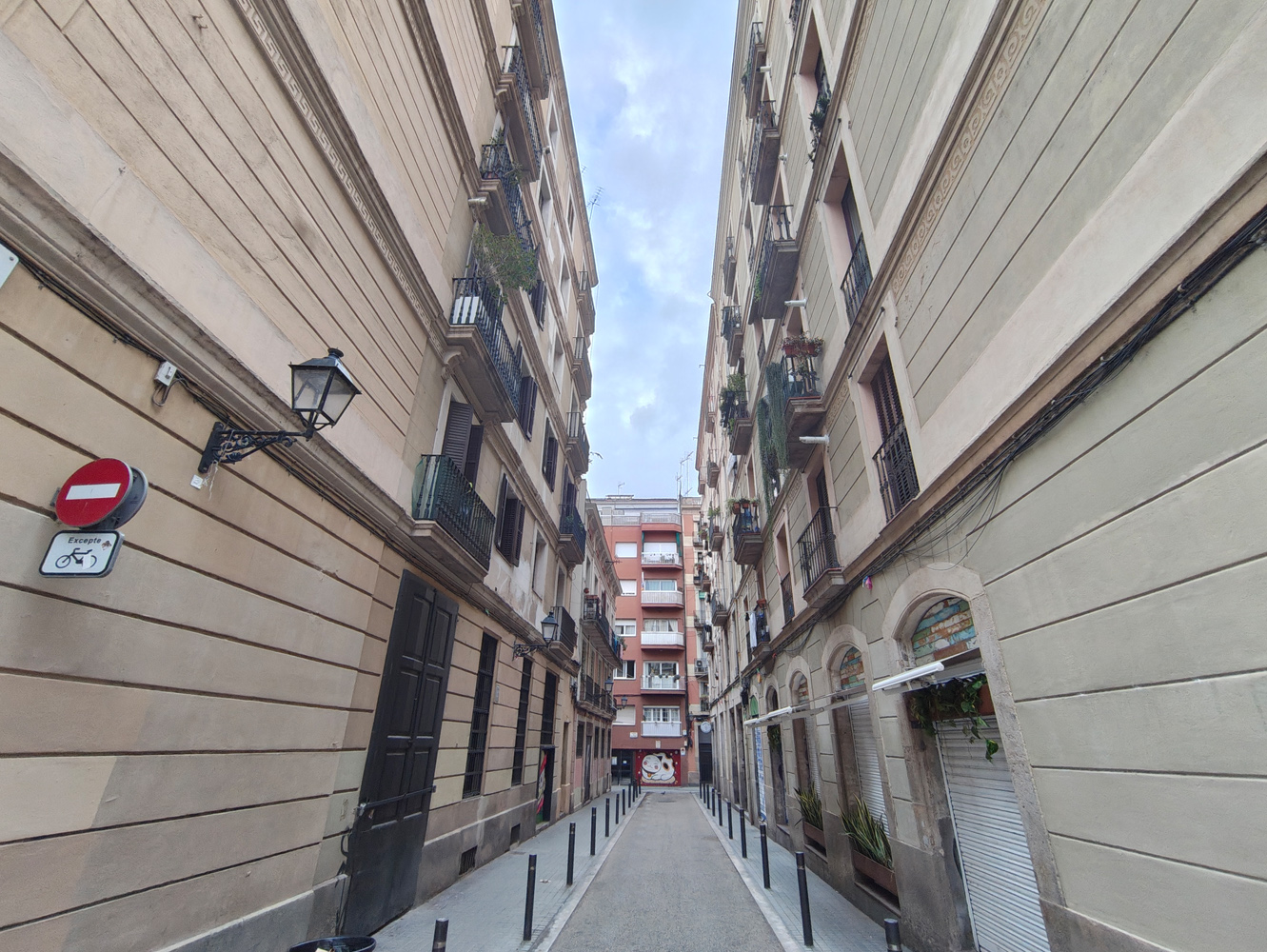

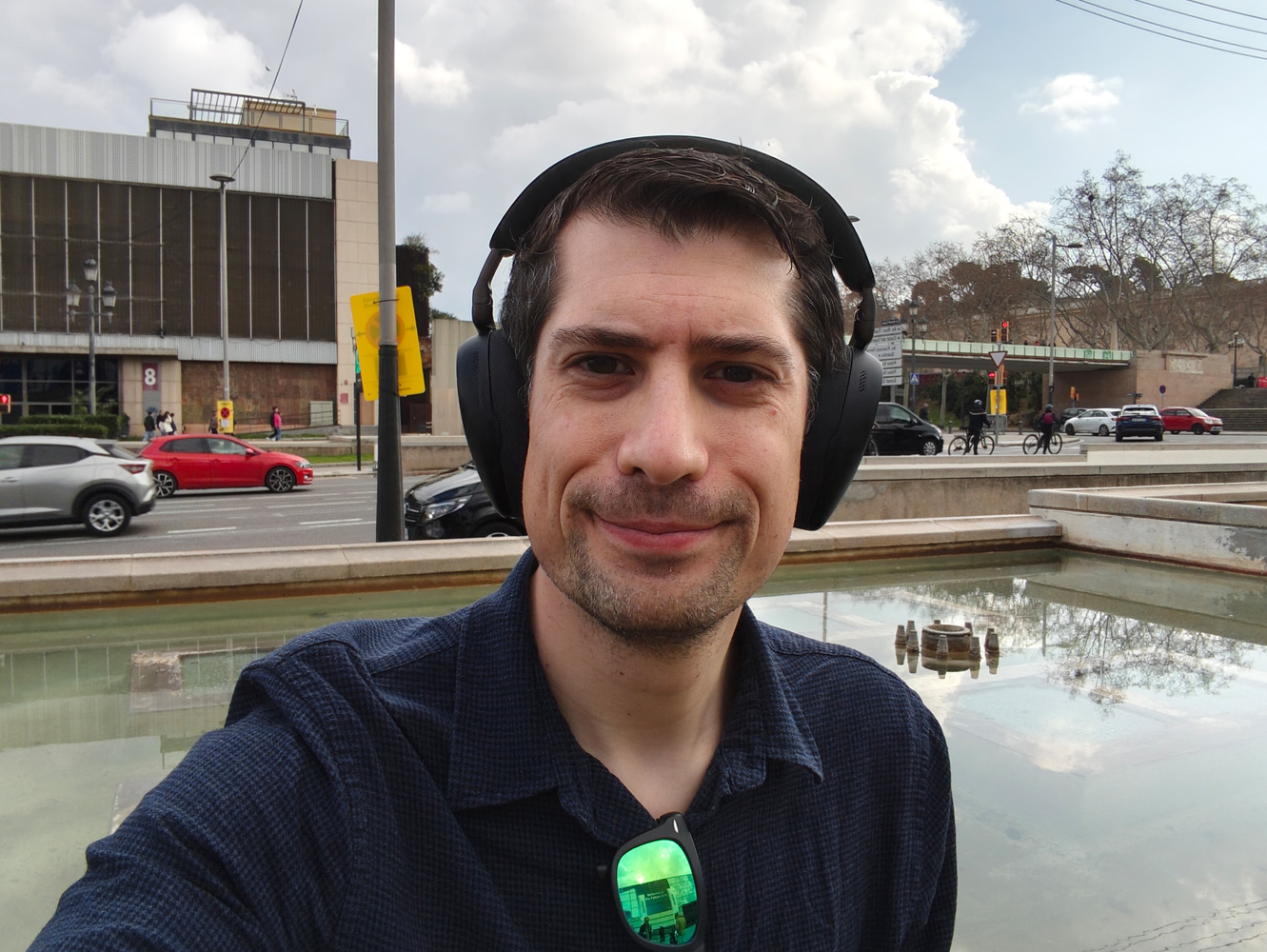
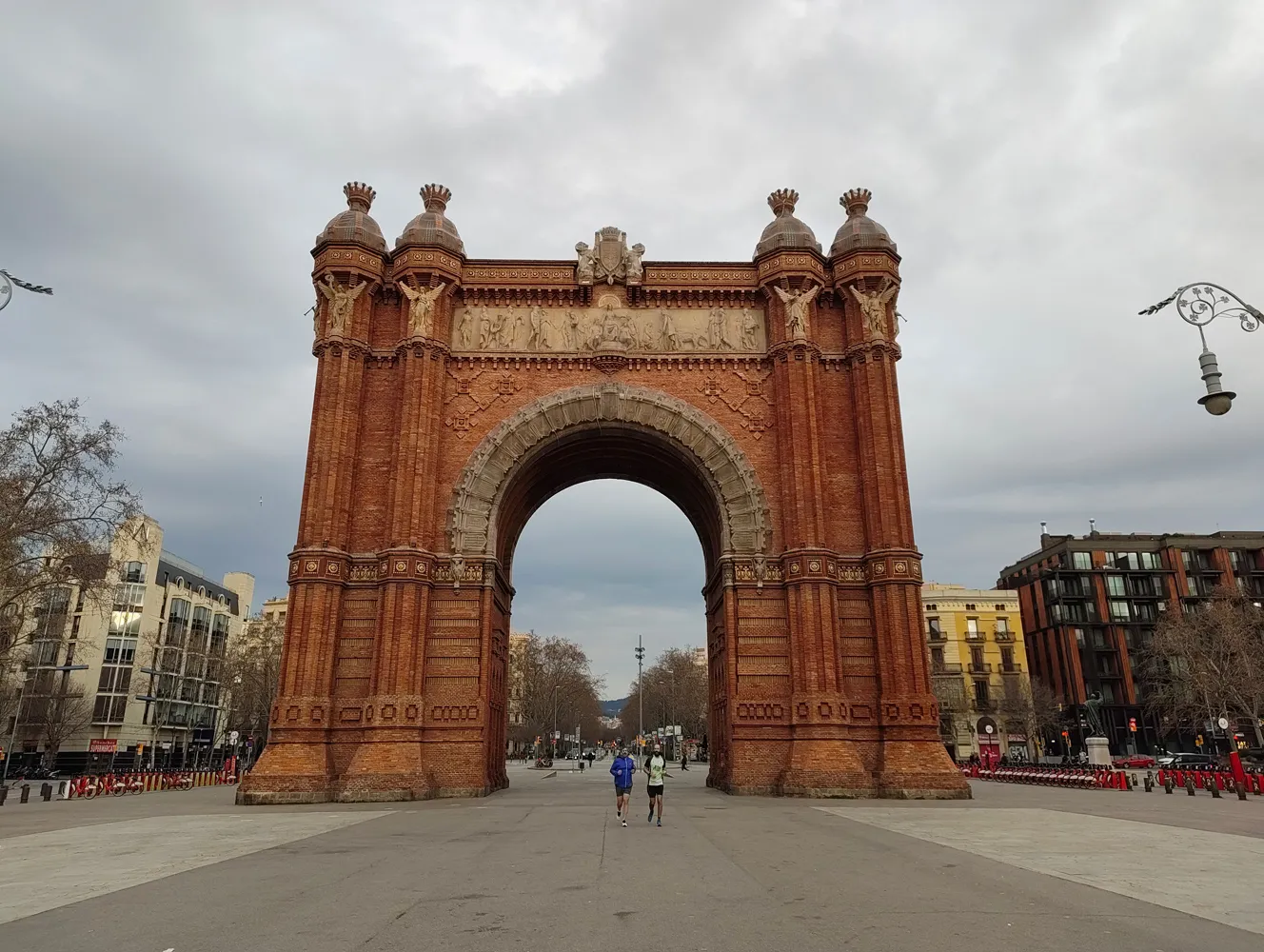

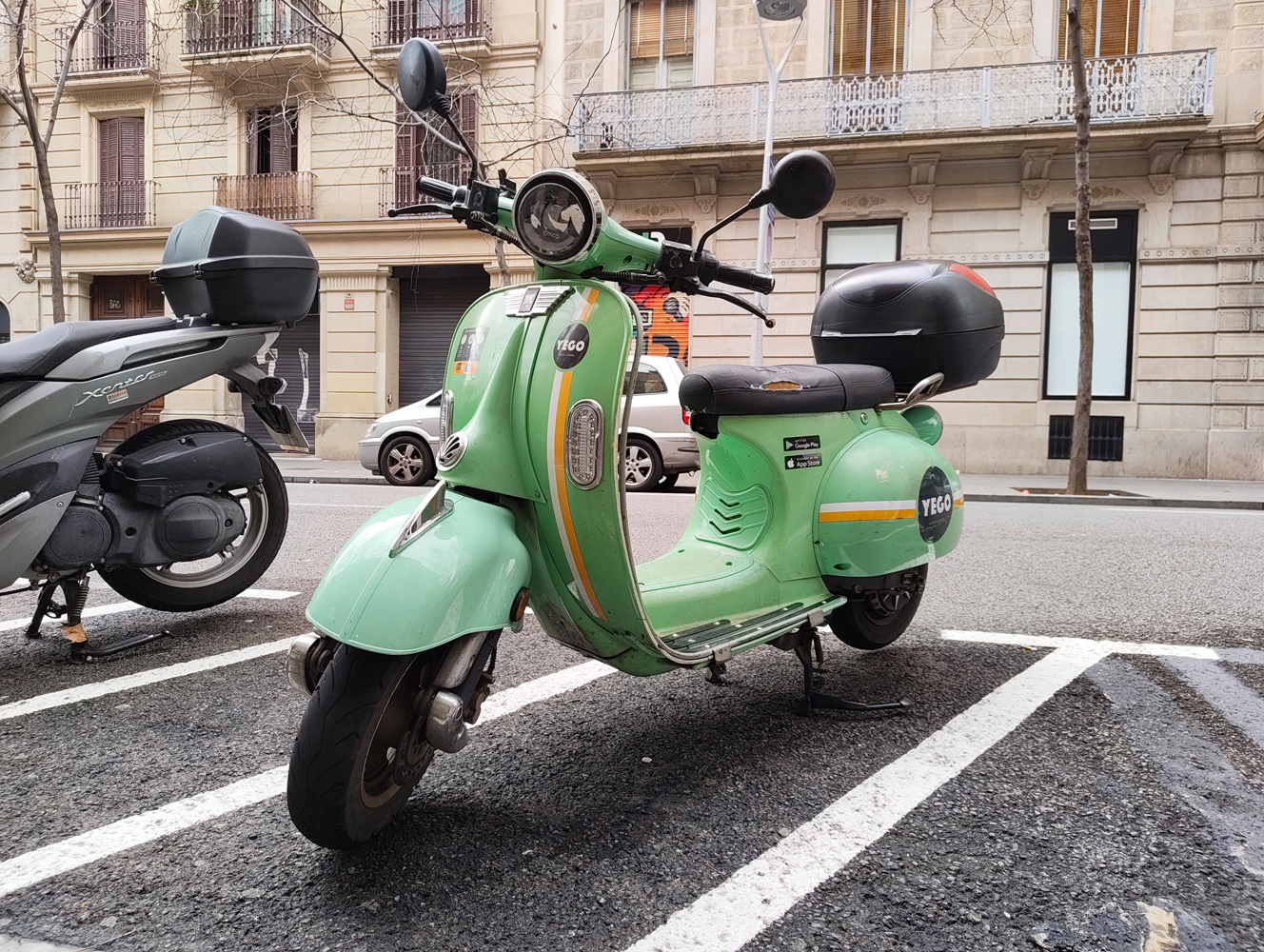
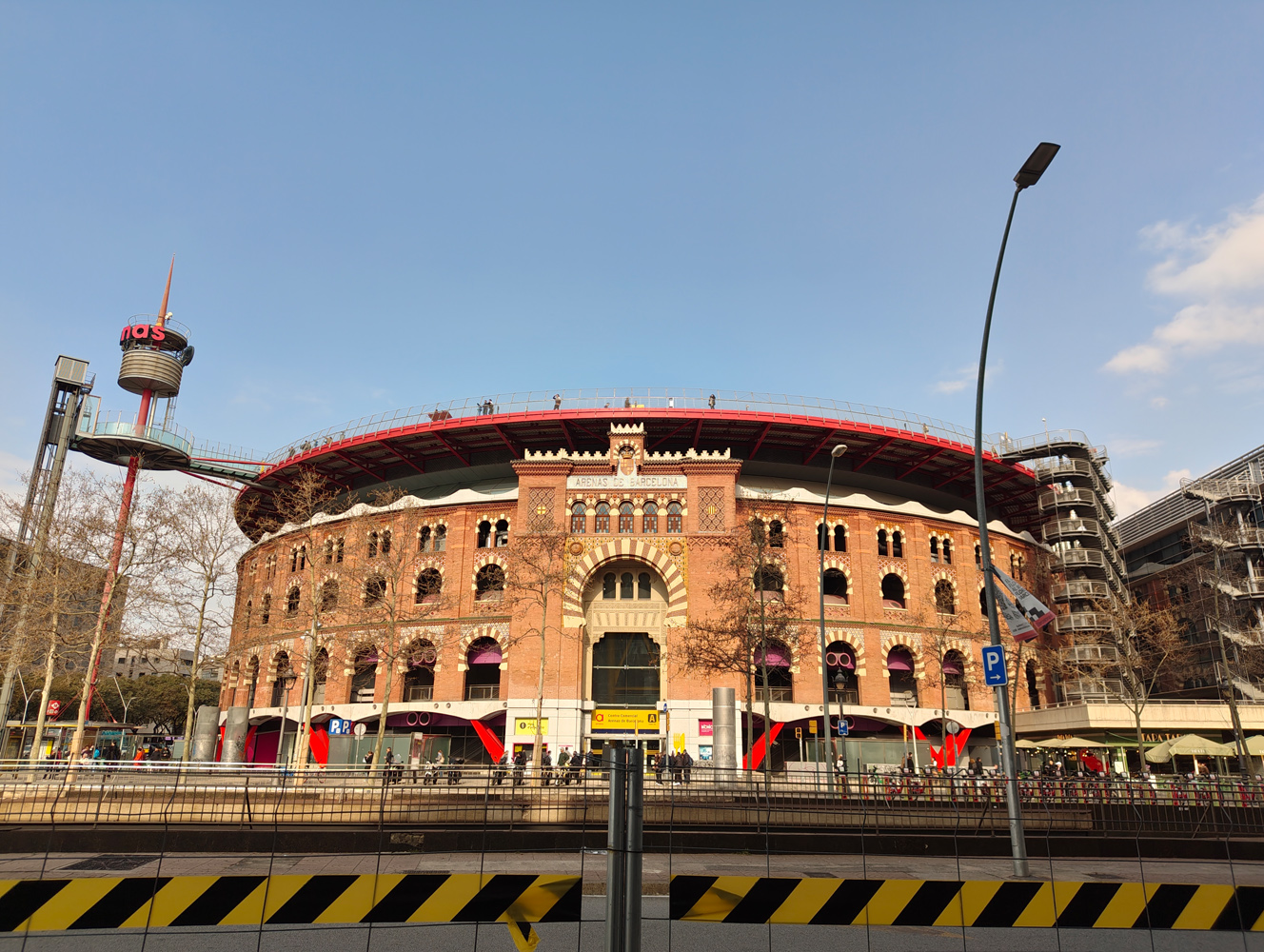




It’s low light where Phone 4a shows its budget nature, needing longer to process its night shots than more expensive rivals and not being able to cope as well with moving subjects (or cameramen). A lot of my test shots ended up blurry, despite me standing still to shoot.
Bright light sources regularly get blown out, seemingly in pursuit of shadow detail, and I felt scenes were often artificially brightened from reality. The colour balance would sometimes get thrown off by artificial lights in ways other phones aren’t. That said, close-up shots in a dimly lit restaurant came out brilliantly. I think a few software updates could make a big difference here.




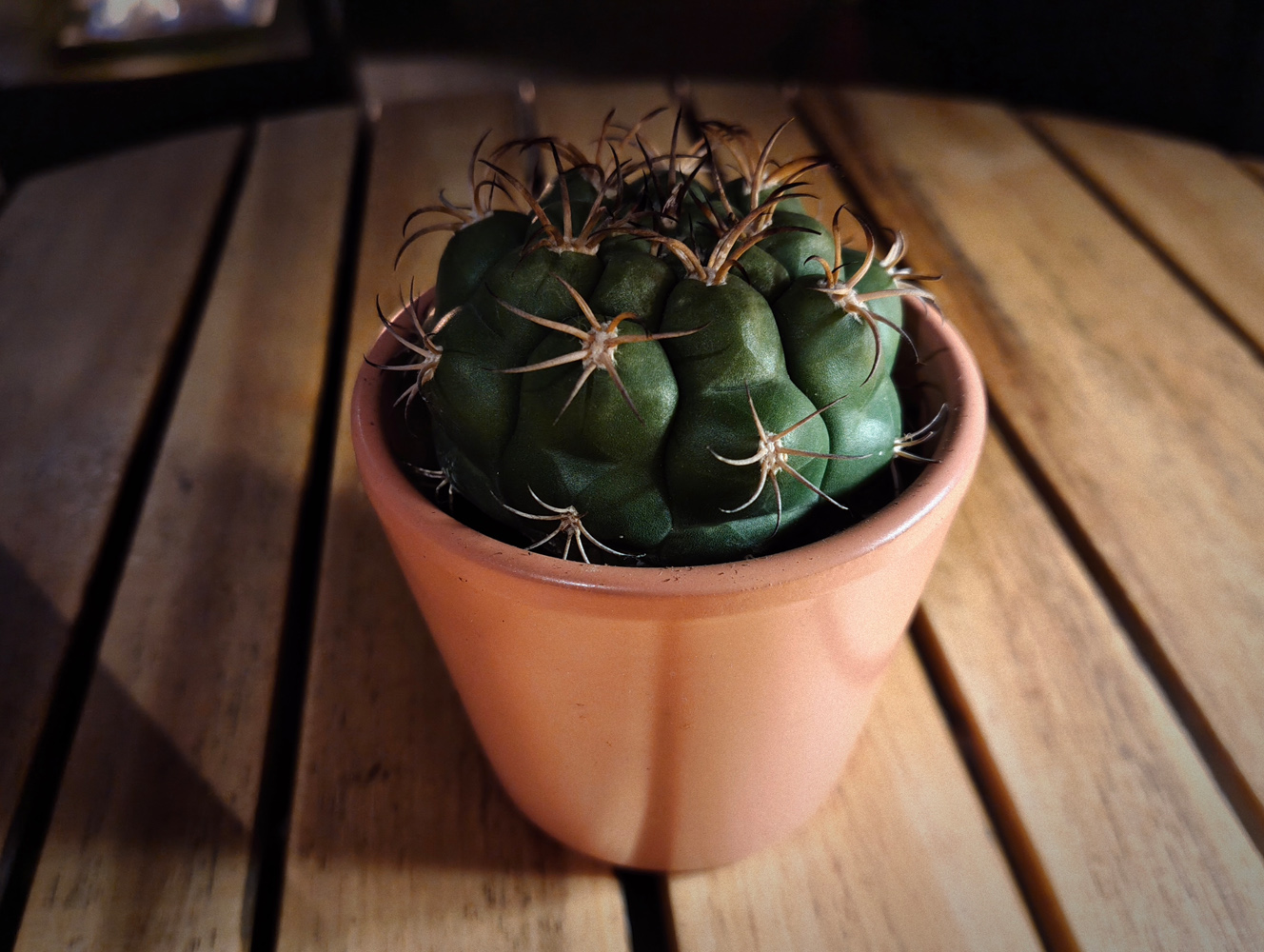
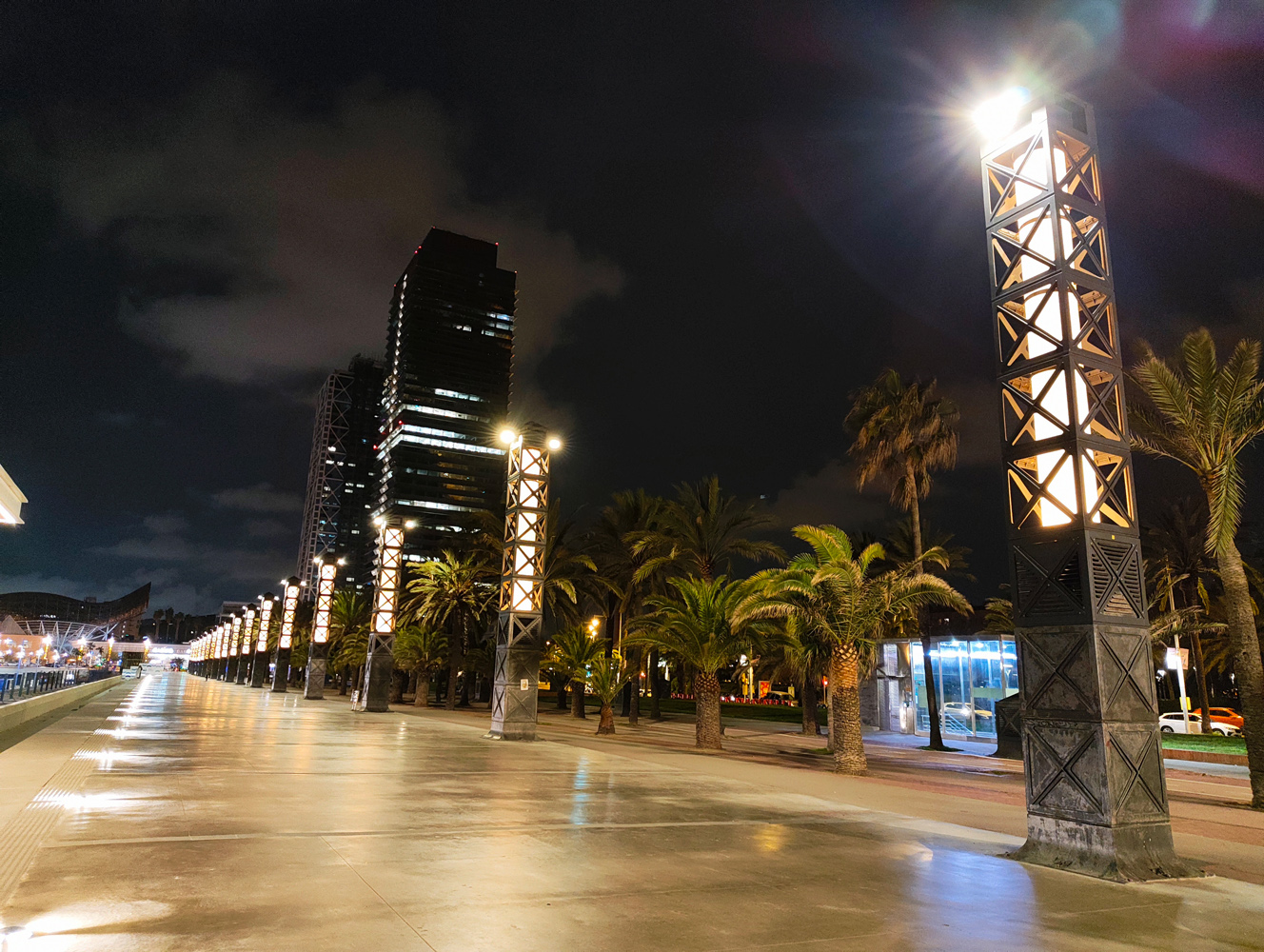
The ultrawide is now the weak link, with just eight megapixels to rely on. Pretty much all of my snaps using this sensor looked softer, with dynamic range that wasn’t as strong and colours that didn’t always match the other two. It’s not a disaster, but meant I largely stuck to 1x and above during the day, and avoided the ultrawide altogether at night.
Software experience: pretty fly for a UI
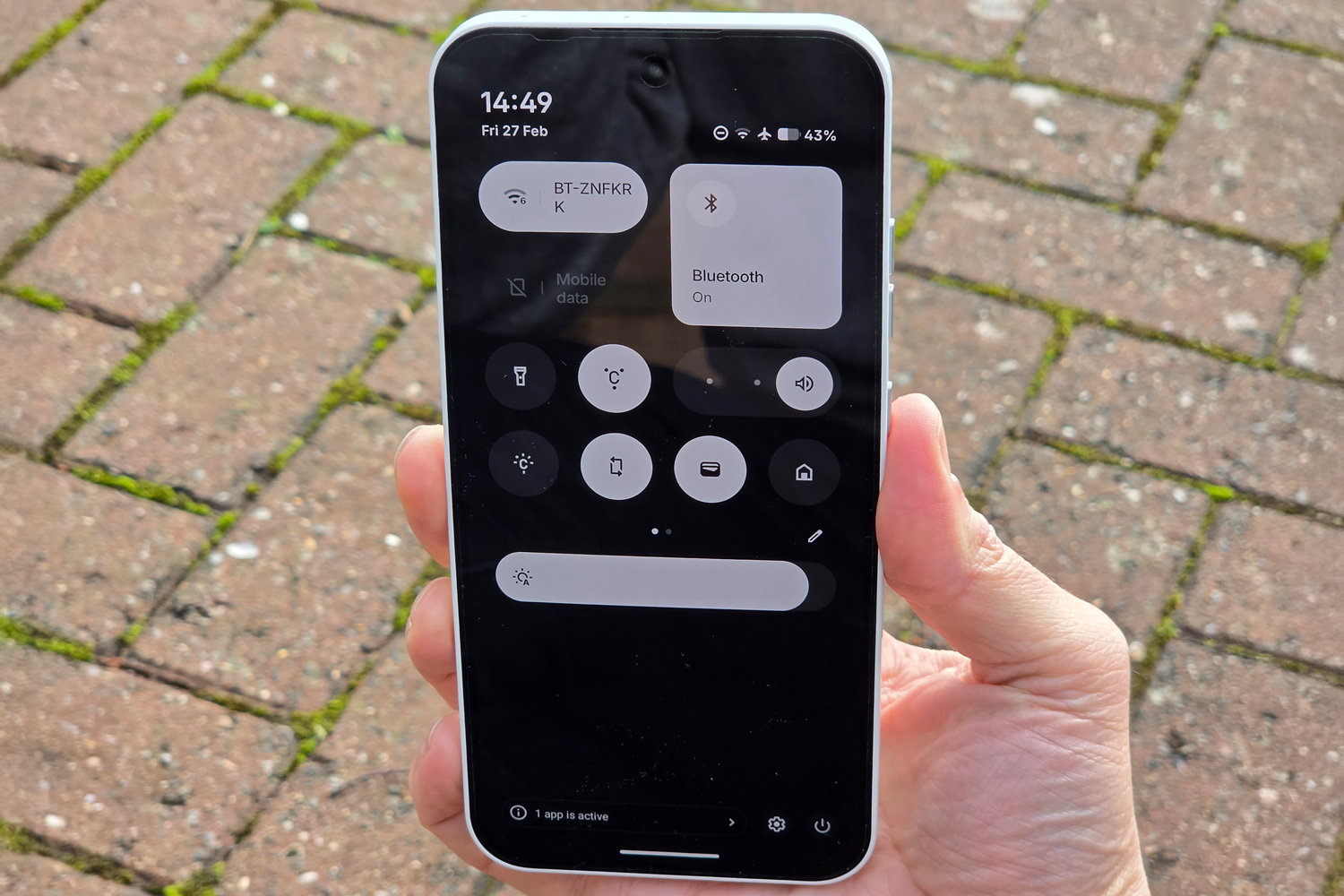
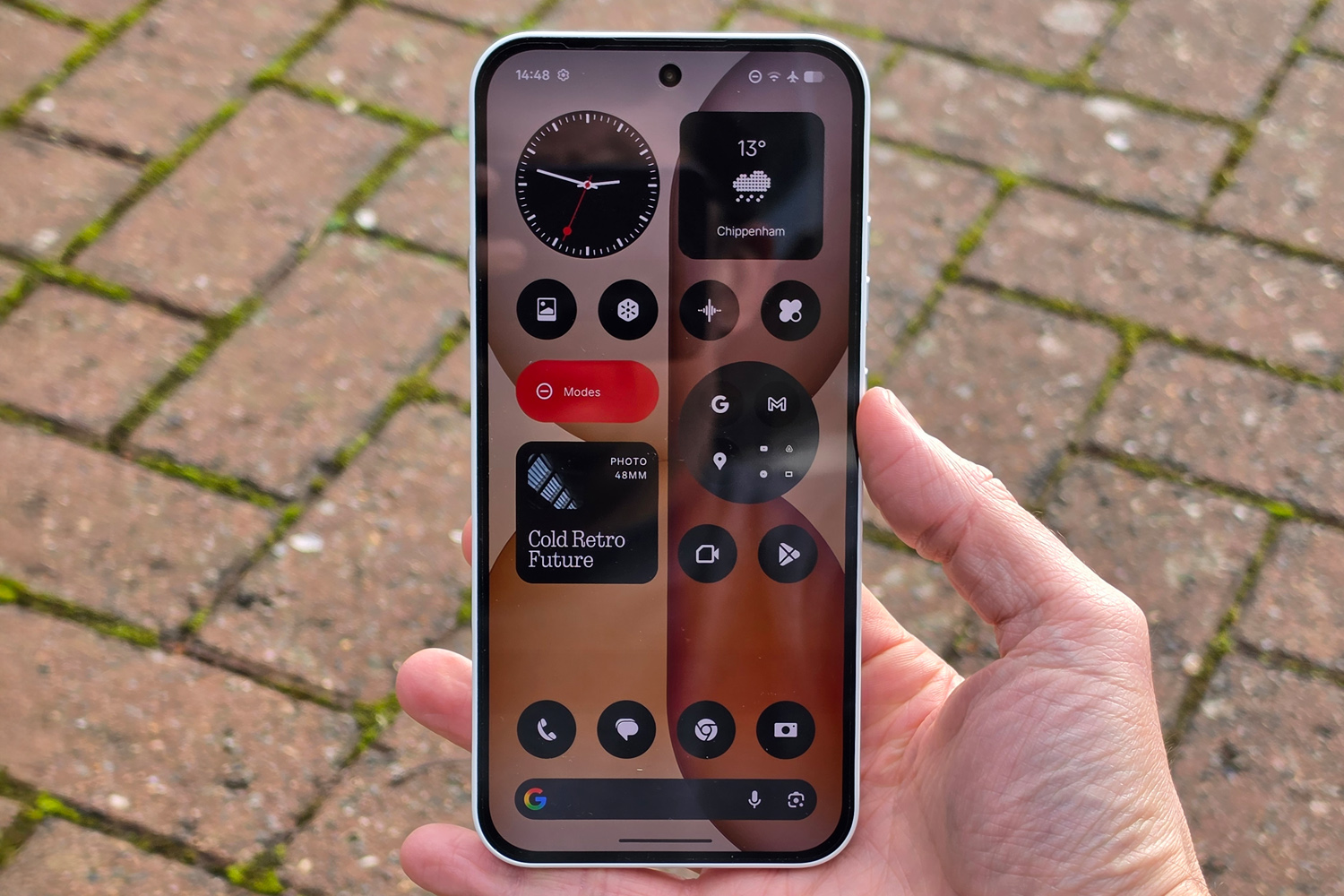
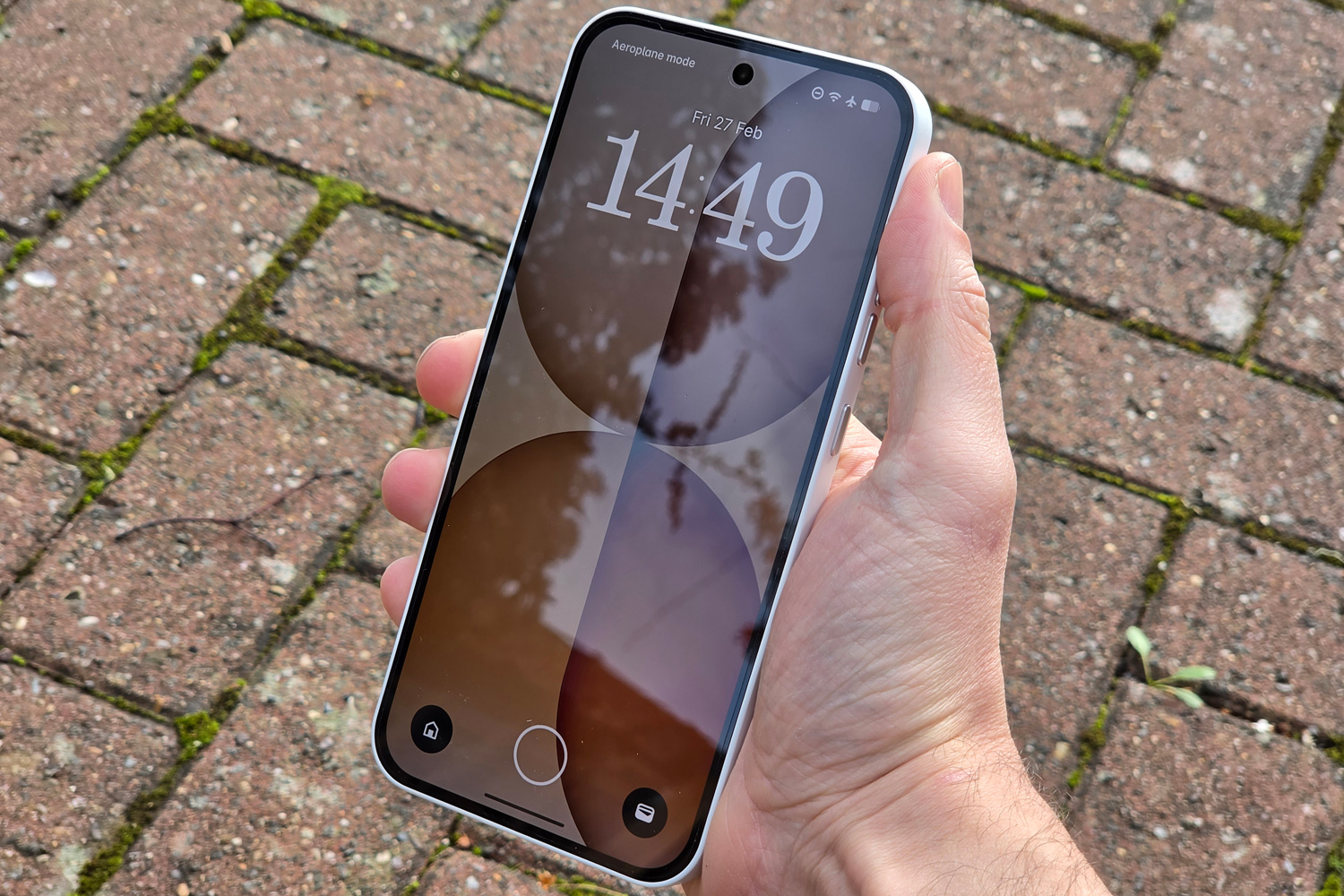
If you’re a fan of homescreen customisation and an extensive selection of widgets, NothingOS 4.1 has you covered. Nothing’s take on Android 16 also has some of the best design consistency you’ll find on any Android UI, Google included. The latest version lets you get more granular with widget sizing and eventually even vibe code your own using its Essential Playground website (it’s in early access right now).
Nothing got quite a bit of customer blowback for Lock Glimpse, which put promotional content on the Phone 3a Lite’s lock screen; it’s happily MIA here, with just a handful of third-party apps preinstalled. I’m guessing Nothing’s target audience is likely to install the likes of TikTok, Facebook and Instagram anyway, so they don’t feel obtrusive. Beyond those and Nothing’s own gallery, voice recorder and weather apps, you’re otherwise just looking at Google’s defaults.
AI is ever-present, of course, here in the form of Essential Space. It’s not just a dumping ground for your screenshots, web links and voice notes: a blend of on-device and cloud-based AI adds contextual tags and organises them into collections, while the dedicated key makes it easy to access. It syncs across Nothing devices now, which is handy for anyone upgrading from an older model.
Flip-to-record, which starts an audio recording with a long press of the Essential key while the phone is lying face down, feels even more at home with the new Glyph bar indicating volume as you speak. Pressing the key again marks the recording for when important things are said, and Essential Space transcribes it all automatically afterwards.
Performance & battery life: generation game
Rather than nudge further into mid-range territory on the performance front, Nothing has taken the safer option. The Snapdragon 7s Gen 4 at the heart of Phone 4a is essentially a faster version of the Gen 3 silicon that powered Phone 3a. Storage and memory configurations are unchanged from last year, with 8GB/128GB, 8GB/256GB and 12GB/256GB variants on offer.
There hasn’t been a huge year-on-year leap in CPU muscle, with synthetic benchmarks showing modest gains of between 10-15% depending on the test. This is still very much in affordable territory, and if you want extra oomph there are rivals with more high-end silicon for not a lot more money.
That said, I thought Phone 4a felt perfectly responsive in daily use. Sure, it took a little longer to boot into Android than a Pixel 10a (which, don’t forget, has the same chip as Google’s 2024 flagships) but once there apps opened quickly and multitasking never bogged down the animations.
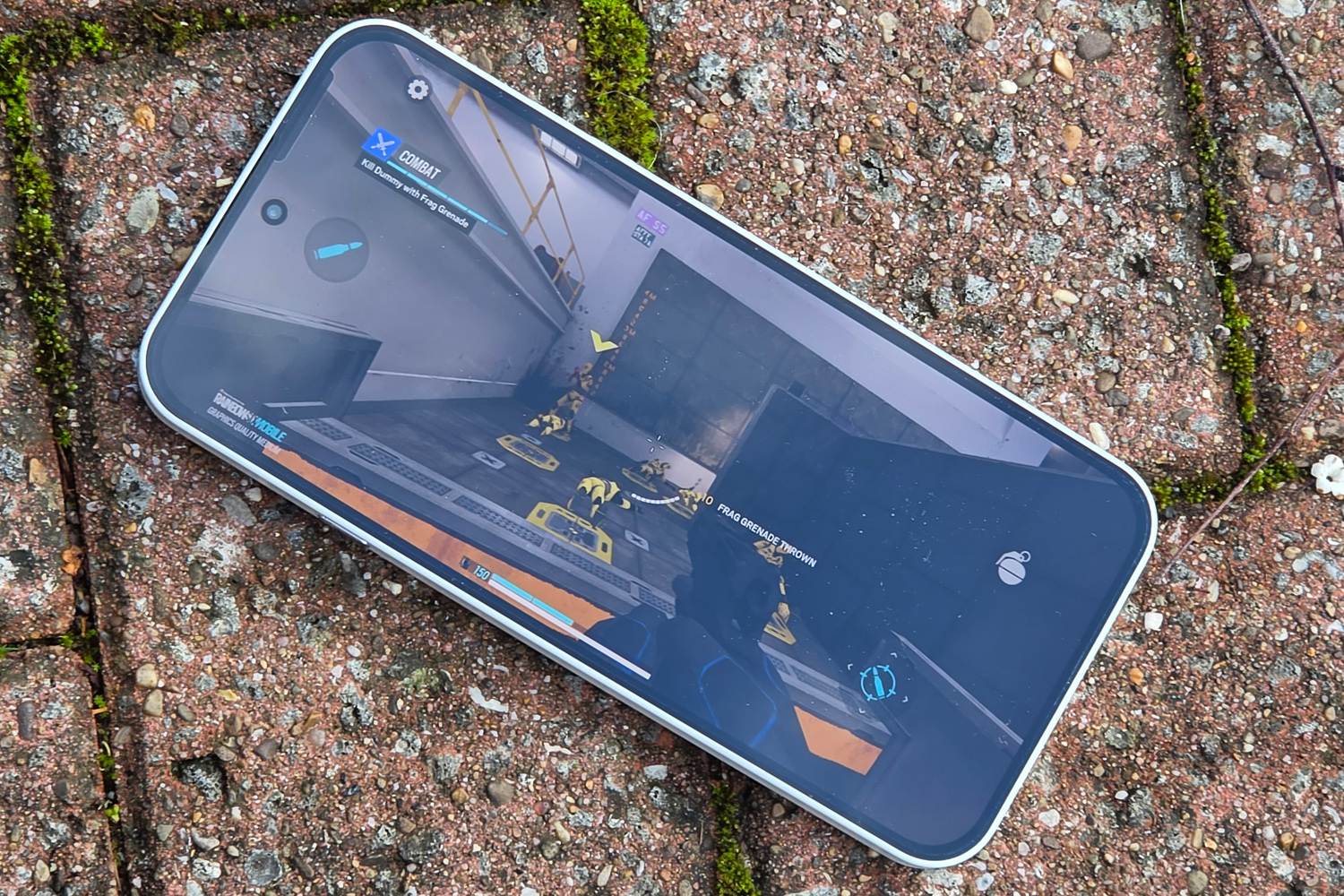
My go-to graphics test wouldn’t run on my pre-release review unit, but games from the Play Store played well enough. Rainbow Six Mobile defaulted to lower graphics options, but I got an hour of play in without the phone heating up or frame rates tanking noticeably. The Poco X8 Pro surely isn’t far away at this point, and could be the phone to beat for low-budget gaming power, but for most casual gamers there’s little to grumble about here.
| Nothing Phone 4a benchmark scores | |
|---|---|
| Geekbench 6 single-core | 1266 |
| Geekbench 6 multi-core | 3250 |
| Geekbench AI | 2369 |
| Speedometer 3.1 | 12.1 |
| PCmark Work 3.0 | 12,683 |
Nothing says the 5080mAh battery is the biggest it has ever squeezed inside an A-series phone. While technically true, it’s only an 80mAh increase over last year; that’s small fry compared to budget rivals like the Poco M8 Pro, which uses silicon-carbon tech to climb to a heady 6500mAh.
This is still comfortably an all-day phone for most people, with only the heaviest of use able to bring it to its knees in a single 24 period. For the most part I could make it to the next morning without having to plug in, or eke out two days with more restrained use and power saving modes. It’s a good performer in that respect – just not a great one anymore.
50W wired charging is very respectable at this price, however, besting anything Google, Apple or Samsung offers below £500.
Nothing Phone 4a verdict
Nothing could’ve just given the outgoing Phone 3a a few generational hardware upgrades and called it a day, but has instead taken the opportunity to reimagine one of its signature features. The Glyph bar instantly sets Phone 4a apart from its predecessor, while keeping the quirky personality fans of the firm have come to love.
Elsewhere this is a more refined take on the firm’s affordable phone, with cameras that can (sometimes) compete with pricer mid-range handsets, an improved display, and a chipset that keeps pace with the budget competition. Quality of life fixes like the repositioned Essential Key are very welcome, and NothingOS continues to school the big boys when it comes to design consistency.
With a price unchanged from last year – and one that still undercuts affordable rivals – this is easily my favourite Nothing Phone to date.
Stuff Says…
A new generation of Glyph lights sets Phone 4a apart from its predecessors. Underneath, Nothing’s affordable ace brings small but impactful improvements while still keeping the price in check.
Pros
Glyph bar brings maturity to Nothing’s signature feature
Distinctive yet functional Android skin with tons of customisation
Stronger zoom lens brings rear camera versatility
Cons
Average low light camera performance and consistency between lenses
Minor battery life boost when rivals are making big leaps
Performance gains between generations aren’t huge
Nothing Phone 4a technical specifications
| Screen | 6.78in, 2800×1260 AMOLED w/ 30-120Hz |
| CPU | Qualcomm Snapdragon 7s Gen 4 |
| Memory | 8/12GB RAM |
| Cameras | 50+50+8MP rear 32MP front |
| Storage | 128/256GB onboard |
| Operating system | Android 16 w/ NothingOS 4.1 |
| Battery | 5080mAh w/ 50W wired charging |
| Dimensions | 164x78x8.55mm, 205g |


 Tom Morgan-Freelander
Deputy Editor
Tom Morgan-Freelander
Deputy Editor