This once key smartphone brand is no longer going to sell phones in the US and Europe
OnePlus has called time in two major territories. Here's what it means for existing owners

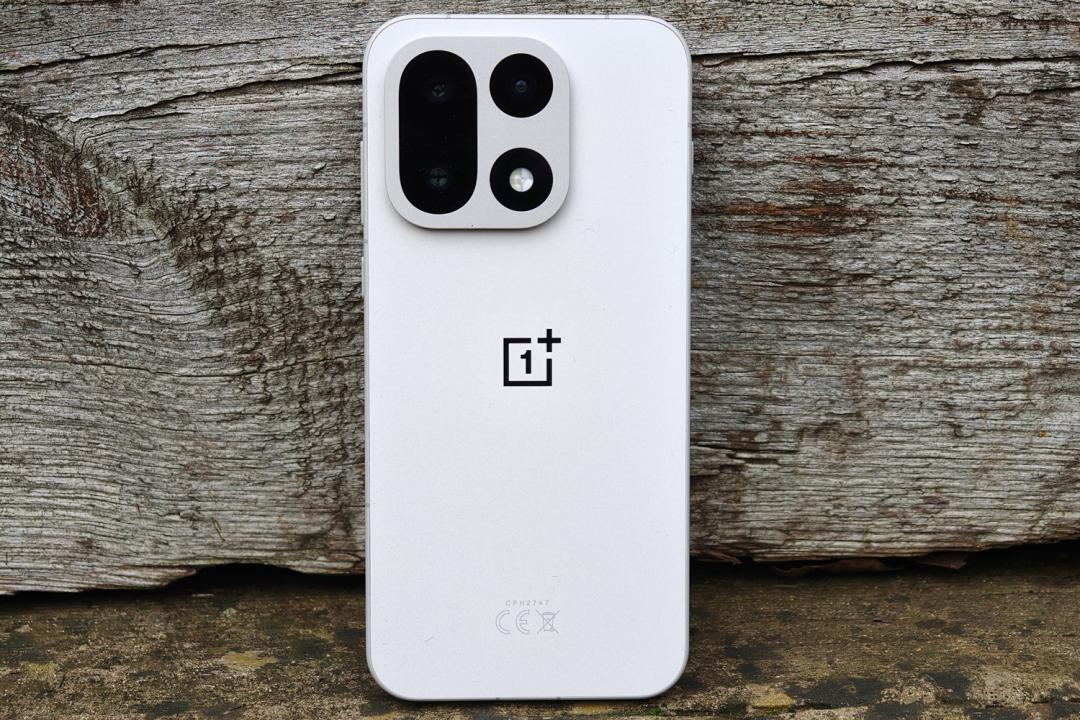
It had been a tech world whisper for months, but now the news is finally official: OnePlus will no longer launch products in the US or Europe. After more than a decade of smartphone sales, the firm is retreating to its home market, leaving long-time partner Oppo to go it alone overseas.
The news came via Oppo, which has shared R&D, software and behind-the-scenes business divisions with OnePlus since 2022. It was a “strategic decision to focus our efforts” and one apparently not dictated by the bigger firm. That makes the OnePlus 15 and OnePlus 15R the final two handsets sold officially in the US.
OnePlus isn’t shutting up shop altogether; the firm says its device roadmap remains unchanged in China. But it’ll come as a big blow to US phone fans in particular. North America isn’t as well-served as Europe for Android devices outside of Samsung, Google and Motorola, meaning they’ve missed out on the higher battery capacity and oversized camera sensors found on Chinese-made rivals.
The announcement doesn’t mean US phone fans are about to be treated to fantastic Oppo flagships like the Find X9 Ultra, either. The firm said “we do not have any product plans for North America” and given the current Administration’s attitude to Chinese tech companies, I can’t see that changing any time soon.
It’s not just phones


The OnePlus 15 will be the most sorely missed – its outstanding performance, long battery life and sleek design were almost impossible to beat for the price. It was the latest in a long line of ‘flagship killer’ handsets that began with the OnePlus One in 2014.
However, the firm also made some of the best value Android tablets and Wear OS smartwatches. The OnePlus Pad 3 may be a year old at this point but it remains a very capable device; it’s still the tablet I reach for, despite having access to newer models from rivals.
The OnePlus Watch 3 also proved Android wearables could last for five days between charges, thanks to a clever two-chipset approach. It was such a great all-rounder that the firm barely changed things for the Watch 4 a year later, which only got a release in India and China.
What does this mean for OnePlus device owners?
If you use an Oppo phone, tablet or watch right now, don’t panic: your rights remain unchanged, and Oppo will honour its service commitments. Warranties, software updates and after-sales support are guaranteed too.
At once time both Oppo and OnePlus sat under the BBK Electronics umbrella with Realme, Vivo and iQoo; while the various brands were made independent they continued to collaborate closely. That was especially true on the software side, so I’d expect new Android generations to simply arrive badged as ColorOS rather than OxygenOS.
Was leaving the US and Europe the right decision?
It’s hard to say right now, and almost impossible without seeing sales figures and operating costs – but publicly available figures paint a grim picture in the US.
Apple commands over 60% of the North American smartphone market, with Samsung holding around 20%. That doesn’t leave a lot for everyone else. Most sales also come through network carrier financing, where familiar names like Google and Motorola stand a better chance of pulling in non-techy shoppers than OnePlus did, despite the firm often having the superior hardware.
Things are different in Europe, with some countries more willing to buy handsets upfront and hardware specs mattering more than brand name, but the audience is smaller. In the UK best estimates put OnePlus at having less than 2% market share. Having to deal with multiple country-specific retailers in different languages is complicated – and expensive.
Oppo might shift 100 million phones a year worldwide, but it can’t justify a loss-making division – especially while the cost of components continues to rise. It’s a sad day for fans of the brand, but the bean counters will tell you it was the correct choice.


 Tom Morgan-Freelander
Deputy Editor
Tom Morgan-Freelander
Deputy Editor