Nothing Phone 4a Pro review: grown-up looks meet joyful glyphs
Metal mid-ranger has Nothing’s own flagship beaten in the design stakes


Stuff Verdict
Nothing grows up without forgetting its roots. The Phone 4a Pro looks sleek, has convincing mid-range hardware and takes a decent snap, while the Glyph Matrix keeps things weird in all the right ways.
Pros
- More mature metal build that keeps some Nothing design spirit
- Glyph matrix still fun and functional, even at a lower resolution
- Respectable mid-tier performance, battery life and cameras
Cons
- Internally not a huge upgrade from the cheaper Phone 4a
- Only three new Android generations promised
- Strong competition at this price point
Introduction
Might the Phone 4a Pro be a sign that Nothing has fallen out of love with quirky transparent tech? Not quite. A small bit of seethrough styling sticks around for the firm’s first mid-range phone to trade glass and polycarbonate for an aluminium unibody, and the oddball Phone 3 flagship’s glyph matrix LED panel also makes an appearance.
The $499/£499 Phone 4a Pro lands firmly in affordable territory alongside Google’s Pixel 10a and a whole host of year-old flagships that’ve been discounted from their original retail price – including Nothing’s own Phone 3. That means the pressure is on to impress on more than just the design front.
It may be a very close match on hardware, but this is more than a Nothing Phone 4a in a designer suit. Here’s why the metal build and fun lights feel worth the price premium.
How we test smartphones
Every phone reviewed on Stuff is used as our main device throughout the testing process. We use industry standard benchmarks and tests, as well as our own years of experience, to judge general performance, battery life, display, sound and camera image quality. Manufacturers have no visibility on reviews before they appear online, and we never accept payment to feature products.
Find out more about how we test and rate products.
Design & build: metal marvel
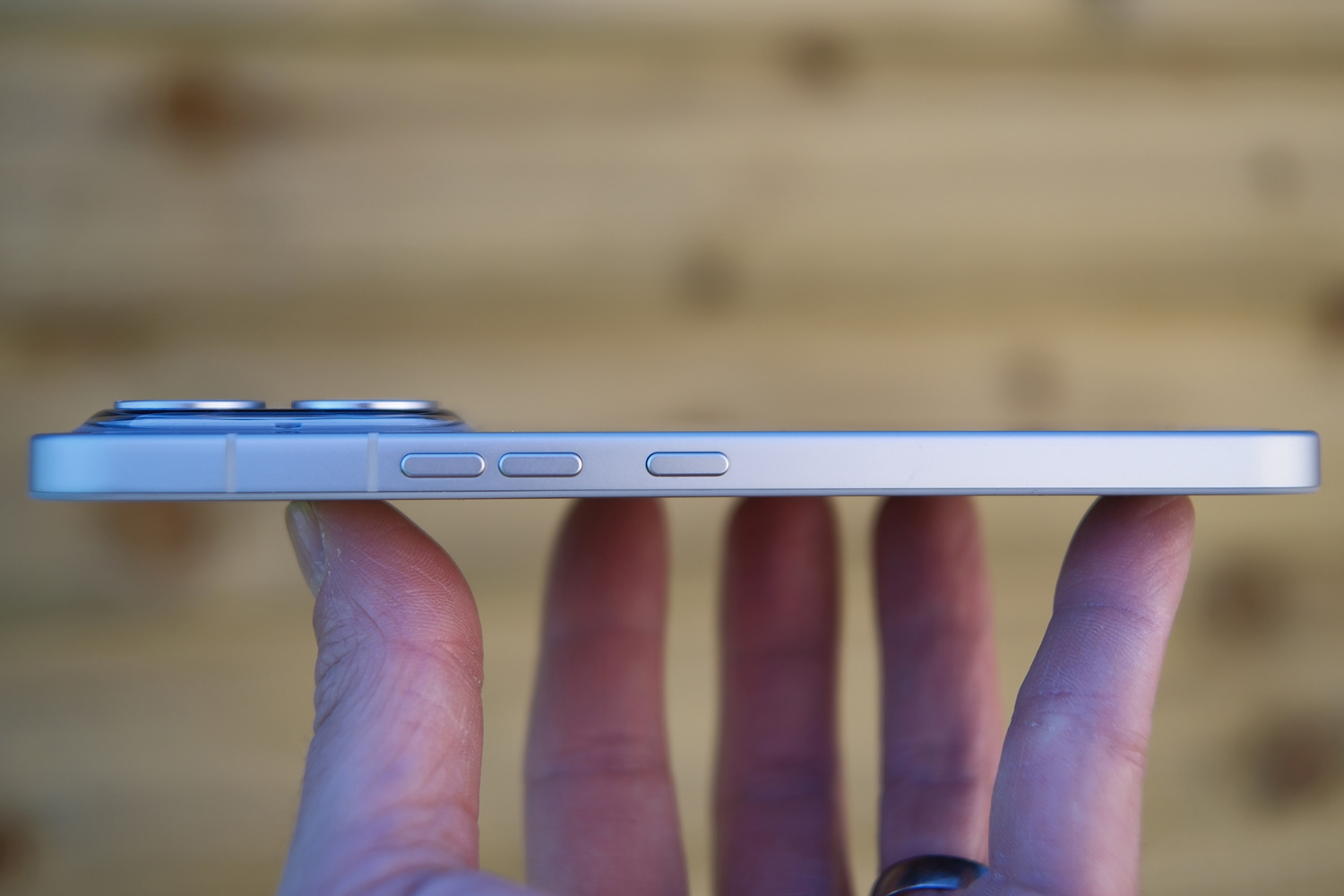
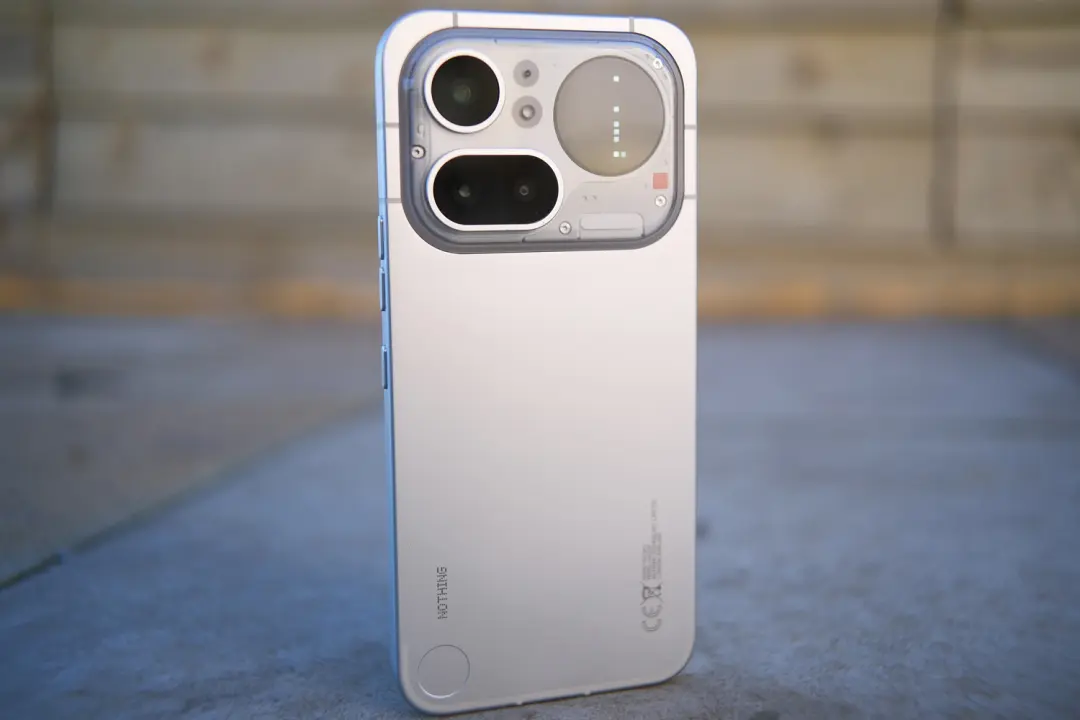
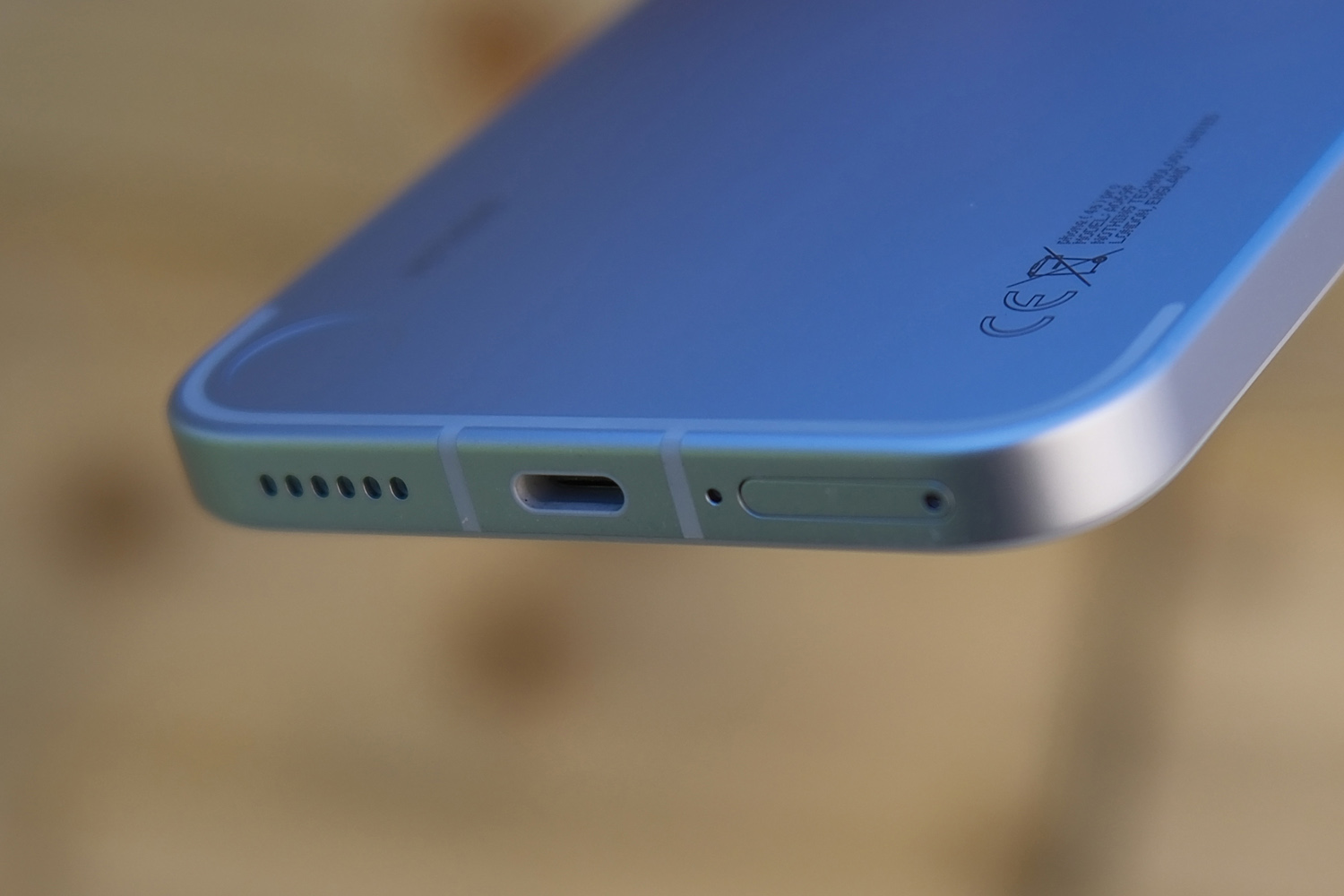
The outgoing Nothing Phone 3a Pro felt a lot like a Phone 3a, just with a beefier rear camera; Nothing has made sure not to repeat that in 2026. The Phone 4a Pro barely feels related to Phone 4a, trading polycarbonate and glass for an aluminium unibody that’s impressively slender for a mid-range handset.
It feels closer to a phone that costs twice the price; the white antenna lines give me iPhone 6 vibes. Black, silver and pink are your colour choices, though the latter is beyond subtle. In the right light it just looks silver. It’s not as good as the black model at resisting fingerprints either.
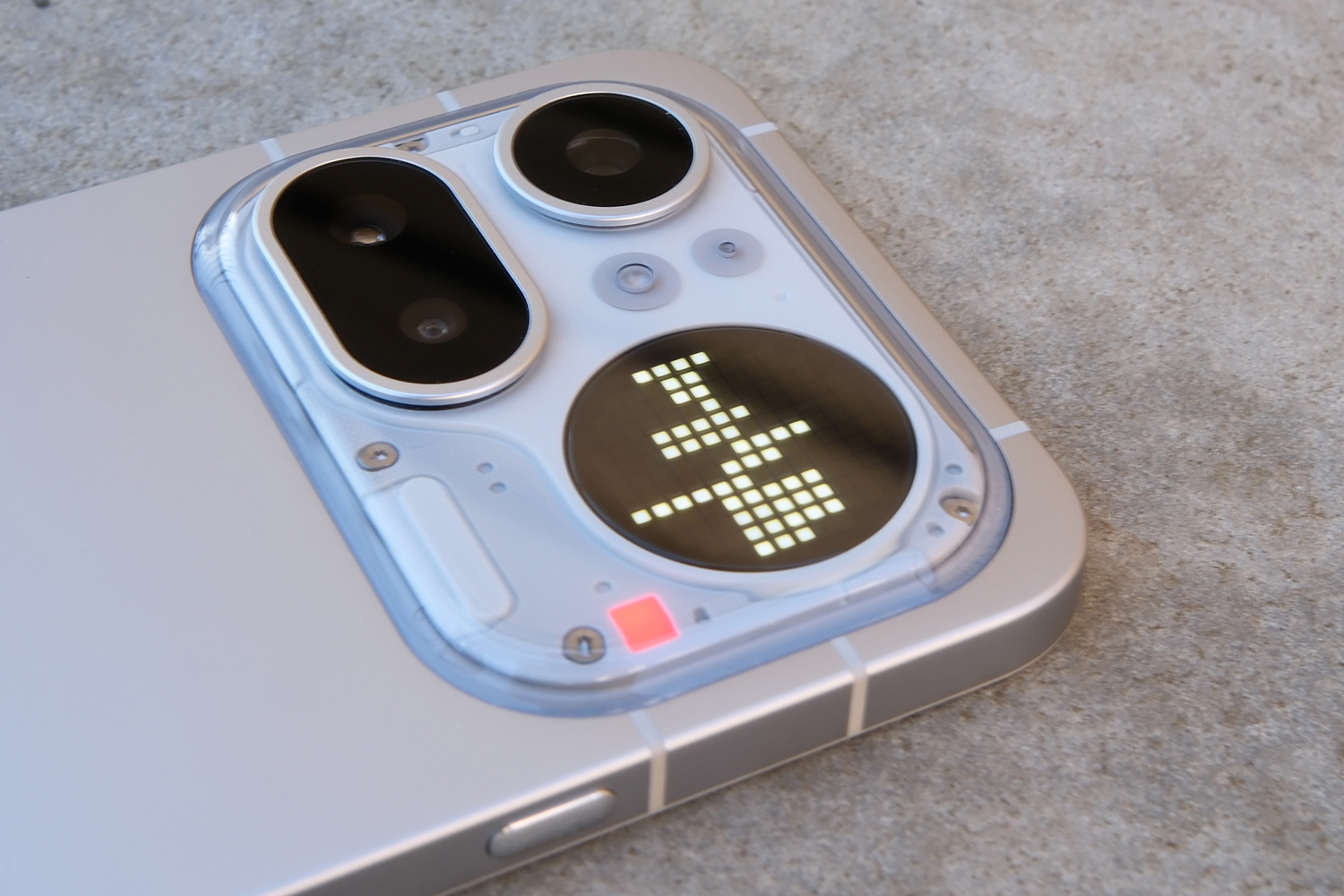
That materials switch hasn’t entirely come at the expense of the see-through styling, with Nothing’s signature design greeblies now contained to the device-spanning camera bump. You’ve got to tear your eyes away from the huge Glyph Matrix LED array to notice them, though. It’s over 50% larger than the one fitted to the high-end Phone 3, and while it has fewer mini-LEDs, they shine twice as bright.
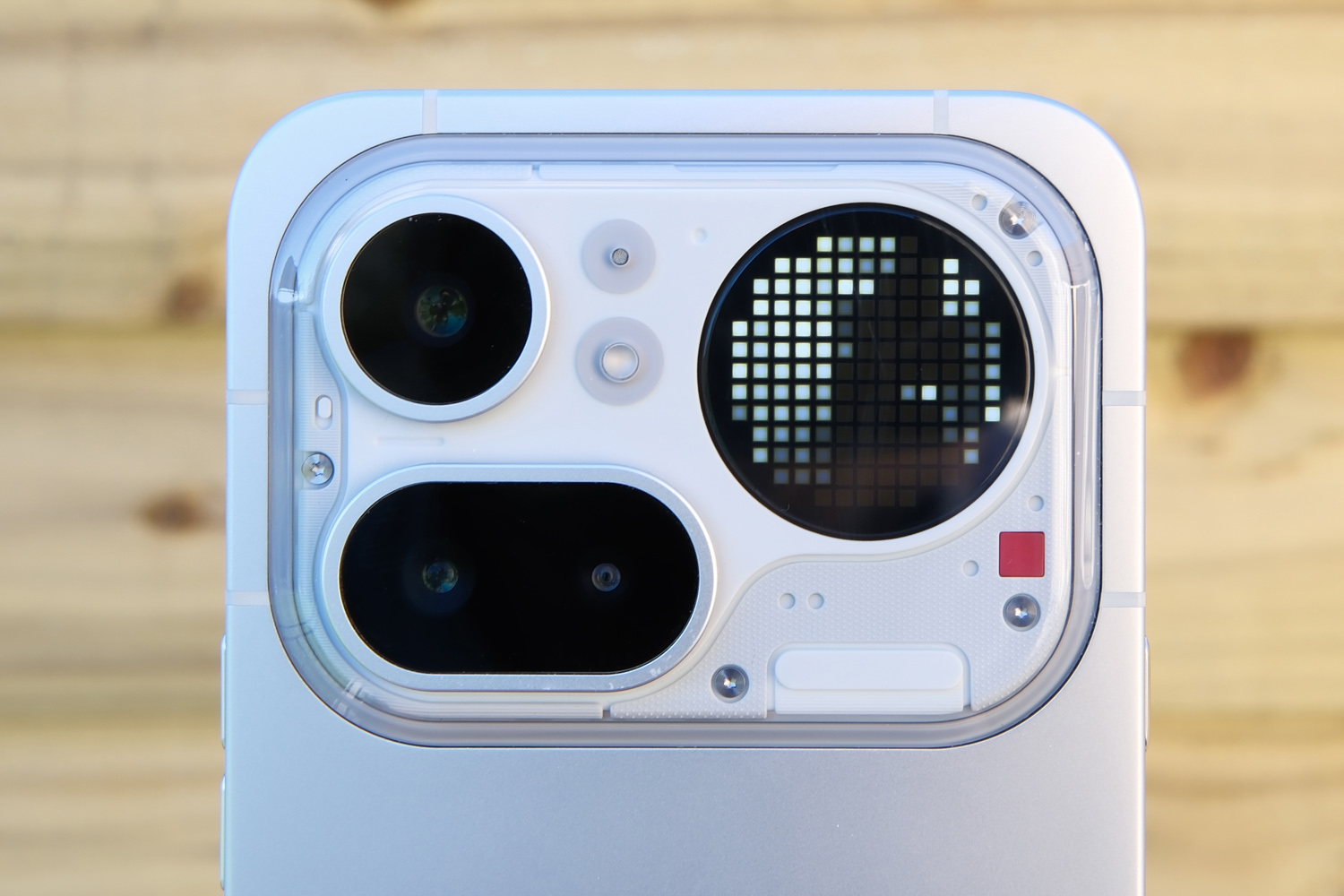
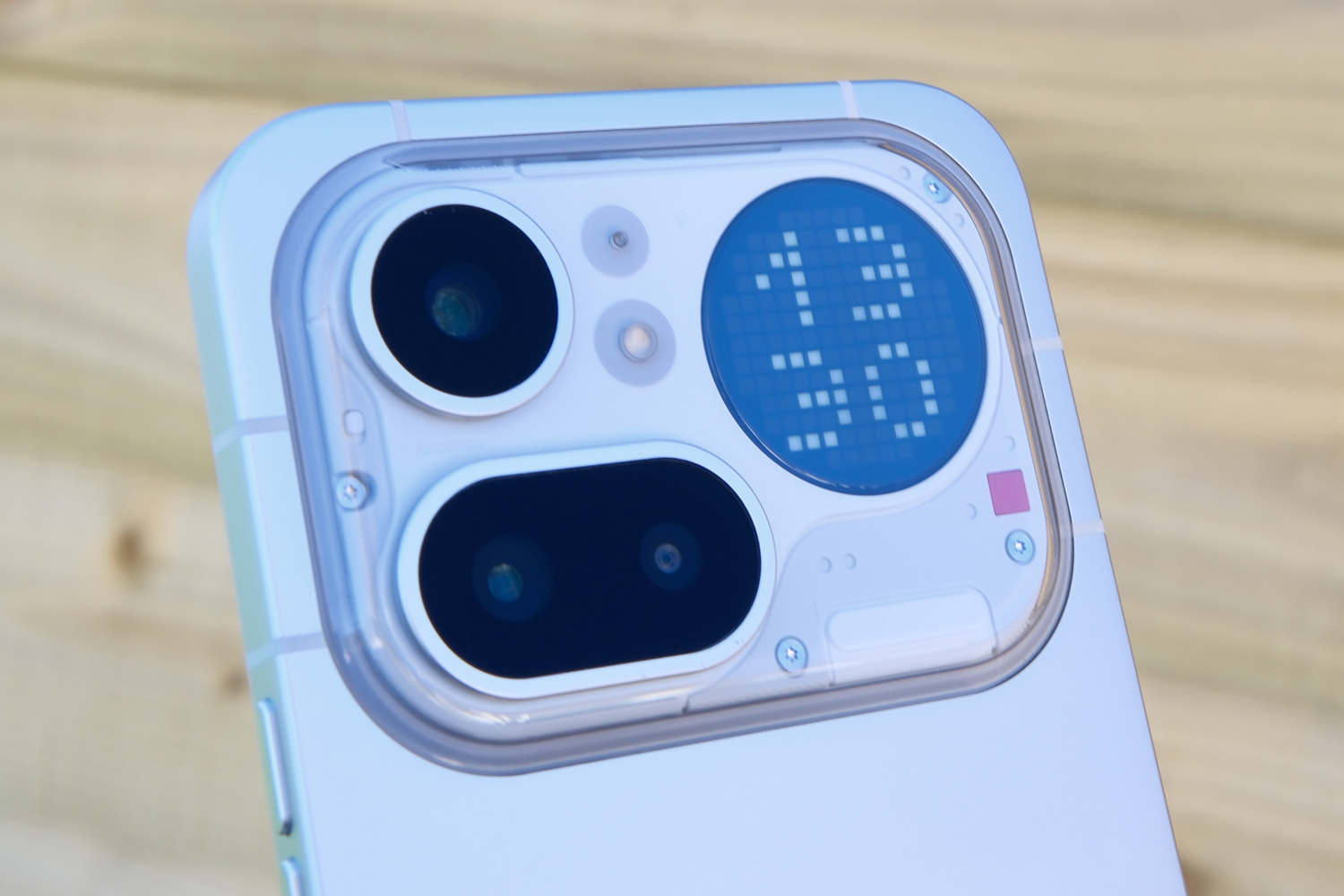
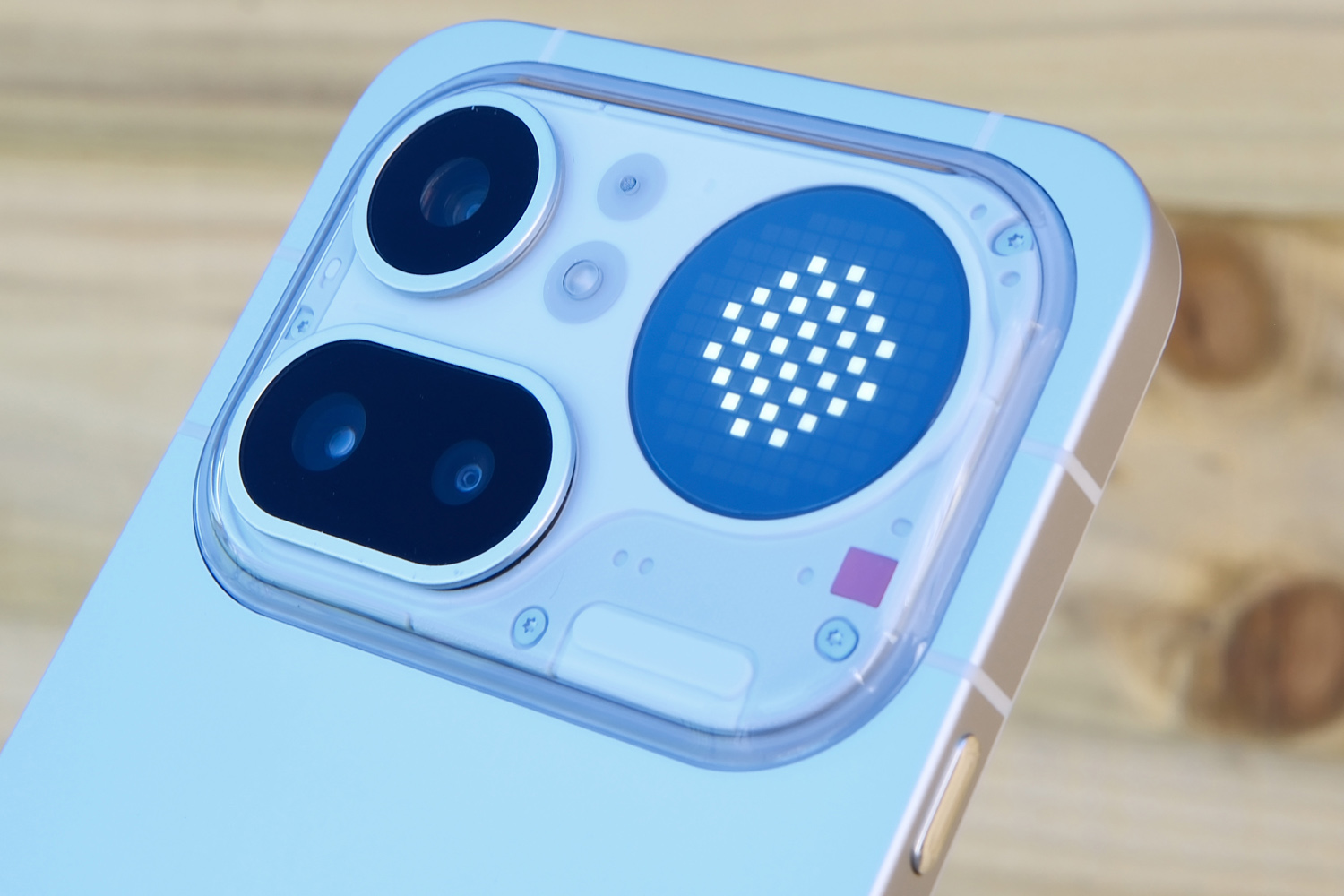
I like how you can assign custom symbols to specific contacts and download fun community tools, although with no glyph button on the back of the phone interaction is a bit more limited. The lower resolution also meant the glyph mirror function wasn’t nearly as detailed as it was on the flagship. It does instantly mark out the Phone 4a Pro as a Nothing phone, though – and in a world of identikit handsets, that’s a very good thing indeed.
Phone 4a Pro is a biggun, at least compared to previous Nothing phones, but is as easy to wield one-handed as flagships that are even larger. An IP65 resistance rating isn’t exactly class-leading but means the phone is protected against accidental drops into the sink.
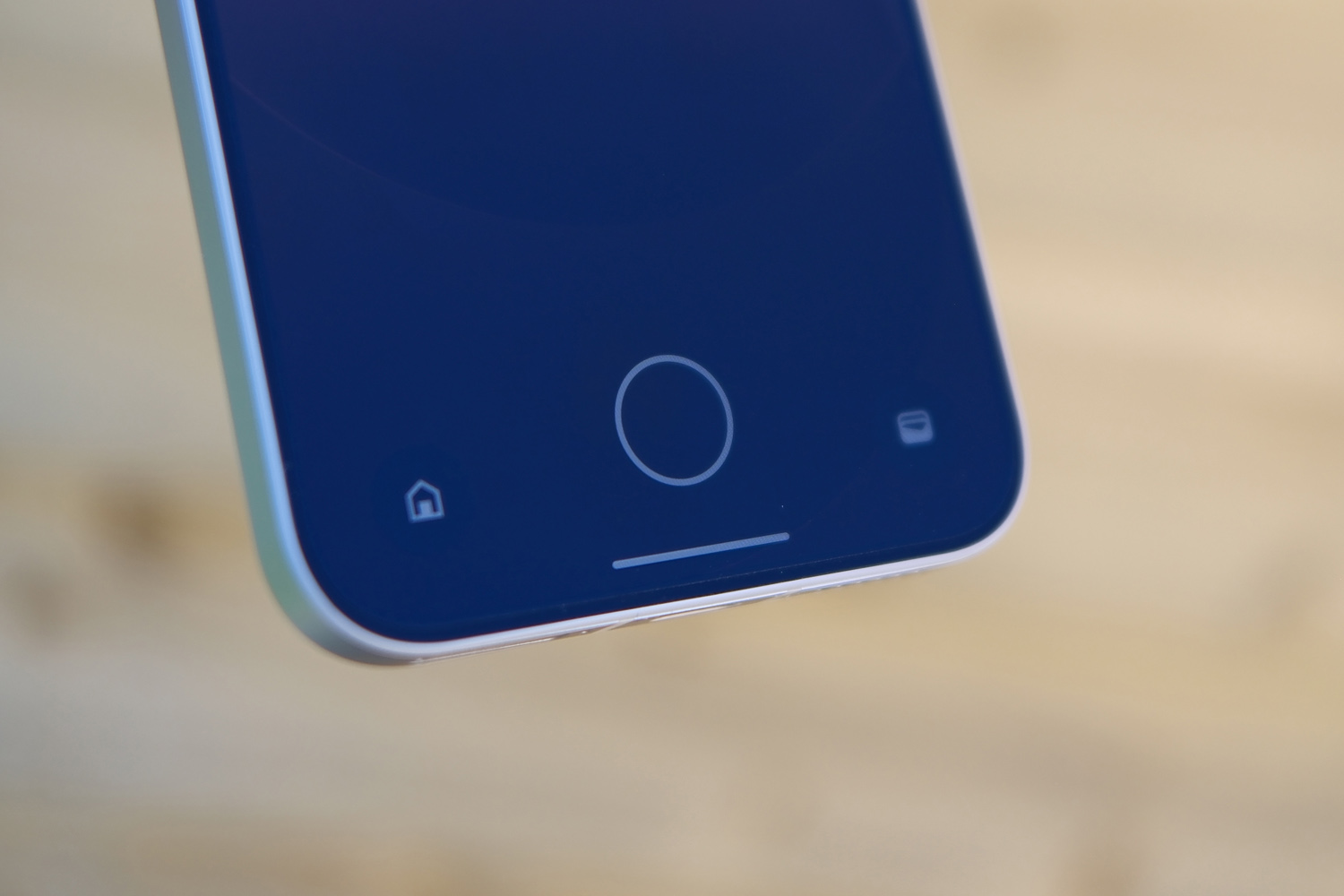
I still think Nothing puts its optical under-display fingerprint sensors a little too close to the bottom edge of their phones, meaning I sometimes had to adjust my grip to get past the lock screen. It’s at least quick to recognise your print.
Screen & sound: size matters
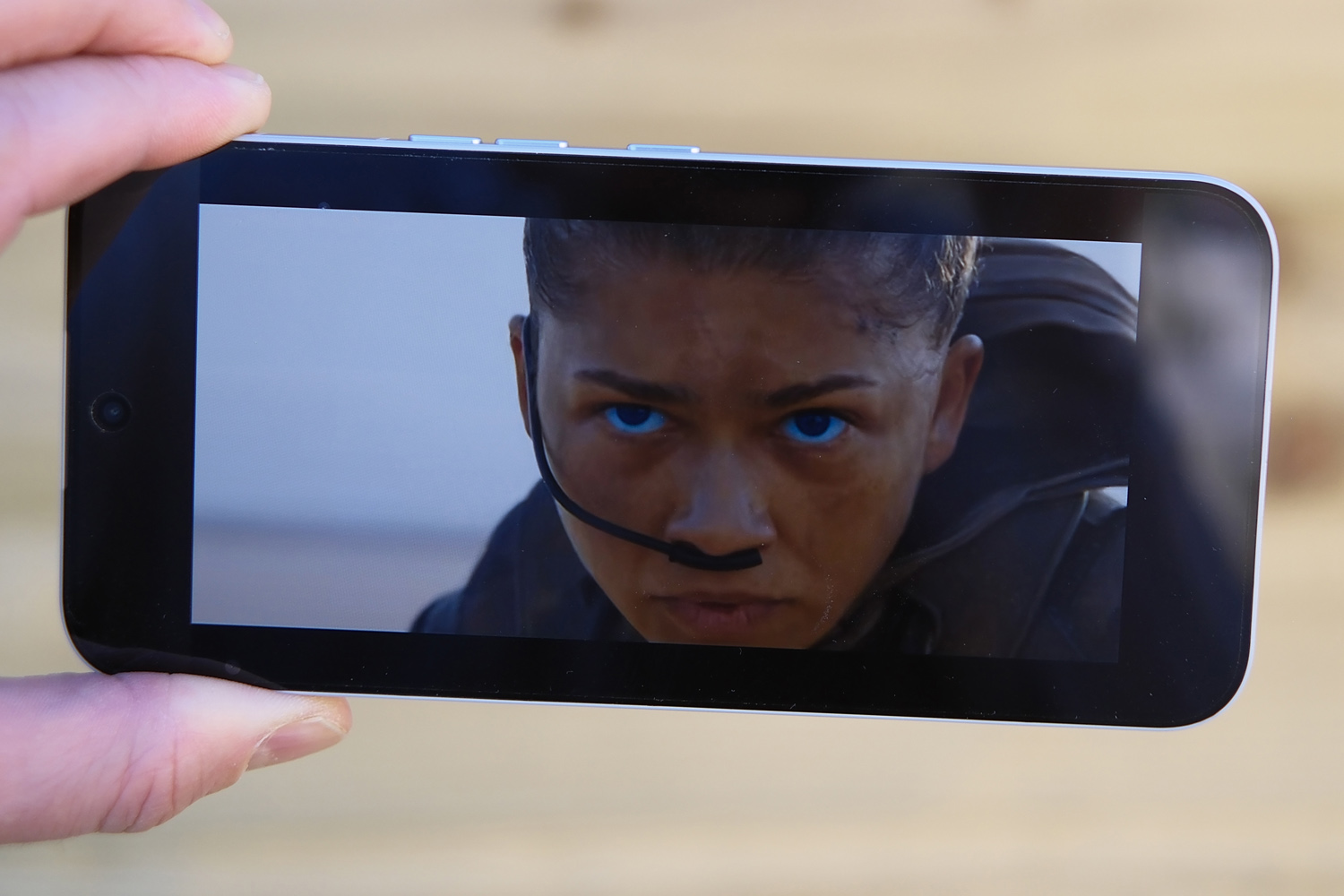
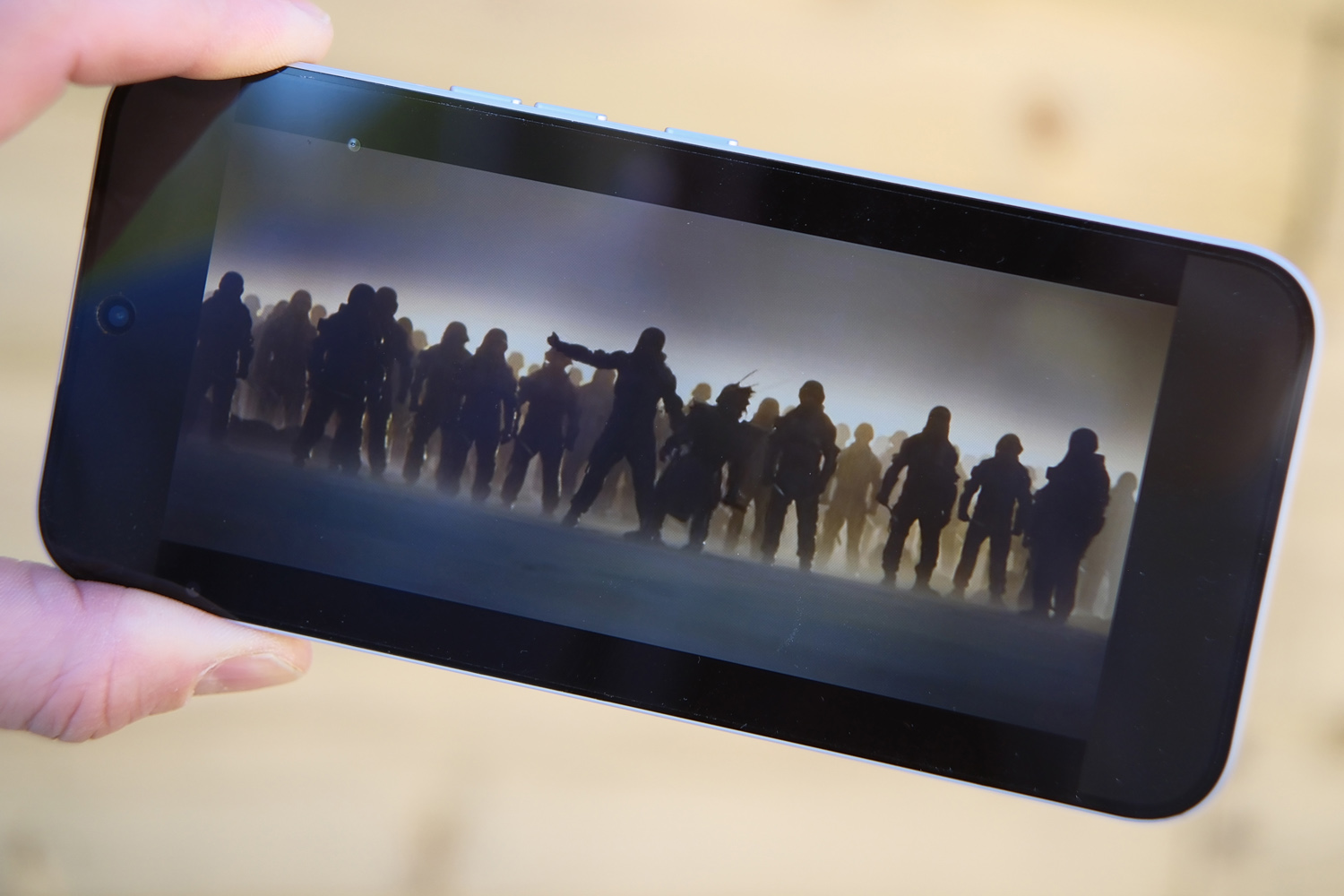
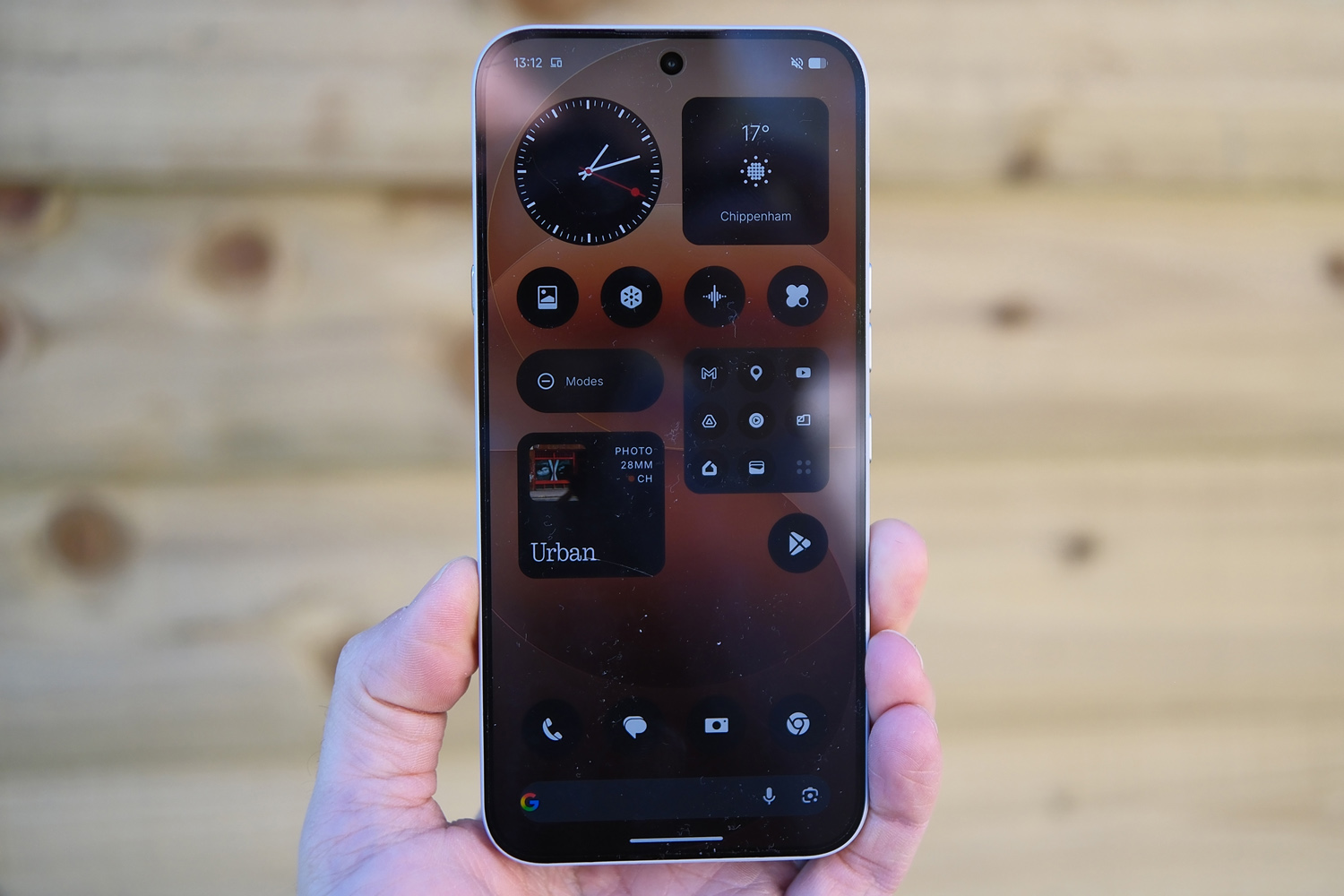
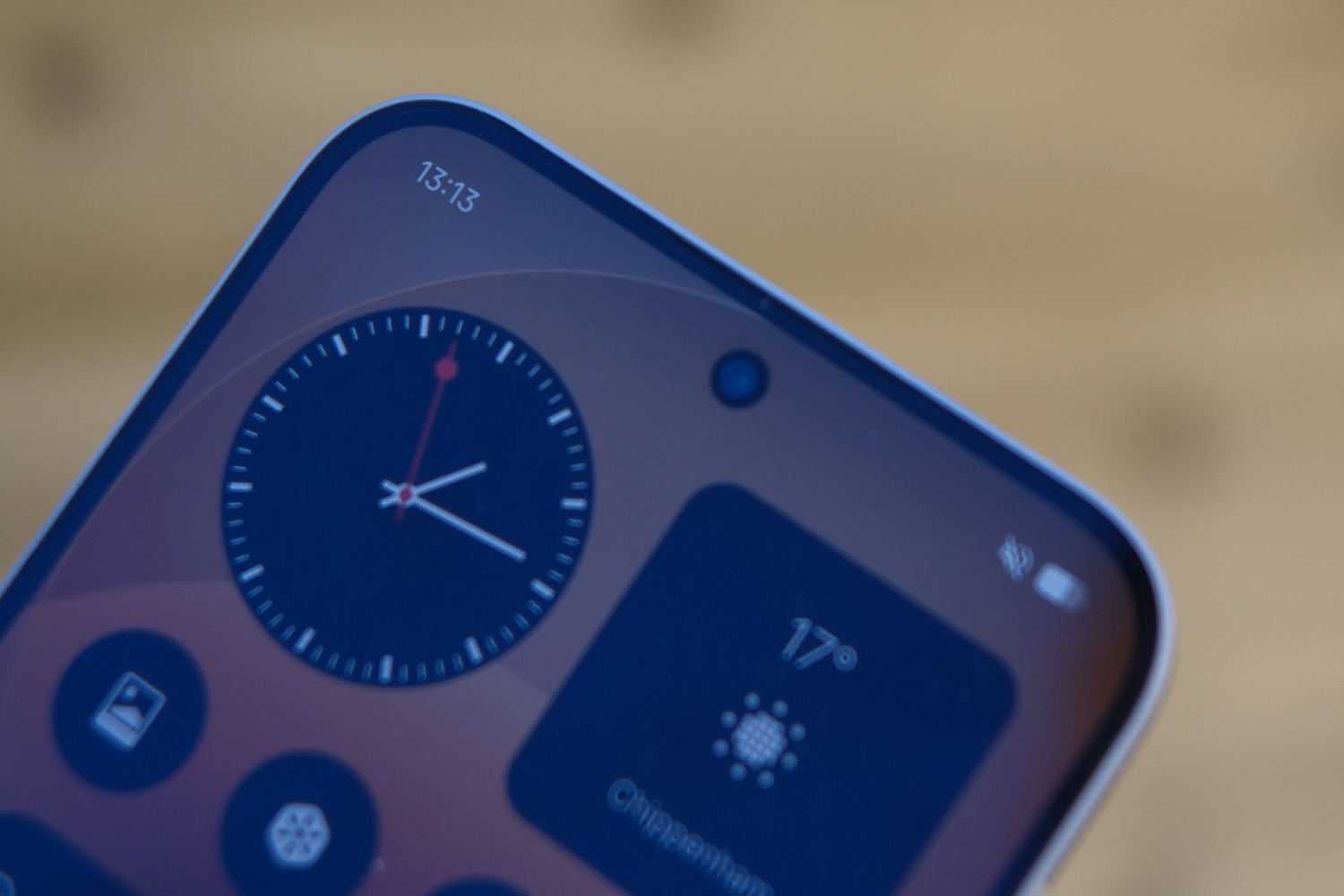
Having spent the few weeks prior testing the Google Pixel 10a, I instantly clocked just how skinny the Phone 4a Pro’s screen bezels were. For a handset that straddles the affordable/mid-range line, it looks rather snazzy.
It’s also rare that a step-down model eclipses the flagship, but the Phone 4a Pro’s flexible AMOLED screen has done exactly that. It’s bigger, at 6.83in to the Phone 3’s 6.67in, has a higher adaptive refresh rate (144Hz vs 120Hz) and shines brighter to boot. The 5000 nits peak claim only applies to a small part of the screen, and only when showing HDR content, but it has Phone 3’s 4500 nits soundly beat.
That meant I saw gloriously smooth scrolling and had no serious complaints about outdoor visibility. Pricier flagships only make themselves more readable on the sunniest of days. The 2800×1260 resolution looks perfectly crisp, with the sort of wide viewing angles, vibrant colours and deep contrast I’ve come to expect from OLED tech.
While the default Alive colour preset delivers strong red and green hues, there’s a Standard preset in the settings screen that can dial things back a bit if you want a little more nuance.
Differences between 4a and 4a Pro largely fall to size and refresh rate, but that’s enough to help justify the higher price. This is easily the best screen I’ve seen on a Nothing-badged handset. It also stayed blemish-free throughout my testing thanks to Gorilla Glass 7i protection, and the high PWM dimming kept eye strain to a minimum during late night scrolling sessions.
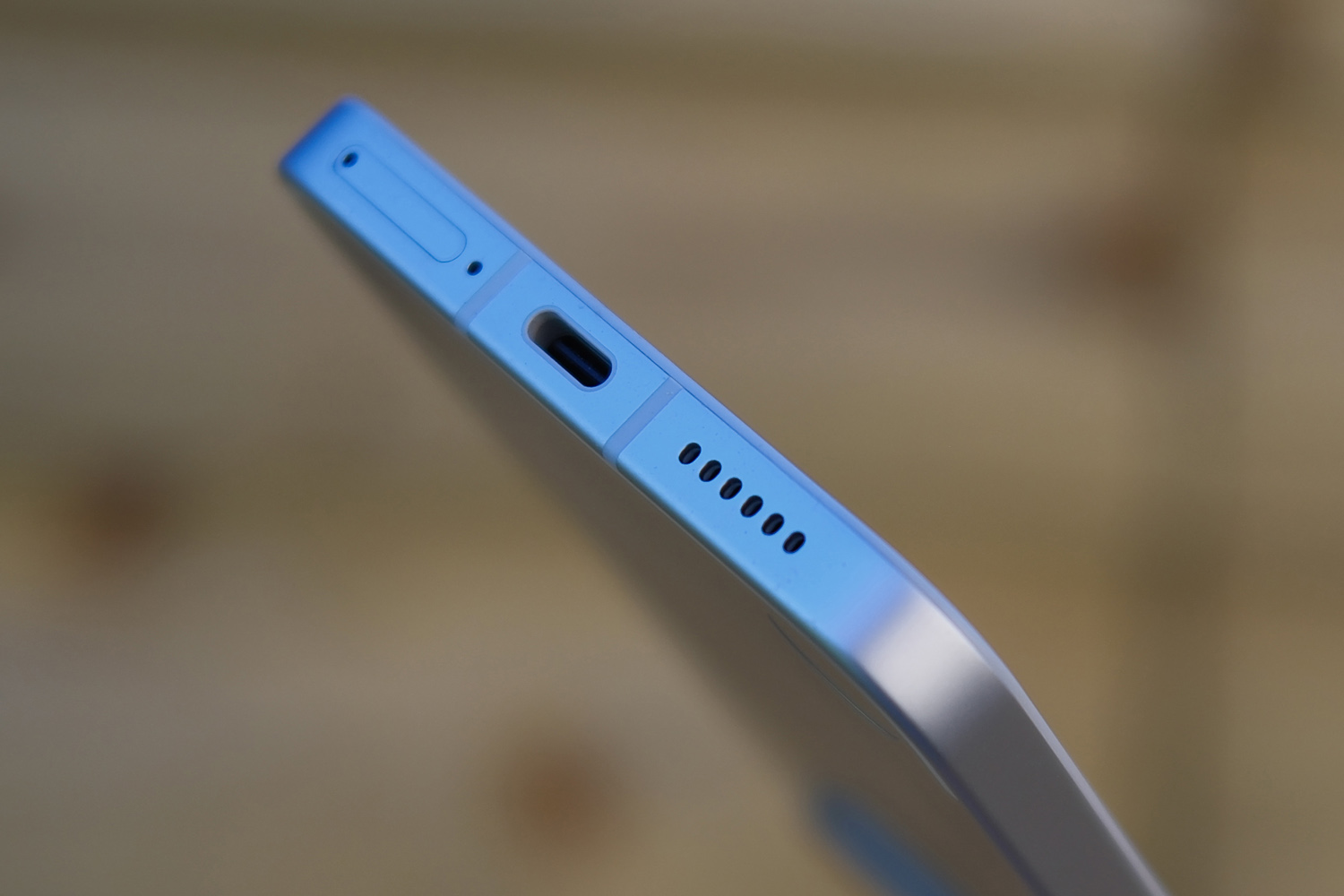
There seemed to be even less to separate the two Phone 4a models on sound, with the Pro’s down-firing speaker and earpiece tweeter reaching roughly the same volume and delivering the same mid-rich tuning. It does just fine for a mid-ranger, but won’t stop you reaching for headphones for any personal listening.
Cameras: the smallest step up
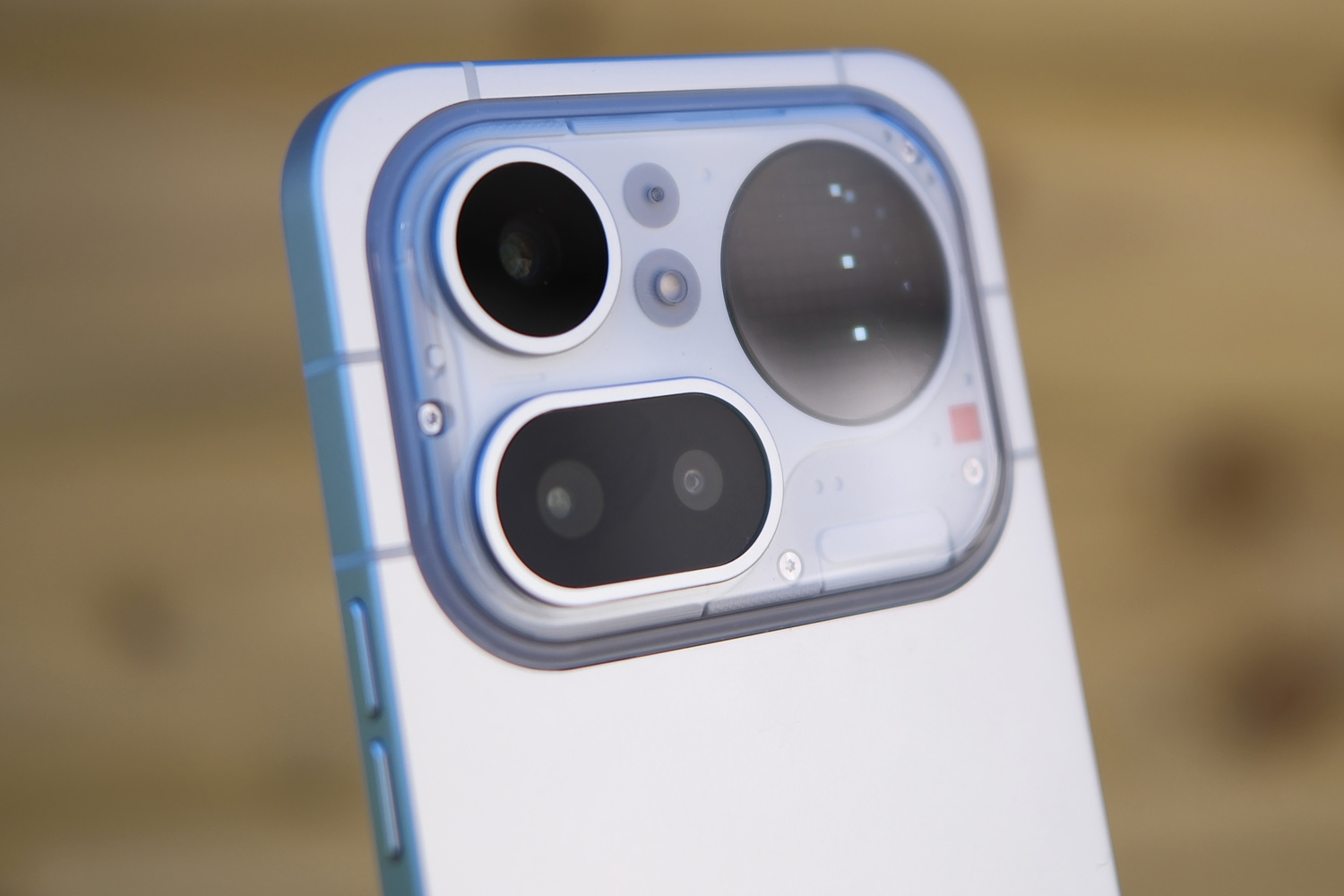
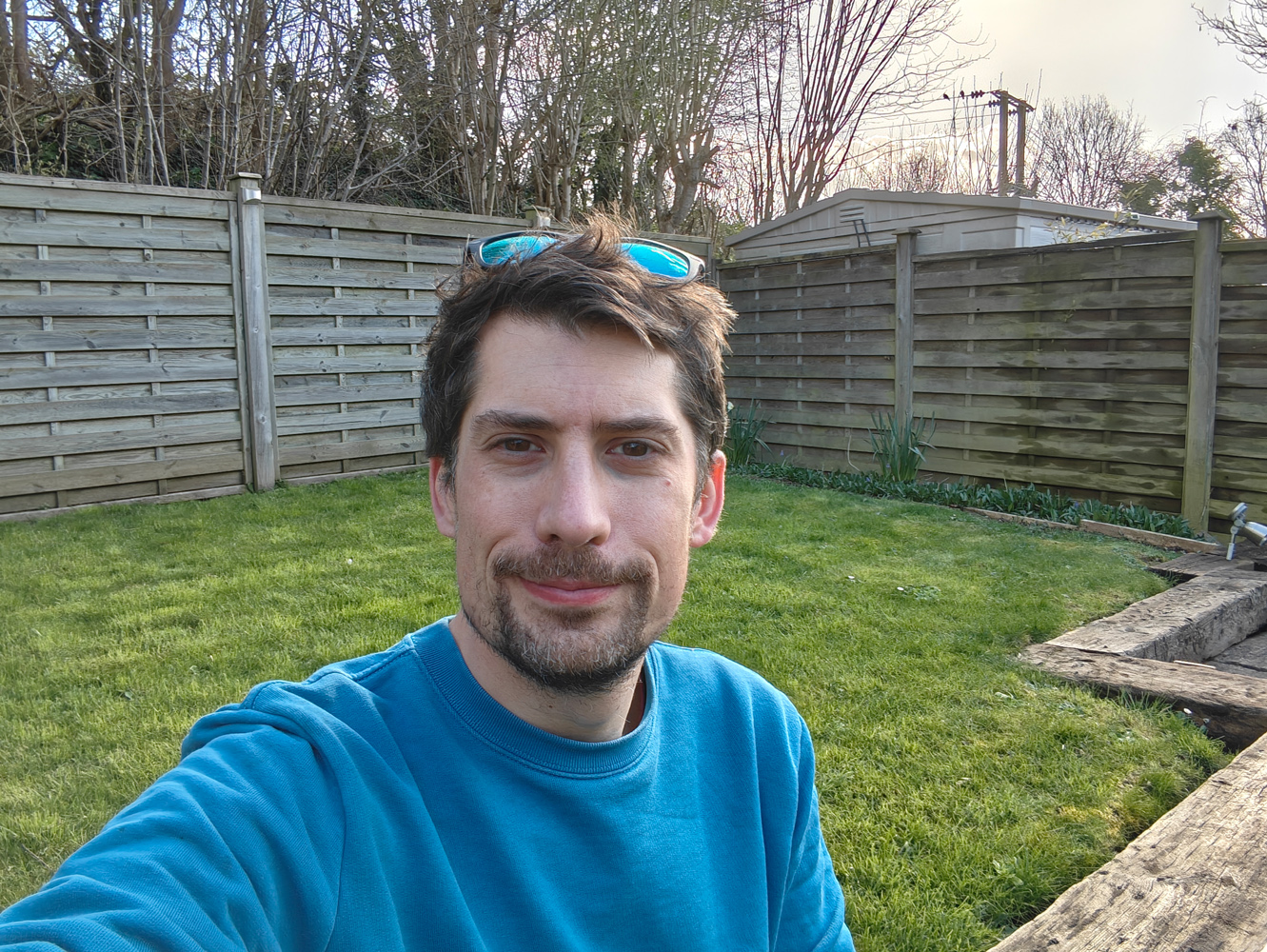
Until you dig into the details, you might assume Phone 4a Pro’s rear camera trio is identical to the Phone 4a’s. Both have a 50MP lead lens, 50MP periscope telephoto good for 3.5x zoom and an 8MP ultrawide at the back, plus a 32MP punch-hole selfie snapper up front. Except the pricier phone has been treated to a different main sensor.
Instead of the Phone 4a’s Samsung-supplied camera, here you’re getting a Sony LYTIA 700C. The two are virtually the same physical size, but the Pro has a slightly speedier autofocus and a slight image quality advantage – but not enough of one to shuffle the mid-range phone photography pecking order.
The two phones have almost identical colour tones, which lean warmer and are a touch more vivid than some rivals without going too far into extremes. Details are marginally cleaner on the Pro, and it does a better job with subtle gradation: skies were shades of blue in my test shots, rather than a single colour as on the 4a.
You’re getting clear and accurately exposed images here, with a good amount of dynamic range. Just don’t expect any obvious jumps in image quality by opting for the Pro.
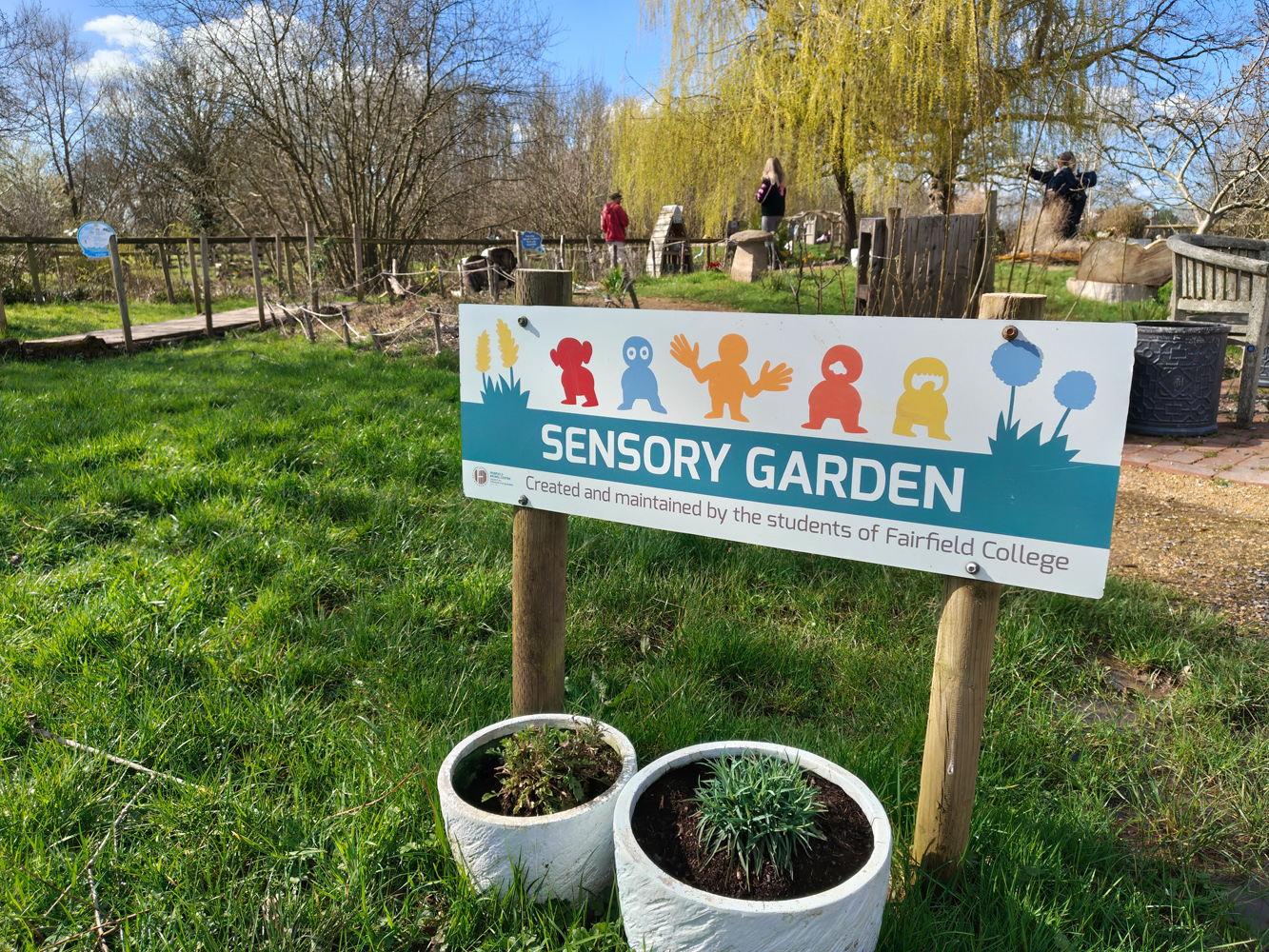





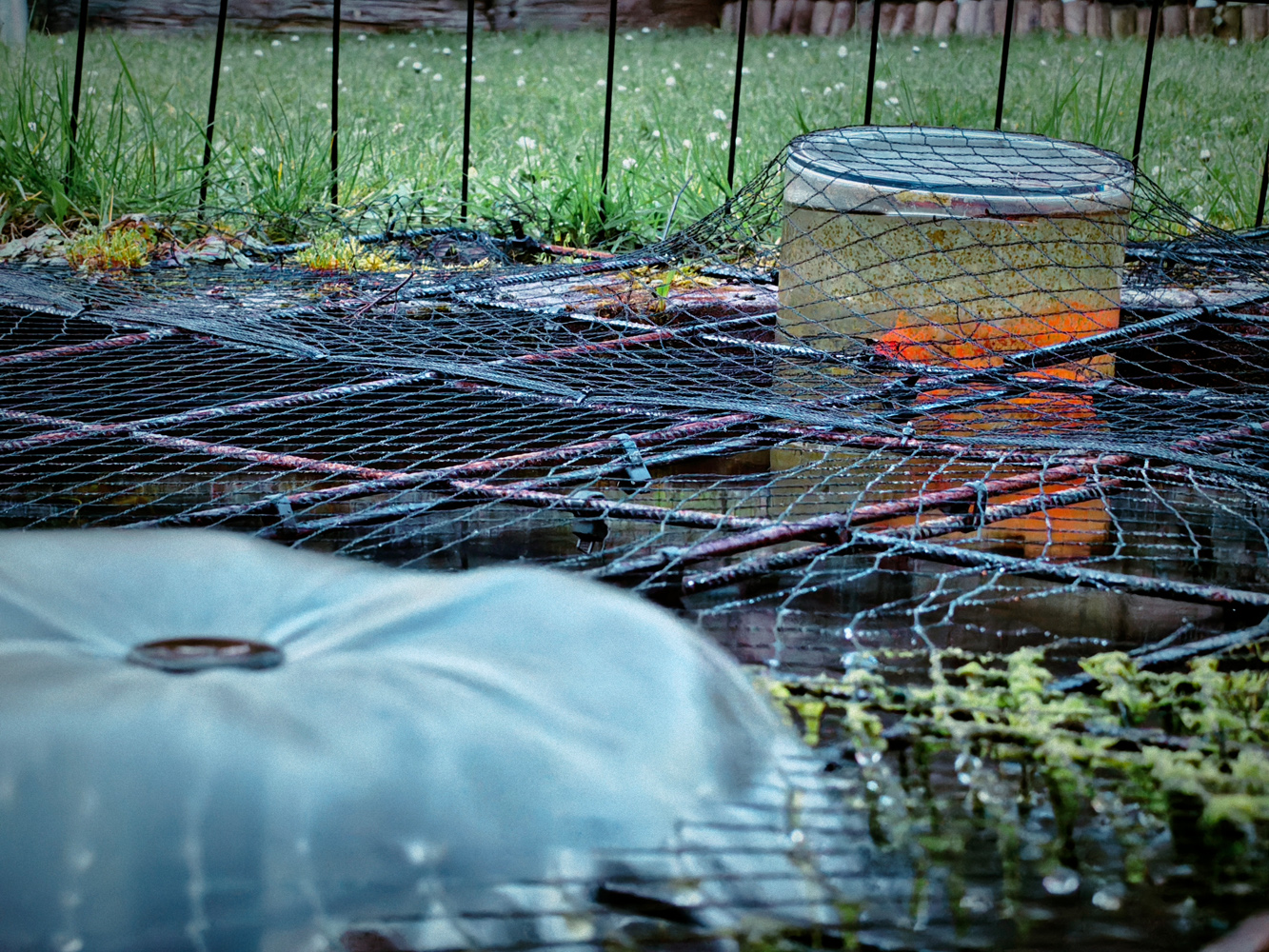

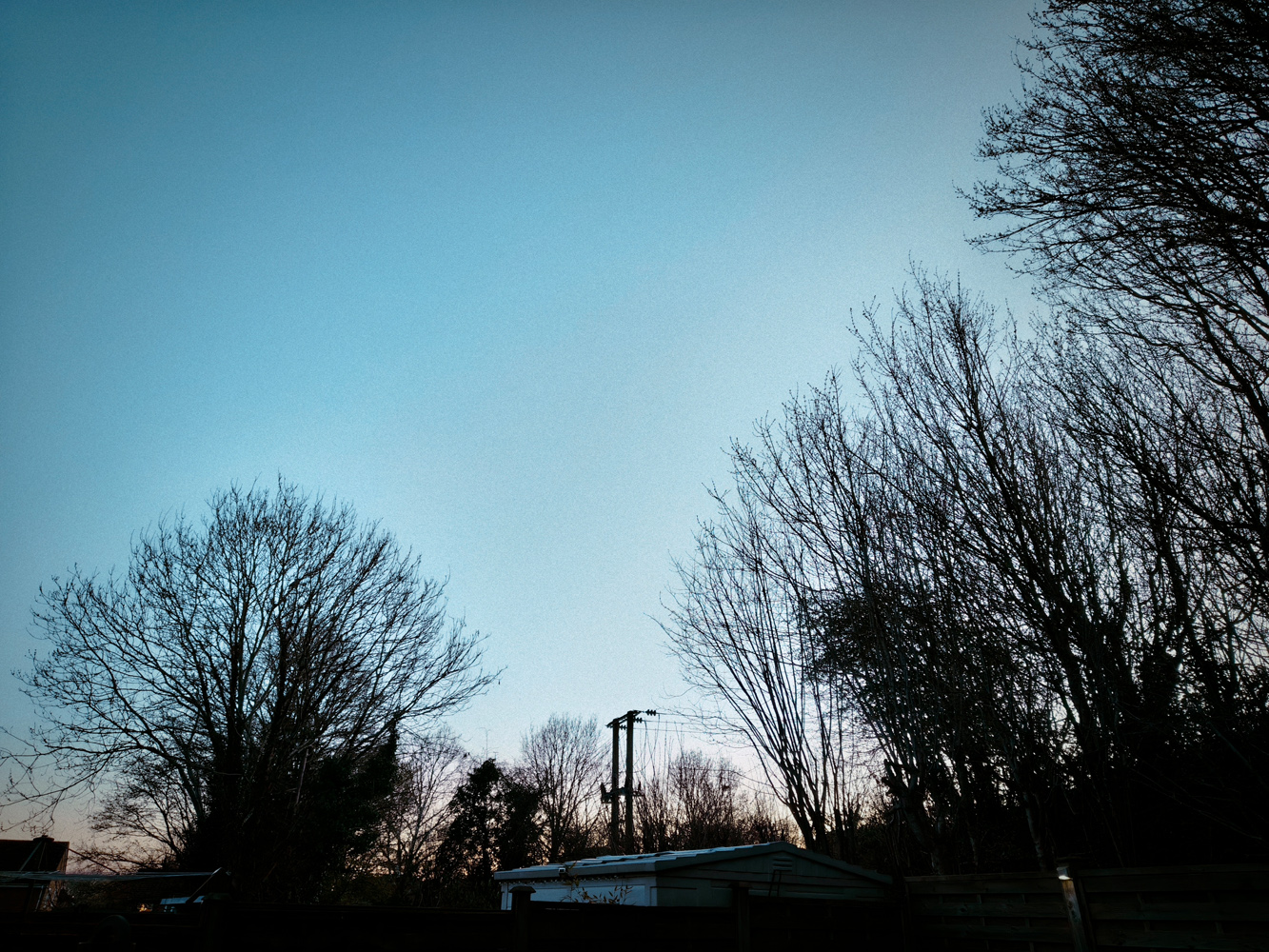
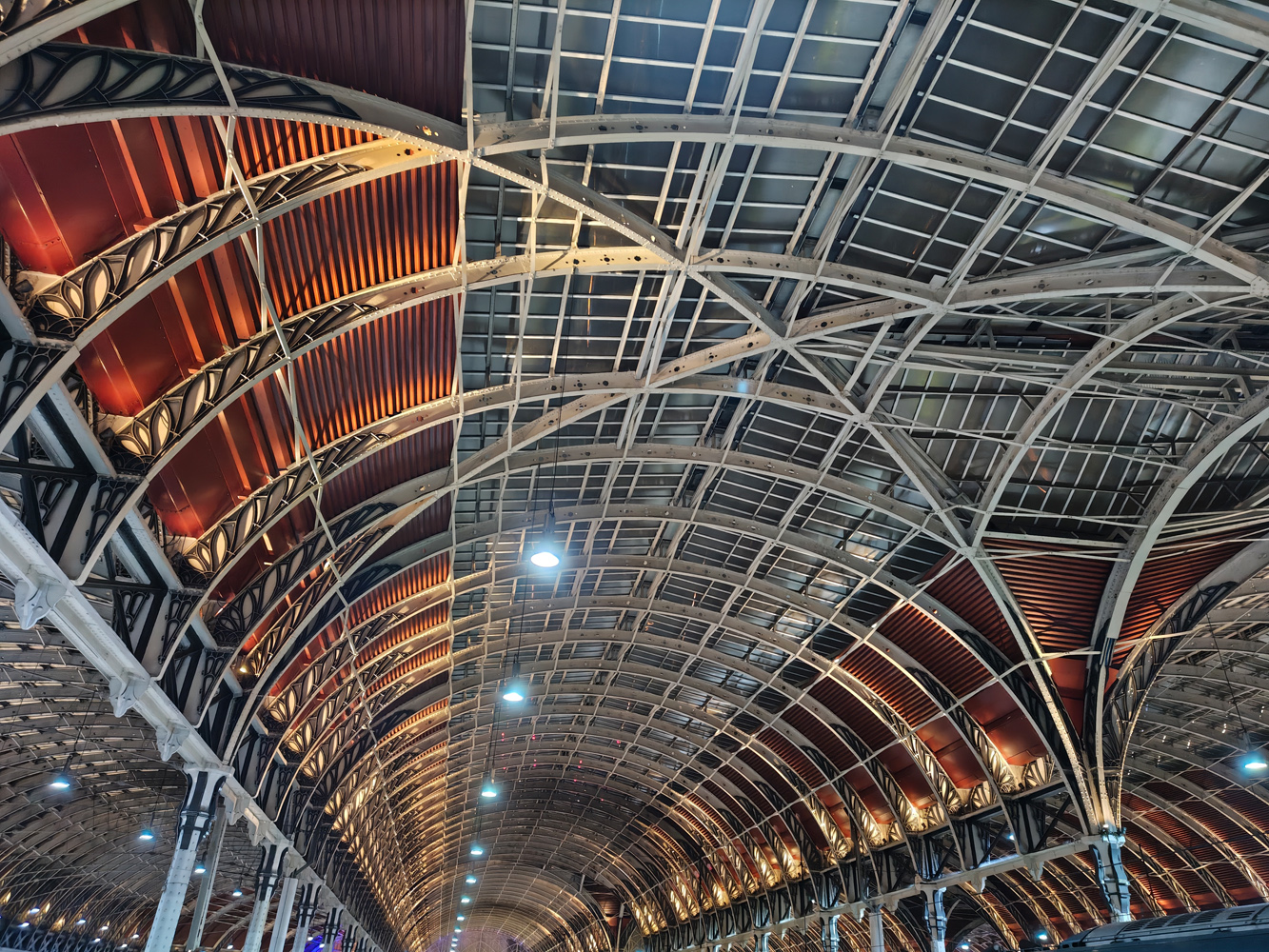

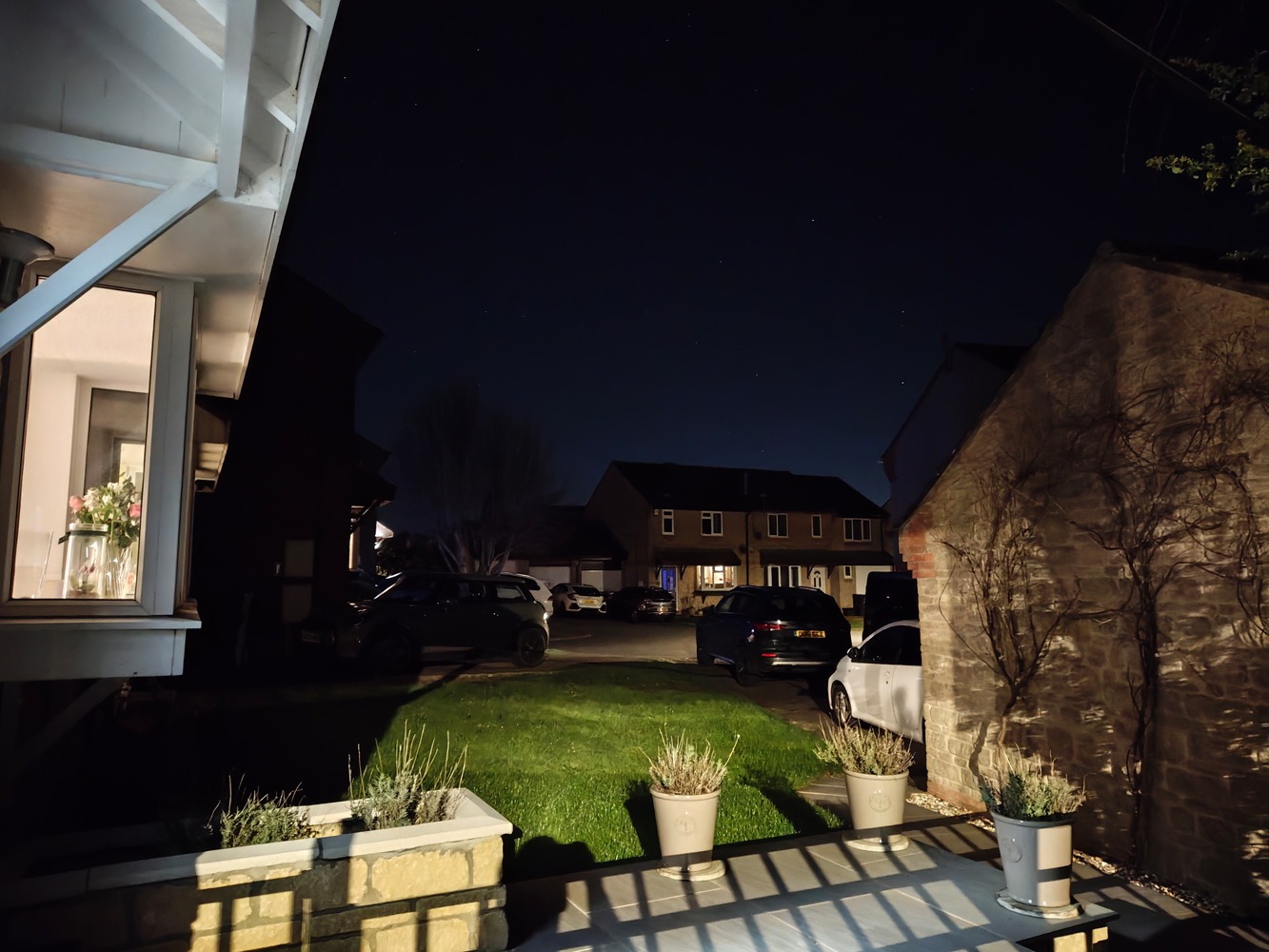
Unsurprisingly my shots with the telephoto and ultrawide lenses looked interchangeable with Phone 4a’s. Having a 3.5x optical zoom on tap gives Nothing the edge over rivals that rely purely on sensor cropping, with impressive amounts of surface detail and only a small amount of over-sharpening on show. Having near-lossless 7x magnification makes this a versatile camera setup, without having to rely heavily on digital zoom. Exposure, tone and contrast don’t stray far from the lead shooter, at least during the day.
Low light is the ultrawide’s kryptonite; it already appears softer and with less definition when the sun is shining, but at night things generally look mushier. It’s still in mid-range rather than bargain basement territory, but not by a huge margin. The zoom fares better, though it needs longer than more expensive rivals to process and can be thrown off by strong light sources. A Google Pixel 10a has more nuance here, showing what a difference more mature image processing can make.
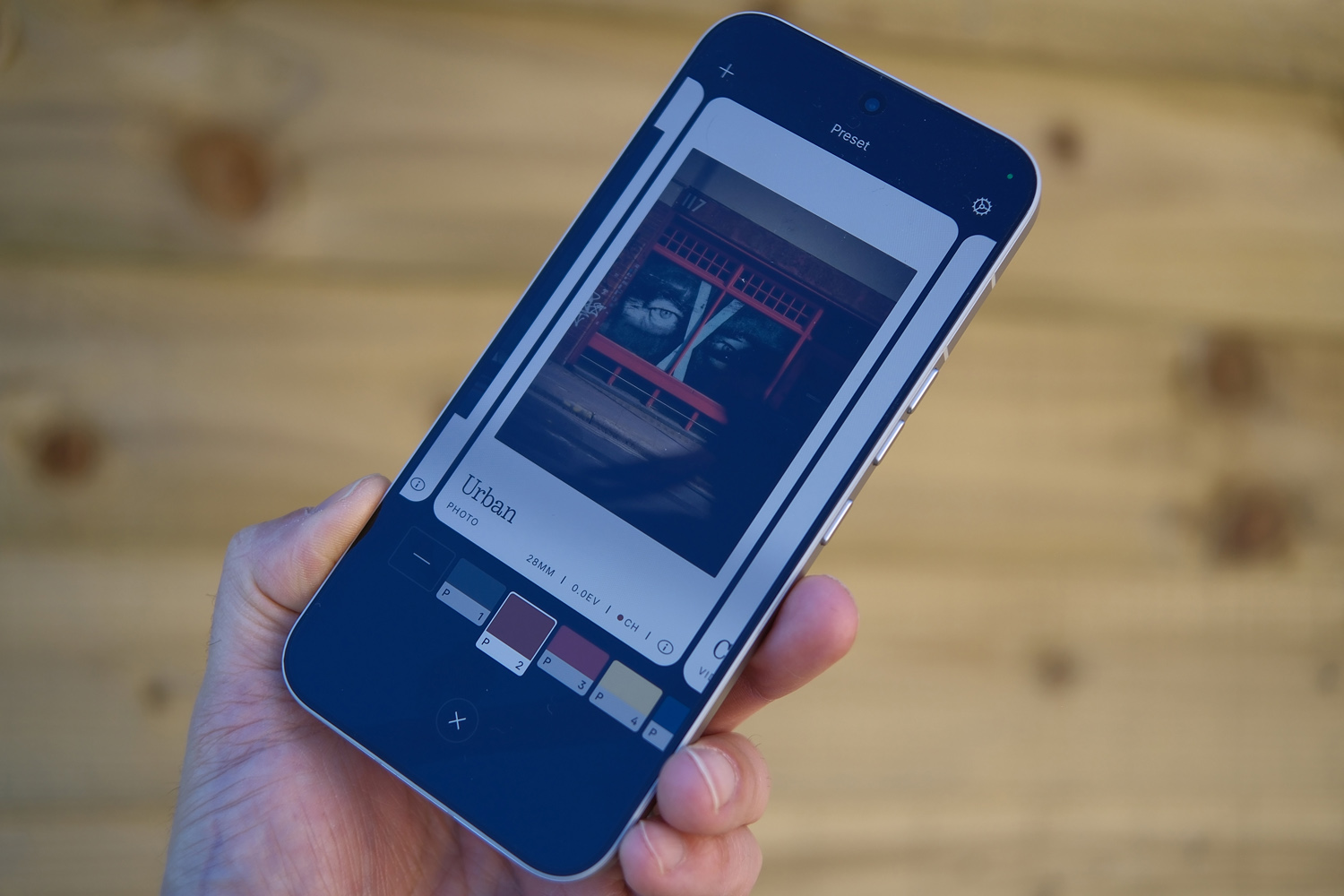
I ultimately had more fun shooting with the Nothing phone, though. The camera app puts a whole host of filters and effects within easy reach, letting you get analogue-like results with almost no effort. Community-made presets are easy to download and take for a test drive, too.
Software experience: essentially clever
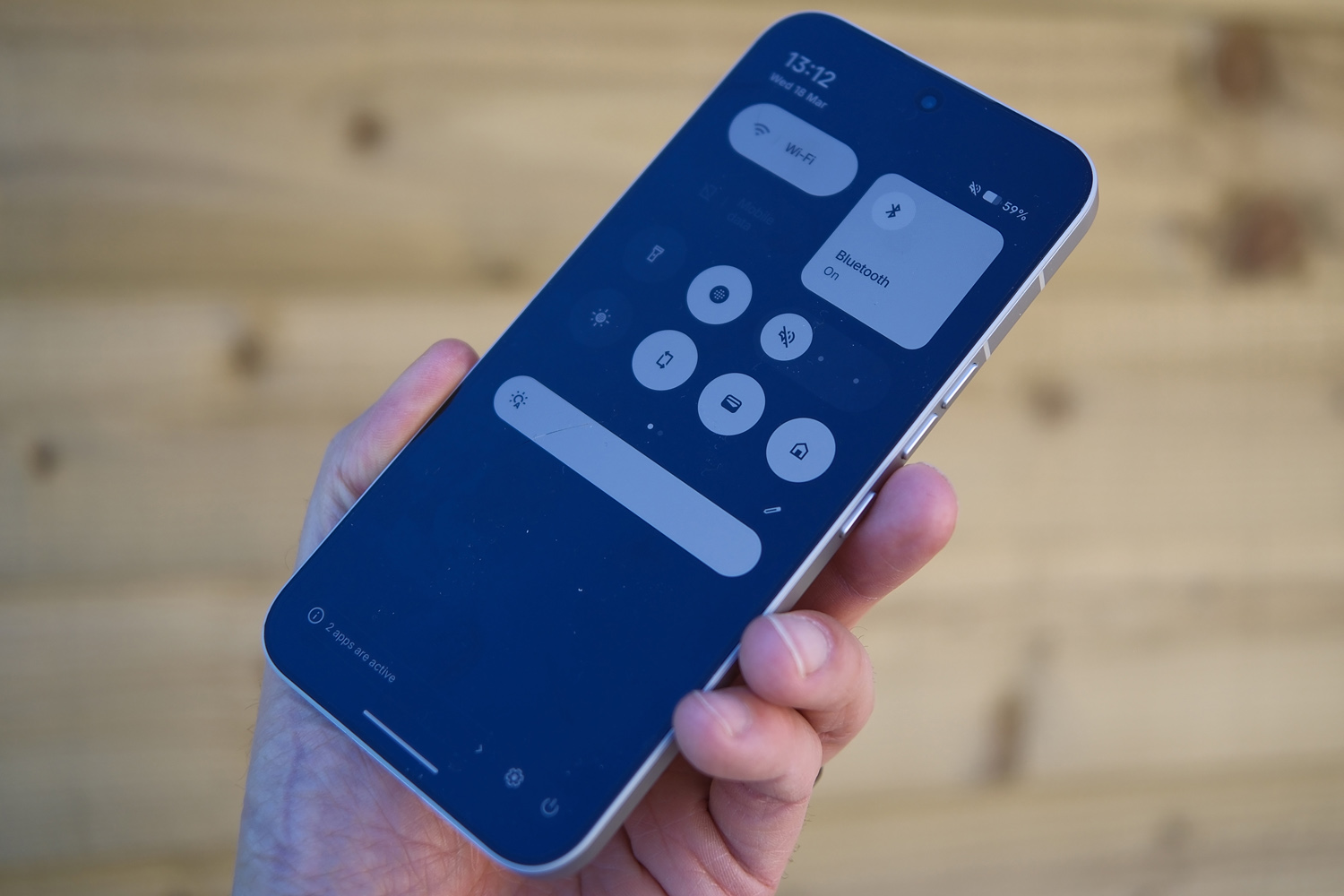
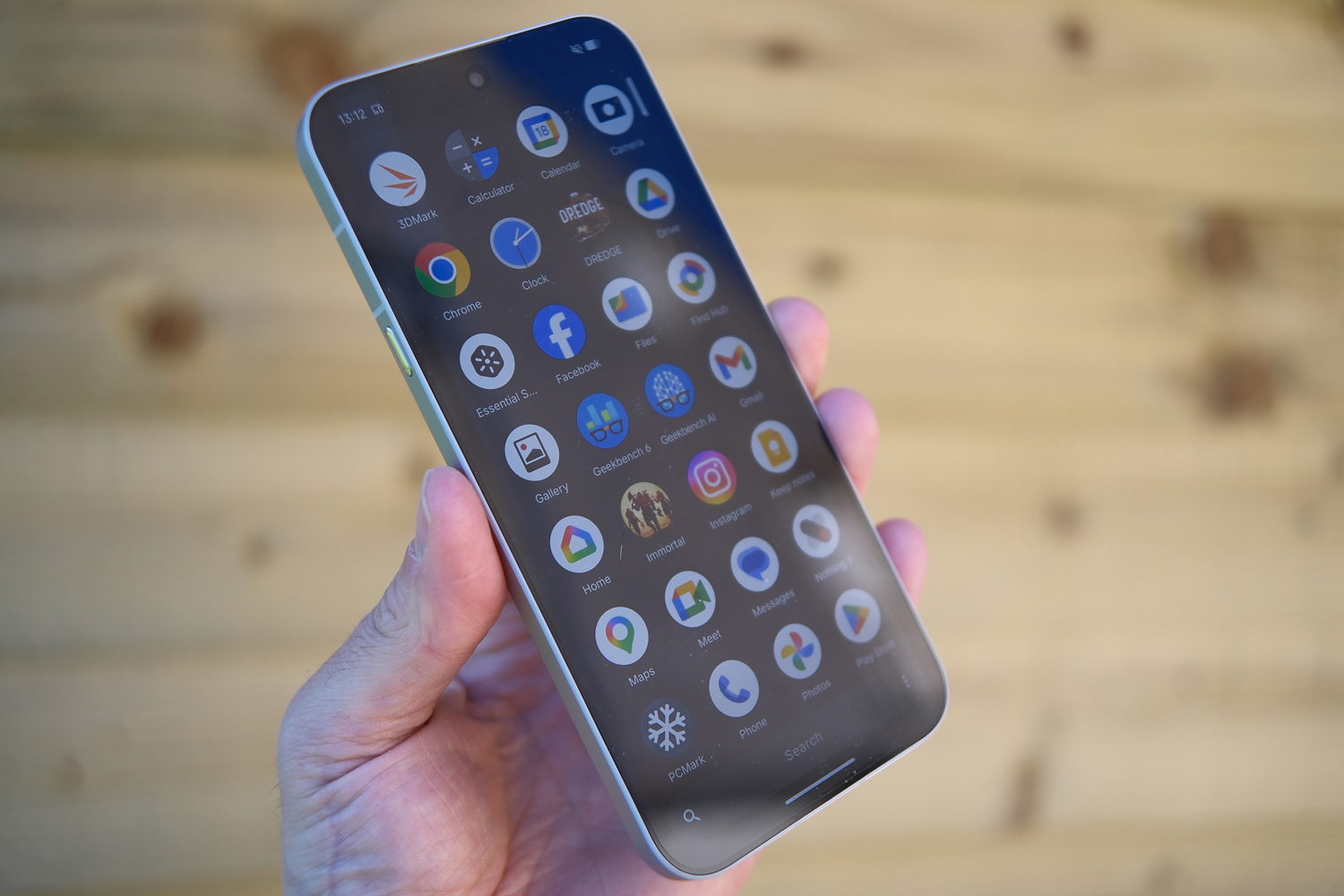
Just like its baby brother, Phone 4a Pro lands running NothingOS 4.1. The firm’s latest spin on Android hasn’t changed all that much from last year – but given how much I liked its extensive selection of minimalist widgets and app drawer that was almost entirely free from bloat, I’m not complaining.
The few apps that do come preinstalled are ones Nothing customers will probably install anyway (think Instagram and Facebook). The in-house gallery, voice recorder and weather apps have wonderful design consistency with the rest of the OS, with everything else left as Google’s defaults.
Being able to have Nothing’s black and white icons on the homescreen but stick with Android’s colourful originals in the app drawer but made it a breeze to find exactly what I was after. I’m still not sold on the optional Smart Drawer, which categorises apps and suggests specific ones based on how you use the phone, though. Most of the time the app I had to go digging for the app I wanted. I’m also still waiting for the Essential Playground, which promises to let you vibe code your own widgets, to leave early access.
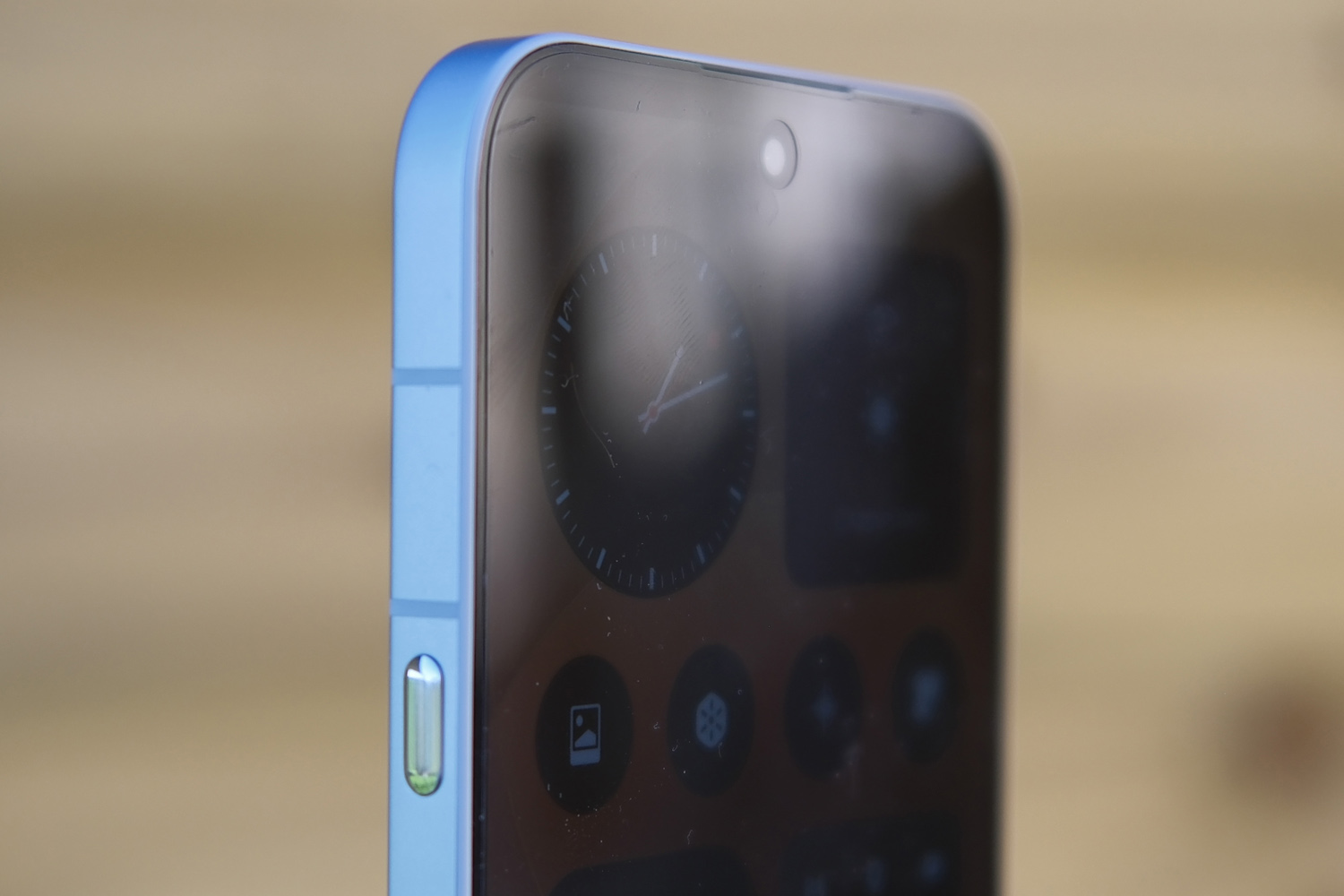
The standout for me was Essential Space, which wakes with a prod of the physical key on the left side of the phone. It was one of the first AI-assisted scrapbook apps, which keeps screenshots, web links and voice notes in one place. A blend of on-device and cloud models then add contextual tags and organises everything into collections. I’m using it more than my old test-based to-do list. Anyone upgrading from an older Nothing phone will appreciate that it can sync across devices now too.
It’s tightly integrated with the voice recorder and glyph matrix through Flip-to-Record, which starts an audio recording with a long press of the Essential key while the phone is lying face down. A waveform that reacts to sound appears on the glyph matrix, and pressing the key again marks the recording for any crucial statements. Essential Space then transcribes it all automatically afterwards. I’ve found it a lifesaver for boring meetings.
Nothing’s commitment to bringing future Android generations could be better, with just three new versions promised over the Phone 4a Pro’s lifetime – less than half what you’ll get from a Google Pixel 10a. Six years of security patches is a good effort, at least.
Performance & battery life: mid-range bullseye
It might be a wild departure in the design stakes, but internally Phone 4a Pro sticks much closer to the Phone 4a. A Snapdragon 7 Gen 4 chipset is only a small step up from the cheaper handset’s 7s Gen 4, with slightly higher core clock speeds and support for faster memory. The base models each get 8GB of RAM and 128GB of storage; I was sent the 12GB/256GB variant for this review.
On paper the beefier silicoin should deliver around 10% more performance, which largely bore out in my experience. Synthetic benchmarks saw a healthy uplift, most notably with multi-core tests. It traded wins with the Poco X8 Pro, which uses a Dimensity 8500-Ultra chip; the Honor Magic8 Lite and its lesser Snapdragon 6 Gen 4 is bested across the board.
| Nothing Phone 4a Pro benchmark scores | |
| Geekbench 6 single-core | 1311 |
| Geekbench 6 multi-core | 4096 |
| Geekbench AI | 3345 |
| Speedometer 3.1 | 13.0 |
| PCmark Work 3.0 | 12,432 |
| 3DMark Wild Life Extreme | 2043 |
There’s solid mid-range grunt on offer here, which translates to a responsive Android experience. Apps open quickly, scrolling through menus feels very smooth, and multitasking isn’t a struggle. It helps that Nothing has a great track record of optimising its software for lower-power chips.
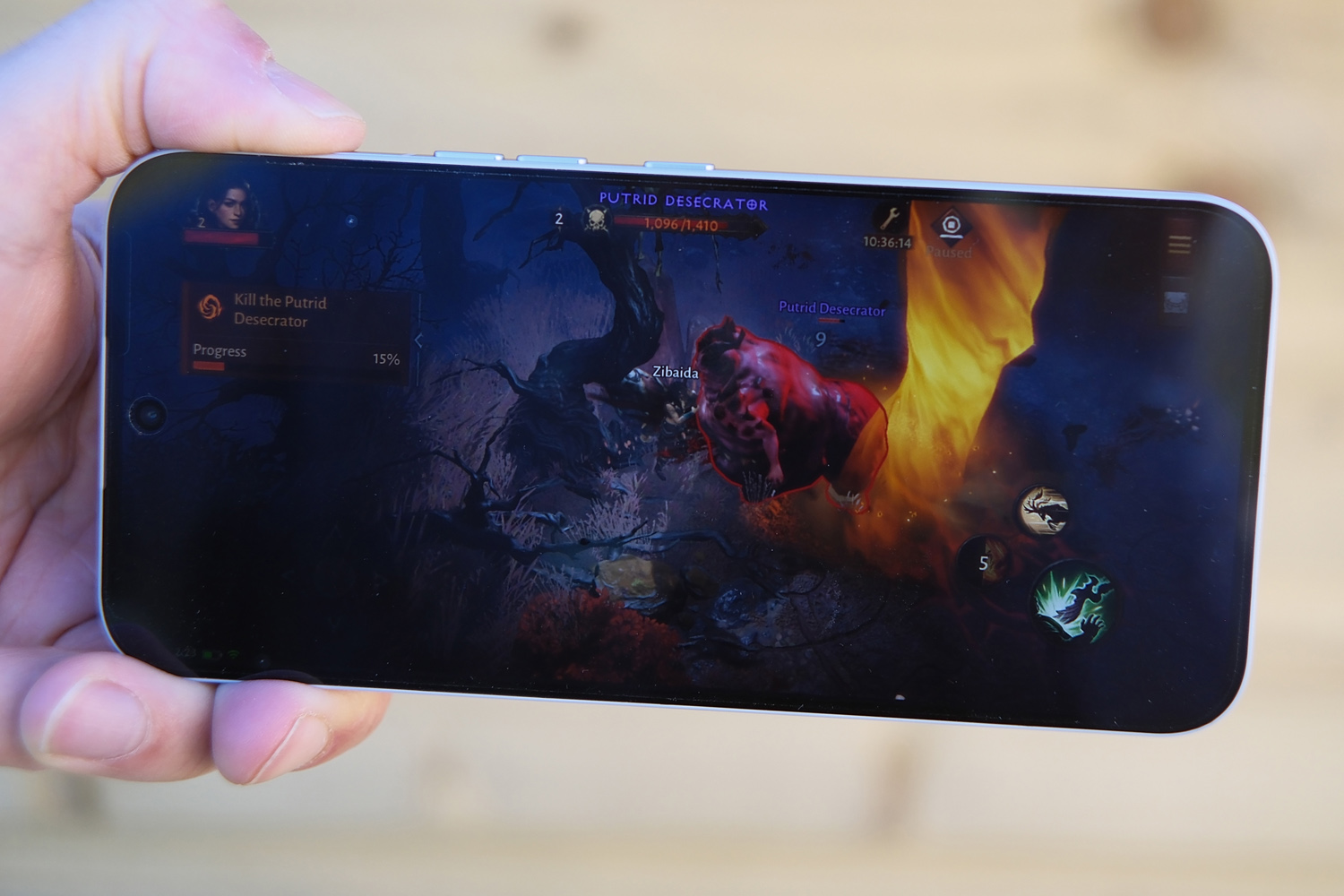
The games I tried defaulted to a mix of medium and high detail settings. Everything ran smoothly for the most part, even if maxing out the 144Hz refresh rate is a bit of an ask for the most demanding Play Store releases. While there are mid-range rivals with more power, they almost all compromise elsewhere to budget for faster chipset.
Nothing has also taken this sweet spot approach to battery life, fitting a 5080mAh cell that might not be the biggest around for the money but can still comfortably last a full day between refuels. I found I was making it through to 10pm with my usual mix of web browsing, social scrolling, light gaming, music playback and video streaming – over a mix of Wi-Fi and 5G – with 10-20% left in the tank.
Heavier use will drain it faster, and staying power is a half-step behind the Phone 4a on account of its smaller screen and step-down CPU. The Google Pixel 10a ekes out a narrow lead, but rivals from Chinese brands with silicon-carbon batteries very much set the pace here. Poco should be your first stop when shopping for something that can go two days between charges.
Wired charging speeds are a very respectable 50W, which blitzes the similarly-priced Pixel. There’s no wireless charging support here like you get on Google’s phone, though.
Nothing Phone 4a Pro verdict
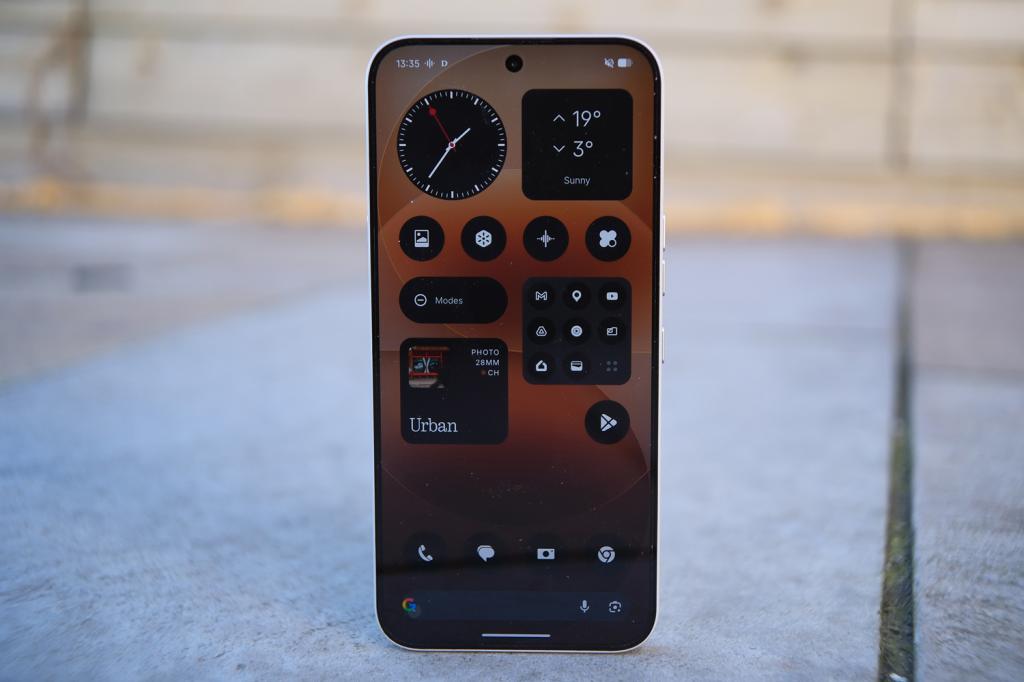
In some respects, Phone 4a Pro is Nothing’s most conservative smartphone to date: simplifying the see-through elements and concentrating the camera island have undeniably made this handset more mainstream. It’s a world away from the firm’s earlier efforts, which weren’t as afraid to stand out from the crowd.
That said, avoiding a repeat of Phone 3’s divisive styling can only be a good thing, and Nothing’s quirky nature still shines through. The glyph matrix adds personality, the unibody build avoids being another glass-and-metal cliché, and the camera bump keeps flying the flag for transparent tech – if only at half-mast. All three help justify the higher price over the regular Phone 4a.
Performance, battery life and camera image quality are all up to par for a mid-ranger (if not quite class-leading in any one area), while the streamlined software makes it a joy to live with. As left-field choices in this price bracket go, it’s easily my favourite.
Stuff Says…
Nothing grows up without forgetting its roots. The Phone 4a Pro looks sleek, has convincing mid-range hardware and takes a decent snap, while the Glyph Matrix keeps things weird in all the right ways.
Pros
More mature metal build that keeps some Nothing design spirit
Glyph matrix still fun and functional, even at a lower resolution
Respectable mid-tier performance, battery life and cameras
Cons
Internally not a huge upgrade from the cheaper Phone 4a
Only three new Android generations promised
Strong competition at this price point
Nothing Phone 4a Pro technical specifications
| Specifications | Nothing Phone 4a Pro |
|---|---|
| Screen | 6.83in, 2800×1260, 144Hz flexible OLED |
| CPU | Qualcomm Snapdragon 7 Gen 4 |
| Memory | 8/12GB RAM |
| Cameras | 50+50+8MP rear, 32MP front |
| Storage | 128/256GB on-board |
| Operating system | Android 16 w/ NothinOS 4.1 |
| Battery | 5080mAh w/ 50W wired charging |
| Dimensions | 164x77x7.95mm, 210g |


 Tom Morgan-Freelander
Deputy Editor
Tom Morgan-Freelander
Deputy Editor