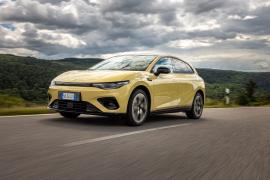
Here’s what makes the cheaper Zeekr 7GT the option to go for
Lots of performance and a distinctly premium feel make the Zeekr 7GT one to investigate for fans of great value

Stuff Verdict
The Zeekr 7GT offers much in its AWD guise but similar thrills can probably be had from its cheaper rear-wheel drive counterpart.
Pros
- Exterior design is quite striking
- Really comfortable interior
- More than enough performance
Cons
- Those infotainment details are a bit busy
- Boot opening compromised by the design
- Still only available in 16 European markets
Introduction
I immensely enjoyed the Zeekr X compact EV I drove three years ago, even if it felt very similar to the Volvo EX30. Unsurprising really, as it’s based on the same platform and both are owned by Chinese parent company Geely. Now there’s the Zeekr 7GT shooting brake, which takes things up a notch and rounds out a tidy lineup to date that also includes the heftier Zeekr 001 and Zeekr 7X SUV.
I got to drive the range-topping Privilege model, which features all-wheel drive and a decidedly potent edge along with feeling very premium. It’s got the same 100kWh NMC battery as the Long Range RWD model below it and, with over 400 miles of range, thereby bettering the base-level Core option. That comes fitted with a 75kWh LFP battery and delivers around 322 miles. There is 800V architecture too, which means rapid charging right up to 450kW for the latter.
The slight issue with the Zeekr brand is that cars are not currently available in the UK or US markets – a situation that will hopefully change sooner rather than later. Considering the Zeekr 7GT is priced from €45,990 in Europe, this is a car that offers lots of value. Even on the Core model, the specification is solid, while the Privilege model I’ve just been driving felt every bit the premium experience I got from the Zeekr X.
How we test cars
Every electric car reviewed on Stuff is tested on a range of road surfaces and, where possible, in varying weather conditions. We use our years of experience to compare with rivals and assess ergonomics, technology features and general usability. Manufacturers have no visibility on reviews before they appear online, and we never accept payment to feature products.
Find out more about how we test and rate products.
The styling


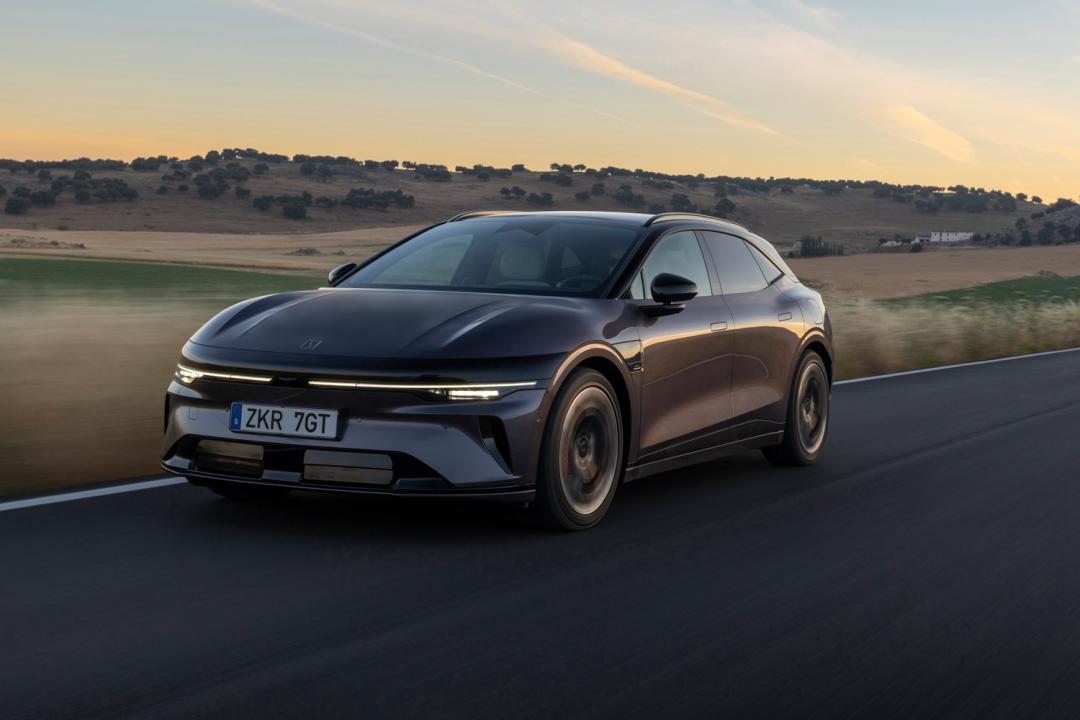
The Zeekr 7GT was designed and engineered in Gothenburg – perhaps that’s why it looks and feels a little more European in flavour than many new arrivals from China. I felt the same way with the Zeekr X and, again, the exterior looks are dramatic and eye-catching.
Zeekr’s designers have gone for a low-slung GT profile here. The overall effect is successful with an imposing shape that looks like it means business. The wheelbase is just under 3 metres, while the roofline reaches just 1.45 metres, so the stance is respectably low in profile. This was even more apparent once I got into the driver’s seat, where the effect feels very like you’re in it, as opposed to on it. At over 4.8-metres long, the persona is also quite estate-like as per the overall ‘shooting brake’ vibe.
Up front, there are very slick matric LED headlights, that sit beneath a clamshell bonnet. I particularly liked the way the contrasting headlight moulding flowed around the nose and, aside from the wheelarches, cut right to the back of the front wing. The contrast created, especially on the lighter coloured cars, was quite dramatic. Black pillars, mood inducing darkened glass and purposeful wing mirrors that felt very Volvo or Polestar completed the effect nicely.
Zeekr has done its best to keep thing aerodynamic too, with a figure of 0.25Cd being quoted and that must surely have been helped by the frameless doors, flush door handles and, at the back, a very minimalist feel. This was topped by more slimline taillight mouldings, a ducktail spoiler and Zeekr badging that sits at the foot of the rear screen. The car can be had with 19 or 20in alloys and the look was accentuated very nicely by bold and bright orange brake callipers on my car.
The interior didn’t feel like there had been any skimping on the quality either and basked in lots of natural light thanks to the panoramic glass roof. The seats, both front and back, were really chunky, felt well-made and offered lashings of comfort. I liked the effort that had been put into delivering quality door cards too, with spongy soft touch material covering the main surfaces, even where the speakers were located.
In the back, a beefy middle armrest made the effect quite posh too and, with lots of electrical adjustment on tap, it was easy to get comfortable. Boot space was good, though the body shape did tend to feel like a compromise had been made on the opening. Not quite so good if this is, indeed, an estate car.
The drive


I rather liked the way the Zeekr 7GT felt from the off. It features active air suspension and adaptable dampers, so this versatile setup suggested the car would be pretty handy once I got it out into the sticks. Around town, the car was very easy to manoeuvre with light steering and a seating position that offered good views all around. The seating position felt quite low too, which I was a fan of while the power delivery on my AWD model felt considered and never too lary, even though there is 0 to 60mph available in 3.3 seconds if needed.
Naturally, there were lots of drive setup options available within the touchscreen, but usefully there was also a one-touch button on the steering wheel that allowed me to toggle between Comfort and Sport modes momentarily. The Sport mode does liven the car up, as well as lowering it down a smidge, but with drive going to both front and rear motors, the Zeekr 7GT was dependably responsive in its standard drive mode too. Noice levels were generally low and that active suspensions system does earn its keep quite well. However, the weight over less good surfaces did make the car feel a little lumpy at times.
The range of the Zeekr 7GT is more than adequate for most needs, although the appeal is boosted by the ability to charge at up to 450kW with the LFP battery, while the NMC battery in my car could ‘only’ take up to 420kW. While this is a hard-to-find option in much of Europe, having the option to substantially top up in about ten minutes is impressive for sure. Driving carefully, I got to around 3 miles per kWh and so a real-world figure of around 300 miles from a charge seemed not unreasonable.
The technology


As I mentioned, the cockpit is a great place to be and I felt immediately at home on the sumptuous seats, complete with their heated and electric adjustment, massage functionality and speakers mounted into the headrest. The latter made up part of a 23-speaker Zeekr Sound audio system fitted to my test car, boasting 2,160 Watts. It did sound good.
I liked the way Zeekr designers opted to make the 13in driver display more of a curved affair as opposed to rectangular and the change of dimensions didn’t compromise the driver information at all. Better still, one of the most impressive aspects of the Zeekr 7GT was its sizable head-up display, which managed to pack in a lot more information than most. While the information was comprehensive, it didn’t feel like it was in the way either, so a thumbs up on that front.
Meanwhile, over in the middle of the dash was a 15in OLED touchscreen that perches up on the top of the area housing twin wireless phone chargers. Just in-between was a small selection of physical buttons useful for everyday chores, with another one assigned for one-touch parking control. As happens frequently with Chinese cars, some of the information did seem a little on the small side to be read, especially while on the move. Usefully, though, some core controls can be reached using a swipe-from-the-top technique for tapping on the go.
The so-called Zeekr Entertainment system is based around the Android Automotive OS and seemed to work well in use. Virtually everything is done via the infotainment screen, including adjustment of the door mirrors, but with practice it felt as good as any of the rival efforts providing a screen-dominant user experience. There was also Zeekr Assisted Drive and a bespoke navigation system and it all worked well. We were also encouraged to try the self-park feature, which while commonplace these days, also got the job done without fuss.
Zeekr 7GT verdict
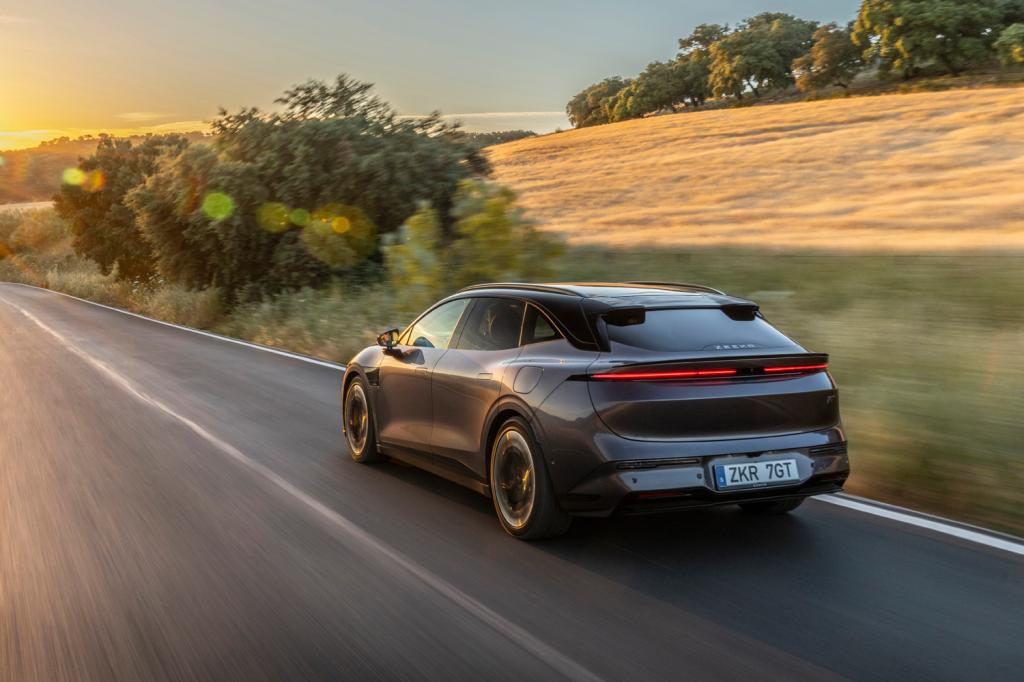
I found the Zeekr 7GT to be a fun car that packed in plenty of premium appeal alongside its performance factor. That being said, I’d like to try the rear-wheel drive-only model to compare and contrast. As someone who loves a rear-wheel drive EV, I’m inclined to think that may be as good if not better to drive. While the big bundle of power on tap here was fun, it might also be unnecessary for many buyers who have to keep an eye on their budget.
However, one of the biggest obstacles for the company is the lack of availability in core markets including the UK and US. Zeekr’s main focus so far seems to be the Netherlands, Germany and Scandinavian territories, but if they can get that sorted, this is another new-ish brand very worthy of investigation.
Stuff Says…
The Zeekr 7GT offers much in its AWD guise but similar thrills can probably be had from its cheaper rear-wheel drive counterpart.
Pros
Exterior design is quite striking
Really comfortable interior
More than enough performance
Cons
Those infotainment details are a bit busy
Boot opening compromised by the design
Still only available in 16 European markets
Zeekr 7GT technical specifications
| Specifications | Zeekr 7GT |
|---|---|
| Powertrain | Permanent magnet synchronous motor |
| Battery | 100kWh |
| Power | 646bhp |
| Torque | 522lb ft |
| 0-62mph | 3.3 seconds |
| Top speed | 130mph |
| Range | 406 miles |
| Maximum charge rate | 450 kWh |
| Cargo volume | 456 litres |


 Rob Clymo