Wired headphones are trending right now but let’s be real – wireless earbuds are superior in every way
Cutting the cord is a good thing - and don't let TikTok trend-setters tell you otherwise

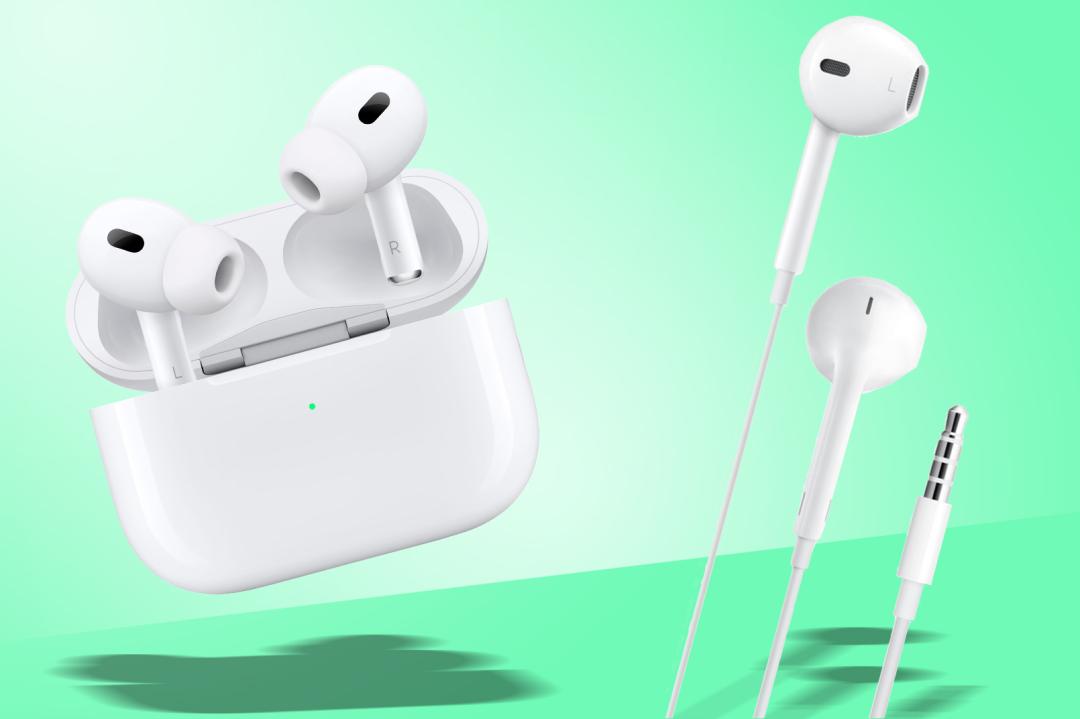
It’s not just audiophiles that obsess over wired headphones any more. Sales for ‘cans with cables have entered the stratosphere, helped by the TikTok crowd going gaga for all things retro. People are also rethinking how big a part tech plays in their everyday lives, with the recent Bluetooth backlash almost feeling like a rebellion against the industry’s current obsession with Artificial intelligence.
Cables may be chic again, but does that mean wireless earbuds are the enemy of good sound? Having tested headphones of all kinds for over a decade now, I can safely say it’s not that simple – and that for most people, wireless is still your best bet.
What wired headphones get right
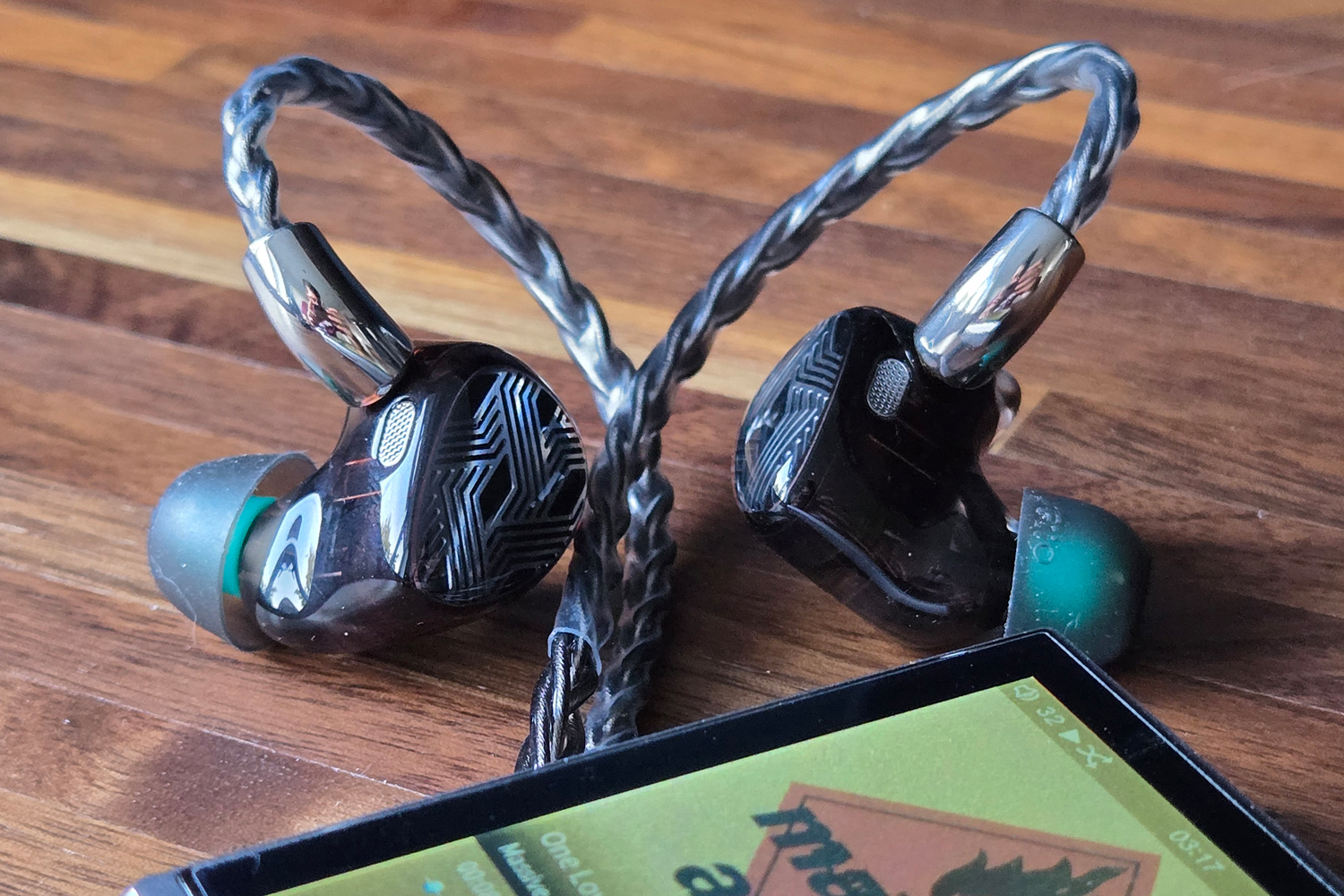

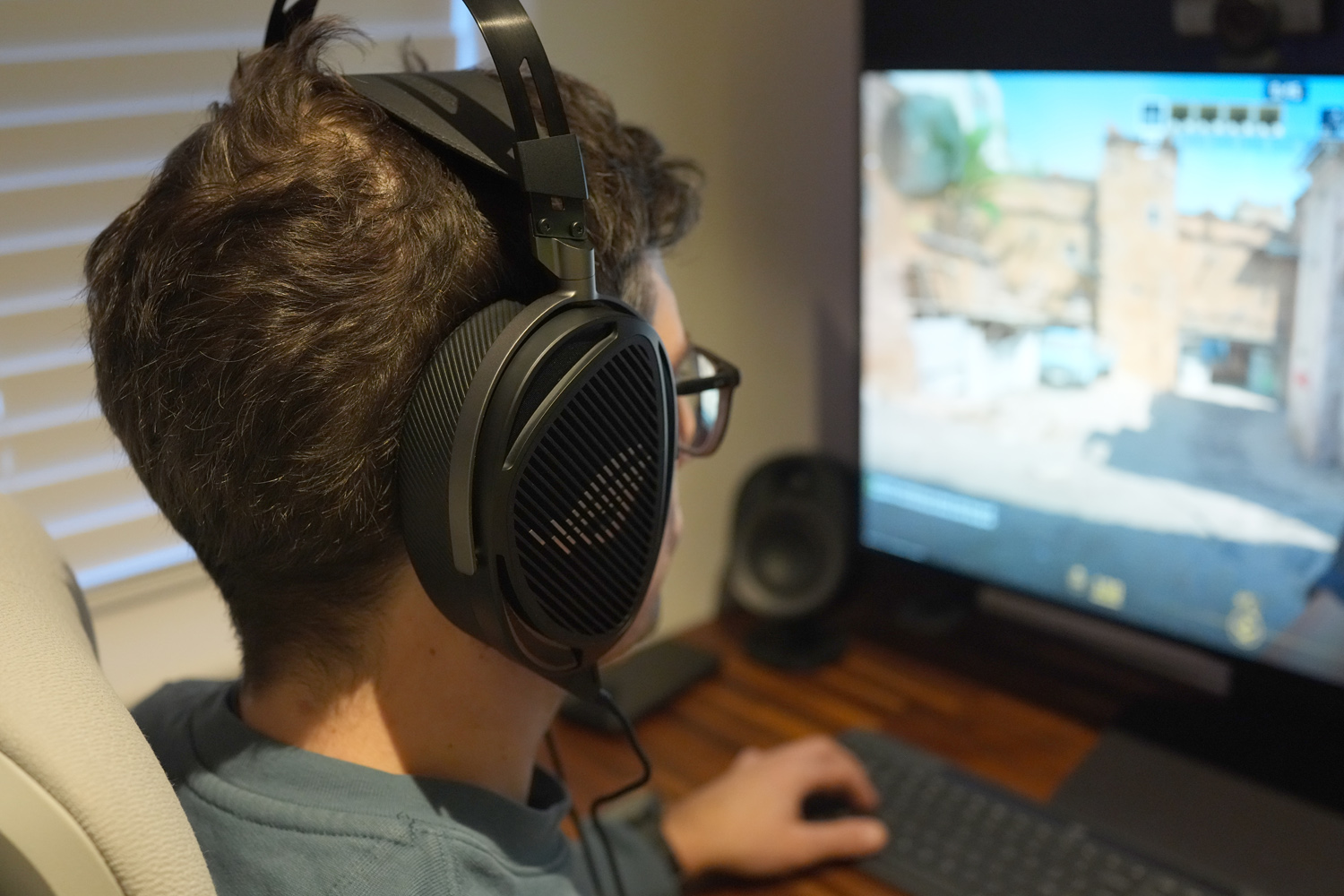
Simplicity is one big reason music lovers gravitate to wired headphones. They’re just plug and play: you don’t have to pair them first; there’s no waiting around while a connection is made; and you don’t have to think about whether you’ve picked the right Bluetooth codec. They’ll also work on anything with a 3.5mm port, not caring what music system, gaming platform or operating system you prefer.
With no batteries on board you never have to worry about running out of power (or worse, forgetting to charge). It’s the sole reason I keep a pair of Sony InZone E9 wired in-ears for gaming on the go – they can sit in my travel bag for months between uses and they’ll be good to go as soon as I plug them in.
The other main point of difference is sound quality. A wired connection is uncompressed, has practically zero latency, and doesn’t have to dial out any digital interference. None of the song’s raw data is lost when transmitted down an analogue cable. And by not spending on batteries and wireless circuitry, headphones makers are able to use more of their manufacturing budget on the drivers themselves.
That can often mean wired budget buys that sound as good as far pricier wireless earbuds or enthusiast-grade headphones with more exotic hardware, like ultra-sensitive planar magnetic and electrostatic drivers that major on audio excellence. These also require more power than dynamic driver headphones, so are rarely found in the wireless world. It’s why I use the planar Sendy Egret for at-home listening – the wireless headphones I take on my commute can’t match it for sonic precision (though it does admittedly cost twice the price).
Finally there’s the cool factor. Wired headphones undeniably have retro appeal right now, thanks largely to social media. The telltale white cable of a pair of Apple EarPods hasn’t been cool since the mid-2000s but it’s now a regular sight on Instagram. Some brands have made their name out of throwback styling, with We Are Rewind bringing back cassette players and boom boxes as well as Walkman-style headphones. If you want to look hip, a wire trailing from your ears to your pocket will apparently get the job done in 2026.
Where wireless earbuds win out
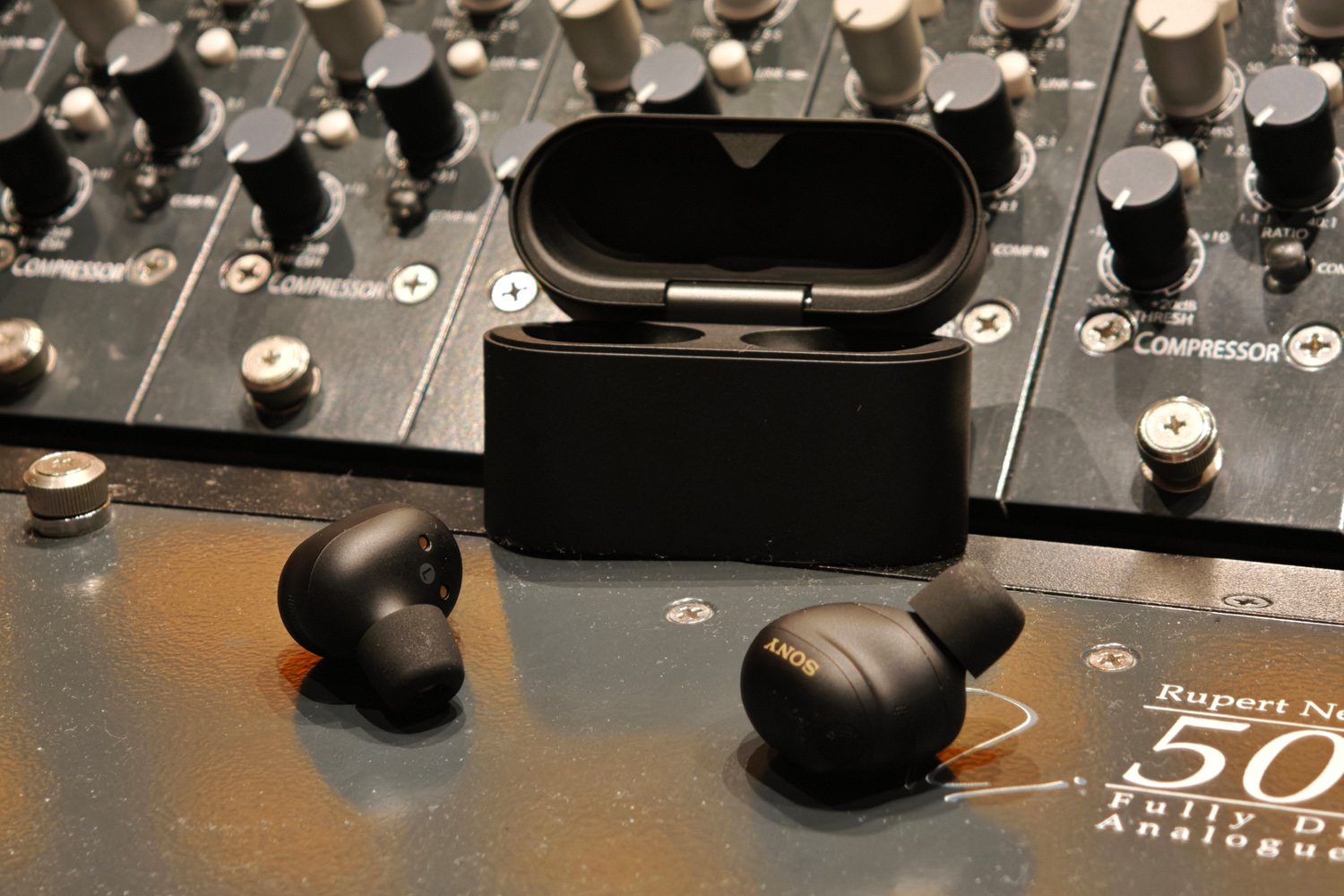


There’s a reason wireless listening took off to such an extent that the humble headphone jack became an endangered species, though. I think that for most people, the generational switch turned out to be a good thing. Let’s bust a few myths, shall we?
Convenience first. Is charging really that much of a chore? The USB hub by my bed can top up my phone, smartwatch and wireless headphones while I’m in the shower, so it’s not like I’m ever waiting around to refuel. The Sennheiser Momentum 5 Wireless I take on flights can last a massive 50+ hours with active noise cancelling enabled. That’s long enough for two transatlantic trips plus all the airport faff on either side, and still have some left in the tank. I can’t remember the last time I went to use a pair of wireless earbuds and discovered they were dead.
True wireless earbuds are easier to lose than wired ones, sure – either by leaving them out of their case or one falling out of your ear while outside – but software like Find My is a superpower for the clumsy and forgetful.
It may also be a fact that batteries have finite lifespans, but newer wireless earbuds like the Fairphone Farbuds have replaceable cells – and European repairability laws mean rivals will need to offer the same very soon. Headphone cables are just as prone to breaking over time; if they’re captive – so can’t be swapped by the user – you’re equally out of luck.
Speaking of cables, I’ll die a happy man if I never have to untangle another wire again. Knots used to be a nightmare with cheaper earbuds made from basic plastic, which could seemingly tie themselves up while simply sat in your pocket; newer and more expensive headphones have braided cables that are a little more resistant to tangles, but not immune.
Gym workouts with wires can be a health hazard and I hate how easily a bud can get yanked from your ear when a wire gets caught on your clothing. Now that my phone doesn’t have a 3.5mm port anymore, cutting the cord also means I don’t have to deal with dongles. And I personally couldn’t give two hoots if my tech choices are a TikTok sensation or not.

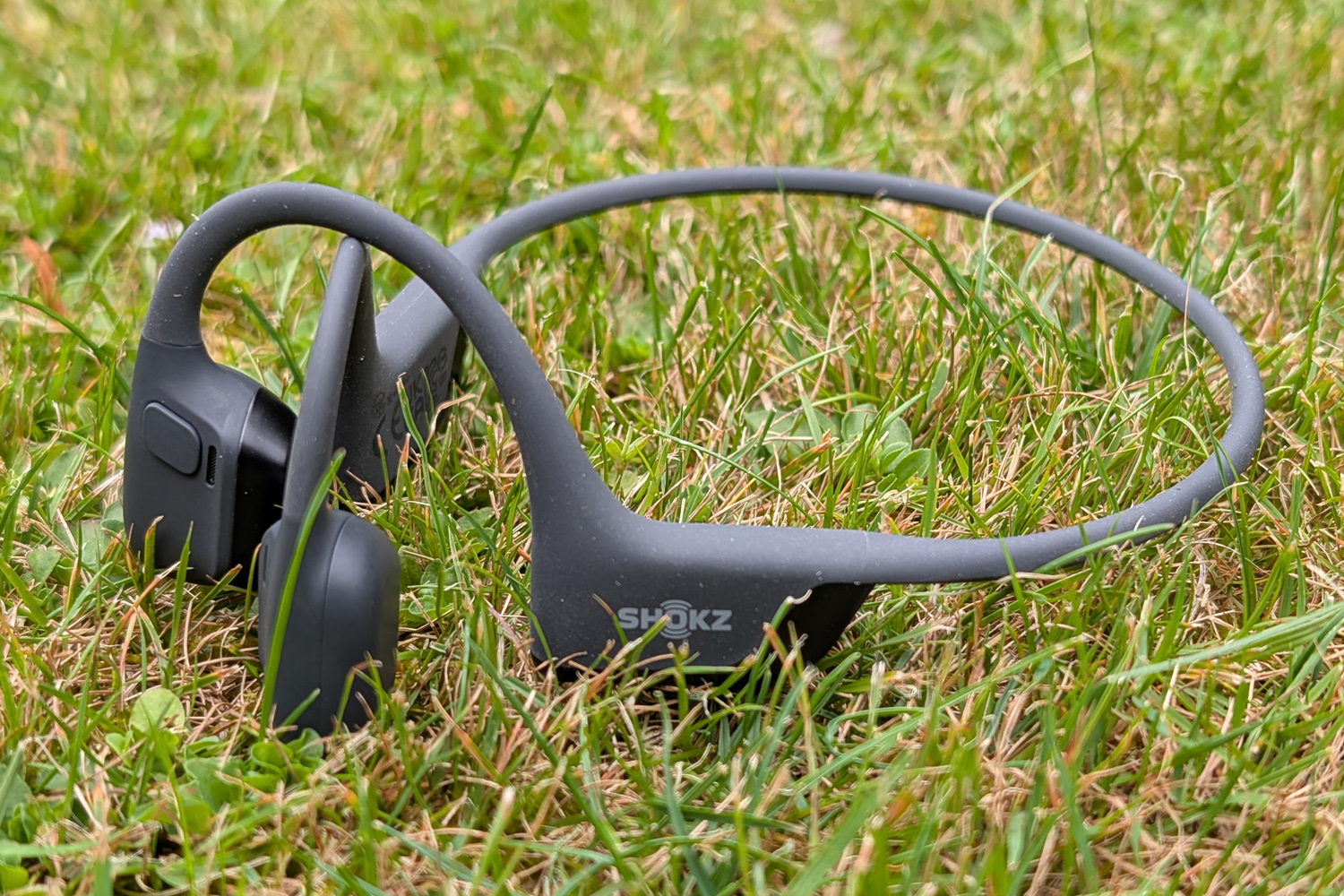
Variety is one area wireless headphones have wired ones beaten hands down. True wireless may be the norm, but there are also clip-style buds, neckbands and open fit for keeping aware of your surroundings. And good luck finding a pair of wired cans with active noise cancelling built-in.
It’s not like sound quality is the elephant in the room either. Bluetooth standards are now high enough for streaming audio that only serious sound lovers can tell the difference between wired and wireless in a blind test. Interference and connection dropouts in busy public places aren’t really an issue anymore. And while it’s true you might get better audio if you’re shopping exclusively in the bargain bin, there’s very little in it once you get into AirPods Pro 3 territory.
Simply put, unless you’ve got golden ears, have medical-grade amnesia when it comes to recharging and need to stay on top of trends like your life depends on it, don’t feel you’re missing out by going wireless.
How we test headphones
Every pair of earphones and headphones reviewed on Stuff is used for a minimum of a week’s worth of daily listening. We use a playlist of test tracks made up of multiple genres to assess sound, and use our years of experience to compare to other models. Manufacturers have no visibility on reviews before they appear online, and we never accept payment to feature products.
Find out more about how we test and rate products.


 Tom Morgan-Freelander
Deputy Editor
Tom Morgan-Freelander
Deputy Editor