This pro-grade stills and video camera is also a phone. Why isn’t it more widely available?
The X300 Ultra is Vivo's most accomplished cameraphone yet

Stuff Verdict
In the running to be the best phone ever built for photography and video. Only regional restrictions really dent the Vivo X300 Ultra’s appeal in the West
Pros
- Cameras deliver superb stills and class-leading video
- Extensive accessory line-up for serious creators
- Flagship-grade performance, battery life and charging speeds
Cons
- Limited worldwide availability
- Software not as refined as rivals’ with too much bloat
Introduction
As the smartphone camera wars continue to heat up, is the X300 Ultra proof that simple is best? Vivo’s latest flagship doesn’t double up on telephoto lenses and there’s no clever variable zoom tech to be seen. The oversized island at the rear of this phone just has three absurdly capable snappers, backed by some of the most mature image processing around.
It takes on the equally photography-focused Oppo Find X9 Ultra and Xiaomi 17 Ultra, while being a left-field alternative to mainstream models like the Galaxy S26 Ultra and iPhone 17 Pro Max. With top-tier Snapdragon internals, a big battery and a fresh new Android skin previously reserved for the Chinese market, there’s almost nothing not to like – except the limited international availability, that is.
Just a few European countries are in line to get the X300 Ultra, at a heady €2000 for the sole 16GB/1TB model. That translates to around $2300 or £1700, but because US and UK phone fans will have to go down the grey import route they might end up spending more. Is it worth the hassle when rivals are much easier to get hold of? After more than a month of testing with the phone itself and Vivo’s comprehensive photography kit, I genuinely think it might be.
How we test smartphones
Every phone reviewed on Stuff is used as our main device throughout the testing process. We use industry standard benchmarks and tests, as well as our own years of experience, to judge general performance, battery life, display, sound and camera image quality. Manufacturers have no visibility on reviews before they appear online, and we never accept payment to feature products.
Find out more about how we test and rate products.
Is the Vivo X300 Ultra the best 2026 cameraphone?
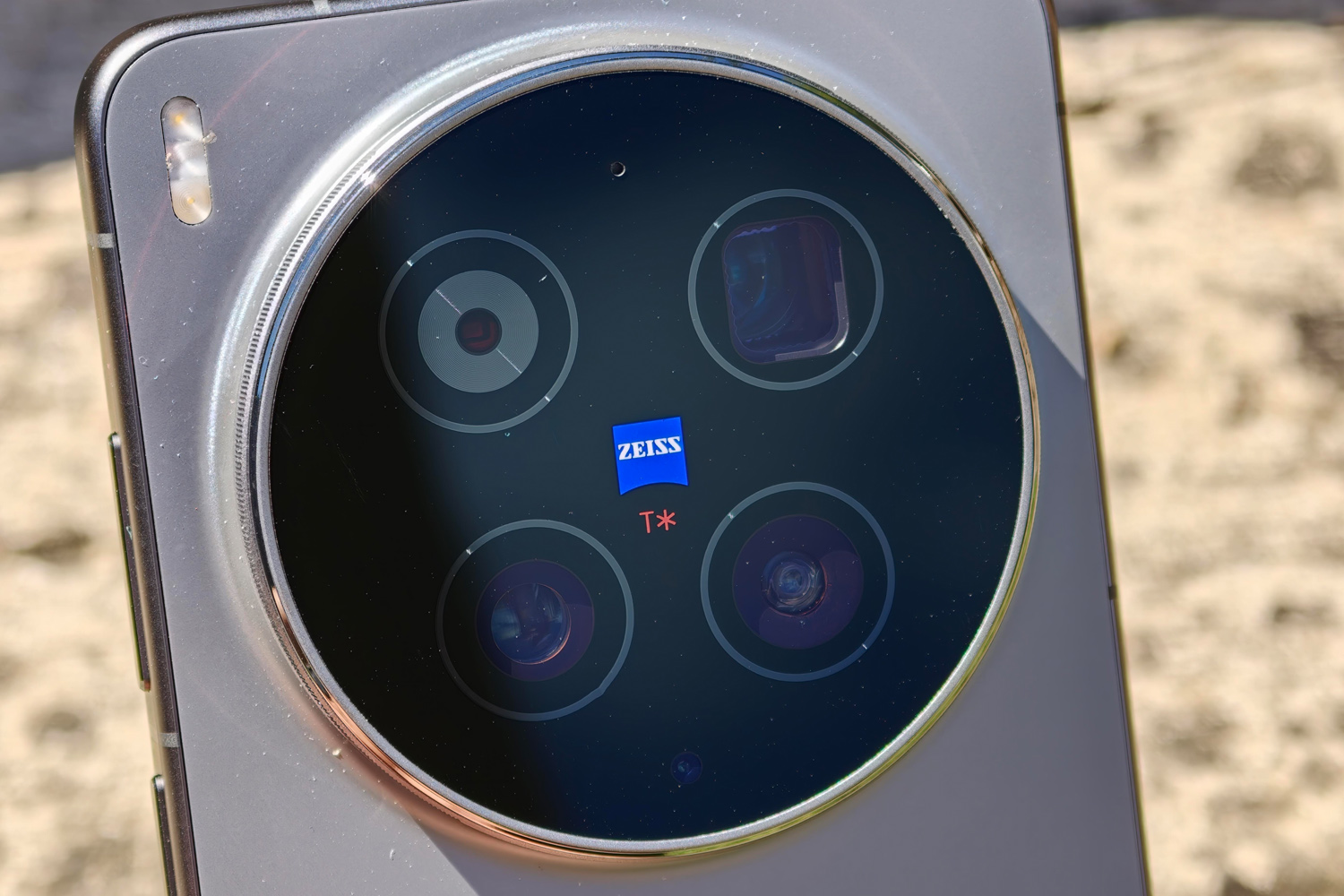
It has a very strong claim to that title on pure hardware alone, even if we’re not talking a complete reimagining of the rear lens trio used on the outgoing X200 Ultra.
At 1/1.12in the lead shooter’s sensor is physically larger than before, and with 200 megapixels it has four times the pixel count of its predecessor. It keeps the 35mm lens, which is unusual for a phone but much closer to the human eye’s perspective. The oversized 1/1.28in ultrawide sensor can then be cropped to make up for any gap in coverage without any major penalty to image quality.
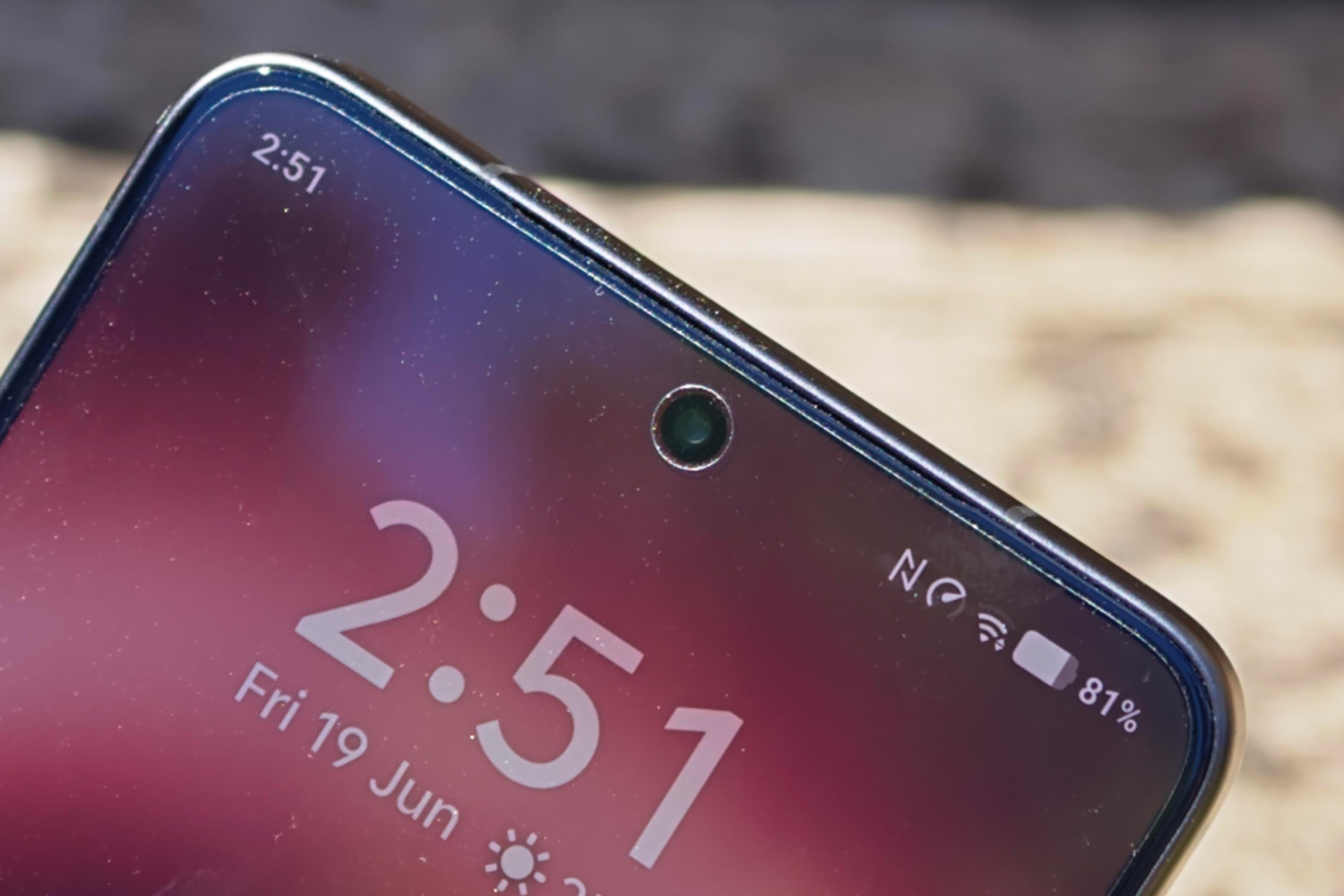
The telephoto lens uses a newer generation sensor supplied by Samsung, but sticks with the same 200MP pixel count and 1/1.4in sensor size as last year. Its aperture is actually a bit narrower than before, which could carry a performance penalty in low light. The 50MP selfie cam up front is also a carry-over. Everything has been given the Zeiss seal of approval, with the lens expert also contributing a Zeiss Natural colour profile that adds a hint of analogue to your snaps.














Quite simply, this phone takes photos that look as though they came from a traditional camera. The 35mm perspective is distinctive and the quality on show is exceptional. Exposure, colour, contrast and dynamic range are all on point; there’s an abundance of detail everywhere you look; and there’s an impressive amount of natural background blur on tap when the composition requires it. That’s good, because I found the portrait made subjects look a little softer even when I dialled back the artificial bokeh. I still think Vivo’s image processing does a little too much when it detects faces, with Xiaomi and Oppo delivering slightly more natural results.
The other two lenses show fantastic consistency with the lead shooter, across colour, exposure and detail. The ultrawide’s native focal length packs plenty into frame, while the cropped zoom delivers the short of shots you’d expect from some rival phones’ main camera.
It’s zoom strength where Vivo shows any weakness; the sensor may be huge and have plenty of pixels, but that only goes so far when cropping from a native 3.7x magnification. Doubling up on zoom lenses lets the Oppo Find X9 Ultra take unbeatably clean snaps at a native 10x. There’s next to nothing in it at 170mm, though, showing how effective Vivo’s image processing can be with just a single lens to work with. This is comfortably up there with the best phones at 3x and even 6x zoom.











In low light, the ultrawide performs best at its native zoom; 28mm crop are softer and not not as well defined. The main snapper is impeccable and telephoto a close second, with realistic colours that aren’t thrown off by harsh artificial lights. Again it’s extreme zoom where the image processing takes the wheel, giving the illusion of detail but not always in a controlled manner.
I comfortably put this phone ahead of anything Google, Samsung or Apple is doing right now, and depending on the scene it either challenges for the lead or wins outright against domestic rivals Oppo and Xiaomi.
Is the Vivo X300 Ultra camera kit worth paying extra for?
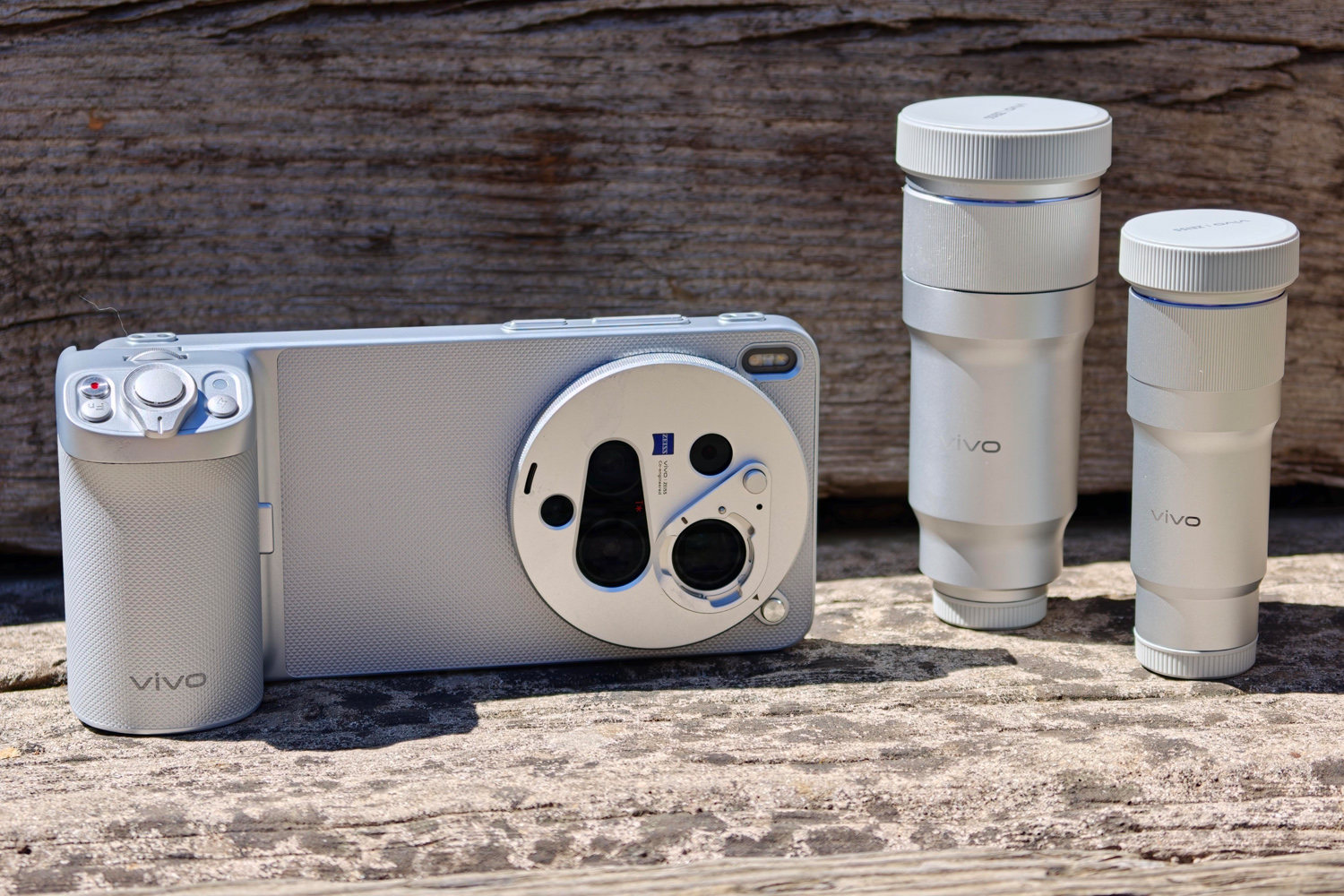
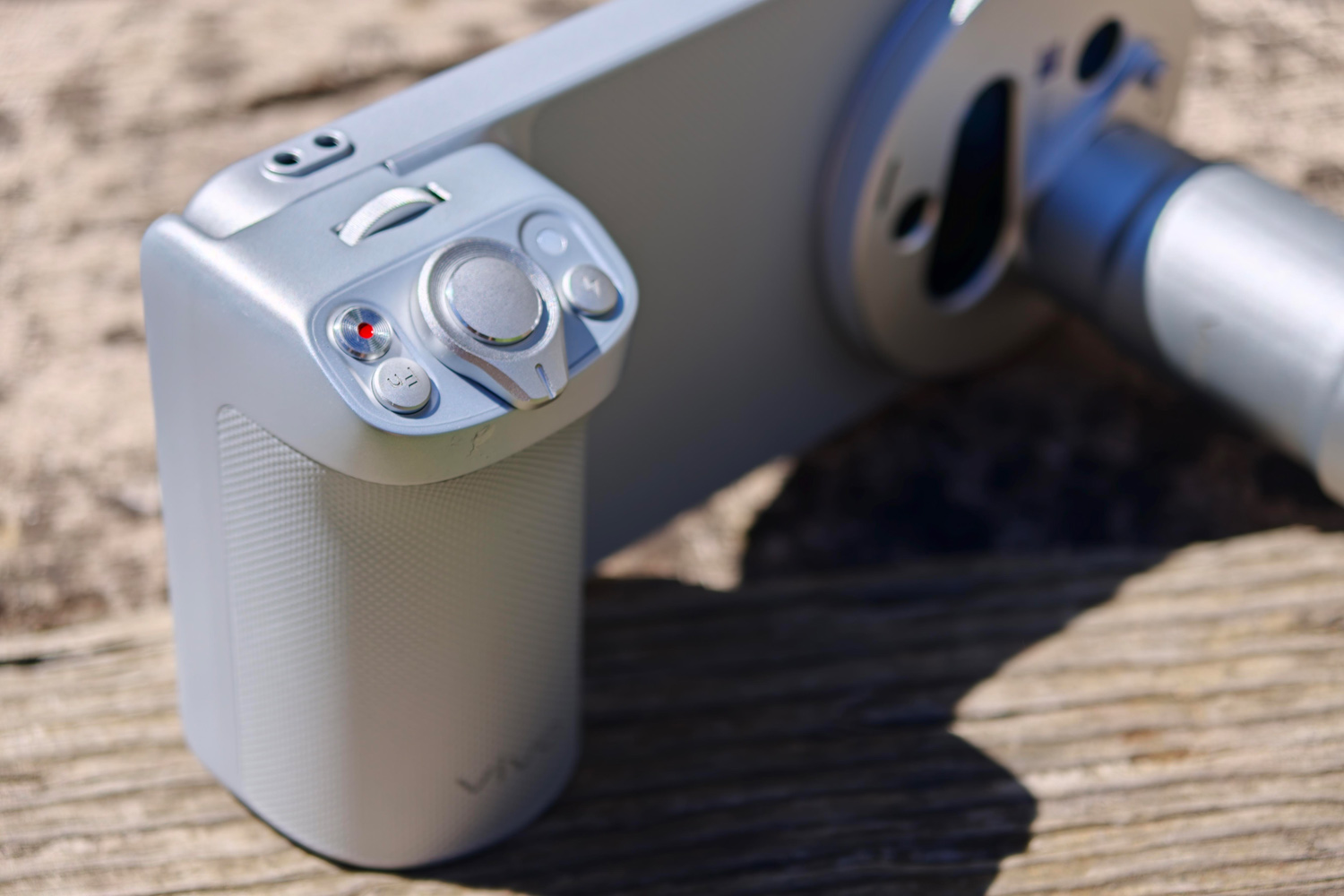
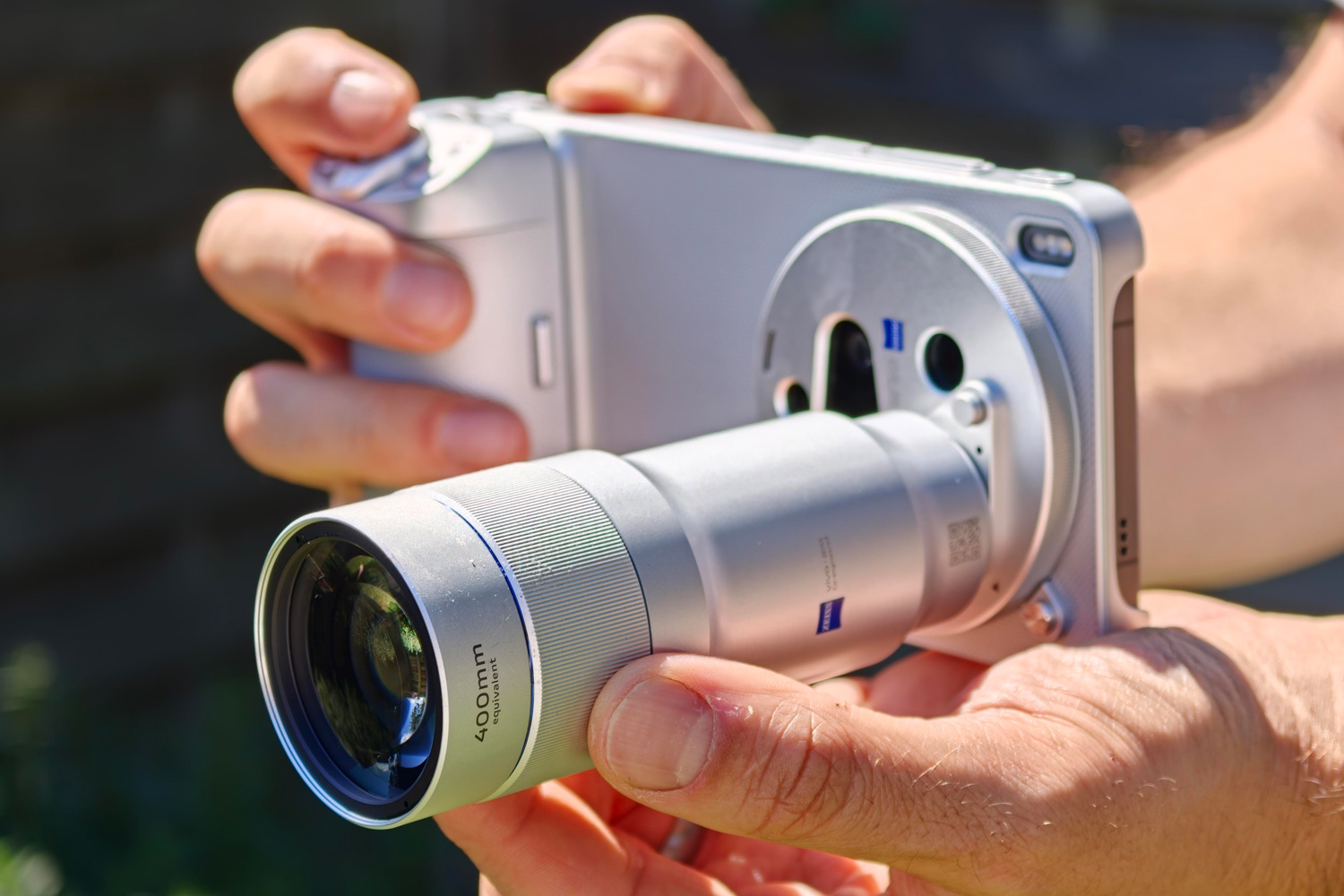
If you want extreme zoom, then it’s definitely worth breaking out the credit card. Vivo’s official kit includes both a refreshed, much smaller version of the 200mm lens that kick-started the trend for phone camera bolt-ons and a larger 400mm adapter. There’s also a case to clip the lenses into and a battery grip that adds a handful of useful physical controls.
Unlike rival Oppo, which forces you into a specific mode to use its teleconverter, you’re able to use these lenses in any camera mode. They’re also easier to access, with an ever-present shortcut in the top corner of the camera app. I even found the mounting mechanism more straightforward than the Find X9 Ultra’s fiddly one.
The 200mm adapter is nicely compact – or as compact as these things get – and light too. On the other hand, the 400mm is a chunky boy that you’ll only break out when a shot requires it. The included shoulder strap starts to make a lot more sense once you’ve spent an afternoon with the 400mm strapped to the back of your phone. Neither are as hefty as Oppo’s kit, though.





Because these are teleconverters rather than lenses with complex optics inside, there’s no image quality penalty, meaning results are as top tier as using the phone itself – just that much more zoomed in. The difference in clarity and depth of field between the 200mm lens and the camera’s native telephoto at the same zoom level is stark, with none of the telltale signs of AI over-processing to maintain detail.
If the lens extenders have one weakness, it’s stabilisation; you need a particularly steady hand to get sharp results at 400mm. Vivo knows this, so has bundled tripod adapters for each lens in the box.
How good is the Vivo X300 Ultra at shooting video?
Arguably even better than it is at taking photos. Footage has outstanding dynamic range and vivid colours, while night-time clips do a fantastic job of minimising noise. Stabilisation is excellent across all three lenses, while the ultrawide’s (1080p-only) horizon levelling mode is great for fast-moving action.
Clarity is decent rather than class-leading at times, the image not being quite as sharp as I would’ve hoped given the hardware. The lead shooter and 85mm fare better than the ultrawide, but the telephoto does dip as you lean more heavily on cropping and digital zoom magnification. The gap to Vivo’s nearest rival isn’t huge on this front – but the Oppo Find X9 Ultra isn’t nearly as flexible with its shooting formats and effects.
The X300 Ultra can record 4K footage at 120fps from each of its three rear cameras, or 8K30 if you really need the resolution. The front shooter caps out at 4K60. Dolby Vision HDR is also on board for maximising dynamic range. The Pro mode is where it gets really interesting, though; log capture and custom LUT profiles let you get really granular with colour grading, while the in-camera filters can be applied to 4K footage – not just 1080p clips, as with many rivals.
If you want to go the whole hog Vivo also offers a video cage kit, made in collaboration with SmallRig. This includes two chunky handles, a central mount for the phone and any attached teleconverter, a cooling fan, and a cold shoe mounts for accessories like microphones or fill lights.
Does the Vivo X300 Ultra have a stand-out design?
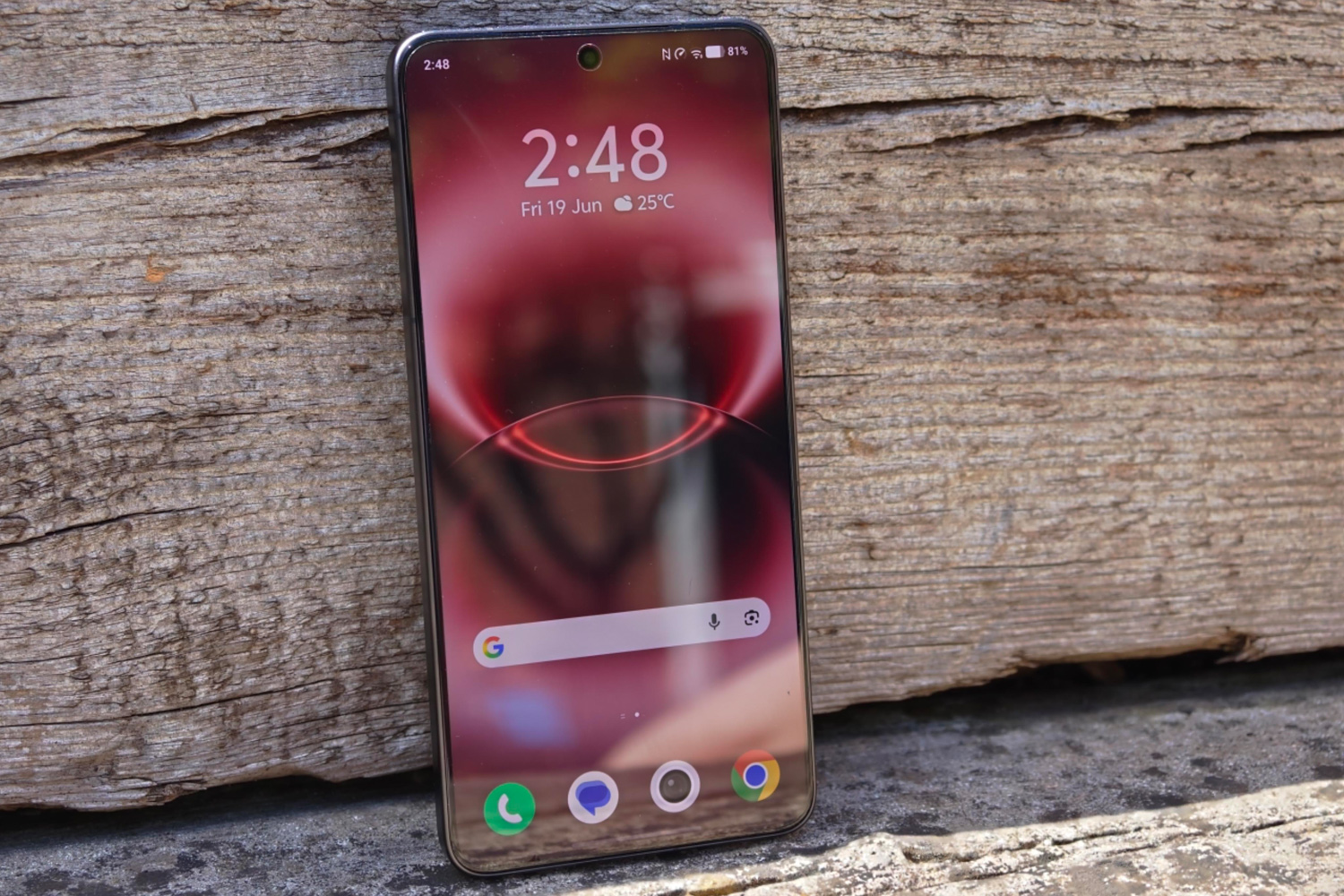
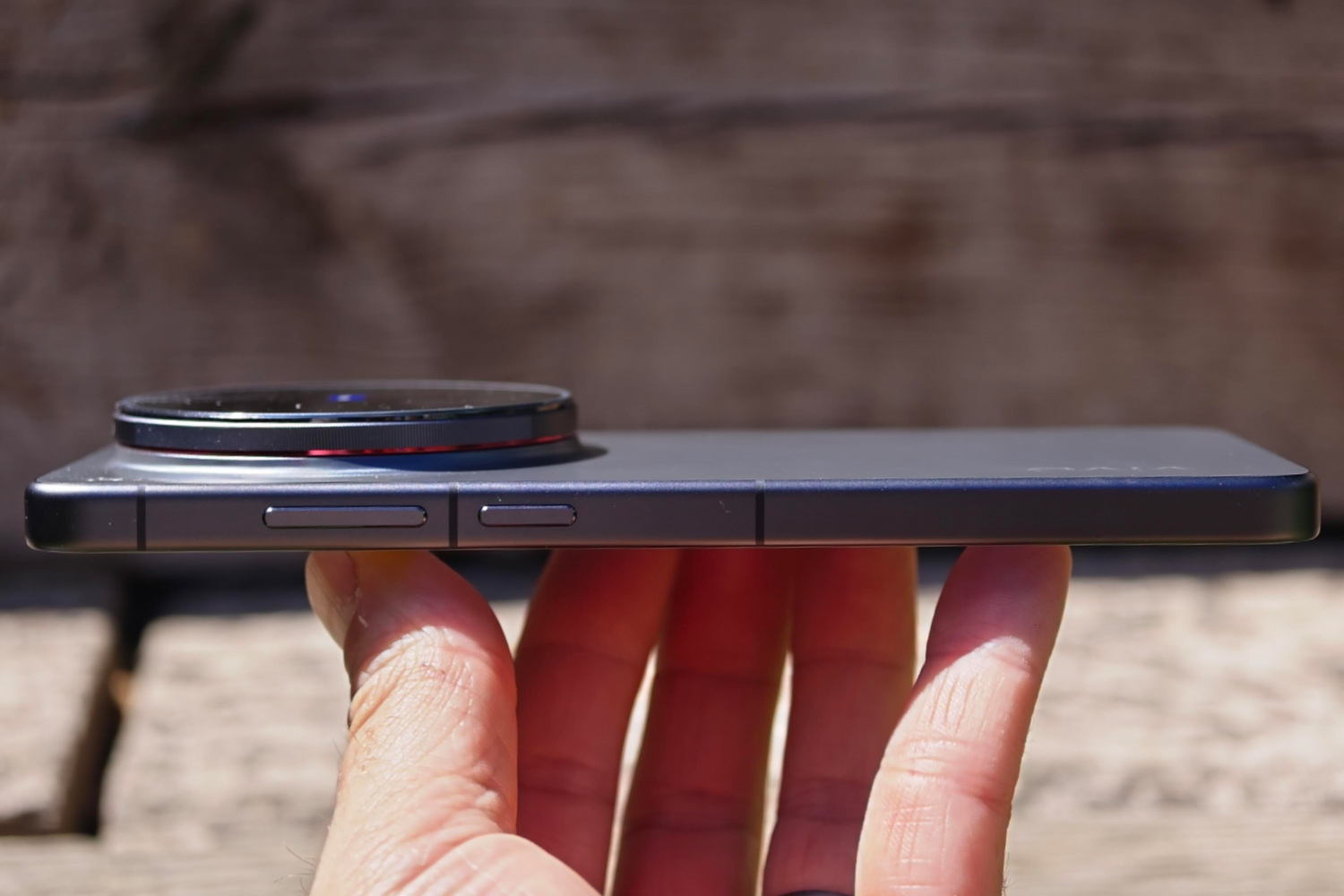
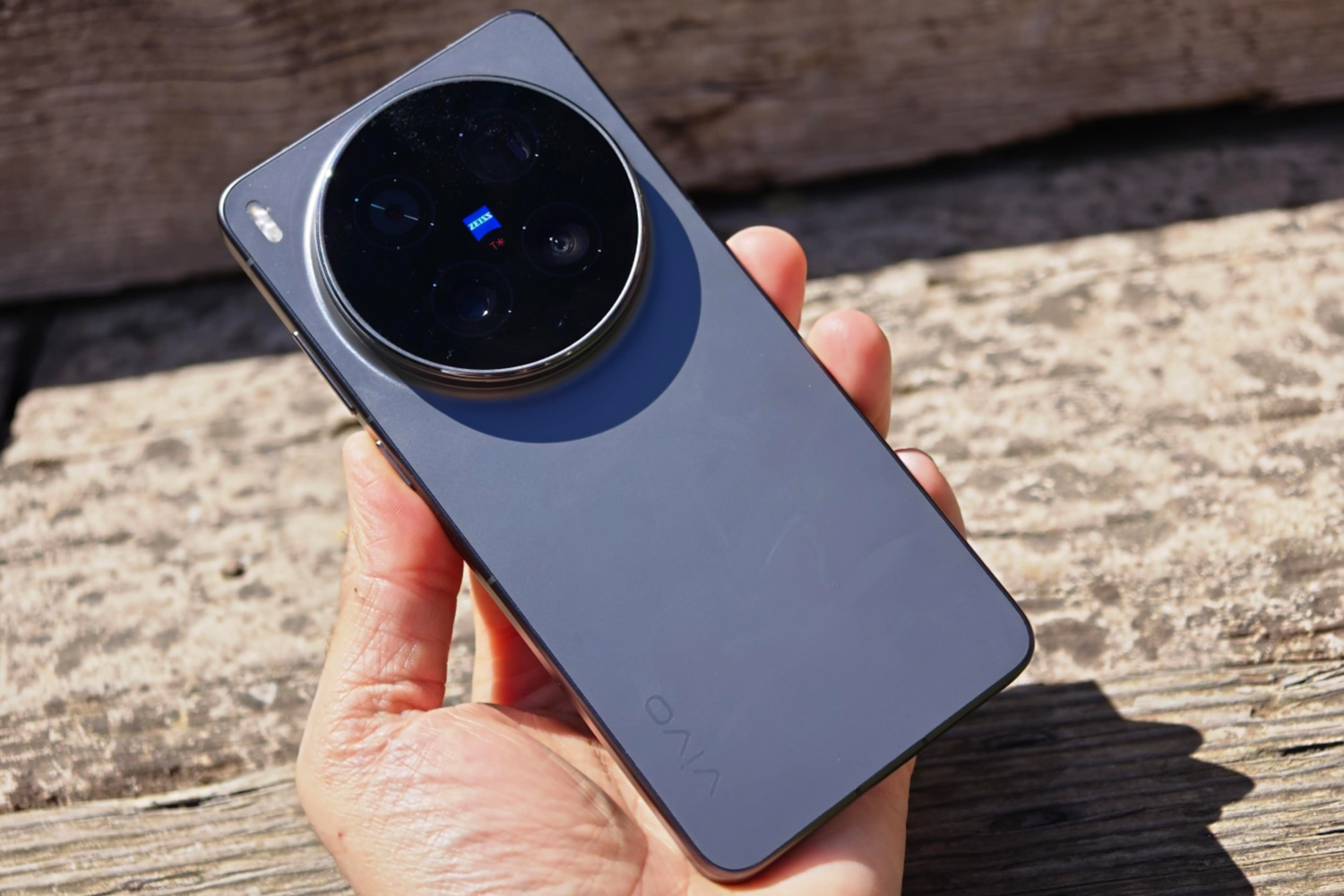
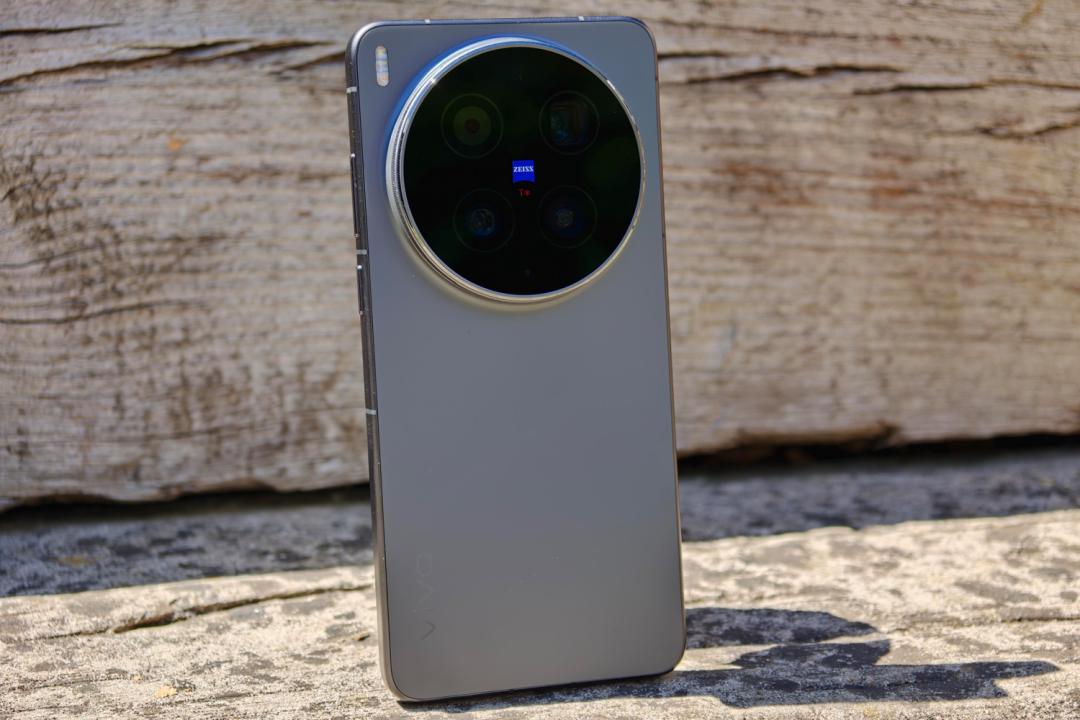
Not really. If anything Vivo has gone mainstream for its latest flagship, ditching the curved-edge glass and slightly rounded back panel of the previous generation in favour of a fully flat front and rear. The chunky aluminium central frame isn’t all that different from the current crop of top-tier rivals, and there’s nothing out of the ordinary at the sides like a customisable shortcut key or physical shutter button. Oddly the latter was something you’d find on the outgoing X200 Ultra, so I don’t get why Vivo ditched it here.
My black review unit is easily the least exciting of the three colour options, with the white and green models each having a two-tone look; the white version also adds a marble effect pattern for extra visual flair. The Vivo branding at the bottom edge is subtle.
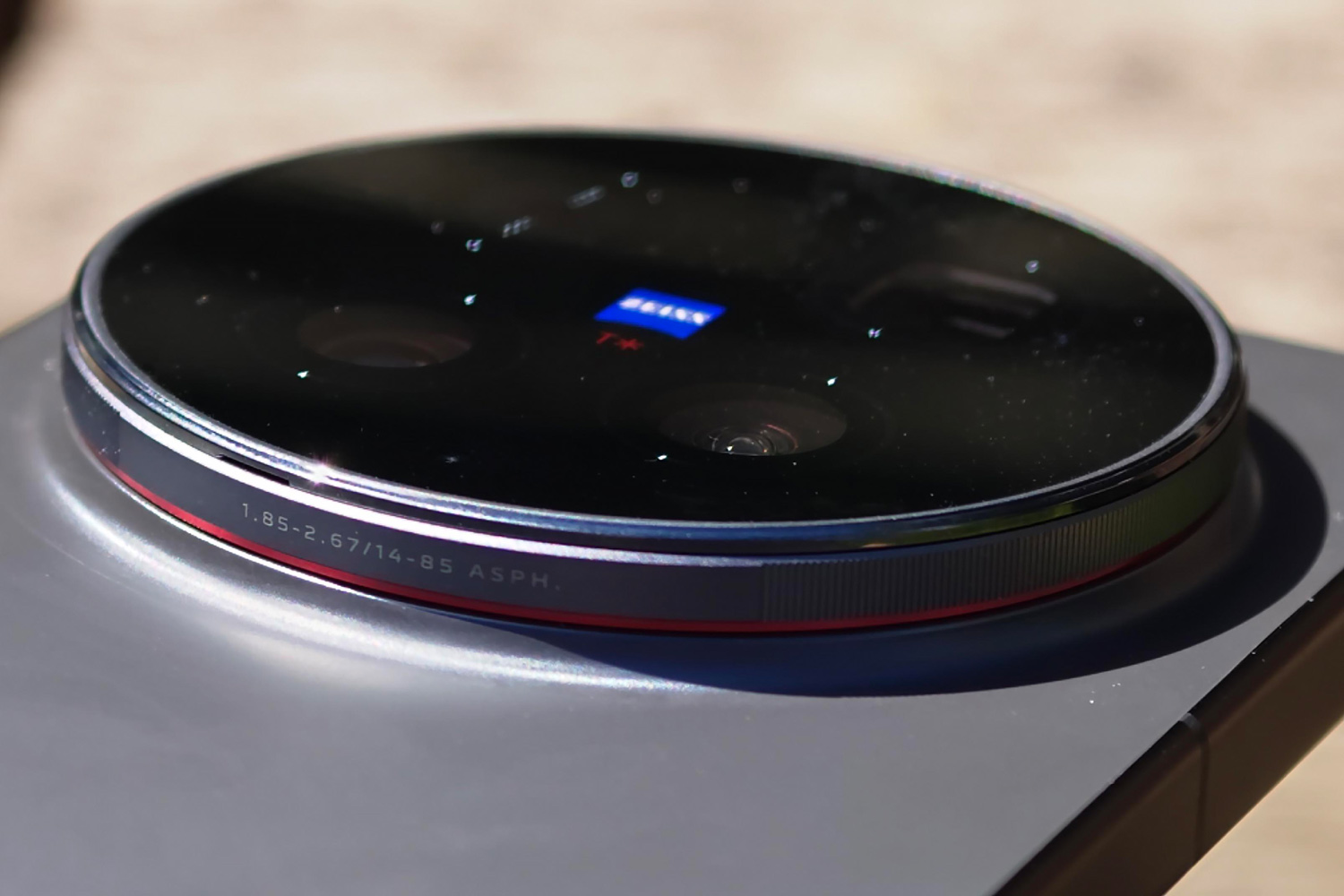
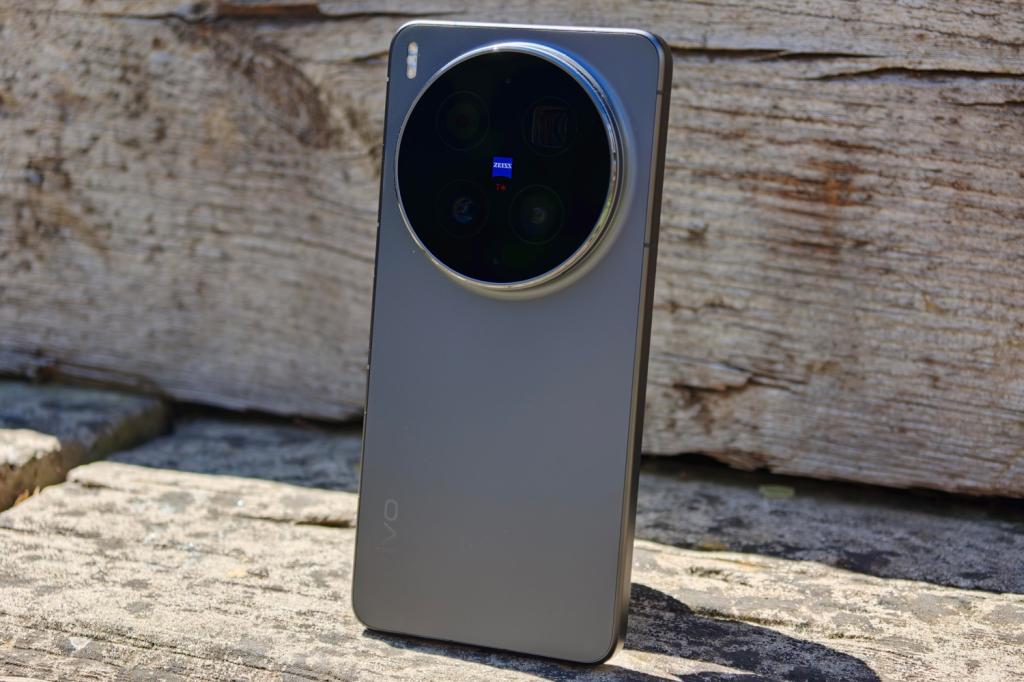
The huge circular rear camera island is undoubtedly the attention-grabber here. It’s even more of a main event than it was on previous X series efforts, bulging further out from the phone’s body and with a ridged texture that mimics the look (and grippy feel) of a DSLR lens barrel. The aperture values and prominent Zeiss logo are other clues you should take the X300 Ultra seriously for photography.
All that camera hardware makes the phone rather top-heavy, but it’s built to last with ‘Armor Glass’ on the front and rear that has resisted all scrapes and scratches during my testing. IP68 and IP69 resistance ratings are also class-leading.
Lastly Vivo gets top marks for including an ultrasonic fingerprint sensor. It recognised my digits almost instantly and didn’t mind if I had wet hands.
Is the Vivo X300 Ultra’s screen a big upgrade from last year?
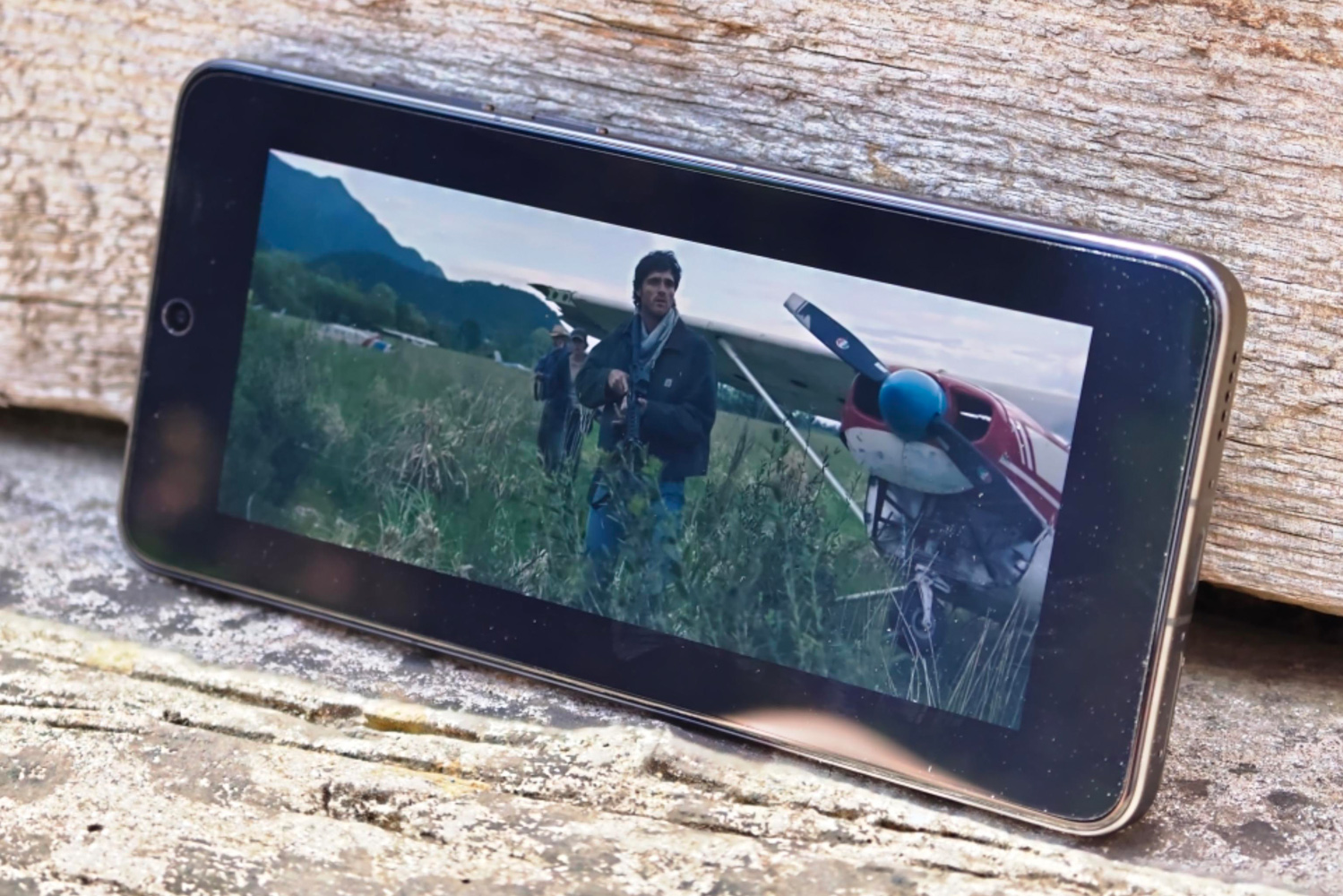

Nope, we’re very much in ‘marginal gains’ territory here – but given the X200 Ultra was already rocking a flagship-tier display, that’s not exactly a bad thing. The X300 Ultra’s 6.82in OLED is a proper palm-filler, with satisfyingly skinny bezels on all four sides and an astonishingly sharp 3168×1440 resolution that’s up there with the class leaders for clarity.
Colours are gloriously punchy, while Dolby Vision and HDR10+ support ensures compatible content really makes an impact. Google Ultra HDR is also here to do a similar job with your photo library. Contrast and shadow definition are up to the usual excellent OLED standard too. Brightness in general is excellent, with a High Brightness Mode (HBM) that has no trouble dealing with bright sunshine.
Vivo has boosted the variable refresh rate panel from 120Hz to 144Hz in order to make onscreen motion even smoother than ever, though you’ll only actually hit that maximum in compatible games. 120Hz was more than sufficient for me, being fast to switch when I started scrolling but willing to drop as low as 1Hz for static images in order to boost battery life.
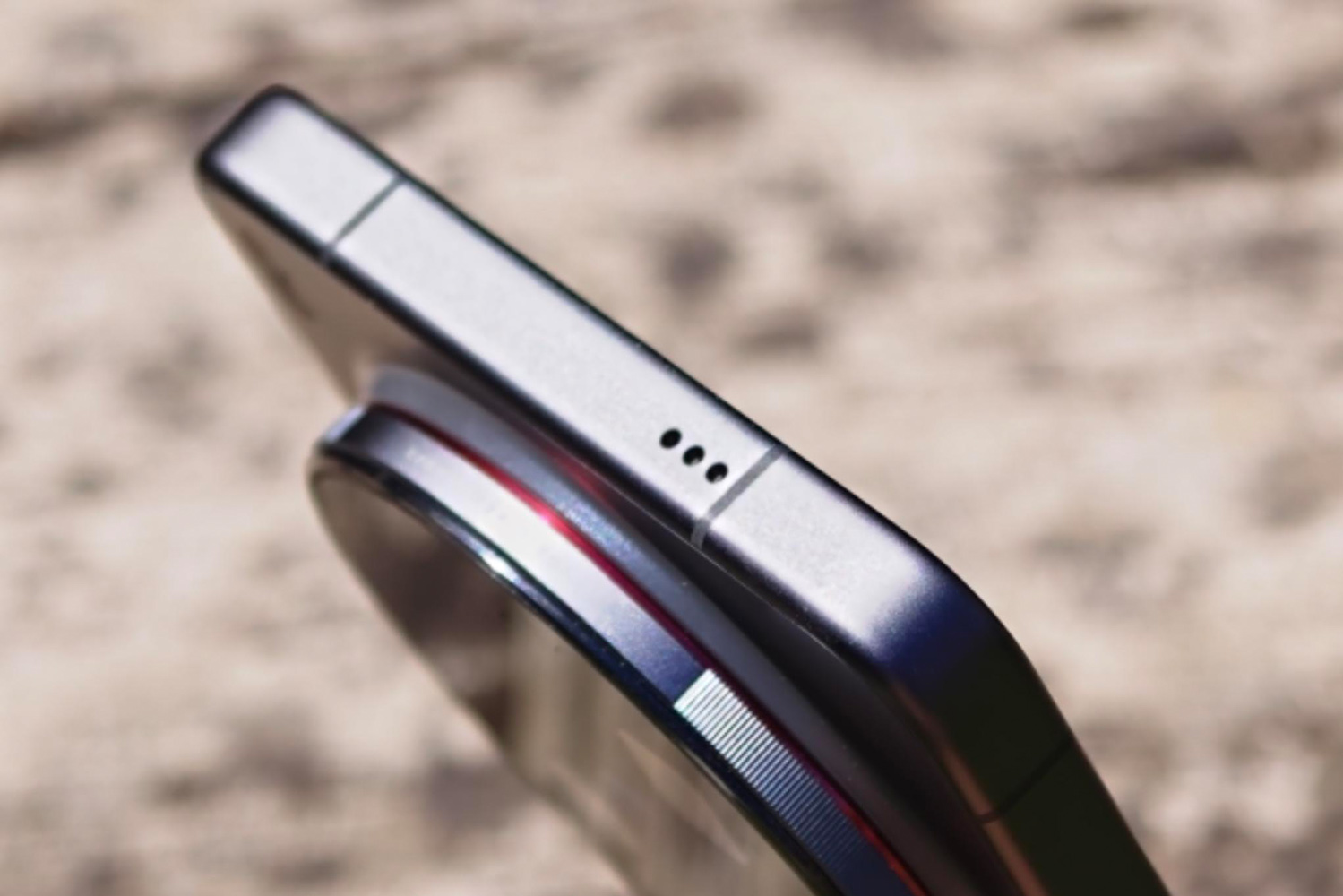
The speakers weren’t much of a standout for me. A down-firing main driver and earpiece tweeter are the 2026 smartphone standard and while there’s no shortage of volume, clarity can’t quite match the class best. Headphones are still the way forward for anything other than casual listening.
Does the Vivo X300 Ultra have performance worthy of a flagship?
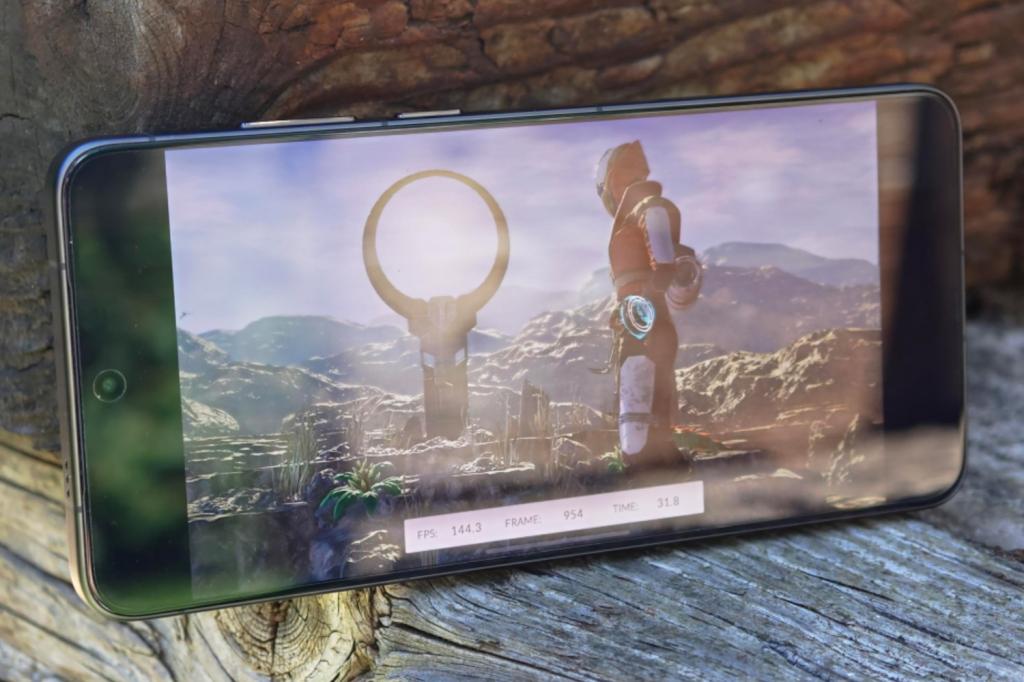
You’d better believe it. A Snapdragon 8 Elite Gen 5 and up to 16GB of RAM deliver epic performance in apps and games, while the 1TB of maximum storage ensures you’re not going to run out of room for photos or video recordings any time soon. This was in the default power profile, too; a boost mode can ramp things up even more when you feel the need for speed, though I never reached for it outside of benchmark testing. Out of the box it’s already up there with the most powerful 2026 flagships.
| Vivo X300 Ultra benchmark scores | |
| Geekbench 6 single-core | 3560 |
| Geekbench 6 multi-core | 10,261 |
| Geekbench AI | 5491 |
| Speedometer 3.1 | 24.4 |
| PCmark Work 3.0 | 16,687 |
| 3DMark Wild Life Extreme | 6622 |
Going with Qualcomm hardware, rather than the MediaTek silicon seen in the X300 Pro, means the Ultra will more often than not default to the highest resolution and graphics settings in games; Snapdragon chips are simply more widely supported by developers. My current go-to, The Division Resurgence, played flawlessly with a smooth frame rate and no noticeable dips during action-heavy moments.
A vapour chamber cooling system that’s over 20% larger than the previous generation phone helps keep the chipset’s temperatures in check even when it’s being thrashed by demanding apps or synthetic benchmarks. I felt the phone get warmer in my hand, but not uncomfortably so, and sustained performance didn’t tank dramatically.
How long does the Vivo X300 Ultra’s battery last?
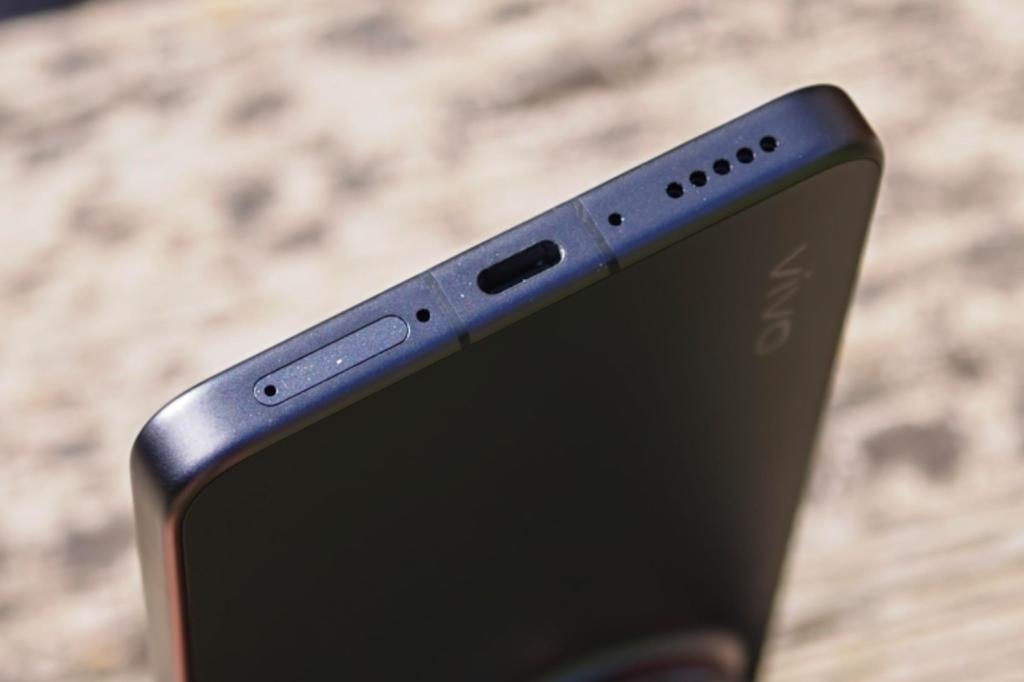
Plenty long enough to get through a full day of heavy use, but the X300 Ultra’s stamina wasn’t quite as high as I was expecting, given it has a sizeable 6600mAh battery. That’s 10% more capacity than a Xiaomi 17 Ultra but a distant second place to the 7050mAh cell Oppo squeezed inside the X9 Ultra.
There’s enough juice here to manage almost an entire 24 hours of video playback, or ten solid hours of gaming. Typical use for me – a combination of web browsing, music streaming over Bluetooth, social scrolling, photography, games and YouTube videos – would leave me with between 20-30% in the tank at the end of the day. You won’t be caught short using it more as a camera than a phone, but will want to look elsewhere if longevity is your key concern.
Vivo does lead the way on charging speeds, managing a lightning-fast 100W over USB-C; the X300 Ultra even includes a compatible power brick in the box. A full charge takes just 45 minutes. Wireless speeds are lower, but still faster than the average at 40W. Just keep in mind that’s when using a proprietary wireless pad and that there’s no Qi2 magnets on board.
Is OriginOS a better Android skin than FunTouch?
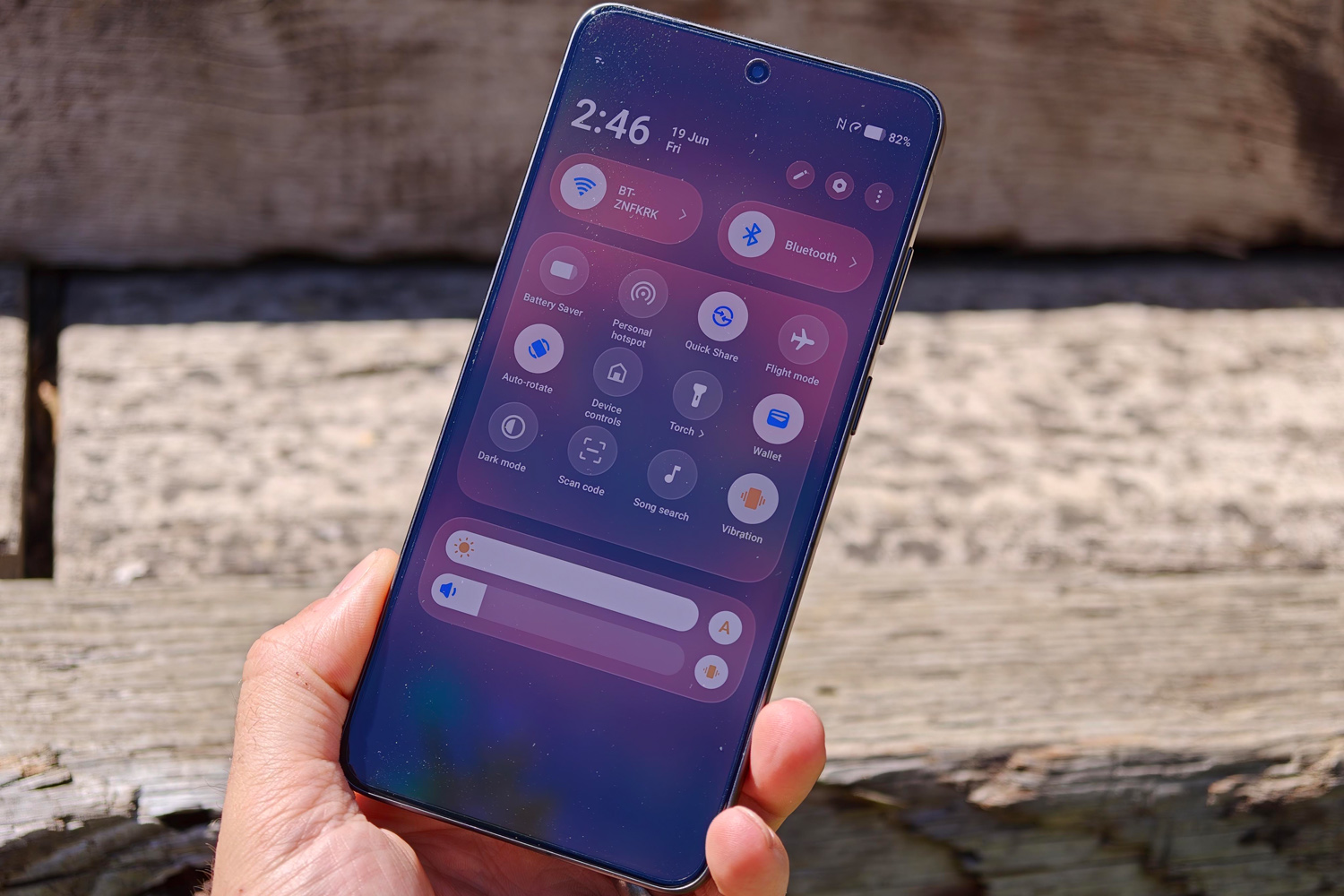
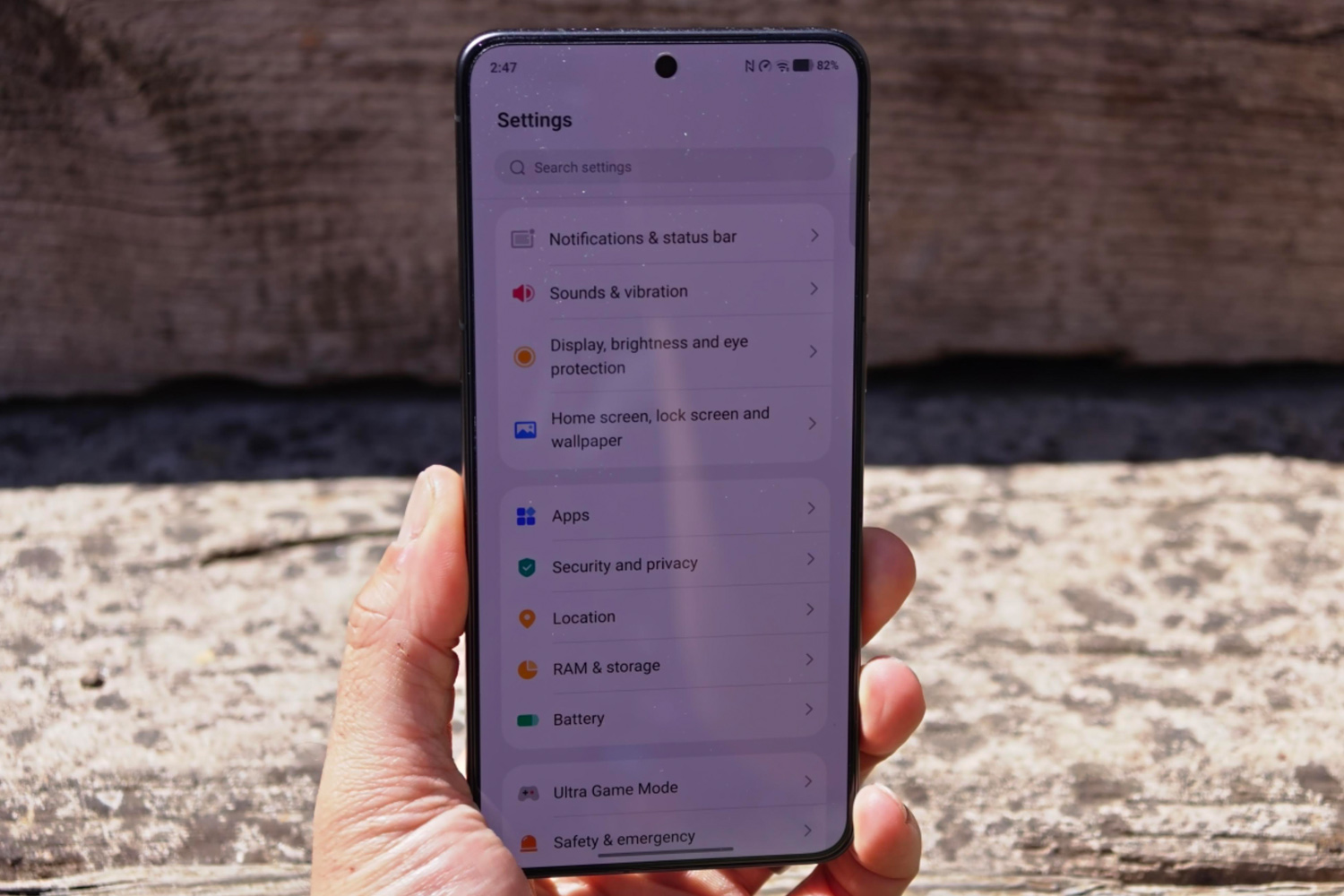
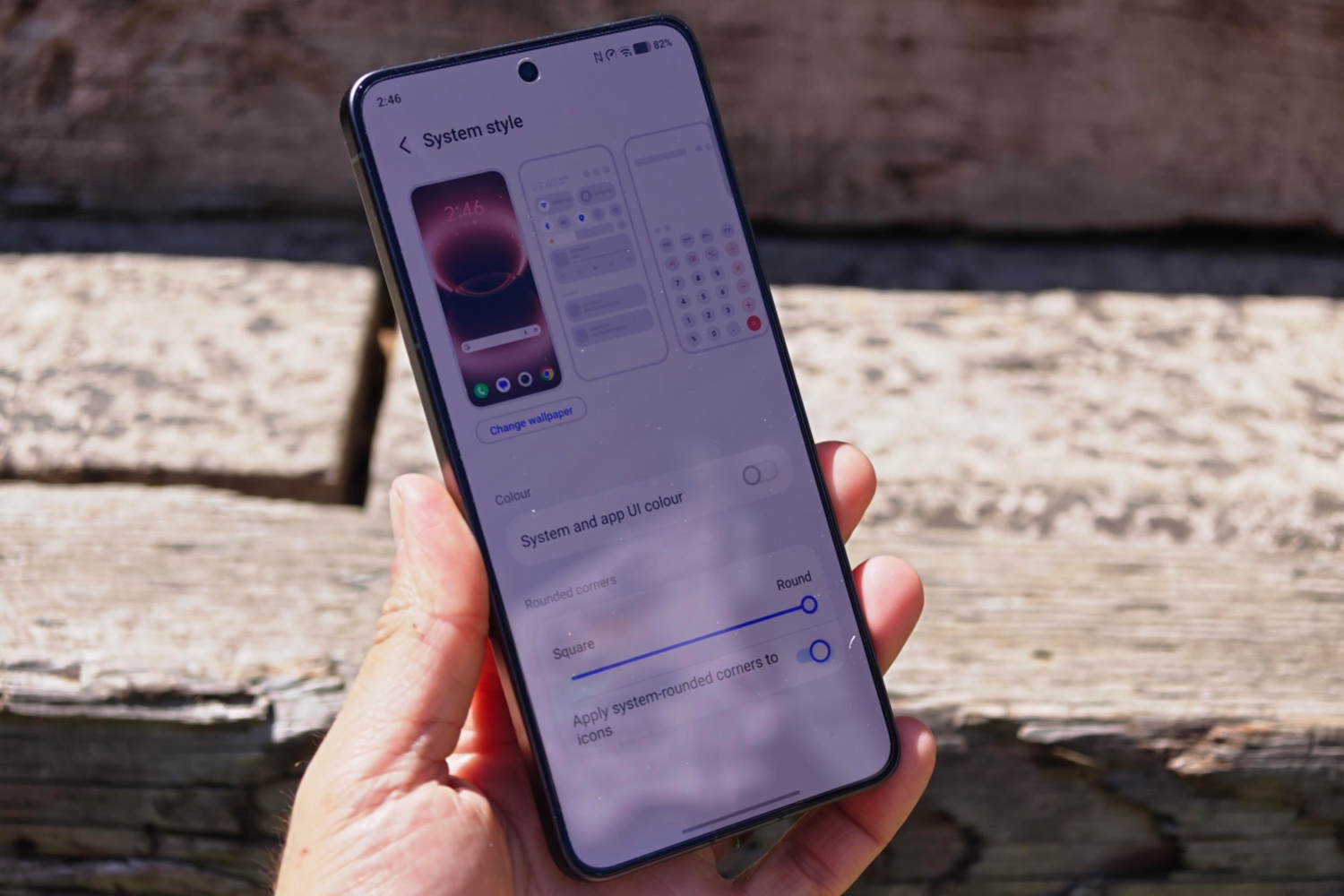
Absolutely. Vivo’s OriginOS interface used to be reserved for the Chinese market, with international handsets getting an alternate skin called FunTouch; it was one of my least-liked Android UIs, with too much bloat and odd design decisions. This version is a lot cleaner, and more customisable to boot.
Everything feels that bit more responsive now, helped by a combination of under-the-hood optimisations and animation changes. There’s the usual abundance of transparency effects – seemingly every Chinese phone maker has decided to mimic Apple’s liquid glass look in some shape or form – but the simpler settings menu and less cluttered notification control centre are very welcome improvements.
My review unit came with a long list of unwanted preinstalled apps; the amount will vary by country and happily most could be uninstalled or disabled. What’s left are largely Vivo’s alternatives to Google’s default apps. I took the ‘out of sight, out of mind’ approach and bundled them all in a folder in the app drawer. OriginOS also seems less keen to jump the gun on putting apps into deep sleep, so notifications weren’t lost into the ether like I’ve experienced on older Vivo phones. There’s also greater compatibility with Apple kit, with dedicated MacOS apps to help with file sharing screen mirroring.
Five years of new Android generations and seven years of security patches are promised over the course of the X300 Ultra’s lifetime. That’s not quite class-leading, but still a decent showing for a top-end handset.
Should you buy the Vivo X300 Ultra?
That depends on how much importance you put on phone photography.
Every aspect of Vivo’s new flagship is deserving of the ‘Ultra’ label. Performance is outstanding, the battery lasts for ages, the screen is spectacular and even the software is heading in the right direction – but the cameras are the clear standout. The X300 Ultra delivers phenomenal photos and even better video, while the versatile accessories bring a level of professionalism normally only found in dedicated compact cameras.
While I think the Oppo Find X9 Ultra’s 10x optical zoom ultimately makes it that bit more versatile for stills, it’s a close run thing. Vivo’s image processing leans a little more into analogue charm and its video skills are more comprehensive. That said, the Oppo is sold in more territories than the Vivo, which for many will make it the de facto choice.
Serious snappers and mobile movie makers should absolutely still put this phone on their shortlist though, in spite of its limited regional availability.
Stuff Says…
In the running to be the best phone ever built for photography and video. Only regional restrictions really dent the Vivo X300 Ultra’s appeal in the West
Pros
Cameras deliver superb stills and class-leading video
Extensive accessory line-up for serious creators
Flagship-grade performance, battery life and charging speeds
Cons
Limited worldwide availability
Software not as refined as rivals’ with too much bloat
What are the Vivo X300 Ultra’s technical specifications?
| Specifications | Vivo X300 Ultra |
|---|---|
| Screen | 6.82in, 3168×1440, 1-144Hz OLED |
| CPU | Qualcomm Snapdragon 8 Elite Gen 5 |
| Memory | 12/16GB RAM |
| Cameras | 200MP + 200MP telephoto (3.7x) + 50MP ultrawide rear, 50MP front |
| Storage | 256GB/512GB/1TB on-board |
| Operating system | Android 16 w/ OriginOS |
| Battery | 6600mAh w/ 100W wired, 40W wireless charging |
| Dimensions | 163x77x8.2mm, 232 g |


 Tom Morgan-Freelander
Deputy Editor
Tom Morgan-Freelander
Deputy Editor