The Galaxy A57 and A37 are safe bet annual updates aimed mainly at existing Samsung fans
A new CPU and better water resistance headline a by-the-numbers annual update

Initial Stuff Verdict
More iterative annual updates for Samsung’s mid-range pair. The Galaxy A57 and A37 aren’t thrill-a-minute, but they look the part and add some welcome extra performance over last year’s efforts
Pros
- Tweaked design gets very close to full-fat Galaxy S26 range
- Better dust and water resistance
- Most of the full OneUI software experience
Cons
- Only camera improvements are software-based
- Being left behind on battery life by Chinese rivals
- A57 price increase makes it more expensive than the competition
Introduction
Is it fair to say the Galaxy A series has always been a little forgettable? A handful of the tech writers I spoke to before Samsung briefed us on its new mid-range phone weren’t entirely sure if we’d be seeing the Galaxy A57 or A58. The attainable alternative to the Galaxy S flagship hasn’t done much to dispel that line of thinking for 2026, bringing just a scant few hardware updates – and a higher price.
Landing at £529 (there was no word on US pricing or availability at the time of writing) you’ll pay more for a Galaxy A57 than a Google Pixel 10a. It does still undercut Apple’s entry-grade iPhone 17e, at least, while the Galaxy A37 is a more wallet-friendly £399.
After getting my hands on both phones ahead of their official reveal, I’m convinced Samsung is done trying to convert customers with even a passing interest in hardware specs. These devices are simply preaching to the converted. Here’s why…
How we test smartphones
Every phone reviewed on Stuff is used as our main device throughout the testing process. We use industry standard benchmarks and tests, as well as our own years of experience, to judge general performance, battery life, display, sound and camera image quality. Manufacturers have no visibility on reviews before they appear online, and we never accept payment to feature products.
Find out more about how we test and rate products.
Slimmer design keeps it in the family

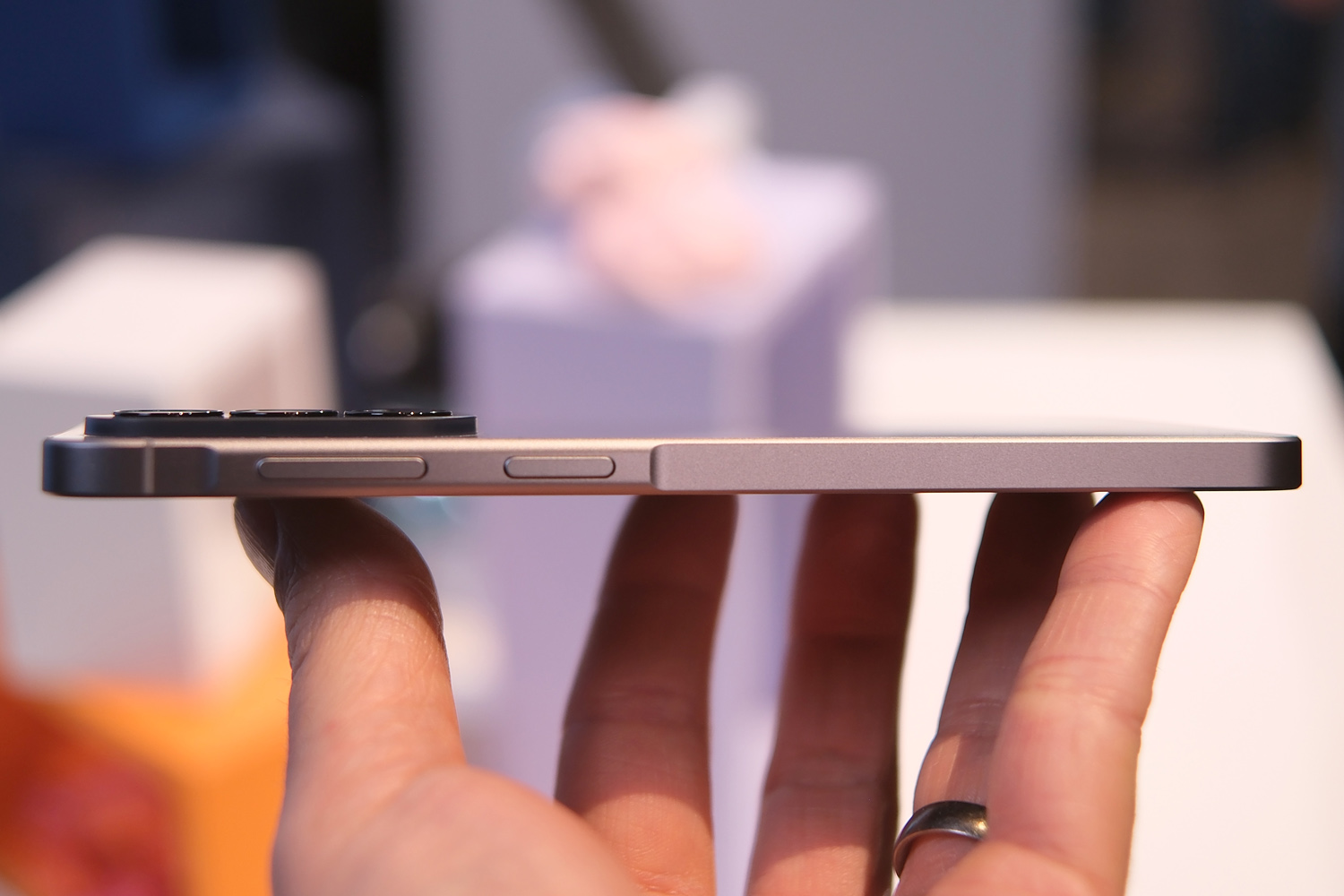

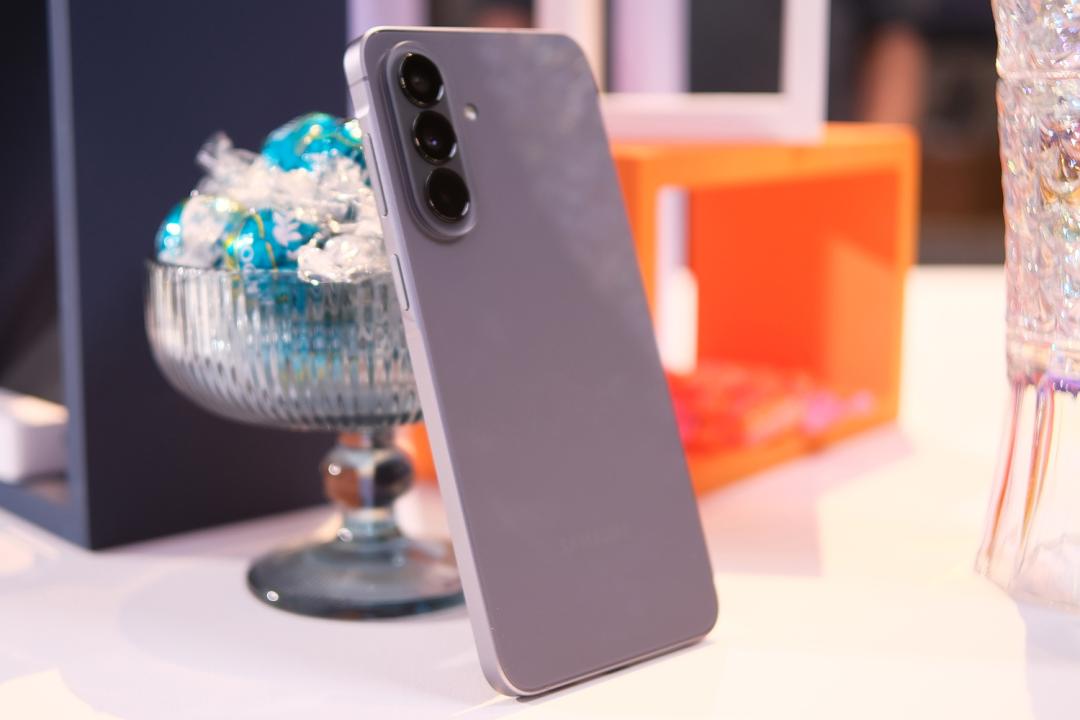
The Galaxy A57 and A37 aren’t all that far removed from the Galaxy A56 And A36 they replace: both have the familiar ‘key island’ power and volume keys that rise out of the flat-sided frame. Only the A57 has a metal body – the A37 uses polycarbonate instead. Antenna lines around the A57’s top third are the main way to visually tell the two apart.
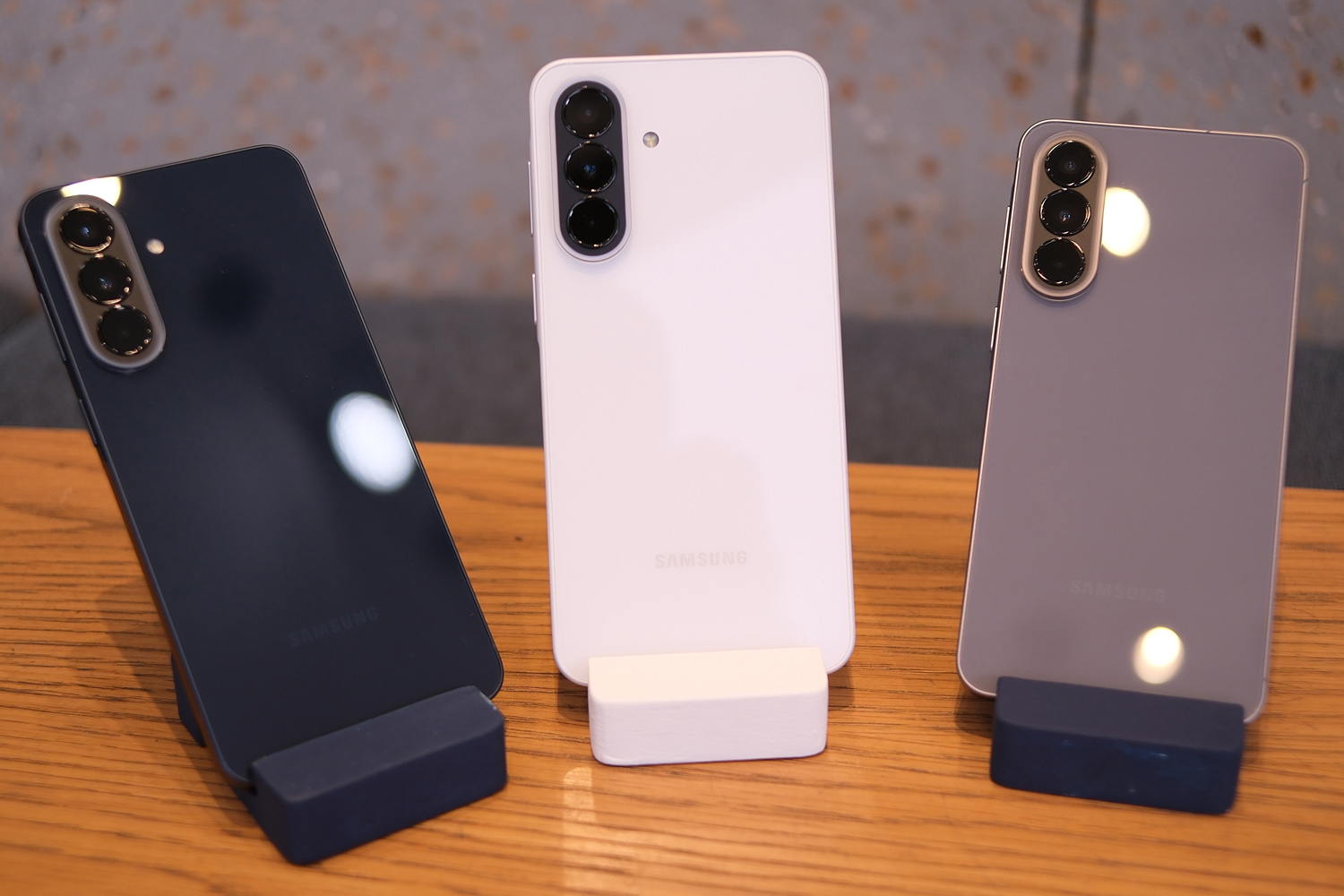
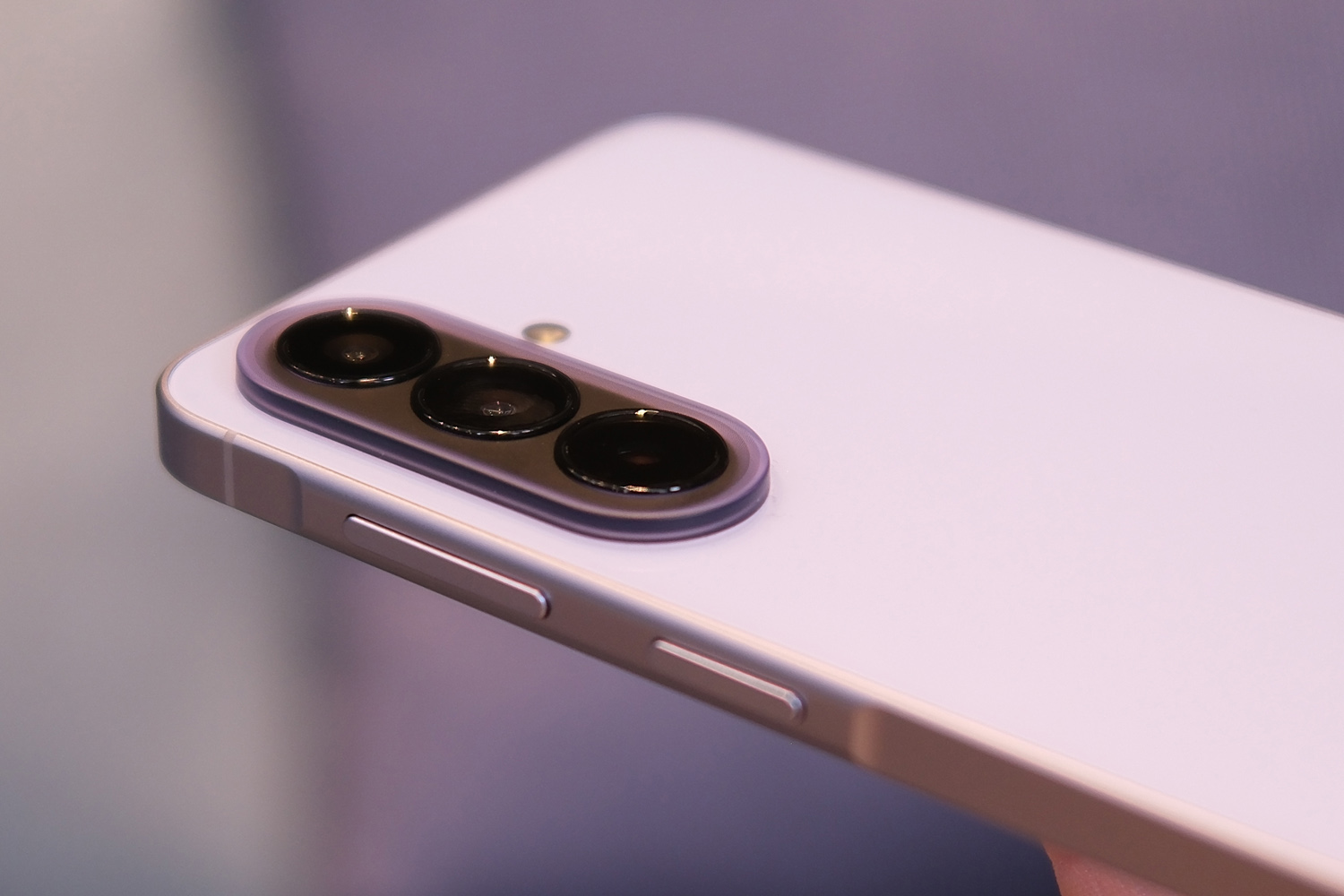
Both phones do a convincing impression of the Galaxy S line at the rear, just with high gloss glass instead of matte. The oval camera islands also have a unique translucent effect that shifts colour at different angles. You can get the A57 in ‘Awesome’ Gray, Navy, Icyblue and Lilac, while the A57 comes in White, Graygreen, Charcoal and Lavender. The pastel hues are a little conservative for my taste, but I imagine most owners will slap them straight in a case regardless of colour choice.
The Galaxy A57 has slimmed down to an impressive 6.9mm, not counting the camera bump, and the Galaxy A37 isn’t too far behind at 7.4mm. They don’t feel at all like budget handsets and managed to keep fingerprints almost fully at bay during my demo.
With Victus+ glass, the Galaxy A57 should be the tougher of the two, but both phones have earned IP68 resistance ratings. That’s a welcome improvement over the old models’ IP67, and means sinks, swimming pools or trips to the beach won’t result in disaster.
Screens shine brighter

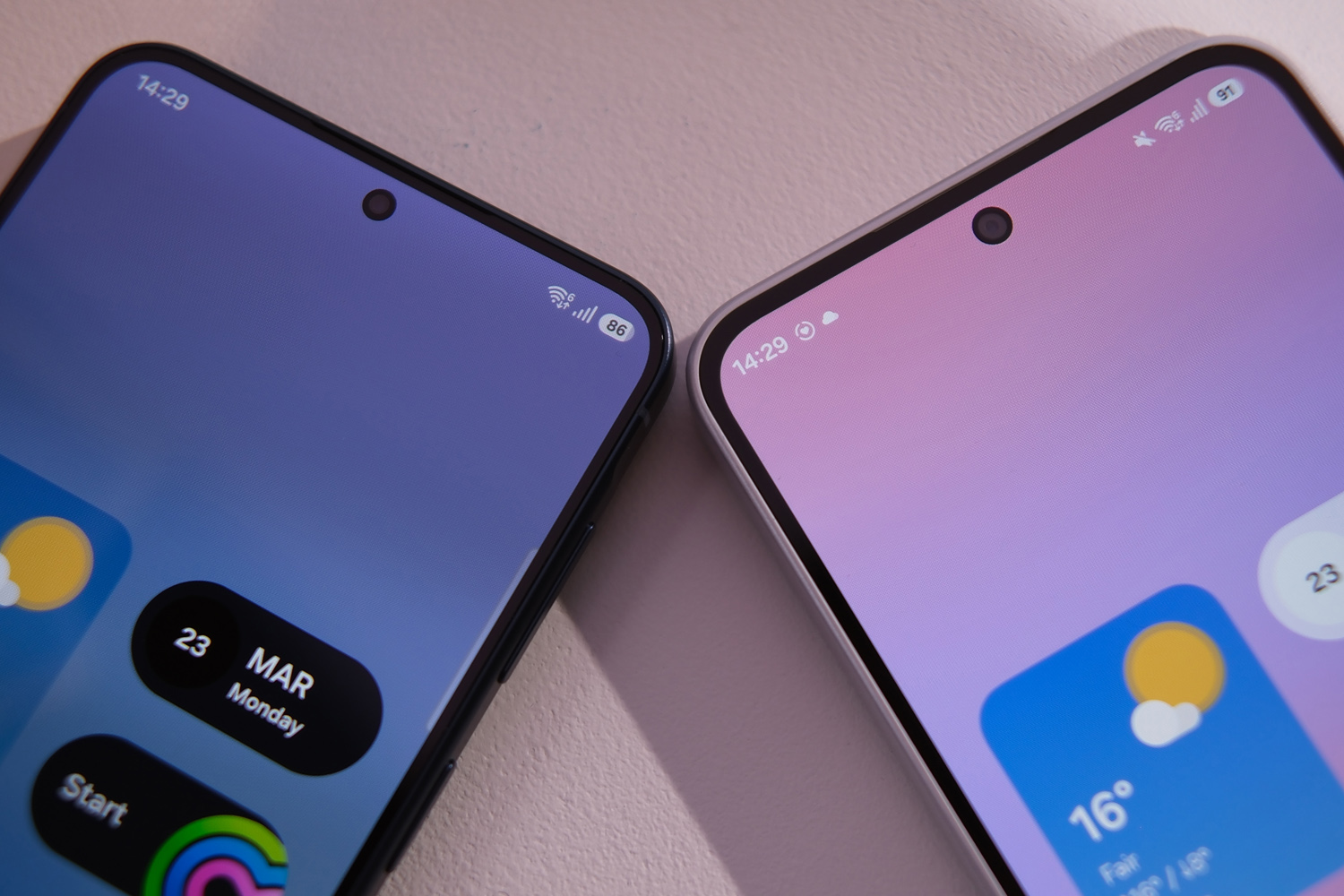

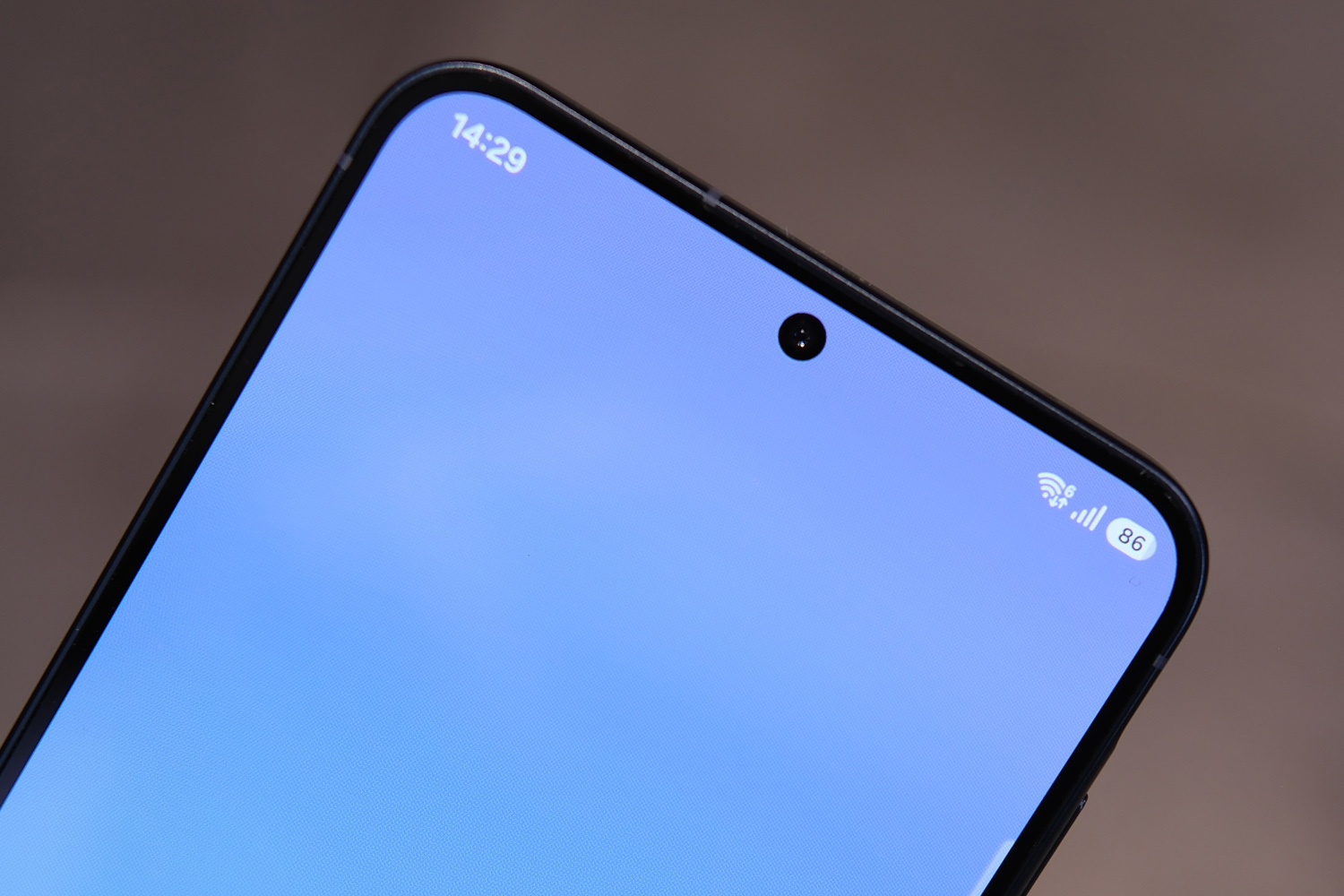
They’re no bigger than last year, meaning both the Galaxy A57 and Galaxy A37 still make room for a 6.7in AMOLED display, but the pricier phone does a better job of slimming down its screen bezels. I put even the cheaper Samsung ahead of Google’s chunky Pixel 10a.
Resolution and refresh rate are untouched, but the taller-than-1080p, 60-120Hz adaptive output are still strong showings at this price. Everything looked crisp and colourful enough during my hands-on, with great viewing angles and the sort of expansive contrast I’d expect from AMOLED tech.
Camera gains are mainly on the software side
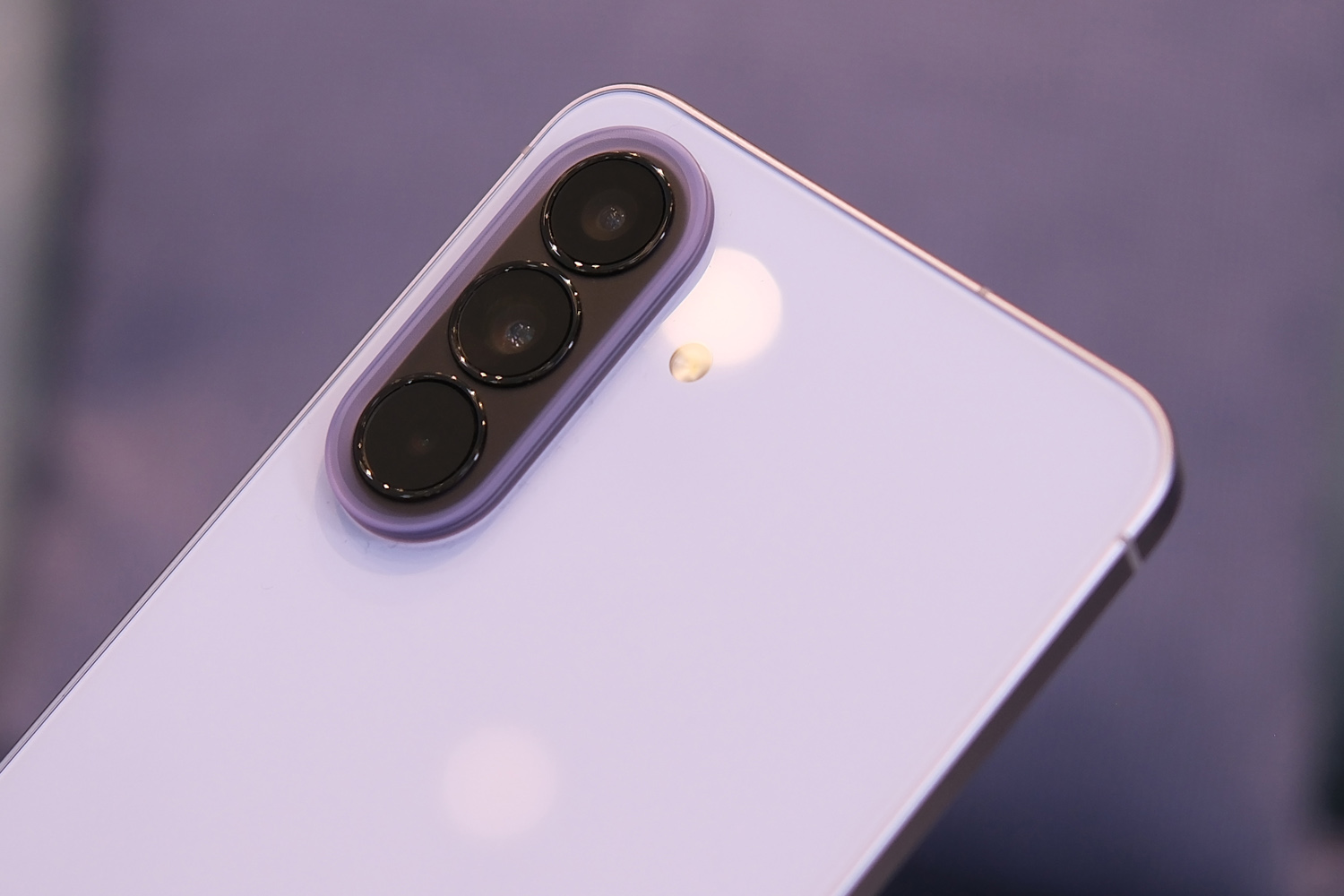
Those rear camera islands may be packing three separate sensors, but only two are worth talking about – and there’s little to be said here that wasn’t mentioned already last year. The Galaxy A57’s 50MP main snapper and 12MP ultrawide are essentially identical to the A56’s; the Galaxy A37’s lead lens has physically larger pixels this time out, but that’s about it. The largely superfluous 5MP macro shooter sticks around, for some reason.
Instead Samsung has focused its attention on image processing improvements. A low noise video mode seems to be the highlight, but faster and smoother transitions between the main and ultrawide cameras help each phone feel that much slicker in real-world use.
I can’t yet vouch for how well they perform outside of Samsung’s small indoor demo area, but given the minuscule hardware changes I’m betting they won’t be too far removed from the Galaxy A56. That should mean colourful, high-contrast shots with lots of dynamic range and convincing HDR effects, though I expect it’ll sit somewhere towards the middle of the mid-range pack for outright quality.
Performance and battery life are unknowns


Samsung is really going hard on its in-house silicon this year. First the Europe-bound Galaxy S26 got Exynos 2600 power, and now the Galaxy A37 has ditched Snapdragon silicon for an Exynos 1480. The Galaxy A57 goes further with an Exynos 1680. It’s an octa-core chip built on the same 4nm process as before, so I’m expecting raw performance to only be a small step up.
At least it should be sufficiently cooled, with Samsung finding room inside for a vapour chamber system that’s 13% larger than before. With no opportunity to install synthetic benchmarks during my demo, I can only say right now that the Android interface felt responsive enough: apps opened at the speed I’d expect of a mid-ranger, and multi-tasking didn’t seem to bog it down too much.
The base Galaxy A37 arriving with a meagre 6GB of RAM feels a little restrictive, given budget rivals have largely adopted 8GB as standard – perhaps it’s a sign of the memory price crisis beginning to bite, or just Samsung wanting to give one more reason for people to step up to the A57.
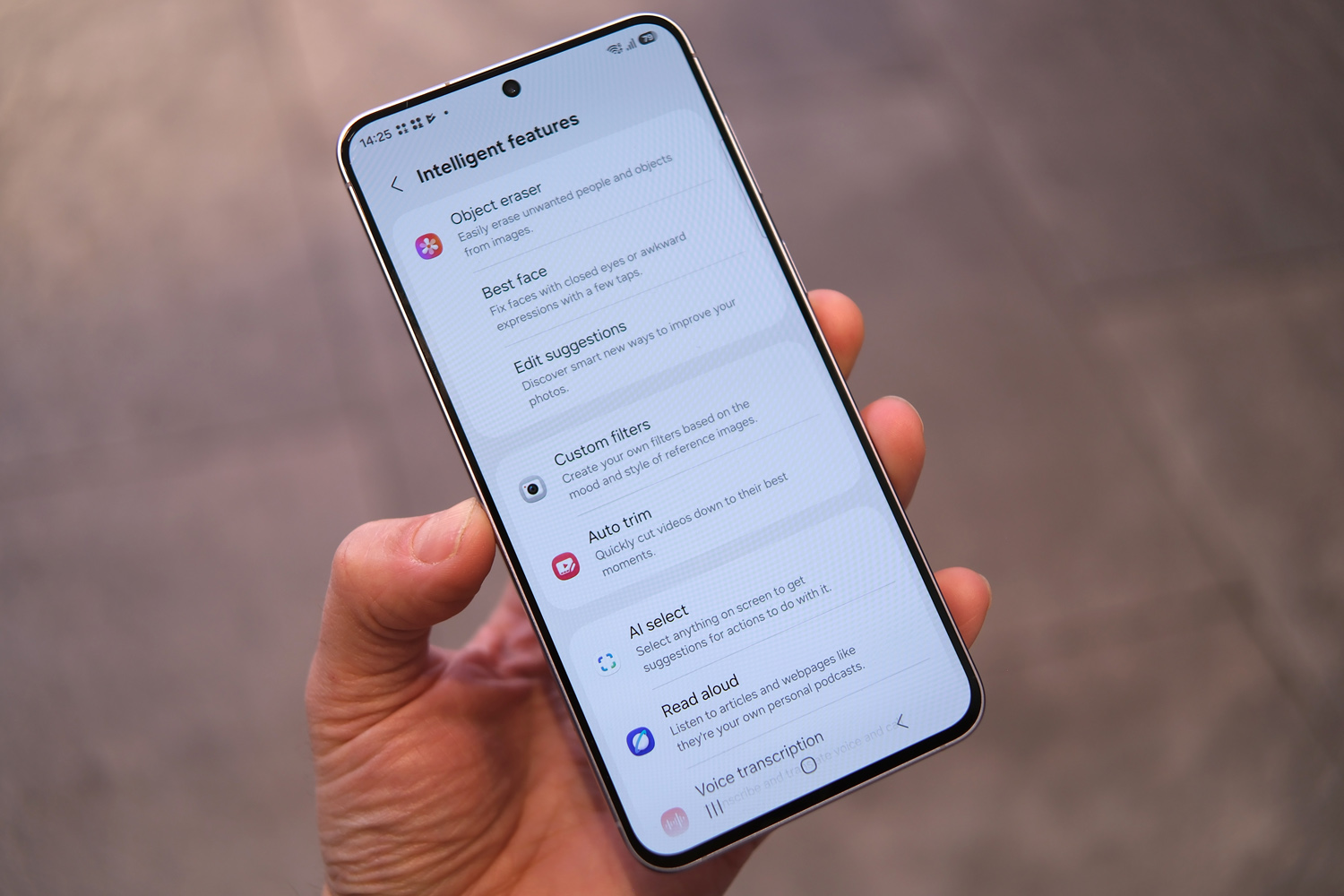
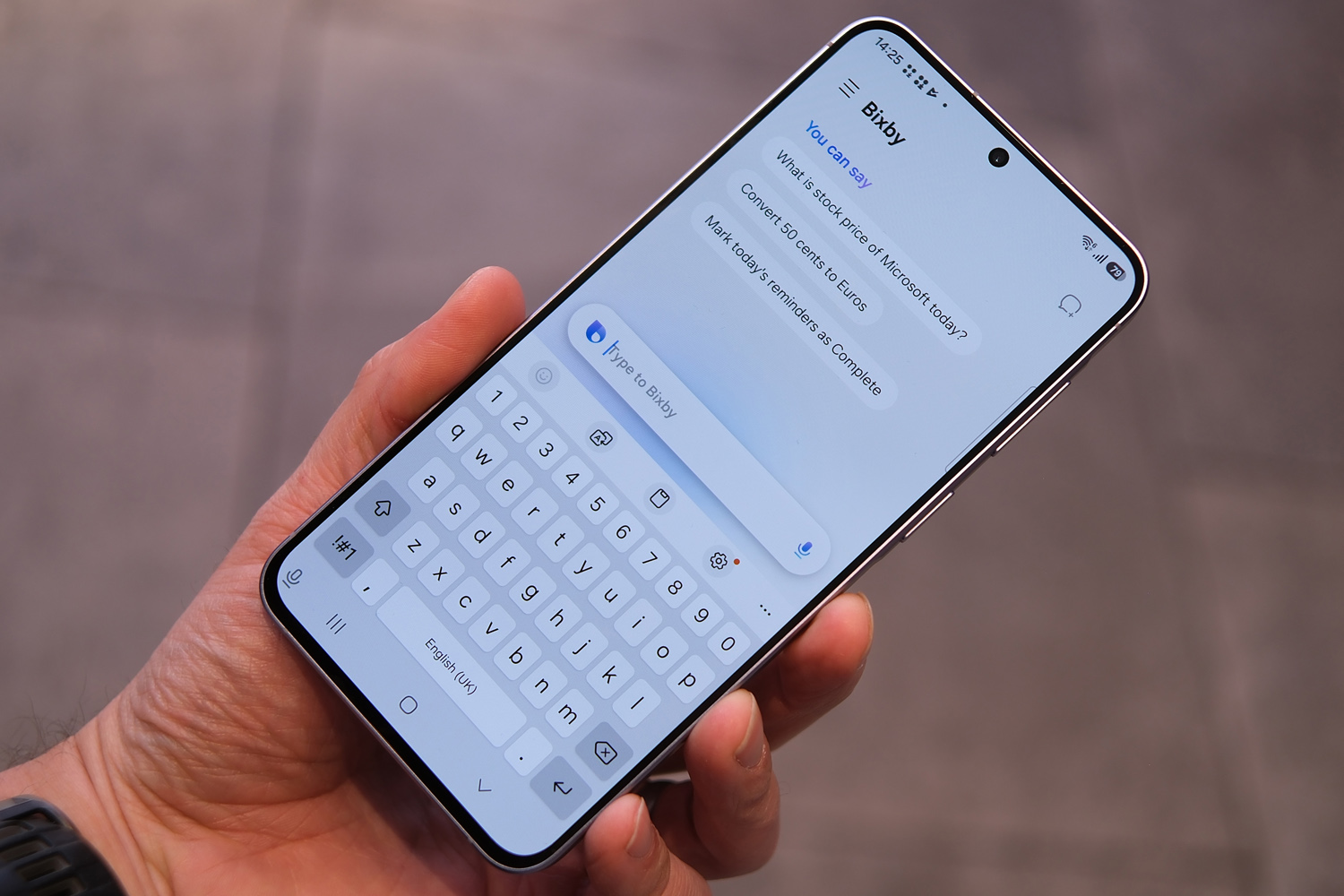
OneUI felt similar, if not quite as sprightly on the cheaper phone. Software-wise the two seemed identical, with a few additional smart features – but crucially not the full Galaxy AI experience you’ll get on Samsung’s flagship models. The voice recorder getting automatic transcription could be useful if you record a lot of meetings, while the Bixby voice assistant’s natural language understanding might benefit tech newbies who don’t know where to look to adjust the font size.
5000mAh batteries are actually pretty big for Samsung handsets, though there’s no doubt the firm is being left behind on capacity by rivals out of China. We’re promised all-day use per charge, and 45W refuels over USB-C are admittedly quicker than you’ll get from the high-end Galaxy S26.
Initial verdict

With the Pixel 10a and now this, it feels like 2026 is shaping up to be a rather underwhelming year for mid-range phones. Samsung has put in a little more effort than Google did in terms of hardware upgrades, but there’s little here that’ll have anyone but the most ardent of Galaxy fans scrambling for their wallet. If you want excitement, design that dares to be different, or a simply massive battery, you’ll have to look to firms like Nothing and Poco.
You’re still getting most of the top-end Galaxy experience for considerably less cash, though. Based purely on first impressions I expect the Galaxy A57 will make sense to parents buying phones for their teenage children, as a stop-gap between contracts, or anyone wanting a familiar but affordable handset for older relatives used to Samsung’s way of doing things.


 Tom Morgan-Freelander
Deputy Editor
Tom Morgan-Freelander
Deputy Editor