The sleep tracking tech I personally use (and recommend) to get a good night’s sleep
After nearly two decades of testing sleep tech, I've narrowed it down to three devices that have transformed the way I sleep and how I monitor it

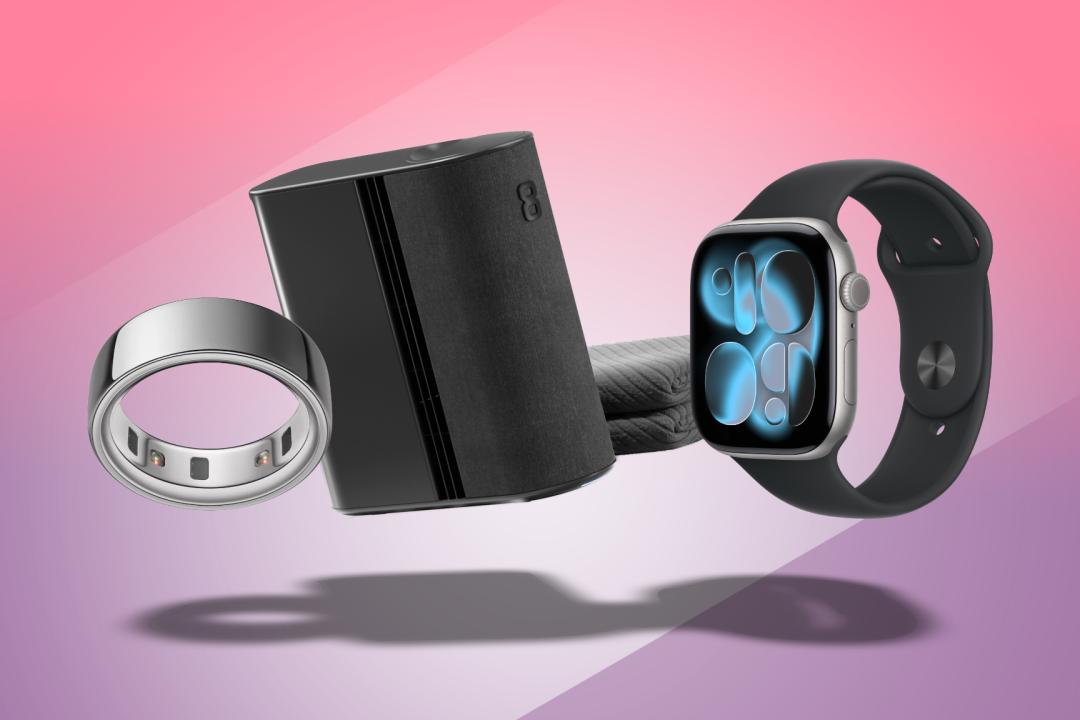
I’ve been writing about tech and smartwatches for nearly two decades, and I’ve been tracking my sleep for almost all that time. I started with devices like Fitbit and Withings, both of which I still rate highly, but in the last couple of years, I have started using devices that not only monitor my sleep but also adjust my sleep environment.
I use three devices to track my sleep every night (some might call it overkill), and while much of the data collected is similar, each has merit. If you’re looking to monitor your sleep and perhaps develop better sleep habits, give this tech a try.
1. EightSleep
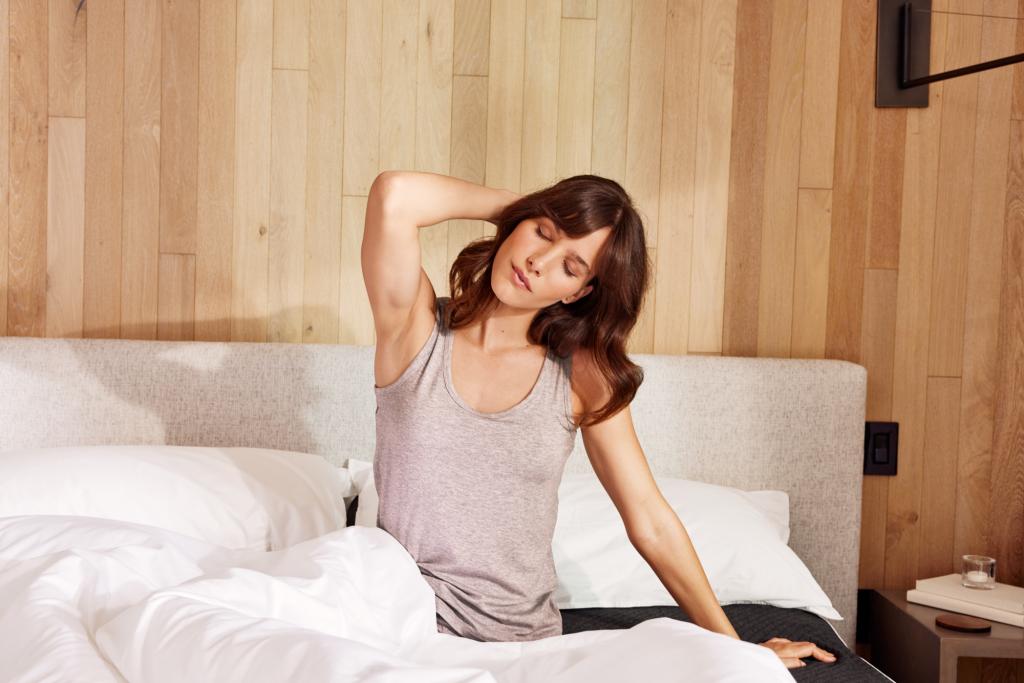
Take one look at the price of the EightSleep Pod systems, and you’d be forgiven for spitting out your morning tea – it is incredibly expensive. But this is the sleep-tracking tech I miss most when I am away from home because I’m convinced it has improved my sleep over the last year. It’s worth noting that I use the EightSleep Pod 4 mattress cover, but the latest is the EightSleep Pod 5, and there is also a base available, as well as a mattress cover.
The EightSleep system isn’t just a sleep tracker; it offers active intervention using a feature called Autopilot. This feature adjusts the temperature of the mattress cover as you move through various sleep stages, when snoring, when insufficient deep sleep is detected, and in response to the environment’s temperature. I’ve used EightSleep for nearly a year – 318 nights to be precise, and in that time, it has made 7264 adjustments.
In addition to Autopilot, EightSleep will also track your sleep, presenting a ‘Sleep Fitness Score’ every morning, along with data including sleep duration, sleep stages, sleep quality, sleep consistency, and metrics such as your resting heart rate, heart rate variability, snoring, and breathing rate. It also offers clever features like dual-temperature control so you can have your side hot and your partner’s cold, a vibration alarm, and a hot-flush feature that instantly cools you.
The alternative: If the EightSleep systems are too expensive (understandable), consider the Withings Sleep Analyzer as a non-wearable sleep tracker. It doesn’t offer warming or cooling, nor clever adjustments like the Autopilot feature on the EightSleep, but it will do sleep tracking and present health metrics every morning.
2. Oura Ring 4
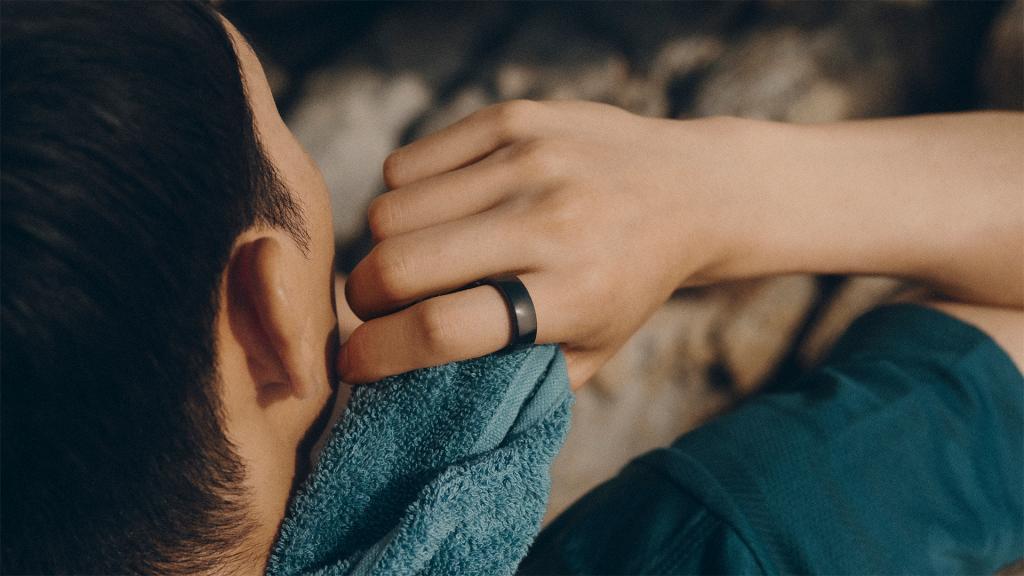
The Oura Ring 4 is a passive, always-on tracker that you’ll forget you’re even wearing once you put it on. It’s more comfortable to wear than a smartwatch, and the data it collects is superbly presented in the Oura app.
It will track sleep duration and sleep stages, provide a sleep score every morning, and offer a daily readiness score based on your sleep, stress levels, and activity data. The Oura Ring 4 also tracks various health metrics, including heart rate variability, resting heart rate, SpO2, and temperature.
You’ll also find it keeps track of accumulated sleep debt, which can help you decide to get an early night, and it has a symptom tracker too, so it will flag if your health data is a little out of whack, suggesting you might be getting ill.
The alternative: There are several smart rings out there, so Oura isn’t your only option. Ultrahuman’s Ring Air is great for those looking for more data, with extra features like ‘tosses and turns during sleep’. Meanwhile, Samsung’s Galaxy Ring has no subscription and is a good option for Android users seeking light, accessible data.
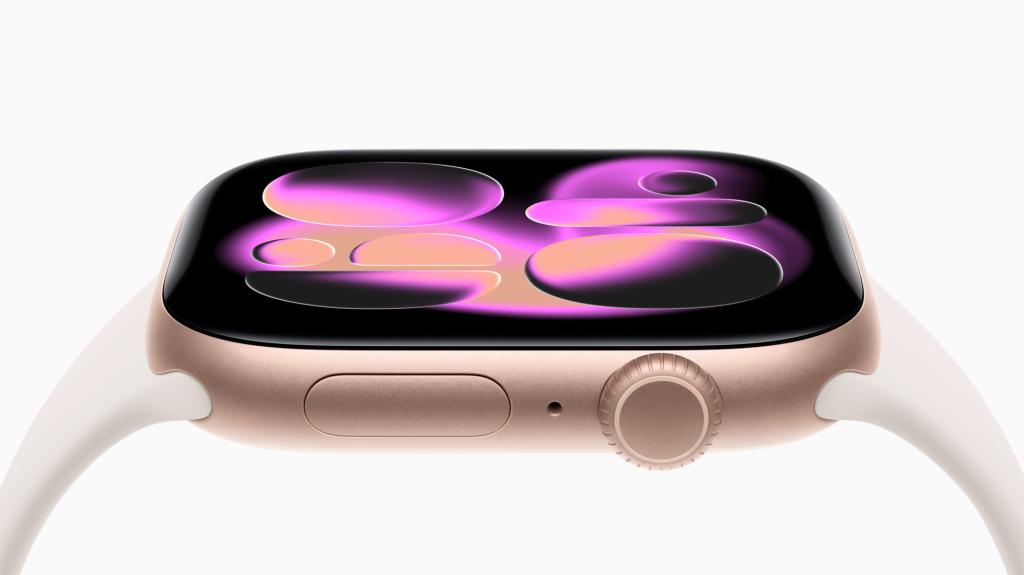
3. Apple Watch Series 11
The final sleep tracking device I recommend is a smartwatch. Now, I use an Apple Watch Series 11, but if you are an Android user, you might consider a Pixel Watch 4, which uses Fitbit’s excellent sleep tracking technology, or a Samsung Galaxy Watch 8. There are also Garmin watches to consider that have a Body Battery feature, which is great for tracking how your activity and sleep impact your readiness.
The reason to opt for a smartwatch, in addition to devices like the EightSleep and/or Oura Ring, is its ability to do more than just track your sleep. They offer activity tracking, smartphone notifications, and the ability to take calls, track runs, and pay using your wrist, among plenty more.
For the Apple Watch Series 11, the sleep tracking element isn’t as comprehensive as the likes of EightSleep or Oura, but it’s a very accomplished device overall. For sleep tracking, it offers sleep duration, sleep stages, a sleep score and health metrics like resting heart rate, and the data is very easy to understand and interpret. It’s therefore great for sleep tracking beginners who don’t want to feel overwhelmed.
Liked this? I’ve worn an Apple Watch for 10 years – here’s what its sleep tracking gets right (and wrong)


 Britta O'Boyle