Retroid Pocket 6 review: I’ve finally found my perfect retro gaming handheld
The ultimate way to play everything from 8-bit hits to modern favourites?


Stuff Verdict
A powerful widescreen retro-oriented gaming handheld that punches above its weight. The Retroid Pocket 6 gets all the important things right, including the price.
Pros
- Solid build and fantastic controls
- Gorgeous display
- Serious performance for the money
Cons
- Divisive design
- Speakers are merely OK
- Setup can be a faff
Introduction
Maybe I have a retro handhelds problem.
I’ve loved retro games since they were just ‘games’ – from the original Space Invaders coin-op and through a childhood filled with exciting and pioneering games systems. However, the rise of emulation (combined with the billionth time I had to resurrect my temperamental Dreamcast) cooled me on original hardware. And now I’ve got a Retroid Pocket 6 in my mitts, I might finally have found my end-game retro machine.
I’m not new to the brand. I was a big fan of the Retroid Pocket 5, Pocket Flip and Pocket 3+. I have a Retroid Pocket Classic on the way. But there’s always room for one more if it earns its keep…
How we test gaming hardware
All games consoles and gaming hardware tested on Stuff are put through their paces with days’ worth of play time. We use our years of testing experience to judge areas such as build quality, software experience, battery life and other features. Manufacturers have no visibility on reviews before they appear online, and we never accept payment to feature products.
Find out more about how we test and rate products.
Styling & controls: Design of the times
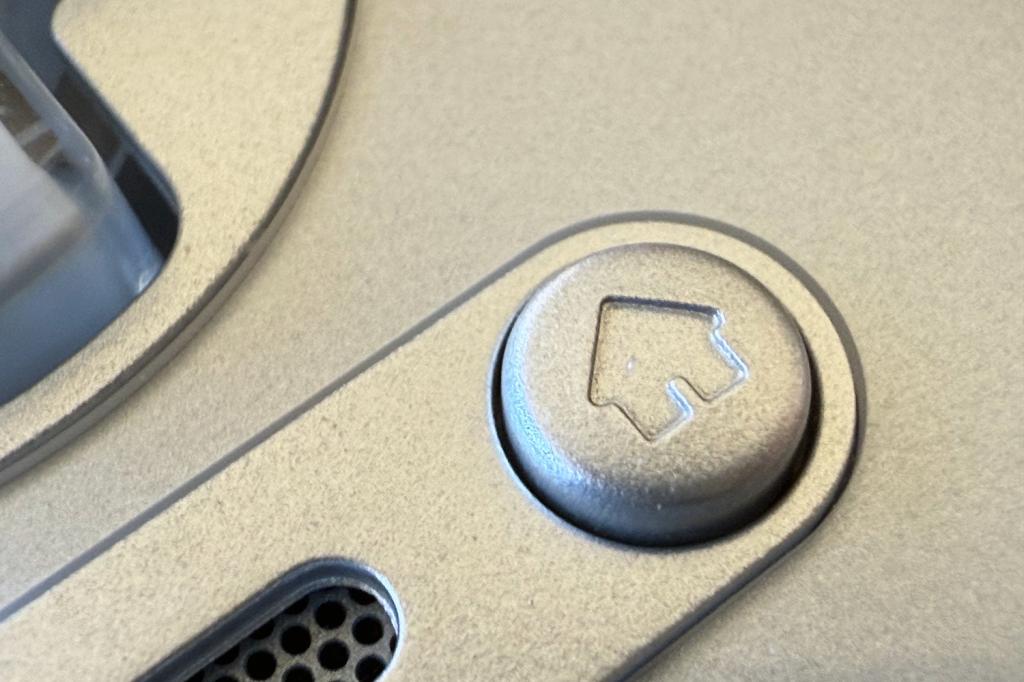
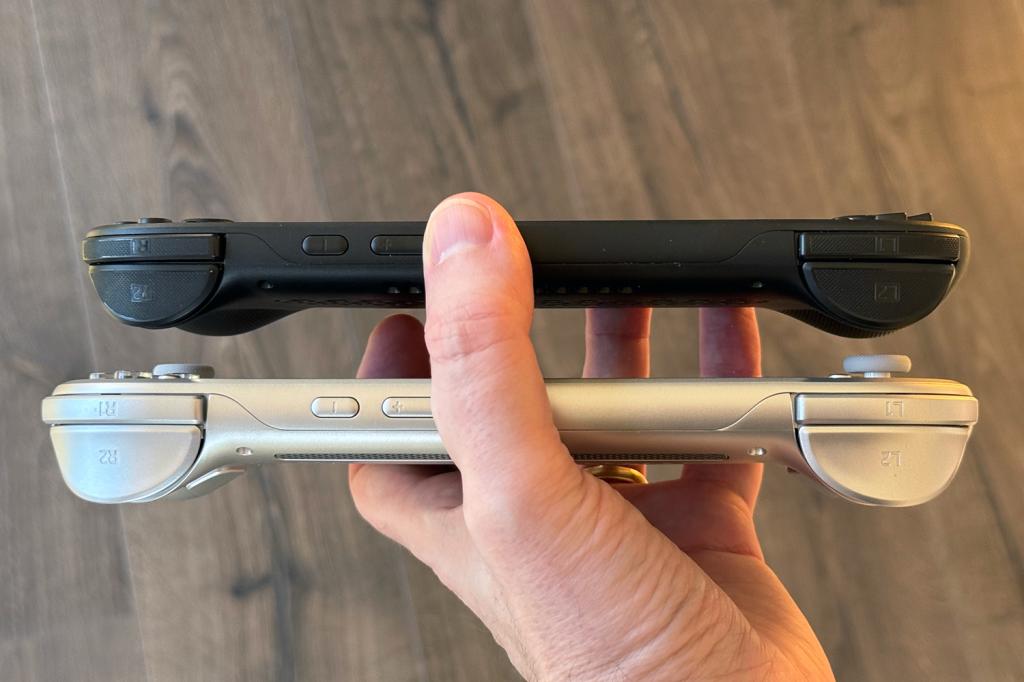
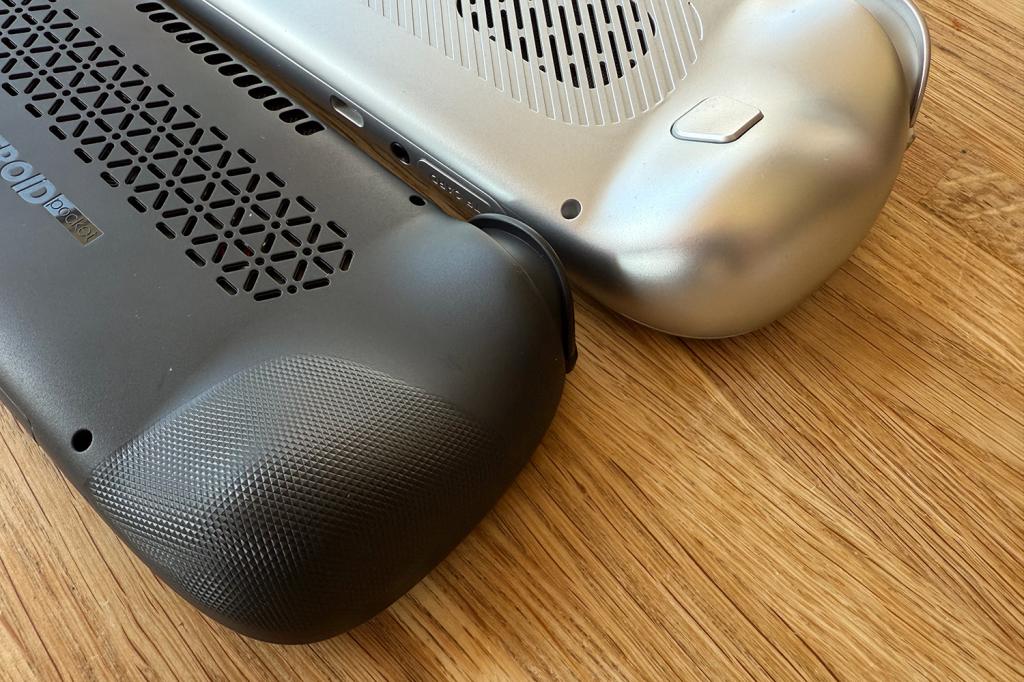
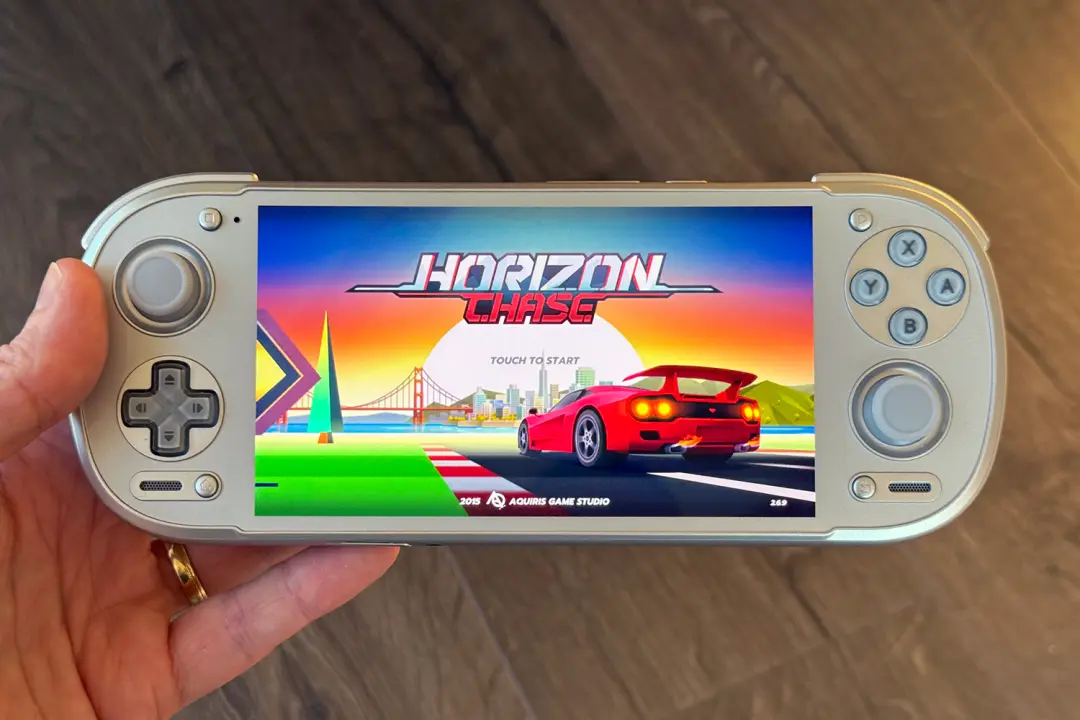
My black Retroid Pocket 5 is elegant, but my silver Pocket 6 practically demands attention. Extra flourishes and its almost glittery finish make the device feel like it’s beamed in from the late 1990s. Around back, the ergonomic bumps lack the 5’s textured grip, which feels like a regression.
But in the hand, everything changes. The 6 is slightly larger and heavier, but it’s comfier for longer sessions. The bumps are bigger – as are some of the controls. The shoulder buttons wrap around the sides so you can nudge them with the meaty bit of your fingers. The larger triggers are great for racers. And all the bits on the front rock too, from the accurate, responsive D-pad and thumb sticks to the mercifully quiet face buttons.
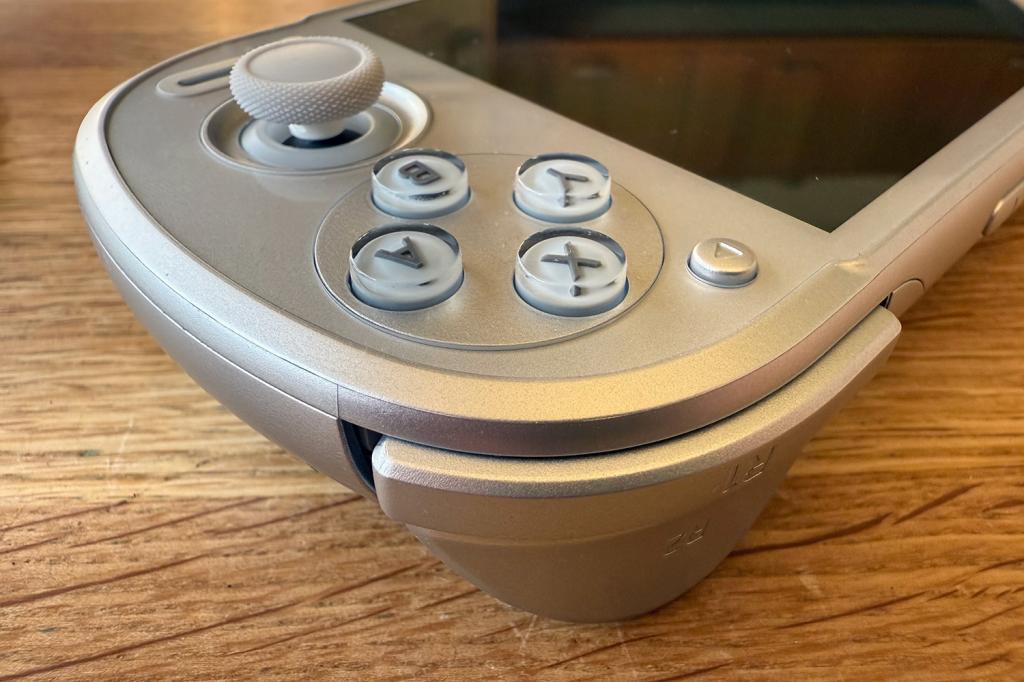
I’ve seen some folks grumble about their thumbs rubbing against the sticks during play and the paddle buttons on the rear being a nuisance. Not me. And Retroid giving you the choice of D-pad placement (top or bottom), depending on your retro era allegiance, is a nice touch.
Screen and sound: Bright on the money
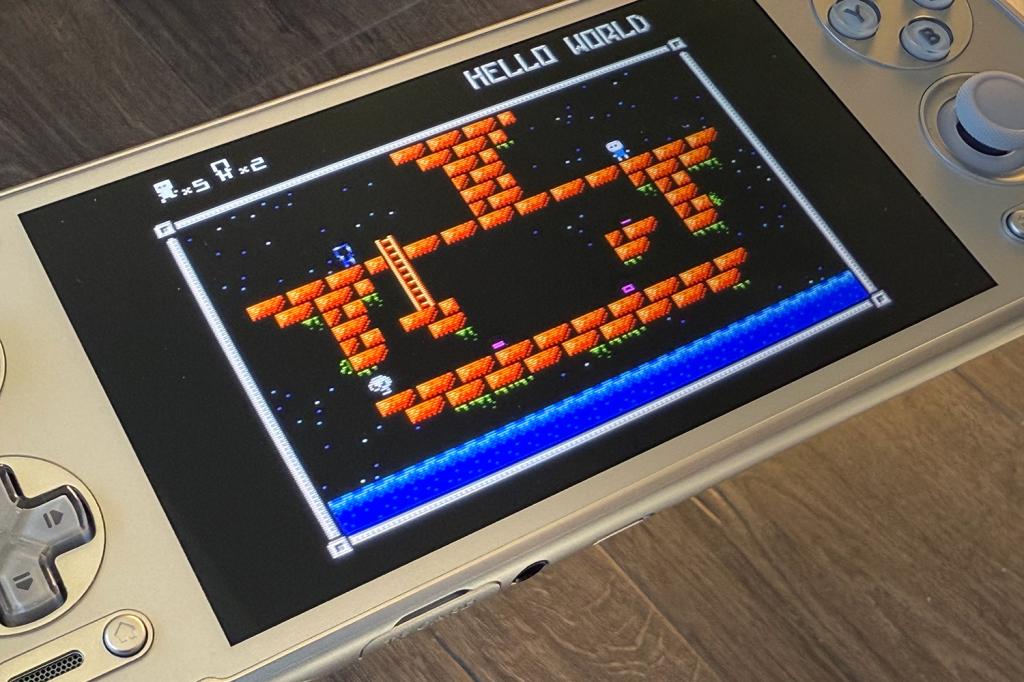
The 5.5in high refresh rate AMOLED wouldn’t look out of place on a fancy smartphone. At 400ppi, the Full HD resolution looks pin-sharp. Even when a system’s output doesn’t perfectly scale to the display, interpolation looks crisp rather than smearing retro classics into a blur.
Colours pop. Blacks are inky. And the display ramps up brightness to the degree it’s usable outside. I tended to set it to about 50% inside, to avoid retina obliteration. The screen will also dip much lower if you like to, I dunno, play House of the Dead in the dark like a weirdo.
120Hz might sound excessive for a retro handheld, but it’s useful. The Pocket 6 has the clout to run plenty of Android titles and lighter Windows games that use that refresh rate. And it provides scope for ‘black frame insertion’, which full-fat retro nerds use to make ancient games mimic CRT flicker when used in tandem with snazzy shaders.
By contrast, the sound is… OK. During testing, the front-facing speakers were about half as loud as my iPhone 16 Pro’s but not as beefy. Perfectly serviceable for the games I played, though. And doubling down on the old-school 1990s vibes, there’s a headphone port. (Unlike on my iPhone, because courage.)
Setup and software: Appy ever after
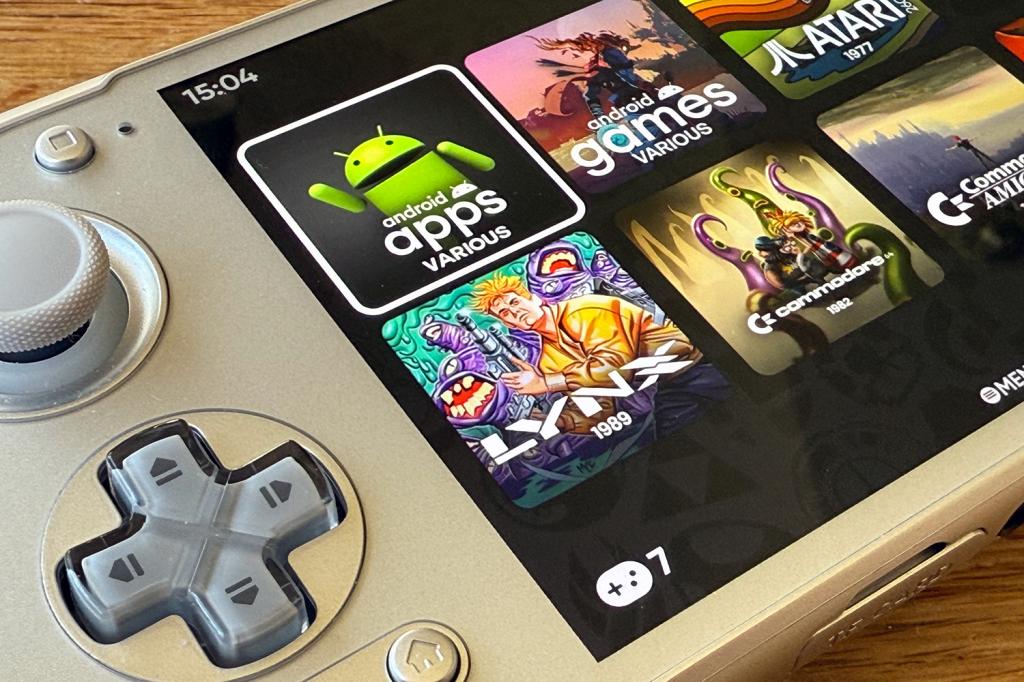
Linux-based handhelds are ready to go out of the box. Sometimes too ready, given how many companies yell YO-HO-HO and supply their gear with a microSD card full of dodgy ROMs. The Retroid Pocket 6, though, runs Android 13 and has no pre-loaded games. The company does try to make setup easier by offering to preinstall emulators. The snag is the versions offered are old enough to be your dad.
But Android gives you the flexibility to do what you want with a blank slate. And there are loads of capable emulators, streaming apps, native Android games and retro-gaming launchers for the system. The last of those is welcome, allowing you to bin Retroid’s barely adequate launcher for something better like Beacon, Daijishō or ES-DE – my personal favourite – and make the Pocket 6 feel like a proper handheld console.
The downside? You’ll need a few hours to set things up. This isn’t plug and play if you want the console at its best. But once you’re sorted, the Pocket 6 sings.
Get set
If you don’t fancy trial and error/crying in a corner when you fail to fire up your favourites, head to Retro Game Corps. Russ’s Retroid Pocket 6 setup guide is exhaustive without being headache-inducing, and he also covers getting GameNative sorted for Steam/Windows games.
Performance: Power play
My first ever retro handheld wheezed when I attempted to play Commodore 64 games. Years later, even today’s budget handhelds mostly handle PlayStation titles. But the Snapdragon 8 Gen 2 inside the admittedly more mid-range Retroid Pocket 6 takes things much further.
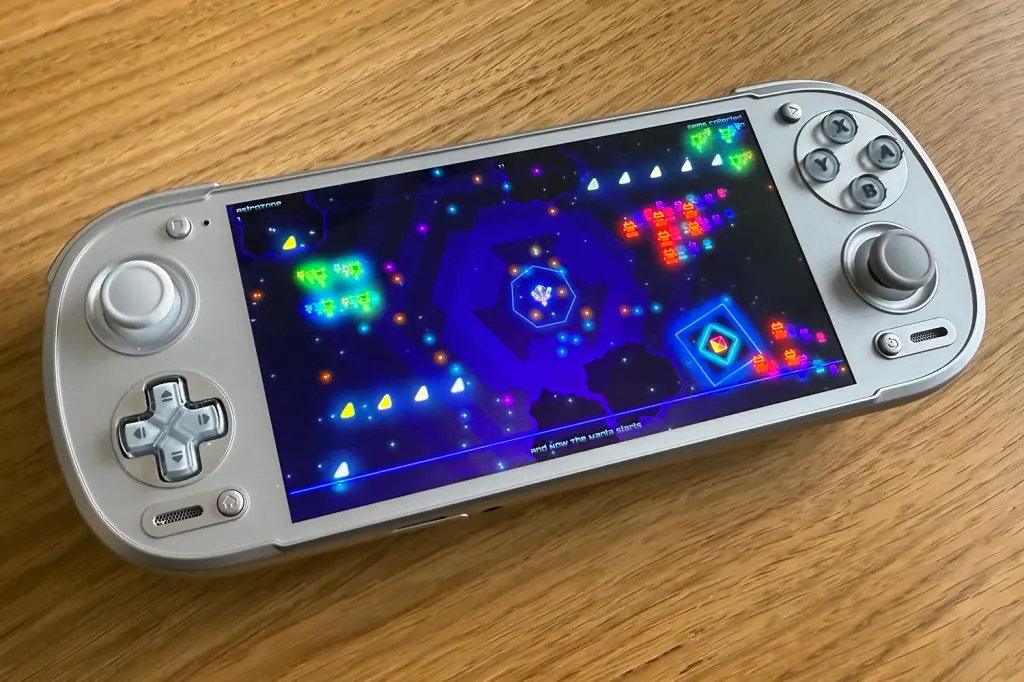
You might think it overkill for retro fare. And, sure, you don’t need this much power to run an 8-bit classic. But the extra headroom allows tinkerers to revel in geeky bliss. You can turn on ‘run ahead’ to reduce latency and slap on CRT shaders to pretend you’re holding a featherweight old-school TV in your hands.
As you head to the present, the Pocket 6 keeps pace. It barely blinked when I upscaled PlayStation and Dreamcast games. PS2 and GameCube, when upscaled, tend to require one of the high-performance modes (and, with them, comes some fan noise) but run silky smooth. As will almost any Android game you care to think of.
Beyond that, it’s a lottery. You can run Windows games from your Steam account via apps like GameNative but don’t expect miracles if you favour heavy-duty titles. Likewise, Switch emulation is a mixed bag, although, frankly, if you want to play Switch games, go and buy a Switch.
Elsewhere, battery life borders on the smug. I got well north of a dozen hours when playing older systems and around four when hammering the Pocket 6 with properly high-end games. Standby drain is barely noticeable. And 27W fast-charging quickly got me back in action when the console finally ran out of juice.
Retroid Pocket 6 verdict
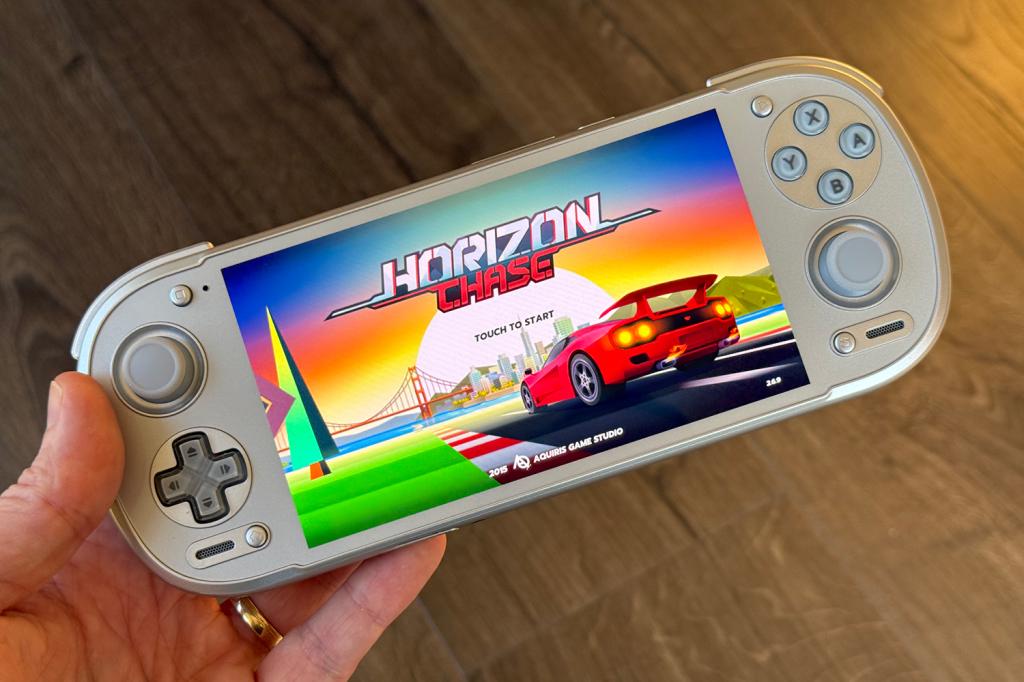
The Retroid Pocket 6 isn’t perfect. Some design decisions are questionable (go for a black unit if you want something that isn’t cosplaying 1999). As ever, the ‘Pocket’ bit in the name is misleading, unless you have comedy pockets. And the audio is just fine. But I bloody love this thing.
It’s comfortable to use. The controls are excellent. The screen is superb. Twinned with the right software, it’s just about perfect for exploring decades of gaming history. And, for me, it hits that sweet spot of being portable and yet big enough to play while lounging around at home. (USB-C video-out also lets you ‘consolise’ the handheld on your TV, if you fancy that.)
Long-time retro handheld enthusiasts are starting to feel jaded, mind, grumbling about iterative updates that make the scene increasingly feel like the smartphone upgrade treadmill. And, admittedly, the Retroid Pocket 6 isn’t the most innovative and exciting retro handheld I’ve ever used. But, objectively, it’s by far the best for $250 or less.
Stuff Says…
A powerful widescreen retro-oriented gaming handheld that punches above its weight. The Retroid Pocket 6 gets all the important things right, including the price.
Pros
Solid build and fantastic controls
Gorgeous display
Serious performance for the money
Cons
Divisive design
Speakers are merely OK
Setup can be a faff
Retroid Pocket 6 technical specifications
| Screen | 5.5in, 1920×1080 AMOLED @ 120Hz |
| Processor | Snapdragon 8 Gen 2 |
| Memory | 8GB RAM |
| Graphics | Integrated Adreno 740 @ 680MHz |
| Storage | 128GB internal with microSD expansion |
| Operating system | Android 13 |
| Connectivity | USB-C DisplayPort 4K 60Hz, 3.5mm headset port, Bluetooth 5.3, Wi-Fi 7 |
| Battery | 6000mAh |
| Dimensions | 205.5×80.5×17.2mm, 320g |
Note: Our review unit had 12GB RAM and 256GB of storage, a configuration Retroid has now discontinued due to rising memory costs. All units are now 8GB RAM/128GB storage. This has no impact on performance, aside from higher-end Switch and Windows titles. The lower internal storage is mitigated by the inclusion of a microSD card slot.
Update (13 June 2026): Retroid has announced that the 12GB RAM Retroid Pocket 6 has returned, albeit only in the ‘stick up top’ version and only with 128GB storage. If you fancy buying one, it’s $279.


 Craig Grannell
Contributor
Craig Grannell
Contributor