Google Pixel 10a review: this Android entry-point narrowly justifies its existence
With only minor improvements over last year, carrier deals will define the Pixel 10a's success


Stuff Verdict
Find the right carrier or contract deal and the 10a could be a great budget pick. It’s quick enough, takes a clean photo and has decent battery life. But as annual updates go, it’s the bare minimum.
Pros
- Familiar looks made the tiniest bit sleeker
- Cameras still very competitive for the money
- Marginally faster wired and wireless charging
Cons
- No meaningful hardware upgrades from the Pixel 9a
- The only Pixel 10 handset without Pixelsnap magnets built in
- Now an also-ran for battery life
Introduction
“Hey Gemini, how can we keep selling our current affordable smartphone for another year?” We’ll never know if Google’s Pixel 10a plan actually went like that. But looking purely at the spec sheet, it’s a strong possibility.
Not quite twelve months on from the Pixel 9a, its successor has barely evolved. An identical chipset, same battery capacity and the mildest of design tweaks will surely have budget-conscious buyers wondering why they’d spend the extra on a new model while the new one is still in stock (and seeing increasingly generous discounts).
The 9a was a true affordable all-rounder, though. Sticking so closely to the formula should mean the sequel is too. But have budget rivals now caught up?
How we test smartphones
Every phone reviewed on Stuff is used as our main device throughout the testing process. We use industry standard benchmarks and tests, as well as our own years of experience, to judge general performance, battery life, display, sound and camera image quality. Manufacturers have no visibility on reviews before they appear online, and we never accept payment to feature products.
Find out more about how we test and rate products.
Design & build: slightly skinnier
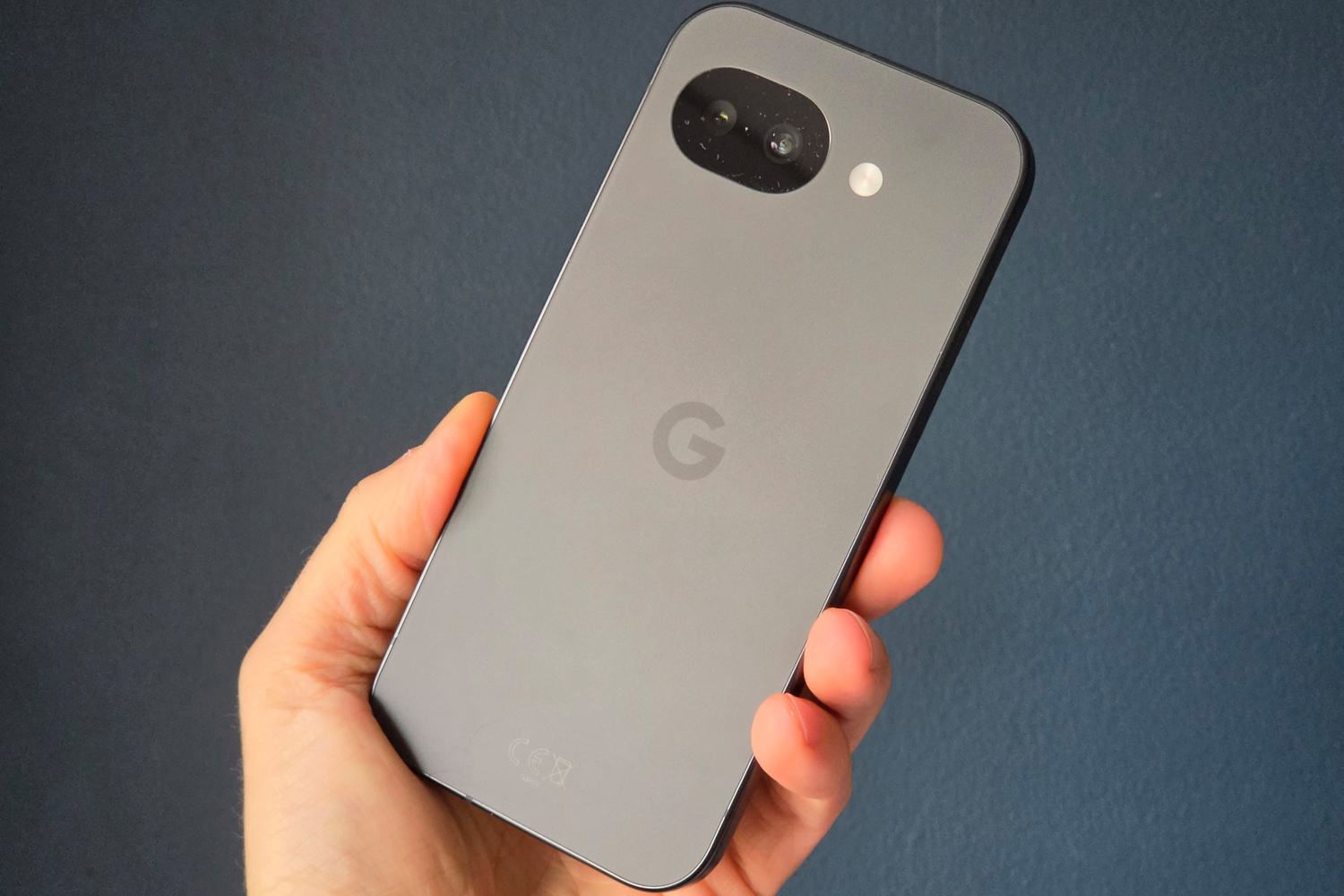
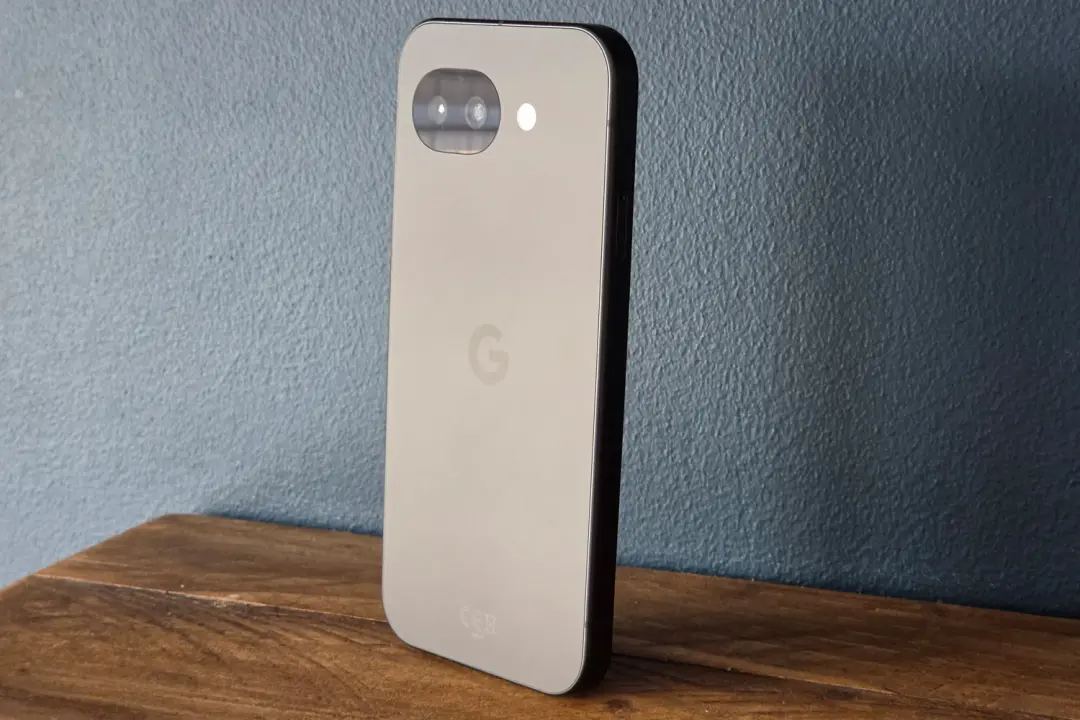
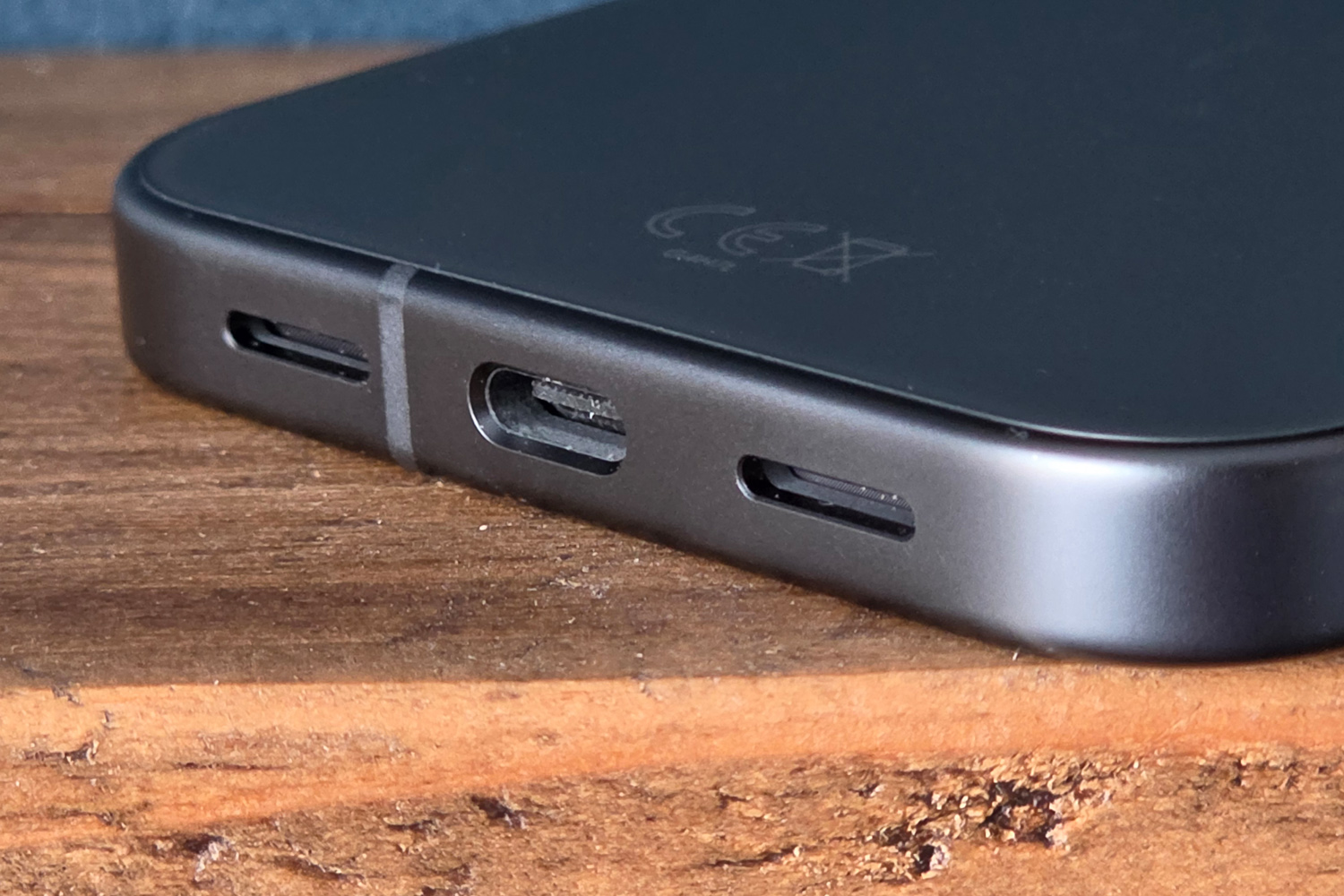
Apparently Google had to shift around a lot of the Pixel 10a’s internal components in order to make its rear camera module sit entirely flush, rather than poke out poke out like it did on the Pixel 9a. I’m not sure it was worth the effort. There’s maybe a millimetre or two of difference. And the old phone never got caught when I slid it in or out of my pocket.
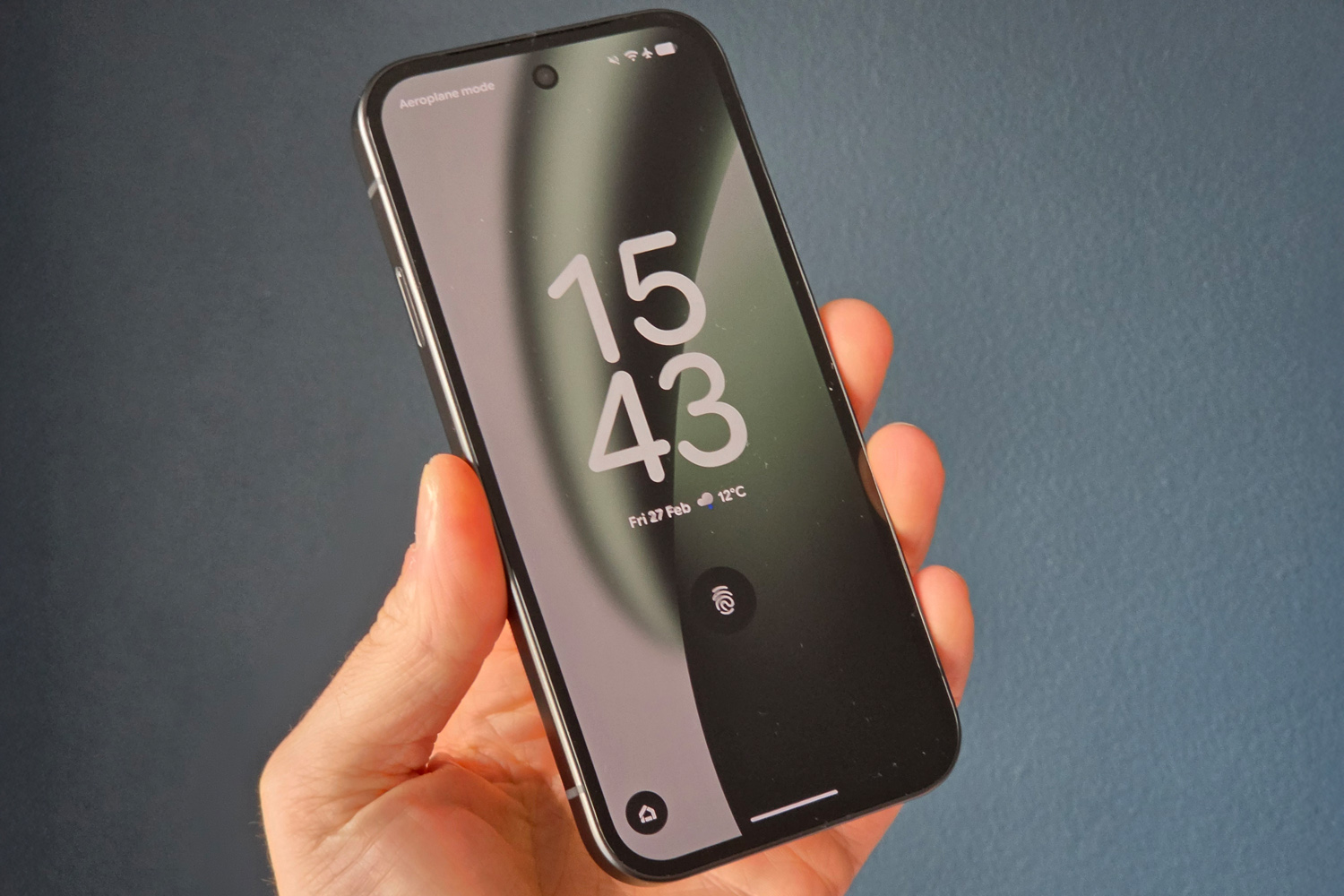
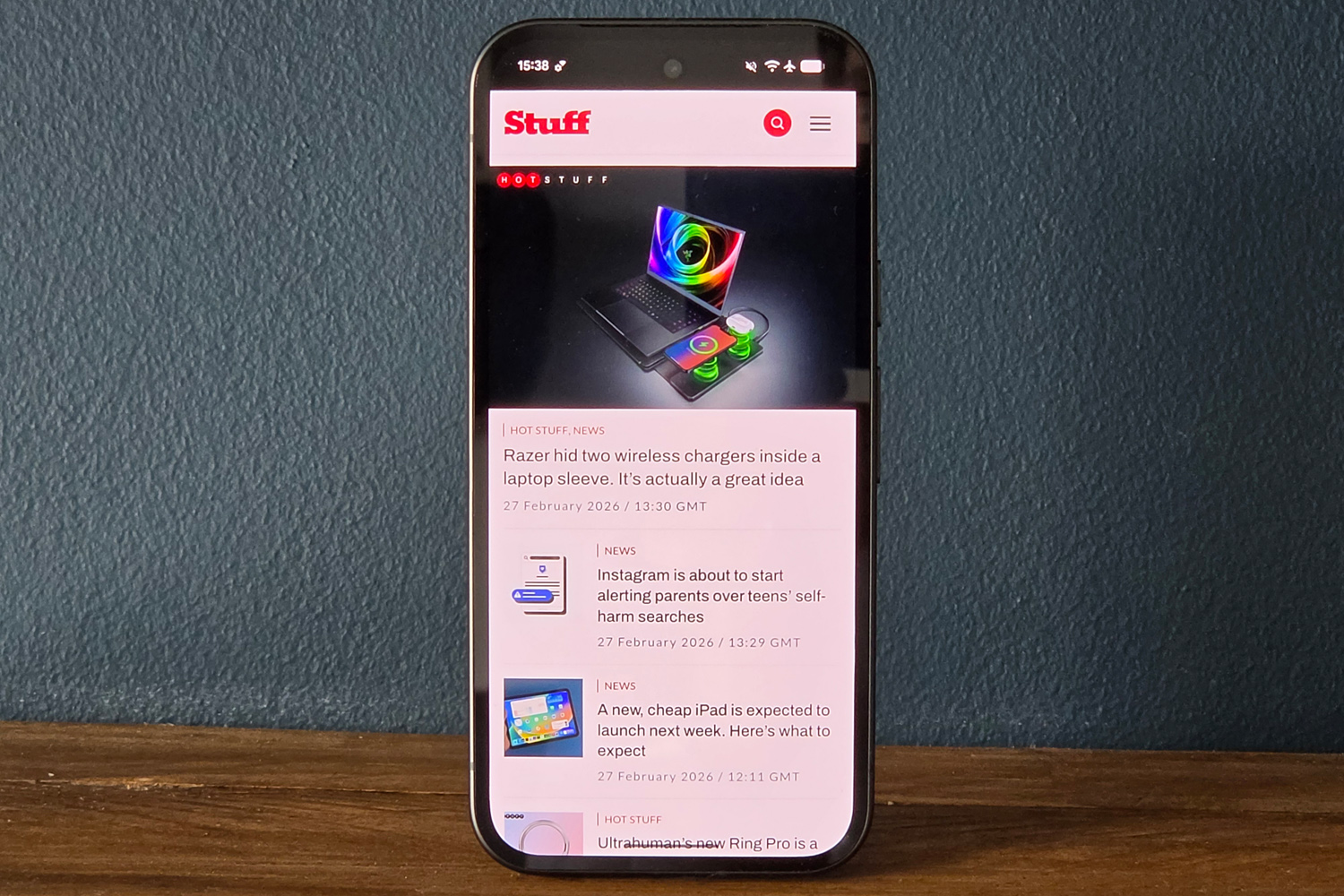
The screen bezels are also marginally slimmer than last year, albeit still thicker than you’ll find on any other Pixel 10 variant. They’re also more portly than most of the affordable competition.
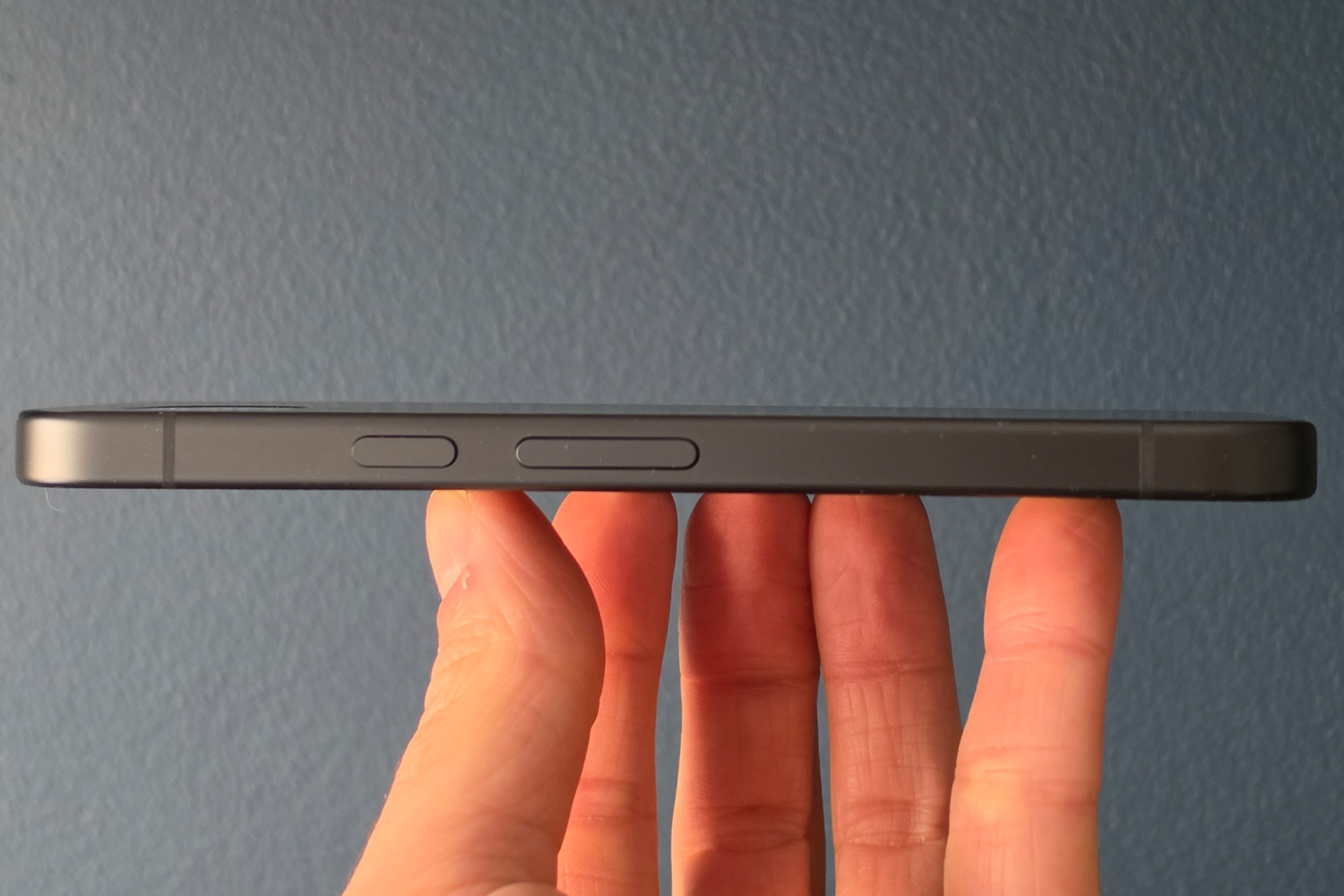
The design is otherwise identical, with an ultra-minimal matte rear panel and flat central frame that’s machined from metal. That helps it feel less like a budget handset, and the dimensions are particularly pocket-friendly. Most rivals in this price range have much bigger screens.
Three of the four colour options are new for 2026. Berry, Fog and Lavender are eye-catchingly vibrant, which makes for a nice change of pace from the more muted hues found on the outgoing handset. A shame Google sent me the dull Obsidian model for testing, then. It’s an identical shade to the old Pixel 9a.
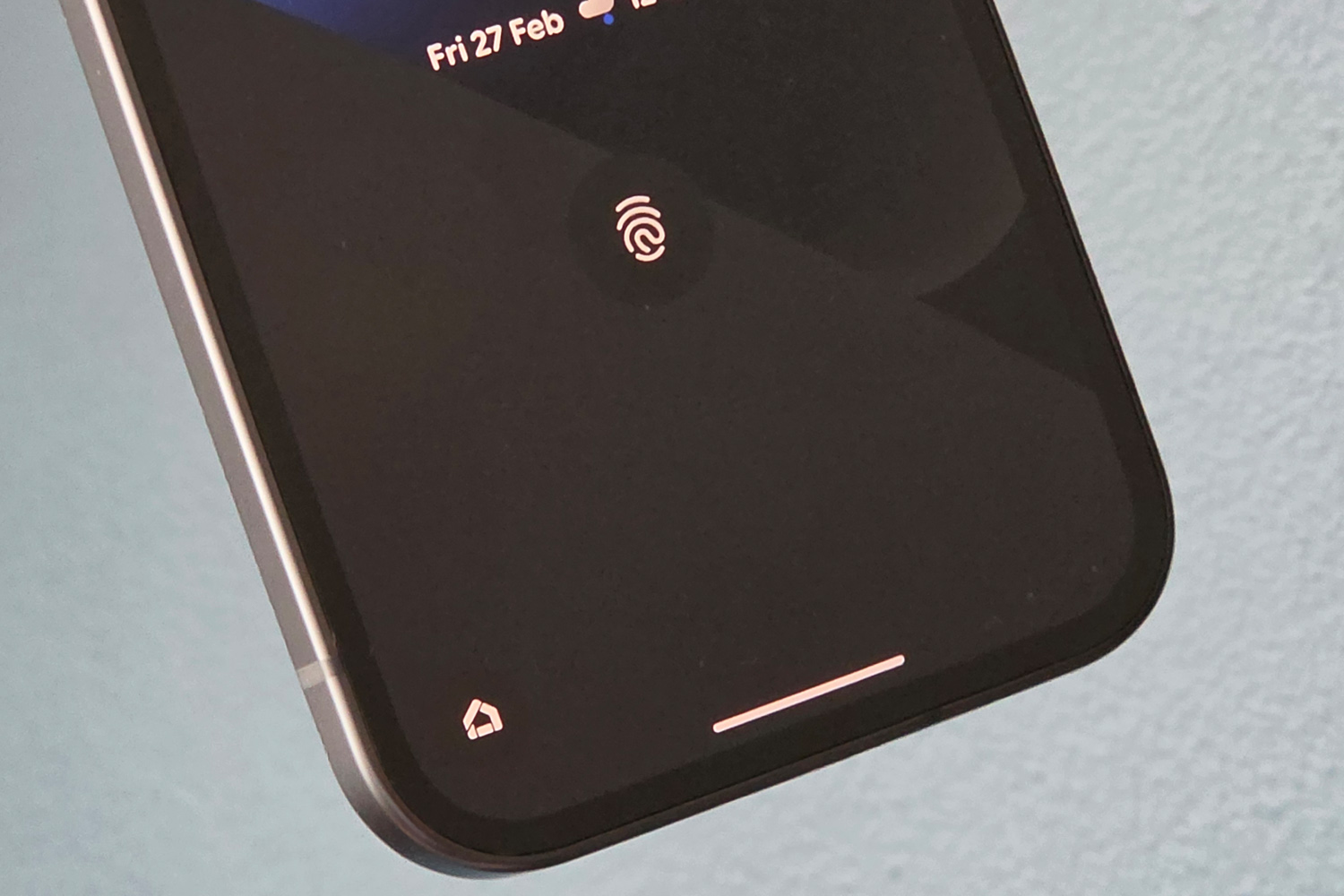
You get IP68 resistance here, which is a good showing for an anything mid-range or below. The screen is also covered with Gorilla Glass 7i. That’s a welcome step up from the Pixel 9a, which made do with much older Gorilla Glass 3. Face and fingerprint unlock both make a return, and each worked perfectly well during my testing.
Screen & sound: dial up the dimmer switch
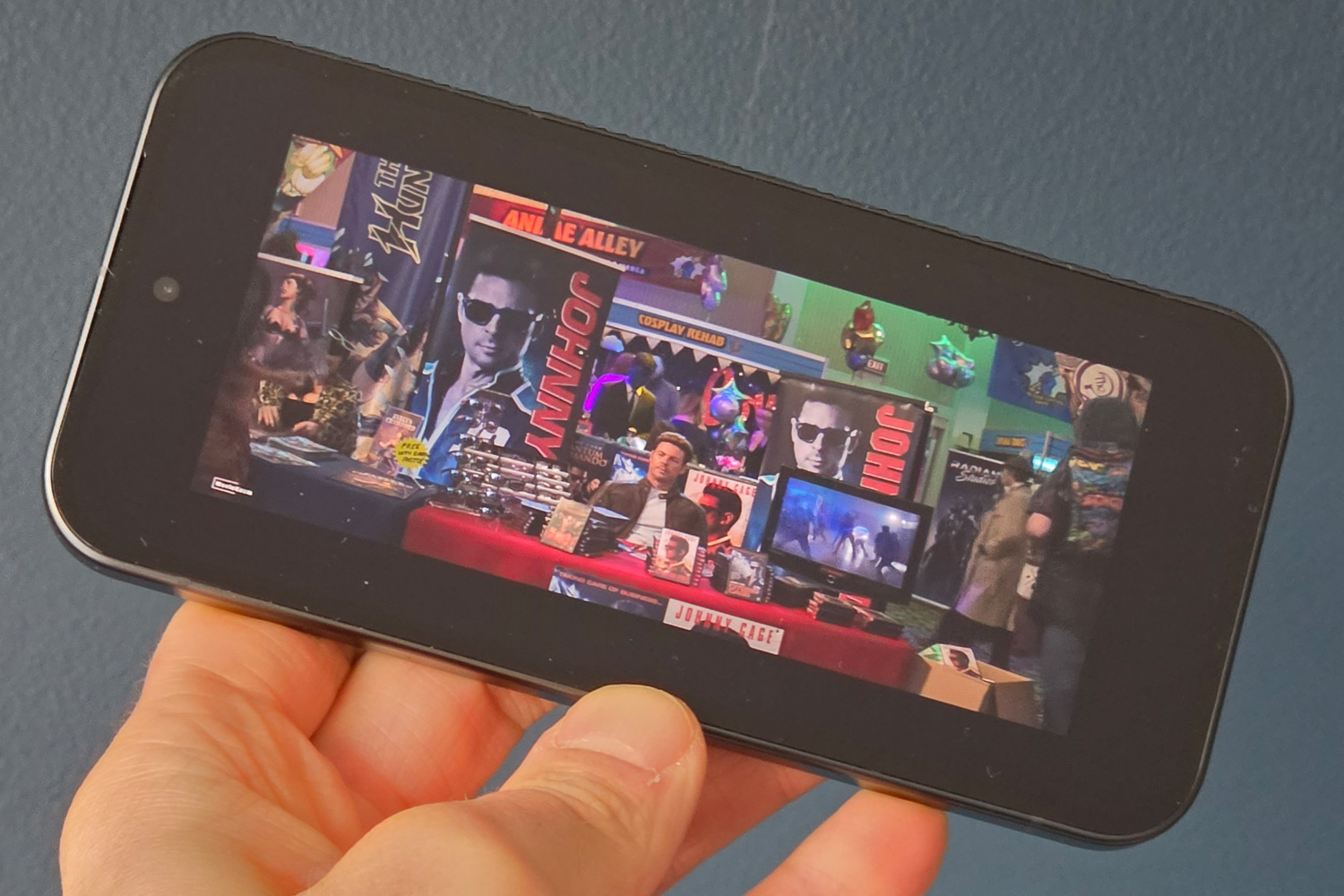
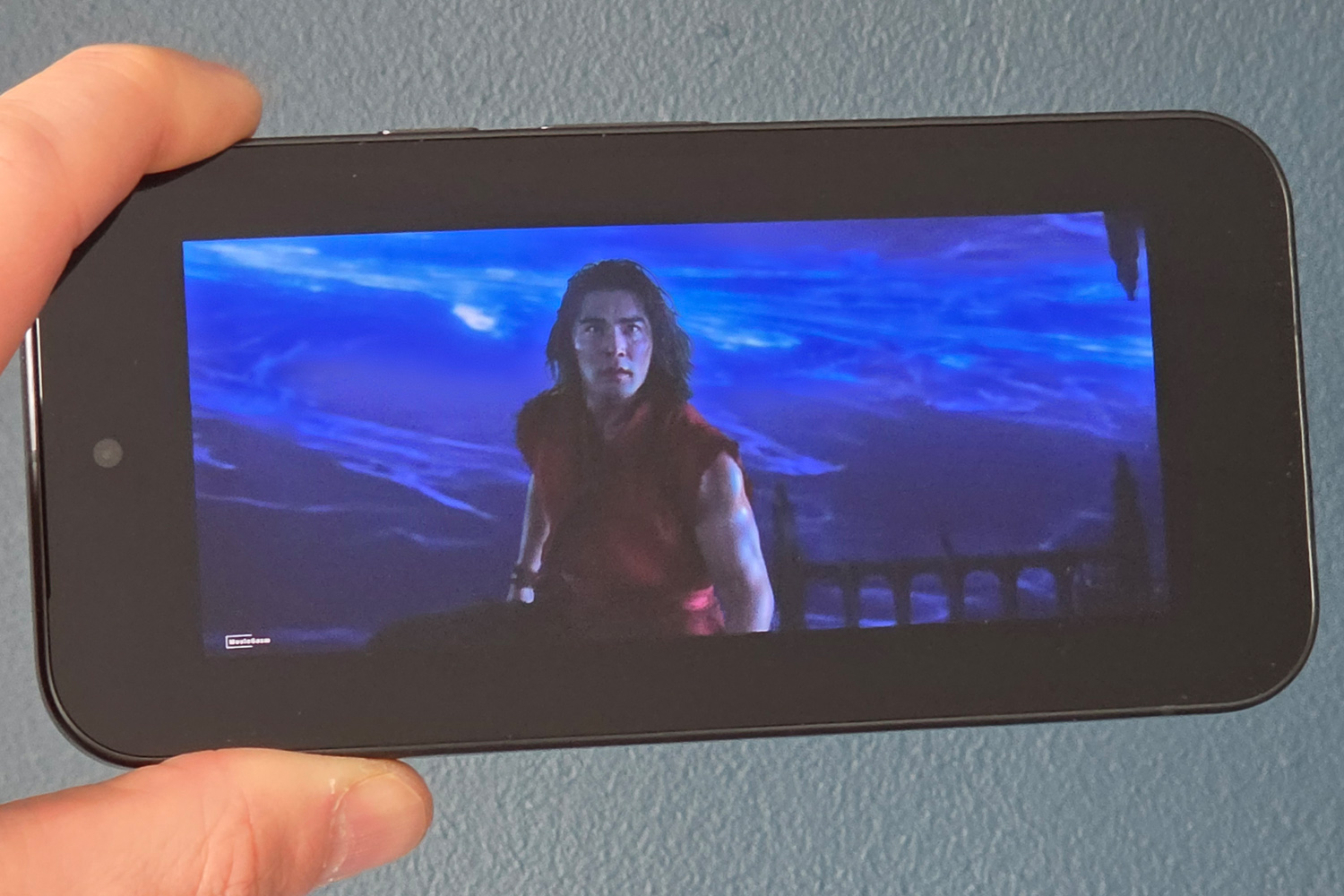
There’s very little to separate the Pixel 10a’s screen from the outgoing Pixel 9a’s. Both have 6.3in panels. Both have a 2424×1080 resolution that’s sharp enough at arms’ length. And both have a refresh rate that can bounce between 60 and 120Hz. This one’s 10% brighter, though.
A peak 3000 nits won’t scorch your retinas like the best flagship phones, but it does bring a small (and welcome) boost to outdoor visibility over the old model. On a sunny March morning in Spain, I didn’t struggle to read incoming notifications or see map directions while out and about.
I found it a little odd my review unit arrived with the screen set to 60Hz; the entire UI felt choppy during the initial setup, until I went in and activated 120Hz by hand. Google really needs to enable this feature by default.
Otherwise you’re looking at a modern OLED panel, which means colours are impactful, blacks are inky, and contrast is off the charts. Photos and videos look great here, but if you’re not a fan of high vibrancy you can dial things back using the Natural colour profile in the settings menus.
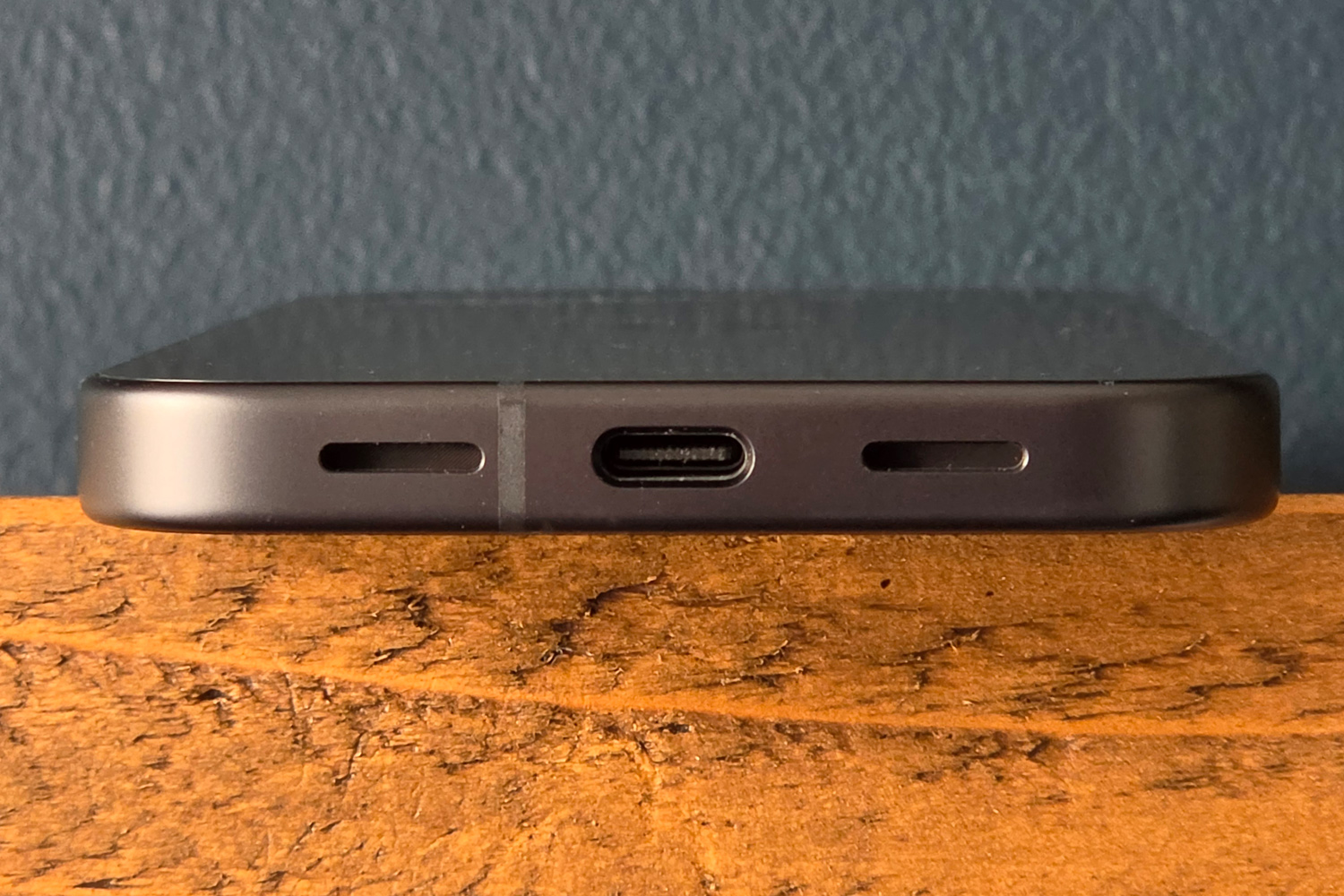
The sound setup is a similar story, with stereo speakers that cope fine with podcasts and YouTube clips but will leave you reaching for a pair of headphones for anything else. Audio can be a bit thin, with little in the way of bass. Which is true of most affordable phones.
Cameras: slightly smarter
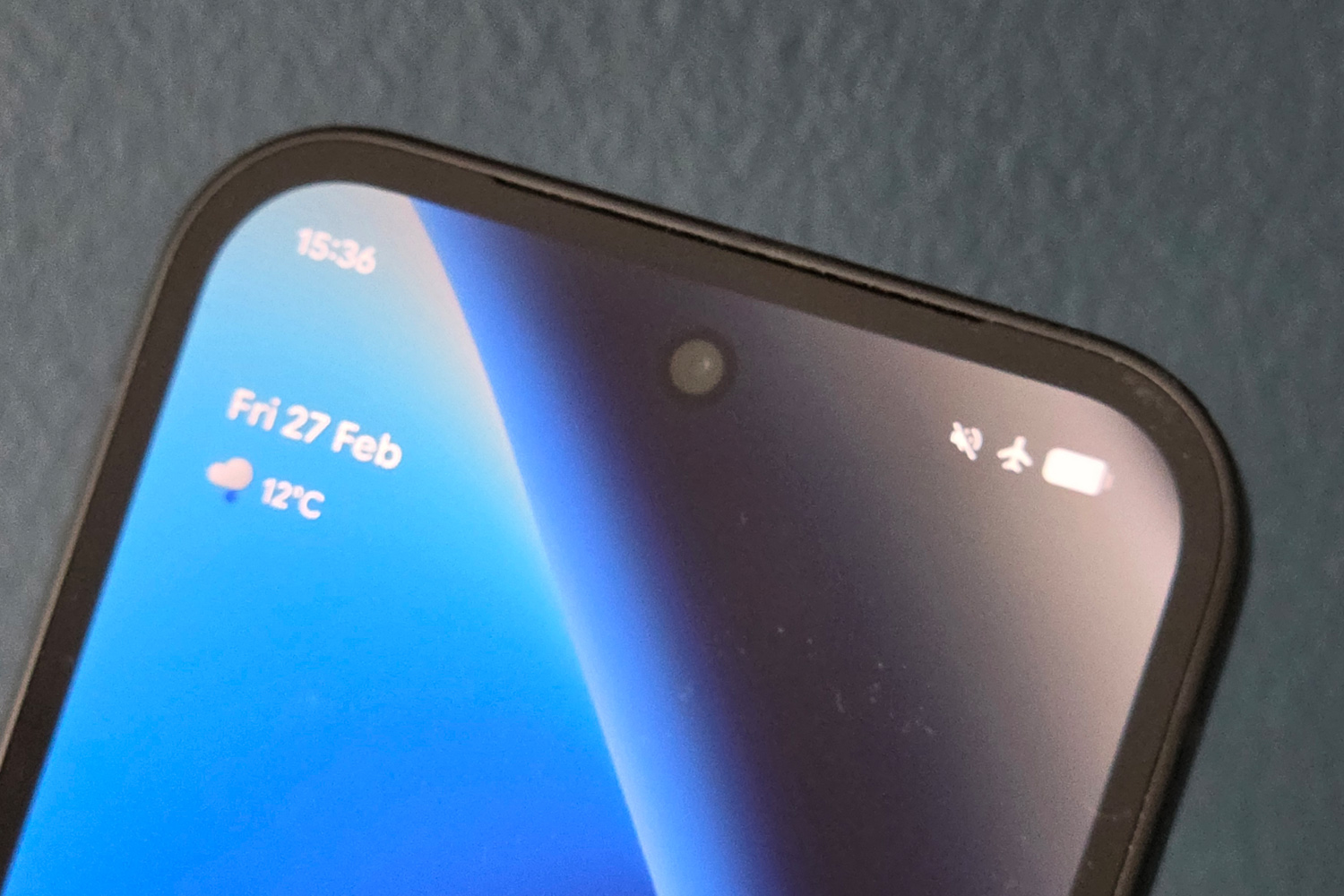

I hope you weren’t holding out for any new camera hardware. The Pixel 10a arrives with the same 48MP main snapper as its predecessor, complete with optical image stabilisation and f/1.7 aperture. It’s joined by a 13MP, f/2.2 ultrawide, also unchanged, and there’s an identical 13MP, f/2.2 selfie cam up front. Video recording again tops out at 4K/60 from the rear cameras, or 4K/30 when using the front one.
Does it still hold its own against more expensive rivals, though? For the most part, yes. The lead lens still delivers sharp shots that really pack in the detail, with enough dynamic range to cope with especially bright skies. Colours stay very true to life, avoiding the vibrancy found in many mid-rangers.
2x magnification with sensor cropping is practically lossless and it holds up well once digital zoom comes into play. I was happy enough with 5x shots taken in good light, even if things dropped off at night.
It’s here that Google’s Night Sight image processing does more heavy lifting, preserving details from the main sensor and keeping noise largely in check. As long as you aren’t expecting it to match that of a much more expensive flagship, you’ll be happy with the results.
















I remain impressed by the 13MP ultrawide secondary snapper’s consistency with the main lens. It’s sharp, a good match for colour and exposure, and shows the minimum of barrel distortion at the extreme edges of the frame.



It’s through software Google hopes the Pixel 10a can stand out from the last-gen phone. It has Camera Coach, an AI-assisted guide that can help you with composition and make your photos more appealing by suggesting different angles or techniques. Machine learning recognises what the lens is pointed at, and AI generates previews of what your pics could look like. It borders on magic at times, and can be a boon for anyone that doesn’t know their shutter speed from their ISO values.
Automatic Best Take is the other big new addition. This was more of a manual thing on the Pixel 9a, but here it kicks in automatically. Being able to swap out faces so group shots don’t take forever – or require any time in an image editing app like Photoshop – can be really handy for spur-of-the-moment photography.
There’s no no word yet on if they’ll be ported back to the Pixel 9a – I’m guessing Google won’t be in too much of a hurry to do so, in order to get customers to adopt the new model rather than the old one.
Software experience: more and more Gemini
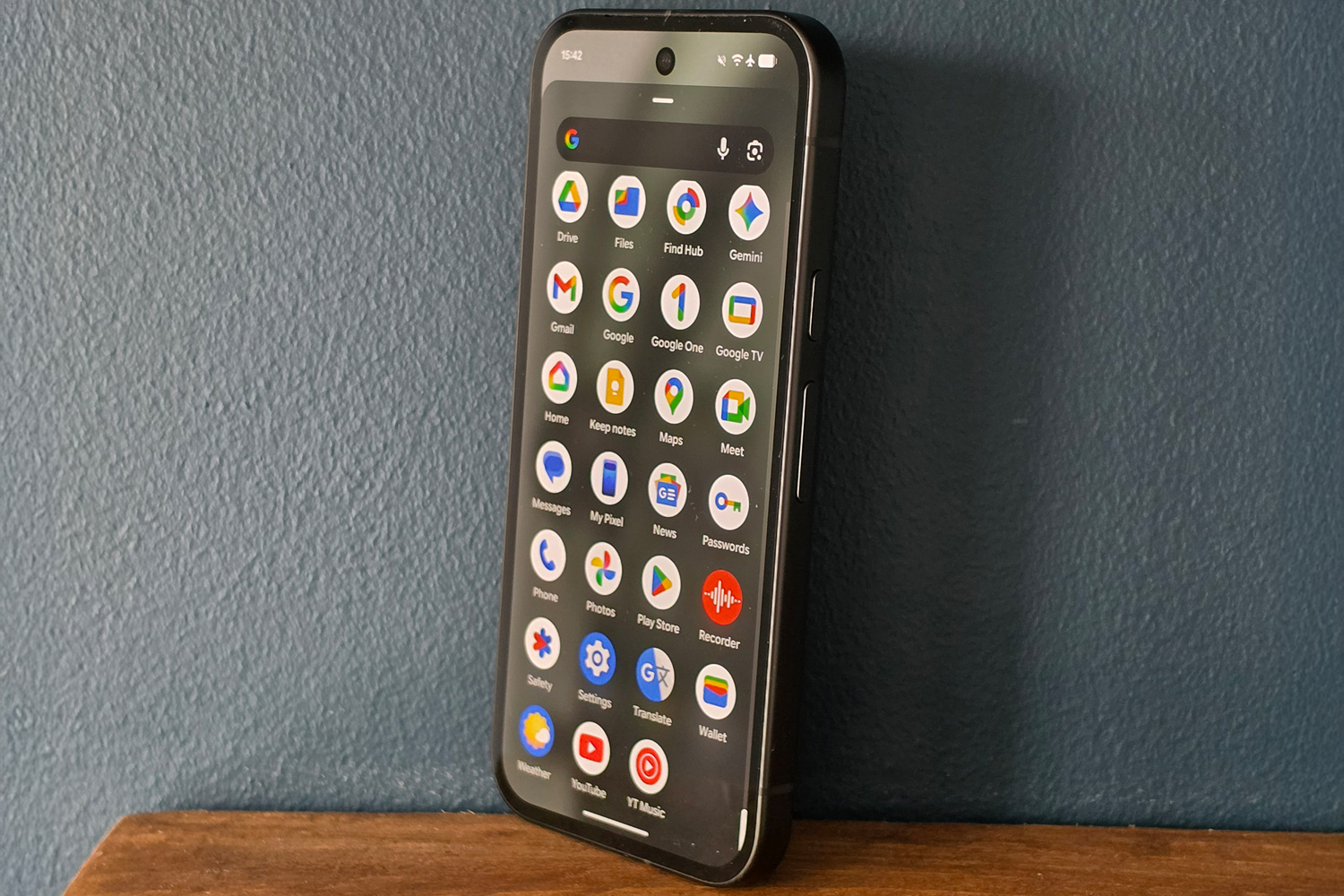
The 10a lands running Android 16, bringing it up to speed with the rest of the Pixel 10 generation – as well as the Pixel 9a, which got updated nearly six months ago. With Google committing to seven years of software support for each, in theory the new phone will be supported through to Android 23 while the old one will max out at Android 22. We’ve got a long wait to see if the firm stays true to that promise, though.
It’s a Pixel, so of course the operating system is free of pretty much all bloatware. The app drawer is filled exclusively with Google’s default apps, plus a few Pixel-exclusive ones that may or may not be worth your time depending on how you feel about AI. The interface is as clean as ever, and perfectly responsive to taps and swipes.
Gemini has crept into every nook and cranny at this point, with an “ask Gemini” widget waiting on the home screen after initial setup, Circle to Search a tap-and-hold away, and Gemini Live available for a chat whenever you like. It can ‘see’ your screen now too, opening new ways to interact.
Magic Cue, which serves up addresses when inviting a friend to an event over messages (assuming you’ve given Gemini access to your emails, contacts, notes and web searches) is MIA, because it relies on the more powerful Tensor G5 chip. If you want it, you’ll have to step up to a pricier Pixel 10 model.
Performance & battery life: break from the norm

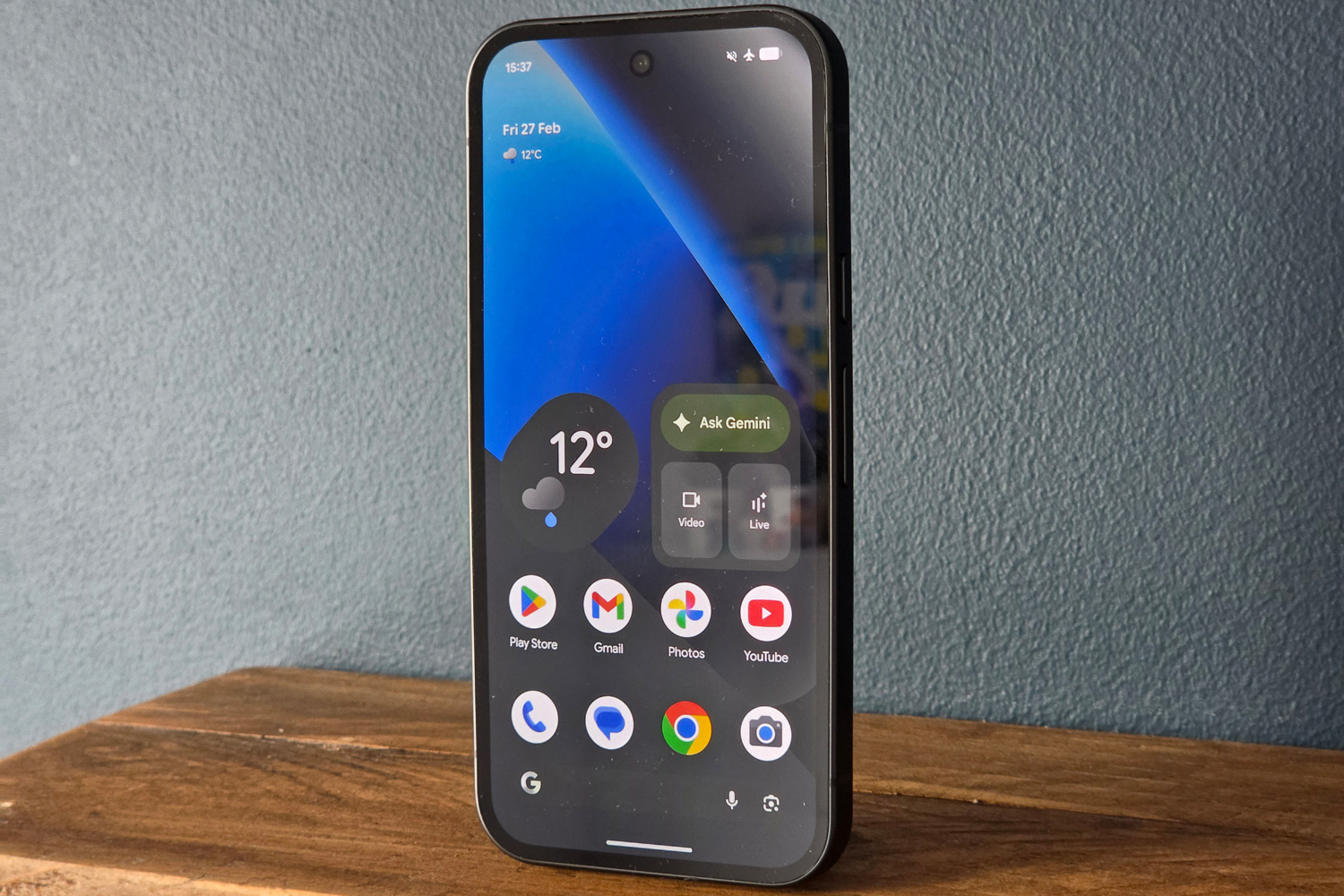
The Pixel 10a goes against the grain of Google bumping its new A-series phones with the same chipset as that generation’s mainline Pixel handsets. That means you’re getting the same in-house Tensor G4 as last year, along with an unchanged 8GB of RAM and 128GB of base model storage. There’s still a 256GB variant on offer if you’re willing to pay for more capacity.
Frustratingly Google locks down its phones pre-launch, so my usual synthetic benchmark apps were off limits and sideloading only got me so far. The PCMark Work 3.0 test did show a respectable gain over the previous generation (14,233 to the Pixel 9a’s 12,856), though this could be down to twelve months of software optimisations or more effective cooling. A score of 17.3 in the Speedometer 3.1 browser test puts it on par with OnePlus 15R, which costs a fair bit more, but a cheaper Poco M8 Pro and its Snapdragon 7S Gen 4 isn’t far off.
In regular use the Pixel 10a feels perfectly responsive, with no real complaints when multi-tasking. It’s not the best gaming phone, defaulting to lower graphics settings than the equivalent Snapdragon-powered mid-ranger, but frame rates are consistent. Modern 3D titles are playable, but simpler and 2D fare feel better suited to this phone.
The only brand new hardware is the modem, which now supports satellite-based emergency SOS. It’s something you don’t see all that often on mid-range handset, and could be a selling point if you live somewhere with a spotty cellular connection.
Battery capacity is identical at 5100mAh, so I had no surprises when it came to longevity. This phone will last all day with moderate to heavy use, but no longer. I never managed Google’s 30 hour claim with my usual mix of music streaming, photography, gaming, video playback, email and web browsing. If you want to last longer, rivals with larger silicon-carbon batteries are well within this price range.
I do appreciate Google boosting wired and wireless charging speeds, albeit only slightly to 30W and 15W. There’s no Pixelsnap magnetic accessory support or Qi2 compatibility, though.
Google Pixel 10a verdict
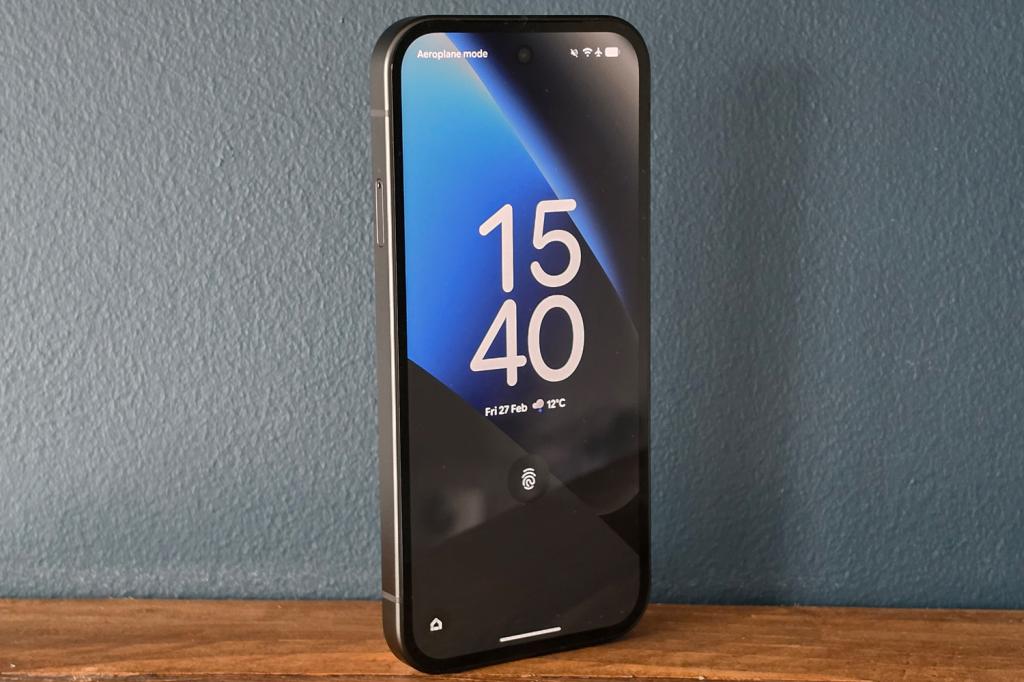
This phone feels like a fantastic advert for the Pixel 9a while it remains in stock. It’s an underwhelming annual update with the bare minimum of design and hardware changes. But crucially that doesn’t stop the Pixel 10a from being a perfectly capable everyman Android at an appealing price.
Google’s pared-back software remains a delight to use, even with all the Gemini additions. It lasts all day between charges, and the cameras are still able to punch above their weight thanks to some of the best image processing you’ll find for the money.
Once the cellular carriers and network providers start offering discounted contract deals, it’ll become the go-to Android below £500 – just not the most exciting one.
Stuff Says…
Find the right carrier or contract deal and the Pixel 10a could be a great budget Android. It’s quick enough, takes a clean photo and has decent battery life. But as annual updates go, it’s the bare minimum.
Pros
Familiar looks made the tiniest bit sleeker
Cameras still very competitive for the money
Marginally faster wired and wireless charging
Cons
No meaningful hardware upgrades from the Pixel 9a
The only Pixel 10 handset without Pixelsnap magnets built in
Now an also-ran for battery life
Google Pixel 10a technical specifications
| Screen | 6.3in, 2424×1080 P-OLED w/ 120Hz |
| CPU | Google Tensor G4 |
| Memory | 8GB RAM |
| Cameras | 48MP, f/1,7 w/ PDAF, OIS + 13MP, f/2.2 ultrawide rear 13MP, f/2.2 front |
| Storage | 128/256GB on-board |
| Operating system | Android 16 |
| Battery | 5100mAh w/ 30W wired, 10W wireless |
| Dimensions | 154x73x9mm, 183g |


 Tom Morgan-Freelander
Deputy Editor
Tom Morgan-Freelander
Deputy Editor