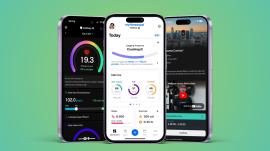
Ultrahuman’s new Ring Pro is a next-gen smart ring with 15 days battery life and AI health tracking
The Ultrahuman Ring Pro is here and it could be the smart ring upgrade many people have been waiting for

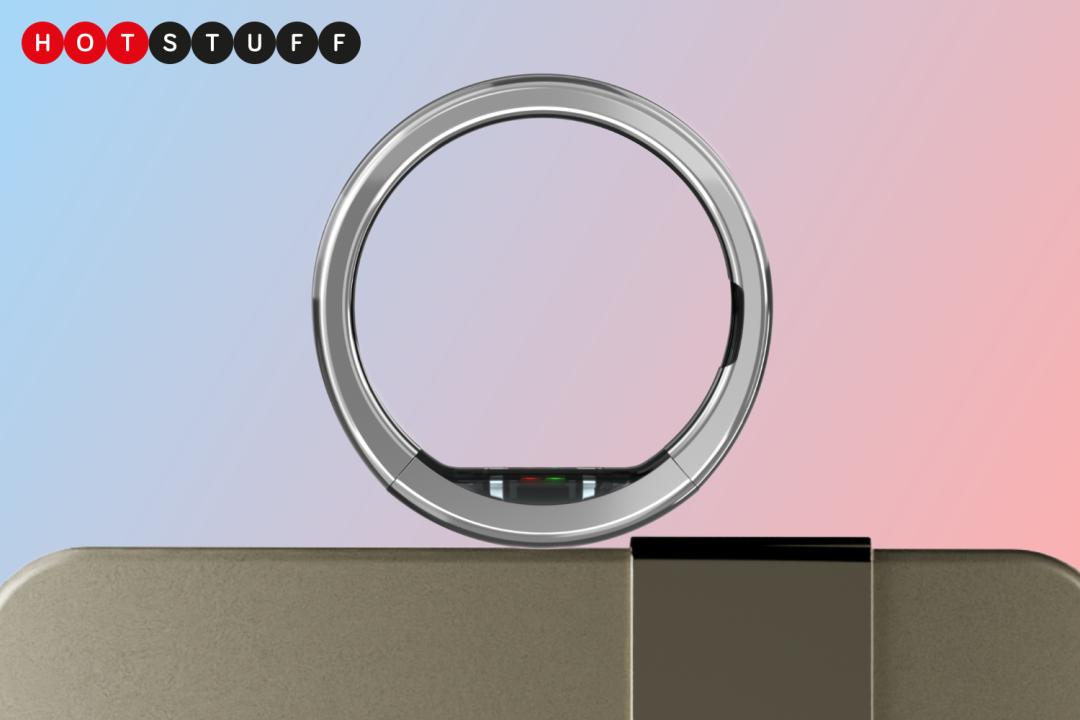
Ultrahuman has unveiled its most ambitious smart ring yet, and on paper, the new Ring Pro looks like a major leap forward – promising up to 15 days of battery life, faster processing, and a new AI system designed to actively interpret your health data in real time.
The headline upgrade is the battery life upgrade. Fifteen days of battery life is a big deal in a category where most rings struggle to last a week. It means less time thinking about charging, and more time actually tracking — which is the whole point of wearing something like this in the first place.
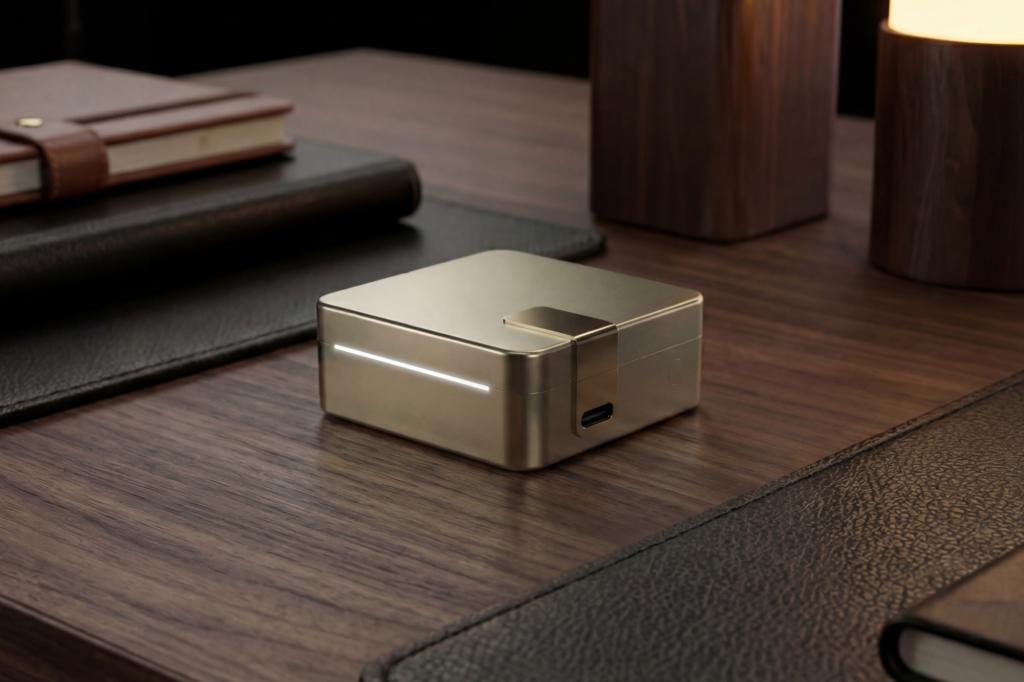
Alongside the ring, Ultrahuman is introducing a redesigned Pro Charging Case with up to 45 days of its own battery life. It magnetically snaps the ring into place, charges with less heat, and even includes features like Find My Case tracking and LED status indicators.
It’s a great upgrade that fixes one of the biggest annoyances of smart rings: losing or forgetting the charger (especially annoying when travelling).
The Ring Pro itself has been rebuilt around a new dual-core processor and improved heart-rate sensing system. Ultrahuman says this improves accuracy, especially during sleep and recovery – two of the most important metrics for anyone serious about understanding their body.
It also stores up to 250 days of health data directly on the ring, which means your history stays intact even if you’re away from your phone for long stretches.
Ultrahuman has also introduced a practical safety feature called ‘ProRelease Technology’, which allows the ring to be cut off more easily in an emergency. It’s the sort of detail you hope you never need, but it makes sense for something designed to be worn 24/7.
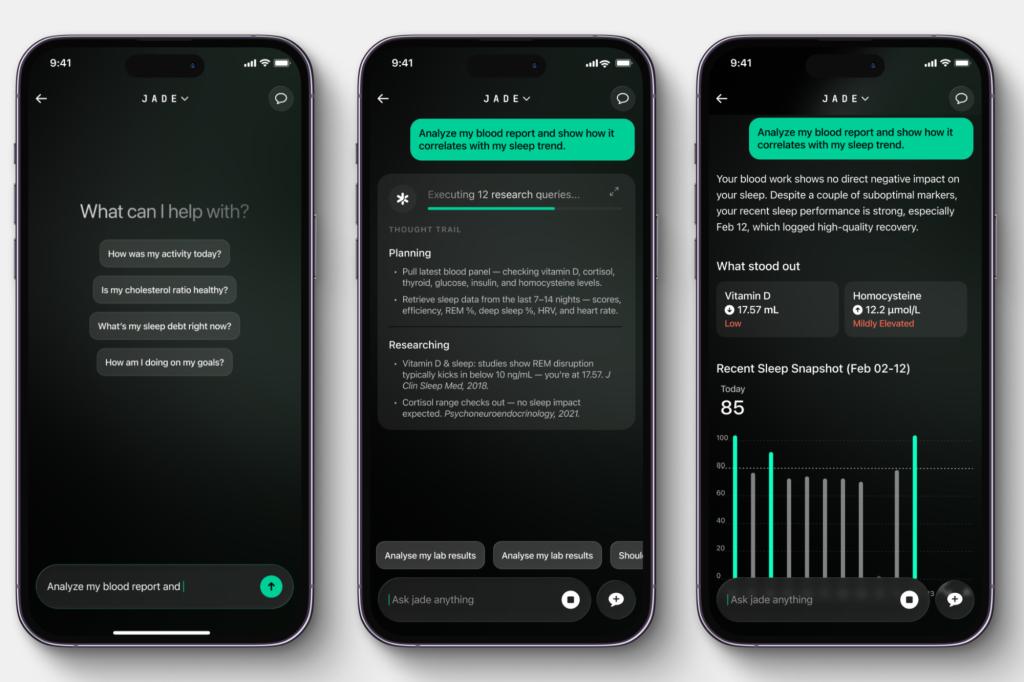
But the bigger story isn’t just the hardware. It’s the new AI platform called Jade.
Ultrahuman describes Jade as the world’s first real-time “biointelligence AI”, and unlike traditional health apps that simply show you charts and trends, Jade actively interprets your data and offers guidance. It can analyse sleep, recovery, glucose levels, and other biomarkers, then suggest actions or highlight patterns you might otherwise miss.
In theory, this shifts the experience from passive tracking to something more useful — a system that both collects data and helps you act on it.
This approach makes sense to me, because raw health data alone can be overwhelming. Most people don’t need more numbers.
I’ve been wearing the Ultrahuman Ring Air daily for a few months now, and it’s become one of the few bits of wearable tech I genuinely rely on. The sleep tracking is consistently insightful, and features like circadian rhythm tracking and recovery scoring have genuinely helped me understand when I need to slow down a little.
If the Ring Pro builds on that foundation with longer battery life, better accuracy, and smarter interpretation through Jade, it could widen the gap between Ultrahuman and its rivals, such as the Oura Ring Gen 4.
Smart rings are still a relatively young category, but they’re quietly becoming one of the most compelling alternatives to smartwatches. They’re lighter, less distracting, and easier to live with long term (especially if you’re a mechanical watch fan, like me).
The Ring Pro is available to pre-order now globally (excluding the United States) priced at $479 / £419, with shipping starting in March. Ultrahuman is also offering trade-in discounts for existing Ring Air owners and other smart rings.
Liked this? Can a smart ring really replace a fitness tracker? I tried one for a month to find out


 Spencer Hart
Buying Guide Editor
Spencer Hart
Buying Guide Editor