How to build a fitness routine that lasts longer than January
We uncover the secret to a fitness routine that survives the New Year – from focusing on recovery to tracking the right stats

It’s very easy to get caught up in the excitement of “New Year, New You”, where seemingly every conceivable media outlet promotes the benefits of healthy living, healthy eating, mindfulness and self-improvement.
But according to recent research, almost half (43%) of British gym goers pay for fitness subscription – including gyms and apps – that they have not used once in the last 14 days. This equates to a £250 million wastage on unused memberships as the excitement of a new routine inevitably wears off. At the same time, 5.1 million Americans waste $1.8 billion annually on unused gym memberships, wearables and apps.
It’s also totally understandable, as when February and March lumber around, reality tends to bite hard: work life gets busy, the soreness of a new routine can really kick in, and the temptation to crawl back to the sofa/pub gets overwhelmingly strong.
Things don’t have to be this way, and with a bit of careful planning, it is possible to craft a fitness programme that reaps results throughout the year, not just the first few weeks of January.
1. Baby steps for the win
Forget signing up to the gym and then hitting five punishing strength sessions a week. For anyone new to training, this just isn’t sustainable, and the Delayed Onset Muscle Soreness (DOMS) will be off the charts.
Instead, start with much more achievable goals, such as one or two full-body strength sessions a week, sprinkled with the goal of increasing daily step count. Simply walking more is one of the best ways to burn calories without the associated effort.
Investing in a basic wrist-based step counter, smart ring, or even activating step-counting on your smartphone can help keep track of this sort of thing.

2. Make training fit around you
Don’t try to force a new training programme into your life – instead, attempt to make it fit around your busy schedule. First, understand when you have the most energy — is it first thing in the morning? After lunch? Late at night?
Whatever the answer, aim to schedule a workout for those times you feel like getting active and stick to it. Commit the workouts to a diary if it helps avoid any awkward clashes and find a gym that is open at the times you want to use it.
If getting to the gym proves difficult, think about introducing some fitness equipment into the home. It’s amazing what a treadmill and a pair of adjustable dumbbells can do. Better still, companies like Peloton and iFit offer digital workouts that can be carried out any time, and they’re almost as motivating as having a personal trainer fighting your corner.
3. Don’t obsess about cardio
Many of those new to training often approach a new programme with the misconception that cardiovascular exercise is the only way to burn calories, lose weight and tone up. This just isn’t the case, as a solid strength training routine helps build muscle, improve overall strength and, thanks to recent studies, has been attributed to better health in later life.
Alongside running, rowing, walking, stair climbing and elliptical machines, attempt to complete two to three full-body strength sessions per week. Focus on compound movements such as squats, hinges, pushes and pulls. Progress slowly by gradually adding weight and reps, while the early focus should be on improving and mastering technique.
4. Apps are the way to do it
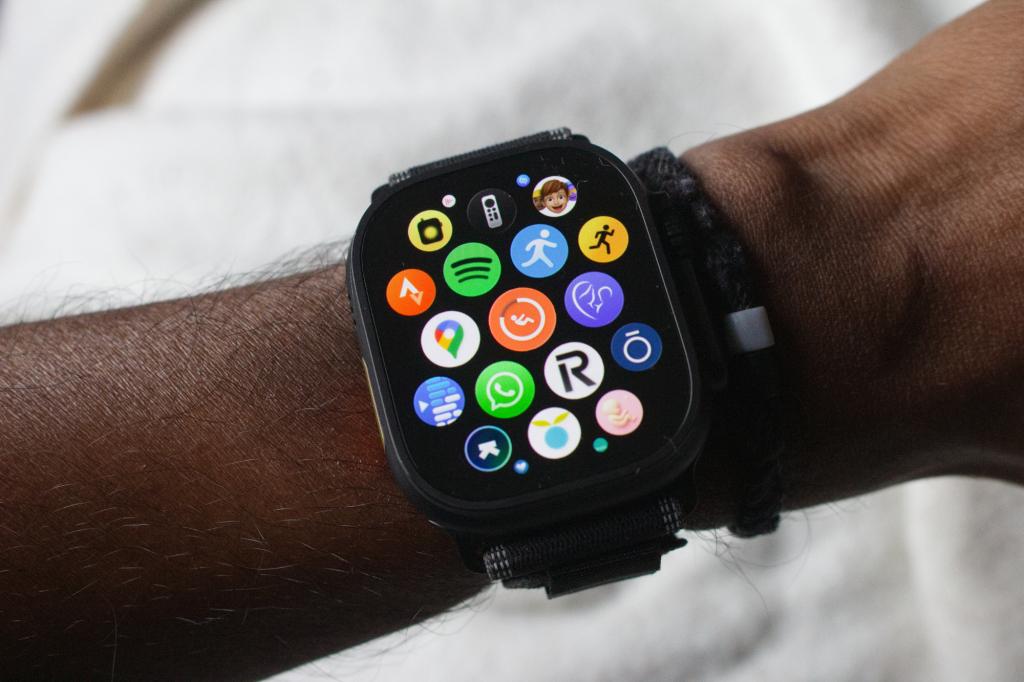
While there is no replacement for the expertise and guidance a real-life personal trainer can bring, there are a number of strength training tools and apps out there that can at least assist.
Fitness watches from the likes of Garmin, Samsung and Apple offer on-device training help that not only automatically counts sets and reps, but they can also offer tips on the correct exercise execution, so you don’t waste time and reps to poor form.
Again, monthly subscriptions to the likes of Peloton, iFIT, Apple Fitness+ and Fitbit Premium can assist with workout programming, exercise execution and progress tracking, which takes a lot of the guesswork and confusion out of planning long-term health goals.
5. Track progression to stay motivated
There’s nothing worse than feeling like a new workout regime simply isn’t working, so it pays to track progression and celebrate the small wins.
Don’t focus on Hollywood-style body transformations and instead commend the fact you completed all planned workouts in a week, increased the weight on a particular exercise or hit a step target. These are the small things that will make the big differences.
Those new to running should look towards the Couch to 5K programme, which uses these small steps and small wins to keep users motivated. Similarly, using an app like Strong or Heavy to track increases in strength can really highlight how much you can improve over six or eight-week blocks.
For those who like technology to take care of the guesswork, the Apple Watch’s famous Activity Rings are a great visual aid to get you moving and burning calories. Fitbit, Garmin, Suunto and many other fitness watches all offer a similar system.
6. Don’t neglect diet or recovery
Regularly exercising is just one part of the puzzle, but building long-term healthy habits requires an understanding of calories (ideally burning a few more than you intake), good nutrition (vitamins, minerals, fats and proteins are all important) and ensuring you get adequate rest.
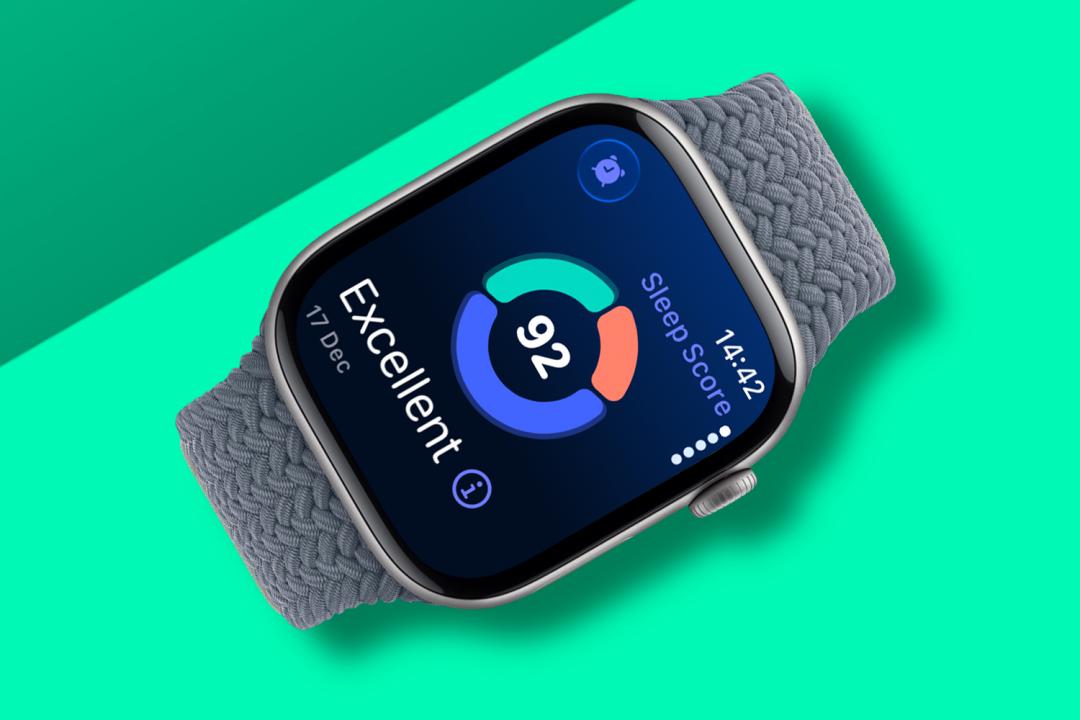
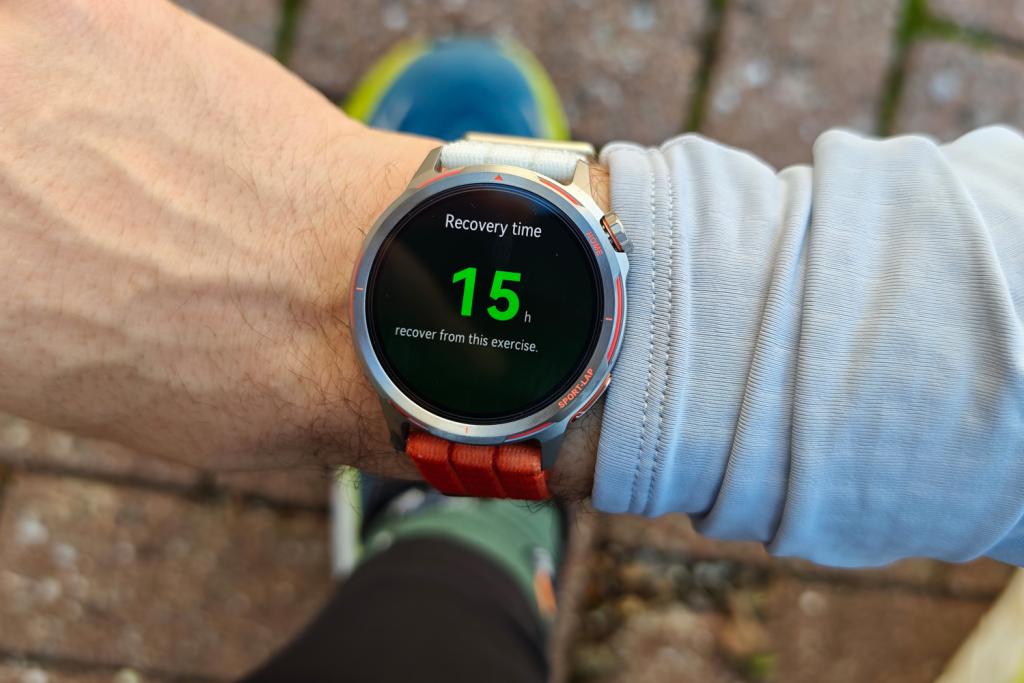
Sleep, stress management, and rest days are not optional extras. They are the foundation of progress. Aim for seven to nine hours of sleep per night. Keep at least one full rest day per week. Consider light activity, such as walking or stretching, on/off days to promote recovery without adding fatigue.
Wearable tech can help monitor sleep trends and resting heart rate, giving early signs if you’re overdoing it.
Liked this? As a fitness expert, this is the fitness tech I actually use (and what I ignore)


 Leon Poultney
Freelance Automotive and Tech Writer
Leon Poultney
Freelance Automotive and Tech Writer