Car companies love to talk about ultra-rapid charge times, but should it actually be avoided?
Is fast charging really bad for EV batteries? Here's what you need to know

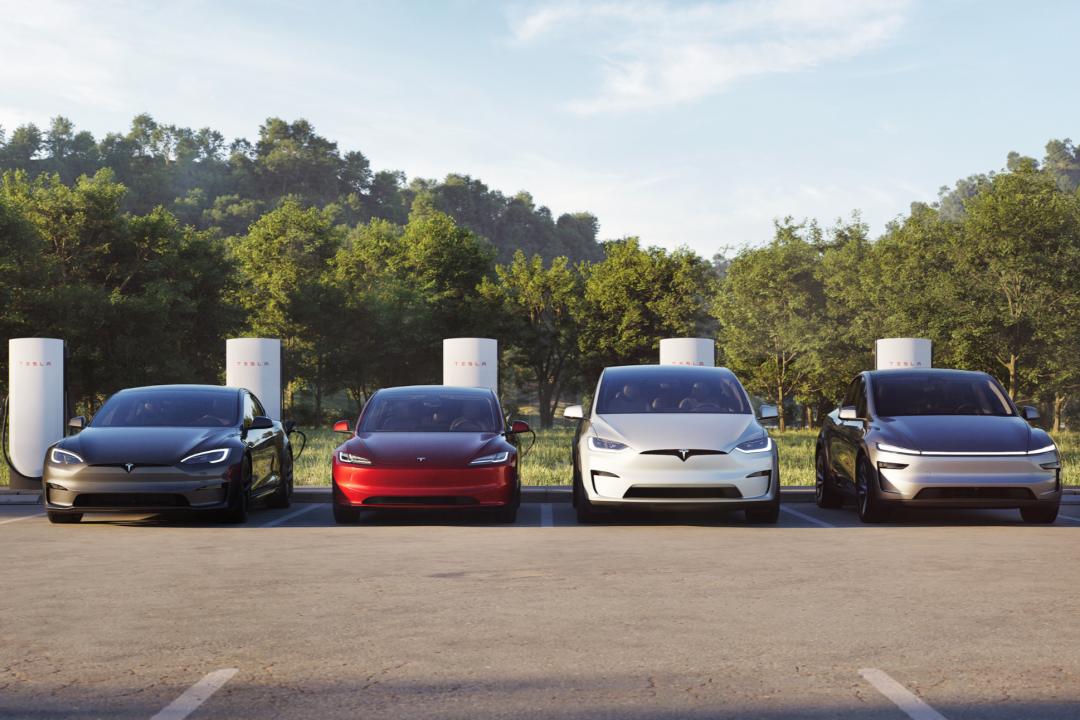
How quickly an electric car can charge is arguably just as important as how far it can go before it needs plugging in.
Some of today’s EVs (such as the Volvo EX60 and BMW iX3, which we recently pitted against the Tesla Model Y) can charge incredibly quickly, operating at 800 volts and pushing electricity into their batteries at over 300 kW. At that rate, even the biggest batteries can fill from around 10 to 80 percent in well under 20 minutes.
Of course, this speed is only achievable when plugged into an equally powerful charger, and with the battery at just the right temperature. Even then, after a few minutes of peak speed, the rate of charge tends to fall as the battery fills up.
This fluctuating charge speed – and the need to be pre-conditioned to the right temperature beforehand – is a protective measure, since lithium batteries can be damaged if the charge process isn’t carefully controlled.
Which leads to the question: can EV batteries be damaged by fast charging? Let’s take a look…
Charging speeds explained
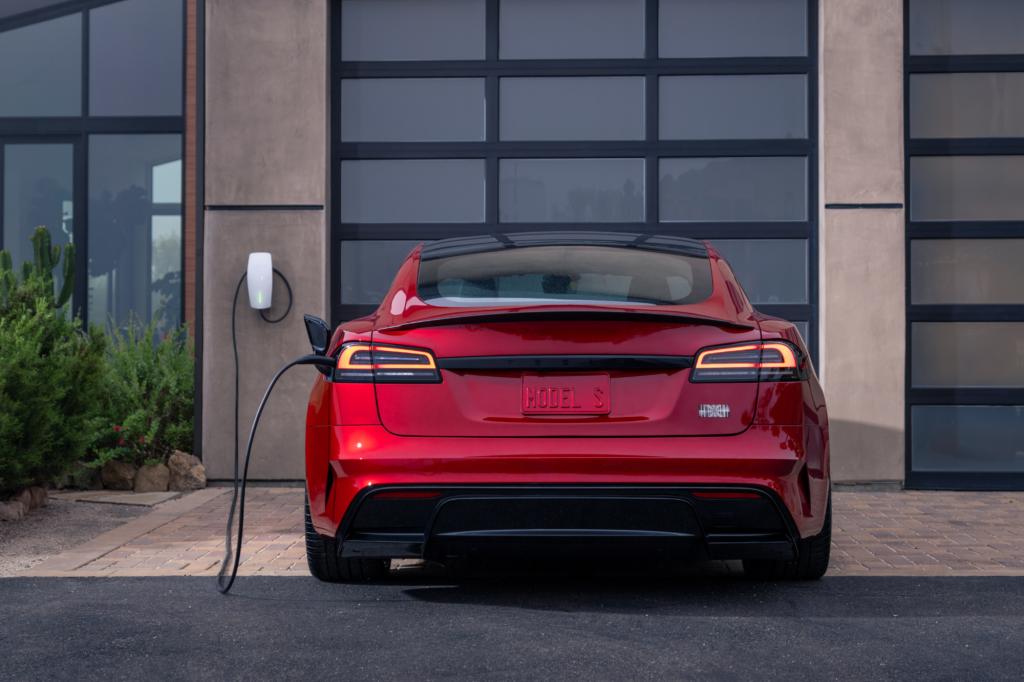
First, a bit of housekeeping. Electric car charge speeds are split into three categories, called Fast, Rapid and Ultra-Rapid. The first typically refers to a charge rate of between 7 kW and 22 kW, using AC (alternating current). This is what’s possible from a wall charger, like those EV drivers have installed at home.
Rapid chargers use DC (direct current) which bypasses the car’s onboard charger and instead feeds electricity directly into the battery. These typically operate at between 50 kW and 150 kW, and are commonplace at service stations.
Finally, Ultra-Rapid chargers also use DC but operate more quickly. These unlock the fastest-possible charging for the handful of EVs that operate at 800 volts (as opposed to the more common 400V) and have the power to pump energy into your EV at 300 or even 400 kW.
Can EV batteries be damaged by fast charging?
It’s commonly claimed that always using rapid and ultra-rapid chargers is bad for an EV’s battery, and that drivers should build the habit of using less powerful AC chargers for regular top-ups, then save DC chargers for quick fills on long journeys.
There is some truth to this. Research conducted by Geotab on thousands of electric cars found the batteries of EVs that used DC rapid chargers more frequently deteriorated more quickly. The batteries of electric cars that fast-charged less frequently stayed healthier.

But the difference was small. EVs that used rapid chargers for more than 12 percent of total battery top-ups saw their battery capacity degrade by 2.5 percent per year. Compounded over the typical eight-year length of an EV battery warranty, this would mean a total capacity of 81.6 percent.
And the EVs that had used rapid DC charging for less than 12 percent of all charges? Their batteries fell by an average of 1.5 percent. In percentage terms, 2.5 is much larger than 1.5 – it’s a 66.6 percent difference. But that’s almost meaningless when dealing with such small numbers.
The real-world finding was that more frequent use of DC rapid chargers only robs an EV of one percent of total range per year. Heating the cabin on a cold day makes a much bigger difference than that, and even running slightly under-inflated tyres will have a bigger impact on range than the damage caused by frequent rapid charging.
That said, turning on the heated seats or running your tyres at 30 instead of 35 PSI doesn’t lower range permanently. Damage to the battery caused by frequent rapid charging does, but you’re still looking at over a decade before total capacity drops below 75 percent of what it was when new.
Using the same data, a decade of DC-charging less frequently will see total capacity fall to 86 percent. For a car with a range of 300 miles when new, the figure after 10 years will be 258 miles for the less frequent DC charging, and 234 miles for more frequent DC charging. That 24-mile difference still falls well short of the difference made on each journey by cabin heating on a cold day.
Verdict
So is fast charging bad for your EV’s battery? Technically, plugging into a powerful DC charger is worse for the battery than using a slower AC charger. But only sustained, exclusive use of rapid DC charging is going to have a noticeable impact on battery performance – and even then, the resulting loss of range is small.
In short, AC charge at home if you can, then use DC charging when you need to top-up while away from home. It’s as simple as that.


 Alistair Charlton