Physical game discs now have an expiry date. Here’s why I won’t miss them – and you shouldn’t either
Sony has set the date for the death of discs, but it's not all bad news


That’s it then. Game over for game discs. Sony has just confirmed it’s going to stop making physical games media from 2028. Apparently player habits have shifted enough that discs just don’t make sense anymore, so the firm is calling time on production. Microsoft is rumoured to be following suit with the next-gen Xbox.
Sony’s announcement was a timely one, with Rockstar having only just revealed Grand Theft Auto 6 ‘boxed copies’ would just contain a download code. It’s also just one week removed from Sony mass-deleting hundreds of digital movies from gamers’ consoles, reminding us that anything you can’t physically hold can be revoked at the whim of the license-holder. Confirming in the safe breath that the PS3 and PS Vita web stores would close by 2027 was almost salt in the wound.
It’s absolutely a thumb in the eye for people with awful internet. Want to play the latest Call of Duty? Pencil the month after release day in your diary while you wait for 200 gigabytes to download. Collectors and preservationists are also on the chopping block.
Sony doesn’t shoulder the blame alone, of course. Nintendo’s Switch 2 game key cards are basically just download codes in cartridge form. Certain marquee Microsoft releases have just been codes in boxes for years at this point. All three have sold physical games that require additional downloads before you can play ’em. This is just the latest canary in the coal mine.
And yet it’s not all doom and gloom. Honest. There are a few silver linings to Sony’s blog post bombshell.
First up, it’s our biggest clue yet as to when we’ll be playing the PS6 – and what form the new console will take. Sony wouldn’t go to the trouble of designing and manufacturing new hardware around an optical drive just to abandon discs a few months later, so you can bet we won’t see the next PlayStation before the firm’s self-imposed physical media cutoff. The chances of it having an optical drive are now minuscule, though Sony could still go down the optional add-on route for anyone wanting to play their dwindling library of PS5 discs through backwards compatibility.
Content creators would have you think every gamer’s walls are all lined with Billy bookcases stuffed with thousands of decades-old titles; the reality is that for the majority of players, going fully digital isn’t going to take much adjustment. Digital sales of console games already massively outnumber physical ones; PC gamers have been all-digital for decades at this point. The majority of my library lives on Steam, with the Blizzard, GOG, Epic and Ubisoft launchers picking up the slack.
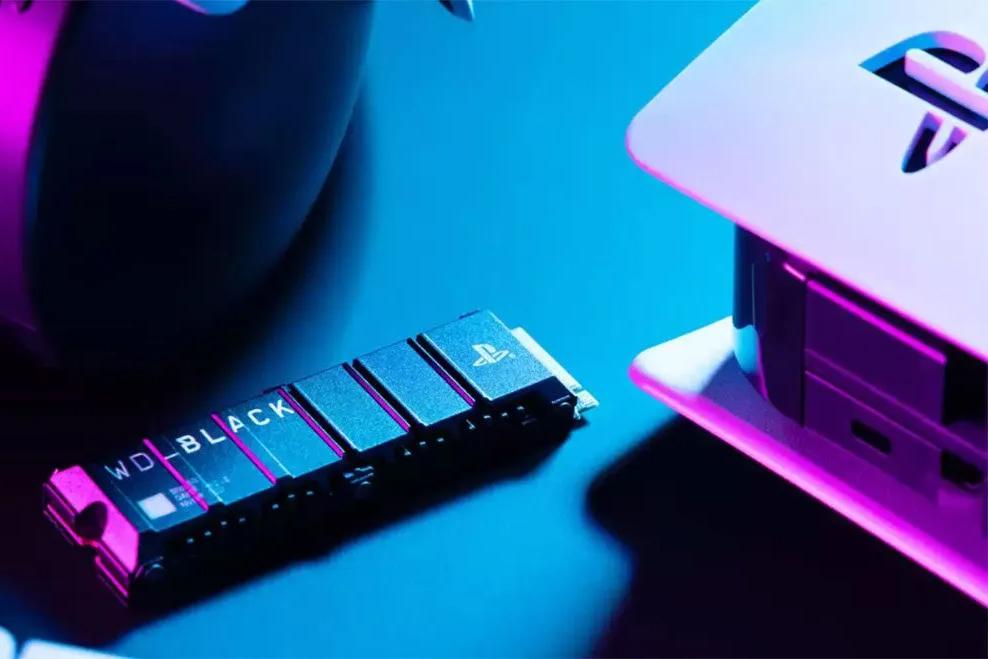
It’s undeniably convenient. With all my games on an SSD, I don’t have to go searching around the house for the one I want to play next. They can’t be damaged by a toddler that thinks a shiny Blu-ray would look nicer coloured in with red crayon. There’s no chance of one being lost down the back of the sofa or thrown out with the trash – a real problem for the Nintendo Switch 2’s tiny cartridges.
Online retailers like Amazon already saved you from queuing up at midnight on release day; buying digital also rules out the game you’ve waited months to play being lost in the mail, stolen by a porch pirate or nabbed by a nefarious courier.
And let’s not forget that load times are way faster off a PCI-E Gen 5 SSD than they are a Blu-ray disc. The less time I spend staring at a loading screen, the better.
I get that prices are a major worry right now. With no option to borrow discs off a friend or picking up bargains from second-hand stores and garage sales, you’ll have no choice but to buy your PS6 games from the PlayStation store, for the amount Sony decides. It’s annoying for me, in my mid-thirties with a bit of disposable income – but it’s an outrage for younger players that simply can’t afford games at $80 a pop.
As a nineties kid with no paper round and limited pocket money, physical media was a lifesaver for me: saving up for an OG PlayStation game would take months, but I could rent one for the weekend for the cost of a few comics or a cinema ticket. I vividly remember wondering why someone had Sharpied “140.15” on Blockbuster’s copy of Metal Gear Solid and taking back the dud that was Independence Day back for a refund after less than an hour of play time. My friends and I would regularly lend each other our games too; it was how I played a few things sooner than my parents would’ve liked. Grand Theft Auto 3 definitely lived at the back of my wardrobe for a week while the guy down the road had my copy of Jak & Daxter. Good times.
It’s a fact that game development is only getting more expensive, so the cost of new releases will continue to climb in response. My (possibly naive) hope is that if ditching disc production saves the firm money upfront and means it won’t lose revenue to second-hand sales, perhaps Sony will be more generous with price cuts and reductions once a game has been out for a while. Valve has proved that generous discounts can spike serious interest in old games – and generate a ton of cash at the same time.
Looking even deeper into my crystal ball, could antitrust laws even force Sony to open its digital storefront to third parties? I guess we’ll have to wait until the disc supply dries up to find out.


 Tom Morgan-Freelander
Deputy Editor
Tom Morgan-Freelander
Deputy Editor