My ‘dumb’ car has taught me what in-car tech really matters, and what doesn’t
Forget the multiple displays and digital distractions, it’s mundane tech that makes the biggest difference

I’ve been fortunate enough to have driven and reviewed a lot of cars. From cheap city run-arounds, to luxury automobiles, to lightening fast sports cars, I’ve seen first-hand the leaps made by manufacturers when it comes to in-car tech.
A lot of it is useful, but what is actually worth your money, and what features are nice-to-haves, but ultimately aren’t going to dramatically change your driving experience?
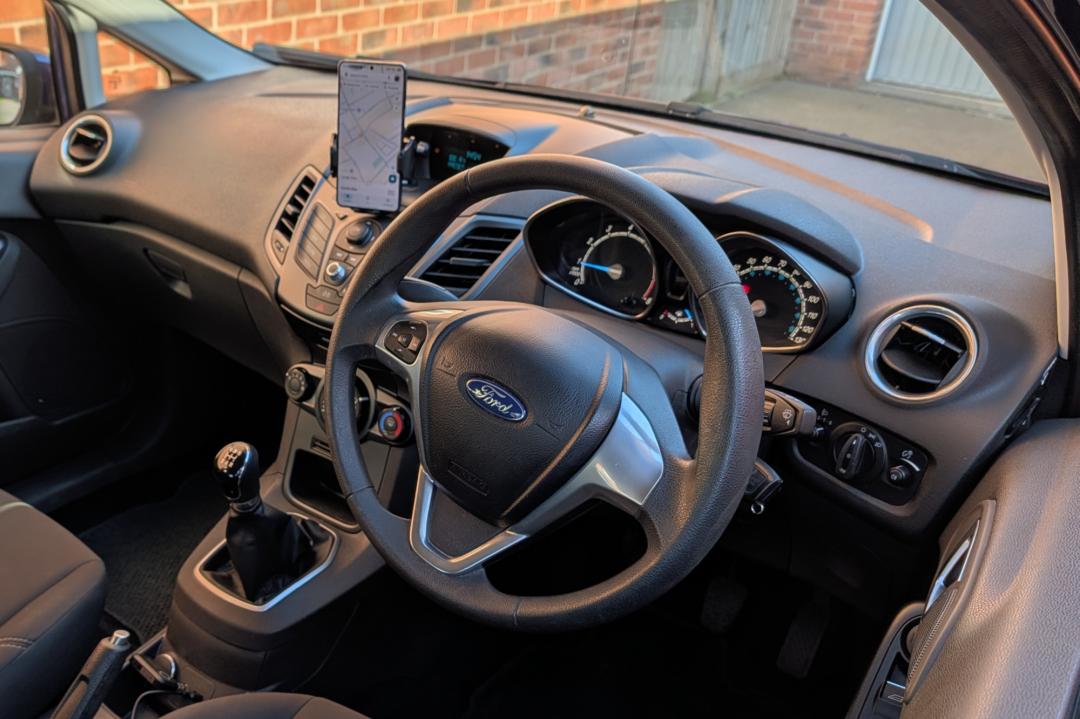
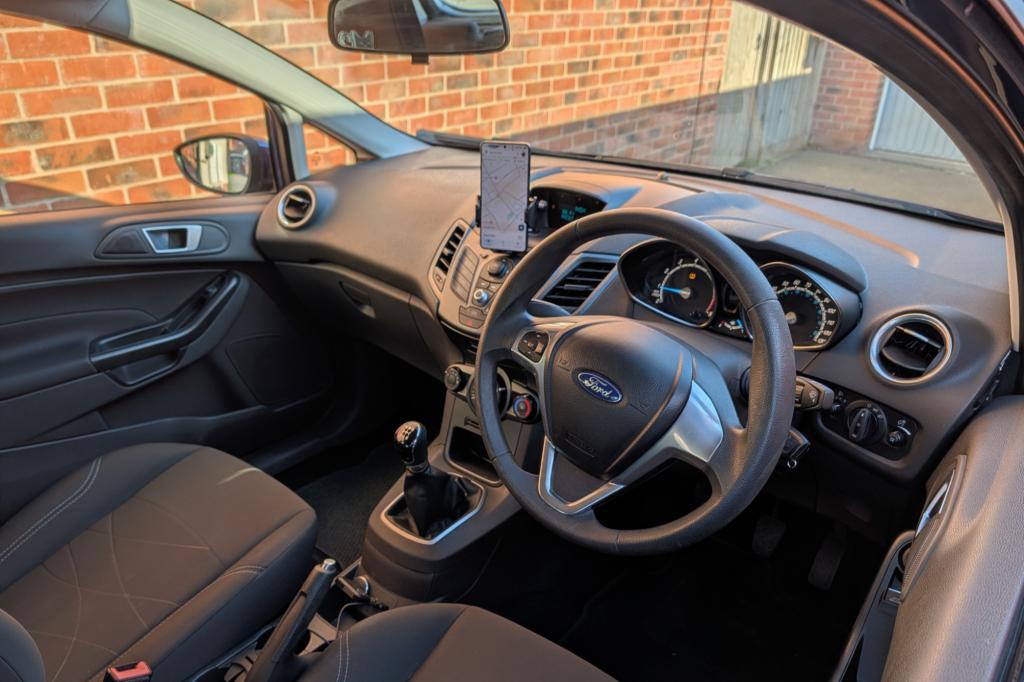
A recent switch away from cutting-edge motors to a far more humble, 12 year old Ford Fiesta has given me an almost tech-free moment to reflect on what features I miss, and which ones I can do without.
Look ma, no screens
A staple of modern cars are the iPad-like touchscreen displays bolted onto the dashboard, and we’re seeing more manufacturers adopt digital cluster displays behind the steering wheel.
And initially, it’s these displays – and the technology they enable – which I assumed I’d miss the most. The comfort of having Android Auto and Apple CarPlay support, the large surface area for clear navigation, and a clean, visual way of controlling media have been my bread-and-butter for years.
Don’t get me wrong, I miss these features – even if most manufacturers still don’t get CarPlay and Auto – but it’s now clear these aren’t deal breakers, and while nice to have, they don’t dramatically change my driving experience.
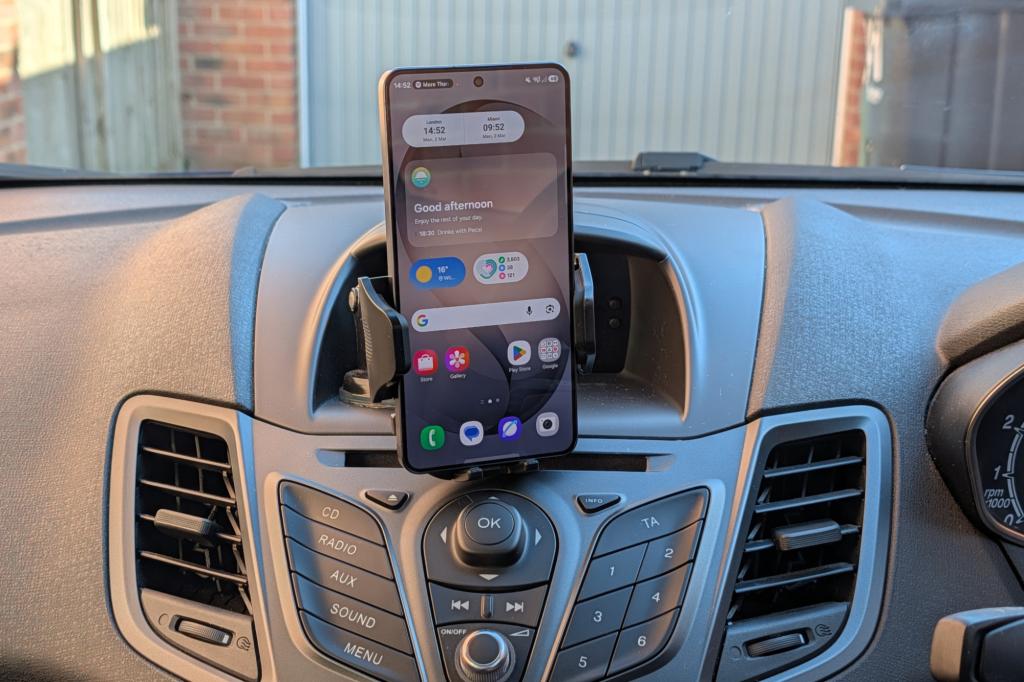
I bought a $27 / £20 mount for my smartphone from Amazon. Stuck on the dash, it gives me access to Google Maps navigation, meaning I’m not getting lost when I embark on cross country trips to visit family.
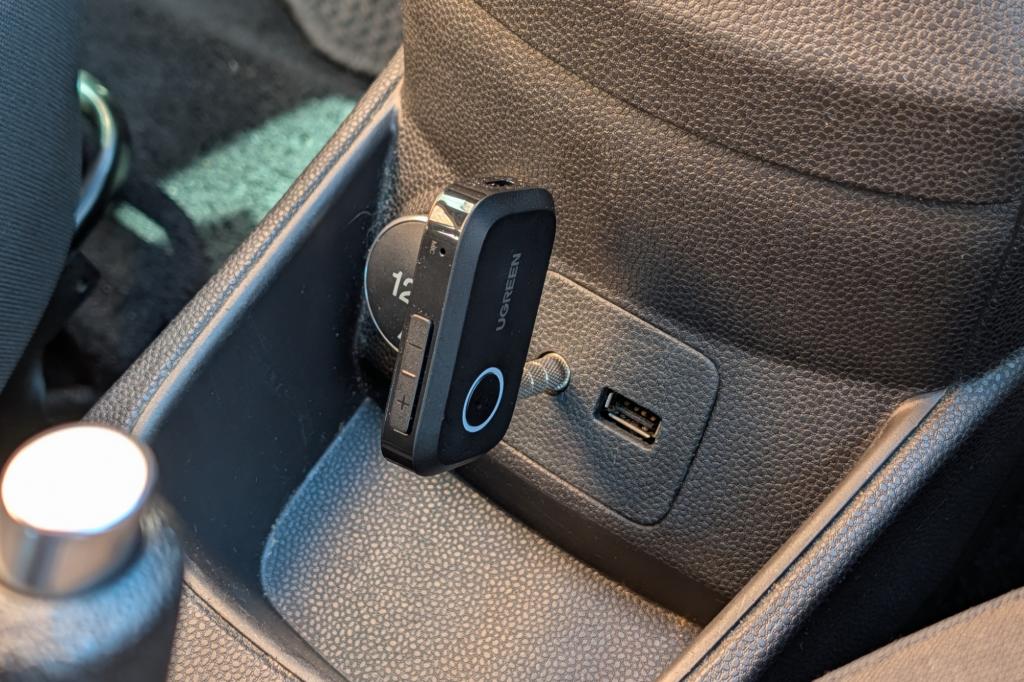
As I mentioned earlier, I have ‘an almost tech-free’ experience in my current car – but it does have two vital connectivity features. First up is a single USB-A port, which allows me to keep my phone charged while using navigation – a notoriously power-hungry application.
Secondly, there’s a 3.5mm auxiliary (AUX) port. Another $14 / £10 on Amazon later and I’d snagged a Bluetooth adapter, allowing me to stream Spotify from my phone to the car’s speaker system.
The setup doesn’t look elegant. Wireless CarPlay/Auto support along with a wireless charging pad and large central display works better, and is easier to engage each time you jump in the car – but you get a similar end result.
While I’m a huge fan of flashy toys, gimmicky features, and new tech – if there’s something new to test out, you better believe I’m playing around with it – I’ve found the things I miss the most are actually rather more mundane.
It’s the simple things…
I finish work and jump in the car to head to the gym on a chilly winter evening. All is well until the person behind me starts flashing their lights repeatedly. I check my speed, make sure I’m in lane, and look around for any hazards I need to be aware of. Everything is as it should be, so I carry on.
But this person is incessant. ‘What is their problem?’ I muse to myself – perhaps they’ve had a bad day and are frustrated at me doing the speed limit through town. It does seem a bit excessive though.
Then I realise, I’ve not got my lights on. D’oh.
I’ve become so accustomed to having automatic lights I’d completely forgotten to switch them on manually in my Fiesta. And while I’d love to tell you this happened just the one time, it continues to be an occasional slip of the mind, leading to a panicked remembrance as I glide down an on ramp.
Another automatic feature I miss are windshield wipers. When rain hits, flicking on the wipers is just a matter of moving a finger to a stalk. Not tricky, but it gets frustrating when I’m travelling at variable speeds, or the rain is inconsistent in its strength. I’m suddenly having to continuously fine tune the speed of wipers.
It might seem like a small point, but it’s an added distraction I could do without as I want to pay more attention to the road due to the inclement weather.
And talking of tech takes some of the mental load off driving, I am really missing adaptive cruise control.
On long journeys, adaptive cruise is fantastic for taking control of my speed and distance to the car in front. Along with lane-keep assist, I’m only required to make limited steering input, while the car accelerates and brakes on my behalf.
It makes driving for extended periods less draining, and allows me to be more alert to what’s happening around the car. The move back to a manual car with no driving assists makes long journeys far less enjoyable from a driver’s perspective.
And finally, a technology that has been around for ages, I miss parking sensors. I’ve not got a big car, and the sightlines are actually pretty good, but there’s something reassuring about those little beeps.
Would I like a 360 degree camera as well? Sure, they are useful – but driving a car without any of this has made me realise that most of the time I don’t need a camera, I just want an audible guide to how close I am to that expensive-looking car in front, or that low rise bollard which isn’t tall enough to see out of the rear windshield.
For all the great advancements made in car technology, and the abundance of screens, apps and features that appear in new models, I was surprised I missed the more basic tools when it came to actually driving.
I’m looking forward to my next car though, one with more technology on offer. I’ve been eyeing up the best electric cars, although the best affordable EVs are likely closer to my budget.
Given the choice, I’d rather have access to a buffet of features, even if some of them I’ll hardly ever use, but I need to not be sucked in by buzzwords and bright lights.
This experience has been an important reminder that I need to focus more on the practicalities of a car, rather than be dazzled by exciting tech features. But automatic headlights are a must.
Liked this? All Tesla models ranked, from best to worst


 John McCann
Contributor
John McCann
Contributor