Busted! This is the myth about EVs I believed… before owning one
Only when you own an EV do you truly understand how charging works (and how it doesn’t)

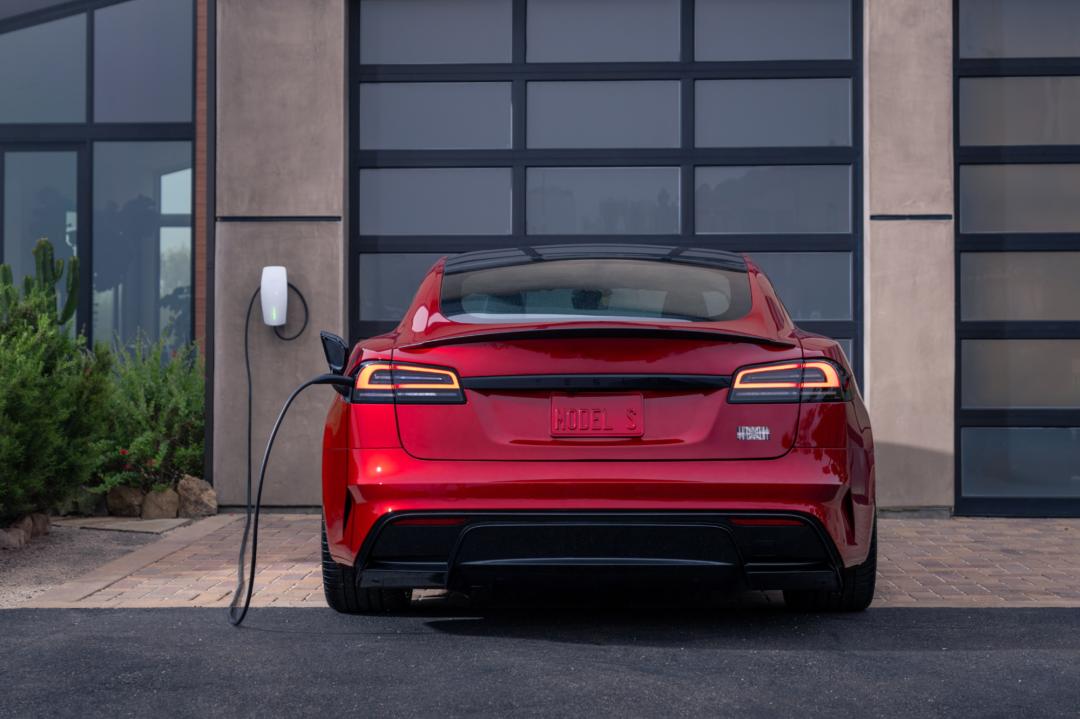
I’ll be honest: even after reviewing electric cars as a journalist for a decade, I still considered charging to be a constant pain.
There’s the effort of finding a charger, then the tedious process of checking it’s fast enough, hoping it’s not broken, then praying it won’t be too expensive.
All of these pain points are less frequent today, in 2026, than they were just a few years ago, with quantity, speed and reliability all vastly improved. But it wasn’t until I actually owned an EV that I realised most of this rarely even matters – because charging at home is where the real gains are made.
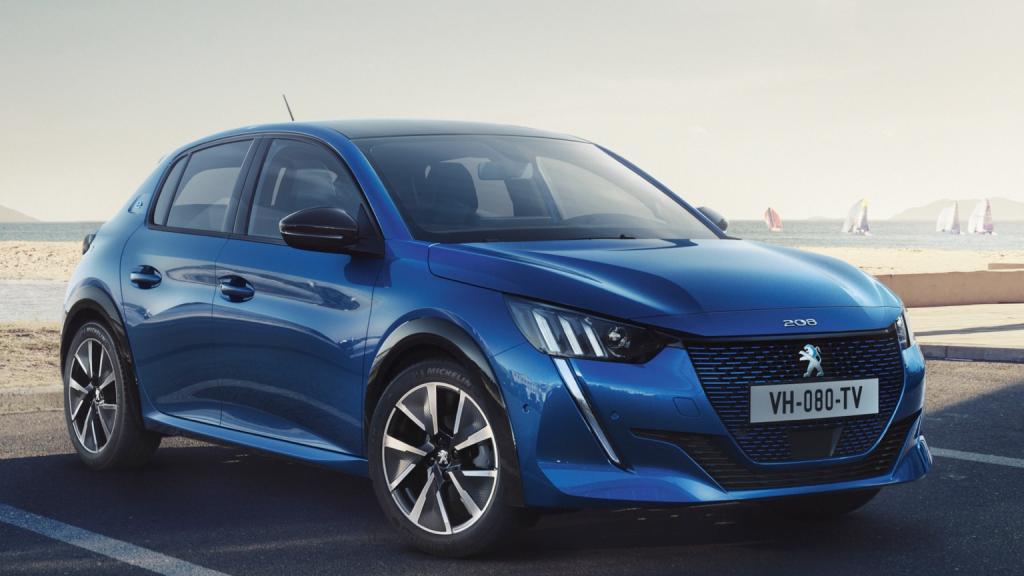
Before my partner and I had an EV of our own, I fully subscribed to the belief that charging would pose a constant battle with a technology that still wasn’t fit for purpose. And since our EV of choice was a Peugeot e-208 with a small battery and fairly limited range – since its primary role is my partner’s commute and errands around town – I feared I’d quickly become frustrated by the many shortcomings of the public charge network.
But now, about seven months in, these fears have almost completely disappeared. This is primarily because we have a charger at home. Our new-build house came with a basic E.ON-branded charger for free, but I soon replaced this with an Andersen Quartz Vision, which has all of the scheduling tools any EV driver should ever need. Set it to fire up when the low-cost tariff kicks in at night, and you’re sorted.
Myth busted?
Back to the myth-busting. My fears of charge station frustration were unwarranted for a couple of reasons. Firstly, even with a real-world range of just 150 miles or so, the little Peugeot still goes plenty far enough for almost every journey we need to make. My partner can complete her 70-mile daily commute twice in the summer before the battery gets an overnight fill, then in the winter it’s plugged in every night. Each of those daily top-ups costs about £1.40, with the monthly bill being about £30.
So in reality, we very rarely need to visit a public charger. And on the few occasions that we’ve filled the car away from home, the process has mostly been smooth. Chargers at MFG petrol stations are our favourite, since they’re very reliable, quick enough for our car – 150 kW, plus some now work at 300 kW – and often feature a well-equipped self-service jet wash next door.
Prices are significantly higher than charging at home – generally 79p per kWh compared to 6.4p from our E.ON Next Drive tariff – but that’s true of every high-speed public charger.
Destination chargers at supermarkets and hotels have been more problematic, but we’ve yet to see a charge fail completely. In one instance, the two chargers of a wedding venue and hotel were blocked by non-electric cars. We spoke to reception, who kindly asked one of the guests to park in a different space, and we managed to plug in for a full overnight charge. Perhaps not ideal, but returning to an EV with 100 percent charge the morning after a New Year’s Eve wedding was very welcome indeed.
That’s arguably the best quality-of-life improvement unlocked by EV ownership. No more trips to the petrol station, since your car is fuelled up, every night if you wish, and cheaply too. Don’t let the nay-sayers put you off; unless you really need to cover huge mileage every day, even an EV with just a modest range can be charged almost exclusively at home.
Liked this? All Tesla models ranked, from best to worst


 Alistair Charlton