Nothing Headphone (a) review: these offbeat over-ears make more sense than their bigger brother
Familiar looks for a lot less

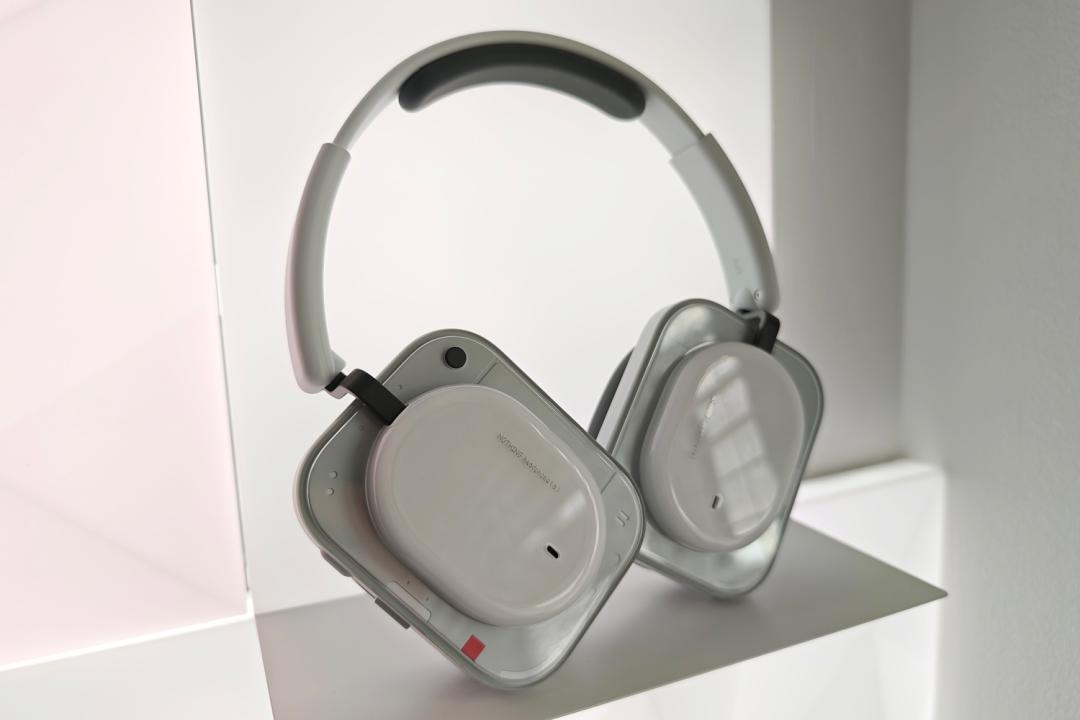
Stuff Verdict
Most of the Headphone (1) experience for half the cash. Nothing’s distinctive design remains intact and Headphone (a) also pushes battery life further than ever.
Pros
- Same distinctive styling and ergonomic controls
- Fantastic battery life
- Respectable noise cancelling for the class
Cons
- Loses some sonic composure from Headphone (1)
- No wear detection
- Carry pouch feels cheap
Introduction
Nothing is returning to more comfortable territory for its second attempt at a pair of over-ear headphones. 2025’s Headphone (1) ran into heavy hitters from Bose, Sony et al at the spicier end of the price spectrum; this year’s Headphone (a) brings similar form and function but for half as much money.
The firm hasn’t tapped up sound specialist KEF for a helping hand with tuning this time around, preferring instead to go it alone. A few niceties have been stripped out to help keep costs in check, and the materials aren’t quite as luxe – but already distinctive styling has arguably been turned up another notch. If you’re a fan of pink, anyway. Is that a recipe for success, or has anything been lost in translation?
How we test headphones
Every pair of earphones and headphones reviewed on Stuff is used for a minimum of a week’s worth of daily listening. We use a playlist of test tracks made up of multiple genres to assess sound, and use our years of experience to compare to other models. Manufacturers have no visibility on reviews before they appear online, and we never accept payment to feature products.
Find out more about how we test and rate products.
Design & build: a splash of colour
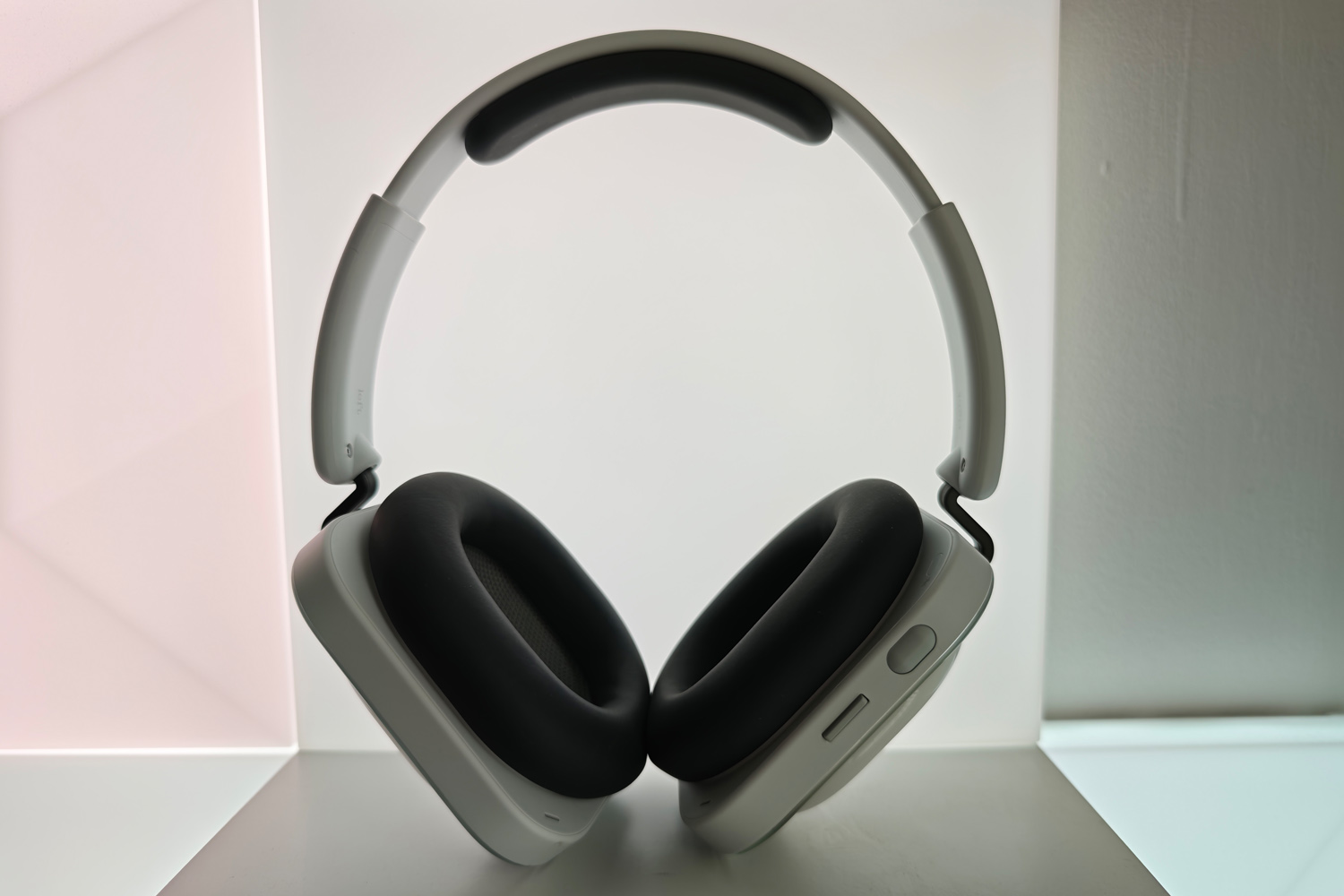
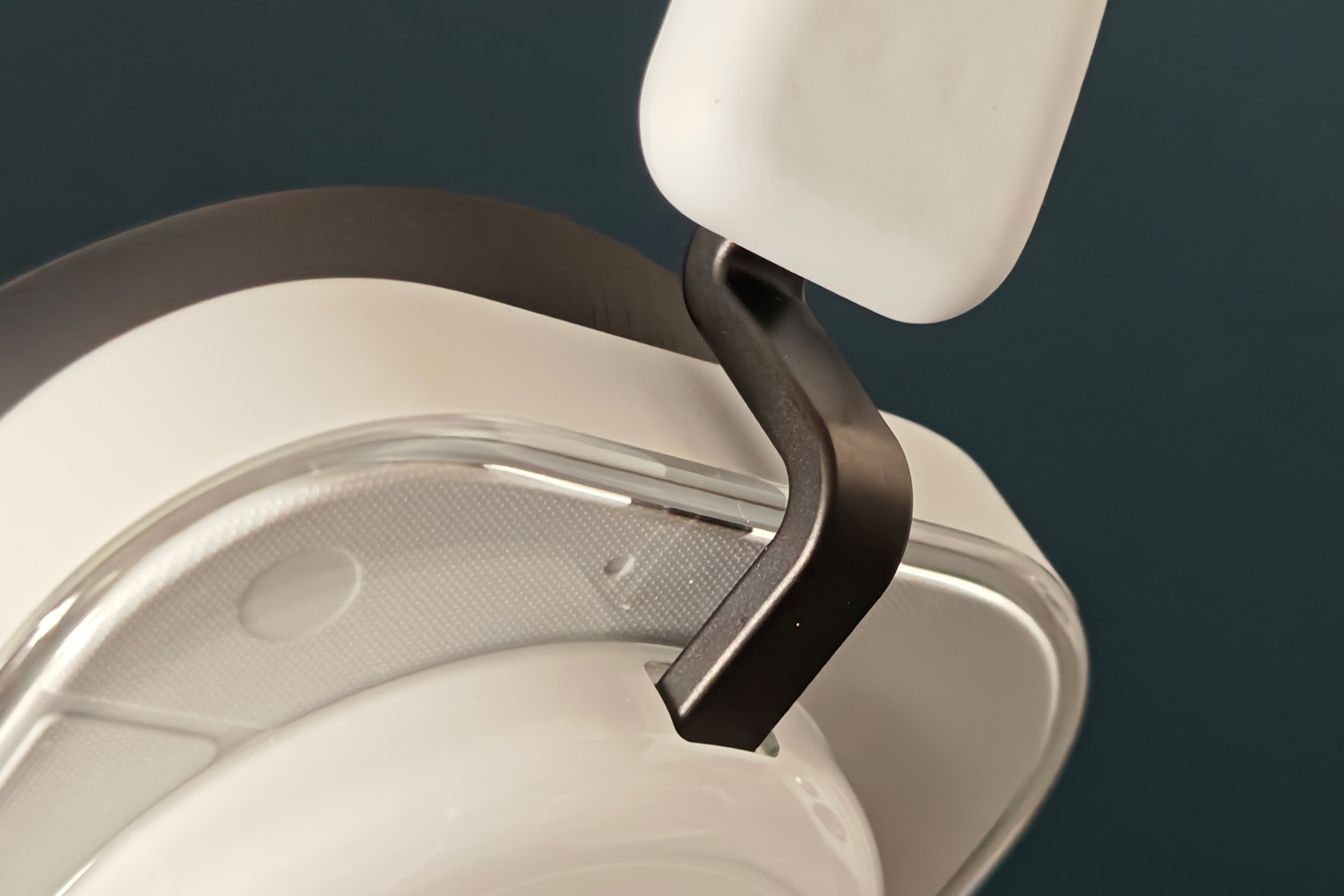
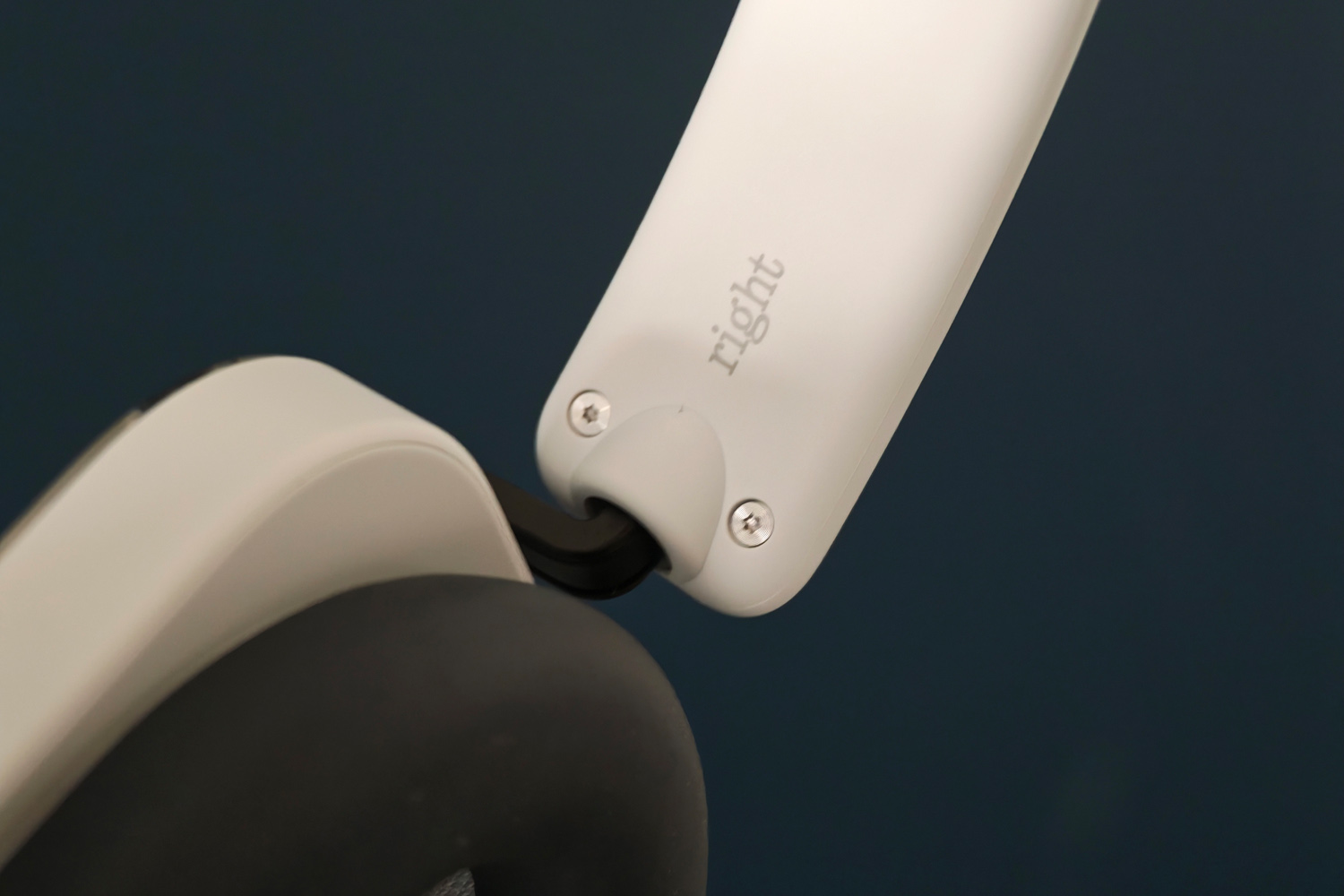
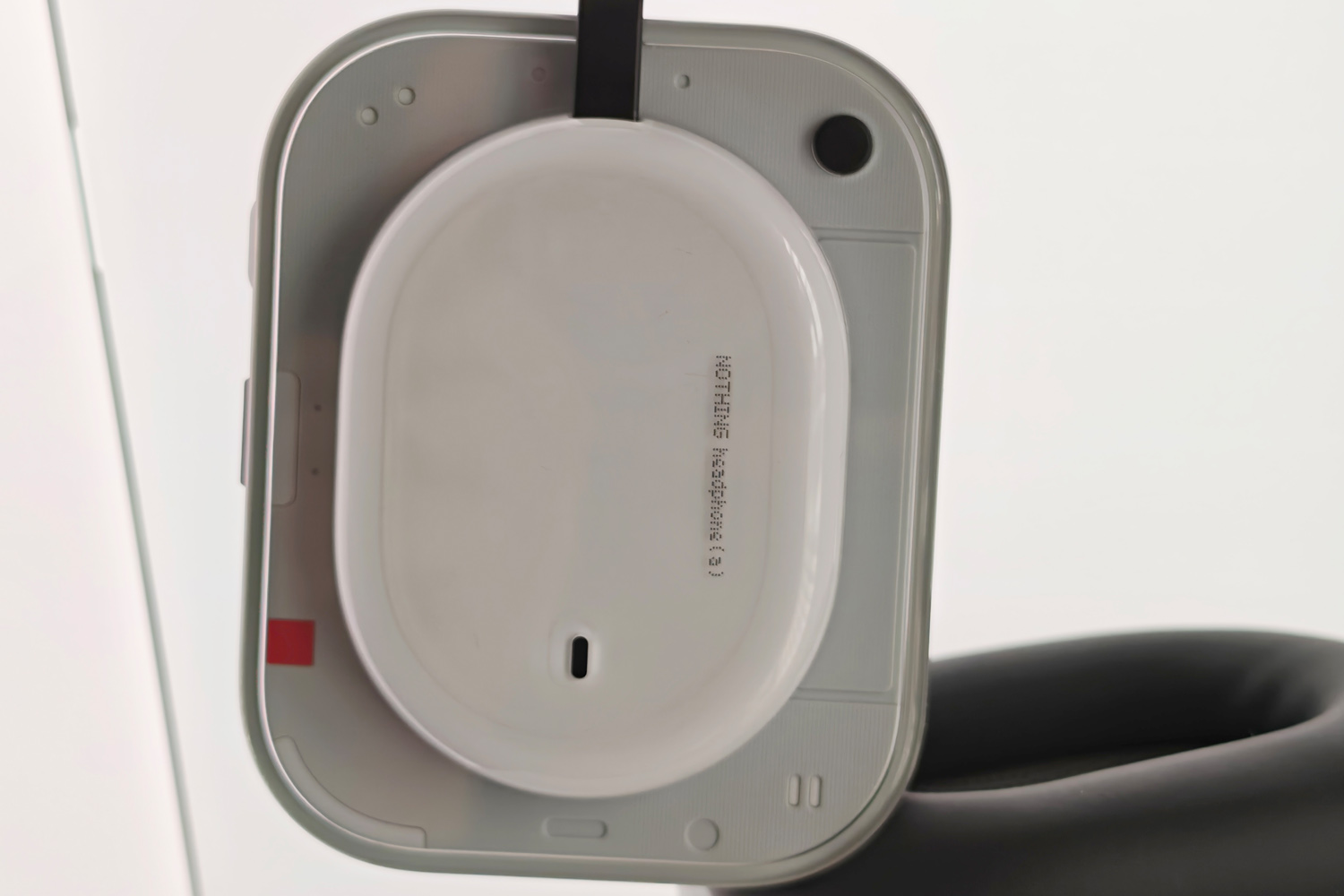
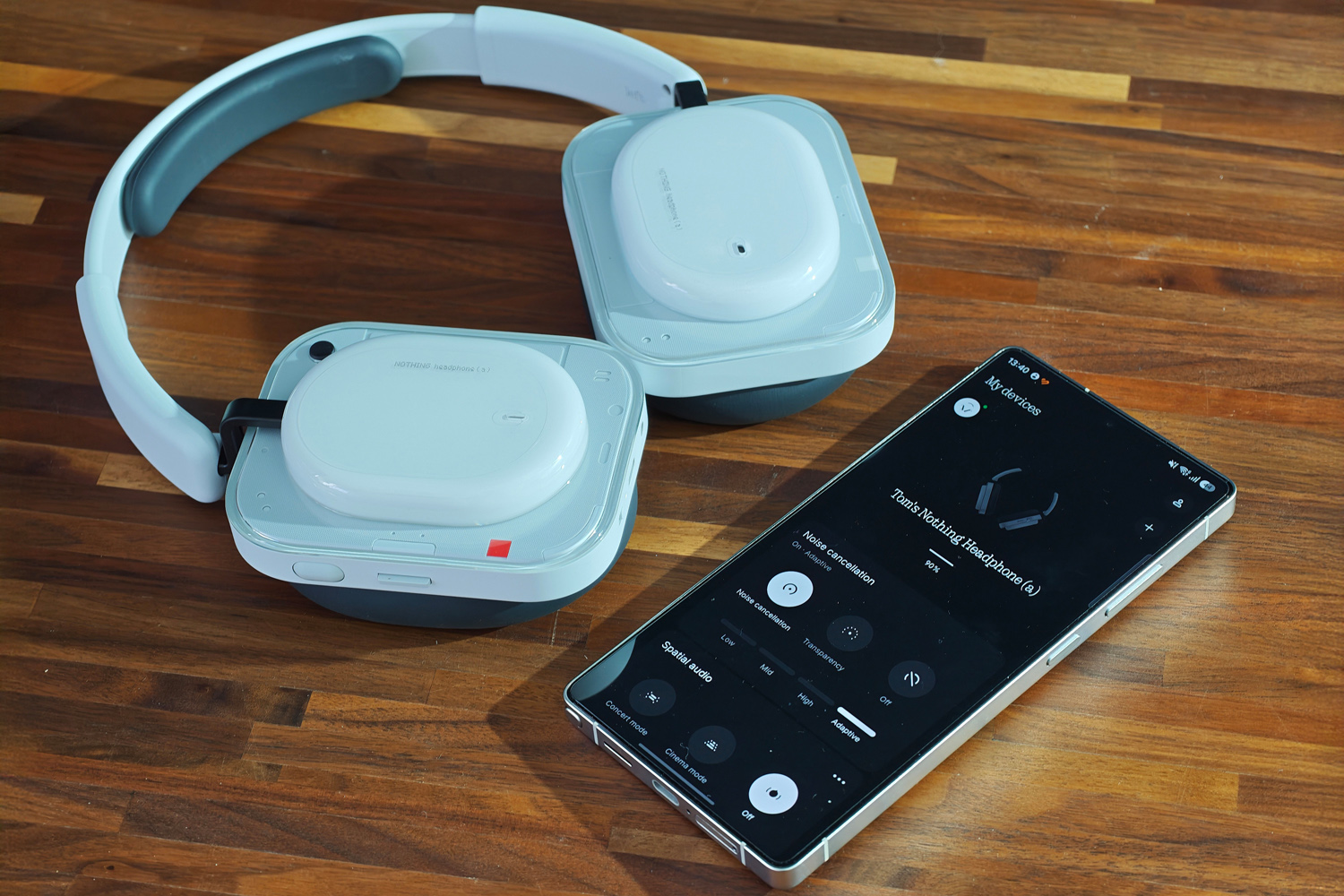
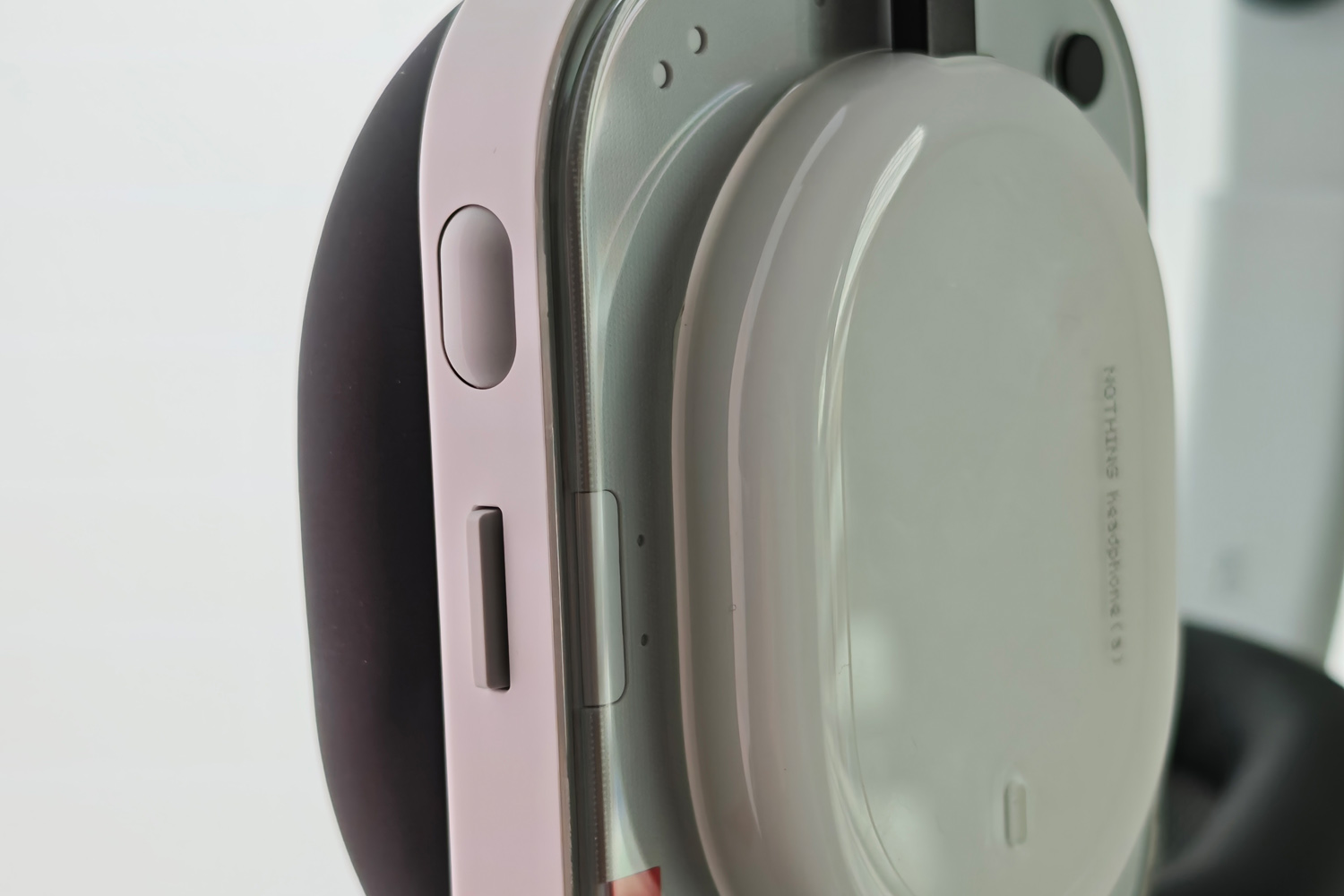
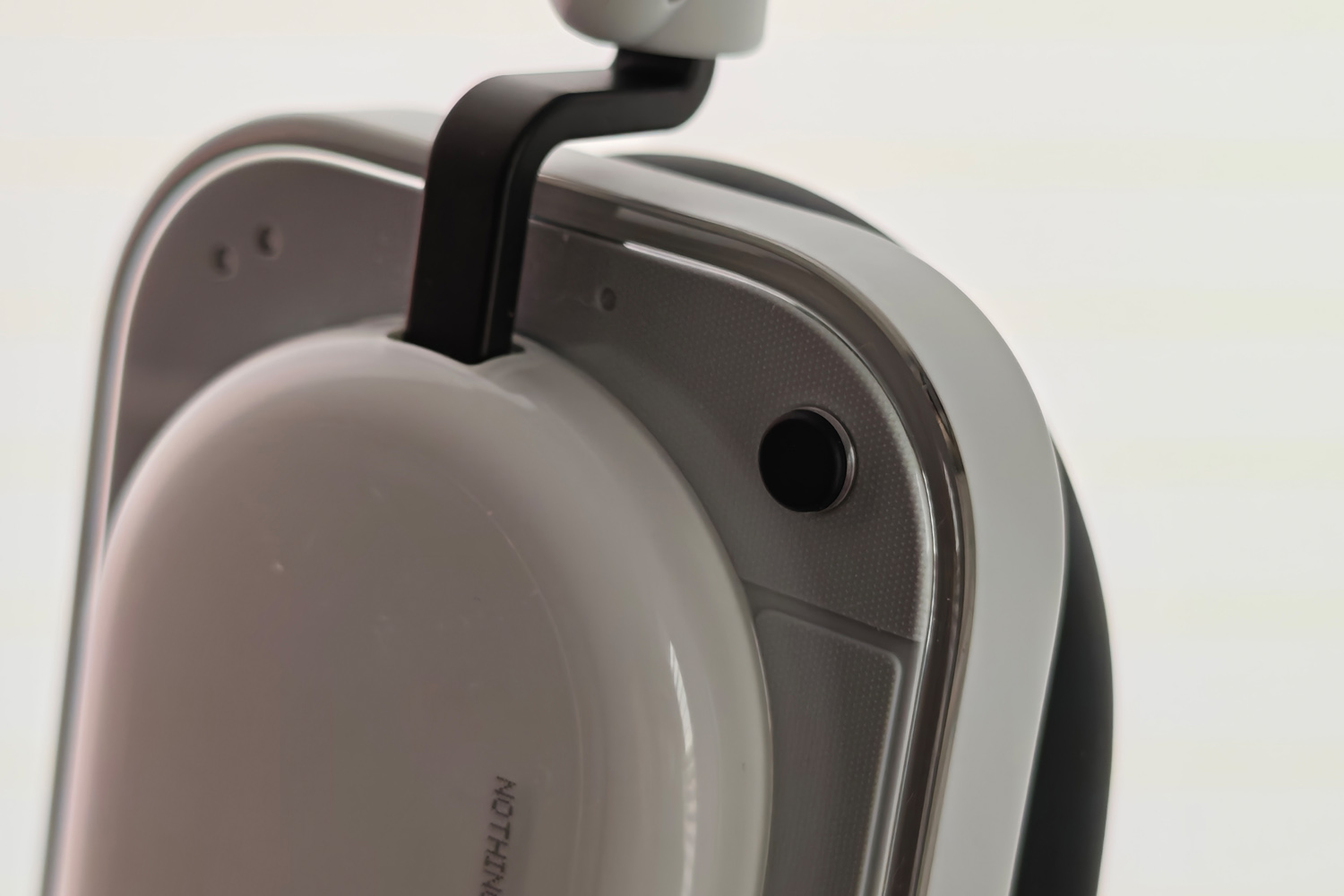
The materials might’ve changed a bit – what was once metal is largely now plastic – but the family resemblance is immediately obvious. Headphone (a) brings back the chunky ear cups of Headphone (1), just with the transparent element flipped. Each rectangular section is transparent now, revealing a few trademark design greeblies lurking beneath, while the oval sections are opaque.
Nothing has really expanded its colour palette for 2026, putting pink and yellow on the menu alongside more traditional black and white. Only the black version has matching rectangular sections, with the other three sticking with a pale grey finish. It makes the white parts of my review unit really pop. They stand out from the crowd in any colour – whether you like that or not is down to personal taste.
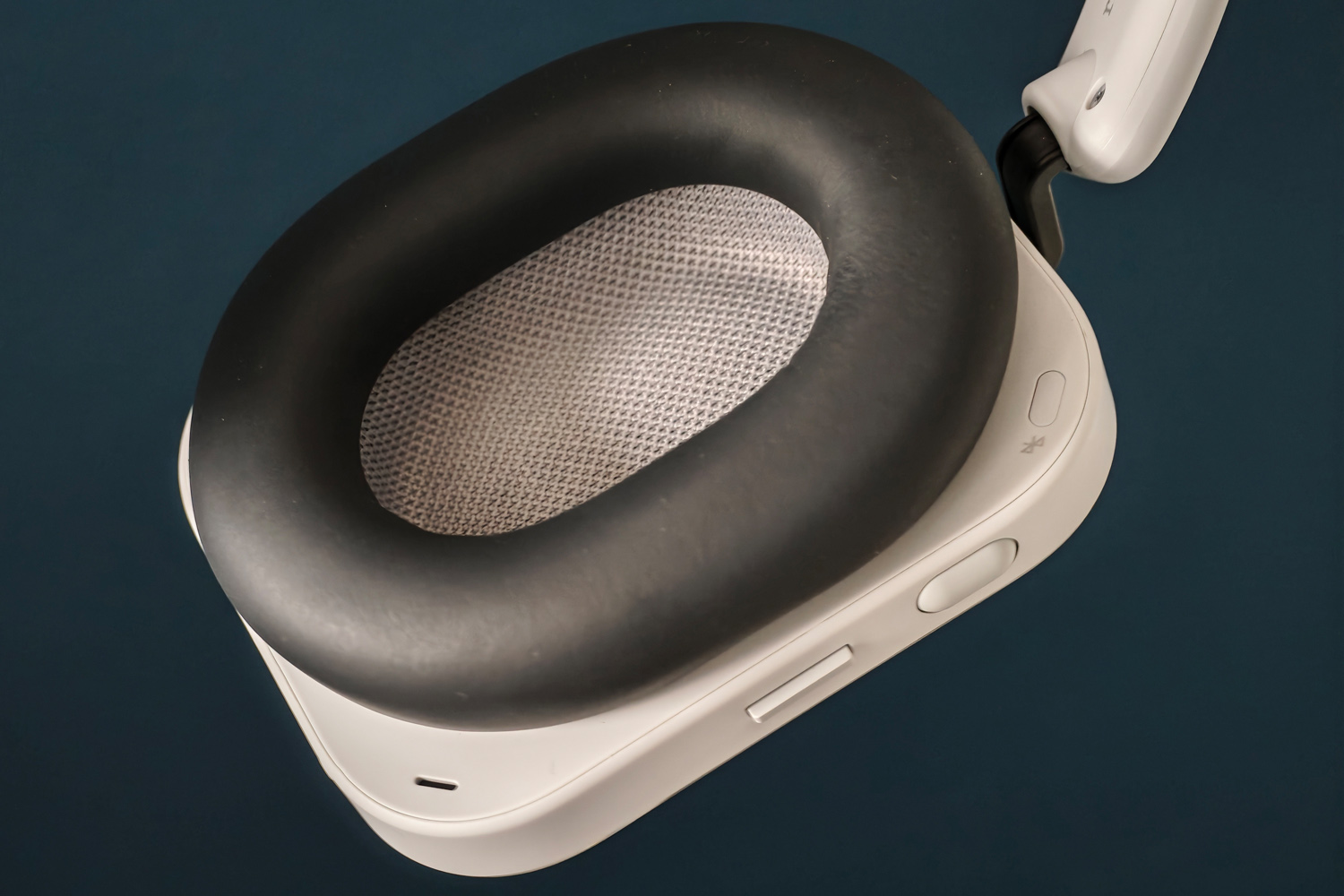
The arms that lock each ear cup to the headband are the only touchpoint that’s metal now, but the mix of matte and glossy plastics used everywhere else don’t feel at all cheap. Nothing rattles and the different adjustment directions don’t wobble either. You can still turn the ear cups 90-degrees to wear around your neck, too. The sliding headband adjustment perhaps isn’t quite as smooth, but the amount of padding in the sizeable ear cushions was plentiful. They were large and deep enough that my ears never felt at all constrained or squished.
They’re barely 20g lighter than Headphone (1), but it’s enough to make a positive difference to comfort levels. Clamping force remains well-judged and once adjusted I didn’t have to worry about them shifting around on my head while walking.
Nothing could easily have forgone an IP rating to cut costs but you’re getting the same official IP52 nod as Headphone (1) got. That essentially means they’ll cope fine when used at the gym and can be wiped down with a damp cloth, but should otherwise be kept clear of water.
Features & battery: button it
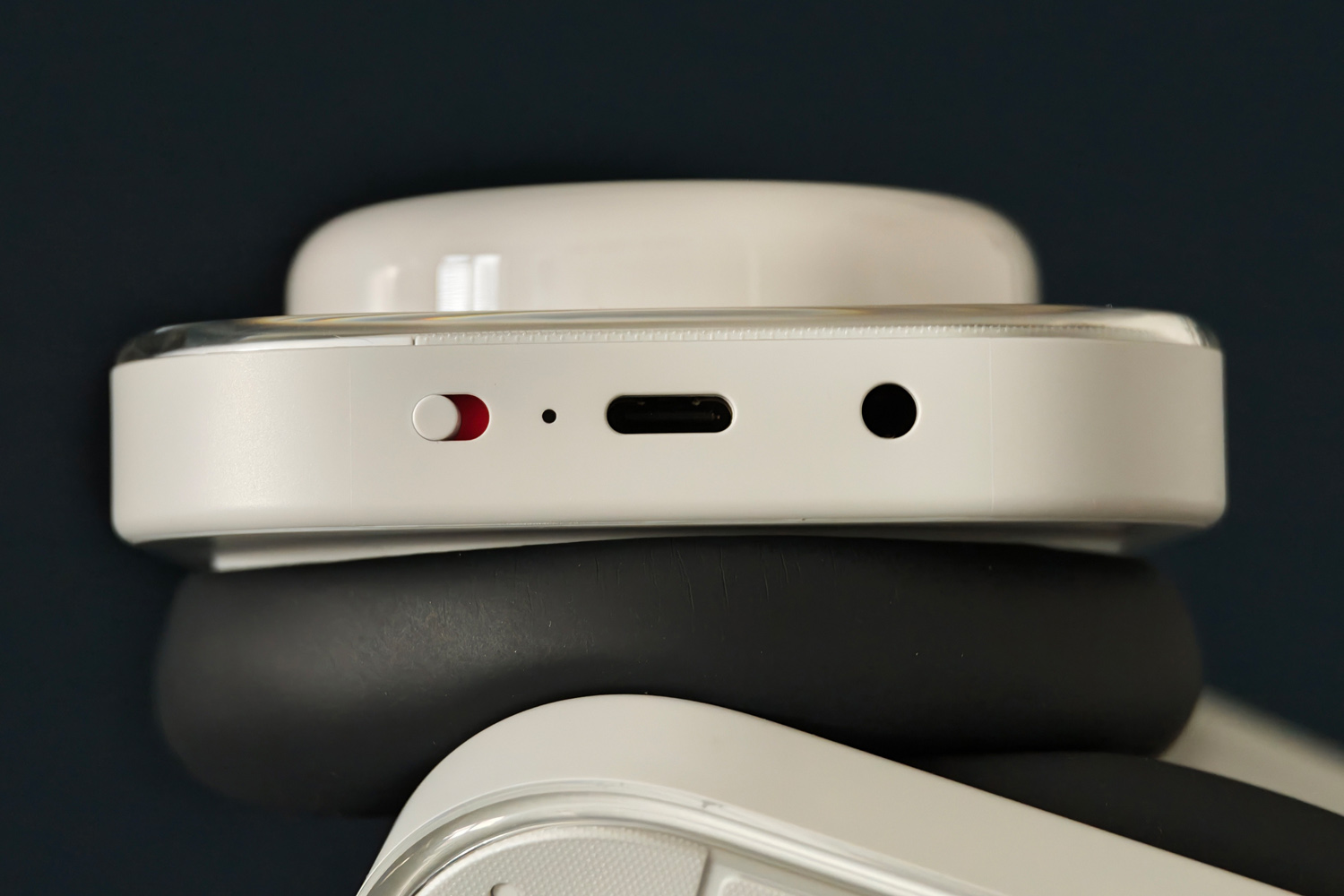
There’s no plush hard-shell carry case here: just a basic bag for carting the headphones around in when not on your bonce. It’s made of recycled materials but honestly feels cheap – not too far removed from a bin bag. There is at least a divider inside, to keep the included 3.5mm and USB-C cables from scuffing up the headphones themselves.
Ports for each are found next to the power switch on the right ear cup, just like the Headphones 1. The two pairs have an identical set of physical controls, which gets a big thumbs up from me: I loved how the original pair’s different shapes and ways of interaction helped me remember which buttons did what.
Here you again rotate the chunky roller to raise or lower volume, push it down to play or pause your music, and long-press it to toggle between ANC and transparency modes. The skinny paddle switch can be pushed left or right to skip tracks, or held down to fast-forward/rewind (as long as your media player supports it – not every one I tried did). The single traditional button’ lives on the outer part of the ear cup, waking your phone’s smart assistant with a press or toggling EQ modes with a press-and-hold.
It can also be set to act as a shutter button for your camera, swap between multiple media apps (say, Spotify and Tidal) or jump straight to the Essential Space on a paired Nothing smartphone.
Elsewhere the Bluetooth 5.4 connection was rock solid, pairing was straightforward with Google Fast Pair onboard, and dual device support made jumping between my phone and laptop a breeze.
You do miss out on a few features compared to Headphone (1), namely any sort of head tracking for the spatial audio upmixing or wear detection. There’s an auto-standby timer, but you’ll have to manually pause playback when taking them off to chat to someone else.
On the other hand, the newcomer’s battery properly eclipses the old guard. While Headphone (1) maxed out at 35 hours with ANC enabled, here you’re getting more like 75 hours, or a whopping 135 with noise cancelling switched off. That’s huge, and about as good as it gets for the money. Charging is suitably nippy, with five minutes being enough for another eight hours of listening and two hours getting you back up to full.
Interface: X gon’ give it to ya
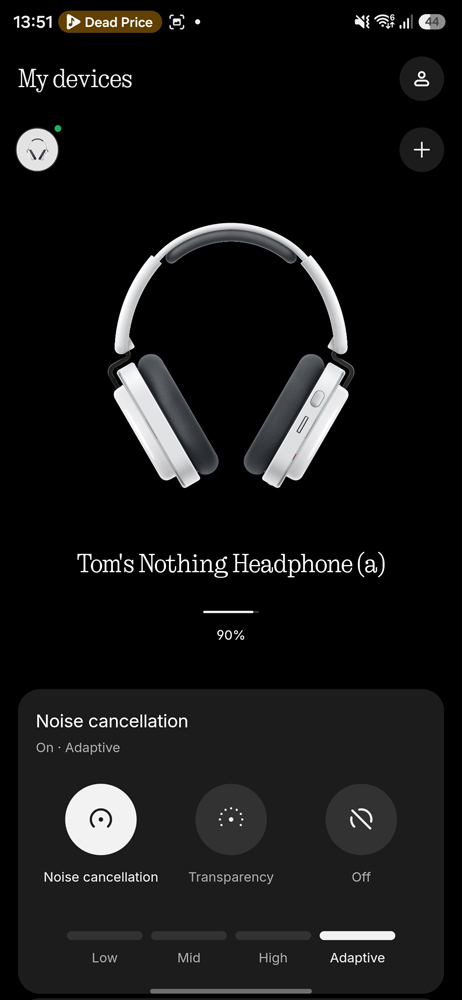
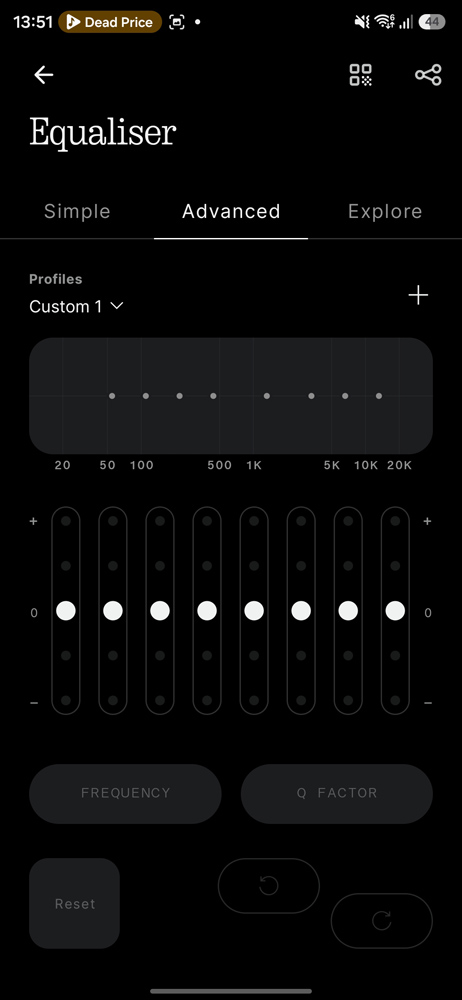
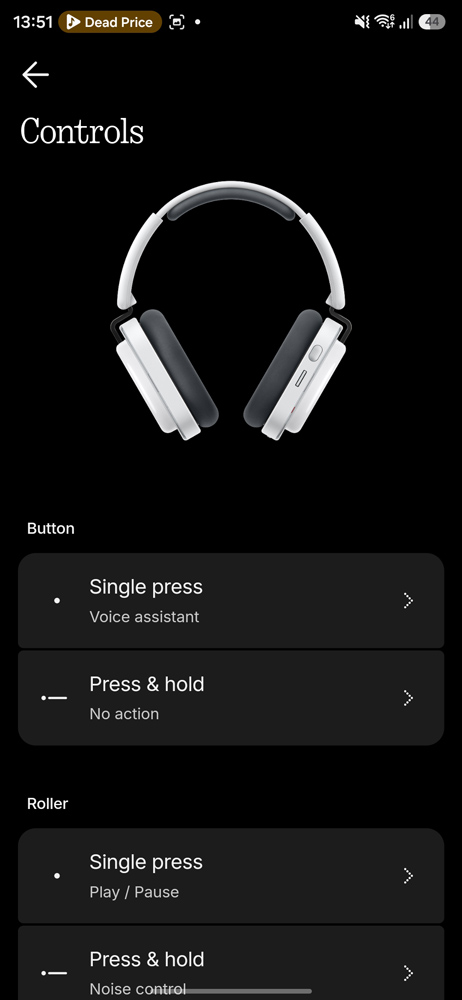
Nothing’s X companion app is well established at this point, having been given a visual overhaul to improve legibility a few years back. The general layout is unchanged, with the major settings either waiting for you on the main screen or just a tap away. Noise cancellation and spatial audio are near the top, beneath a useful battery life indicator. The headphones don’t announce their remaining lifespan when powered up.
Further down are all the firm’s usual suspects, like control customisation and a bass enhancer – which honestly goes harder than it needs to. Beyond level one the low-end starts to overwhelm the mid-range. But if you want subwoofer-style rumble over anything else, it has you covered. Firmware updates, codec choices (LDAC for hi-res, SBC or AAC everywhere else) and a Find My Headphones tool, which plays a loud noise to hlpe track down a lot pair of headphones, also make the cut.
It’s great to see Headphone 1’s multi-level equaliser reappear here, after I gave Nothing some flak for cutting back tcustomisation for the Ear (a) affordable wireless earbuds. Beyond the basic three-way slider and handful of presets like “more bass”, there’s an advanced EQ with 8-band adjustment and the option to make multiple profiles. Being able to download user-made profiles is a bonus if you don’t want to get granular yourself.
Sound quality and noise cancelling: warmup act
It has the same number of noise cancelling microphones, but Headphone (a) isn’t as effective as Headphone (1) at filtering out background distractions. Low frequency rubles are dispatched easily enough, but low-mid and mid-range sounds came through just a little bit easier. I could make out a (admittedly loud) conversation being held a few rows down from me on a train carriage, for example. Perhaps the change from metal to plastic driver housings has had an impact.
Expectations are a little lower, given they cost half the price, and they do still compare favourably with rivals in the same ballpark. It’s just that you get much better cancellation if you spend more now, whereas Headphone (1) was a little bit closer to par.
That’s also largely true of sound quality. Nothing has tuned the 40mm dynamic drivers entirely in-house now, rather than tap up KEF, but largely stuck to a V-shaped curve that’ll please the majority. They have plenty of energy, with none of the odd high volume bass distortion I experienced on Headphone (1), but take a half-step back on overall clarity.
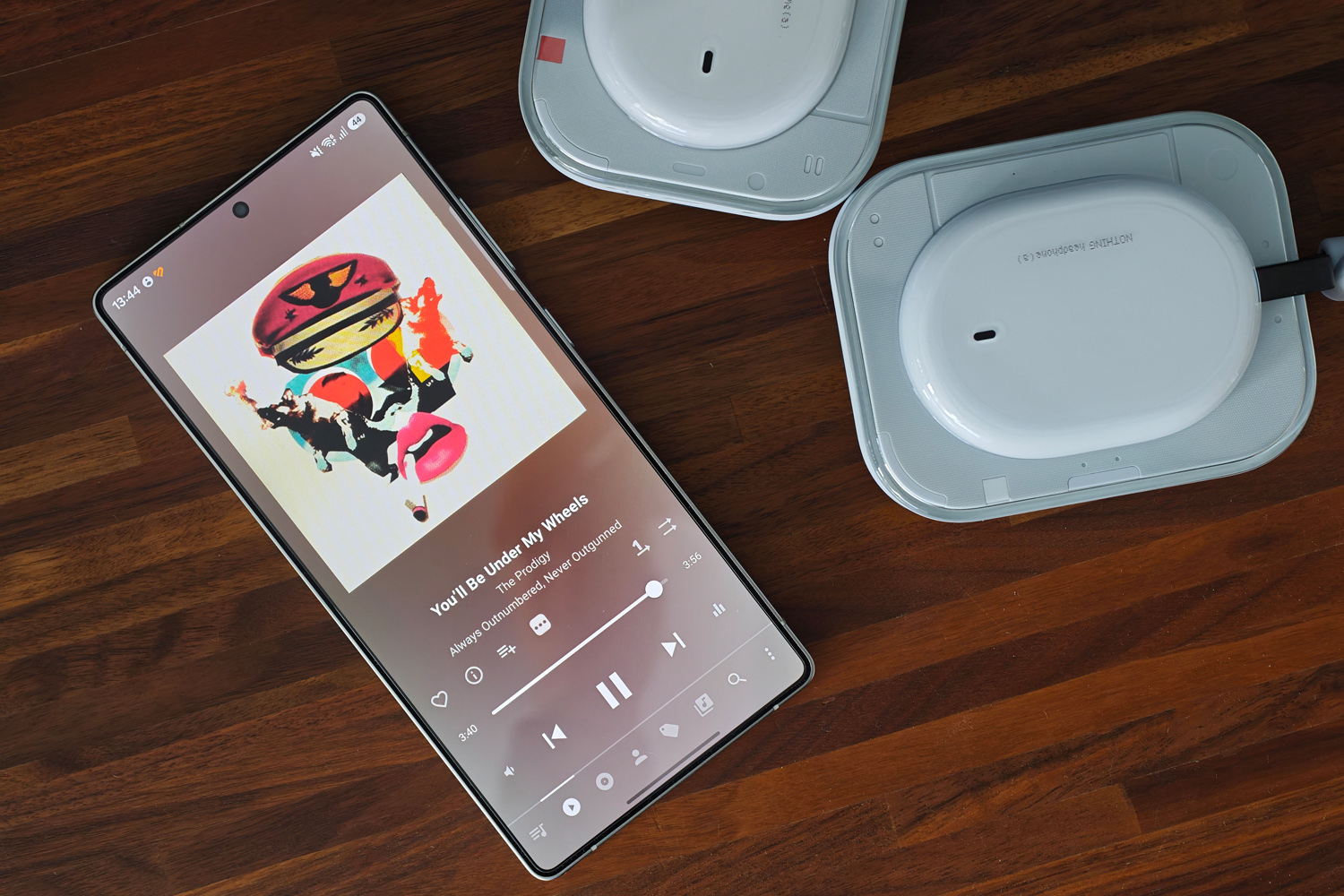
While vocals come through clearly enough the midrange lacks just a little bit of bite at the default EQ preset. Conversely, very high frequencies can be a little abrasive; this stood out to me with Liam Gallagher’s pitched-up chorus on the Prodigy’s Shoot Down. At the other end of the range, bass and sub-bass can bleed together well before you’ve fiddled with the bass extender settings in the companion app. Zeds Dead’s Out for Blood was missing the layers I’ve heard on pricier pairs of headphones. The soundstage isn’t especially wide either, even for a pair of closed-back headphones.
Is it fair to expect £300 of precision when paying half as much, though? Not really. In an apples-to-apples comparison, Headphone (a) isn’t a million miles removed from the very best affordable over-ears. The custom EQ leaves lots of room for improvement if you’re after a more nuanced listen, too.
Nothing Headphone (a) verdict
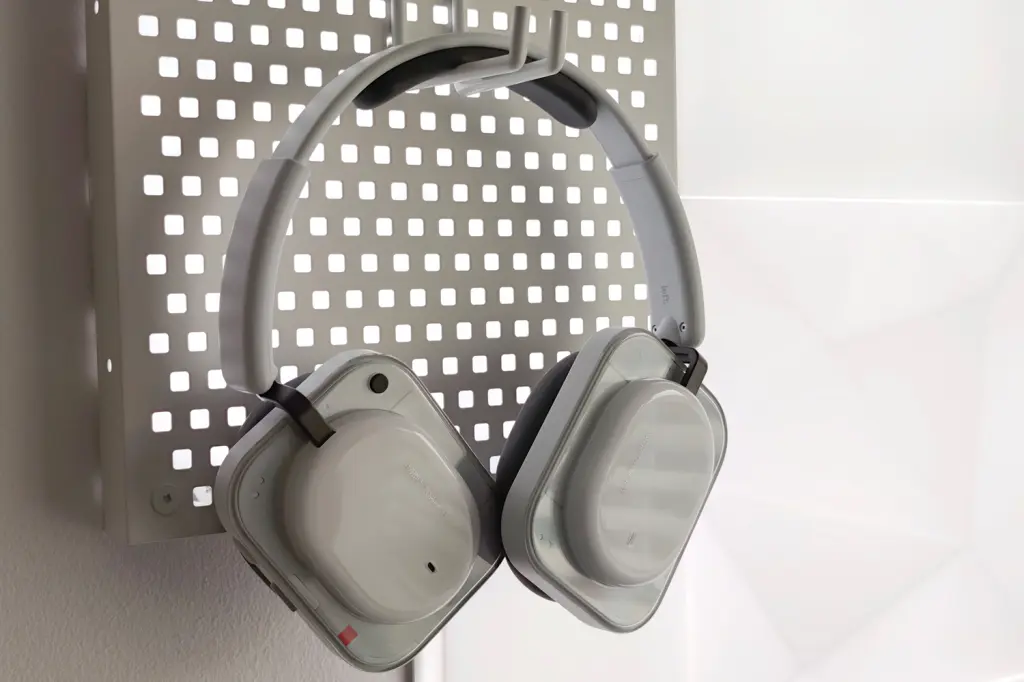
Nothing has had plenty of practice diluting down its mainstream models for a more affordable audience, so I’m not surprised the Headphone (a) is another job well done. It keeps most of the Headphone (1) experience, from the distinctive looks to the ergonomic controls, but does so for half the price. Audio quality or noise cancelling haven’t taken a major dive to hit the $199/£149 mark, and battery life has actually increased – to near class-leading levels.
That makes these a valid over-ear alternative to the firm’s Ear wireless earbuds, which also come out swinging against the established competition.
A Sony Ult Wear might be the better choice if ANC matters most, while critical listeners may fare better with a Sennheiser Accentum Plus. You’ll then need to spend considerably more in the Bose, Sony or Bowers & Wilkins camps to get anything significantly better.
Stuff Says…
Most of the Headphone (1) experience for half the cash. Nothing’s distinctive design remains intact and Headphone (a) also pushes battery life further than ever.
Pros
Same distinctive styling and ergonomic controls
Fantastic battery life
Respectable noise cancelling for the class
Cons
Loses some sonic composure from Headphone (1)
No wear detection
Carry pouch feels cheap
Nothing Headphone (a) technical specifications
| Drivers | 40mm dynamic |
| ANC | Yes, adaptive |
| Bluetooth version | Bluetooth 5.4 |
| Codecs supported | SBC, AAC, LDAC |
| Durability | IP52 |
| Battery life | 75hrs/135hrs (ANC on/ANC off) |
| Dimensions | 177x78x190mm, 310g |


 Tom Morgan-Freelander
Deputy Editor
Tom Morgan-Freelander
Deputy Editor