Huawei Watch GT Runner 2 review: it may be made for marathons, but this amateur runner still liked it
Have your running shoes at the ready for this single-minded smartwatch


Stuff Verdict
Runners will love Huawei’s latest smartwatch for its laser focus on performance. The Watch GT Runner 2 doesn’t skimp out anywhere else, though, making it a credible alternative to fitness mainstays
Pros
- Runner-friendly features are extensive and impressively in-depth
- Sleek styling and sharp screen, with life-proof durability
- Excellent battery life
Cons
- Companion app requires some manual setup
- Third-party app support lacking versus rivals
- Single size option can look small on some wrists
Introduction
Tapping up a two-time Olympic gold medallist is certainly one way to make sure your latest GPS sports watch ticks enough boxes for serious runners. Marathon runner Eliud Kipchoge lent Huawei a hand (and both feet) to get the GT Runner 2 ready for launch, advising on modes and features meant to maximise your long distance potential.
Styling has come on leaps and bounds from the original Watch GT Runner back in 2021, while battery life continues to give more traditional smartwatches a battering. Huawei has also benchmarked its uprated GPS and heart rate tracking internally against the popular Garmin Forerunner 970. The £349/€399 (there’s no US availability, for reasons that are well documented) asking price is almost half that of the class leader, too.
Is the result a wearable that could give Garmin cause for concern?
How we test wearables
Every smartwatch and fitness tracker reviewed on Stuff is worn 24/7 throughout the testing process. We use our own years of experience to judge general performance, battery life, display, and health monitoring. Manufacturers have no visibility on reviews before they appear online, and we never accept payment to feature products.
Find out more about how we test and rate products.
Design & build: brightest before dawn
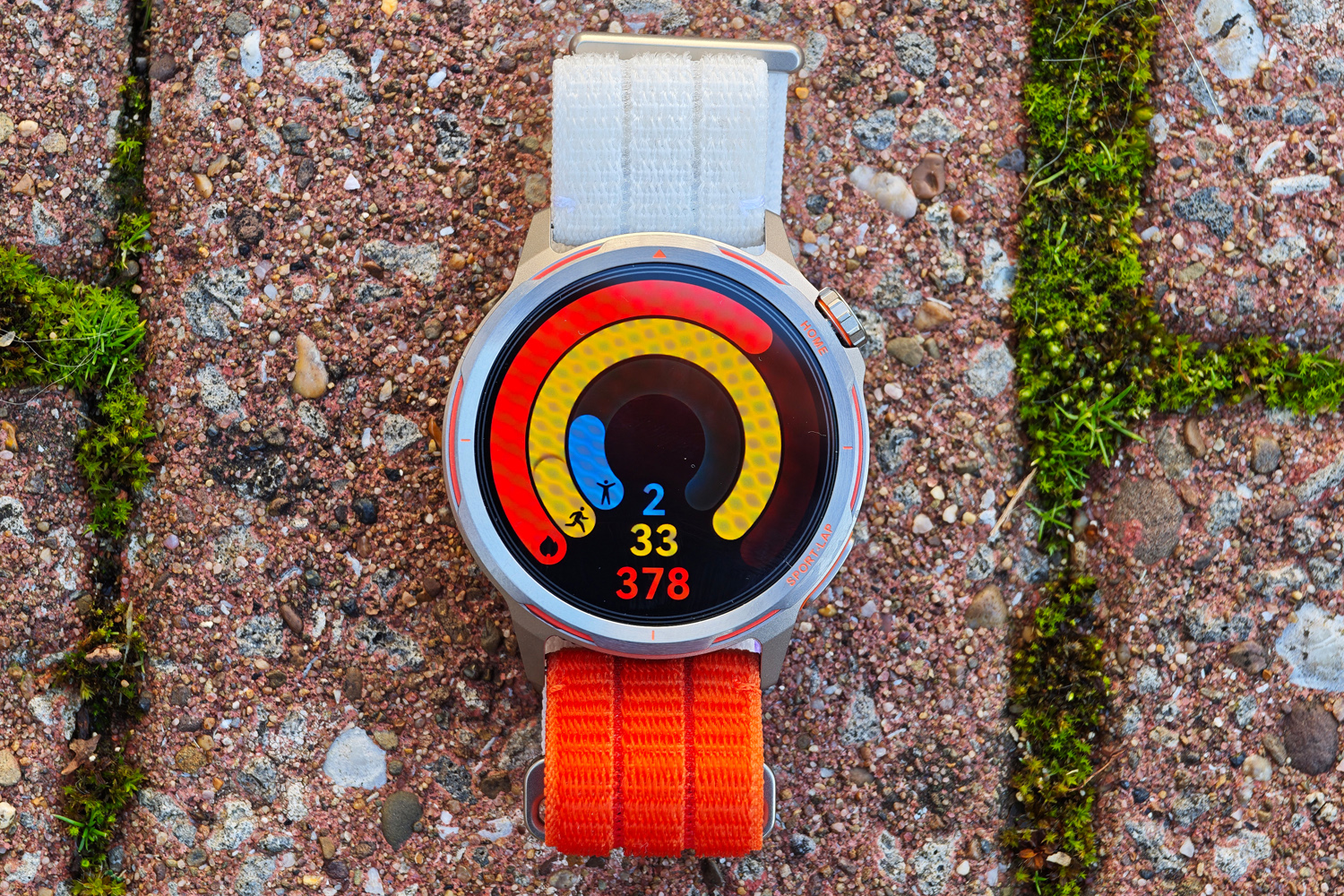
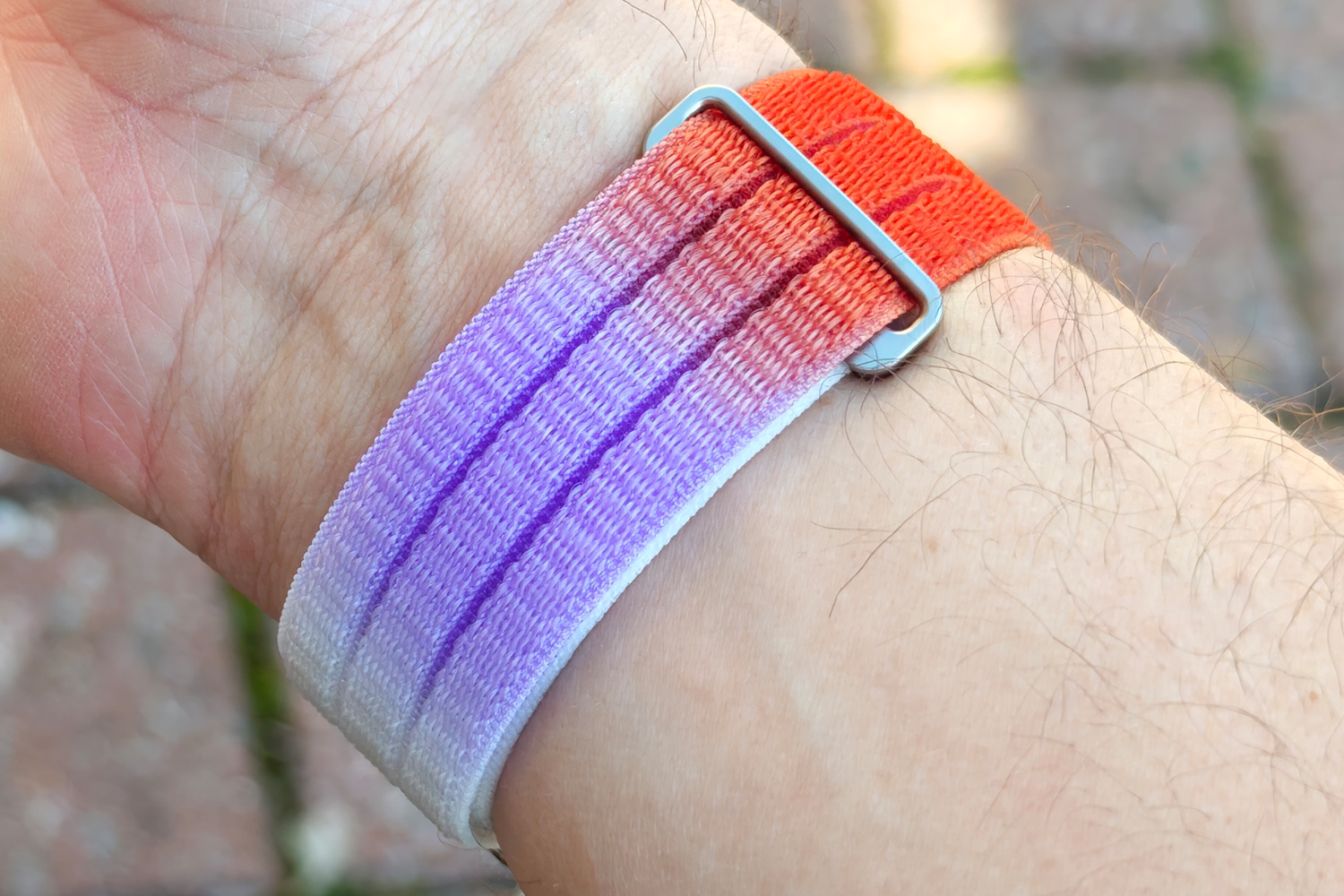
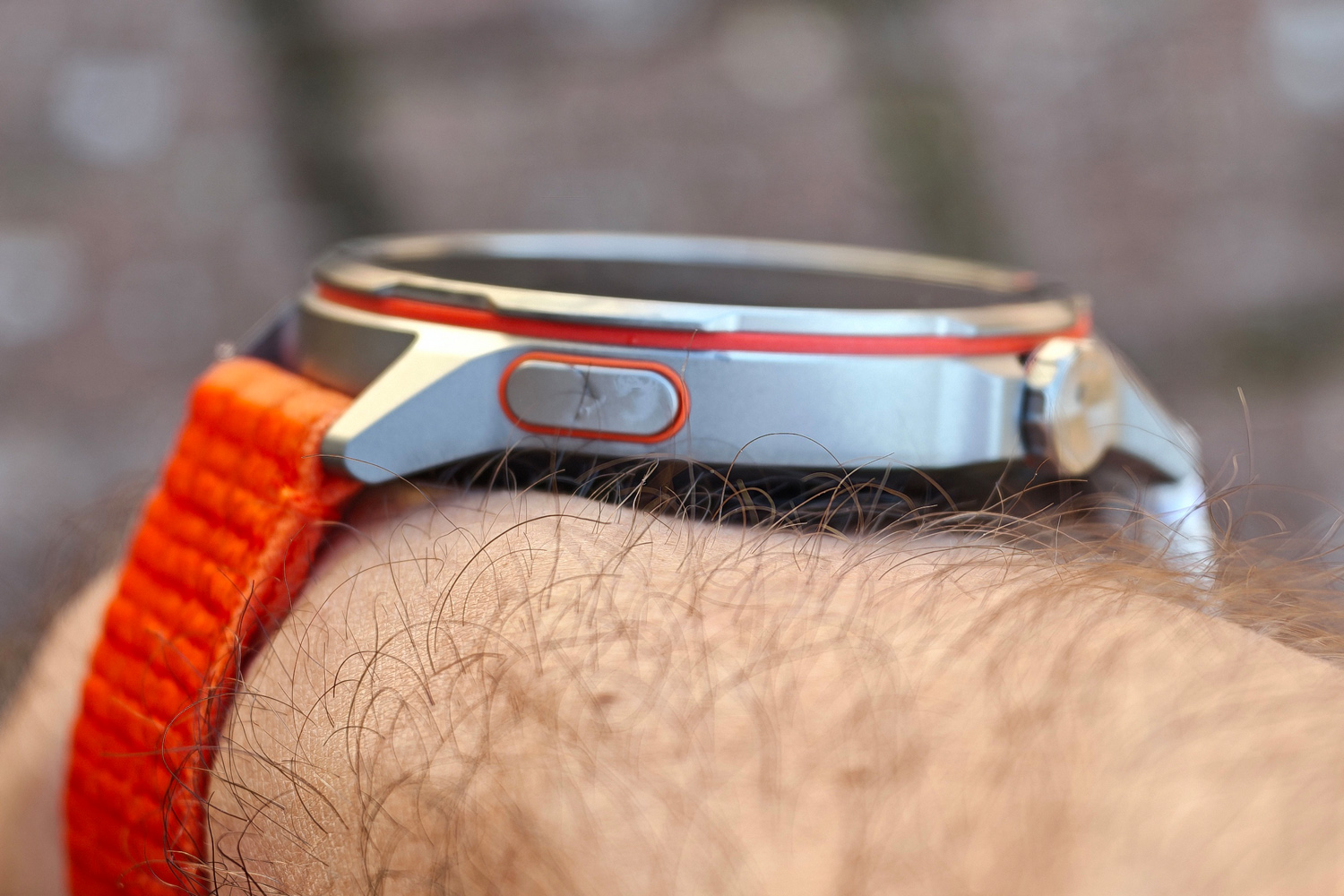

Compared to the functional Watch GT Runner, with its polymer build and a rather uninspiring choice of black or grey colours, the Watch GT Runner 2 looks more like something you’d wear 24/7 – not just when it’s time to go pound some pavement.
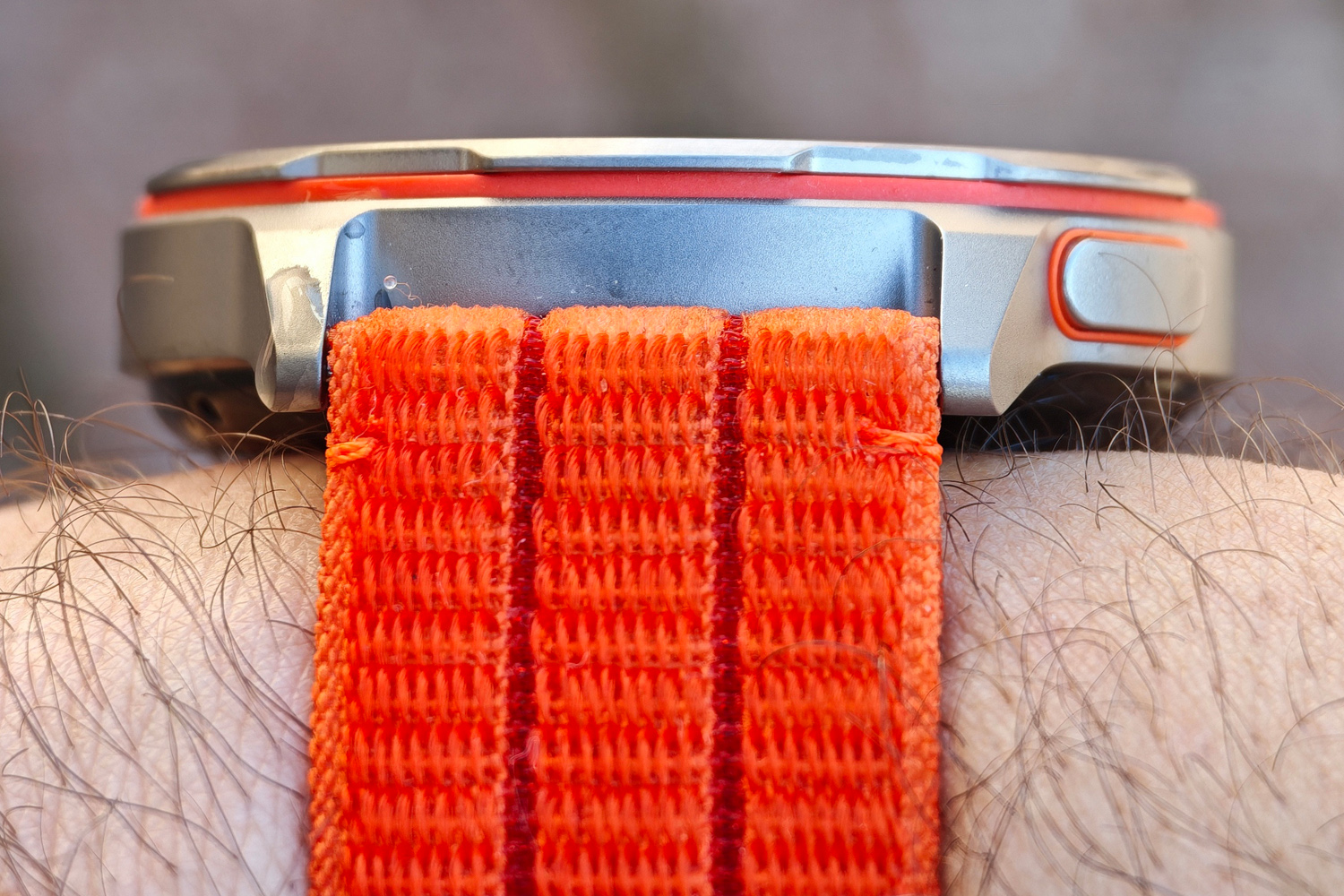
The entire case is hewn from titanium, rather than just the central section as is the case for a lot of watches. That meant putting a gasket around the entire screen to ensure GPS signal wasn’t compromised, but Huawei has incorporated it neatly into the overal design. I think it’s gorgeous, especially the Dawn Orange unit I was sent for testing. The Dusk Blue version isn’t quite as flamboyant, and the Midnight Black model plays it safest.
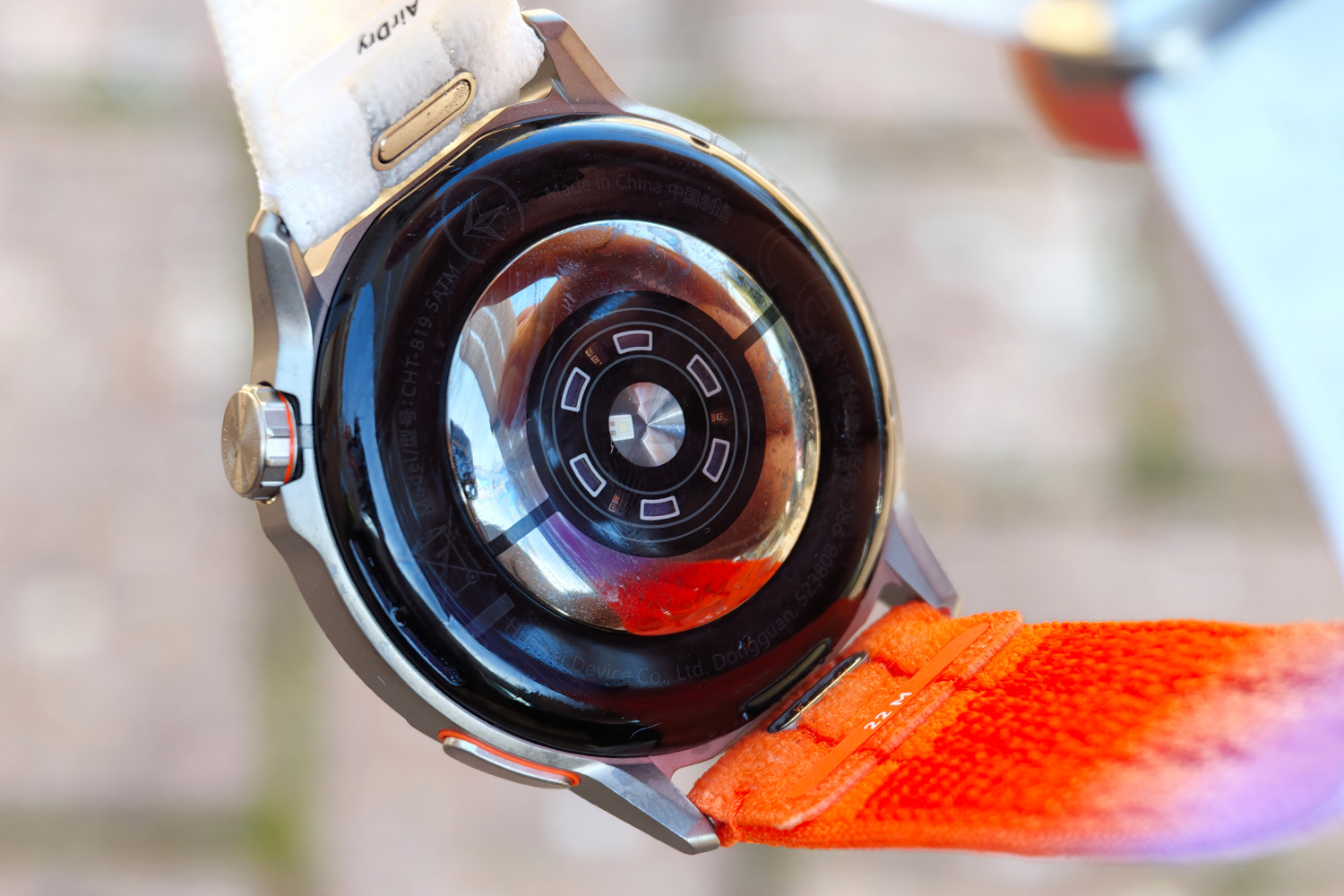
It’s a svelte watch, being just 10.7mm thick if you don’t count the heart rate sensor bulge – which is partly as big as it is to get the sensors as close to your skin as possible for better accuracy. Using titanium has helped keep weight in check too, so the case only tips the scales at 34.5g. Even once a strap is fitted it’s lighter than a Forerunner 970.
I found it a little on the small side for my wrist, but that could be down to the fact I’ve worn a 51mm Garmin Fenix 8 Pro for the last six months. The orange colour accents on the dial, digital crown and screen gasket make it look a lot less menacing than the all-black Garmin, as does the colourful AirDry woven strap. Huawei reckons it’s 25% more breathable than the Flouroelastomer one also included the box. It’s certainly comfortable and easy to adjust. Easy to pop and on off, too, thanks to quick release lugs – which are a standard size, in case you want to use a third-party replacement.
Screen and interface: shine on
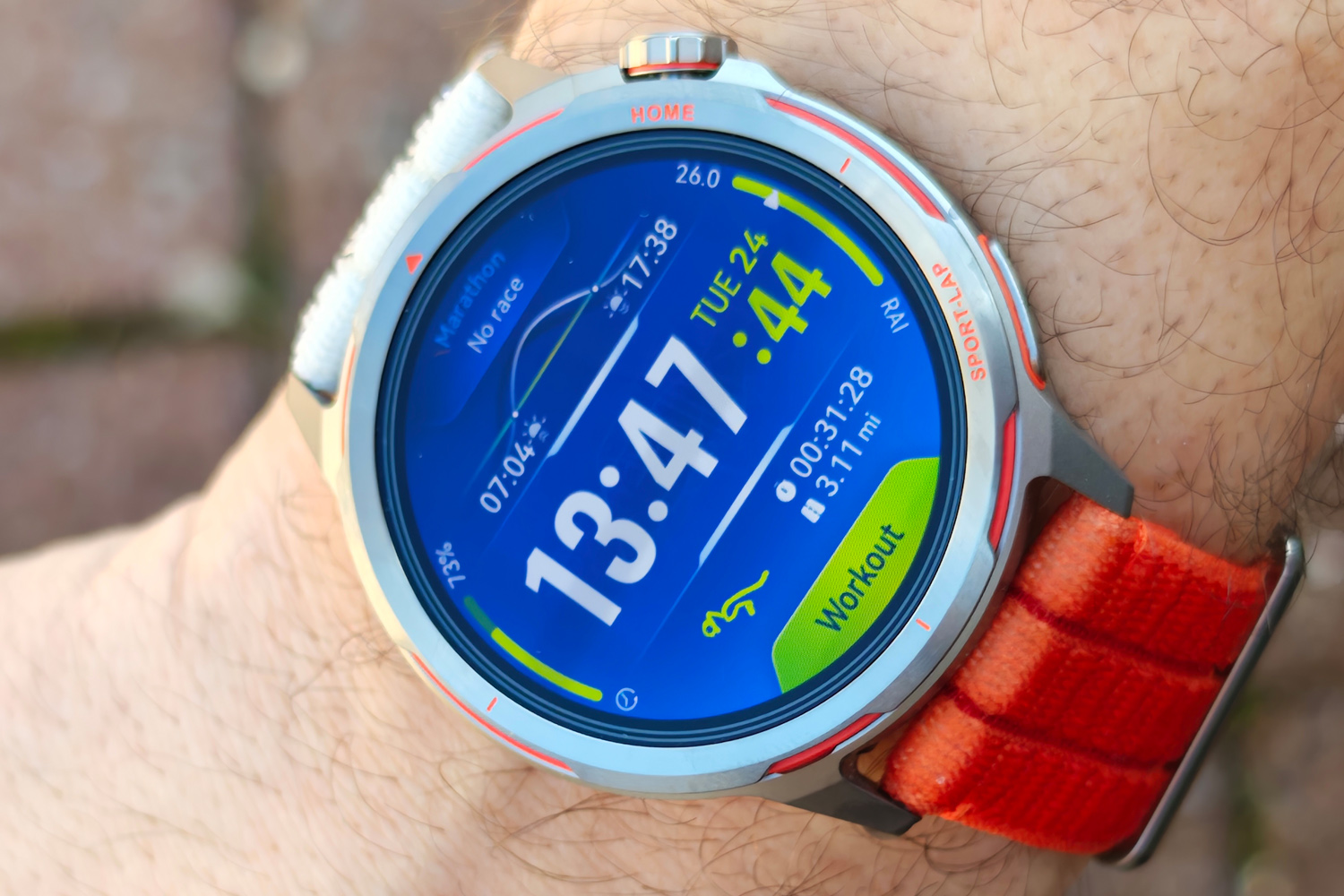
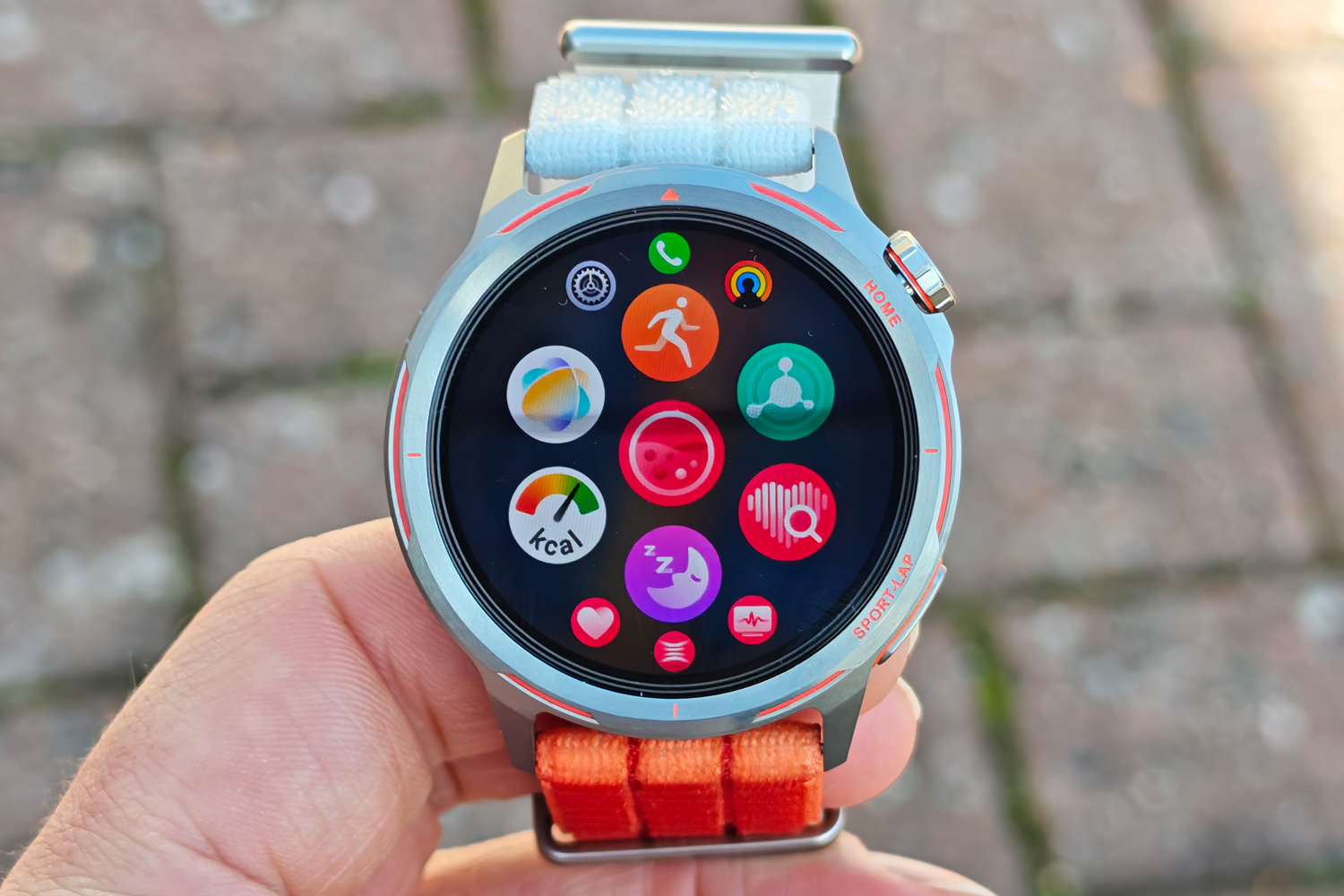
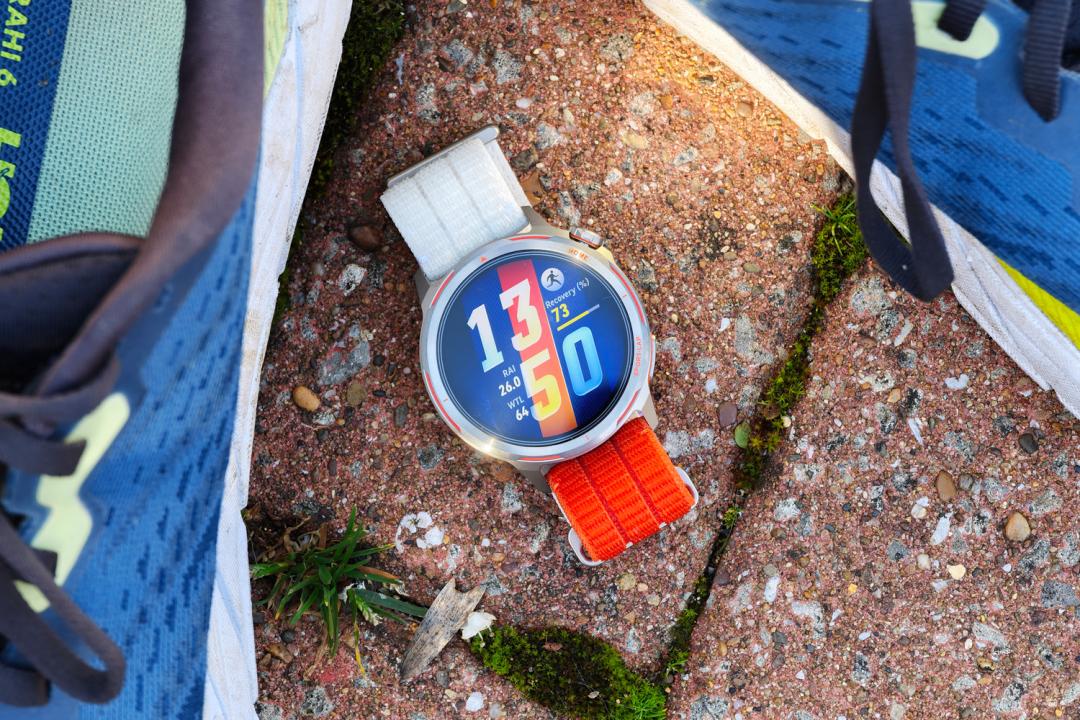
Huawei’s trend of sticking sharp, ultra-bright AMOLED screens on its fitness watches continues unabated here. The Watch GT Runner 2’s 43.5mm circular face is very easy on the eyes, with enough resolution that even tiny icons and text are clear to read at arms’ length. A few of the preinstalled watch faces really take advantage of that, squeezing in multiple metrics into an area where rivals would only manage one.
That the whole thing stayed scratch and scuff-free throughout my testing is no surprise, given it uses Huawei’s second-gen Kunlun glass. It’s thinner and lighter than sapphire crystal, but just as drop resistant.
A 3000 nit peak brightness meant outdoor visibility was never an issue for me, even while wearing sunglasses. Viewing angles are great and colours are especially punchy. The panel doesn’t quite vanish into the bezel like it does on Huawei’s pricier models, but it’s still suitably skinny.
That means you don’t have to stick to watch faces with mostly black backgrounds, and Huawei has been liberal with its use of colour across the watch’s HarmonyOS interface. It sticks to the usual layout, with full screen widgets a swipe away from the main watch face; notifications live an upward swipe away, while a downward one open the Quick Settings screen. There are also a bunch of quick cards for weather, music controls and calendar appointments to the left.
Pressing in the digital crown opens the app drawer, which has an extensive number of health and fitness apps; you’ll have to open each one in term and grant it access to the watch’s sensors – something I wish Huawei would make part of the setup process instead. At least everything animates smoothly and is quick to load.
There’s a good mix of other apps, including music playback (either via your phone or on the watch itself), contactless payments (if your country supports it), a remote shutter for your phone’s camera, and answer incoming calls from your wrist. There’s also phone-free navigation once you install the right map packs, downloaded for free through the companion app. Just don’t expect much in the way of third-party additions, as Huawei’s App Gallery is still rather sparse.
Samsung phone owners will also have fewer hoops to jump through to get the watch paired to their handset, as Huawei Health is now found in the Samsung Galaxy Store. Anyone relying purely on the Google Play Store will still need to sideload it, though, and approving all the right access permissions continues to be fiddlier than with rival smartwatches.
Health & fitness: see you on the start line
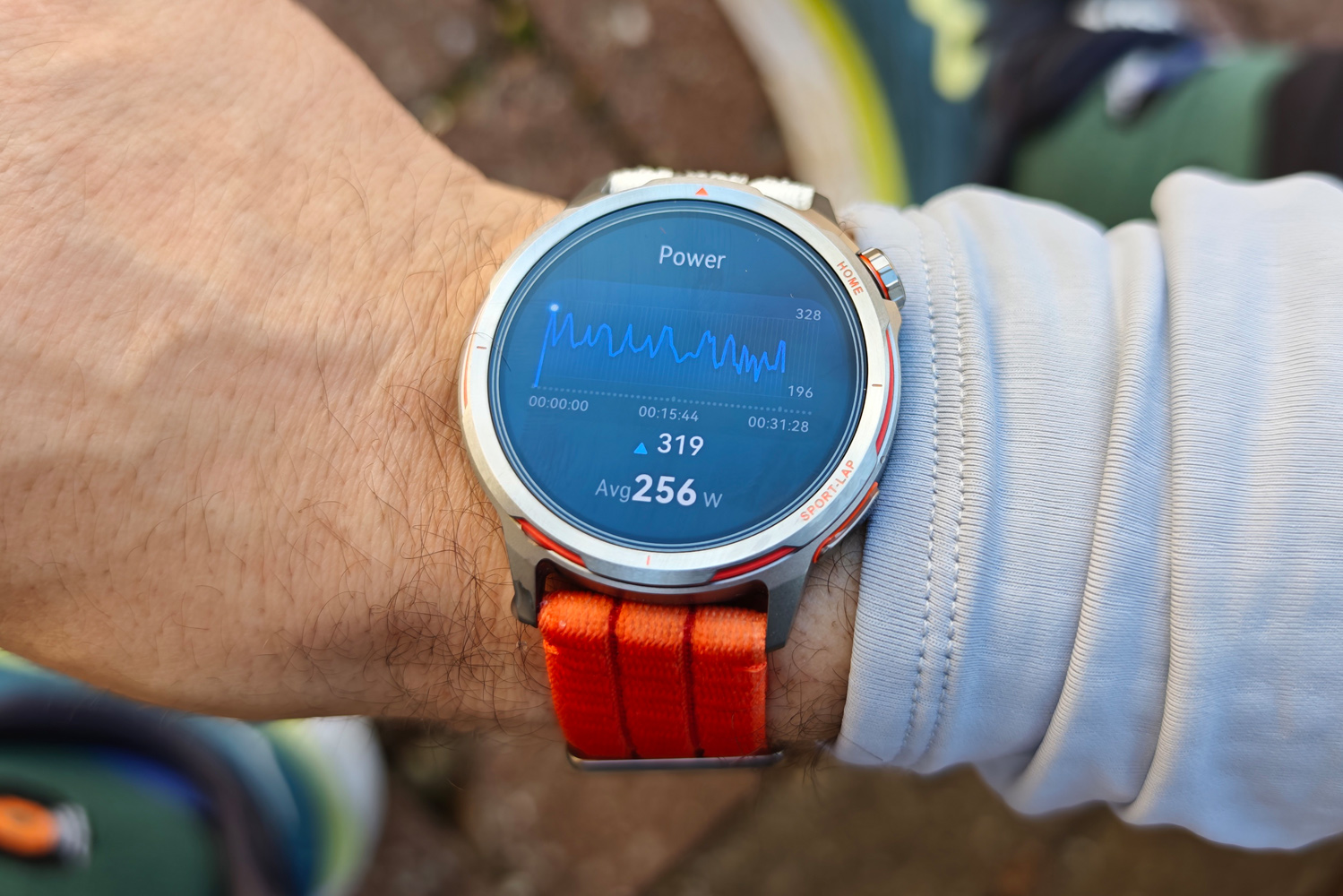
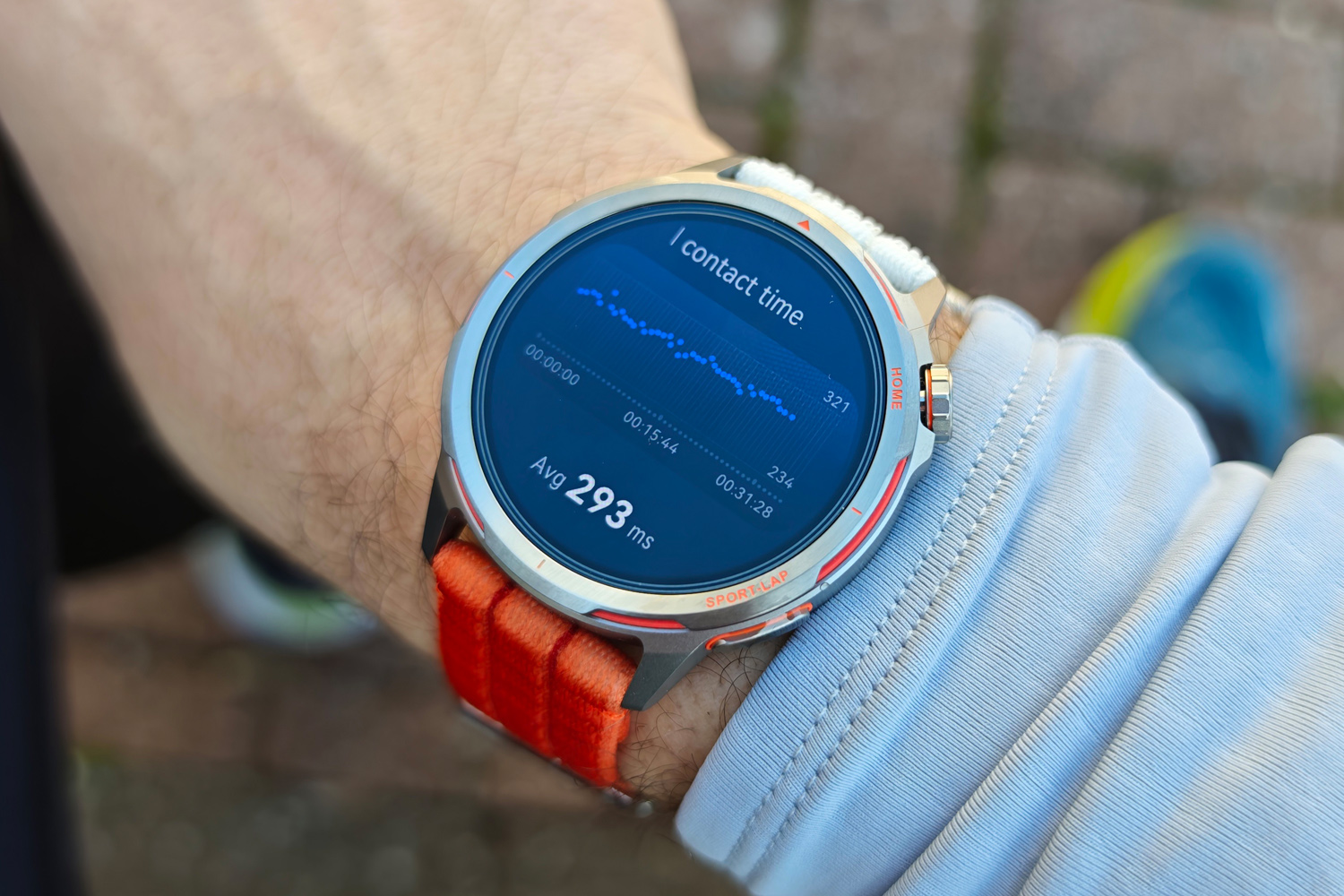
I admit I’d rather hop on a bicycle to cover 26.2 miles, but the sheer range and depth of Huawei’s marathon-specific features had me thinking about strapping on my running shoes. Given a lot of them were developed with help from the dsm-firmenich running team, that shouldn’t really come as a surprise.
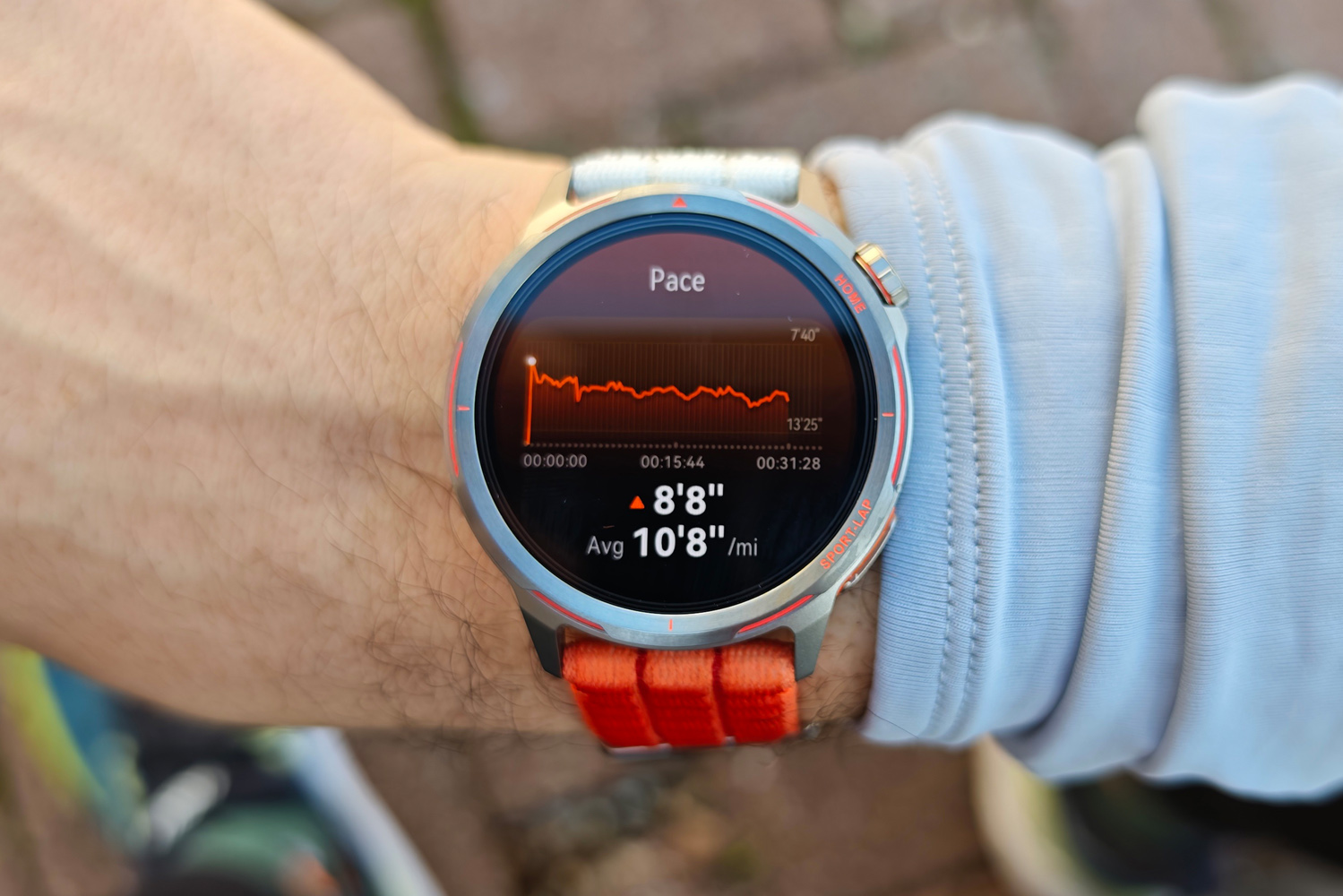
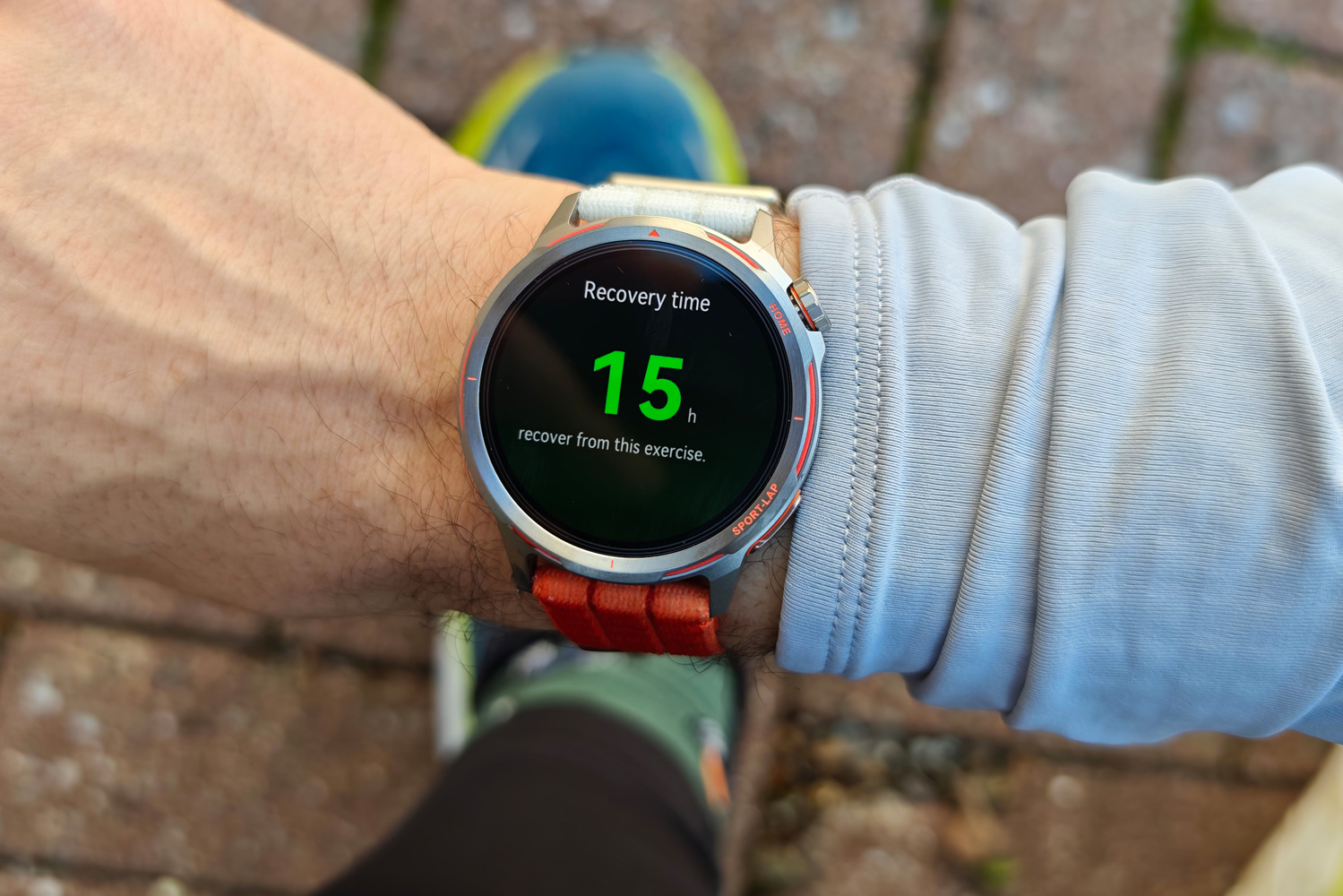
The Watch GT Runner 2 tracks professional metrics, calculating your running power in watts based on your speed, heart rate and even air resistance. That’s on top of terms Garmin and Polar users will be familiar with, like Training Load and recovery time.
Marathon mode is the big new addition, helping you prepare and provide in-race guidance on things like refuelling as well as pace.
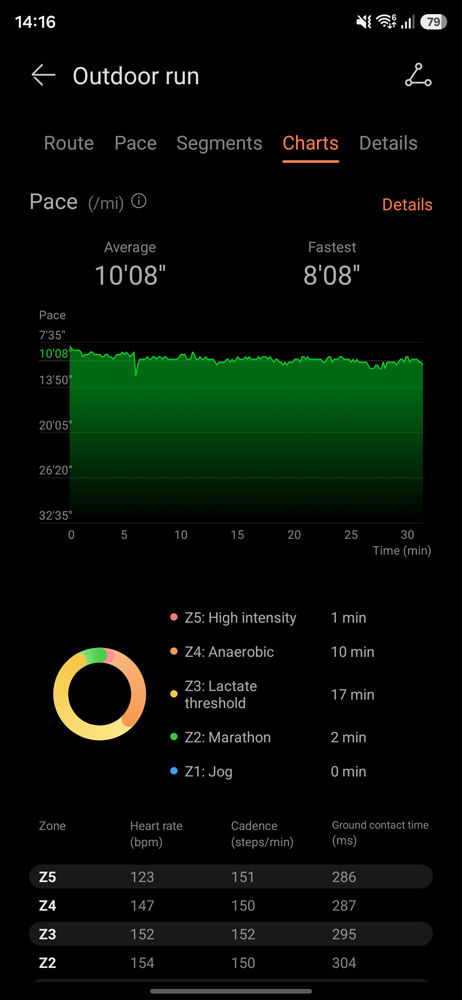
The UI has been overhauled to present data more clearly post-run, with a wealth of data on tap for those that want to maximise their performance. I’ve got a long way to go before I can say whether the race prediction times were on the money or not, though. The AI coaching plan could only do so much for this non-runner in a couple of weeks.
Real-time lactate threshold detection has also been carried over from the first-gen Runner, only now it can draw on Huawei’s newer, more accurate TruSense sensor module. The firm puts peak accuracy within 94%, or on par with a chest strap. That largely bore out in my testing, being within a few beats per minute of a Wahoo chest strap, Coros armband HRM, and Garmin Fenix sports watch.
Huawei’s companion app is as keen to upsell you on a paid-for fitness plan as every other current wearable seems to be, and it’s annoying that certain premium shortcuts seem cemented onto the homescreen. There’s a truckload of information here to dig down into and the multicoloured presentation helps stop pages of stats from becoming too overwhelming to newbie runners.
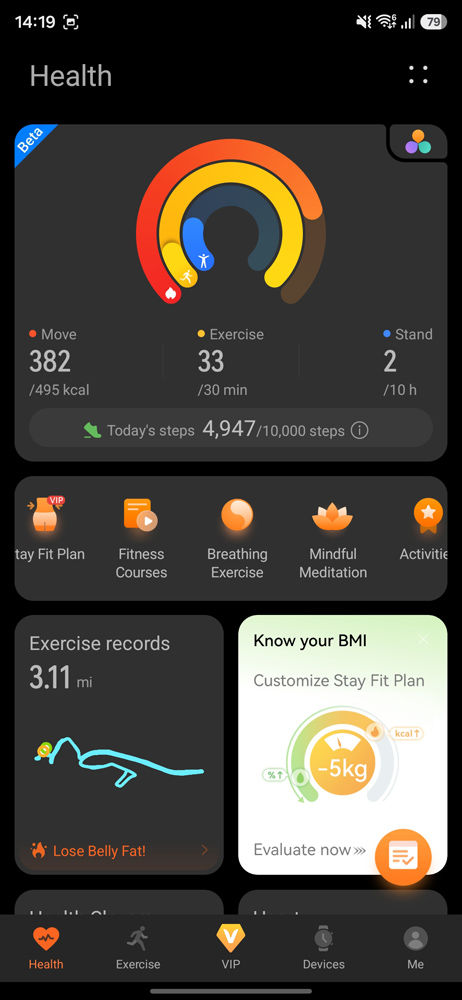
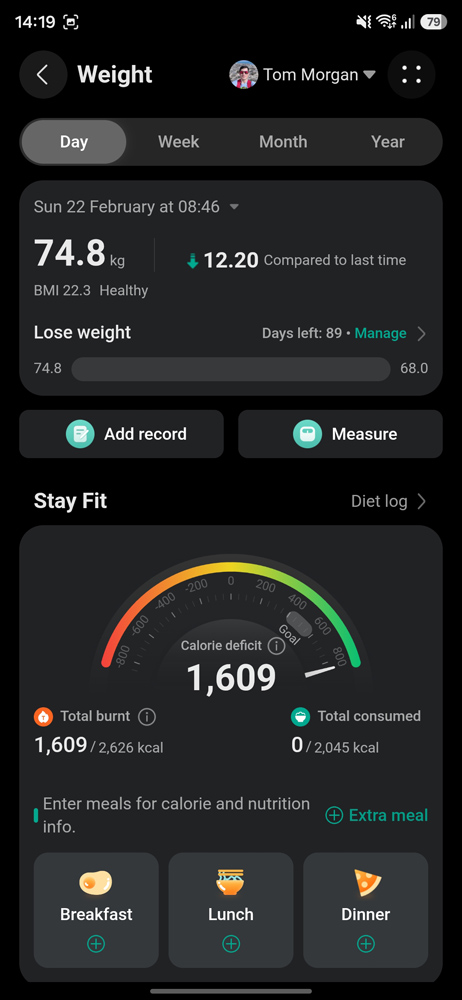
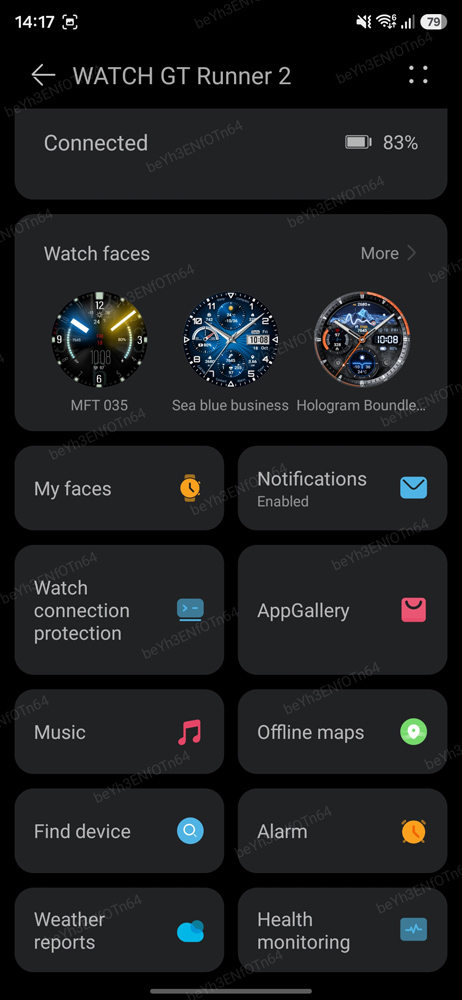
I appreciate Huawei widening the third-party net a bit this year, adding support for big-name running services like Kotcha and intervals.icu on top of returning ones like Strava. You even get 90 days of premium access to the former included with your purchase. The companion app can also spit out FIT and TCX files as well a GPS files for the first time, so your training app of choice should be good to use. A web interface for importing and exporting files is in the works, though wasn’t ready at the time of writing.
The Watch GT Runner 2 performed very well with other types of exercise too. It can pair to Bluetooth-enabled gym equipment and doesn’t miss out on the Watch GT 6 Pro‘s ability to estimate virtual Functional Threshold Power (FTP) when cycling, without the need for expensive power meter pedals.
GPS accuracy has also taken a step in the right direction from the first-gen GT Runner, with a lower distance deviation that could more readily recognise which side of a road I was on. It still rounded off a few curves that my Garmin watch correctly followed.
Battery life: in it for the long haul
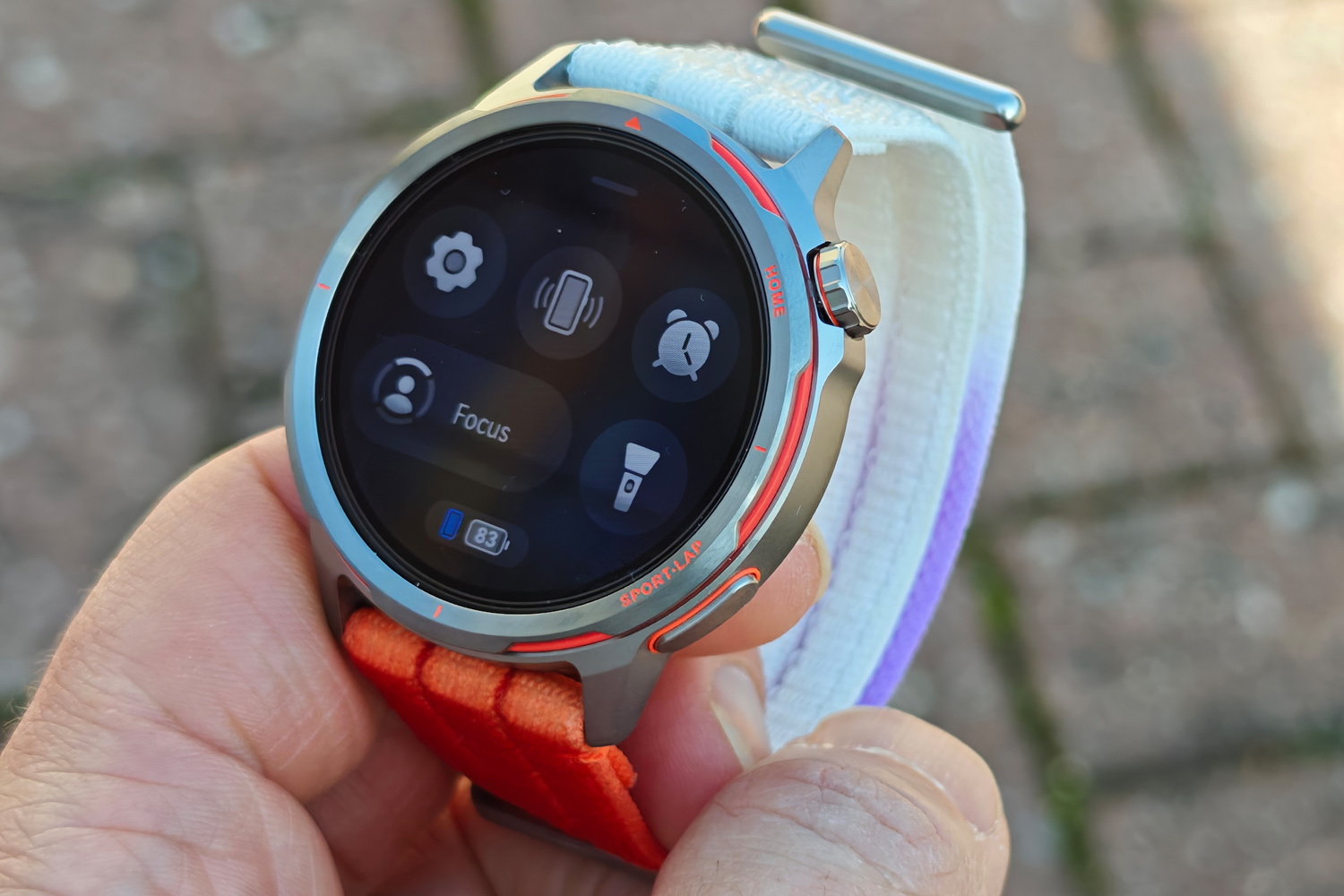
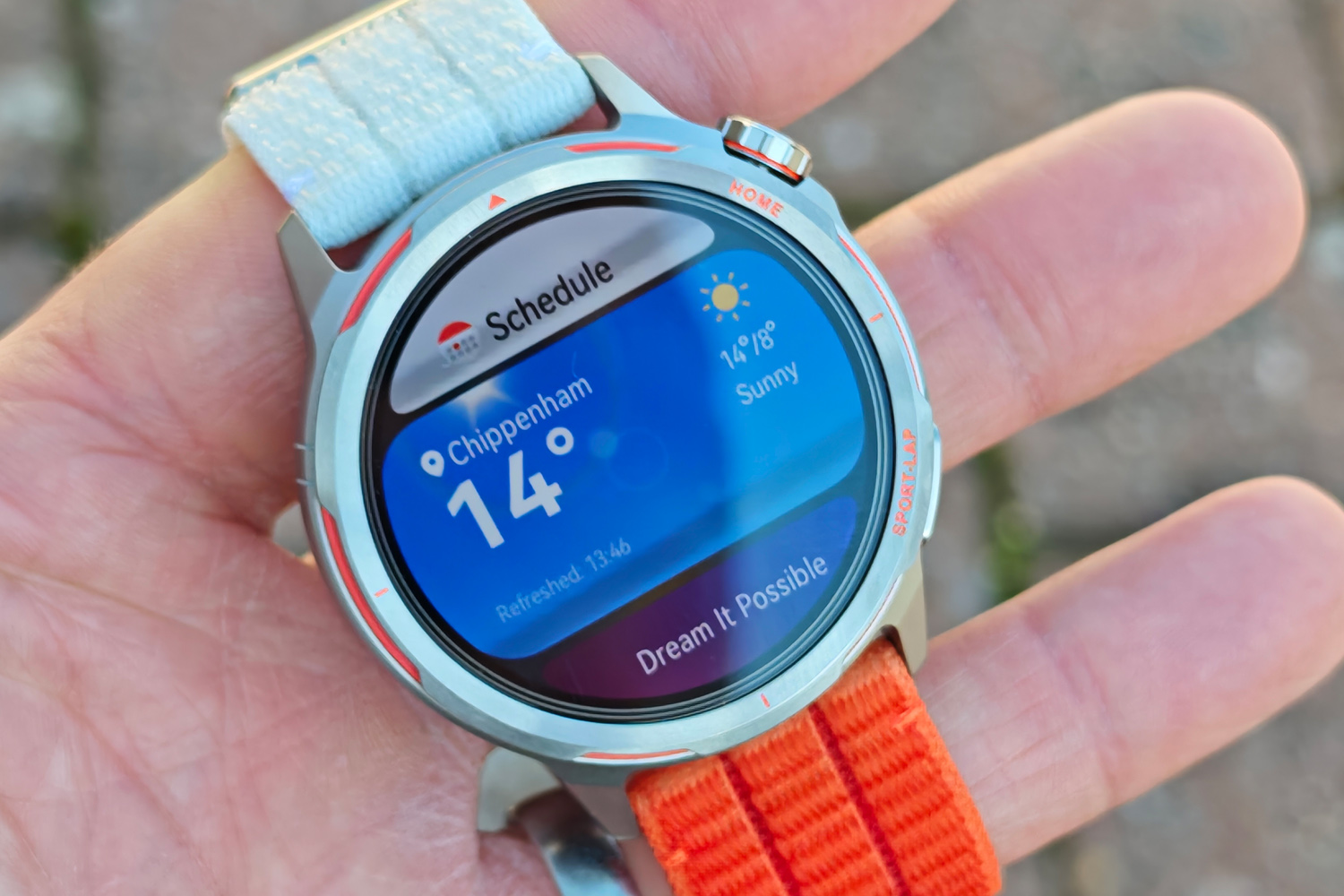
With only a 43.5mm watch face the GT Runner 2 doesn’t have a whole lot of room inside for batteries – yet Huawei has managed to squeeze in a 540mAh cell, which is a 33% boost over the original model’s capacity.
The result is a wearable that can go a full two weeks before needing to recharge while on restricted duties, clock up 32 hours of continuous GPS-tracked activity recording, and somewhere in the middle when following a typical training plan. In my experience that meant nine or ten days before the watch needed placing on its magnetic charging puck (which is about as fuss-free as these things get, though Huawei still refuses to make the jump to USB-C).
That’s a significant hike over the original model, which would tap out around the day six or seven mark under similar load. The always-on screen option will sap it faster, so I preferred to stick with raise-to-wake. Still, it puts the latest Apple Watch Ultra and Samsung Galaxy Watch Ultra to shame, while drawing level with Garmin’s top level Forerunner watches for regular use; with GPS engaged, it goes for hours longer than a Forerunner 970 can.
Huawei Watch GT Runner 2 verdict
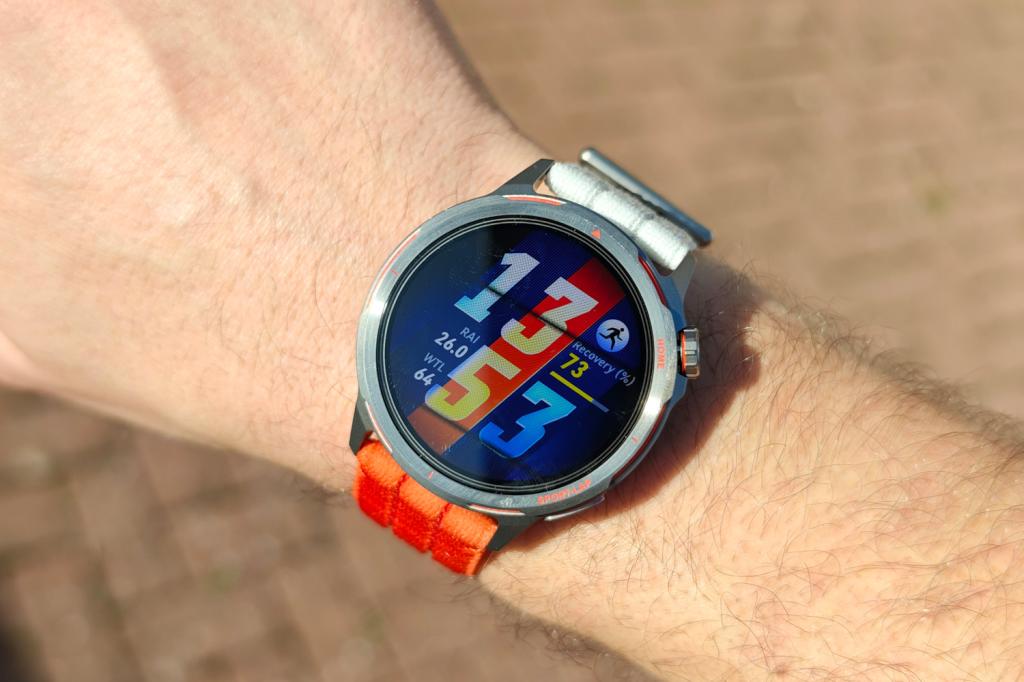
You don’t have to be a marathon man (or woman) to appreciate the Watch GT Runner 2. It’s a hard-wearing, long-lasting sports watch with a beautiful screen and useful array of smart functions. It also tracks other exercises just as well as Huawei’s other top-tier fitness watches.
Distance runners will see the biggest benefit, with genuinely useful features for getting you race-ready, helping you stay on target during the event itself, and analysing your performance in the aftermath. And all for half the price of a Garmin Forerunner 970.
Huawei’s software isn’t the walled garden it once was, but still demands a little more of you during the initial setup than most rivals, and can’t match them for third-party watch apps. The single size might be a turnoff to those with big wrists too. But if you’re not already invested in another firm’s running ecosystem, there are plenty of sprinting smarts here that you’re sure to appreciate.
Stuff Says…
Runners will love Huawei’s latest smartwatch for its laser focus on performance. The Watch GT Runner 2 doesn’t skimp out anywhere else, though, making it a credible alternative to fitness mainstays from Garmin and others
Pros
Runner-friendly features are extensive and impressively in-depth
Sleek styling and sharp screen, with life-proof durability
Excellent battery life
Cons
Companion app requires some manual setup
Third-party app support lacking versus rivals
Single size option can look small on some wrists
Huawei Watch GT Runner 2 technical specifications
| Screen | 1.43in AMOLED |
| Sensors | Accelerometer, gyroscope, magnetometer, optical heart rate sensor, barometer, temperature sensor |
| Connectivity | GPS, Bluetooth, NFC (country-dependent) |
| Storage | on-board, capacity not stated |
| Operating system | HarmonyOS |
| Battery | 530mAh |
| Weight | 34.5g (watch only), 43.5g (watch and strap) |


 Tom Morgan-Freelander
Deputy Editor
Tom Morgan-Freelander
Deputy Editor