Fujifilm X-T30 III review: a modest upgrade I still recommend to newcomer photographers
Entry-grade pricing but mid-tier performance?


Stuff Verdict
Fujifilm has played it safe on specs, and you don’t have to spend silly money to step up a tier, but the compact X-T30 III is still an obvious entry-point for photography newbies.
Pros
- Intuitive controls and film simulations get their own dial
- Familiar, fantastic colour science
- Retro styling is fab and the build belies its price
Cons
- Only mild upgrades from previous generation
- Not exactly a huge price gulf to Fuji’s more capable models
- No in-body image stabilisation
Introduction
The X-T30 has long been the baby of Fujifilm’s retro-inspired mirrorless camera lineup, but has proven so popular with its amateur audience the firm has never fully replaced it. Instead we’re now on the third generation, which has seen more iterative improvements to tempt shutterbugs away from their smartphones.
It keeps the newcomer-friendly features and 26MP APS-C image sensor of the outgoing X-T30 II, but also adds some of the fan favourites from pricier models including the film simulation dial. The X-T30 III also inherits the newer, faster X Processor 5 image processor seen in the X-T50, and levels up its video recording game.
Prices start from $999/£829 in body-only form, or $1149/£999 when paired with the new 13-33mm f/3.5-6.3 kit lens – a killer deal when the lens costs $399/£329 on its lonesome. That pits it against newer rivals like the Nikon Z50 II, plus older hangers-on including the Sony A6400. However, an X-T50 isn’t significantly more cash; does it make sense to save your pennies, or is this the sensible starting point for most photographers?
How we test cameras
Every camera reviewed on Stuff is tested in a range of lighting conditions, with a variety of subjects and scenes. We use our years of experience to compare with rivals and assess ergonomics, features and general usability. Manufacturers have no visibility on reviews before they appear online, and we never accept payment to feature products.
Find out more about how we test and rate products.
Design & build: kickin’ it old school
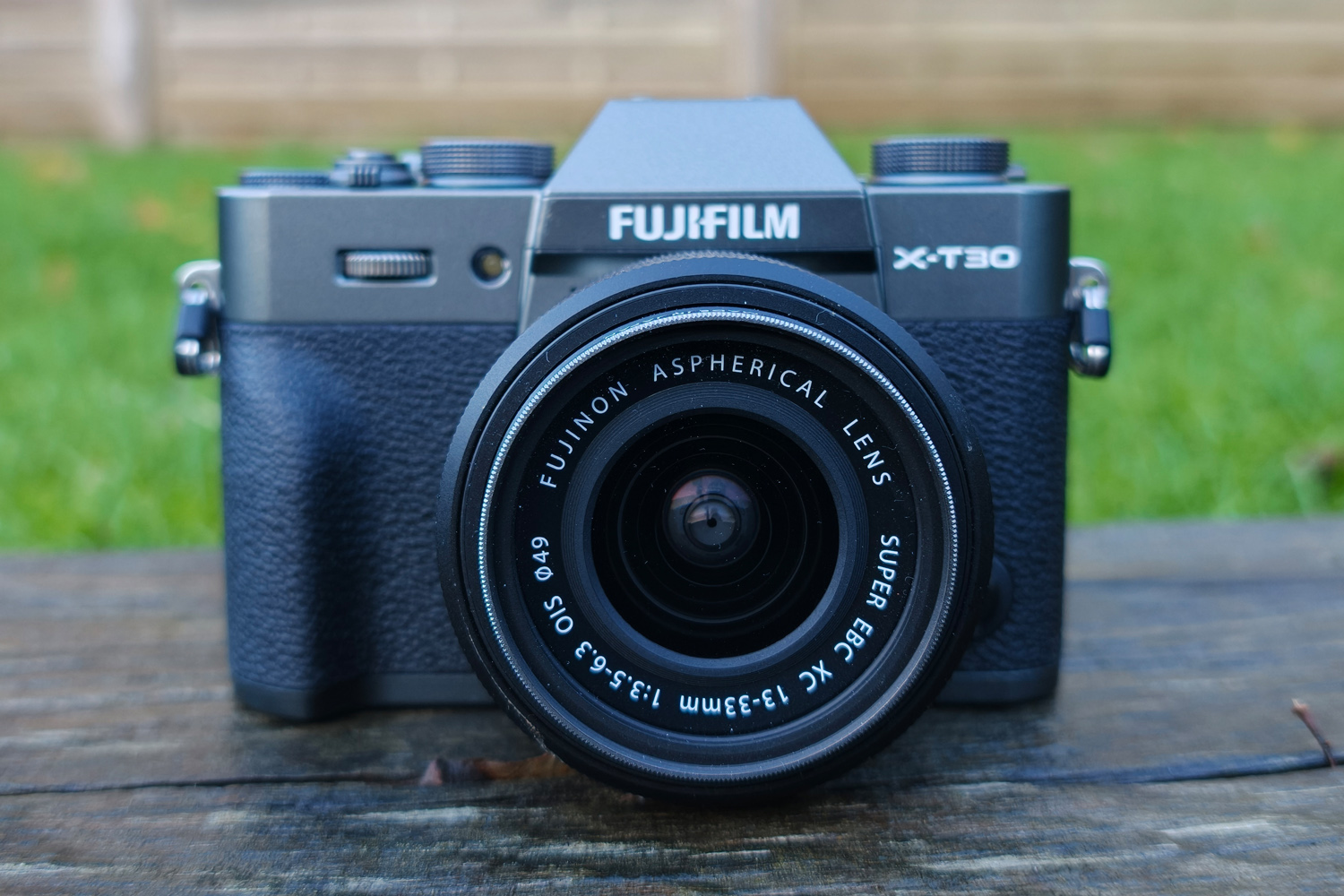
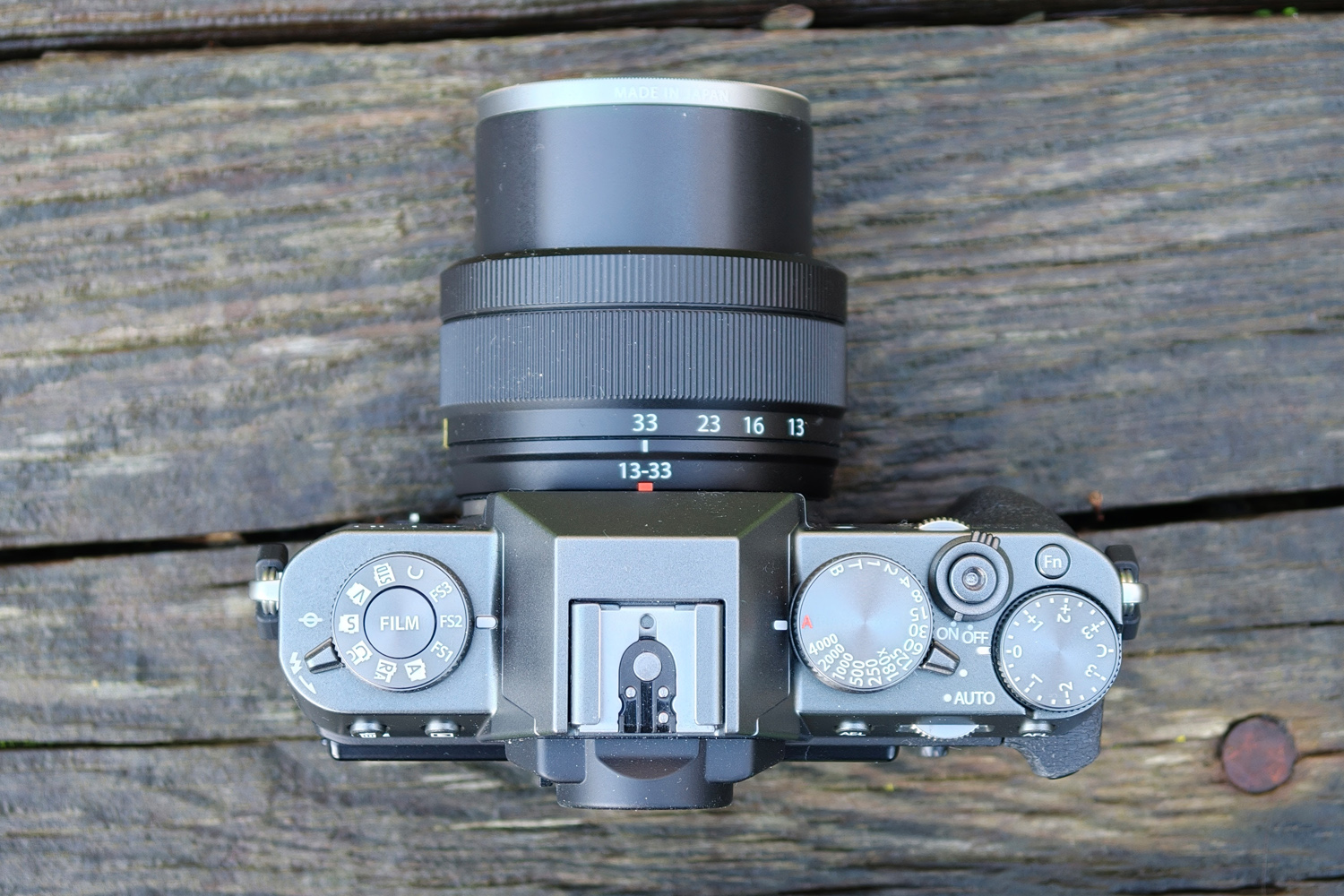
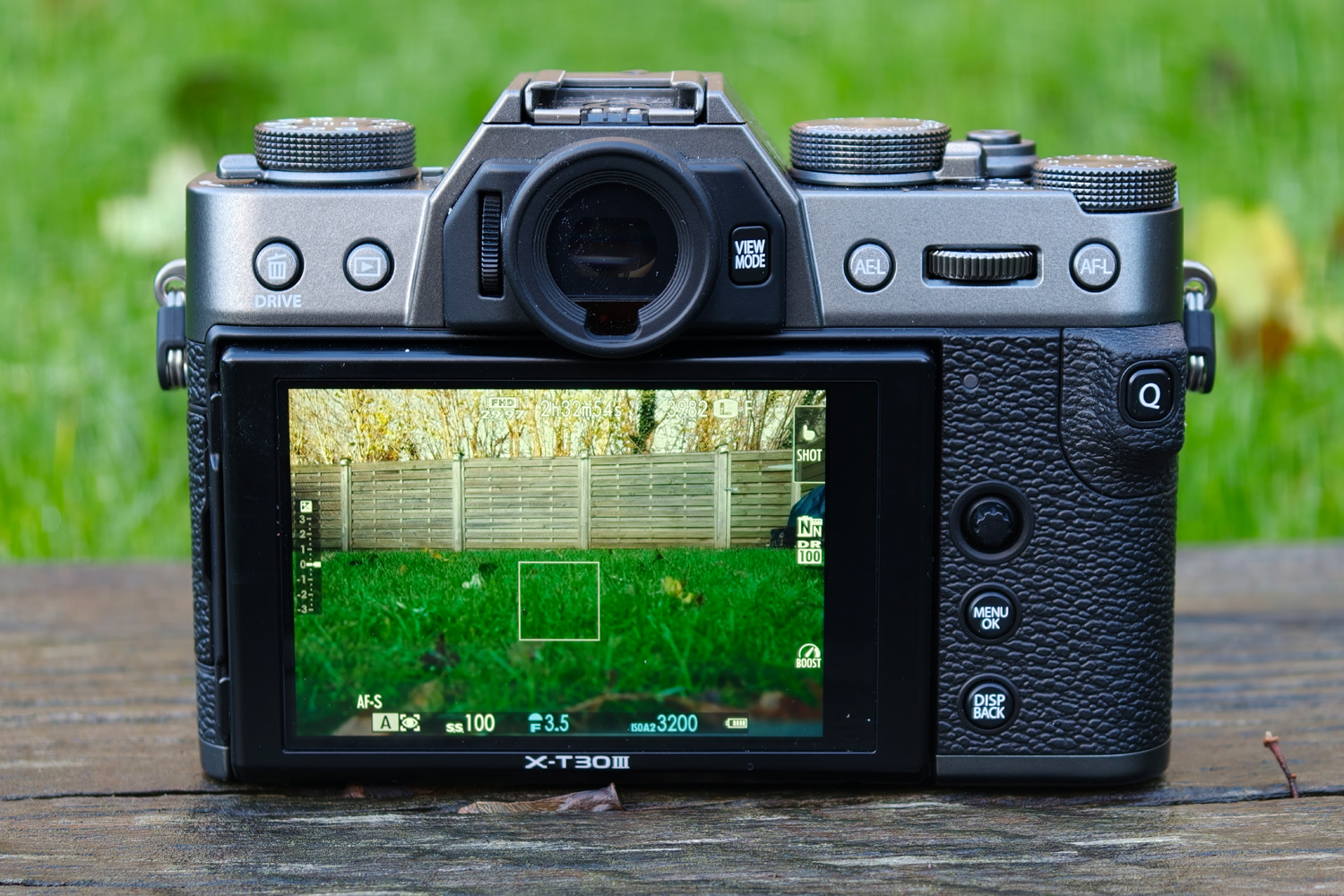
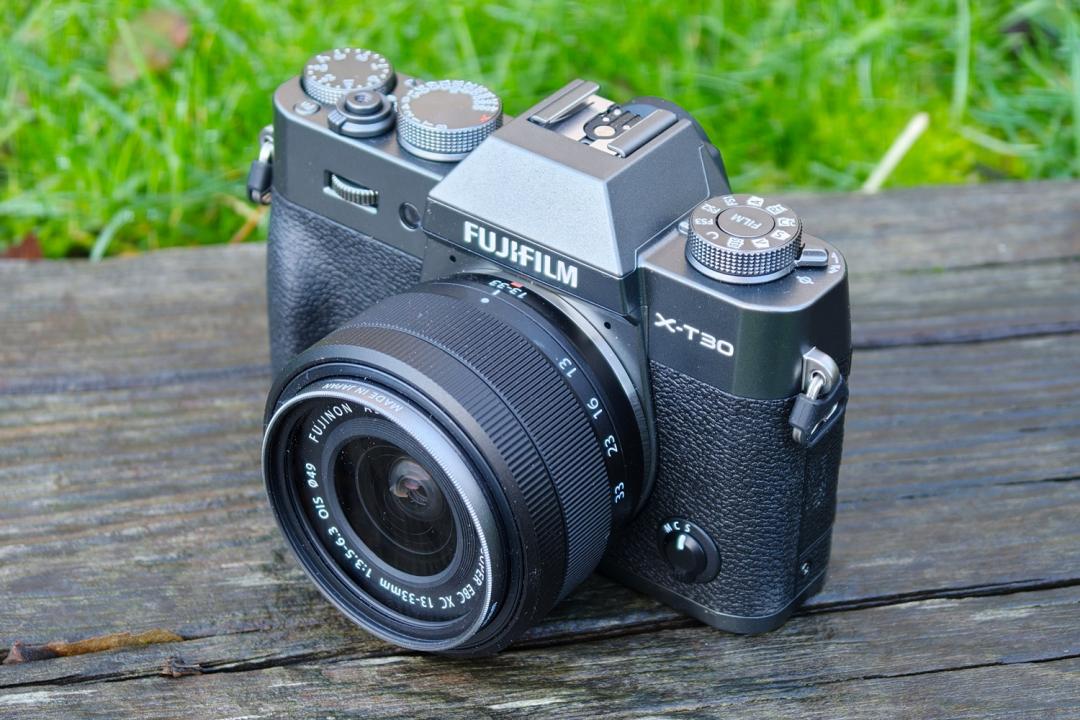
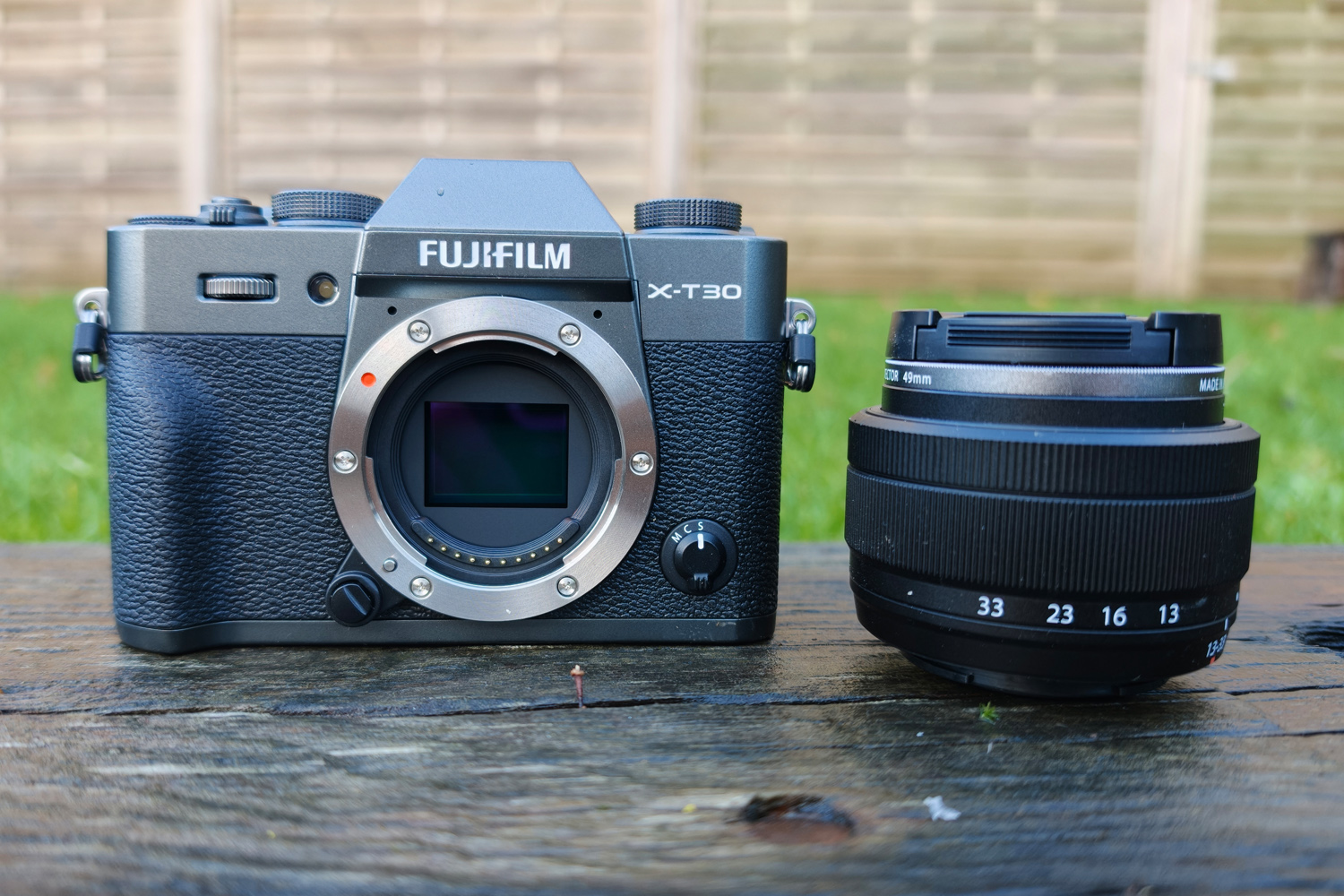
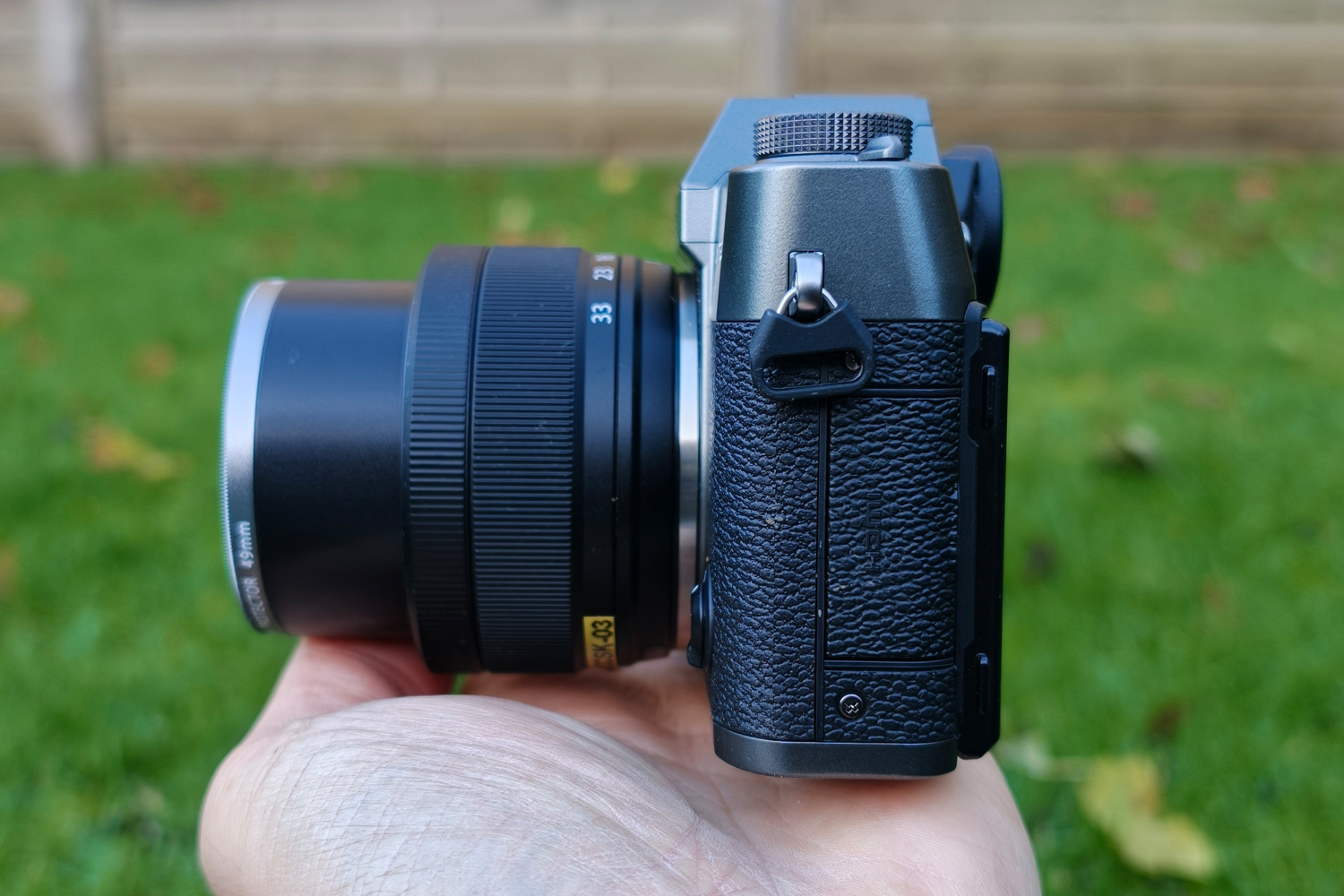
The X-T30 III doesn’t stray far from the previous-gen model on the styling front. It still looks every bit the shrunken system camera, and one obvious change aside, I really struggled to tell the two generations apart. They’re virtually identical in terms of size and weight – which is to say palm-sized and just 329g, which is impressively light for a mirrorless body. With the right lens on it this is an SLR-style camera I’d happily use with a wrist strap.
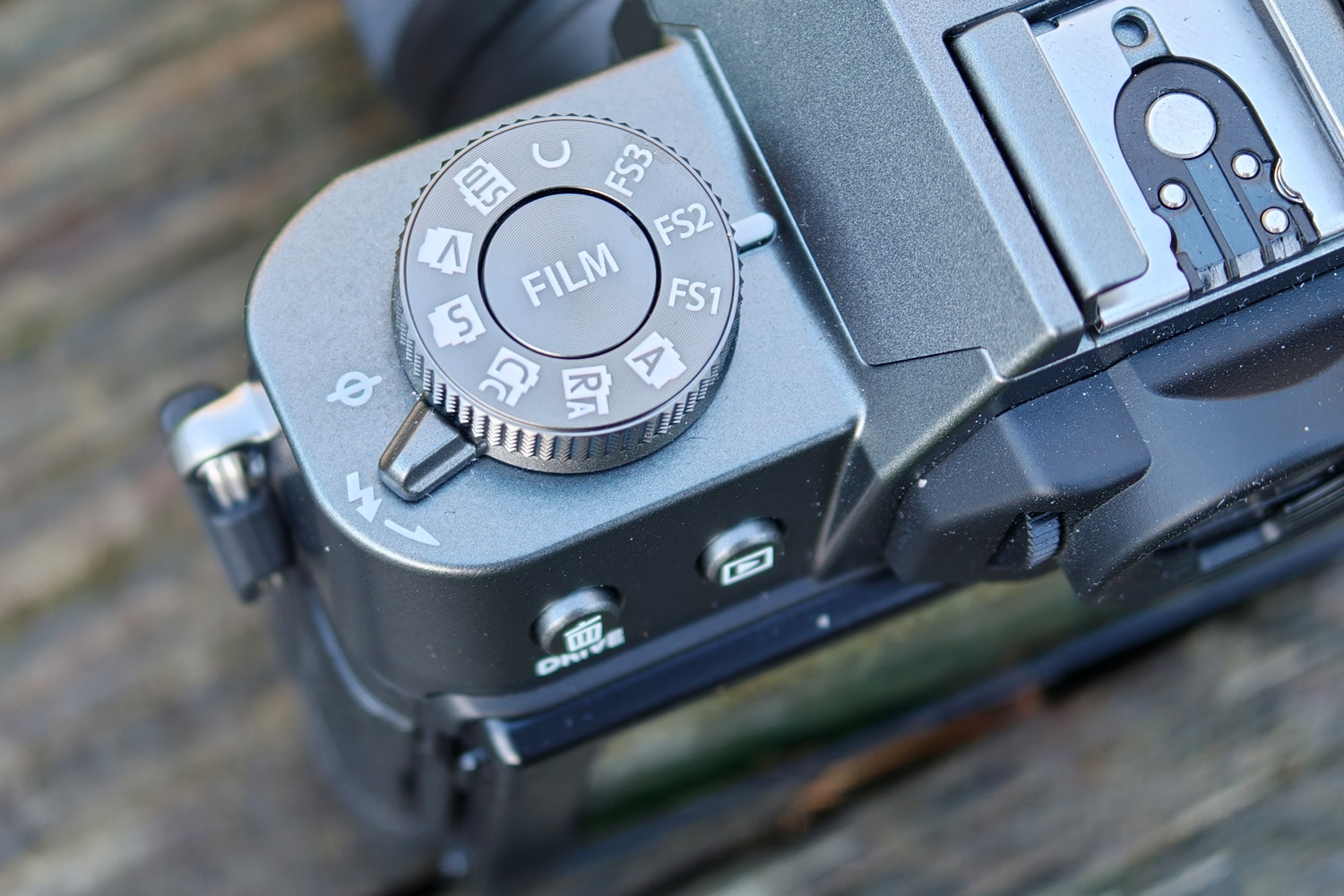
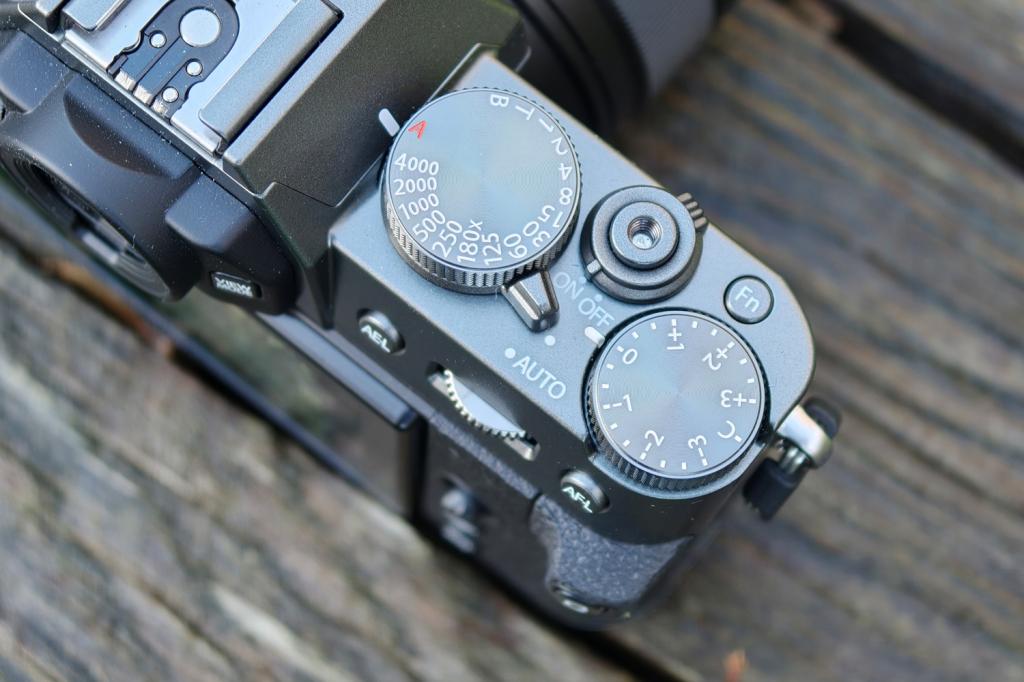
You’re still getting a trio of top plate dials, along with customisable command dials at the front and rear, but here drive modes have been kicked out in favour of film simulations. It’s really no hardship having the delete key pull double duty as a drive mode button instead, as it sits almost directly below it. I much prefer having quick access to up to ten of Fuji’s 20 fantastic simulations instead, as they instantly give shots an analogue look. Three slots are dedicated to recipes, which are far easier to customise ever since Fuji redesigned its menus for the X-E5.
I don’t think the top dials felt quite as firm or satisfying to twist as Fuji’s pricier cameras, but the metal top plate adds a hint of luxury you don’t often find in an entry-grade camera. It adds some welcome sturdiness, too, though the X-T30 III doesn’t get any sort of weatherproofing or dust sealing. The rest of the camera has a faux leather finish that both looks and feels the part.
The layout is standard Fuij fare, but everything falls naturally around your thumb and fingers. The chunky front grip and protruding Q button, which acts as a thumb grip, help – even if you’ve got especially big hands. I also appreciate that the built-in flash has stuck around, as it’s a rarity on a camera so small.
Features & battery life: screen test
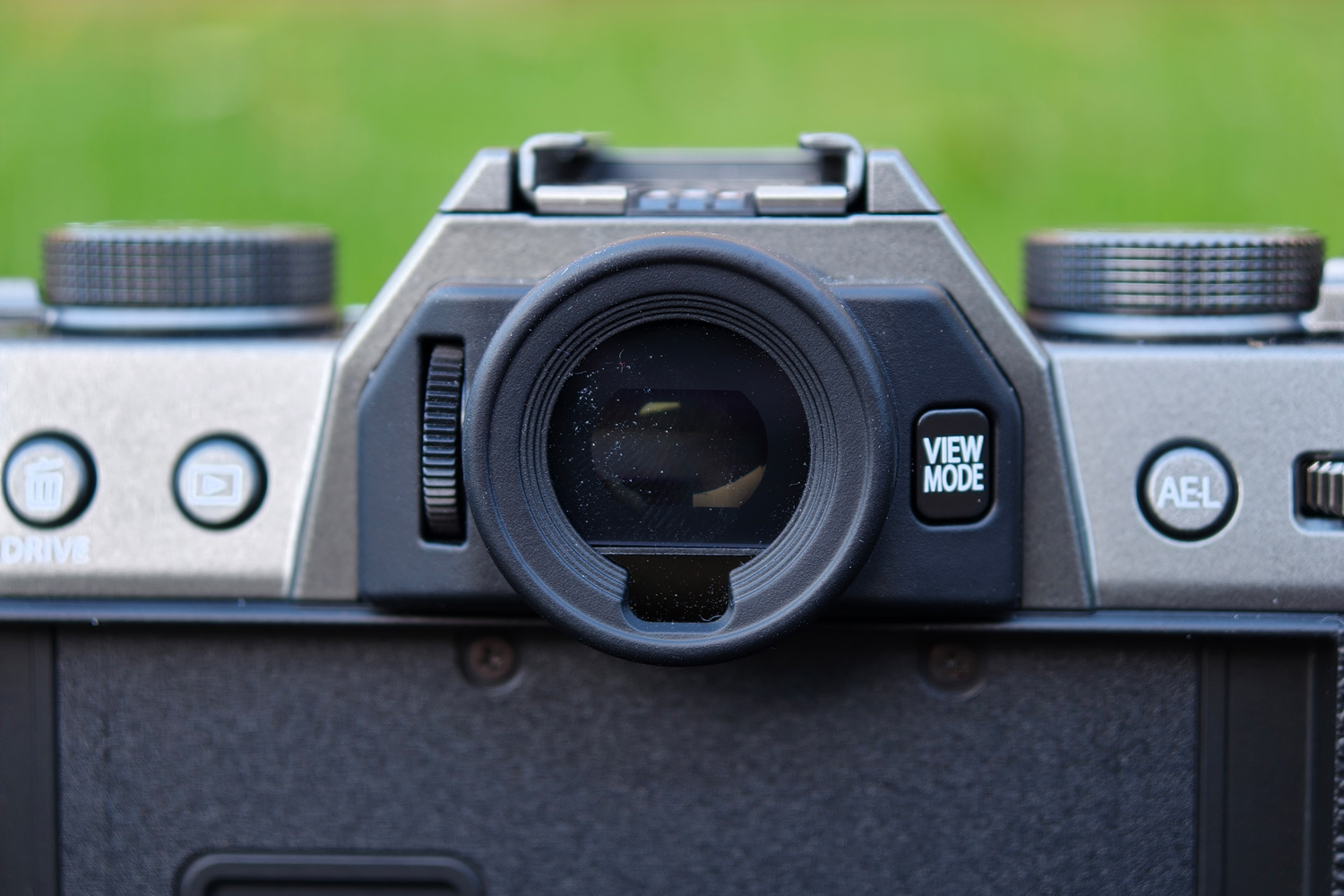
The 2.36m-dot resolution OLED viewfinder hasn’t changed all that much from the outgoing model. The 0.62x magnification isn’t huge, though not unusual for cameras in this price bracket, and I’m glad you get one at all – it’s missing from the rangefinder-style X-M5, and composition suffers a bit as a result. It just feels more natural to raise the X-T30 III to your eye.
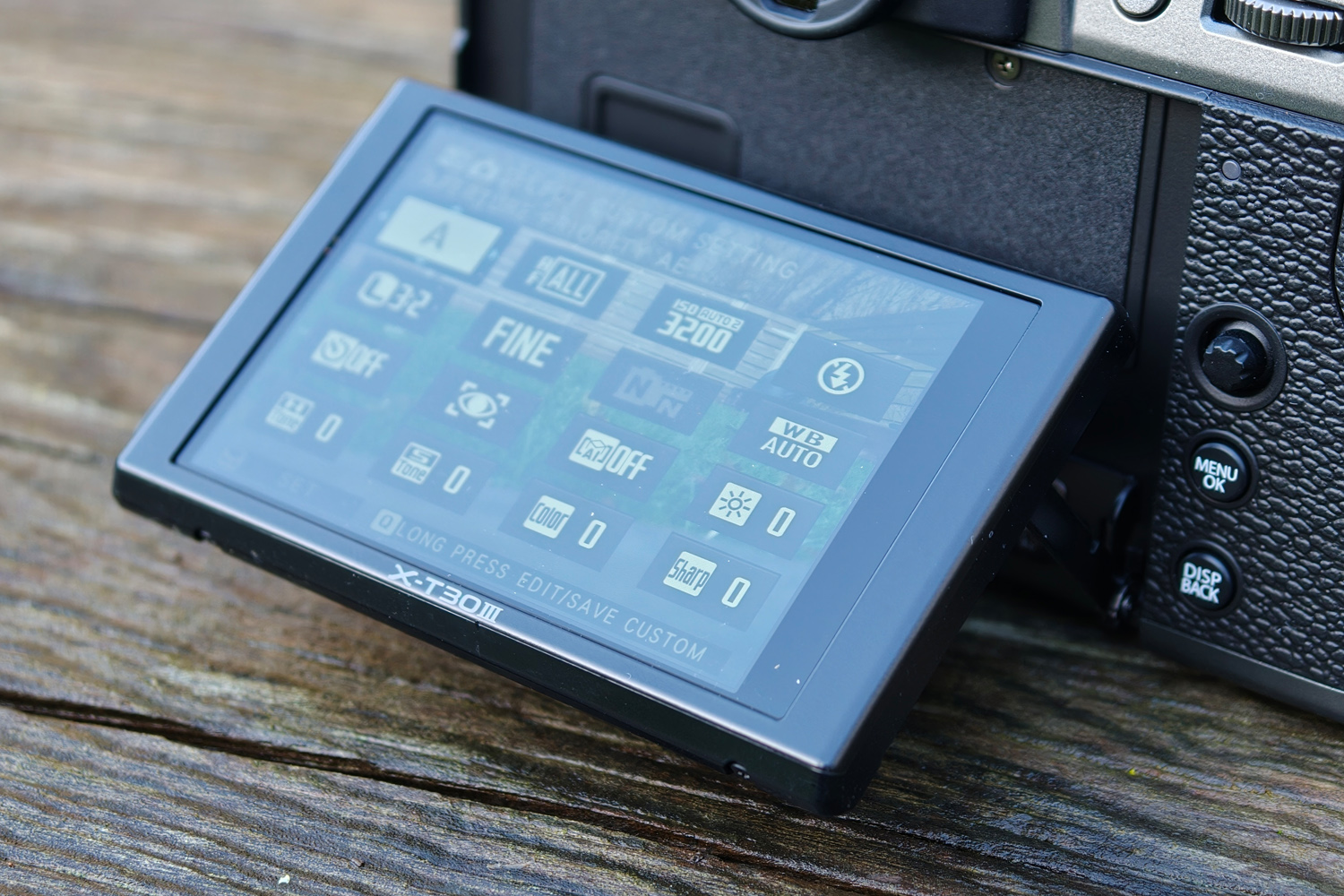
It’s great to see the 3in LCD touchscreen get a higher resolution than the X-T30 II’s one had, as it makes everything look that bit sharper and more defined when using it to line up shots in live view, or look back on your snaps later. It only has a two-way tilt, though, so can’t flip out to face forwards for vlogging.
That’s a bit of a downer given the X-T30 III is otherwise rather adept at video recording. It’ll shoot 6.2k30p open-gate using the entire 3:2 aspect sensor, which makes it easier to crop for different aspect ratios in editing. 4K/60 and Full HD/240 slow motion are also available. Digital image stabilisation forces a slight crop on your footage, but it can be used in conjunction with OIS lenses. There’s also a micro-HDMI output and 2.5mm microphone port (which doubles as a remote release) at the side.
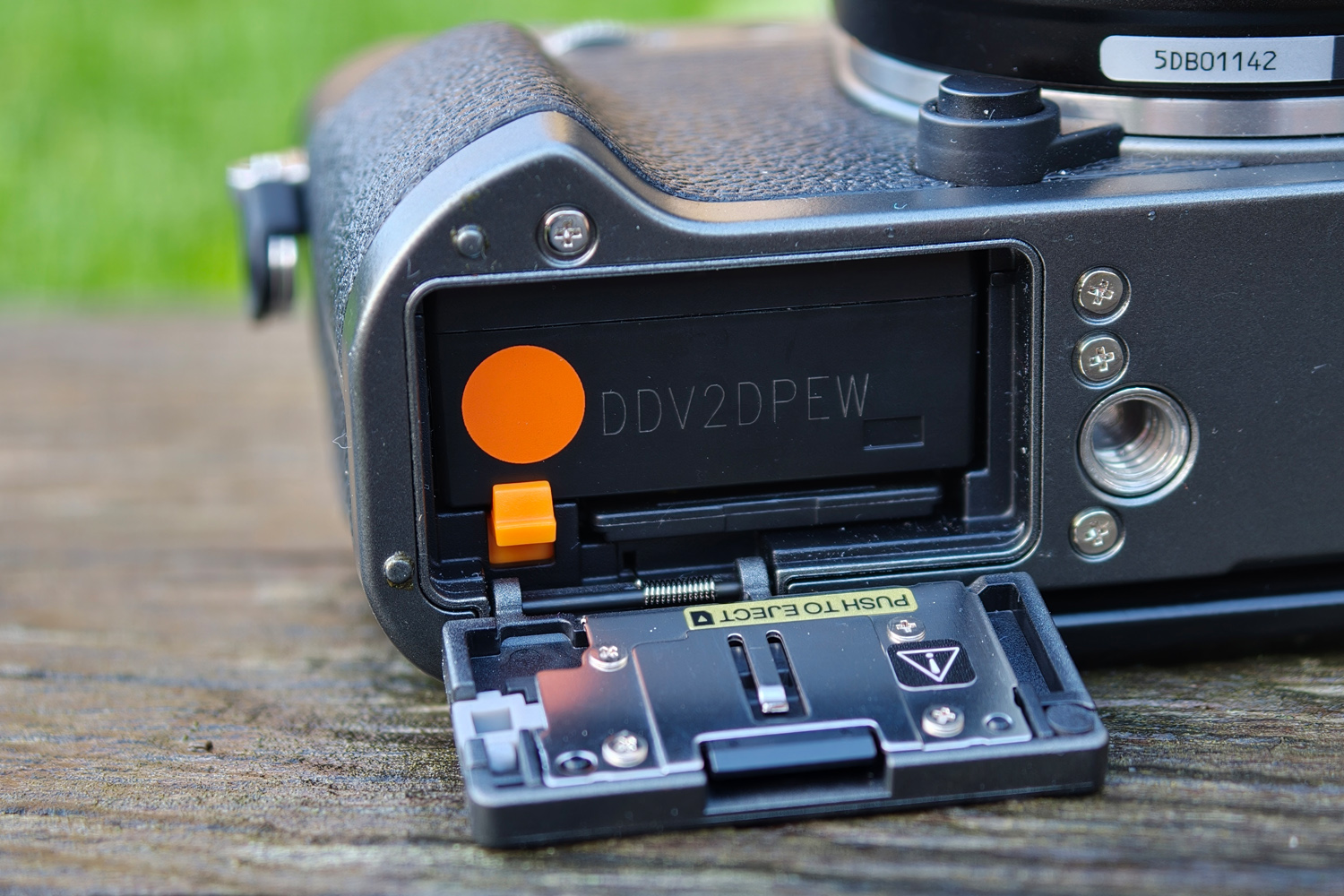
Ultimately, though, an X-S20 might be better choice for mixed media creatives. That camera also supports faster UHS-II SD cards, whereas here you’re limited to UHS-I speeds. The single card slot is found underneath the battery door at the bottom of the camera body.
The X-S30 III uses Fuji’s standard NP-W126S battery, and results are on par with other cameras that take the same cell. Depending on power mode, whether I used the touchscreen or EVF for composition, and how much video I was shooting between stills, I was getting close to 300 shots in normal mode, and 400 in economy.
There’s built-in Bluetooth and Wi-Fi, for automatic file transfers to a paired phone through Fuji’s excellent companion app. Direct printing to an Instax photo printer is also a neat inclusion. Fuji’s onscreen menus are as easy to navigate as ever, too.
Performance: locked on
Stepping up to the X Processor 5 image processor has given the X-T30 III a welcome speed boost. Burst performance now maxes out at a rapid 30fps with autofocus, although that does force a 1.25x crop and drops the resolution to 16.6MP. 20fps is your maximum for full resolution, or 8fps using the mechanical shutter. The frame buffer is twice that of the outgoing camera, so it’ll rattle off over 170 JPEGs before it’ll start to chug.
Autofocus has also gotten a lot smarter. The sensor has 425 autofocus points, which includes 100% coverage of the phase detection AF area, while Fuji’s subject detection now recognises human faces and eyes, animals, birds, insects, and vehicles. It’s fastest and most accurate when in continuous autofocus mode, locking onto subjects and tracking them convincingly across the frame. I still think Canon and Sony have the edge, but the gap is much closer than it was for the previous generation.
What you don’t get here is any sort of in-body stabilisation. I didn’t struggle during daylight hours spent mostly outdoors, though that was partly down to the fact the kit lens has its own OIS. But if you mostly shoot at night or like slow shutter speed photography, it makes sense to save a few more pennies for an alternative with IBIS.
Image quality: how simulating
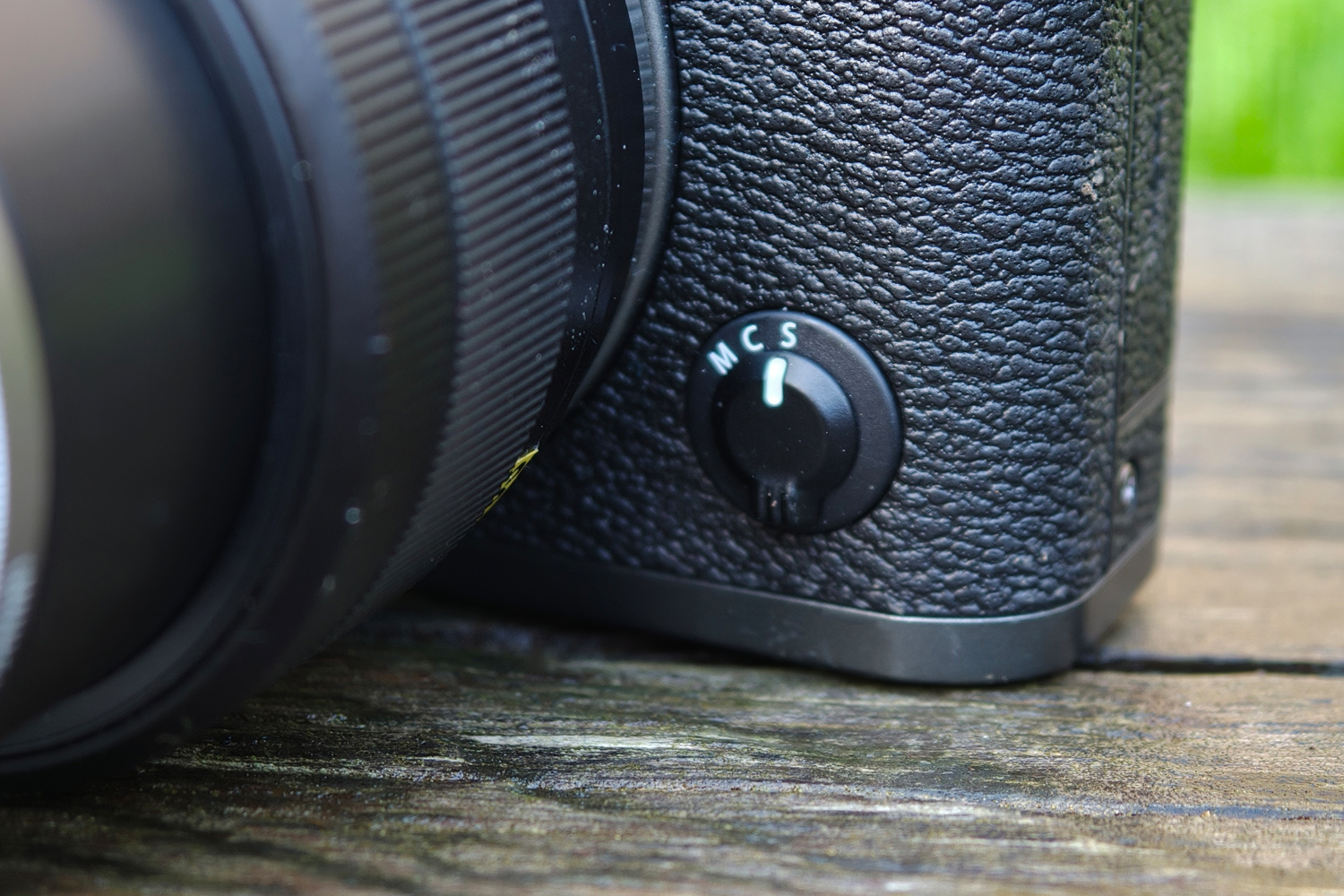
I’ve seen the 26.1MP CMOS X-Trans IV sensor and X Processor 5 combo appear in a bunch of recent Fujifilm cameras, so the X-T30 III’s image quality was practically a known commodity before I pressed its shutter button for the first time. As expected, this camera delivers engaging, vibrant stills with a great amount of resolved detail.
Results are excellent up to ISO 6400, with negligible noise in most lighting conditions. There’s slightly less dynamic range here than you get with some rivals, and the auto mode exposes more for shadows than highlights. That can lead to blown out skies, but the dedicated dials make it easy to take back manual control and even things out a bit.
Fuji’s RAW mode preserves a huge amount of image information for editing post-shoot, though I imagine quite a few X-T30 III owners will shoot in JPEG. The images below were taken straight out of the camera, and only resized from their native resolution.
I still tend to favour the Eterna, Reala Ace and Nostalgic Negative film simulations, but the contrast-heavy monochrome options can quickly add some drama to otherwise mundane scenes.





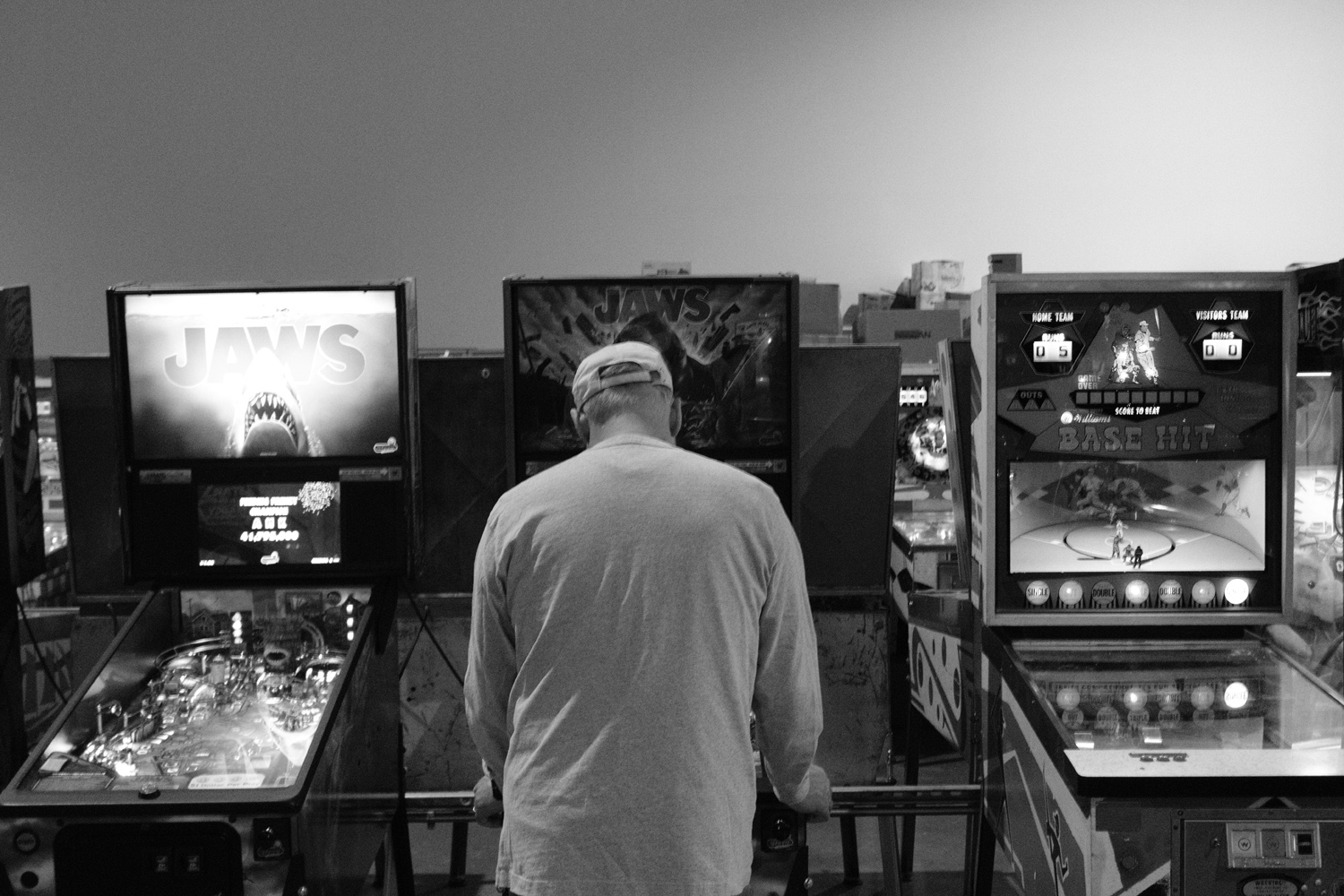
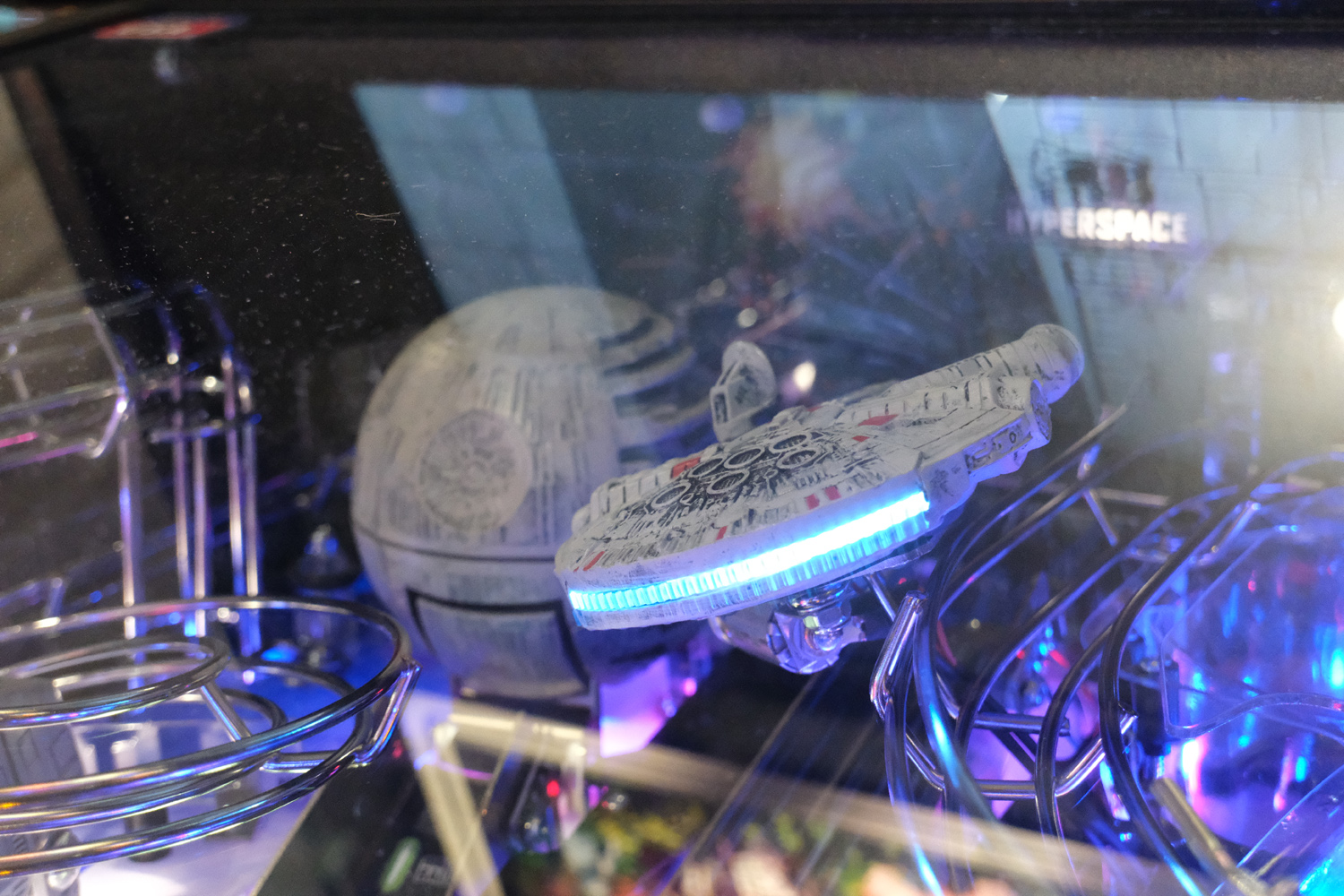



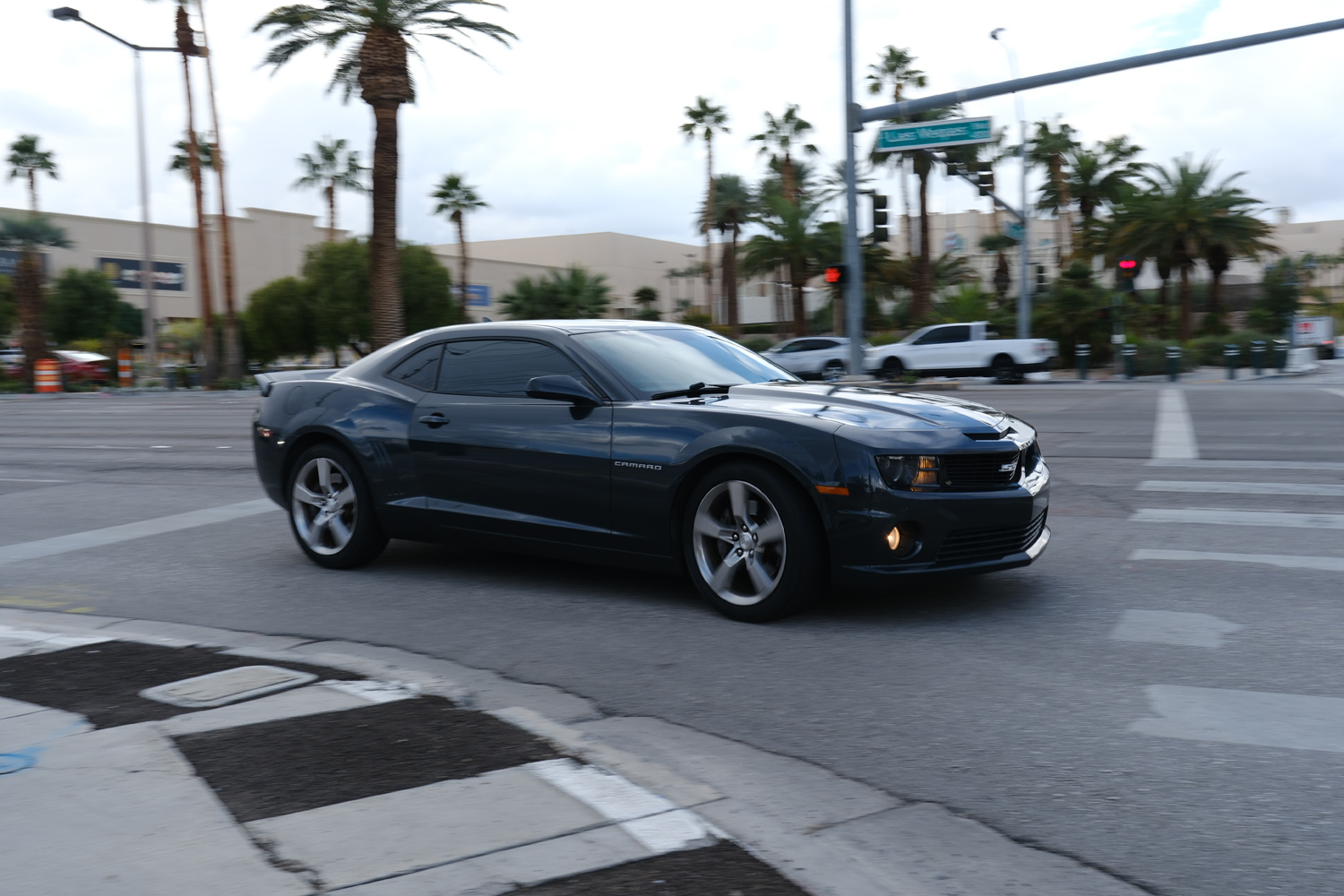




A week in Las Vegas proved to be a good test of the 13-33mm f/3.5-6.3 kit lens, which has a 35mm equivalent focal length of 20-50mm – or very close to what a typical smartphone snapper will be used to. Personally I’d like a tighter zoom at the telephoto end, as I favour street photography these days, but the wide angle takes in plenty of a given scene.
Zoom is manual, making it the first compact Fuji kit in a while that’s not a power zoom. There’s also no aperture ring, so I had to use a control dial on the camera itself; it can be fiddly swapping between aperture and ISO at first, but I eventually got used to the arrangement.
I got sharp results at the centre of the frame, which only softened out a little at the corners. It’s also a quiet lens that’s fast to focus. For its size and price, there’s little to grumble about here – it’s an ideal everyman that works brilliantly as a travel camera.
Fujifilm X-T30 III verdict
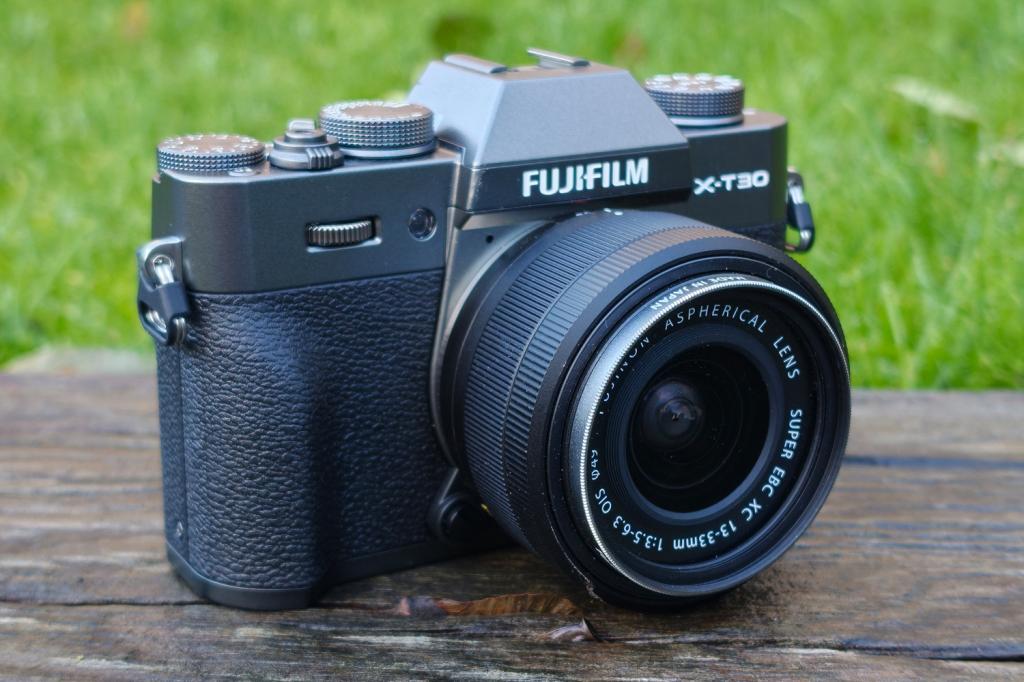
As a step up from your smartphone, the X-T30 III makes a lot of sense. The SLR-style body sits naturally in your hands and is wonderfully compact, making it ideal for travel (especially with the kit lens). Film simulations add some creative flair to Fuji’s tried-and-tested colour science, and autofocus is a genuine improvement over what came before. I’d definitely pick one over the rangefinder-style X-M5, which lacks an electronic viewfinder.
Upgrades over the previous generation aren’t exactly radical, though, and Creative types looking to mix video recording with stills shooting will find the X-S20 is a better buy, with its flip-out touchscreen and in-body image stabilisation. The higher resolution X-T50 isn’t a huge leap further in price, either.
Still, if you’re buying your first digital camera, like the retro look, and absolutely don’t want to stray above four figures, the X-T30 III is hard to beat.
Stuff Says…
Fujifilm has played it safe on specs, and you don’t have to spend silly money to step up a tier, but the compact X-T30 III is still an obvious entry-point for photography newbies.
Pros
Intuitive controls and film simulations get their own dial
Familiar, fantastic colour science
Retro styling is fab and the build belies its price
Cons
Only mild upgrades from previous generation
Not exactly a huge price gulf to Fuji’s more capable models
No in-body image stabilisation
Fujifilm X-T30 III technical specifications
| Sensor | 26MP APS-C |
| Lens | Fuji X-mount |
| ISO range | ISO100-51,200 |
| Continuous shooting | 8fps (mechanical) 30fps (electronic, cropped) |
| Video recording | 6.2K/30, 4K/60, 1080p/240 |
| Screen | 3in, 1.62m-dot vari-angle TFT |
| Viewfinder | 0.39in, 2.36m-dot OLED |
| Storage | UHS-I SD |
| Connectivity | Wi-Fi, Bluetooth, USB-C |
| Dimensions | 118x83x47mm, 378g (body only, with card and battery) |


 Tom Morgan-Freelander
Deputy Editor
Tom Morgan-Freelander
Deputy Editor