How Resident Evil defined and evolved horror in games over three decades
As Resident Evil Requiem hits PC and consoles, we look at what kept the iconic series coming back for more scares


2026 doesn’t just mark the release Requiem, of the latest entry in the storied Resident Evil franchise; it’s also thirty years since the PS1 original wrote (or rewrote, depending on who you’re asking) the rule book on survival horror. Biohazard began scaring the pants of Japanese console owners in March 1996, before going on to spook North American and European players under a new name later that same year.
As well as tapping into a more grown-up generation of gamers, the series rapidly went on to inspire a host of imitators and homages. Without Resi there’d be no Silent Hill, Dino Crisis or Fatal Frame. Developer Capcom has also never been afraid to reinvent the franchise in order to stay fresh. Not every change would prove successful, but ones that hit the mark last a lasting impression on gaming as a whole. Here are just six that defined and redefined the best-selling series.
Resident Evil (PS1, 1996)
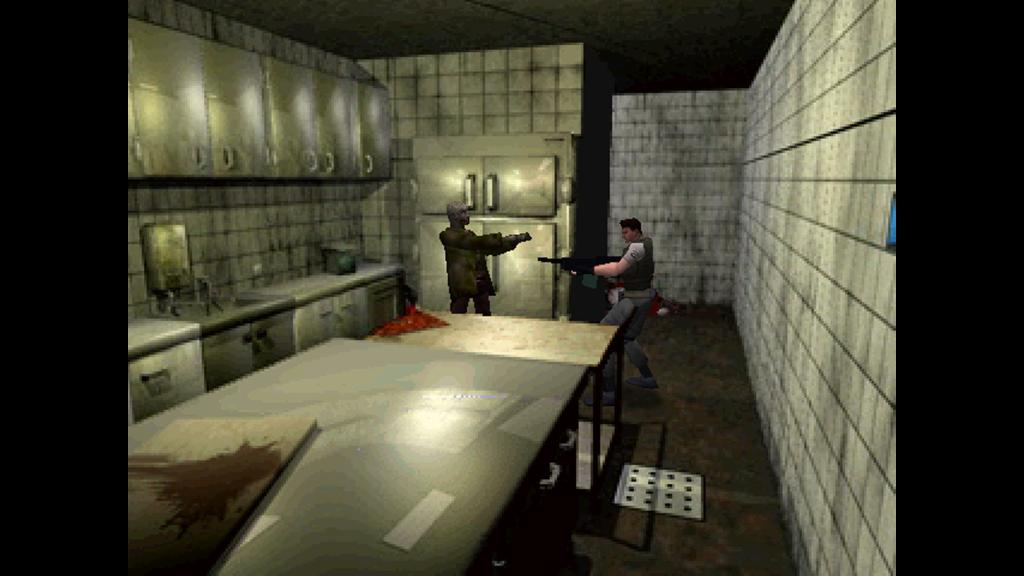
It all began in the Spencer mansion. The grand country estate that Raccoon City’s elite S.T.A.R.S Alpha Team found themselves holed up in after a search for the missing Bravo Team went horribly wrong was dripping in atmosphere, thanks to incredible (for the time) pre-rendered environments and fixed cameras that had you dreading what could be out of shot just around the corner.
All the hallmarks of the series can be found here, from peculiar puzzles and keys, to managing your limited inventory space – including precious ammo. Whether you picked Chris Redfield or ‘master of unlocking’ Jill Valentine determined exactly how much, and which routes through the mansion were available during your playthrough. The terrible voice acting and laughably low-budget live-action sequences that bookend the game also show that the series did always have a camp side.
Thanks to GOG, it’s still possible to revisit this classic on PC today in all its unadulterated and uncut glory.
Resident Evil (GameCube, 2002)
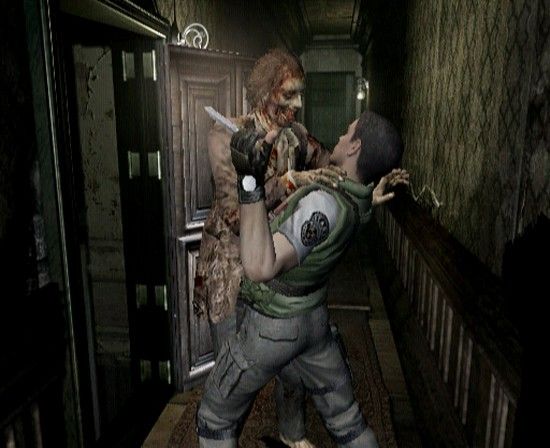
Video game remakes weren’t a new concept in the early 2000s, but this raised the bar to a completely new level. At the time, it felt like graphics couldn’t possibly get better – and firmly dispelled the notion that the GameCube was just for kids.
These days it might be considered a remaster, as while there’s a frightening graphical leap from the blocky characters of the 32-bit original, it still played pretty much the same. In truth however, Resident Evil‘s GameCube retelling also found creative ways to expand on the mansion and play against the expectations of those who played the PS1 original. The infamous ‘dog corridor’ certainly sticks in the mind. And the underwear. It also introduced crimson heads, zombies that would come back stronger unless you spent limited resources on burning their bodies after downing them the first time.
It’s still an example of how to re-release a classic for a new audience – so much so it even received an HD update itself for modern consoles, complete with alternative input options to the series’ trademark tank controls.
Resident Evil 4 (GameCube, 2005)
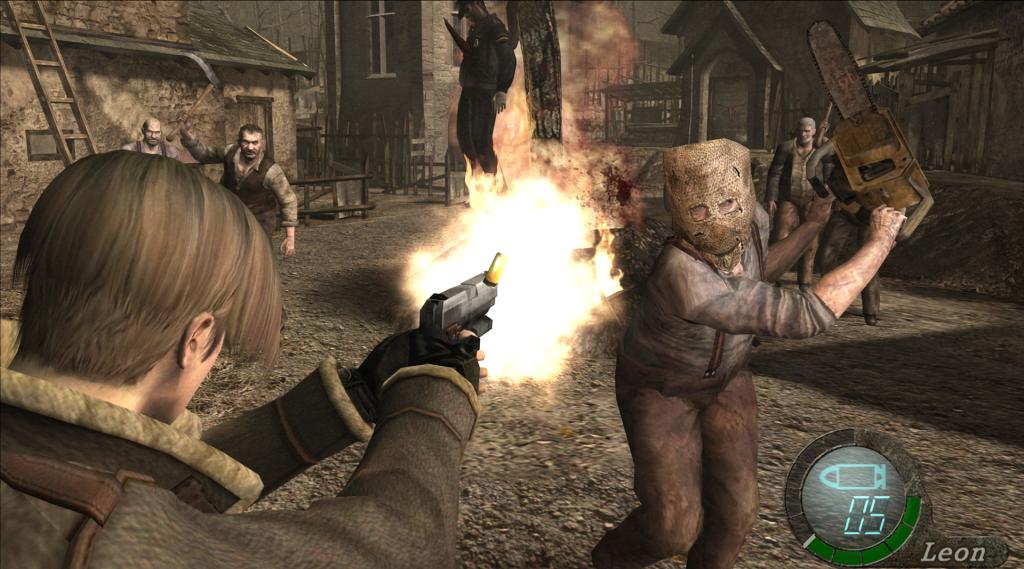
Whether or not you subscribe to the argument that survival horror was beginning to wane by the turn of the millennium, there’s no question Resident Evil 4 brought about its revival. As well as taking the series fully 3D it unshackled the fixed camera, placing it behind the shoulder of rookie cop-turned-government agent Leon S Kennedy. This perspective went on to influence third-person shooters everywhere, from Gears of War to Uncharted.
The control scheme feels a little dated today, given you couldn’t move while aiming to shoot, but that just dialled up the tension as you encountered mobs of enemies on your mission to save the President’s daughter. Pitchfork-wielding villagers, cultists with medieval weapons and parasitic monstrosities came thick and fast in a perfectly paced and varied campaign.
It was another GameCube exclusive that has since been released for every platform under the sun. Even though it got an excellent remake in 2023, the original is still the undisputed all-timer.
Resident Evil 7: Biohazard (PS4/Xbox One/PC, 2017)
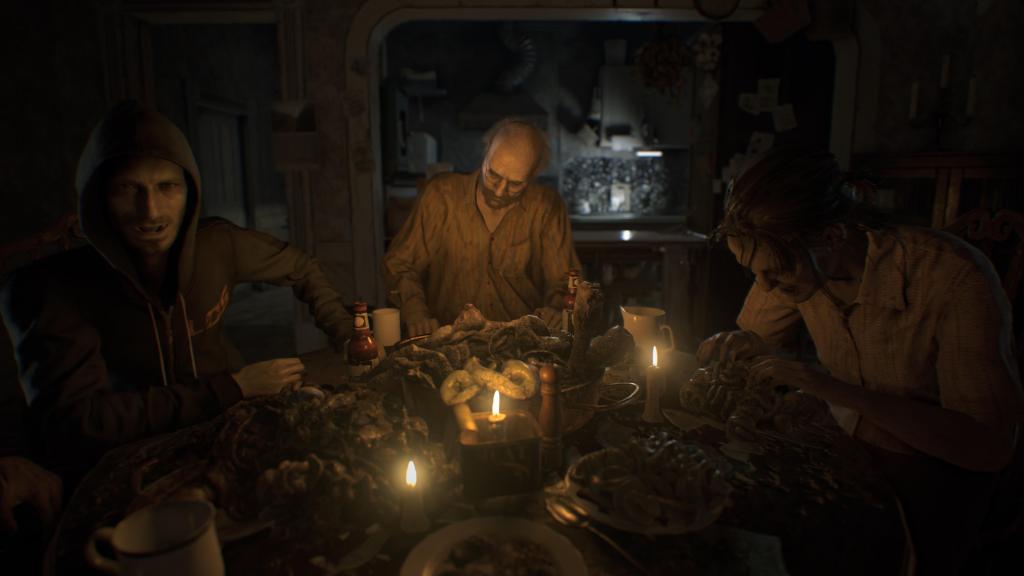
While Resident Evil 4 was revolutionary, it also gave the series an identity crisis: subsequent entries got ever more action-focused and preposterous. Inspired by popular first-person horror games like Amnesia: The Dark Descent and Five Nights at Freddy’s, Resident Evil 7 brought the series back to its horror roots with another major change of perspective.
Stealth and exploration were key to guiding new protagonist Ethan Winters through a nightmarish Louisiana plantation, while being terrorised by an infected family. You’ll need more than guns to escape clutches of terrifying patriarch Jack Baker.
The first-person perspective immerses you in a way the series never managed before, and even more so if you play in virtual reality. Capcom’s new RE Engine, which is capable of capturing photorealistic performances and textures, really drives the scares home.
Resident Evil 2 Remake (PS4/Xbox One/PC, 2019)
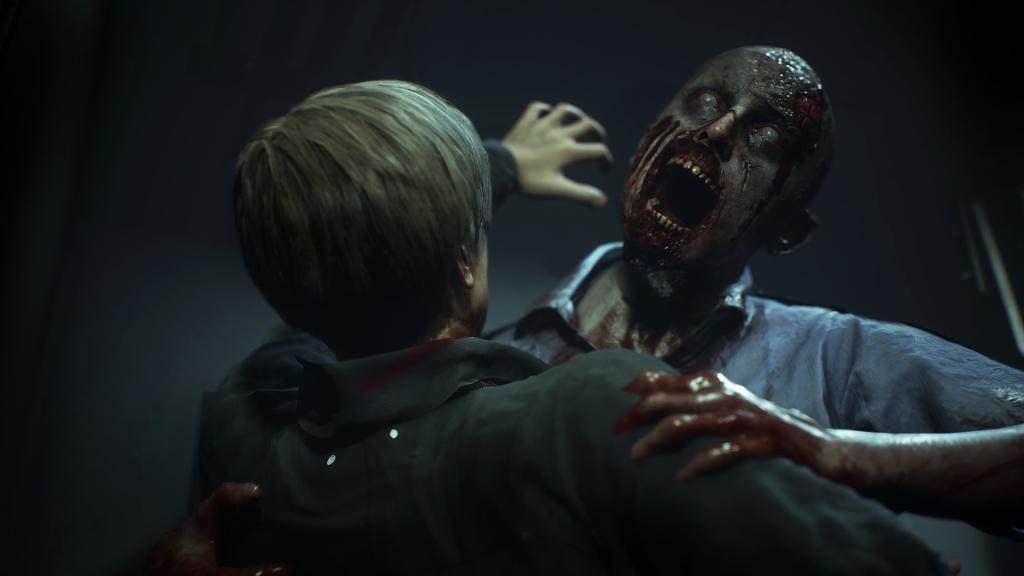
This ground-up reimagining of Resident Evil 2 wasn’t just the PlayStation original slapped with a new coat of paint. It took elements of Resi 4, like the third-person camera, but stuck closer to the series’ survival horror roots. The RE Engine’s more lifelike visuals also meant a revised and more cinematic script, with performances that aren’t laughable (unintentionally or otherwise).
The story is largely how you remember it: you play as rookie cop Leon or Chris Redfield’s sister Claire, trying to survive amidst Raccoon City’s zombie outbreak. Only now monsters like the lickers and Mr. X are even more terrifying.
It established the modern remake formula, with enough unlockable incentives to encourage repeat playthroughs without feeling at all bloated.
Resident Evil Requiem (PS5, Xbox Series X, Switch 2, PC, 2026)
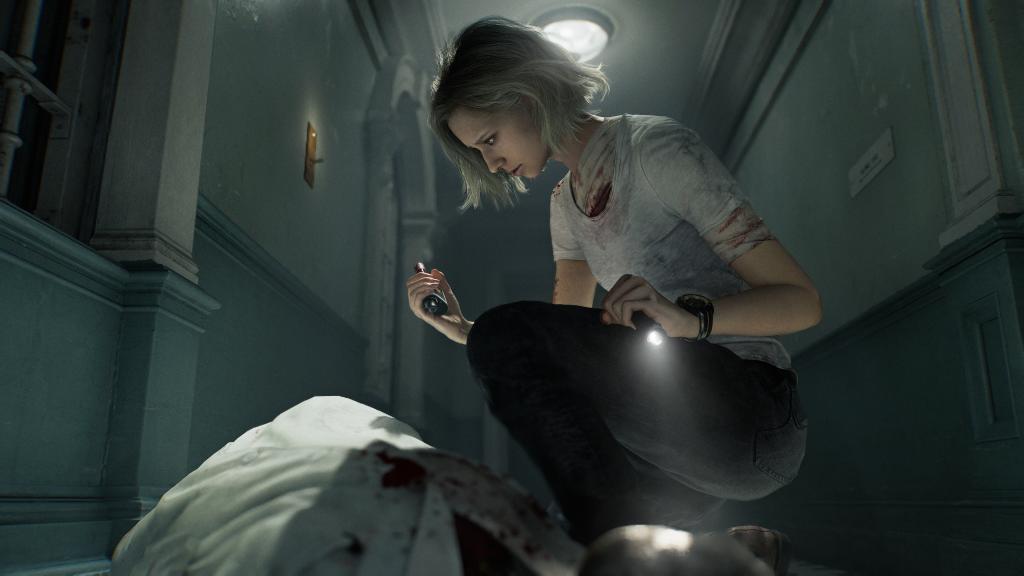
The newest and ninth mainline entry takes the series back to its heights by balancing both the present and the past. This is seen through its two playable protagonists: newcomer and FBI agent Grace Ashcroft, who retains the survival horror aspects introduced in the previous two games; and rugged veteran Leon, whose route is a return to the action-packed Resi 4 era.
This time you can change between first-person and third-person cameras, even if it’s recommended that you play Grace’s story with the former and Leon’s with the latter. Either way, the cutscenes stick to a cinematic third-person, as the devs clearly want you to see the horror and sweat on Grace’s face. Despite having no combat experience and seeming initially as timid as a mouse, she goes through an engaging arc where she grows more capable and a little less prone to cowering in the dark. You even learn to gather infected blood to craft into useful items, including injections that can instantly take out an enemy.
The story switches between Grace and Leon regularly, though the latter’s punchier pace initially makes for shorter screentime, especially since he’s got the firepower to blow a hole through most of the former’s obstacles. His combat options have also diversified to include a hatchet that’s great for melee attacks, finishers, and even parrying. Ultimately, each perspective serves to complement the other rather than having you impatient to play as someone else.
There are spookily designed environments that touch on series hallmarks, like a labyrinthian building requiring all manner of keys to access, and set pieces that range from the unnerving to gruesome but also downright audacious. Nothing, however, quite sends chills than getting to return to the ruins of Raccoon City. It’s arguably more powerful than some of the wild lore implications that crop up, as is everyone’s obsession with someone or something called Elpis.
Either way, in taking the best of the new first-person entries and the third-person remakes, Requiem is one hell of a ride that’s a fitting anniversary present.
Spin-offs: hits and misses

A series doesn’t make it to 30 without a spin-off or two, usually of variable quality. Resident Evil’s off-season began with PS1 lightgun shooter Survivor which, while a dodgy cash-in, nonetheless spawned more follow-ups, culminating in the passable Umbrella and Darkside Chronicles on Nintendo Wii.
The shuffle to online multiplayer had a better start with Resident Evil Outbreak on the PS2, although the online feature was entirely absent from its European release. Things went south with the likes of squad-based tactical shooter Umbrella Corps, before reaching its nadir with the free-to-play Resident Evil Re:Verse.
Unsurprisingly the better spin-offs stayed closer to the mainline survival horror formula. Resident Evil Code: Veronica first introduced real 3D environments and brought the two Redfield Siblings together for the first and only time. It’s also rumoured to be next in line for the remake treatment. Resident Evil Revelations, meanwhile felt like a return to form after the dismal misdirection of Resi 6, even if the episodic co-op-based sequel was a more mixed bag. A third entry sadly never materialised.


 Alan Wen