Chromebook at 15: a decade and a half of Google’s (mostly) cheap and cheerful laptops
In 2011, Chromebooks upended the laptop market forever, and while they weren’t always cheerful, they certainly were cheap

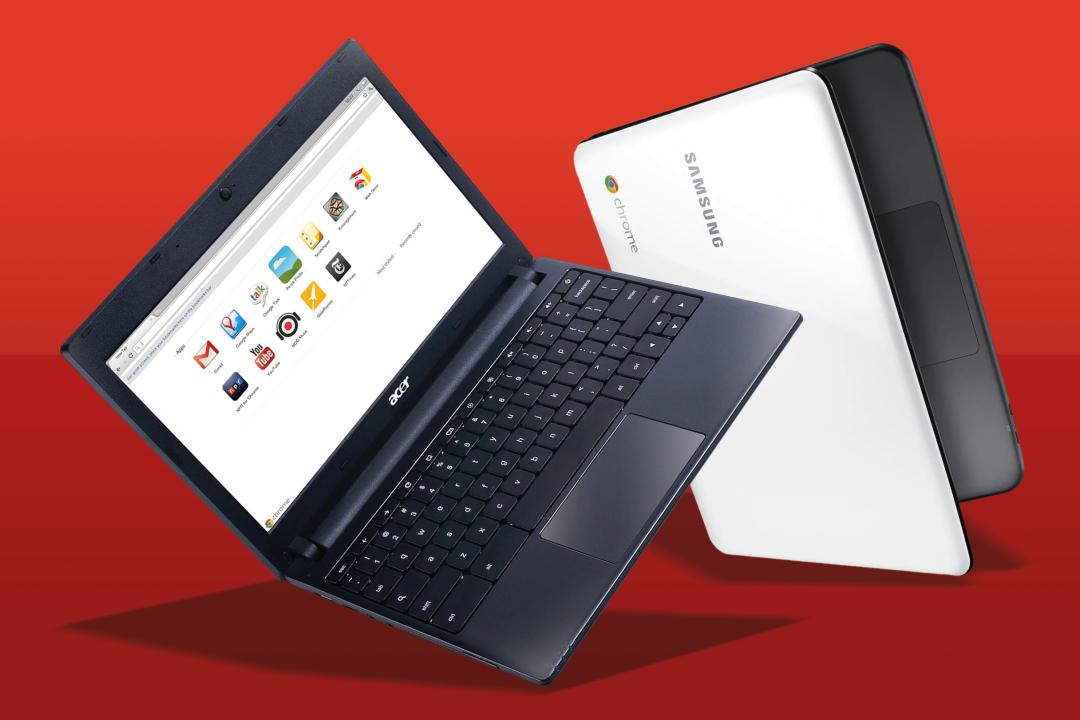
2011. Android soared. Anything else that wasn’t an iPhone was crushed. Siri arrived on the iPhone 4s, and Steve Jobs sadly departed this world. Tablets started to take hold, but people loved laptops. The snag? They were too expensive. Fortunately, much, much cheaper ones arrived, like the ones above.
How thrilling – some cheap laptops. Wait, why is that keyboard all weird?
Because instead of caps lock, they each have a dedicated search key, so you never accidentally START SHOUTING AT EVERYONE IN THE MIDDLE OF A SENTENCE. And that is because these aren’t Windows or Mac laptops – they’re the very first Chromebooks.
Although Steve Jobs first envisioned the iMac as a computer focused solely on the web (the ‘i’ stood for ‘internet’), it was Google that actually went there. Already dominating the online world through its search engine, web apps and Chrome browser, the company turned the last of those into an OS then stuffed it into laptops aimed at people who “live in the browser”.
I spend all day online, so that actually sounds kind of great to me.
In a way, it was. The first Chromebooks, Acer’s AC700 and Samsung’s Series 5, were cheap, woke up instantly and had fancy browsing keys; because ChromeOS ran web apps, there was no update treadmill; and since your data was online, you could quickly switch machines.
The flip side was everything else. The displays were merely OK. The speakers were worse. Early units had a paucity of ports that would make most MacBooks blush. And, of course, you couldn’t do much without being online.
That no longer sounds kind of great. So why weren’t Chromebooks dragged into the trash?
Well, they didn’t actually have a trash can… but success in education showed Google it was onto something, so ChromeOS added desktop features and touch support. The hardware kept pace with hybrid units and gaming specialists. Although these days, all but the cheapest units will surely be fretting about the MacBook Neo.
That said, perhaps the biggest shift will be the looming ChromeOS/Android merger, Aluminium OS, which threatens to wipe out the ChromeOS name forever. But surely that new name can’t stick. No one’s lining up for an ‘Aluminiumbook’. Besides, Americans would gripe that Google had spelt that wrong.
- Now read: Acer’s Chromebook Plus Spin 514 might be the best Chrome OS 2-in-1 yet (yeah, these things are much better now)


 Craig Grannell
Contributor
Craig Grannell
Contributor