Apple’s new child safety features are what I’ve been waiting for – but here’s what you should be worried about
Child safety in the digital age is full of nuance. Apple’s Screen Time will now get some, but that won’t work for parents who don’t have any themselves

When I was a kid, my parents were concerned that I spent too much time playing on my Commodore 64. They needn’t have worried. I spent many hours in tiny 8-bit universes, but none were designed to break my brain. About the most shocking title I recall was Barbarian. Its ‘flying head chop’ got the game banned in Germany. Frankly, it was less violent than much of what you’d see in comics back then. And it looks positively quaint today as a little goblin drags the headless corpse away while booting the head off screen. What’s not quaint: the technology today’s kids are growing up with is designed to break brains.
I know how this sounds. I’ve become my dad. New technology is scary. WON’T SOMEONE THINK OF THE CHILDREN? Etc. Only no, because while 1980s gaming certainly had addictive qualities, it’s now commonplace for even quite young kids to carry around tiny machines capable of dishing out regular dopamine hits and endless horrors. Yes, I’m talking about smartphones. However, smartphones can also be pretty bloody amazing, even for kids. What matters most is mindful use. And so it’s nice that Apple has been thinking of the children, as evidenced by its upcoming child safety features.
Child’s play
“Apple is providing simple and intuitive tools, based on guidance from online safety and health experts, to help parents create safer, more enriching digital experiences for their kids,” warbles the press release. So what does that actually amount to?
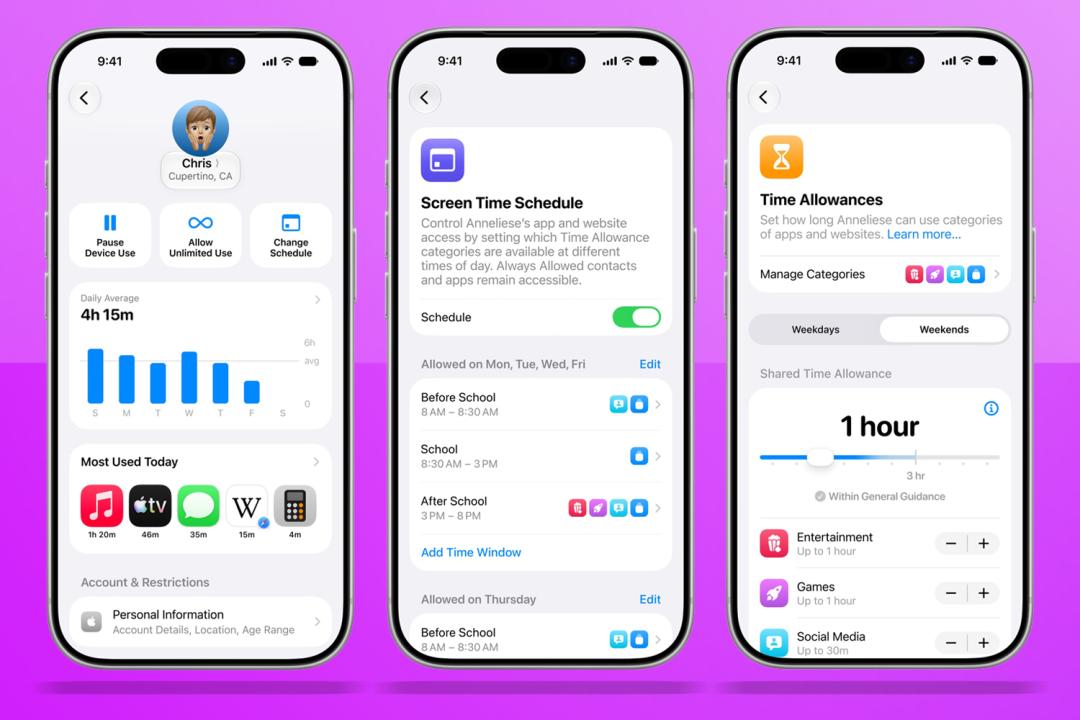
Online, I’ve already seen some commentators melting down, arguing that Apple is creating a horrific cage for kids that will eradicate freedoms. But here’s the thing: the Screen Time system already existed. What Apple announced isn’t so much new features as the refinement of existing ones. And as the parent of a youngling – and someone who’s had an ongoing battle with Screen Time – I’m glad to see many of the changes.
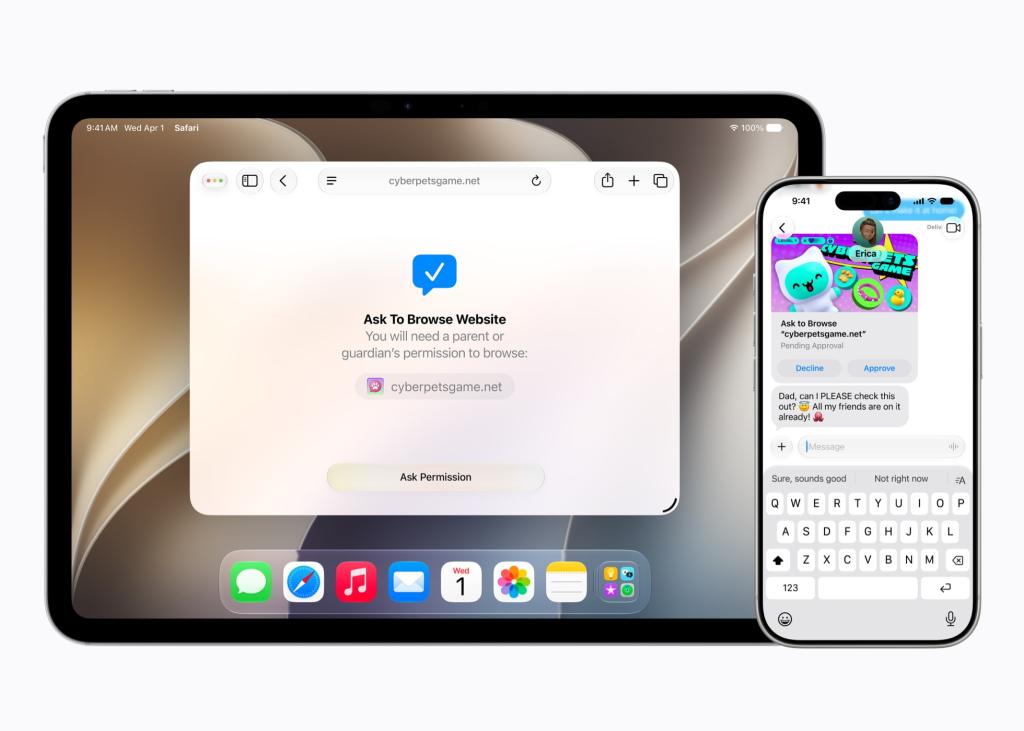
You could already limit new devices with child accounts by using Screen Time. But non-nerds find doing so difficult. Apple will now streamline the process, making recommendations based on expert guidance. Joining an approval system for app purchases will be equivalents for new contacts and – usefully – websites. With my daughter now more often needing to study online, this dynamic, nuanced and granular approach to unlocking what she needs sounds great. As does Apple finally realising that not every day is identical. It figured that out for exercise some time ago. Soon, Apple will beef up Screen Time scheduling so that parents can set specific limitations for the likes of school time and weekends.
Scream time
But I do have concerns. Screen Time’s ‘Communication Safety’ already attempts to stop nudes reaching kids in Messages and FaceTime. This will now extend to violence and gore. Yet if Apple really is committed to children’s safety, it’s hypocritical that it allows a certain social network that’s been a cesspit of CSAM to remain on the App Store.
Then there are edge cases. It’s currently Pride Month and I’ve seen justified concerns that increased digital surveillance and restrictions on devices could make life harder for LGBTQ+ children. If they must ask for website access, will parents grant it? Having written last year about how Family Sharing can be used for coercive control, I worry Apple has a blind spot when it comes to systems that can be exploited by controlling parties.
Still, we exist in a world where regulators are demonising screens. They crack down with the subtlety of a mallet. They demand school smartphone bans. And social media bans for the under-18s now look inevitable. Unless you live in a utopia where nobody sets limits, someone has to.
There will always be edge cases. Apple must get better at understanding them. But giving parents more flexibility strikes me as preferable to the current Screen Time system and blanket government-level bans – or demanding adults constantly prove their age online to do anything.
In short, then, more control over Apple’s child safety features is welcome – but only when parents aren’t trying to control their kids and Apple takes a more holistic approach to keeping children safe.
Apple’s new child safety features will arrive this September in iOS 27, iPadOS 27 and macOS 27.


 Craig Grannell
Contributor
Craig Grannell
Contributor