The best emerging microbrand watchmakers to keep an eye on in 2026 and beyond
From cases riffing off 50s design to topographical maps as dials, these are the independent brands putting the mighty into micro

Once upon a time, ‘microbrand’ as a term was synonymous with Kickstarter-launched homage watches, countless blatant rips on Rolex Submariners and Omega Seamasters. Now though, it’s arguably the most exciting facet of the watch world – at least for those of us without mortgage-worthy watch budgets.
This network of small, agile watch labels has always offered impressive value, but now that accessibility is being paired with unique shapes, novel complications and the kind of creativity that gets a watch writer’s heart racing.
So, if you’re after something away from the mainstream, something representing a genuinely different approach to watchmaking or something that offers more bang-for-your-buck than a stag strapped with dynamite, these five microbrands have you covered.
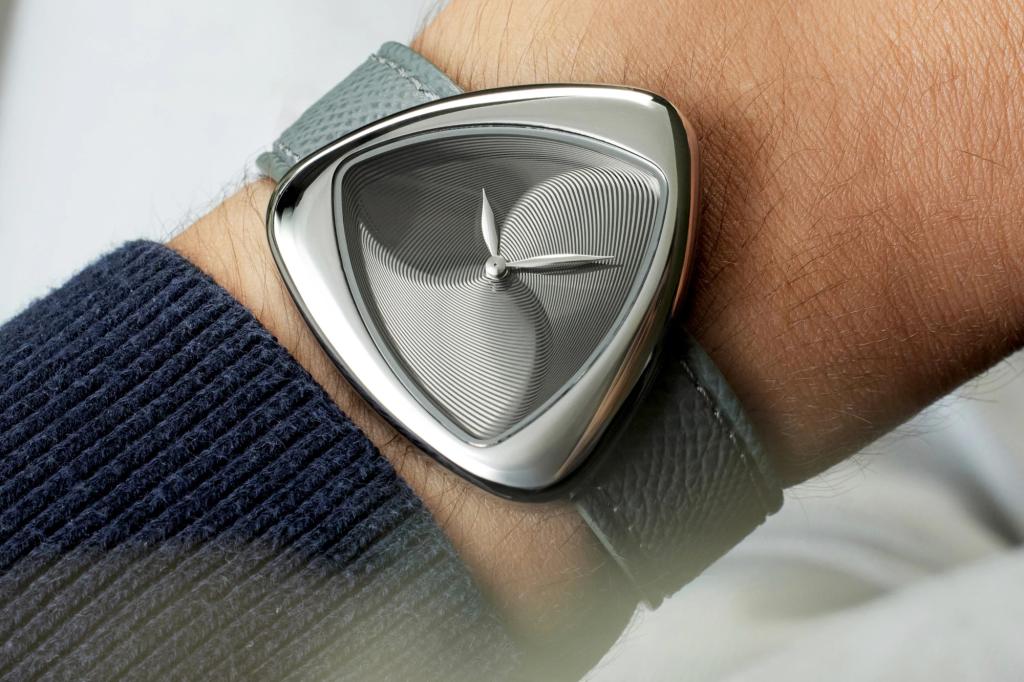
1. Anoma
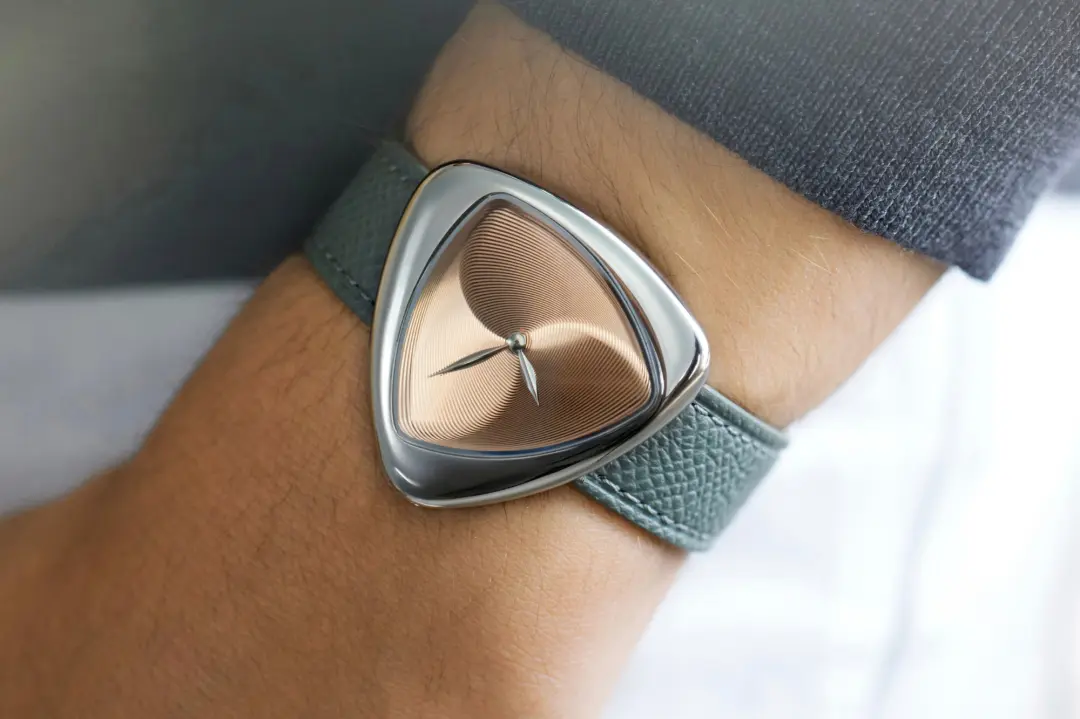
As of writing, 50s-obsessed, design-led British brand Anoma only has one watch, the A1 Optical – but what a watch it is. With its triangular pebble of a case inspired by a Charlotte Perriand table and an optical illusion dial in copper or monochrome silver, it’s curvy in all the right ways, and a welcome evolution of founder Matteo Vianello’s debut design.
What sets Anoma apart however is the brand’s restraint. Matteo could have released the A1 in myriad different colours, case finishes, dial variations – but he didn’t. Instead, his approach is that of a design perfectionist, with infrequent releases that are invariably worth the wait. And if you were fortunate enough to get a look at what Matteo was wearing at this year’s British Watchmaker’s Day, you’ll know there’s something even more expressive than the A1 in the pipeline. Watch this space.
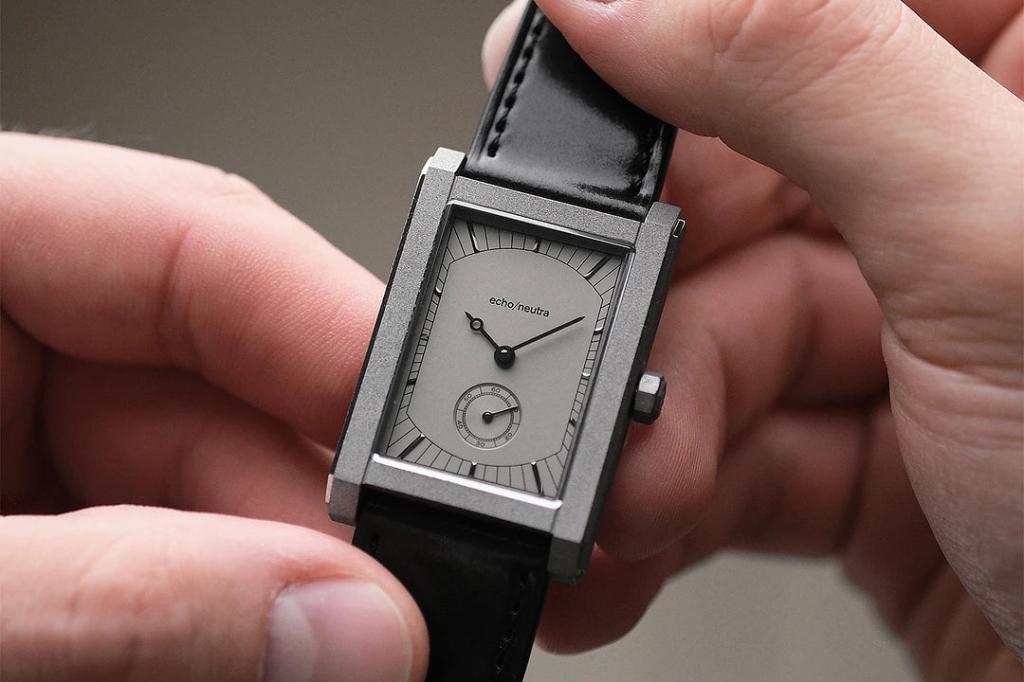
2. Echo / Neutra
If streamlined monochrome and vintage touches are more your thing, look no further than echo / neutra. The effortlessly cool Italian brand has a relatively substantial catalogue, ranging from 39mm moon phase Averau models to the Rivanera, essentially a Cartier Tank if it were an industrial design graduation project at the Politecnico di Milano.
Perhaps their coolest collection however is one with a lot more of a vintage feel to it. Indeed, the 1956 collection plays with the colour palette of the 50s and 60s in a way aimed squarely at serious collectors with plenty of rose-tinted black and khaki. Their GMT version takes it even further and nails the semi-faded look of old bi-colour bakelite bezels (think the original Rolex GMT-Master) almost frustratingly well – all the more frustrating when they’re also impulse buy affordable, starting at US$1025 / £770 for a three-hand automatic up to US$2060 / £1550 for a chronograph.
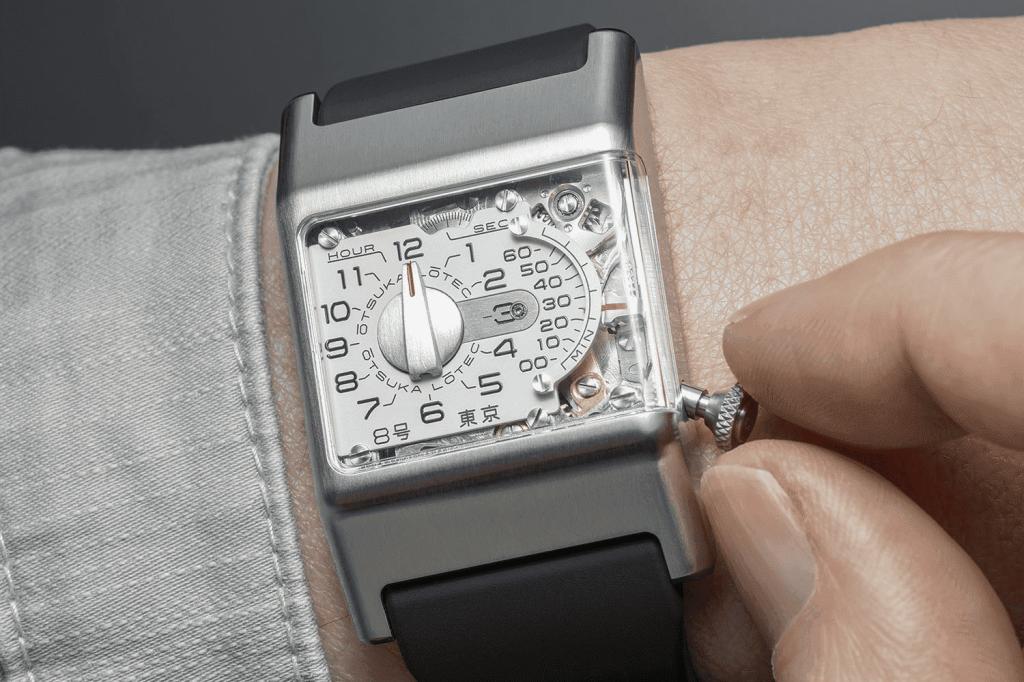
3. Otsuka Lotec
Seiko, Grand and otherwise, always seems like the last word in Japanese watchmaking, and yet the country has produced some of the most in-demand microbrands money can (or more often, can’t) buy. On the more traditional side there’s Kurono Tokyo from independent maestro Hajime Asaoka; but on the more avant garde side there’s Otsuka Lotec.
If Otsuka Lotec watches look like retro-futuristic dashboard instruments, that’s because founder Jiro Katayama previously designed for the auto industry. Just look at their recent No. 8, which combines a jump hour function with a retrograde minutes set in a monochrome machined block of brushed stainless steel. These are watches for collectors that spend as much time working on their cars as admiring their watches. The No.8 will set you back around US$6200 / £4700 – but given the limited quantities even inside of Japan, it’s not the price that makes it hard to get hold of.
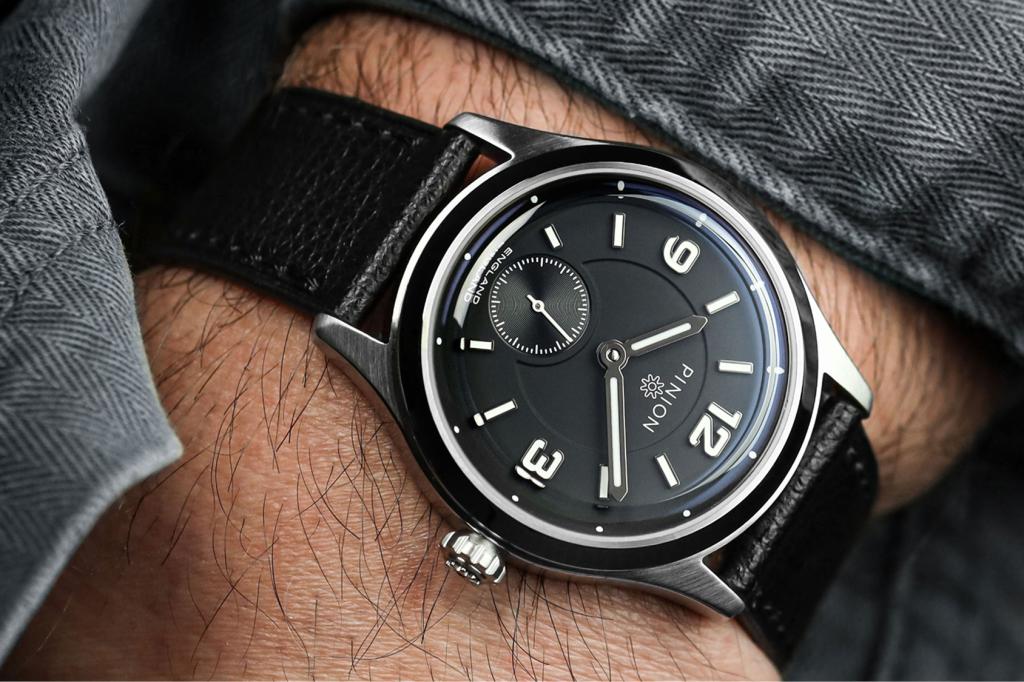
4. Pinion
If you’re looking for something a little more classical – which compared to everything so far isn’t hard – British brand Pinion is one to check out. One of the older microbrands around, they’ve been killing it the past few years with their guilloche-flexing Neutron collection and their handsome dual timezone cousins. They’re bold, colourful and unequivocally British.
Their most recent collection however might be their best yet. A revamp of Pinion’s first collection way back in 2014, the Pure is a serious value proposition. Applied indexes, layered dials, small seconds, all built and regulated by Pinion founder Piers Berry (busy man), it’s modern watchmaking done with confidence rather than showiness. At US$1700 / £1350 in steel or bronze, it looks and feels like a watch many times more expensive than its price tag.
5. Kollokium
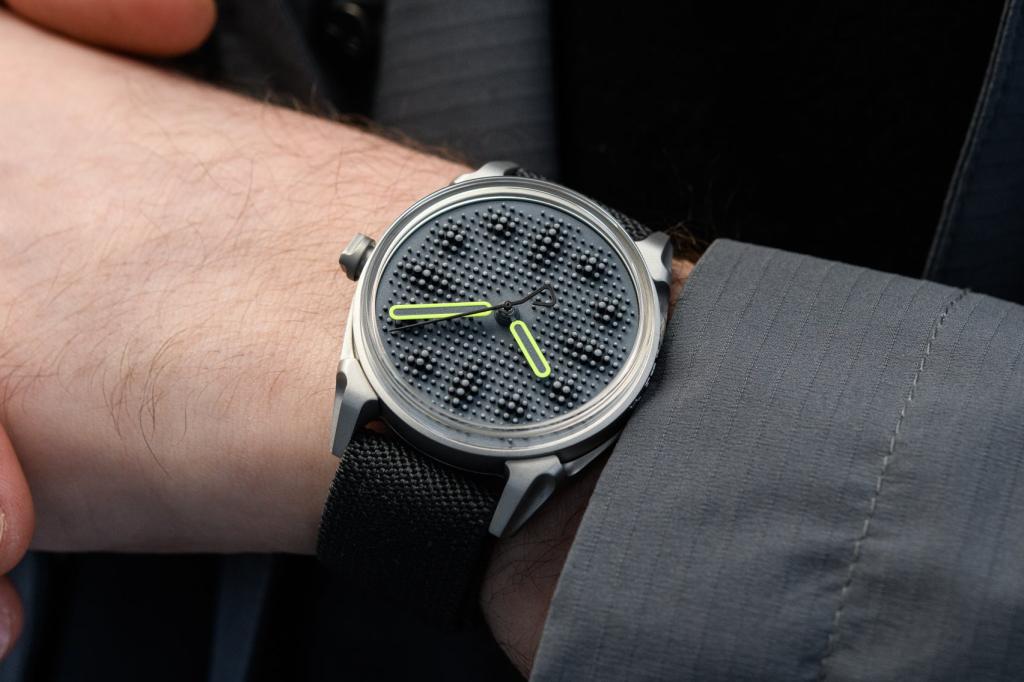
Despite having just two different watches and production numbers smaller than anyone else on this list, Kollokium have earned their place many times over with some of the most inventive ‘dials’ around – although even calling them dials feels off. The Project 01 eschews a traditional plate in favour of 468 cylinders of different sizes, arranged like a 3D sound visualiser. It’s an effect that comes alive in the dark, with each cylinder tipped in lume.
Their second watch, inventively dubbed the Project 02, takes things even further with a topographical map of a dial using 67 different dial plates. This is combined with a vertical gradient colouring to enhance those heights and depths. There’s just nothing else like it, though with numbers this scarce you won’t be seeing many of them in the wild.
Liked this? What is Watches and Wonders and when is it happening? 2026’s biggest watch event explained


 Sam Kessler