Even with iPhone designer Sir Jony Ive behind it, I’m not convinced a ChatGPT smart speaker is the AI breakthrough we’re waiting for
OpenAI’s rumoured smart speaker sounds ambitious, but standalone AI devices haven’t exactly proved their worth

If you’ve owned an iMac, iPod, iPhone, MacBook Air, or Apple Watch, you’ve already experienced the design handiwork of Sir Jony Ive.
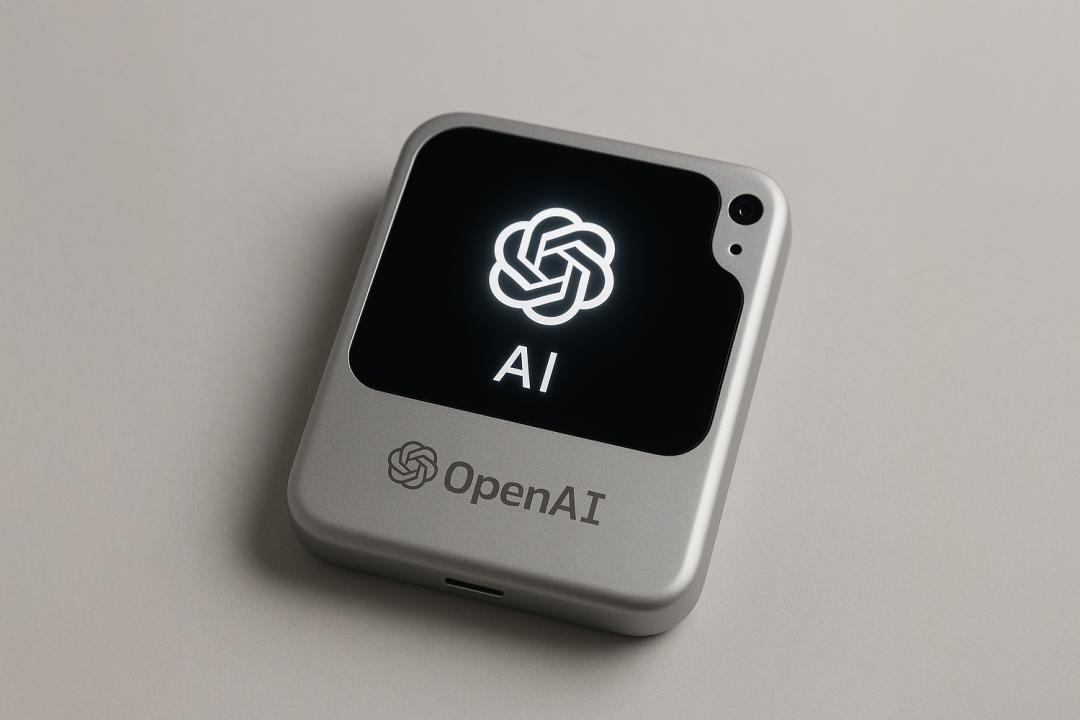
Now the former Apple design chief is working on a smart speaker and other hardware for OpenAI – the company behind ChatGPT.
On paper, it sounds like a formidable pairing – the designer behind Apple’s most iconic products teaming up with the company that dominates consumer AI. Together, they’re said to be building a camera-equipped, screenless ChatGPT smart speaker capable of observing its surroundings and even making purchases. But standalone AI hardware hasn’t exactly had a smooth run in recent years.
AI hardware promises the future – and keeps stumbling

If reports about OpenAI’s device being pocket-sized and screenless are accurate, it would fall into a category that has already seen some high-profile struggles. Remember the Humane AI Pin and Rabbit R1? Both launched with big promises of rethinking how we interact with AI beyond the smartphone, and both failed to deliver – to the tune of scathing reviews.
The Humane AI Pin, a wearable device designed to operate without a traditional screen, faced criticism over battery life, overheating, and overall usability, and its core services were later discontinued. The Rabbit R1, meanwhile, was pitched as a standalone AI assistant device, but reviewers questioned whether it offered meaningful advantages over existing smartphone apps, with performance and practicality concerns dominating early coverage.
The general consensus? This could have just been an app.

Following the mediocre, often damning reception, Humane shut down its AI Pin operations and sold much of its business to HP for $116 million. While the Rabbit R1 is still chugging along, it’s been heavily discounted, and more or less now seen as a quirky product for tech enthusiasts to play around with, before they bury it at the back of their Forgotten Tech Graveyard Drawer.
Neither example guarantees the same fate for OpenAI’s hardware, but they do underline how difficult it has been to create compelling standalone AI devices that justify existing alongside – rather than inside – the smartphone.
As with most tech, it’s all well and good pitching consumers the absolute best-cased polished examples. But the real world is a universe away from polished keynotes and sizzle reels.
When I’m lying on my son’s floor at 9pm because he’s refusing to sleep and I’ve yet to even start making dinner, I don’t think a disembodied smart speaker voice telling me I need to go to bed early ahead of a stressful workday is exactly the kind of thing I’d appreciate in that moment.
But if an AI-powered robot chef whips up some Korean fried chicken and dumplings while I’m in Bedroom Floor Purgatory? That’s a different matter entirely.


 Esat Dedezade
Contributor
Esat Dedezade
Contributor