Poco F8 Ultra review: this affordable allrounder has unnatural audio talents
A collab with Bose pushes the Poco F8 Ultra to new sonic heights

Stuff Verdict
This pretty impressive sub-flagship phone may not be the best choice for photography in its price range, but the Poco F8 Ultra is very accomplished everywhere else.
Pros
- Rapid performance and great – if not class-leading – battery life
- High quality screen and impressive audio
- Feature-rich software that doesn’t overload with apps
Cons
- Camera image processing can’t match higher tier flagship rivals
- Long-term software support is questionable
Introduction
Poco might’ve started life as Xiaomi’s budget arm, but a succession of heavy hitting mid-range phones have seen it steadily creep out of bargain basement territory. The F8 Ultra is now a full-on flagship, with the latest Qualcomm silicon and a trio of high pixel count cameras.
The sequel to early 2025’s Poco F7 Ultra follows a similar strategy. Poco has effectively scoured the wider Xiaomi lineup rather than start from scratch, tweaking the China-only Redmi K90 Pro Max for a Western release. That’s helped keep costs in check, meaning UK shoppers will be able to pick one up for £749 (around $729, though a US launch is TBC). Even if you miss the early bird discount, which takes things down to a ridiculous £599, I’ve yet to see a cheaper way to get a Snapdragon 8 Elite Gen 5 into your pocket.
Giving mainstream rivals a real run for their money on the performance front is one thing – but can the F8 Ultra also compete everywhere else?
How we test smartphones
Every phone reviewed on Stuff is used as our main device throughout the testing process. We use industry standard benchmarks and tests, as well as our own years of experience, to judge general performance, battery life, display, sound and camera image quality. Manufacturers have no visibility on reviews before they appear online, and we never accept payment to feature products.
Find out more about how we test and rate products.
Design & build: lofty ambitions
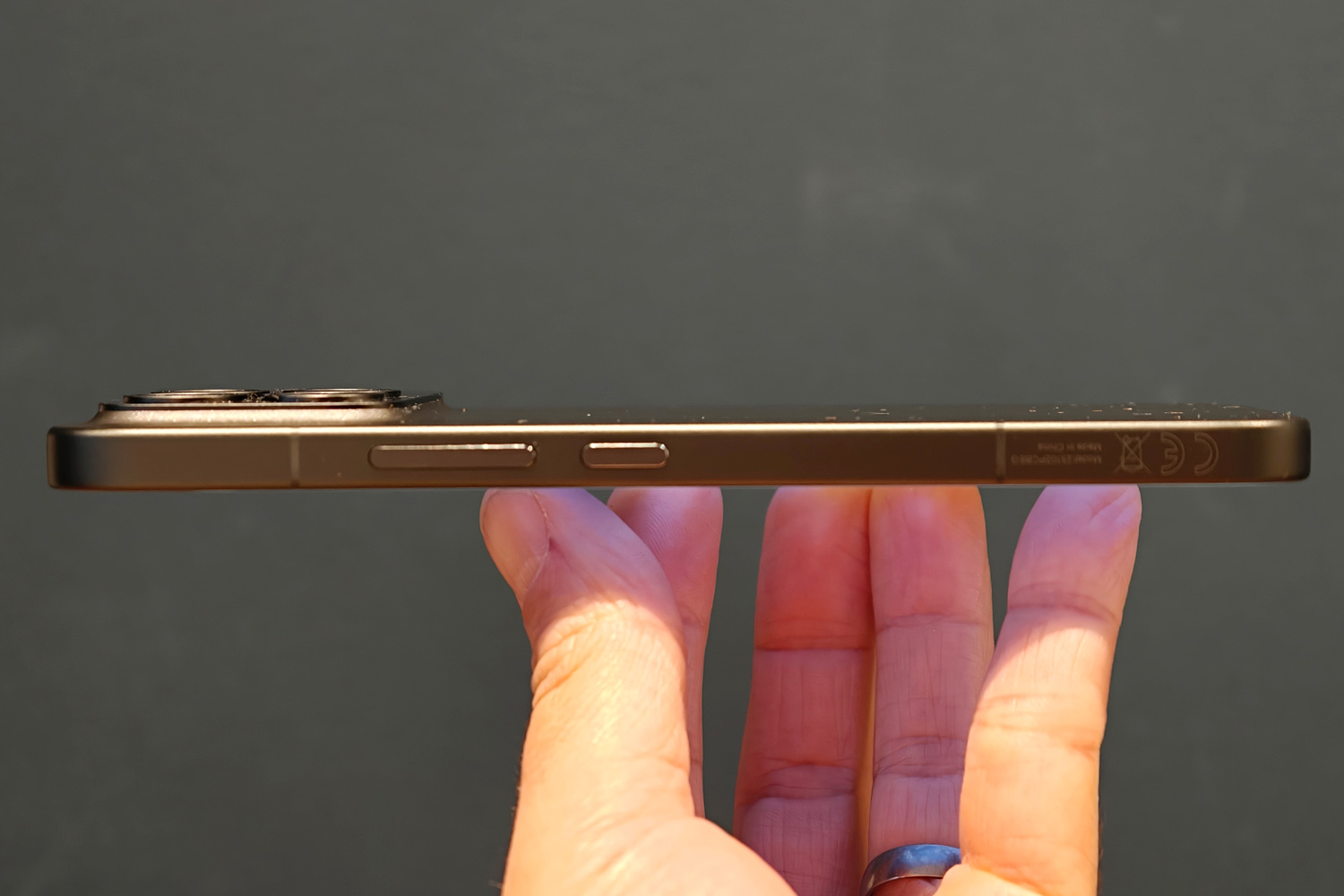
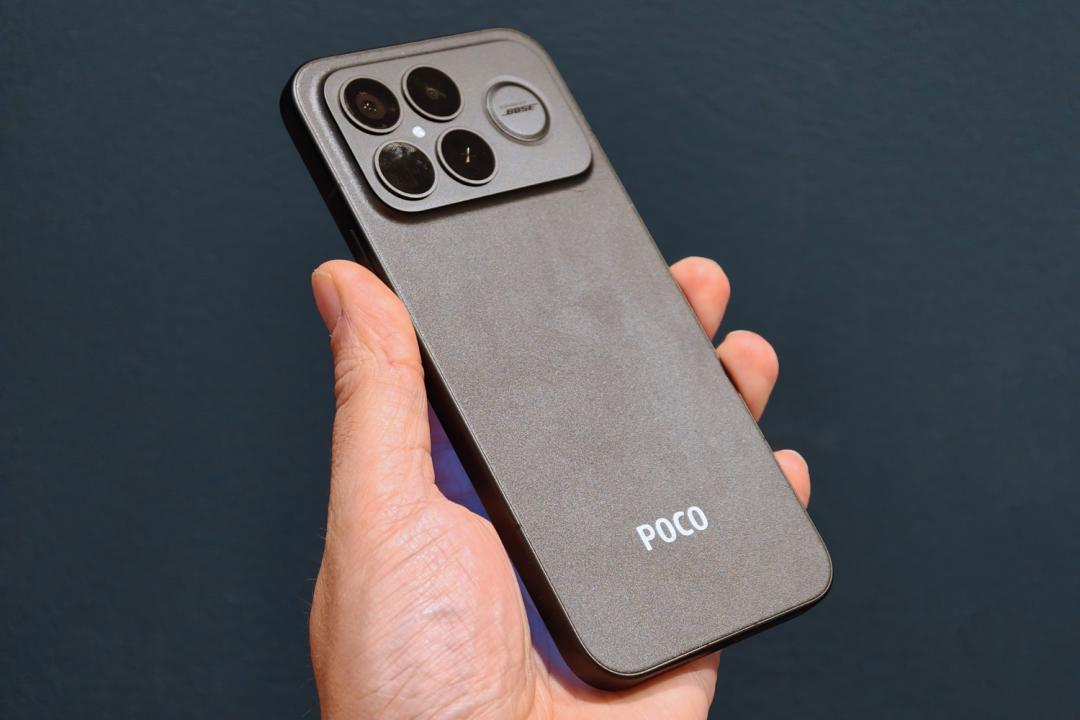
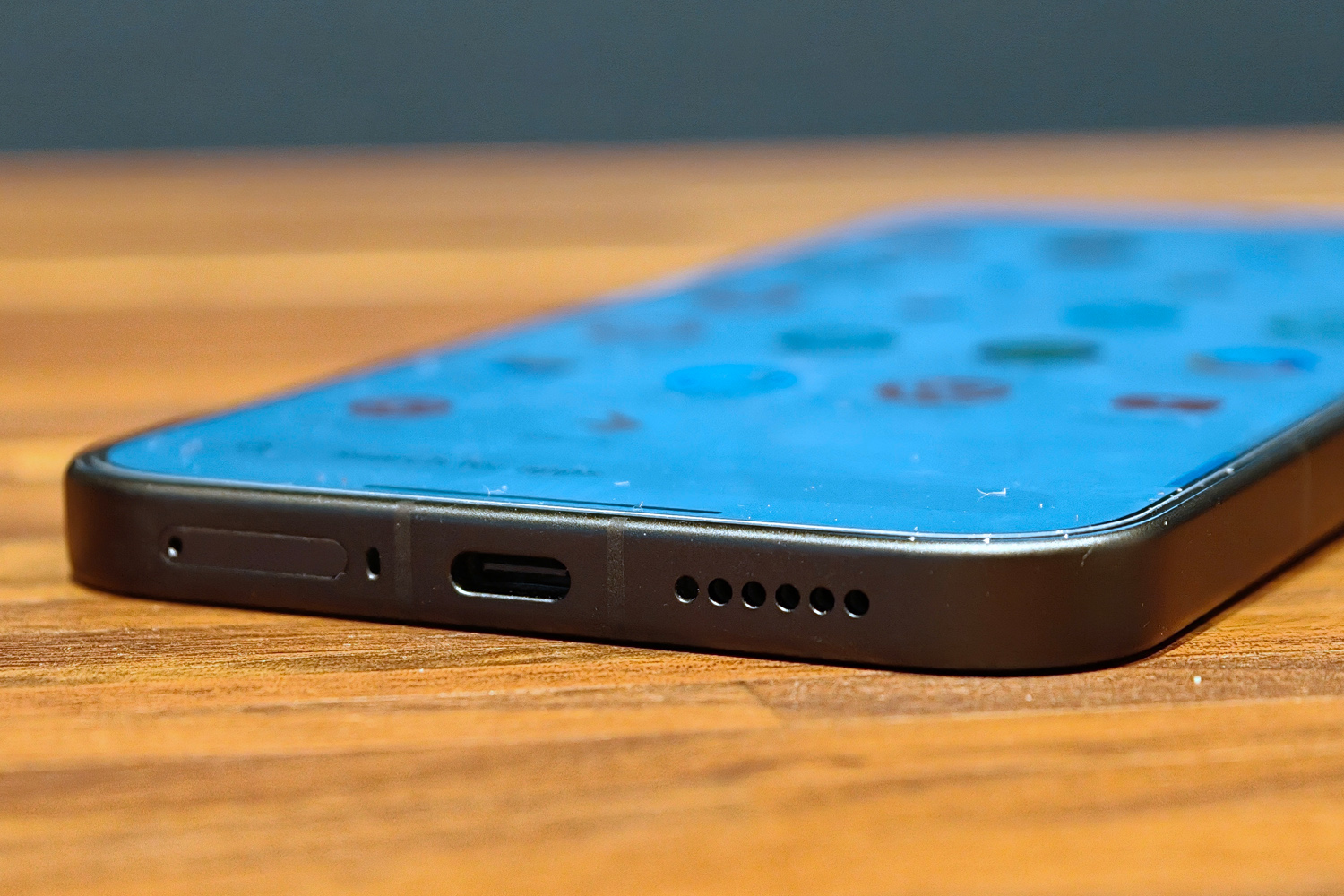
The Poco F8 Ultra initially gave me strong iPhone vibes. The flat metal frame and rounded corners are now phone world regulars, sure, but the full-width rectangular camera bar at the rear skirts very close to the iPhone 17 Pro Max. Then you spot the fourth camera ‘lens’ (which is really an IR blaster in disguise) and the unusual extra speaker grille, which give it a welcome bit of character.
This is a big phone – squeezing in a 6.9in display makes that pretty inevitable – but impressively skinny screen bezels do help prevent it from being a proper palm-stretcher. It’s pretty light, too, tipping the scales around 15g less than the iPhone.
My black review unit is the subtler of the two colour options. I like how the glass-fibre back has stayed devoid of fingerprints throughout my testing, but can’t deny the denim-like blue variant is a little more distinctive. Materials and build quality are up there with phones costing twice as much.
It’s packing a few nice-to-haves I’d not normally expect from a sub-flagship handset, like an ultrasonic fingerprint sensor that’s rapid to recognise digits, even while they’re wet. There’s facial recognition too, but only the sort that can skip the Android lock screen.
Poco hasn’t skimped on resistance ratings either, securing IP68 protection – not the best I’ve seen from a Chinese phone brand, but comfortably up to standard for the asking price.
Screen & sound: brings the boom
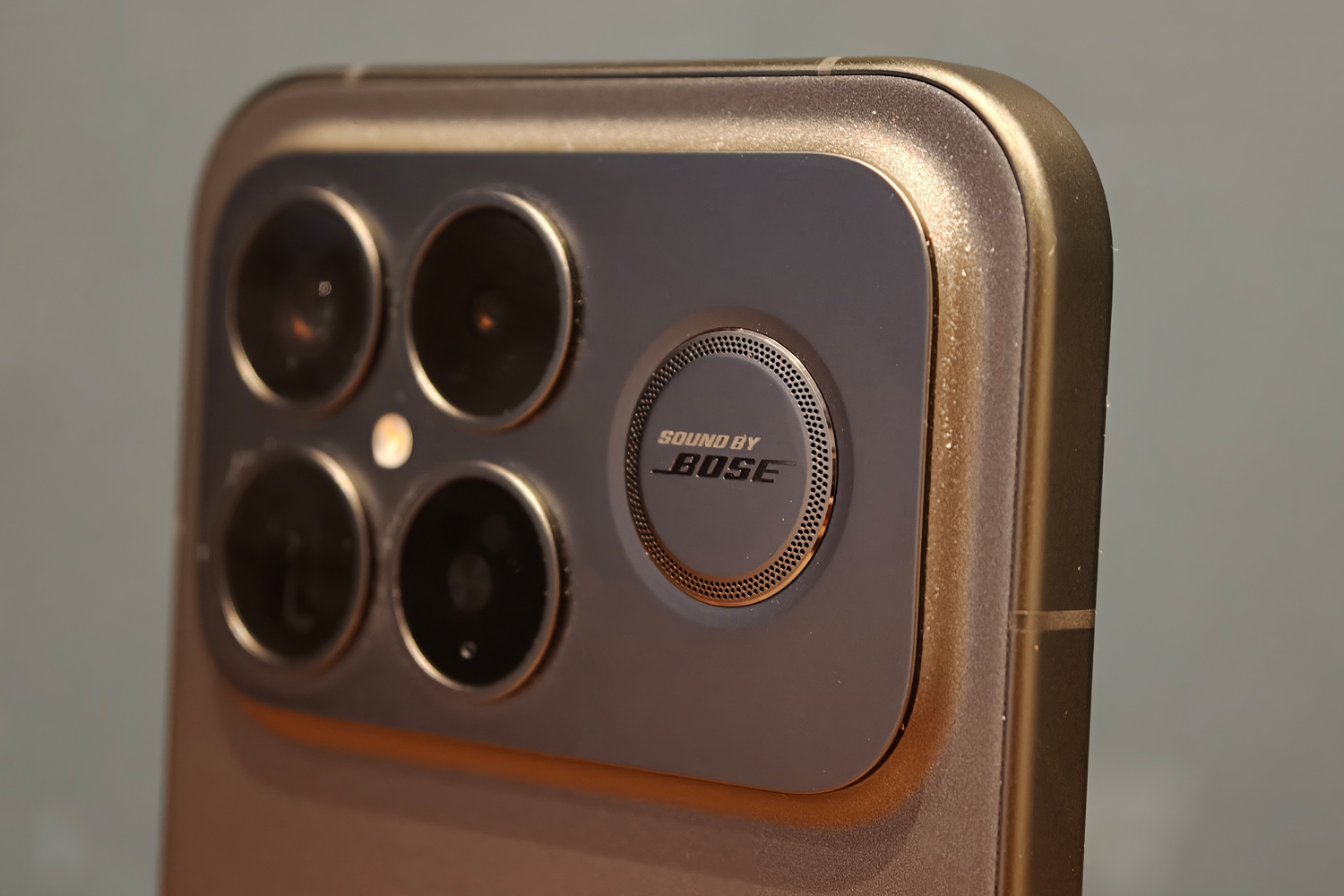


The rear camera bump isn’t typically where you’d expect to spot a smartphone speaker grille, but the “sound by Bose” branding this one proudly wears should be a clue that the F8 Ultra does something special on the audio front. As well as the usual down-firing main driver and earpiece tweeter, here you’re also getting a miniature subwoofer dedicated to low-end frequencies.
I was blown away by what a difference it made to music and movies. Phones costing twice the price sounded hollow and tinny by comparison. Drums and basslines have proper punch, giving tunes so much more depth. I’ve heard Bluetooth speakers with less bass than this phone. Cheap ones, sure – but that’s still a real achievement. With no shortage of volume either, this is a simply excellent choice for audio lovers.
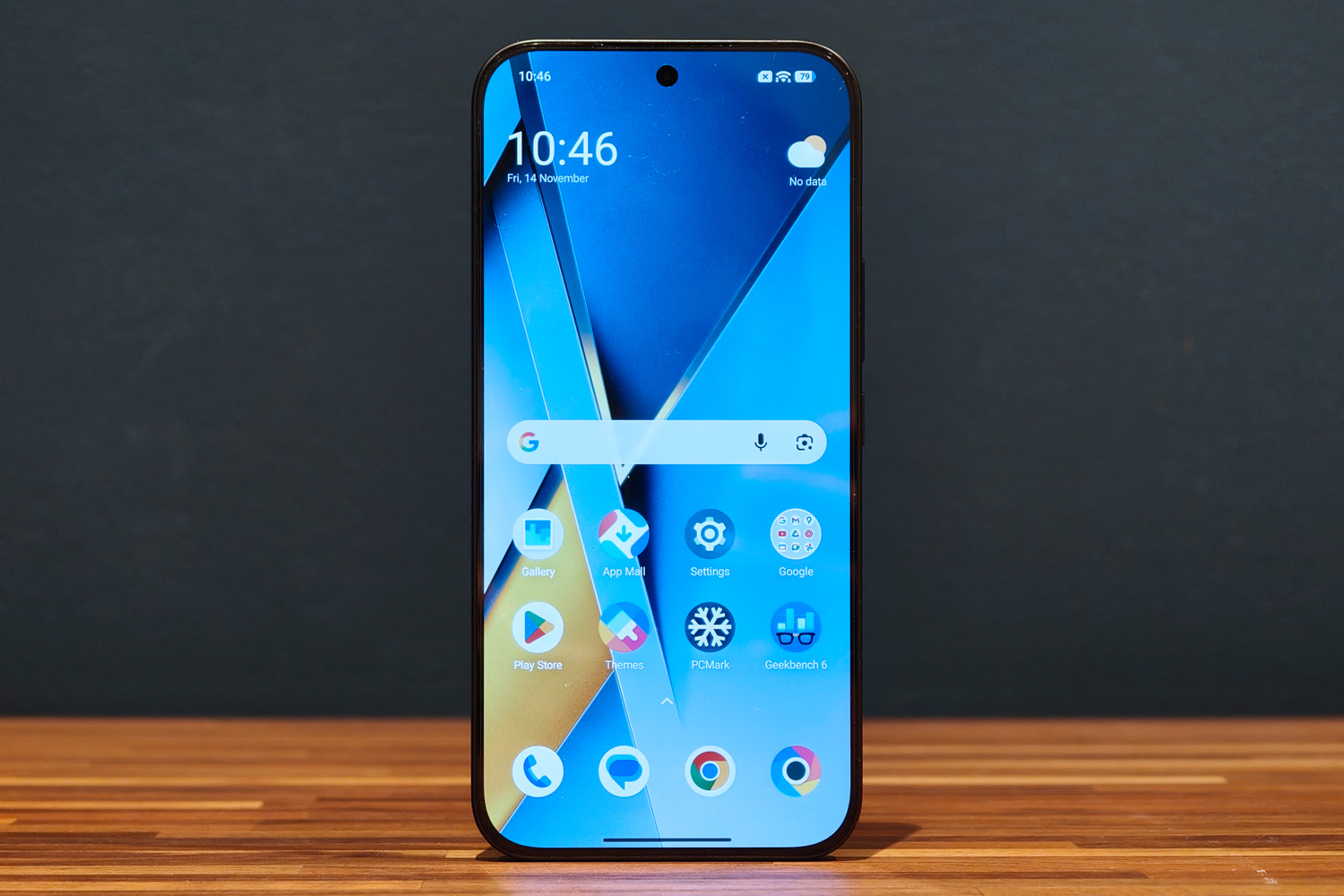
It’s enough to overshadow the display, which at a mammoth 6.9in is no mean feat. The 2608×1200 resolution is plenty sharp from a typical viewing distance and the adaptive refresh rate is quick to tick up to 120Hz when scrolling, for motion that always appears smooth.
The AMOLED panel is a beauty, with engaging colours that don’t overdo things on the saturation, deep blacks, ample contrast, and great viewing angles. It plays nicely with all the major streaming services’ HDR formats, too, with strong highlights alongside areas of shadow.
Brightness has taken a small step up from last year’s phone, so it can comfortably hang with pricier rivals for visibility when you step outside. There’s essentially nothing to complain about here given the keen pricing.
Cameras: what more do you want?
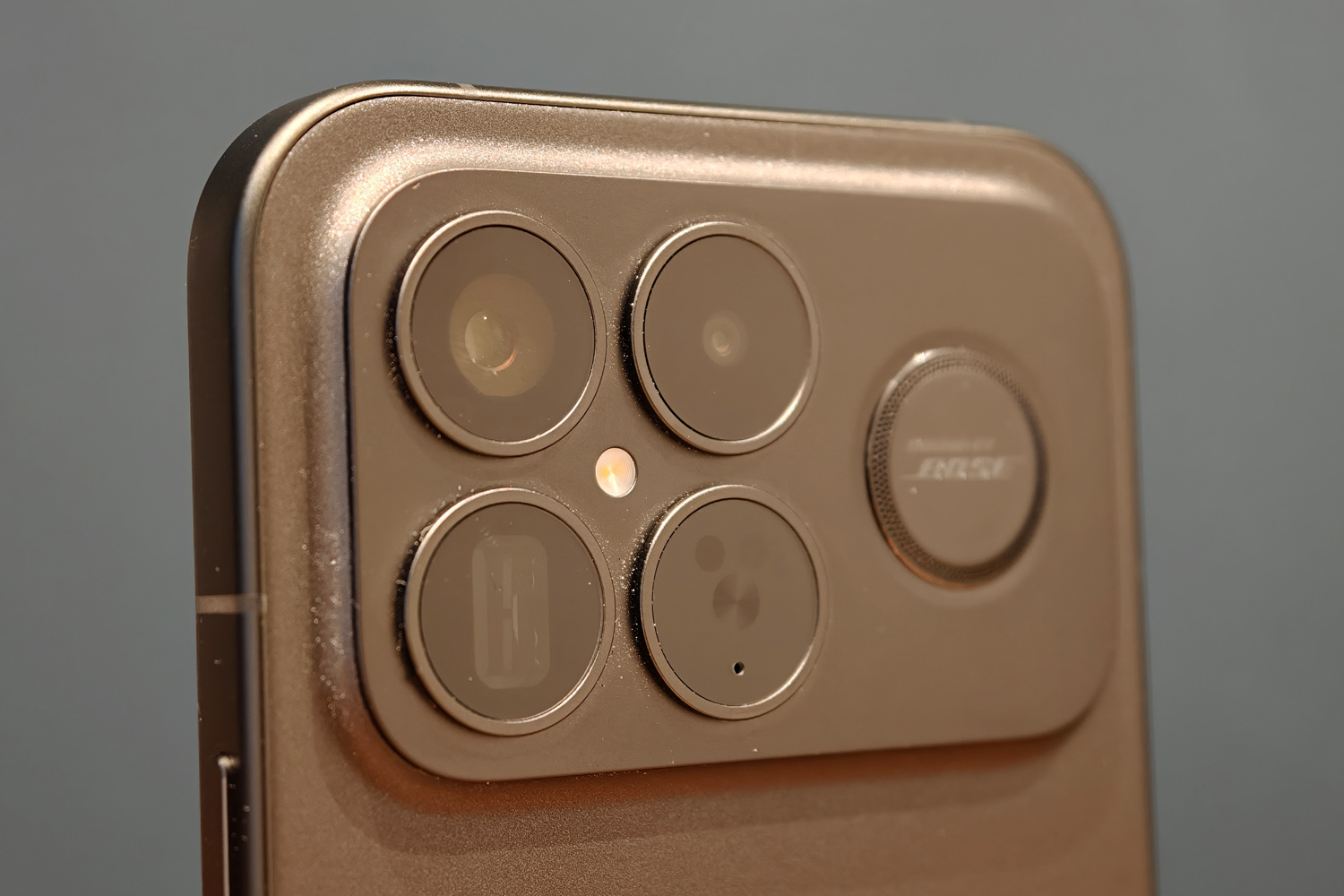
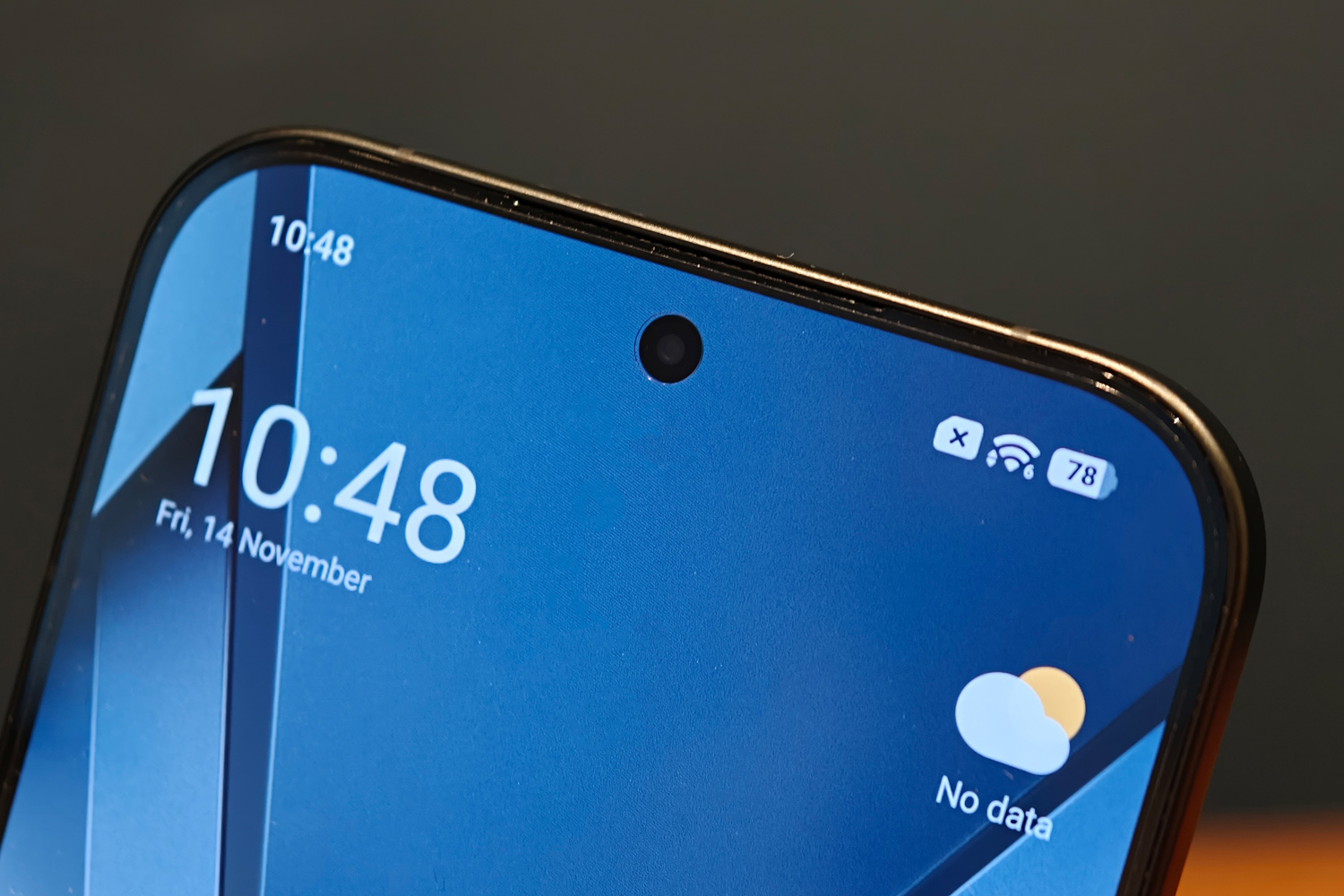
Any smartphone that wears an “ultra” label is obligated to deliver a top quality set of cameras, at least in my book. The F8 Ultra certainly isn’t short on pixel count, with three 50MP rear snappers and a 32MP selfie shooter up front, and Poco has also upgraded some of the sensors from last year’s F7 Ultra.
The main and ultrawide are physically larger this time out, for better light-gathering abilities, while the telephoto now has double the zoom strength. You’re getting 5x optical magnification here, and it’ll do 10x with sensor cropping. Optical image stabilisation helps at night, too.












Daytime shooting revealed an impressive amount of resolved detail from the main lens, along with lots of dynamic range and colours that were largely true-to-life. There’s a great level of natural depth blur on close-ups, and the portrait mode doesn’t drop the ball with loose hairs or thin edges.
The ultrawide has taken a welcome step up from last year, where it was merely OK. Now there’s a greater consistency between it and the other two lenses, despite Poco mixing and matching from different sensor vendors. Colours still show more variance than a higher-priced phone, though.


I often find 5x magnification to be a little too strong, punching in so closely for pictures of people that I’m forced to take a step back before pressing the shutter. Still, I can’t fault the F8 Ultra’s zoom lens for clarity or colour.








It’s only when comparing against a top-tier cameraphone like the Oppo Find X9 Pro that the F8 Pro’s processing weaknesses are revealed. Fine details on further away subjects are lost to smoothing, and there’s more image noise on display as you pinch in. Very low light shots are softer than I’d like, even when using the night mode, where it also tends to blow out highlights in pursuit of shadow detail.
For the price, you’re getting a very capable camera trio; regardless of lighting the F8 Ultra can deliver shots that’ll suit social media very well, even if they won’t truly challenge the best photography phones.
Software experience: simply does it

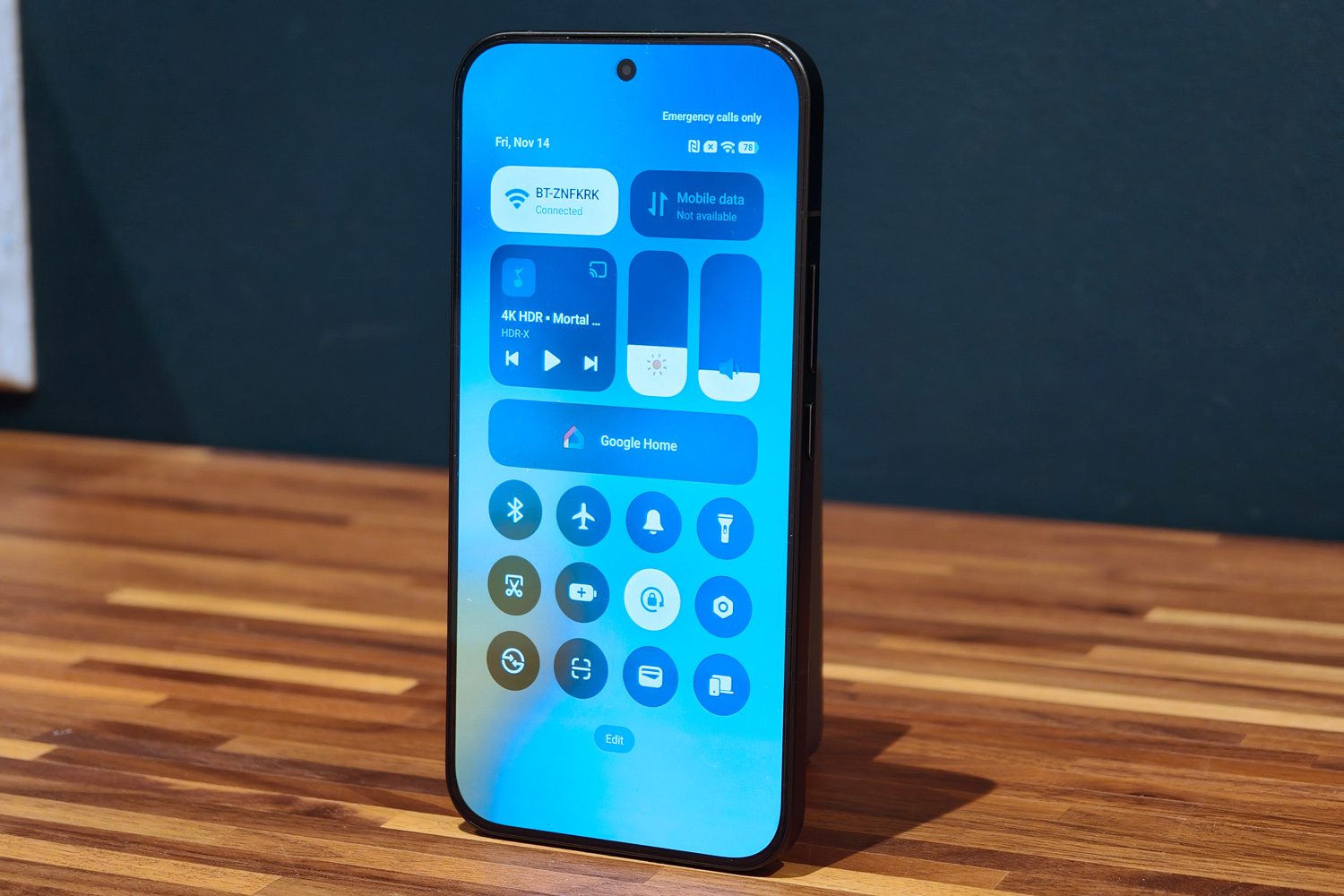
The F8 Ultra is first Poco handset to run Xiaomi’s new HyperOS 3 Android skin straight out of the box. It’s based on Android 16 and is surprisingly restrained during the initial setup: you’re given the choice of an app drawer or multiple home screens plus the choice of on-screen buttons or gestures, but aren’t bombarded with invitations to install unwanted bloatware.
What does appear once you first reach the homscreen can largely be uninstalled or disabled, and there’s not an abundance of apps that duplicate Google’s defaults. I was also very happy that translucent UI elements were largely absent, given other Chinese brands have gone full speed in emulating Apple’s divisive liquid glass look.
Of course there’s AI on board – it wouldn’t be a 2025 phone otherwise – with voice transcription, live translation, generative subtitles and a writing prompt that can summarise, expand or rewrite text for you. The image gallery can expand tightly cropped shots, erase background distraction, generate videos from static images, and upscale photos. Samsung and Google’s image-based processing still have the advantage, but the other features are comfortably up to par with the competition.
Long-term software support could be a stumbling block. The F8 Ultra is in line for four new Android versions and six years of security patches, which is a few years short of what you’ll get from an equivalent Samsung or Google phone. If you swap phones every three or four years – as is typical of most Android owners – though? Then don’t let it affect your buying decision.
Performance & battery life: catch me if you can
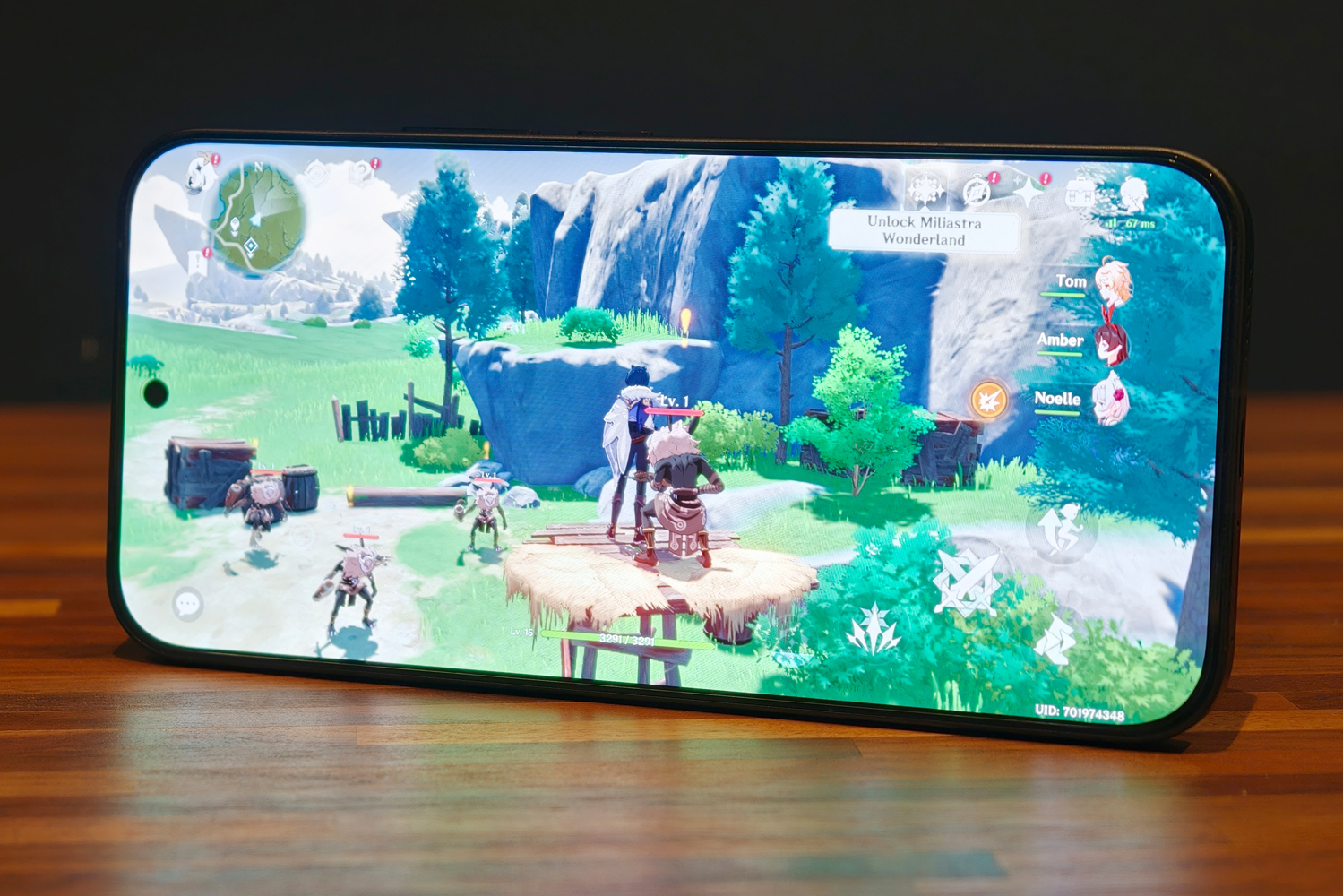

It didn’t take long for the Snapdragon 8 Elite Gen 5 floodgates to open, did it? Xiaomi was first in line for China, while OnePlus and Nubia were early doors for Europe. Now it’s Poco’s turn. The F8 Ultra pairs Qualcomm’s next-gen chipset with a generous 16GB of RAM, and a bit of the 512GB system storage annexed as extra virtual memory.
There’s no question it’s a potent combination, with benchmark scores pushing the F8 Ultra right to the top of smartphone leaderboards regardless of price. It sits somewhere in the middle of the Snapdragon 8 Elite Gen 5 handsets I’ve tested, with excellent results in the Speedometer 3.1 and PCmark Work 3.0 tests.
Of course that means you’re getting a sublime day-to-day experience, with Android always feeling perfectly smooth. Apps open pretty much instantly and it was unflappable when multitasking too. Games default to their highest settings, and deliver high frame rates for the most part. The RedMagic 11 Pro and its liquid cooling system might be more consistent for the heaviest of gamers, but I had no issues during my Destiny Rising sessions.
I have noticed Snapdragon 8 Elite Gen 5 tends to run hot when pushed hard, so sustained performance doesn’t look fantastic if you only focus on synthetic tests. Games were perfectly playable without any noticeable dips or stutters, though, even after an hour-long session. The phone never got uncomfortably hot for me, either.
| Poco F8 Ultra benchmark scores | |
|---|---|
| Geekbench 6 single-core | 3475 |
| Geekbench 6 multi-core | 10591 |
| Speedometer 3.1 | 26.1 |
| PCmark Work 3.0 | 19857 |
| 3Dmark Solar Bay | 13,090 |
| 3Dmark Wildlife Extreme | 6816 |
A year ago, the F8 Ultra’s 6500mAh battery would’ve been massive – but silicon-carbon tech has moved on at a rapid pace. True flagships from OnePlus and Oppo are now pairing 7300mAh or larger cells to their top-tier chipsets; the China-only Redmi model on which the F8 ultra is based gets 7560mAh, so it’s a shame to see Poco shrink things down for the West.
This is still a sizeable battery, though, and bigger than anything you’ll find inside a Google, Samsung or Apple-badged handset. Here it translates to a comfortable day and a half of solid use, which for me included a few hours of gaming, some video streaming, photography and music playback over Bluetooth, along with the usual email, web browsing and social scrolling. That’s a consistently great effort, though the Nubia Z80 Ultra fares even better for not a huge amount more cash.
You do get 100W wired charging here, which is seriously rapid. I managed an empty-to-full charge in around 45 minutes. Wireless refuelling also makes the grade, making it one of just a few Poco models to ever support the tech. Qi2 doesn’t feature, though.
Poco F8 Ultra verdict
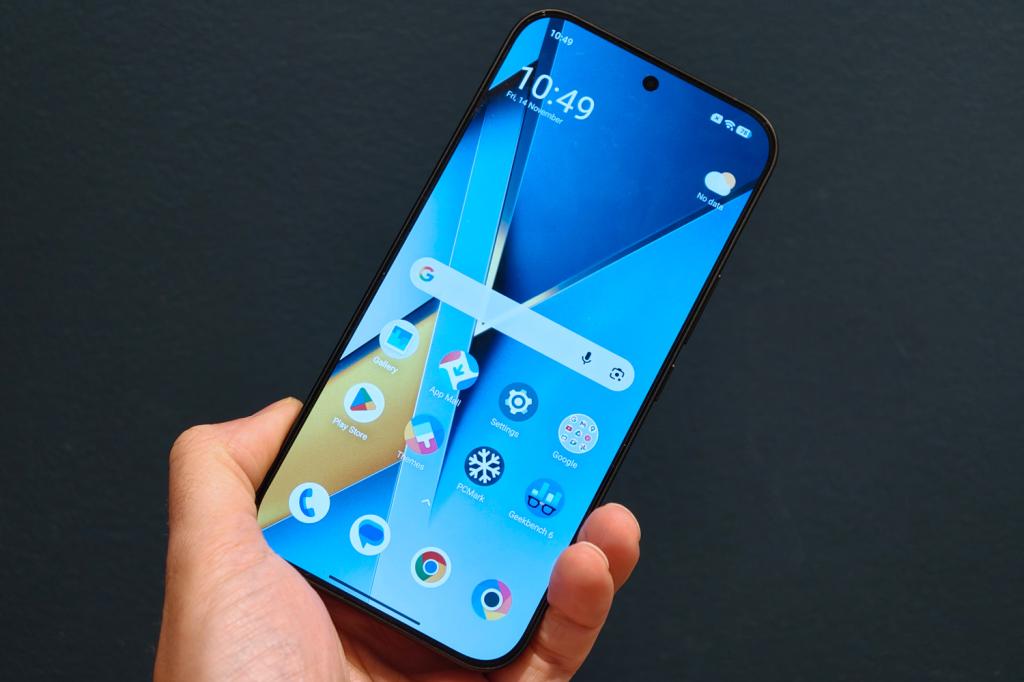
It’s got sharp looks, a standout screen, and is a bit of a speed demon in apps and games. If that’s all you’re really after from a phone, the Poco F8 Ultra is an incredibly tempting alternative to flagships costing almost four figures. The restrained software and fast fingerprint sensor then make it particularly pleasant to use as a daily driver.
This isn’t the last word in longevity, though, and its cameras take decent snaps rather than outstanding ones. While a OnePlus 15 will cost a fair bit more it’s the better all-rounder, while a photographer-focused 35mm lead lens makes the Nubia Z80 Ultra a tempting alternative.
Stuff Says…
This pretty impressive sub-flagship phone may not be the best choice for photography in its price range, but the Poco F8 Ultra is very accomplished everywhere else.
Pros
Rapid performance and great – if not class-leading – battery life
High quality screen and impressive audio
Feature-rich software that doesn’t overload with apps
Cons
Camera image processing can’t match higher tier flagship rivals
Long-term software support is questionable
Poco F8 Ultra technical specifications
| Screen | 6.9in, 2608×1200 AMOLED w/ 120Hz |
| CPU | Snapdragon 8 Elite Gen 5 |
| Memory | 16GB RAM |
| Cameras | 50+50+50MP rear 32MP front |
| Storage | 512GB on-board |
| Operating system | Android 16 |
| Battery | 6500mAh w/ 100W wired charging |
| Dimensions | 163x78x7.9mm, 218g |


 Tom Morgan-Freelander
Deputy Editor
Tom Morgan-Freelander
Deputy Editor