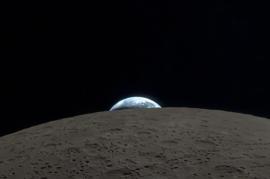
(Moon)Shot on iPhone: Stunning image of lunar surface taken with iPhone 17 Pro Max
The iPhone 17 Pro Max was photographing the moon from its orbit tonight. Something tells us that, in Apple's 50th year, it'd make Steve Jobs very happy.

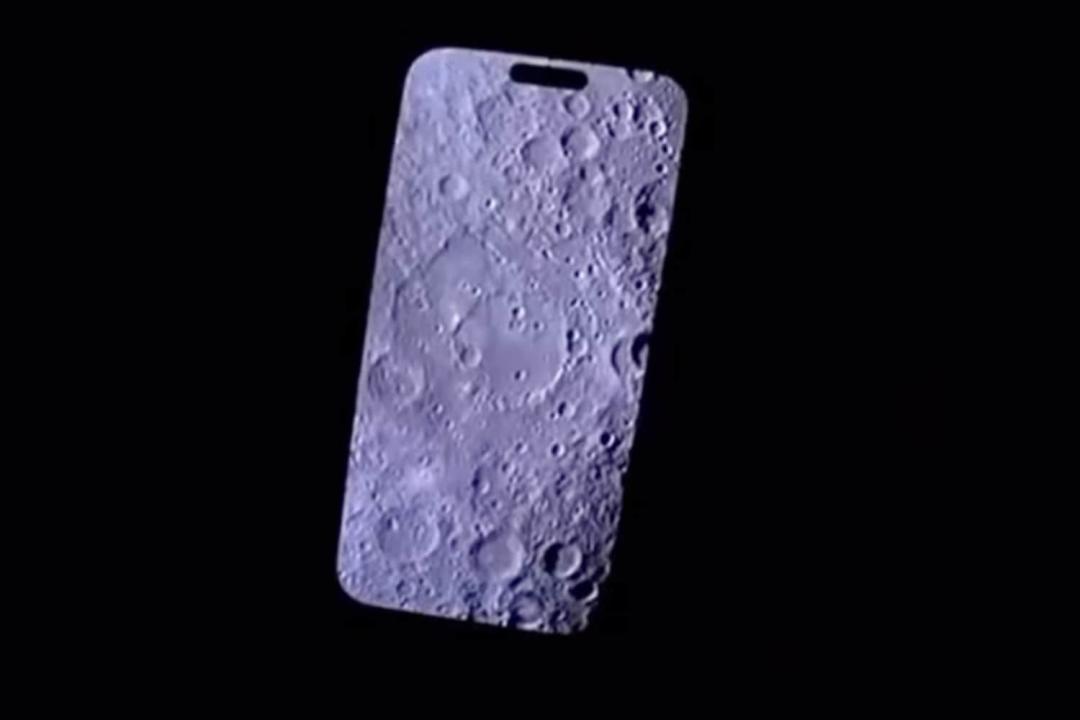
The Artemis II space mission has completed its objective and is now on the way home to Earth, having travelled around the dark side of the moon. There’s plenty to tech lovers to delve into, but a regular treat for iPhone lovers has been the images uploaded by crew members which were taken on their pocket sized cameras; first of Earth and now of the lunar surface itself. A literal moon shot.
During a NASA live stream tonight Commander Reid Wiseman revealed a photo of the moon, later confirmed to be the Chebyshev crater, taken with his iPhone 17 Pro Max while the spacecraft was making a final approach to the moon.
The image shot through the capsule window, was shown off in front of the livestream camera by Commander Wiseman, who explained that the photo had been captured with 8x zoom enabled. The image screengrabbed from the live stream is all we have to go on right now, but seeing as NASA has been uploading images sent home to Flickr (via 9to5Mac), we can expect a real full-res treat soon enough.
It comes on the same evening the Artemis II made its closest approach to the moon, which brought the crew just 4,067 miles clear of the lunar surface. Later in the evening a solar eclipse enabled the crew to study the “solar corona — the Sun’s outermost atmosphere — as it glows around the lunar edge. They also will watch for flashes of light from meteoroids striking the surface, which could offer insight into potential hazards on the Moon.”
The latest update at 9:35pm Eastern on Monday April 6 says: “The Artemis II crew has completed the mission’s lunar observation period and is now beginning the return trip home. On Tuesday, April 7, Orion will exit the lunar sphere of influence at approximately 1:25 p.m., at a distance of 41,072 miles from the Moon.”
You can tune into continuing coverage of NASA’s live stream here.


 Chris Smith