Meet Moya, the warm-skinned AI robot built to feel as human as possible
This humanoid is the brainchild of Chinese robotics manufacturer DroidUp who is pitching it as a ‘social companion’

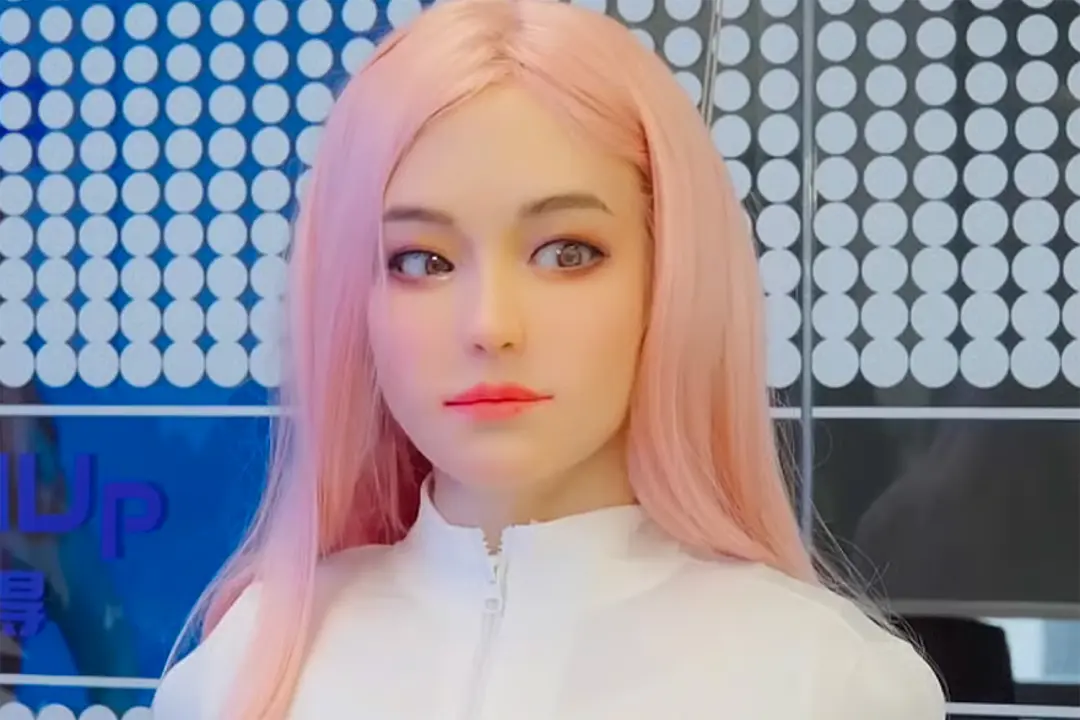
AI companionship robots are an entirely predictable flex for the robotics industry and we’re seeing a lot more of them emerge from labs with launch dates
If AI robots can be created for housework, why not for other human needs? We’ve covered a couple of AI sex robots in the recent past, too.
Called Moya, this one is the brainchild of Chinese robotics manufacturer DroidUp, based in Shanghai who is pitching it as a ‘social companion’ while claiming it’s the world’s first biomemetic intelligent AI robot – essentially biomemetic means mimicking the nature of a human. Rather than being designed as a robot first, Moya has been designed as a robot
Not only is Moya capable of typical humanoid movements, but she has been designed so that the ‘skin’ temperature of the robot mimics that of you or me (no, this isn’t written by AI, I am a real person!) and also is human to the touch. To that end, Moya has a more authentic silicone skeleton, with padding designed to more closely mimic skin.


The ‘body’ temperature is also set to regulate itself at between 90 – 97 degrees Fahrenheit or 32-36 degrees Celsius. The 5 ft 5 in/165cm robot is heavy at around 70lbs or 32kg. While that’s lighter than a similarly sized person, the height is no accident.
DroidUp founder Li Quingdu told Shanghai Eye (see video below) that a robot that “truly serves human life should be warm, like a living being people can connect with.”
And the humanoid can be customised too, so it can be given different characteristics such as hair colour. And a male version will be available as well. Walking is shown to be a particular strength, though there is clearly still a bit of work to do here – you can see the gait isn’t quite right. But it’s still impressive that it’s as good as it is. Information about the Walker 3 skeleton used in Moya – also from DroidUp – suggests a walking speed of 3m per second.
Like many other humanoids we’re hearing about, there is a camera between the eyes so Moya can ‘see’ where it is, recognise you thanks to AI and interact with you too. Facial movements are slight, but she seems capable of smiling and moving her head to the side as well as looking directly at you if you’re in front of her.
And as with many other humanoid robots there is a definite crossover into the uncanny valley – it’s why a lot of robots don’t actually look too human on purpose. But when the intent is to look as human as possible, the reaction to them on a human level is rather different and humanoids designed to look near human are becoming more common. Video footage of Moya also shows her able to raise eyebrows and do other slight movements.
Like many humanoid robots, Moya won’t be cheap – estimates suggest a huge price over $170,000 (1.2 million yen) and it’s set to debut in late 2026. Droid Up is one of many startups in Shanghai’s Zhangjiang Robotics Valley, a hotbed of robotic innovation and says that as well as companionship, Moya would be ideal for heathcare and business.


 Dan Grabham
Editor-in-Chief
Dan Grabham
Editor-in-Chief