Forget glossy screens – TCL’s new tablet looks and feels like paper
TCL’s matte-screen notepad headlines a packed MWC, with a big-screen tablet, upgraded display phones, and fresh crystal-studded open-ear buds


At MWC 2026, most tablet launches chase bigger screens and louder specs. But TCL has gone the other way, revealing something that feels very different to most tablets – including many on our best tablets list.
The TCL Note A1 NXTPAPER, to give it its full name, is a digital notepad tablet aimed squarely at people who like the idea of an e-reader with pen input – but don’t want to give up a full Android experience.
Despite its ambitions, it doesn’t actually have an E Ink screen. Instead, it uses an LCD panel, with some clever TCL engineering thrown in to help transform it.
The display uses TCL’s NXTPAPER Pure technology, finished with a matte anti-reflective layer designed to cut glare and soften the look of on-screen content. The surface is even textured to feel closer to paper when writing, rather than the usual glassy finish that can result in slippy accuracy.
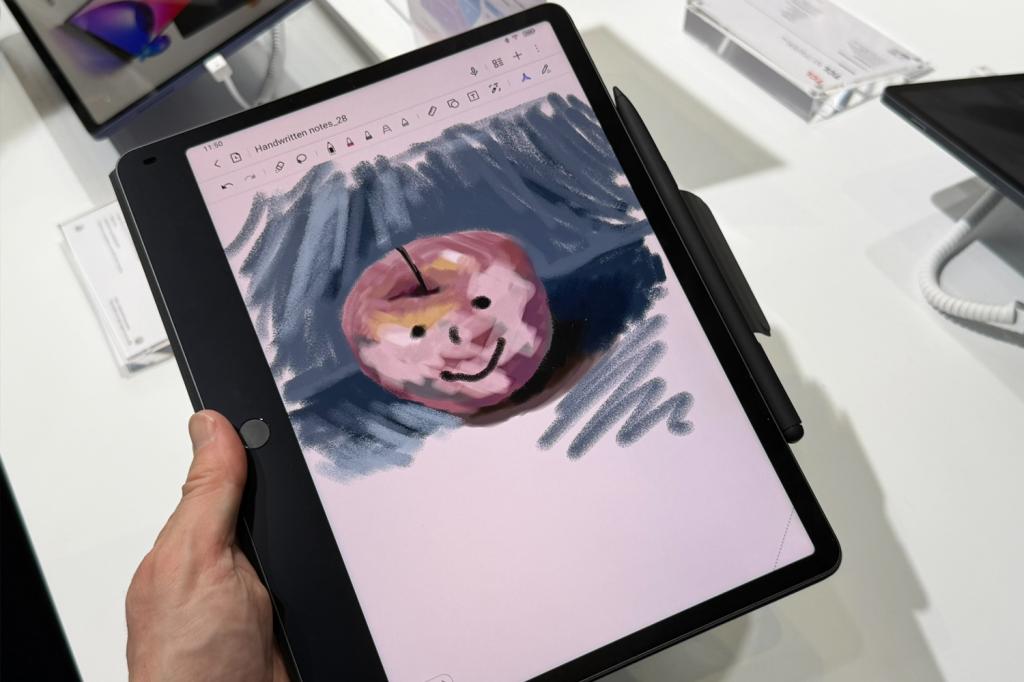
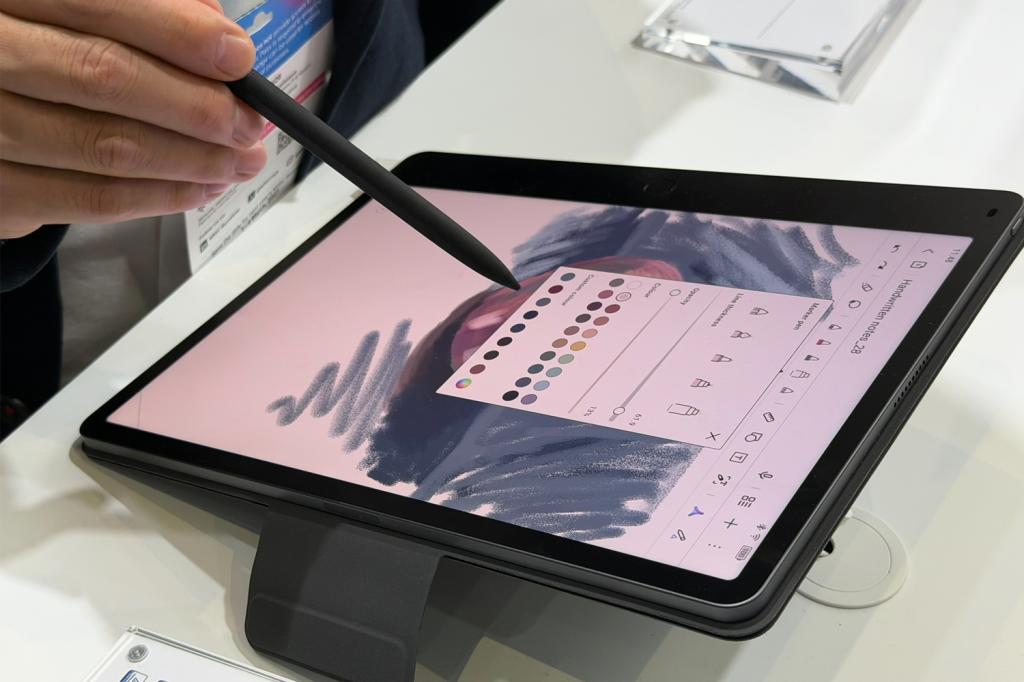
Unusually for a device pitched at note-takers, the screen refreshes at 120Hz. That won’t matter as much for Netflix – which isn’t really the focus here – but it does mean pen input and scrolling should feel fluid.
The included T-Pen Pro supports 8192 pressure levels and low-latency input, along with haptic feedback that changes depending on the writing tool selected, adding a subtle tactile layer to sketching and note-taking.
Physically, it leans into the digital notebook look. There’s a thicker bezel down the left side for grip, and it’s just 5.5mm thin, weighs around 500g, and ships with 256GB of storage.
On the software front, it’s running a modified Android build, but still allows installation of Google apps without workarounds. TCL’s own Toolbox app handles syncing across devices, and there’s no subscription fee attached either, which is a plus.
Other tricks include a feature called Inspiration Space, which lets you circle on-screen content and capture it into a central collection tool, retaining links back to the original source. It’s essentially a built-in clipping system for gathering research or ideas from across apps.
Pricing is set at €549, with pre-orders beginning in January and availability from late February.
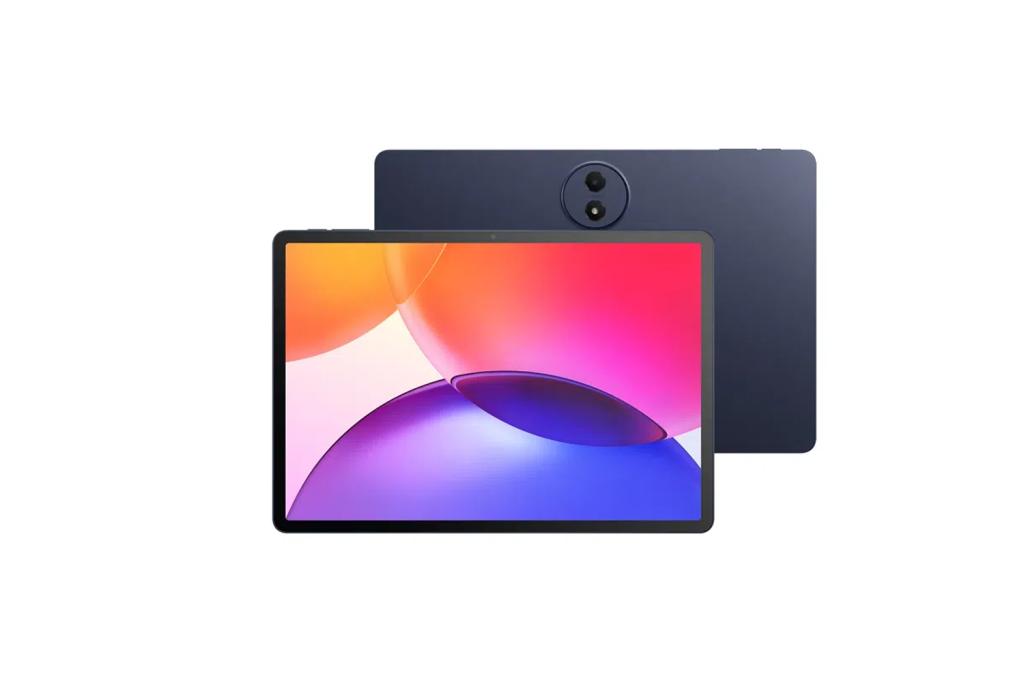
At the opposite end of TCL’s tablet strategy sits the TCL TAB A1 Plus. It’s a more straightforward affair, with a 12.2in 2.4K display, 120Hz refresh rate, and quad speakers, all wrapped in a full-metal unibody. It’s positioned for streaming, sport, and general entertainment, rather than notetaking and doodling.
Powered by Android, it integrates Google Gemini and Circle to Search, alongside TCL’s own interface tweaks, including Magic Hub, larger folder organisation, and quicker split-screen and floating window controls.
Elsewhere, TCL also used MWC to announce the next stage of its NXTPAPER display tech, bringing it to AMOLED panels for the first time.
The company says it’s combining AMOLED’s contrast and brightness with NXTPAPER’s eye-comfort stack, including upgraded circular polarised light designed to behave more like natural light, further blue light reduction, and an anti-glare approach adapted for OLED.
If it works in practice, it could make long phone sessions feel less harsh without dulling colour and contrast, which is something our doomscroll-fatigued eyes should, in theory, appreciate.
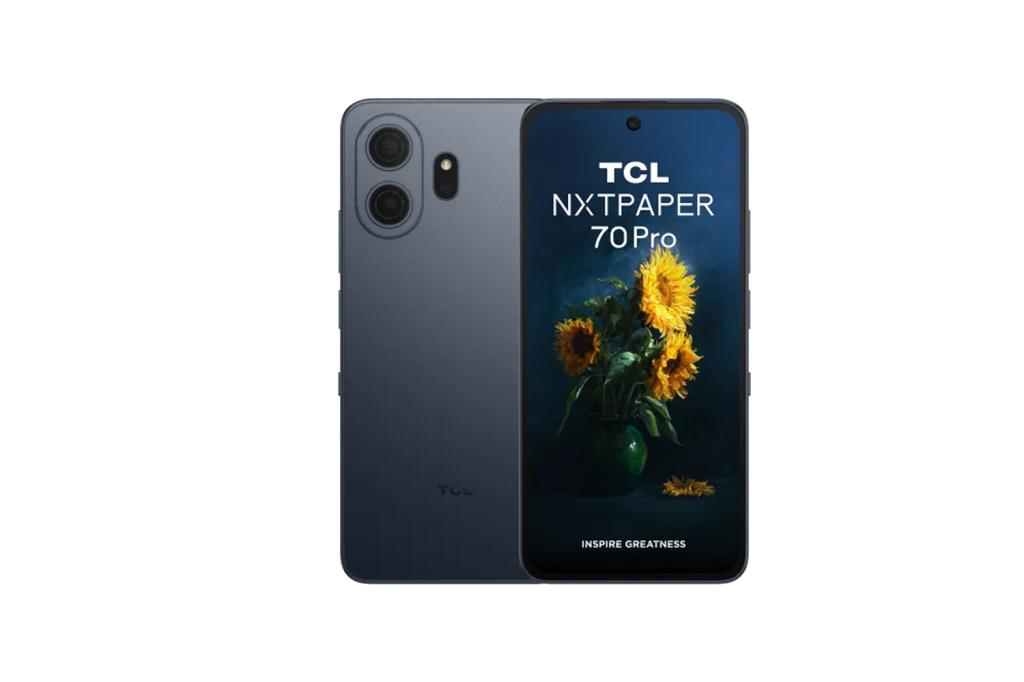
On the smartphone front, TCL also revealed the NXTPAPER 70 Pro. It runs NXTPAPER 4.0 and includes a dedicated NXTPAPER Key that switches between three display modes, including ink-style monochrome options designed for reading. TCL is leaning heavily into AI-powered reading tools as part of that pitch as well.
Outside the display, it’s a mid-range Android handset with a 50MP main camera with OIS, 8MP ultra-wide, 32MP front camera, 5200mAh battery, 33W fast charging, and IP68 dust and water resistance.
Pricing starts at €299 for 256GB and €359 for 512GB, with availability beginning in February across multiple regions.
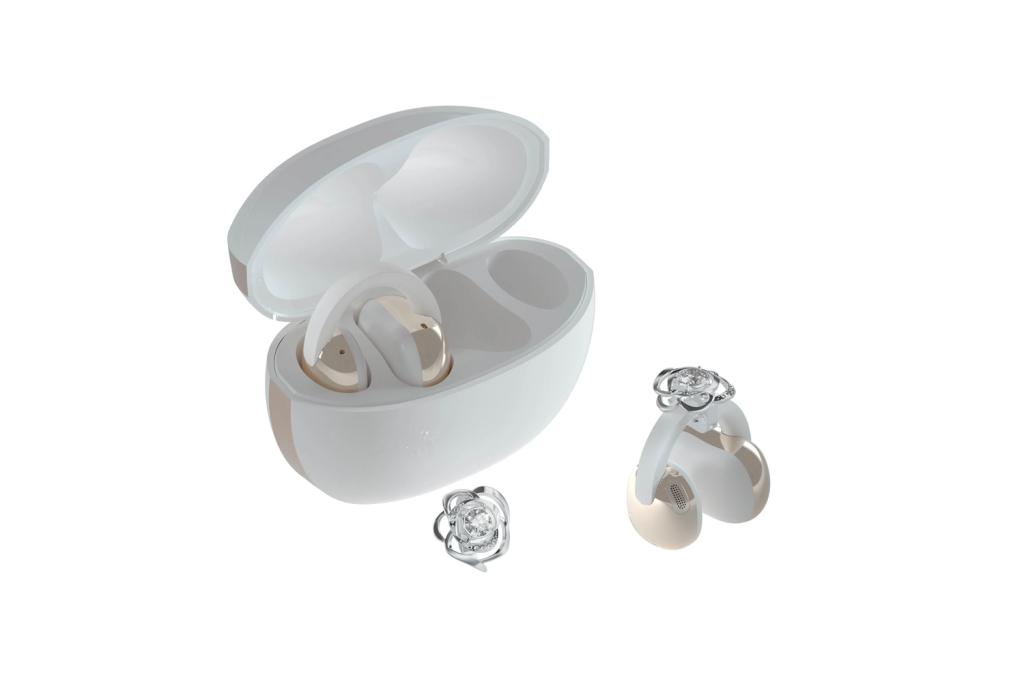
But wait, there’s more. TCL also showed off its new open-ear, clip-on CrystalClip earbuds, which sit outside the ear canal, letting environmental sound in. TCL is pitching them for commuting, office use, and outdoor activities, where full isolation isn’t ideal.
They support 3D spatial audio, enhanced bass tuning, dual-mic call noise reduction, and up to 36 hours of total battery life with the case.
Two versions are available, with the standard model costing €79 and launching from March. There’s also a blingier Swarovski crystal edition with a detachable decorative accessory adorned with crystals. That’s more expensive at €149, and arrives in Q2 2026.


 Esat Dedezade
Contributor
Esat Dedezade
Contributor