Nintendo Switch 2 one year on: why I’m playing it more than any other console
How Nintendo's sequel console has grown a year on, and what it could still improve on

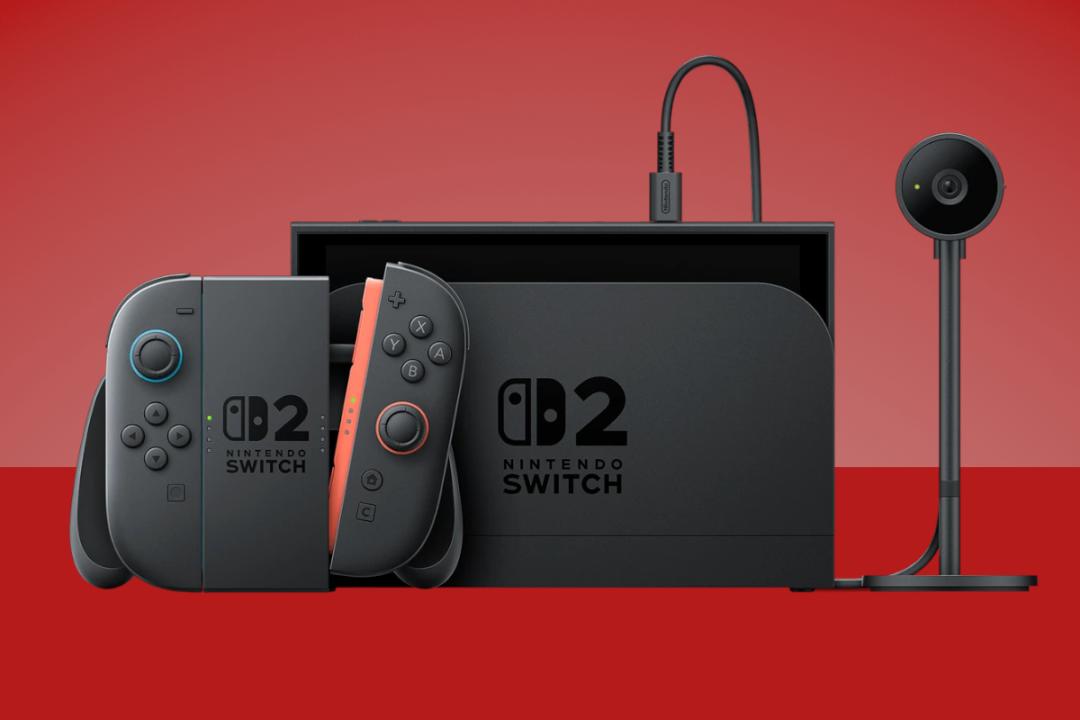
It’s been exactly one year since the launch of the Nintendo Switch 2, the first time that the Japanese company has made a sequel console. Sure, it’s had similar naming conventions before like NES/SNES, Game Boy/Game Boy Advance, and Wii/Wii U, but it’s also the first to actually have a number on the end, though judging by launch figures, it could also be the first to outsell its predecessor.
A year has also been helpful in gathering my thoughts on the console compared to the relatively intense review period when myself and other members of the press essentially received our units at launch. Many more hours have passed, I’ve been able to take it up and down the country, across the other side of the world, and play a wide variety of games both new and old.
It may not be as revolutionary as its predecessor, but as an iterative console, it’s improved on that vision across the board, and far better than the other high-end handhelds have done (which after all, don’t actually deliver on the hybrid nature of being also able to play on TV, at least not without investing in additional products).
More time to play


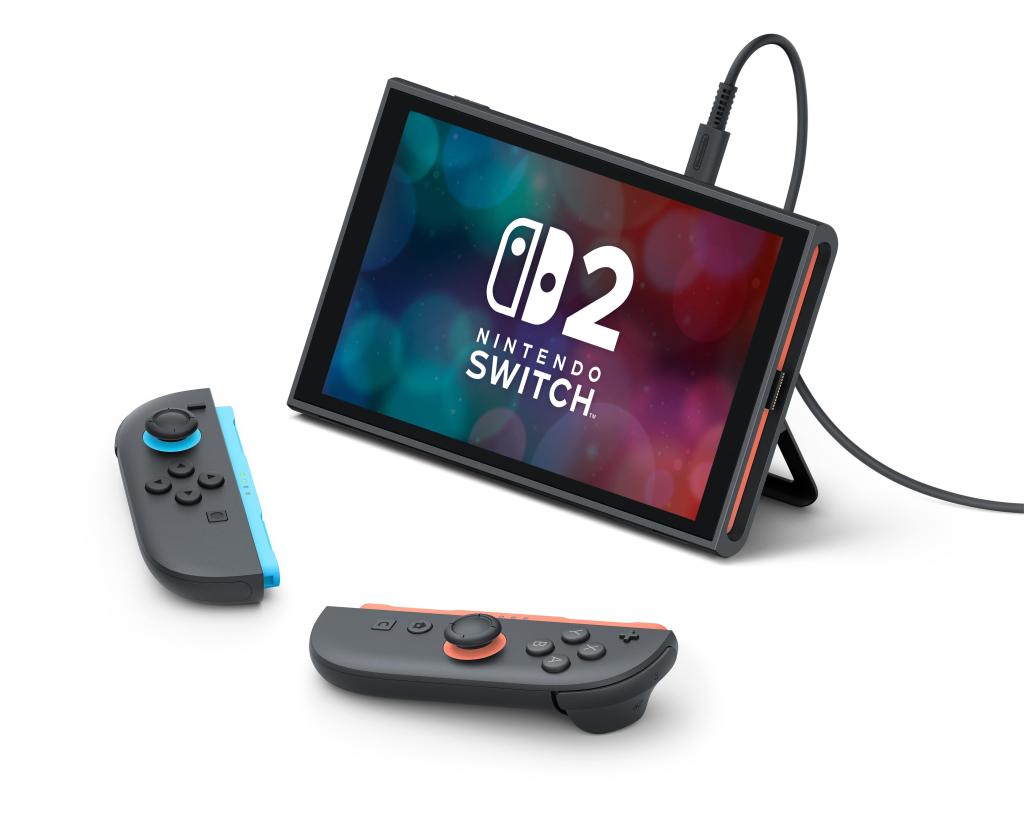
It’s obviously a sleeker device with a better display where everything runs smoother, but it’s all the little things that have really made this much better to use than the Switch 1. While it’s still a gripe that the design of the Joy-Cons mean there’s a lack of grip, I’m less bothered because these days when I’m in a hotel room or on a plane, I much prefer to play in tabletop mode, owing to a much more adjustable stand, and while it’s technically further away than if I were to hold it in my hands, the larger sharper display means I’m less prone to squinting.
Having a USB-C port at the top has been especially a godsend because it means I can easily keep it charged, though the console’s more powerful battery means either the charge comes from the mains or a high-wattage power bank. Complaints about battery life have then been less of an issue, while I’ve also kept on the option to optimise battery life so that the Switch 2 is never more than 90% charged.
One of my other gripes early on had been about Switch 2 games that are larger in size quickly filling up storage space, and while the console has significantly more internal storage to begin with, the requirement to buy pricier MicroSD Express cards to expand the storage isn’t ideal, especially when even many third-party physical releases are just game-key cards that make you download the game. I’ve come to accept this in the same way other console also require installing a game to the internal drive as the default.
Virtual Game Card (a feature also available on Switch 1) has also been helpful, since you can access this via an icon on the home screen and it brings up your whole digital library at a glance. I’ve also personally found that the Switch 2’s download speeds are a big improvement over the Switch 1, though that can also vary depending on service providers.
Boost for new and old
The best addition to the Switch 2 since launch has arguably been Handheld Mode Boost for improving Switch 1 games. While a lot of Switch 1 games already got a performance boost immediately, or with a patch, this update from Nintendo means the game is being treated as if it’s docked to the TV. That essentially means a resolution boost from the original handheld mode, a real boon for the more graphcially intensive games where the resolution often fell well below the 720p of the Switch 1’s display, and then had proceeded to look worse blown up on the Switch 2’s larger screen.
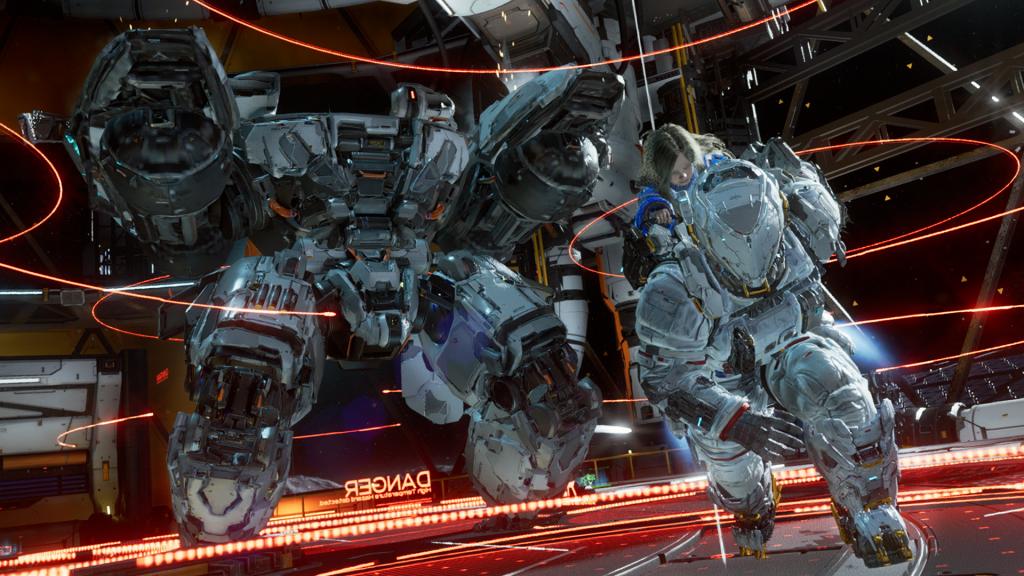
It doesn’t just mean I’ve only been playing old games, because I’ve been playing more new releases on Switch 2 (as in not just ports or ‘Switch 2 edition’ upgrades) and come away satisfied. For instance, I’ve put far more time into Pragmata, still my favourite game of 2026 so far, on Switch 2 even though I also own it on PS5 Pro where I could be enjoying it in 4K with ray-tracing and the works. Naturally, that’s because the former I can take with me, but also because it’s still an incredibly impressive port despite lacking the same sophisticated hair physics, while its visuals and performance is comparable or even better than other options like Steam Deck or Xbox Series S.
Space for improvement
On the subject of iteration, it’s actually the console’s new features that I’m still underwhelmed by. Mouse controls remain something I’ve little reason to make use of, while it’s perhaps a force of habit that my friend group prefers to use Discord rather than the built-in functions of GameChat. That might seem counterintuitive, but then when I have tried to use GameChat to catch up with my nieces for the occasional Mario Kart World session, Nintendo’s over-protective systems when chatting to supervised accounts means there’s even more faff just to invite them to GameChat before lifting restrictions on camera usage.
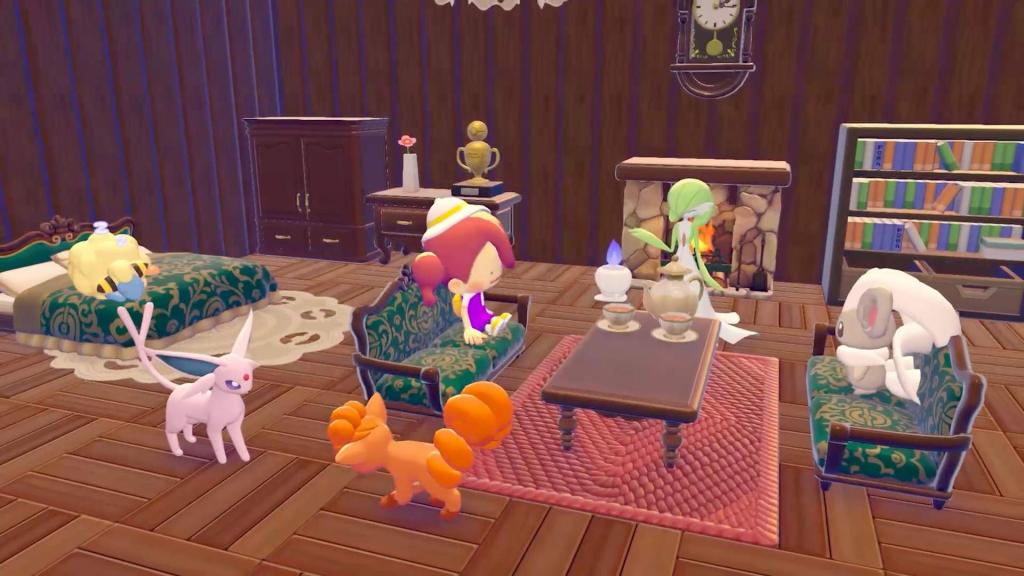
But as with every console, the deciding factor is always on the games, and while there have been some strong exclusives, like Donkey Kong Bananza and Pokemon Pokopia, it’s fair to say that this first year hasn’t had the same highs of Switch 1’s year one where we didn’t just get all-timers like Breath of the Wild and Super Mario Odyssey, but original ideas like ARMS, Snipperclips and Mario + Rabbids: Kingdom Battle, or sequels on a roll like Splatoon 2 and Xenoblade Chronicles 2.
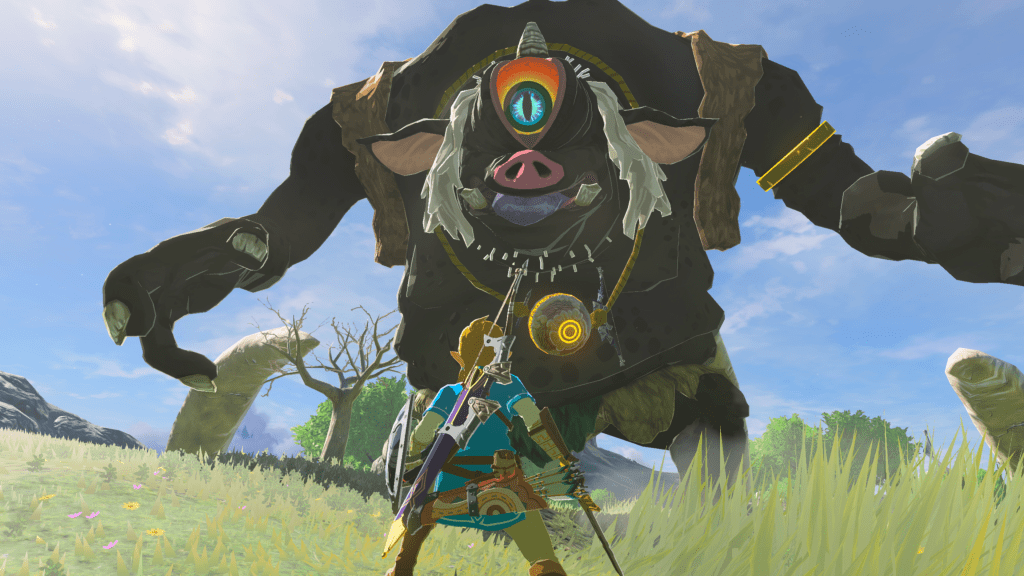
There’s instead been too much of Switch 2 editions, and while it’s of course tremendous being able to play Breath of the Wild and Tears of the Kingdom in 4K 60FPS, these editions have been wildly inconsistent in content and pricing, while some games like Splatoon 3 and Super Mario Sunshine just got a free update. Perhaps more disappointing is that the aforementioned Zelda games had been included with the Nintendo Switch Online + Expansion Pack membership, only for no other such Switch 2 edition to be included since to make the subscription more enticing.
Of course, there is still much to look forward, with a Star Fox remake coming later this month, and a new Fire Emblem game also on the horizon. It’s also almost certain a new Nintendo Direct is just around the corner to drum up more hype – hopefully in the form of a new 3D Mario, as well as a heavily rumoured remake of Ocarina of Time.
Should you buy a Switch 2 now?
Like every other piece of hardware, the Switch 2 is also facing a price increase due to “changes in market conditions” (read a mix of US tariffs and the AI-fuelled RAMageddon) that will see its cost go up from $449.99 to $499.99 in the US, and €469.99 to €499.99 in most European countries, while the UK’s revised price from £395.99 has yet to be confirmed.
If you’re still waiting for a proper killer app, you might want to get a Switch 2 now before the new prices come into effect in September, though then again you might also prefer to wait until the release of a reportedly revised European model that makes it easier to replace the battery. Still, the price rise that’s coming is still not in the same league as price rises already implemented by other platform holders, with a Steam Deck now setting you back a staggering $789/£649.
I don’t think it’s hyperbole to say that the Switch 2 is the best value-for-money console, and will probably still be true when we come to its second year. Hopefully by then there will be even more great exclusives to shout about.


 Alan Wen