Microsoft Windows at 40 – from wonky beginnings to world-domination
We look back at four decades of Microsoft Windows, from its origins and high points to versions we’d rather Ctrl-Alt-Forget

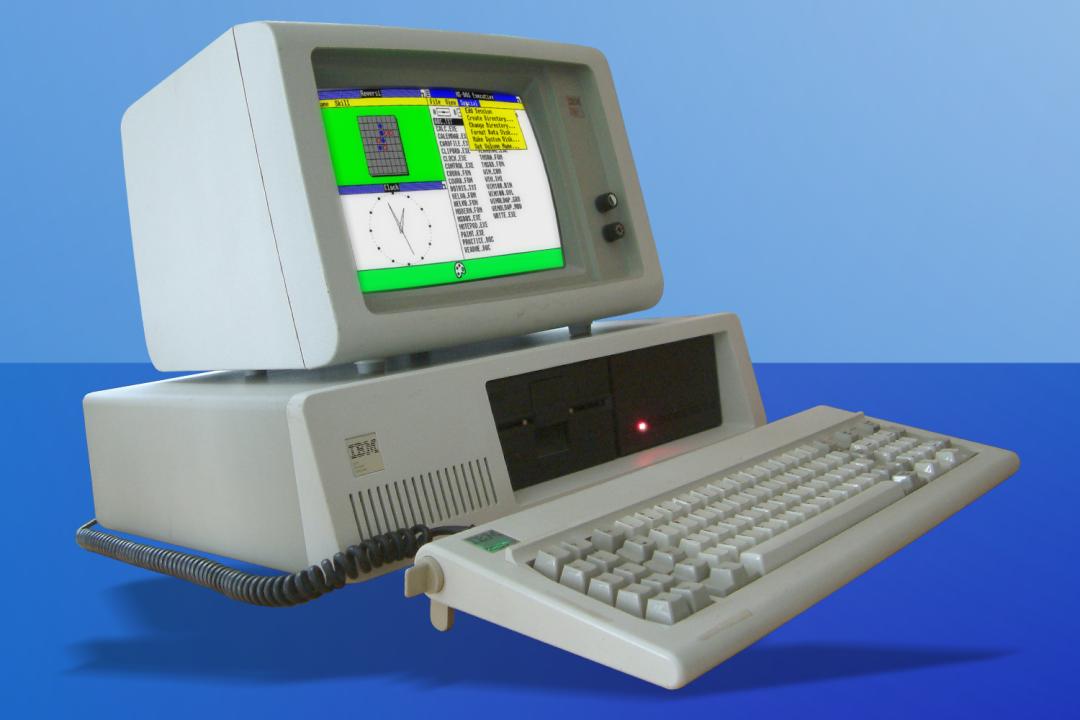
If you remember Windows 1.0, congratulations: you’re extremely old. And if you remember it fondly, beyond it lighting the fuse on the desktop OS wars – you might want to bin those rose-tinted specs…
So something tells me you’re not going to say “original is best” for this one…
Indeed. Even by 1985 standards, Windows 1.0 was clunky and garish. It lacked finesse, and Microsoft had ripped out overlapping windows before launch, leaving a weird tiling system that made multitasking awkward on tiny displays. The result felt like a value-range OS, which was kind of the point: $99 got you a graphical display for the masses, with modest system requirements. And if you were a journalist, Microsoft even sent you a free squeegee to get you excited.
Huh? Were Microsoft Windows’ windows particularly dirty or something?
Maybe someone thought the squeegee tied in with a joke about the launch event giving everyone a “clear view of what’s new in microcomputer software”. At least Microsoft didn’t ship journalists a box of glass shards and tell them to have a smashing time. Regardless, things didn’t improve. Windows was scheduled for April 1984 but slipped to November 1985. By then, no novelty squeegee could scrub off its ‘vapourware’ label – and hacks weren’t any kinder when the finished article arrived.
So not even remotely close to a win-win for Windows?
Not at first. Bill Gates had predicted 90% adoption within months, but even by April 1987 just 500,000 copies had sold. Reviewers grumbled that Windows was slow and pointless and lacked apps. Gates reasoned it was “important to heed the lessons of failure”. A decade later, Microsoft had done just that. Windows was no longer awful and had obliterated its rivals. And those early adopters? Amazingly, that $99 bought them support until 2001 – if they were daft enough to be still running it.
More Windows milestones
After four decades of Windows, we check out which versions were panes with polish and which were just a massive pain in the glass.
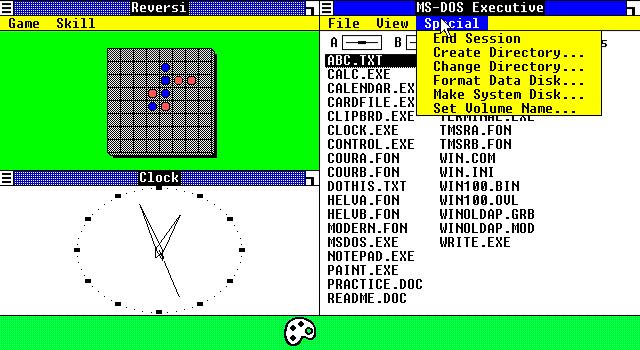
Windows 1.0 (1985) was where it all started – to the horror of DOS die-hards hugging their command lines. But this clunky curiosity sketched out a future everyone would soon pretend they’d always believed in.
Windows 3.1 (1992) was the first release that made the Mac sweat. After adding overlapping windows (2.0) and more colour (3.0), Windows now threw in TrueType fonts. Although most users cared more about Minesweeper.
Windows 95 (1995) upended everything with the Start button and menu, amusingly placing ‘Shut Down’ right above your cursor. Not that people wanted to click that, because Windows had finally become… good.

Windows XP (2001) was the one that hung around forever to the joy of hackers gleeful at its porous security. But users loved the spruced-up UI and newfound ability to play media without self-combusting.
Windows Vista (2007) bombarded users with permission prompts and translucent glass effects. Everyone hated it. Well, apart from Hollywood and Apple’s design team, apparently.
Windows 7 (2009) was a redemption arc, sweeping away much of Vista’s chaos. And Aero Snap’s windows management alone made it worth the install, while making Mac OS look prehistoric.
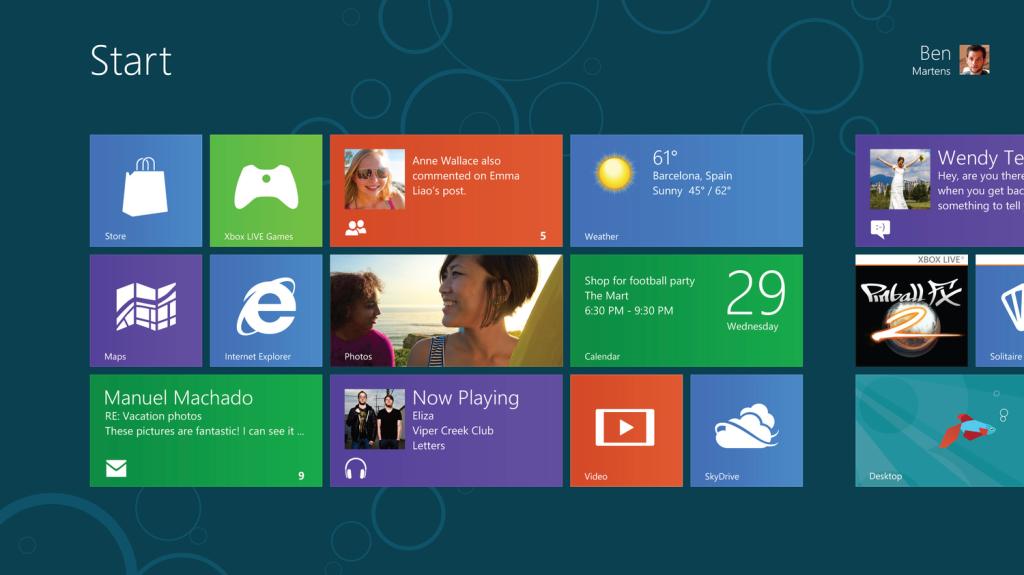
Windows 8 (2012) aimed for a touchscreen future by replacing the familiar UI with tiles the size of your head. Today, it looks prophetic. In 2012, it sparked such panic that Windows 8.1 performed a screeching U-turn the following year.
Windows 10 (2015) was the “OK, fine, we’ll behave” release. A more or less traditional Start menu reappeared and Microsoft’s Jerry Nixon confidently claimed this would be the “last version of Windows”. As if.
Windows 11 (2021) then turned everything up to 11. By, er, centring the Start menu and inflating system requirements until IT departments wept, while daring to call that progress. But it’s still around, and you can’t say it isn’t successful with around 55% market share according to recent stats.


 Craig Grannell
Contributor
Craig Grannell
Contributor